


When it comes to family transportation, safety is often the top priority for parents and caregivers. Since the inception of the brand, Volvo has ingrained a culture of safety into their vehicles, making them synonymous with child safety and crash protection. With continuous advancements in automotive technology and a robust commitment to safety, many wonder: Are Volvo cars still the safest choice for family transportation? This article will explore Volvo’s current safety features, industry ratings, and comparisons to other brands, providing you with the information needed to make an informed decision. You can also use when does Volvo release new cars as a helpful next guide on the same ownership topic.
- Main point: Volvo cars maintain a strong reputation for safety.
- Best first step: Review safety ratings and features when considering a purchase.
- Cost or value: Safety features can influence overall vehicle cost but provide valuable peace of mind.
- Who it suits: Families and individuals who prioritize safety in their vehicle choice.
- When to get help: Consult a Volvo dealer for specific safety features and advice.
Volvo’s Safety Philosophy and Innovations
Volvo’s commitment to safety is rooted in its foundational philosophy: “Safety is not a privilege, it is a right.” Since the introduction of the three-point seatbelt in 1959, the brand has been at the forefront of automotive safety. Today, Volvo vehicles incorporate a variety of innovative safety technologies designed to protect passengers and pedestrians alike. These include advanced driver-assistance systems (ADAS), collision avoidance technology, and robust structural integrity built into the vehicle’s design. If you are comparing similar topics, are Volvo cars expensive to repair is also worth checking.
Current Safety Features in Volvo Cars
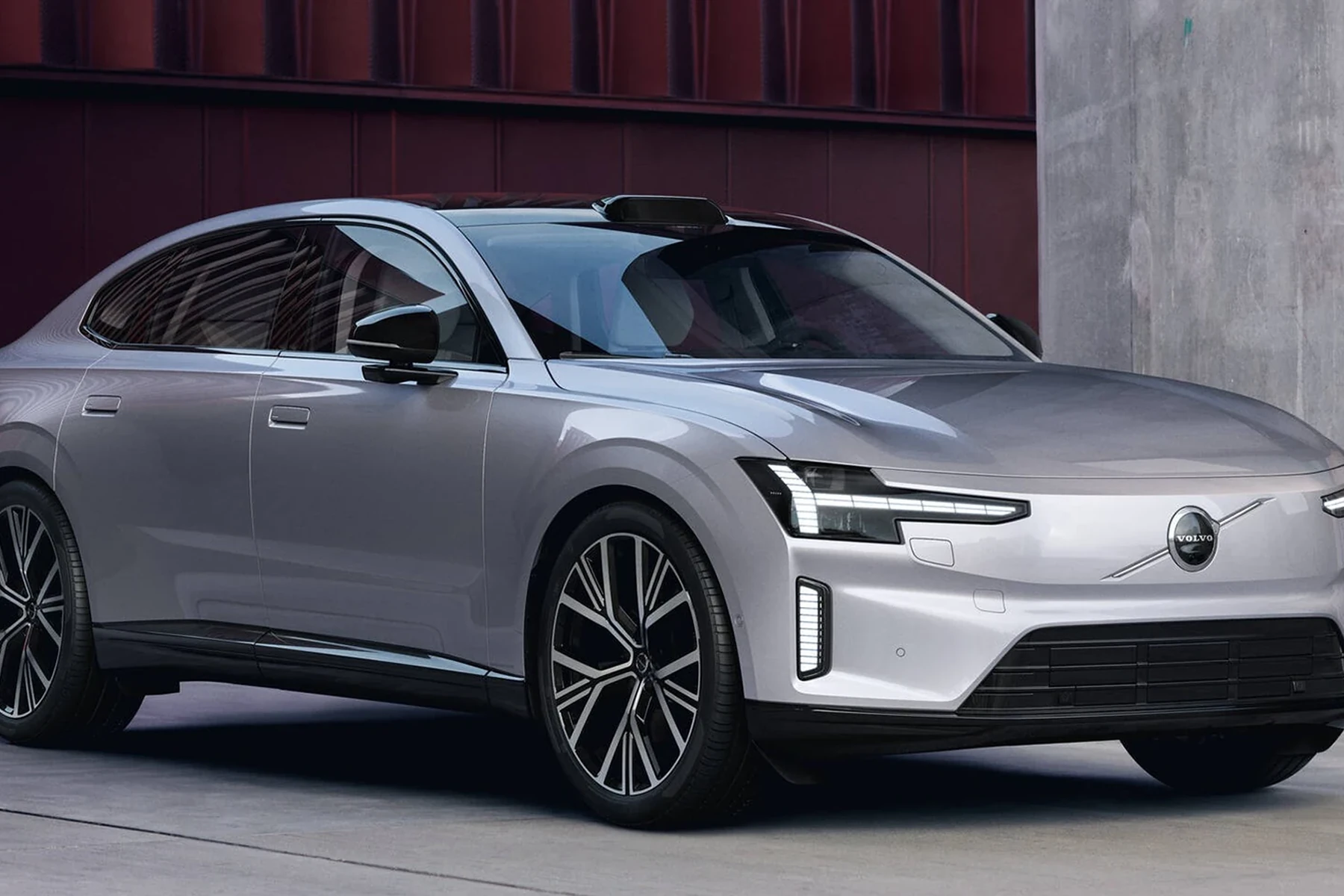
Volvo continuously updates its vehicles with cutting-edge safety features. The latest models are equipped with systems like Pilot Assist, which offers semi-autonomous driving capabilities, and City Safety, designed to prevent collisions with other vehicles, pedestrians, and cyclists. Additionally, features such as blind-spot monitoring, lane-keeping assistance, and adaptive cruise control further enhance the safety experience for families on the road. This connects closely with when are Volvo cars going electric if you want to compare the topic in more detail.
Volvo Safety Ratings: An Overview
Safety ratings from organizations like the National Highway Traffic Safety Administration (NHTSA) and the Insurance Institute for Highway Safety (IIHS) are crucial indicators of a vehicle’s safety performance. Volvo consistently receives high marks from these institutions. For instance, many models have earned the IIHS’s Top Safety Pick+ designation, indicating superior performance in crashworthiness and accident avoidance tests. You can also use why are Volvo cars always in movies as a helpful next guide on the same ownership topic.
Volvo vs. Competitors: Safety Comparison
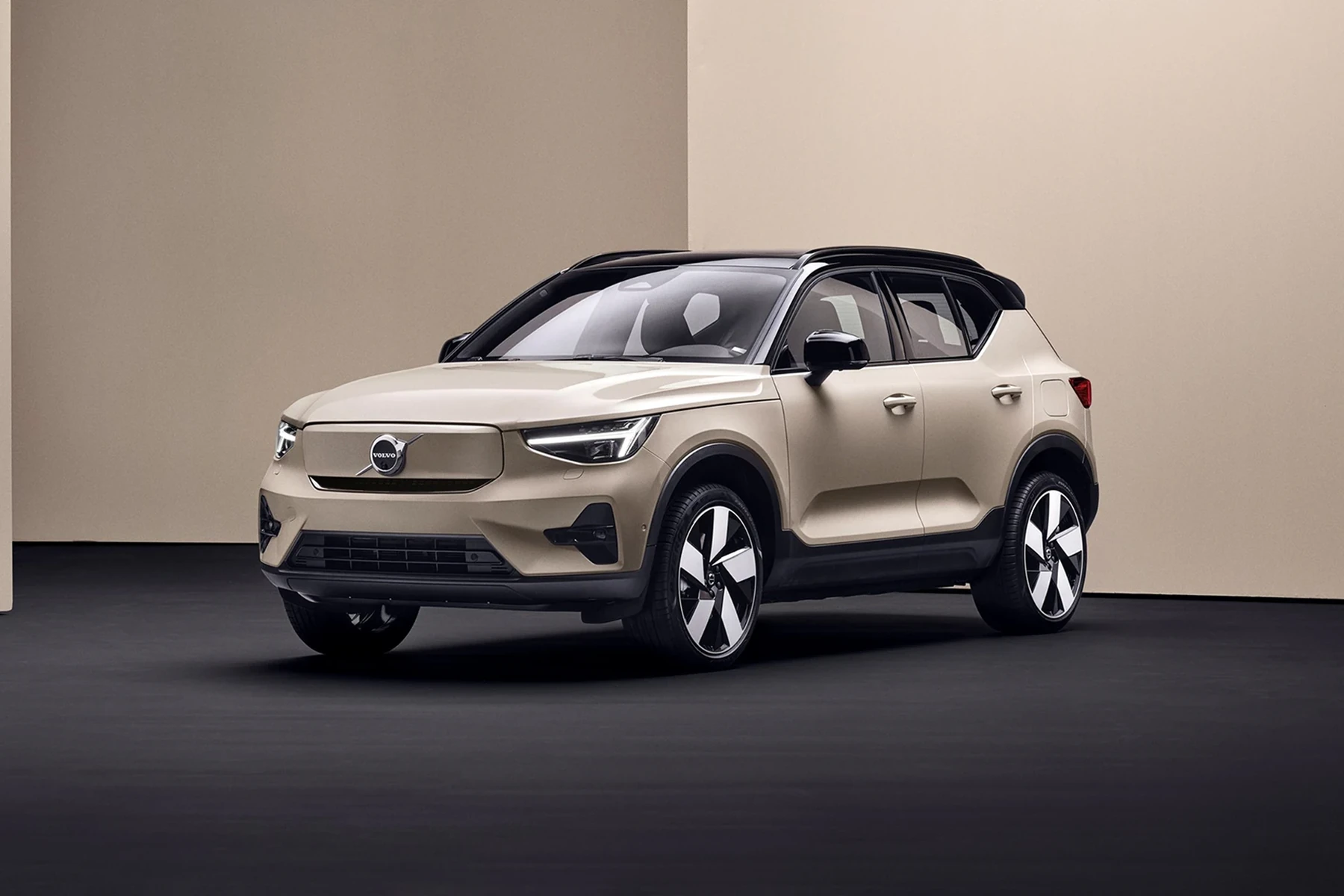
When comparing Volvo to other brands, it becomes clear that its commitment to safety sets it apart. Brands like BMW, Audi, and Mercedes-Benz also prioritize safety, but Volvo’s comprehensive approach—integrating safety into every aspect of design and engineering—gives it a unique edge. This includes not only the technology used but also the brand’s rigorous testing protocols, which ensure that each vehicle meets high safety standards. For related context, you may also want to read what is the difference between Volvo group and Volvo cars.
How To Choose a Safe Family Vehicle
Choosing a family vehicle requires careful consideration of safety features, ratings, and overall reliability. Here are essential steps to help you make an informed decision: For another practical angle, see where are Volvo cars made for australia.
- Step 1: Research safety ratings from credible sources like the IIHS and NHTSA.
- Step 2: Check for advanced safety features such as automatic emergency braking and lane departure warning.
- Step 3: Consider the vehicle’s crash test performance and structural integrity.
- Step 4: Evaluate family-friendly features like child seat compatibility and spacious interiors.
- Step 5: Test drive potential vehicles to assess visibility, comfort, and ease of use.
Common Misunderstandings About Volvo Safety
Some people believe that safety features add significant costs to Volvo vehicles, making them less accessible. While it’s true that safety-enhanced models may be priced higher, the long-term value, including reduced insurance costs and enhanced peace of mind, often outweighs these initial expenses. Moreover, Volvo offers a range of models to fit various budgets without compromising on safety. This connects closely with what is special about Volvo cars if you want to compare the topic in more detail.
💡 Evans Torres Tip: On every Volvo I have owned, I always keep a full digital service record from day one. When something goes wrong — and eventually something always does — having that history makes diagnosis faster and often saves money at the mechanic. Start your records today, even if the car is not new.
Frequently Asked Questions
In this section, we address some common questions regarding Volvo cars and their safety features to help you better understand their offerings and how they compare to other brands.
Are Volvo cars still considered the safest on the market?
Yes, Volvo cars are still regarded as some of the safest vehicles on the market due to their innovative safety technologies and high crash-test ratings.
What safety features should I look for in a family vehicle?
Essential safety features include adaptive cruise control, lane-keeping assist, automatic emergency braking, and advanced airbag systems.
How do Volvo safety ratings compare to other brands?
Volvo consistently receives high safety ratings from organizations like the IIHS and NHTSA, often outperforming competitors in crashworthiness and accident avoidance categories.
Is it worth investing in a Volvo for safety features?
Investing in a Volvo can be worthwhile due to its commitment to safety, which can lead to lower insurance rates and a reduced risk of accidents.
How often does Volvo update its safety technology?
Volvo regularly updates its vehicle safety technology, often introducing new features with each model year to enhance passenger protection.
What is the best Volvo model for family safety?
The Volvo XC90 is often highlighted as one of the best models for family safety due to its spacious interior, advanced safety features, and high crash-test ratings.
Final Verdict
In conclusion, Volvo cars remain a top choice for family transportation, due to their unwavering commitment to safety, innovative technologies, and high ratings from safety organizations. When considering a vehicle for your family, it’s essential to prioritize safety features and ratings. A thorough evaluation of your options, including a test drive, can help you select the right model. For specific concerns or to explore features in-depth, visiting a Volvo dealer or consulting your vehicle’s manual can provide additional insights.
Author

Author

Evans Torres
I’m Evans Torres, an automotive engineer who loves Volvo cars. I graduated in Automotive Engineering from USC. I have worked in the car industry for years and now share my knowledge on The Volvo Life. I started this blog to connect with other Volvo fans. I offer tips, news, and advice to help you care for your car. My goal is to help you keep your Volvo in great shape and find all the best things about it. Join me as we discover everything Volvo has to offer!