

Which Volvo engines should you avoid? The safest 2026 answer is not “avoid every T5,” “avoid every five-cylinder,” or “avoid every V8.” Volvo reused badges across different engine families, and several popular internet lists mix engine defects with transmission, software, brake, AWD and infotainment problems.
There are, however, a few specific engine codes and production periods that deserve extra caution. The strongest documented examples are certain 2014–2016 Drive-E four-cylinder gasoline engines with excessive oil consumption and certain 2013–2016 B5254T12 five-cylinder applications that Volvo addressed with piston/piston-ring repair procedures.
This updated guide separates those documented cases from internet myths, explains which older Volvo powertrains deserve a deeper inspection, and shows how to evaluate a used engine before you spend money.
The Volvo engines to be most cautious about are specific affected engine codes—not entire badges. Volvo Technical Journal TJ 31216 documents high oil consumption in selected 2014–2016 Drive-E B4204T9/T10/T11/T12 engines and the 2016 XC90 B4204T27, with revised pistons/piston rings as the service solution. Volvo TJ 34588 separately documents high oil consumption in selected 2013–2016 B5254T12 five-cylinder applications and calls for piston-ring replacement. A used car with one of these engines is not automatically a bad purchase, but it should have documented oil-consumption history and proof of the relevant repair where applicable.
- Do not avoid an engine by badge alone. T5, T6 and T8 have represented different engines across different years.
- 2014–2016 Drive-E four-cylinder oil consumption is documented. Volvo TJ 31216 lists affected B4204 engine variants and a piston/piston-ring service repair.
- Some B5254T12 five-cylinders also have documented oil-consumption concerns. Volvo TJ 34588 covers selected 2013–2016 applications.
- The classic 2.5L five-cylinder is not universally an “engine to avoid.” Engine code and production range matter.
- The early XC90 T6 warning is largely a powertrain-combination issue. Volvo officially paired the 2.9L twin-turbo six with a 4-speed Geartronic; do not mislabel every problem as an engine defect.
- Volvo’s 4.4L V8 is not automatically a “never buy.” The old article overstated broad timing-chain/cylinder-liner claims without enough engine-code-specific evidence.
- 2020 T5/T6 models should not be blanket-labeled bad. The old article generalized later cars without a consistent technical basis.
- A pre-purchase inspection is more valuable than a blacklist. Verify engine code, oil history, compression/leak-down where justified, cooling condition, stored faults and recall/warranty history.

Why Most “Volvo Engines to Avoid” Lists Are Misleading
The original article grouped together engines, entire models and non-engine problems. For example, it listed the 2001 V70, 2005 XC90, “general XC90 models,” 2020 Volvos, the 2.5L five-cylinder and the V8 as though they were equivalent engine-risk categories.
That approach creates three problems:
- Model is not engine. A Volvo XC60 may have several different engines depending on year and market.
- Badge is not engine code. A T5 badge can identify a five-cylinder in one era and a four-cylinder Drive-E engine in another.
- Transmission/software faults are not engine defects. They still matter to a buyer, but they should not be used to condemn an engine family.
Before researching reliability, get the VIN, engine code, model year and market specification. “2016 T6” or “XC60 T5” is not precise enough for serious engine research.
The Short List: Volvo Engines and Powertrains That Deserve Extra Caution
| Engine / Powertrain | Risk Level | Why It Deserves Attention | What to Verify Before Buying |
|---|---|---|---|
| Selected 2014–2016 Drive-E B4204T9/T10/T11/T12 | High caution | Volvo TJ 31216 documents excessive oil consumption and piston/piston-ring replacement | Engine code, production range, oil-consumption history, documented piston repair |
| 2016 XC90 B4204T27 | High caution | Included in Volvo TJ 31216 affected-vehicle list | Service history, oil usage, relevant repair documentation |
| Selected 2013–2016 B5254T12 five-cylinder | High caution | Volvo TJ 34588 documents high oil consumption and piston-ring replacement | Exact engine code, model/chassis range, oil history, piston-ring repair records |
| 2003–2005-era XC90 T6 2.9 + 4-speed Geartronic | Powertrain caution | Complex early twin-turbo six combined with an old 4-speed automatic; the gearbox is a major buying concern separate from engine health | Transmission behavior, fluid/service history, cooling, boost, engine and gearbox codes |
| Early high-mileage turbo five-cylinders | Condition-dependent | PCV, oil leaks, cooling, boost hoses and timing-service history matter with age | Do not blacklist; inspect condition and records |
| 4.4L B8444S V8 | Condition-dependent | Age and expensive packaging make inspection important, but a blanket “avoid every V8” claim is too broad | Cold-start noise, cooling, oil leaks, service history and full vehicle condition |
1. 2014–2016 Drive-E Four-Cylinder Engines With Documented Oil Consumption
This is the strongest evidence-based section of the article.
Volvo Technical Journal TJ 31216.3.1, filed in the NHTSA technical-service-bulletin database, addresses Drive-E engines that may continue to have high oil consumption. Volvo’s service instruction states that engines were modified from engine serial number 1501327, and the repair procedure calls for new pistons and piston rings.
The affected-vehicle list includes:
- 2014–2016 S60 with selected B4204T9/T10/T11/T12 engines
- 2016 S60L B4204T11
- 2014–2016 S80 B4204T11/T12
- 2014–2016 V60 B4204T9/T11/T12
- 2014–2016 XC60 B4204T9/T10/T11/T12
- 2016 XC90 B4204T27
The technical journal identifies engine variants and production ranges. A seller saying “it is a 2016 T5” is not enough information. Verify the engine code and service history before deciding whether the bulletin applies.
What to Look for Before Buying
- Frequent oil top-up receipts
- Low-oil-level warnings in service history
- Oil-consumption tests performed by a Volvo retailer
- Documentation for piston/piston-ring replacement
- Oil-fouled spark plugs or smoke that needs diagnosis
- Compression/leak-down imbalance if oil consumption is still suspected
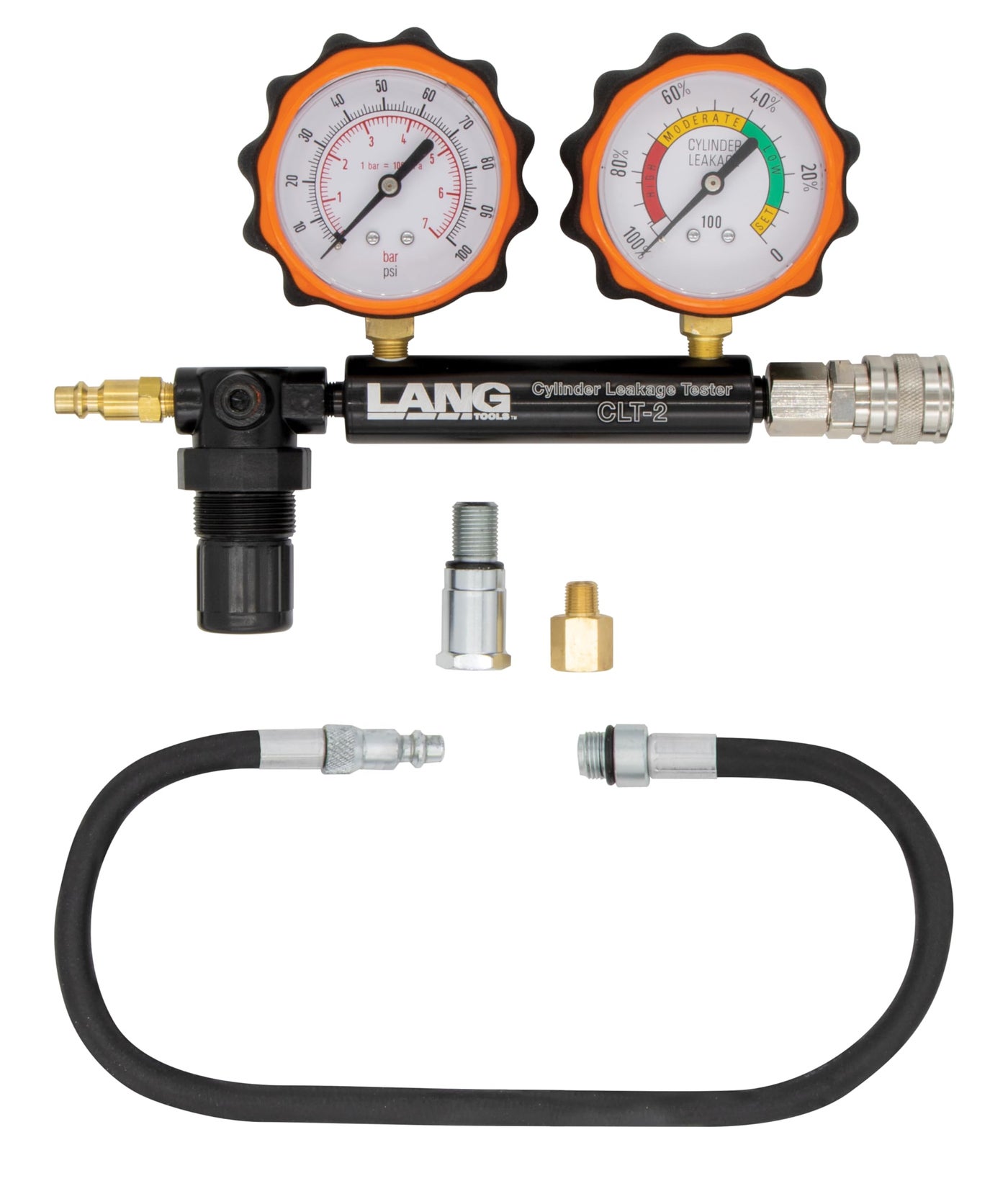
Lang Tools CLT-2 Cylinder Leakage Tester
A dual-gauge 100 PSI leak-down tester that supplements a compression test by showing how well a cylinder holds compressed air. It is especially useful when excessive oil use raises questions about rings, valves or cylinder sealing.
2. B5254T12 Five-Cylinder: A Specific Oil-Consumption Case
The old article called the 2.5L five-cylinder an engine to avoid. That is too broad.
Volvo’s own Technical Journal TJ 34588.2.0 is much more specific. It documents high engine-oil consumption on selected vehicles using the B5254T12 engine and specifies piston-ring replacement as the service action.
Volvo’s affected-vehicle table includes selected:
- 2013–2016 S60
- 2016 S60 Cross Country / S60L
- 2013–2014 S80
- 2014–2016 V60
- 2015–2016 V60 Cross Country
- 2015–2016 XC60
- 2016 XC70
That is very different from saying every Volvo 2.5T, every five-cylinder, or every early S60 is unreliable.
For a broader five-cylinder reliability analysis, see Volvo 5 Cylinder Engine Reliability.
If you are shopping for a five-cylinder Volvo, identify the exact B52xx engine code. The five-cylinder family spans many years and specifications, and the documented B5254T12 oil-consumption case should not be generalized to every version.
3. Early XC90 T6: Be Careful With the Whole Powertrain
The early first-generation XC90 T6 used a 2.9-liter twin-turbo inline-six. Volvo’s own launch material confirms that the T6 was paired with a 4-speed Geartronic automatic.
This is an important correction because many “Volvo engines to avoid” lists describe the early XC90 T6 as though the engine itself is the only problem.
When inspecting one today, evaluate the whole powertrain:
- Cold and hot transmission shifting
- Flare/slip or delayed engagement
- Transmission and engine DTCs
- Turbo boost behavior
- Cooling-system condition
- Oil leaks and crankcase ventilation
- AWD/driveline condition
Read the dedicated guide: Volvo XC90 Engine Issues.
4. Should You Avoid the Volvo 4.4L V8?
Not automatically.
The old article claimed broad “timing chain problems, cylinder liner failures and water-pump leaks” and advised avoiding high-mileage V8s. That is too aggressive without engine-code, production-range and service-history context.
The B8444S is a compact Yamaha-developed V8 with a balance shaft and timing-chain system. On a used example, the sensible approach is a specialist inspection rather than a blanket blacklist.
What to Check on a Used V8
- Cold-start mechanical noise
- Cooling-system leaks or overheating history
- Oil leaks
- Stored misfire/timing-related DTCs
- Accessory-drive condition
- Engine mounts and drivetrain condition
- Complete service records
If repair budget is limited, the V8’s packaging and age can make it a higher-risk ownership choice—but that is different from claiming every engine has a fatal design defect.
5. The 3.2L SI6 Inline-Six Is Not an “Engine to Avoid” Just Because It Uses Fuel
The original article later admitted that the 3.2L inline-six was reliable but “thirsty,” even though the article was supposed to identify engines with reliability concerns.
Fuel economy and reliability are different questions.
If a 3.2L Volvo passes a cold-start inspection, has normal oil/coolant condition, no unresolved faults and a good service history, higher fuel consumption alone is not a valid reason to call the engine unreliable.
6. Should You Avoid 2019–2020 T5 and T6 Engines?
The old article broadly claimed that 2019–2020 T5/T6 engines suffered from oil consumption, turbo failures, fuel-consumption problems and software faults.
That claim was too general.
By this period, T5 and T6 referred to Drive-E four-cylinder powertrains rather than the older five- and six-cylinder engines many buyers associate with those badges. A 2020 Volvo should be evaluated by exact model, engine code, software history and fault data, not by a blanket “2020 engines to avoid” rule.
For used second-generation XC60s, see Are Volvo XC60 Reliable?.
7. “T5” and “T6” Are Not Single Volvo Engines
This is one of the biggest factual problems in old Volvo reliability articles.
Historically, T5 often meant a turbocharged five-cylinder. Later, T5 became a performance badge applied to 2.0L Drive-E four-cylinders. Likewise, T6 has been used on older inline-six powertrains and later turbo/supercharged Drive-E four-cylinders.
| Badge | Can Refer To | Buying Rule |
|---|---|---|
| T5 | Older turbo five-cylinder or later Drive-E four-cylinder depending on year | Verify engine code before researching problems |
| T6 | Older turbo inline-six or later Drive-E four-cylinder depending on year | Do not combine unrelated T6 generations in one reliability claim |
| T8 | Plug-in-hybrid powertrain with gasoline engine plus electric drive | Evaluate gasoline engine, charging, high-voltage and software systems separately |
| B5/B6 | Later mild-hybrid naming | Do not project old T5/T6 issues onto current mild-hybrid powertrains |
8. Timing Belt and Timing Chain Advice Must Be Engine-Specific
The old article recommended fixed rules such as changing a five-cylinder timing belt every 70,000 miles and replacing V8 water pumps every 60,000 miles.
Those are not safe universal Volvo rules.
Volvo’s own support guidance consistently directs owners to use the prescribed engine oil and follow the service intervals specified for the exact vehicle in the Service & Warranty information.
Confirm the timing-belt/chain architecture and the exact service schedule for the VIN, engine and market. Different Volvo engines use different timing systems and maintenance requirements.
9. A “Bad Engine” Can Actually Be a PCV, Turbo, Cooling or Sensor Problem
A used Volvo that smokes, leaks oil or loses power does not automatically need an engine.
Common external systems that can imitate serious engine wear include:
- Restricted PCV / abnormal crankcase pressure
- Turbo oil/boost plumbing problems
- Ignition coils and spark plugs
- Vacuum/boost leaks
- Cooling-system leaks
- Faulty sensors or wiring
- Software/adaptation issues on newer vehicles
If the car loses power under acceleration, see Volvo Loss of Power When Accelerating.
10. Used Volvo Engine Inspection: 8 Checks Before You Buy

Get the VIN and Engine Code
Do this before searching forums. Match the engine code to documented Volvo technical information.
Cold-Start the Engine
Watch for smoke, unstable idle, persistent mechanical noise, warning messages and long cranking.
Check Oil History
Ask whether the owner adds oil between services. Look for oil-consumption tests, piston-ring repairs and low-oil warnings in invoices.
Inspect for Coolant Loss and Overheating Evidence
Residue, low coolant, mixed fluids or repeated cooling repairs deserve a proper diagnosis before purchase.
Perform a Full-System Scan
Save engine, transmission, body and communication DTCs. A seller-cleared check-engine light is not the same as a clean vehicle.
Compression / Leak-Down Test When Justified
Use mechanical testing when oil consumption, misfire, low power or uneven cranking suggests internal cylinder condition needs verification.
Inspect Inside the Cylinder if Evidence Points There
A borescope can help document scoring, heavy deposits or suspicious cylinder conditions, but images should be interpreted with the other test results.
Get a Volvo-Specialist Pre-Purchase Inspection
Use a specialist when the car has an affected engine code, unusual oil consumption or expensive hybrid/turbo hardware.
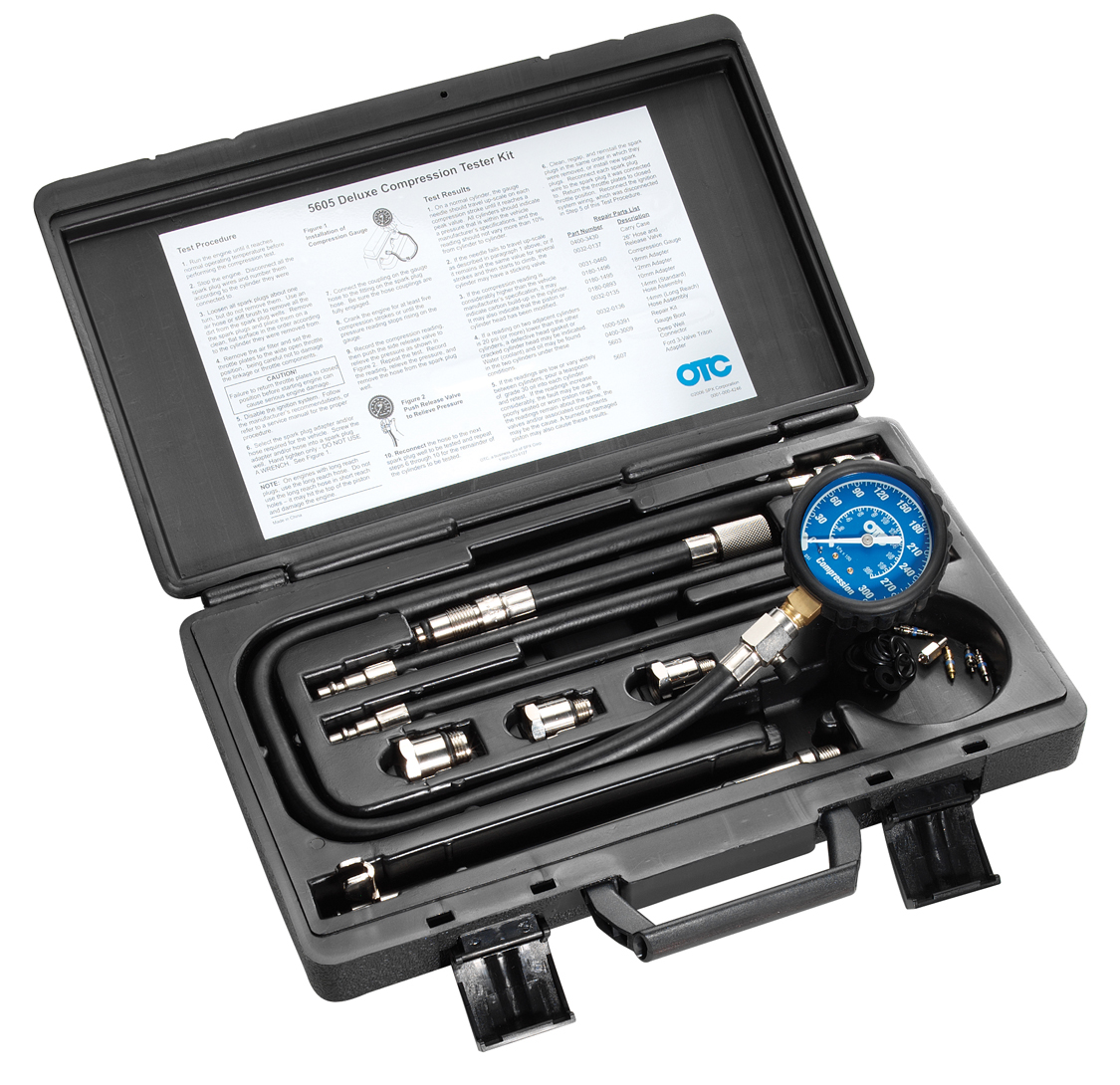
OTC 5605 Deluxe Compression Tester
A professional gasoline-engine compression kit with a 0–300 PSI gauge, long flex hose and multiple spark-plug adapters. Useful when a used Volvo shows oil consumption, misfire, uneven cranking or suspected cylinder-sealing problems.
11. What Compression Testing Can—and Cannot—Tell You
Compression testing is useful when you suspect worn rings, valve sealing or cylinder-to-cylinder imbalance. It is not a magic “good engine / bad engine” number.
Compare cylinders under the correct test conditions and use the engine-specific specification where available. If compression is low or uneven, a leak-down test can help determine whether air is escaping through rings, valves or another path.
Spark-plug removal and compression testing require correct procedures, especially on aluminum cylinder heads. If you are not comfortable disabling fuel/ignition and reinstalling plugs to the correct specification, have a technician perform the test.
12. Why a Borescope Is Useful on an Oil-Burning Volvo
A borescope can add visual evidence when an engine has unexplained oil consumption or misfire history.
Depending on access and engine design, a technician may inspect for:
- Abnormal cylinder-wall scoring
- Heavy oil/carbon deposits
- Unusual piston-crown condition
- Coolant-cleaned areas that need further diagnosis
- Foreign-object damage
A clean-looking cylinder does not guarantee healthy rings, and a dirty-looking piston does not automatically require engine replacement. Use the camera as one part of the inspection.
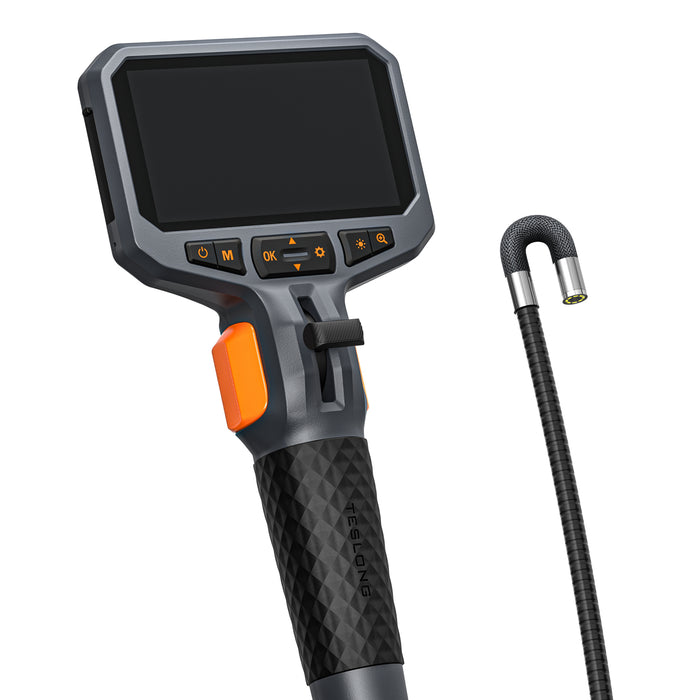
Teslong TD450S Articulating Borescope
A two-way articulating inspection camera with an 8.5 mm probe and built-in display. It can help document cylinder-wall condition, deposits and other hard-to-see areas when a used Volvo has suspicious oil consumption or misfire history.
13. Smoke Testing Can Prevent a False “Bad Turbo/Bad Engine” Diagnosis
A boost or vacuum leak can cause rough idle, lean codes, underboost and reduced performance that may be blamed on the turbocharger or engine.
On a turbocharged used Volvo, checking intake/charge plumbing for leaks can prevent expensive guesswork. Use appropriate low-pressure procedures for the specific system.

AutoLine Pro HyperSmoke
A self-contained automotive smoke machine for finding intake, vacuum, EVAP and related leaks. It is useful when rough idle, lean codes or underboost could be caused by an external air leak rather than internal engine damage.
14. Repair Cost: Why the Old Fixed Numbers Were Misleading
The old article claimed that Volvo repairs cost 20–30% more than BMW or Audi and supplied fixed price ranges for timing belts, turbos, piston rings, PCV systems and software.
Those numbers are not dependable across the U.S. in 2026.
Actual repair cost depends on:
| Cost Driver | Why It Matters |
|---|---|
| Exact engine code | Parts and labor procedures differ dramatically |
| Model packaging | The same engine can take more labor in one chassis than another |
| Dealer vs independent specialist | Labor rates and warranty options differ |
| Internal engine vs external system | A boost hose or PCV fault costs very differently from pistons/rings |
| Parts availability | Older Volvo components may be new, remanufactured, used or discontinued |
| Software/programming | Some repairs require Volvo-specific software or calibration |
Diagnose first, then request an all-in quote for the exact repair.
15. Are Modern Volvo Engines Better?
Modern Volvo combustion powertrains are very different from the engines discussed in the older technical journals.
That does not justify saying every B5, B6 or T8 is “bulletproof,” and it also does not justify importing old five-cylinder or early Drive-E problems into current models.
For newer used Volvos, reliability research should include:
- Exact model year and powertrain
- Software-update history
- 12V and electrified-system health
- Open recalls by VIN
- Hybrid charging/electric-drive operation where applicable
- Service history
New vehicles also have less long-term mileage history, so be cautious with anyone making confident 200,000-mile lifespan predictions for current powertrains.
16. Which Volvo Engines Are Actually Good?

Many Volvo engines have strong long-term reputations, but this article is not going to replace one oversimplified blacklist with an oversimplified “best engine” list.
Instead, start with Best Volvo Engines and Best Volvo Engine Reliability, then match those broader guides to the exact car you are considering.
The general rule remains: a documented, correctly serviced engine with no unresolved oil/cooling/fault history is usually a safer purchase than a supposedly legendary engine with no records.
Used Volvo Buying Decision Matrix
| Finding | Verdict | Next Step |
|---|---|---|
| Affected B4204 engine + heavy oil consumption + no repair records | High risk | Walk away or price a proper diagnosis/repair before purchase |
| Affected B4204 engine + documented updated pistons/rings + normal oil use | Potentially acceptable | Verify invoices, current compression/fault data and overall condition |
| B5254T12 + repeated oil top-ups + no piston-ring repair history | High caution | Oil-consumption and mechanical-condition testing |
| Older five-cylinder not in affected B5254T12 range + strong records | Condition-based | Normal used-car engine inspection; do not reject from displacement alone |
| Early XC90 T6 with poor shift quality | High powertrain risk | Transmission/engine specialist inspection before purchase |
| V8 or 3.2 with clean scan, normal fluids and good records | Condition-based | Buy based on inspection/budget, not internet blacklist |
💡 Evans Torres Tip: On every Volvo I have owned, I always keep a full digital service record from day one. When something goes wrong — and eventually something always does — having that history makes diagnosis faster and often saves money at the mechanic. Start your records today, even if the car is not new.
Frequently Asked Questions
Be especially cautious with specific affected 2014–2016 Drive-E B4204 gasoline engines covered by Volvo TJ 31216 and selected 2013–2016 B5254T12 five-cylinder applications covered by Volvo TJ 34588 if they have unresolved oil-consumption history. Verify engine code and repair records rather than avoiding every T5, T6 or five-cylinder.
Some specific B4204 variants had documented excessive oil consumption and Volvo issued a piston/piston-ring service procedure. Not every 2015–2016 Volvo used the same affected engine or production range.
No blanket rule is justified. Volvo documented high oil consumption for selected B5254T12 applications, but the broader 2.5L five-cylinder family includes many other versions. Check the exact engine code and oil history.
Not automatically. The B8444S is now an older, tightly packaged engine that can be expensive to repair, so a specialist inspection is sensible. The old article’s blanket cylinder-liner/timing-chain condemnation was too broad.
The more useful buying concern is the complete early T6 powertrain. Volvo paired the 2.9L twin-turbo six with a 4-speed Geartronic, so inspect transmission operation, cooling, boost and engine condition together rather than labeling the engine alone.
Do not blanket-label all 2020 T5/T6 vehicles unreliable. Those badges identify later Drive-E powertrains, and reliability should be evaluated by exact model, engine code, software history, recalls and service records.
Check invoices for repeated top-ups or oil-consumption tests, verify oil level correctly, inspect for external leaks and smoke, scan the car, and use compression/leak-down or borescope inspection when the symptoms justify deeper mechanical testing.
Not every healthy car needs one, but it is useful when there is oil consumption, misfire, low power, uneven cranking or other evidence of possible cylinder sealing problems.
No. Volvo used T5 branding across different engine generations, including older five-cylinder and later four-cylinder Drive-E powertrains. Always identify the engine code first.
Many are. Reliability varies by engine code, model year, maintenance, oil/cooling history and how previous faults were repaired. A documented pre-purchase inspection is more useful than an internet brand-wide verdict.
Sources & Verification
Primary and Supporting Sources Used for This Updated Guide
- Volvo Car USA / NHTSA — Technical Journal TJ 31216.3.1: Drive-E High Oil Consumption, Pistons + Piston Rings
- Volvo Car USA / NHTSA — Technical Journal TJ 34588.2.0: B5254T12 High Oil Consumption / Piston Ring Replacement
- Volvo Car USA Newsroom — Original XC90 2.5T / 2.9 T6 Specifications
- Volvo Cars Media — XC90 T6 2.9 Twin-Turbo + 4-Speed Geartronic Architecture
- Volvo Support — Use Prescribed Engine Oil and Vehicle-Specific Service Intervals
- Volvo Cars USA — VIN Recall Lookup
- OTC Tools — 5605 Deluxe Compression Tester Specifications
- Teslong — TD450S Articulating Inspection Camera
- AutoLine Pro — HyperSmoke Automotive Smoke Machine
- ASINSIGHT — 2026 Teslong Borescope Sales Tracking
- ASINSIGHT — 2026 AutoLine Pro Smoke-Machine Sales Tracking
Final Verdict: Which Volvo Engines Should You Avoid?
Avoid bad evidence, not just bad badges.
The clearest documented caution areas are specific early Drive-E B4204 engines with Volvo-documented high oil consumption and selected B5254T12 five-cylinder applications with a piston-ring service procedure.
Beyond those cases, most used-Volvo decisions are more nuanced. Early XC90 T6 shopping should include the transmission and entire drivetrain. Older V8s and five-cylinders should be inspected for age-related and engine-specific issues rather than rejected from the badge alone. Later T5/T6/B5/B6/T8 powertrains should be researched by exact year and code instead of inheriting problems from unrelated older engines.
The safest used Volvo is the one with the right engine code, complete records, normal oil and cooling behavior, a clean full-system scan and a specialist inspection that supports the seller’s story.
My Top Picks at a Glance
For this keyword, I selected tools that directly help with used-engine evaluation rather than repeating the same scanner/battery products from recent Volvo articles: a professional compression tester, a current top-selling articulating borescope, and a current top-selling smoke/leak tester.
PREMIUM COMPRESSION TEST PICK
OTC 5605 Deluxe Compression Tester
A professional-quality gasoline compression kit with a 0–300 PSI gauge, long flex hose and multiple plug-thread adapters. A strong choice when oil use, misfire or uneven cylinder condition justifies mechanical testing before a used-car purchase.
TOP-SELLING BORESCOPE PICK
Teslong TD450S Articulating Borescope
A 5-ft two-way articulating inspection camera with a 4.5-inch display and 8.5 mm probe. Current 2026 sales tracking places this model among the strongest-selling Teslong borescopes, and it is especially useful for documenting hard-to-see engine and cylinder areas.
TOP-SELLING LEAK TEST PICK
AutoLine Pro HyperSmoke
A self-contained automotive smoke machine for finding intake, vacuum, EVAP and related leaks. Current 2026 sales tracking places HyperSmoke at the top of its search category, making it a relevant diagnostic tool when a “bad engine” symptom may actually be an air or boost leak.
