


2016 Volvo D11 engine problems most commonly involve aftertreatment faults (NOx sensors, DEF dosing, failed regens), EGR clogging, turbo actuator failures, and injector cup sealing issues. Start by scanning J1939 codes, checking DEF quality (32.5% per ISO 22241), inspecting charge-air piping for boost leaks, and reviewing soot load/regeneration status. Persistent derates, visible coolant loss, or repeat aftertreatment codes warrant a shop visit for smoke testing, DPF cleaning, and software updates.
A sudden “Engine derated” message, frequent parked regens, or a flat spot when pulling grades points to a handful of known 2016 D11 trouble spots. Most are sensor or emissions-system related rather than deep internal failures, and many can be confirmed on the lot with a capable heavy-duty scanner and a few visual checks. This guide focuses on what typically fails on the 2016 D11, the symptoms you’ll notice, how to diagnose in minutes, real repair cost ranges in the U.S., and the maintenance habits that keep a fleet or owner-operator out of forced-regeneration purgatory. For related context, you may also want to read Volvo d6 370 engine maintenance schedule.
- Main point: Aftertreatment (NOx sensors, DEF dosing, regens) and EGR-related faults cause most 2016 D11 issues, not internal engine damage.
- Best first step: Pull J1939/OBD codes and validate DEF quality and soot load before replacing parts.
- Cost or value: Typical fixes run $300–$1,500; DPF cleaning is far cheaper than replacement.
- Who it suits: Owner-operators and fleet managers needing fast root-cause checks and realistic costs.
- When to get help: 5 mph derate, repeat regens, or coolant-in-cylinder symptoms require a qualified Volvo heavy-truck shop.
Need to stop repeat derates and avoid roadside regens — learn fast checks and smart preventive habits. This connects closely with Volvo 5 cylinder engine reliability if you want to compare the topic in more detail.
Standardize diagnosis steps, estimate downtime, and plan parts/labor budgets with realistic ranges.
Reference symptoms, likely causes, and parts-pricing brackets when advising 2016 D11 customers. You can also use maintenance schedule 2016 Volvo XC60 as a helpful next guide on the same ownership topic.
2016 Volvo D11 Reliability Overview: What Tends to Go Wrong
The 2016 D11 is generally solid on bottom-end durability when serviced on time with the correct VDS-4.5 oil. The bulk of headaches come from the emissions stack — EGR deposits that skew airflow, NOx sensors drifting out of spec, DEF pump/dosing faults, and DPFs that struggle to complete passive regens in stop‑and‑go duty. Turbo actuator issues and occasional injector cup sealing leaks appear on higher-mile units. Highway tractors see fewer problems than vocational trucks that idle and short-cycle all day. For another practical angle, see how to remote start 2016 Volvo XC90.

Running steady-state highway speeds at proper coolant temperature promotes passive regeneration and can cut active regen frequency dramatically. Vocational cycles with long idle time often need more frequent parked regens and earlier DPF cleanings.
Before throwing parts, verify software currency — several drivability and aftertreatment behaviors improve with ECU updates from a Volvo dealer or qualified shop.
Most Common 2016 Volvo D11 Engine Problems and What They Mean
Certain symptoms map closely to specific D11 faults. Recognizing the pattern helps you target the first checks and avoid guesswork. Watch for these combinations:
- Frequent regens, rising soot load: DPF loading due to short duty cycle, intake/EGR imbalance, or a leaky boost path that reduces exhaust temperature.
- DEF/aftertreatment warnings, limp/derate: Failed upstream/downstream NOx sensor, poor DEF quality, clogged DEF doser, or DEF pump fault.
- Low power under load, no smoke: Turbo VGT actuator sticking, charge-air cooler/pipe leaks, or dirty MAF/boost sensors from EGR fouling.
- White smoke or coolant loss: Early signs of injector cup sealing issues or EGR cooler leak; rule out external leaks first.
- Engine brake (I-VEB) ineffective or fault lamp: Actuator or cam phaser control/sensor issues; verify oil quality/level and run a functional test.
Never attempt a parked regen indoors or near flammables — exhaust outlet temperature can exceed 500°C. If a 5 mph derate is active, do not force the vehicle into traffic; have it serviced where safe.
For additional context on how a “reduced performance” message behaves across Volvo platforms and why it persists until the underlying fault is fixed, see our explainer on reduced engine performance warnings.
2016 D11 Problems Ranked by Likelihood and Severity
Not all faults are created equal. On 2016 D11s, emissions-sensor failures and DEF- or EGR-related issues top the list, followed by boost control and injector sealing on higher-hour engines. Use this priority to guide your first checks and parts stocking — especially for long-haul routes where downtime hurts most.

Before replacing a sensor that has a code, inspect the harness and connector for DEF crystallization, oil contamination, or chafing. A $12 connector repair can mimic a $400 sensor failure.
Here is a quick summary of the 2016 D11 issues you’re most likely to encounter, with the practical first fix and impact on uptime.
Addressing DEF/NOx faults first prevents forced derates that strand the truck; cleaning the DPF early reduces downstream costs. Boost and injector issues tend to be the next layer if power complaints remain after the emissions stack is healthy.
| Problem | Typical symptom/code | First fix to try | Downtime risk |
|---|---|---|---|
| NOx sensor failure (up/downstream) | Aftertreatment warning, derate; SPN 4364 variants | Verify wiring; replace failed sensor; perform adaptation | High (derate/CSA risk) |
| DEF doser/pump fault | SPN 4094/5246; crystal buildup; poor dosing | Clean doser; confirm 32.5% DEF; replace pump if weak | High (progresses to 5 mph) |
| DPF high soot load | Frequent regens; SPN 3719; hot exhaust | Parked regen; inspect for boost leaks; schedule DPF clean | Medium–High |
| EGR deposits/flow imbalance | P0401/P0402 equivalents; rough idle/low power | Clean EGR valve/cooler; update ECM; verify MAF | Medium |
| Turbo VGT actuator issue | Sluggish spool, low boost under load | Actuator sweep test; repair wiring; replace actuator | Medium |
| Injector cup sealing | Coolant in cylinder/white smoke (advanced) | Pressure test; reseal cups; replace affected injectors | High (engine damage risk) |
| Charge-air/boost leaks | Hiss, oil mist on pipes, low power | Smoke/pressure test; replace boots/clamps/CAC | Medium |
| Sensor wiring/chafing | Intermittent faults; multiple modules | Repair loom/grounds; reroute/secure as needed | Low–Medium |
Repair Cost Overview for 2016 Volvo D11 Issues
Parts pricing swings with brand and sourcing, and labor varies by shop. The ranges below reflect typical U.S. independent Volvo-specialist rates and common parts quality levels. Dealer pricing often trends 20–40% higher but may include software updates and guided tests that speed the fix. Use these figures to build a realistic estimate and decide what to stock in the service truck.
| Repair | What’s involved | Typical parts + labor (USD) | Notes |
|---|---|---|---|
| NOx sensor replacement | 1–2 sensors, adaptation | $450–$900 each | Use OE or proven aftermarket; update ECM if needed |
| DEF doser clean/replace | Clean lines/nozzle; new doser if stuck | $250–$800 | Confirm DEF quality and pump output first |
| DEF pump/module | Pump assembly, prime & test | $700–$1,400 | Check for crystallization root cause |
| DPF clean vs replace | Bake/flush service vs new unit | $350–$600 clean / $2,000–$3,500 replace | Clean early to avoid replacement |
| EGR valve/cooler service | Remove, decarb; replace gaskets | $400–$1,600 | Cooler replacement pushes upper end |
| Turbo VGT actuator | Actuator, calibrate | $800–$1,500 | Confirm turbo vanes move freely |
| Charge-air leak repair | Boots/clamps/CAC repair | $150–$900 | Smoke test to verify |
| Injector cup reseal | Reseal cups; possible injector(s) | $1,200–$2,500 | Do not delay if coolant loss present |
Dealer and independent recommendations differ; balancing uptime against parts cost is key. If you’re weighing the platform overall, our take on long-term value is here: Is the Volvo D11 a good engine?
How To Diagnose the 2016 Volvo D11’s Top Problems
Fast, structured checks avoid parts roulette. Ten focused minutes will confirm whether you’re facing a simple sensor, a DEF quality issue, or a deeper airflow/soot problem. Have a J1939-capable scanner, a DEF refractometer, and a flashlight. If a forced derate is active or the exhaust is hot from a regen, let components cool before touching any hardware. Stop once you see coolant in cylinders or metal in oil — those require immediate professional repair.
- Pull full-module codes: Connect a heavy-duty scanner, read engine/aftertreatment modules, and note freeze-frame data. Clear only after documenting.
- Check DEF quality and delivery: Test DEF with a refractometer for 32.5%; inspect the doser for crystals and verify pump prime/output if codes suggest dosing issues.
- Review soot load/regeneration: If soot is high, perform a parked regen in a safe area; note how long it takes and whether it completes.
- Smoke/pressure test intake: Pressurize the charge-air path to find leaks at boots, clamps, or the CAC; repair obvious hiss/oil-mist spots.
- Inspect EGR/turbo control: Check EGR valve movement (commanded vs actual) and run a turbo actuator sweep test; compare live boost to target under load.
Exhaust components during and after regen exceed 500°C. Wear gloves/eye protection. Never open pressurized DEF lines hot. High-pressure fuel lines can penetrate skin — do not probe for leaks; use proper diagnostic tools.
- Keep a spare NOx sensor connector and quality dielectric grease — many “sensor” codes trace to contaminated terminals.
- Use ISO 22241-compliant DEF only; store jugs sealed, away from sunlight and below 86°F to prevent degradation.
- Log every regen event and DPF cleaning date/odometer — trend changes reveal root causes early.
- Schedule software checks at least annually; updated calibrations often improve regen logic and fault handling.
How To Prevent 2016 Volvo D11 Problems from Returning
Prevention is cheaper than a roadside derate. Follow Volvo’s service intervals, keep the emissions system clean, and avoid duty cycles that starve passive regens. Use the correct oil spec to protect the VGT and I-VEB systems, and pressure-test the intake any time hoses are off. Highway trucks typically need DPF cleanings every 250k–400k miles; vocational cycles can need them far earlier. Track hours, not just miles, to schedule proactively.
- Fluids and filters: Use VDS-4.5 oil and OE-quality filters; change on time to protect turbo/actuator systems.
- DPF/aftertreatment: Clean DPF on schedule; inspect and clean the DEF doser; replace clogged lines.
- EGR hygiene: Plan periodic EGR valve/cooler cleaning where duty cycle is soot-heavy.
- Boost system integrity: Pressure-test after any service; replace tired boots and clamps before they split.
- Software currency: Request ECM/aftertreatment updates at dealer or qualified shop during major services.
For a wider background on pattern failures and warning signs beyond the 2016 model year, review our broader Volvo D11 engine problems overview. And if you’re choosing lubricants, our truck-specific guide to the best oil for Volvo truck engines explains specs that matter.
Deleting or bypassing emissions equipment is illegal in the U.S. and can void insurance and resale value. Focus on proper diagnosis, maintenance, and verified software updates instead.
Volvo Trucks’ official engine and service pages are a good reference for specifications and service programs: Volvo Trucks USA — D11. For recall status, check your VIN at NHTSA Recalls.
Before moving on to the FAQs, one final tip from the field.
💡 Evans Torres Tip: I keep a small DEF refractometer in the cab. After chasing a stubborn derate on a 2016 D11, the “bad sensor” turned out to be weak DEF that had sat in a hot trailer box. Swapping in fresh 32.5% DEF and cleaning the doser cleared the codes, and a parked regen finished in half the usual time. That $25 tool has saved me hours more than once.
Frequently Asked Questions
This section answers the questions owners and fleet managers ask most about 2016 Volvo D11 issues: what fails first, which fault codes flag aftertreatment trouble, realistic repair costs, safe driving limits under derate, recommended DPF cleaning intervals, DEF quality standards, and whether software updates help. If a question isn’t covered here, scan for codes and compare to these patterns — most D11 complaints map to emissions, airflow, or control components you can check quickly.
What are the most common 2016 Volvo D11 engine problems?
Aftertreatment faults lead the list: failed NOx sensors, DEF doser or pump issues, and DPF soot loading that triggers frequent regens. EGR deposits, turbo VGT actuator faults, charge-air leaks, and occasional injector cup sealing problems appear as mileage and hours climb. Most problems are sensor/airflow related, not internal engine failures, and are diagnosable with a J1939-capable scanner and a few quick tests.
Which fault codes usually point to aftertreatment trouble?
Expect variants of SPN 4364 (NOx), SPN 4094 (DEF dosing), SPN 5246 (inducement/derate), and SPN 3719 (soot load). Always pair the code with live data — DEF quality, dosing rate, temperature sensors, and soot load — before replacing parts. A contaminated connector or poor DEF can trigger the same codes as a dead sensor.
How much does replacing a NOx sensor typically cost?
Budget $450–$900 per sensor installed at an independent Volvo specialist, depending on brand and local labor. Dealerships may run higher but can perform adaptations and software updates in the same visit, which sometimes shortens total downtime. Replace the correct sensor (upstream vs downstream) and check harness integrity to avoid repeat failures.
Can I keep driving with a 5 mph derate?
No. A 5 mph derate is designed to protect emissions components and force timely repair. Driving on public roads at 5 mph is hazardous. Pull into a safe area, arrange service, and avoid repeated start/stop attempts that can overheat aftertreatment parts. Use a parked regen only if soot load is the sole confirmed cause and conditions are safe.
How often should the DPF be cleaned on a 2016 D11?
Highway tractors often go 250,000–400,000 miles between cleanings, while vocational/idle-heavy duty cycles may require cleaning much sooner. Track regens and soot load — if active regen frequency rises or parked regens take longer to complete, schedule a cleaning. Cleaning early is far cheaper than replacing a plugged DPF.
What DEF concentration should I use, and how do I check it?
Use automotive-grade DEF at 32.5% urea per ISO 22241. Test with a handheld refractometer. Store DEF sealed, out of sunlight, and avoid contamination — even a small amount of diesel or tap water can ruin a batch and set dosing/NOx codes. If in doubt, drain and refill with fresh DEF before replacing parts.
Do software updates help with 2016 D11 problems?
Yes. Updated ECM and aftertreatment calibrations can improve regen logic, sensor plausibility checks, and drivability. Ask your Volvo dealer or qualified independent to check software currency during service. Many nuisance behaviors disappear after a proper update and a reset of learned adaptations.
What oil spec does the 2016 D11 require?
Use Volvo VDS-4.5 approved oil of the correct viscosity for your climate. The additive package matters for aftertreatment longevity — the wrong oil can increase ash loading in the DPF and shorten regen intervals. Pair with OE-quality filters and keep intervals honest, especially on high-idle fleets.
Final Verdict
Most 2016 Volvo D11 engine problems trace to emissions and airflow controls: NOx sensors, DEF dosing, DPF soot, EGR deposits, and the occasional turbo actuator or injector cup. Start with a proper code scan, verify DEF quality and soot load, and smoke-test the boost path — those three checks catch the majority of faults without parts roulette. Plan DPF cleaning by duty cycle, keep software current, and stick with VDS‑4.5 oil to protect the VGT and aftertreatment. If you encounter a 5 mph derate, coolant-in-cylinder signs, or repeat aftertreatment faults after basics are addressed, book a Volvo-experienced shop. A methodical approach shortens downtime and keeps the D11 earning without expensive guesswork.
My Top Picks at a Glance
Here are the three 2016 volvo d11 engine problems options I would check first if you want a faster buying decision.
These picks highlight the strongest overall choice, the best value option, and the premium-style pick for practical Volvo ownership.
 Best Overall
Reload your Amazon Gift Card balance instantly for fast, secure purchases with flexible amounts and auto-reload.
It offers the strongest all-around mix of fit, value, and practical daily use for Volvo owners.
 Best Value
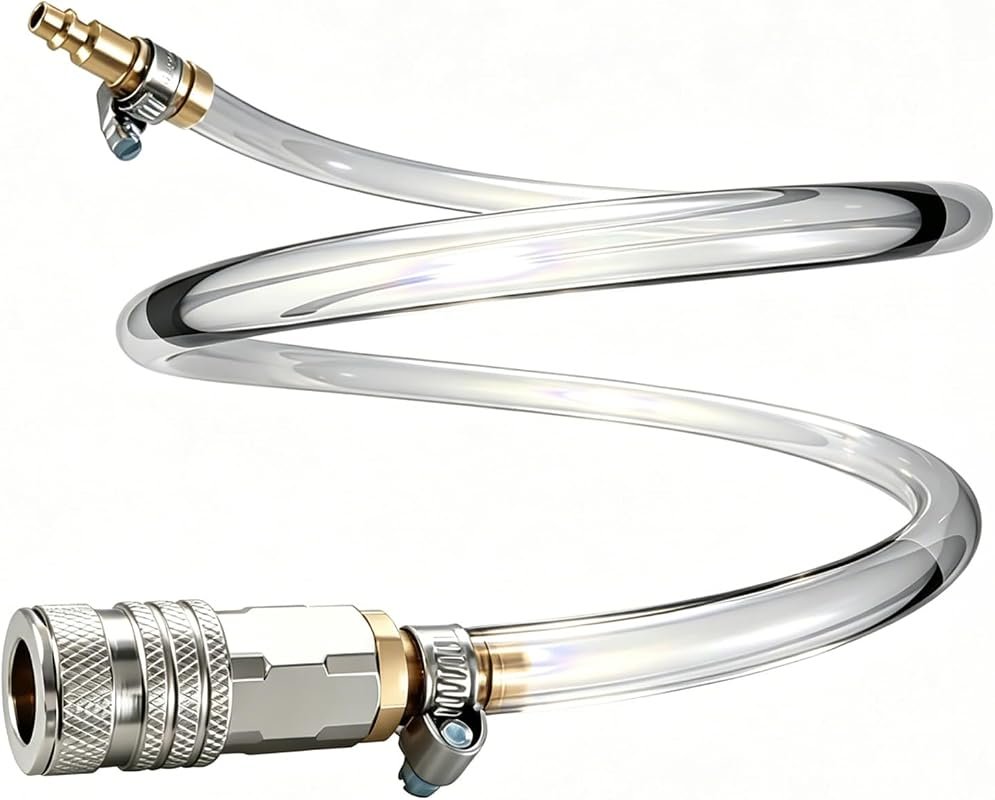
EVRBUL coolant drain and refill tool with hose fits Volvo VNL D11/D13/D16, Mack MP7/MP8/MP10; replaces 9996049.
It makes sense for owners who want a useful upgrade without paying more than necessary.
Unlock additional Amazon Business benefits: exclusive pricing, analytics, approvals, multi-user accounts, tax-exempt purchasing.
It is the pick I would compare first if build quality, features, and long-term ownership value matter most.
Author

Author

Evans Torres
I’m Evans Torres, an automotive engineer who loves Volvo cars. I graduated in Automotive Engineering from USC. I have worked in the car industry for years and now share my knowledge on The Volvo Life. I started this blog to connect with other Volvo fans. I offer tips, news, and advice to help you care for your car. My goal is to help you keep your Volvo in great shape and find all the best things about it. Join me as we discover everything Volvo has to offer!