


2013 Volvo D11 engine problems most often trace to the EGR/aftertreatment system (EGR cooler or valve, DEF doser, NOx sensors), VGT turbo actuator wear, or age-related sensors and leaks. Watch for power derates, frequent regens, coolant loss, and “Emissions Fault” warnings. Start with a fault-code scan (Volvo PTT), a cooling system pressure test, and a visual DEF/DPF check. Typical repairs range from $300–$600 (NOx sensor) to $1,800–$3,500 (EGR cooler/turbo-related). Severe derate, overheating, or coolant ingestion requires immediate professional help.
Power loss on climbs, repeated regens, or unexplained coolant drop are the hallmarks of a 2013 D11 that needs attention. EPA-2010 D11 engines rely on EGR plus SCR/DEF aftertreatment, so small faults snowball into derates quickly. Age, mileage, and duty cycle (idling, short-haul) compound soot and heat stress. This guide pinpoints the most likely 2013 Volvo D11 issues, the symptoms you’ll see in the cab, how to triage them in the yard, and fair repair-cost ranges in the U.S. Use it to decide what you can verify yourself and what belongs at a Volvo-heavy truck specialist.
- Main point: Most 2013 D11 problems are EGR/aftertreatment related (EGR cooler/valve, DEF dosing, NOx sensors) or VGT turbo control issues.
- Best first step: Scan with Volvo PTT to capture active/inactive codes, then pressure-test cooling and inspect DEF/DPF condition.
- Cost or value: NOx sensors run ~$300–$600; EGR cooler/valve combos and VGT actuator/turbo repairs can reach $1,500–$4,500.
- Who it suits: Fleet managers and owner-operators needing clear symptoms, causes, and fix paths for 2013 D11 trucks.
- When to get help: Any derate, overheating, or coolant-in-exhaust scenario — stop driving and book a qualified Volvo shop.
Need quick triage and cost ranges to plan downtime and parts — this lays out the highest-probability faults first.
Helps decide what to check in the yard vs when to head straight to a Volvo specialist to avoid a tow and lost loads.
Shows how to spot 2013 D11 red flags before you commit — including aftertreatment and coolant system checks. You can also use Volvo S60 2013 maintenance schedule as a helpful next guide on the same ownership topic.
2013 Volvo D11 Reliability Overview
With consistent maintenance and correct fluids, a 2013 D11 can run 700,000–1,000,000 miles, but emissions-era components add complexity. The most frequent pain points are EGR/aftertreatment faults (coolers, valves, DEF dosing, NOx sensors), VGT turbo actuator issues, and age-related leaks or wiring chafes. Many trucks still in service have high hours and mixed duty cycles that accelerate soot loading and thermal cycling. Driving with a mild fault often triggers frequent regens, then a power derate that strands the truck. Address early symptoms promptly to avoid cascading failures. This connects closely with can Volvo reduced engine performance cause problems if you want to compare the topic in more detail.

Thinking beyond problems, many owners ask about the platform’s overall strengths and weaknesses. For a balanced view of longevity and strengths across applications, see our take on whether the Volvo D11 is a good engine after a decade-plus in the field.
2013-model trucks are well past any original emissions warranties. However, some components had extended coverage or recalls in specific VIN ranges. Always check your service history and consult a Volvo Trucks dealer with your VIN before authorizing large emissions repairs.
Symptoms That Point to 2013 D11 Engine Trouble
Specific patterns strongly hint at which D11 subsystem is acting up. Pinning the symptom to the system helps you prioritize diagnostics and costs. Pay close attention to how and when the fault shows: under load, at idle, during regens, or after overnight cold soak.
- Frequent regens or “Service Regeneration Required”: DPF loading, DEF dosing issues, exhaust leaks, or failed NOx sensors.
- Power loss/derate under load: VGT actuator binding, clogged DPF, failing NOx sensor logic, or fuel delivery restrictions.
- Unexplained coolant loss/white steam: Suspect EGR cooler leak; risk of coolant ingestion into cylinders.
- Harsh turbo whistle or erratic boost: VGT vane sticking, actuator fault, charge-air leaks, or cracked exhaust manifold.
- “Emissions System Fault” or “Check Engine” with poor DEF economy: Failing NOx sensor(s), DEF doser/pump, contaminated DEF.
- Rough idle/hard starting warm: Leaking injector or rail pressure issues; less common on D11 than D13 but not rare with high hours.
On a healthy D11, passive/active regens shouldn’t be constant. Two or more forced regens in a single day or regens every 200–300 miles usually point to an upstream fault (exhaust leak, EGR issue, DEF dosing error) rather than the DPF alone.
Most Common 2013 Volvo D11 Engine Problems and Likely Causes
The 2013 D11’s problem set skews toward emissions-era hardware and controls. EGR coolers develop internal leaks; EGR valves stick from soot; NOx sensors age out and skew mixture/aftertreatment logic; DEF dosers clog; and VGT actuators stick after countless hot cycles. Age and vibration also contribute to wiring chafes and sensor drift. Less often, injectors become leaky, and oil/coolant leaks creep in around front seals or coolers. Ranking by frequency and total field complaints helps prioritize your first diagnostic hour and parts ordering.
- EGR cooler/valve faults: Coolant loss, white steam, P-codes related to EGR flow, rough idle, and progressive derate.
- NOx sensor failures (inlet/outlet): Emissions fault lights, poor DEF economy, frequent regens, derate with persistent codes.
- DEF system issues (doser/pump/crystalization): Dosing faults, crusted injector tip, “poor DEF quality” messages.
- VGT turbo actuator or vane sticking: Surging/low power under load, boost deviation codes, loud whistle.
- Exhaust/charge air leaks (DOC/DPF clamps, flex): Inaccurate sensor readings, regen issues, soot in bay, fuel economy drop.
- Sensor/loom wear (DPF differential pressure, temp, wiring): Intermittent faults that return after clearing.
- Fuel injector wear (high-mileage): Rough idle, hard warm starts, elevated return flow.
For a broader fault library and cross-year trends, our dedicated overview of Volvo D11 engine problems compares how these issues appear across different duty cycles.
Bypassing or deleting emissions components is illegal in the U.S. and exposes you to EPA fines, voided insurance, failed DOT inspections, and resale problems. Fix the root cause — don’t defeat the system.
Here’s a quick-reference grid to match symptom, likely cause, and a rational first check before spending big on parts.
Focus your first hour on confirming leaks, electrical health, and accurate sensor data — it often saves hundreds on guesswork.
| Problem/Cause | Typical Symptom | First Check | Likely Fix / Ballpark Cost |
|---|---|---|---|
| EGR cooler leak | Coolant loss, white steam, rough idle | Cooling system pressure test; inspect EGR outlet | Replace cooler, renew gaskets — $1,800–$3,000 |
| EGR valve sticking | Low power, EGR flow codes | Command sweep (PTT), listen for change | Clean/replace valve — $600–$1,400 |
| Inlet/outlet NOx sensor | Emissions fault, frequent regens | Check SPN/FMI, compare sensor readings | Replace sensor — $300–$600 each |
| DEF doser clog/pump fault | “Poor DEF quality,” derate | Inspect doser tip for crystals; DEF refractometer | Clean/replace doser or pump — $250–$1,400 |
| VGT actuator/vane stick | Power loss on grades, boost errors | Actuator test (PTT), inspect linkage | Actuator or turbo repair — $800–$4,500 |
| DPF differential pressure sensor | False high soot load | Check hoses/port blockage | Sensor/line service — $150–$450 |
| Exhaust/charge-air leak | Weak boost, smoky bay | Soap test, look for soot tracks | Clamps, boots, flex, gasket — $120–$600 |
| Injector wear/leak | Rough idle, warm starts hard | Return flow test | Injector(s) — $450–$900 each installed |
How To Inspect a 2013 D11 for Common Problems (Yard-Friendly Steps)
A structured 20–40 minute inspection catches the big-ticket faults before they become tows. You don’t need dealer tools for the first pass: confirm fluid levels and leaks, look for telltale deposits, and get baseline temperatures/pressures. The goal is to decide: clean-and-reseal now, schedule aftertreatment service soon, or book an immediate repair to avoid a derate or engine damage. For another practical angle, see Volvo d6 370 engine maintenance schedule.
- Step 1: Pull and save codes. Use shop diagnostics (Volvo PTT preferred) to capture all active/inactive faults and freeze-frame data. Photograph or export the report for the repair order.
- Step 2: Pressure-test the cooling system. With engine cool, pressurize to cap rating. Inspect around the EGR cooler, valve body, and hose junctions. Any drop in pressure or sweet odor near EGR points to an internal leak.
- Step 3: Inspect DEF system. Remove and examine the DEF doser tip for white crystals. Check lines and dosing block for seepage. Test DEF quality with a refractometer; contaminated DEF will keep faults returning.
- Step 4: Check the air/exhaust paths. Soap-test charge-air boots and piping, inspect V-band clamps at DOC/DPF for soot trails, and wiggle-test the VGT actuator linkage for smooth movement.
- Step 5: Evaluate DPF load and regen history. Read DPF differential pressure and regen counters. If load is high and sensors disagree, verify the differential pressure sensor ports/hoses before authorizing a DPF bake.
Any sign of coolant entering the exhaust (white steam, sweet smell, rapid coolant loss) risks hydro-lock on restart. Do not keep driving. Tow to a shop and test the EGR cooler before attempting another start.
- Photograph every fault screen with odometer/hours — it speeds troubleshooting and warranty queries.
- After any emissions repair, clear adaptations and perform a proper drive cycle so the system relearns correctly.
- Keep a spare NOx sensor in fleet inventory — it reduces downtime on known-aging trucks.
- Test DEF with a refractometer monthly; bad DEF causes repeat comebacks and false “quality” faults.
Repair Cost Overview for 2013 Volvo D11 Engine Problems
Budgets vary by region and shop rate, but U.S. fleets typically see these ranges on 2013 D11 repairs. Diagnosis with Volvo PTT and a tech who knows aftertreatment logic is worth it — guessing at emissions parts gets expensive fast.
| Repair | What’s Involved | Typical Cost (Parts + Labor) |
|---|---|---|
| EGR cooler replacement | Cooler, gaskets, coolant service, checks | $1,800–$3,000 |
| EGR valve clean/replace | Removal, cleaning or new valve, relearn | $600–$1,400 |
| NOx sensor (each) | Sensor, harness inspect, update | $300–$600 |
| DEF doser clean/replace | Doser tip, line flush, DEF test | $250–$700 |
| DEF pump/module | Pump assembly, priming, software | $900–$1,400 |
| VGT actuator | Actuator, calibration | $800–$1,200 |
| Turbocharger assembly | Turbo, gaskets, oil/coolant lines | $2,800–$4,500 |
| DPF off-truck bake | Remove, bake/clean, reinstall, seals | $350–$700 |
| DPF replacement | New DPF, seals, reset counters | $2,000–$4,000 |
Plan at least one hour of paid diagnostic time ($150–$300) for proper code capture, live-data analysis, and smoke/pressure tests before parts ordering.
Preventing Repeat Failures on a 2013 D11
Prevention is about heat, soot, and chemistry. Keep oil and filters fresh on a duty-cycle schedule, ensure tight exhaust/charge-air paths, use verified DEF, and avoid chronic short trips that never complete regens. Many fleets also time DPF cleaning proactively and replace aging NOx sensors before peak season to avoid derates on the road.
- Follow severe-duty intervals: High idle/short-haul? Use the shorter oil and fuel-filter intervals specified for your duty cycle.
- Protect the aftertreatment: Fix exhaust leaks, maintain DOC/DPF seals, and log regen frequency. Schedule a DPF bake based on ash load, not only miles.
- Mind DEF quality: Store sealed, test monthly, and keep the doser area clean to prevent crystal buildup.
- Software currency: Ask your shop to check for Volvo software updates that address drivability/aftertreatment logic.
- Track the cooling system: Pressure test during PMs and watch for small coolant losses that preface an EGR cooler failure.
- Use the right oil: Choose a Volvo-approved heavy-duty oil meeting VDS-4.5; wrong ash content accelerates DPF loading. See our guidance on the best oil for Volvo truck engines.
Frequent PTO use, urban routes, and long idle times are “severe duty.” If that describes your route mix, align PM intervals to the severe-duty column in the Volvo Trucks maintenance guide to protect the EGR/DPF.
Cross-system sensor gremlins happen, too. For context on related components, our explainer on Volvo D13 coolant level sensor problems shows how a single bad input can cascade into false warnings on modern Volvo engines.
💡 Evans Torres Tip: I keep a cheap DEF refractometer and spare NOx sensor in the shop for older D11s. One summer we chased a repeat “poor DEF quality” fault that turned out to be borderline DEF from a bulk tank — swapping the sensor masked it for a week, but testing the fluid solved it for good. Now, DEF gets tested whenever an emissions fault rolls in.
Frequently Asked Questions
This FAQ answers the most common owner-operator and fleet questions about 2013 Volvo D11 faults: what typically fails, whether it’s safe to drive with an emissions warning, how much major repairs cost, oil and DEF best practices, whether software updates help, and when to clean or replace the DPF. Use these quick answers to plan your next steps and set realistic timelines and budgets.
What are the most common 2013 Volvo D11 engine problems?
EGR cooler/valve issues, failed NOx sensors, DEF doser clogs or pump faults, sticking VGT actuators, and DPF differential pressure sensor/hose problems top the list. Exhaust or charge-air leaks complicate aftertreatment logic and cause frequent regens. High-mileage trucks may also see injector wear and age-related oil/coolant leaks.
Is it safe to keep driving with an “Emissions Fault” or a power derate?
Mild warnings can let you limp to a shop, but any derate, rapid coolant loss, or white steam demands a stop. Driving with a failing EGR cooler risks hydrolock; running under derate can overheat components and leave you stranded. Tow it if coolant ingestion is suspected or if derate persists.
How much does it cost to fix a failing EGR cooler on a D11?
Expect roughly $1,800–$3,000 in the U.S., including the cooler, gaskets, coolant service, and labor. If the EGR valve is also sticking, total may rise. Always pressure-test and confirm the leak before replacing parts; misdiagnosis is expensive.
How can I tell if my frequent regens are DPF or DEF/NOx related?
Scan data helps: if DPF differential pressure is reasonable but regens are frequent, suspect NOx sensors, DEF dosing, or exhaust leaks. If differential pressure spikes quickly, the DPF may be ash-loaded or the sensor/hoses plugged. Validate sensors and leaks first; then consider a DPF bake.
What oil spec and interval should a 2013 D11 run?
Use a heavy-duty oil that meets Volvo VDS-4.5. Intervals depend on duty cycle and fuel sulfur content — severe-duty routes need shorter intervals than long-haul. Using the wrong oil increases DPF ash and shortens aftertreatment life.
Do software updates really help these issues?
Often, yes. Volvo has released calibrations that refine aftertreatment logic and drivability on earlier emissions-era engines. Software won’t fix a cracked part, but it can reduce nuisance regens and improve sensor interpretation. Ask your shop to check your VIN for applicable updates.
Should I clean or replace the DPF?
If the substrate is intact and ash-loaded, an off-truck bake/clean ($350–$700) is usually effective. Replace the DPF if it’s melted, cracked, or contaminated by oil/coolant. Always address the upstream cause (leak, injector, sensor) before installing a new DPF to avoid a quick re-fail.
Why does DEF quality matter so much on the 2013 D11?
Contaminated or weak DEF prevents proper SCR reactions, triggers “poor DEF quality” faults, increases regen frequency, and can cause derates. Test DEF regularly, keep containers sealed, and inspect the doser tip for crystals that indicate evaporation or contamination.
Final Verdict
For 2013 Volvo D11 engines, the statistical winners — and your best first checks — are EGR cooler/valve health, DEF/NOx integrity, and VGT operation. Capture codes, pressure-test cooling, and validate DEF/DPF data before buying parts. Many fixes are straightforward once the true root cause is confirmed, with sensor-level repairs in the hundreds and cooler/turbo jobs in the low thousands. Stop immediately for any derate with coolant loss or white steam, and book a Volvo-heavy truck specialist. A methodical first hour saves days of downtime and avoids expensive guesswork.
My Top Picks at a Glance
Here are the three 2013 volvo d11 engine problems options I would check first if you want a faster buying decision.
These picks highlight the strongest overall choice, the best value option, and the premium-style pick for practical Volvo ownership.
 Best Overall
Reload your Amazon Gift Card balance instantly with flexible amounts, secure payment, and optional auto-reloads.
It offers the strongest all-around mix of fit, value, and practical daily use for Volvo owners.
 Best Value
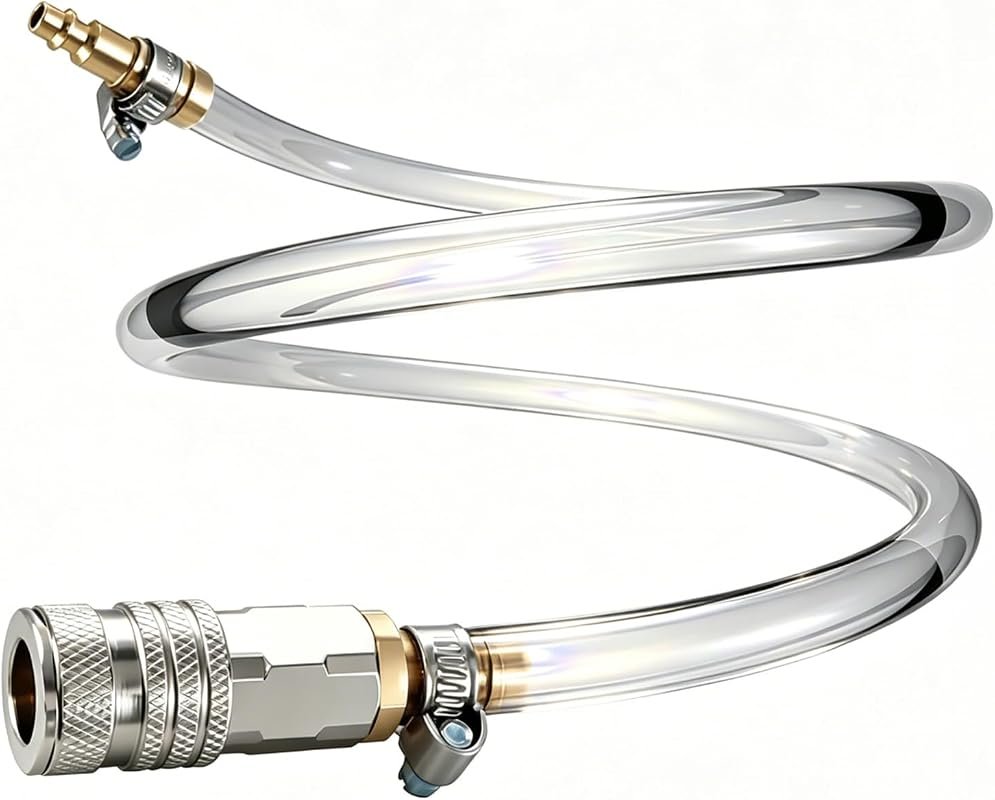
EVRBUL coolant drain and refill tool for Volvo VNL D11-D16, Mack MP7-MP10 engines, replaces 9996049.
It makes sense for owners who want a useful upgrade without paying more than necessary.
Unlock additional Amazon Business benefits: exclusive pricing, multi-user accounts, analytics, and tax-exempt purchasing.
It is the pick I would compare first if build quality, features, and long-term ownership value matter most.
Author

Author

Evans Torres
I’m Evans Torres, an automotive engineer who loves Volvo cars. I graduated in Automotive Engineering from USC. I have worked in the car industry for years and now share my knowledge on The Volvo Life. I started this blog to connect with other Volvo fans. I offer tips, news, and advice to help you care for your car. My goal is to help you keep your Volvo in great shape and find all the best things about it. Join me as we discover everything Volvo has to offer!