



The air conditioning (AC) system in your Volvo is designed to enhance comfort, but it’s important to note how it interacts with fuel consumption. While the AC does not directly consume gasoline, it places an additional load on the engine, which can lead to increased fuel use.
When considering fuel consumption, many Volvo owners wonder, does the car AC use gas in a Volvo? Understanding the relationship between the air conditioning system and fuel efficiency can help you make informed decisions about its use.
- Understanding the Relationship Between AC: The air conditioning (AC) system in your Volvo is designed to enhance comfort, but.
- Does the Car AC Use: The air conditioning system in a Volvo does not directly consume gasoline..
- Impact of Running the AC: When the AC is activated, the engine must work harder, leading to increased fuel.
- Model-Specific Examples: How Different Volvos: Different Volvo models may experience varying impacts on fuel efficiency when using the AC..
- Common Misconceptions About AC Operation: Many drivers believe that running the AC significantly depletes fuel reserves..
Understanding the Relationship Between AC Use and Fuel Consumption in Your Volvo
The air conditioning (AC) system in your Volvo is designed to enhance comfort, but it’s important to note how it interacts with fuel consumption.
While the AC does not directly consume gasoline, it places an additional load on the engine, which can lead to increased fuel use. For related context, read jump start a car with a volvo step by step guides free.
Does the Car AC Use Gas: Does the Air Conditioning System in a Volvo Use Gasoline?
The air conditioning system in a Volvo does not directly consume gasoline. Instead, it operates using electrical components, drawing power from the vehicle’s engine. However, using the AC does increase the load on the engine, which can lead to higher fuel consumption. You can also use how to use a volvo to jump start another car safely as the next practical guide.
Review your AC system’s performance to ensure efficiency and minimize fuel consumption when it’s in use.
Impact of Running the AC on Volvo’s Fuel Efficiency
When the AC is activated, the engine must work harder, leading to increased fuel usage. On average, fuel consumption can rise by 5-10% when the AC is running. This variation often depends on driving conditions and the model of your Volvo. For related context, read how to use a professional car scanner for volvo vehicles.
- Use recirculation mode to improve AC efficiency.
- Maintain your AC system regularly to avoid inefficiencies.
- Avoid running the AC on full blast when it’s not necessary.
Model-Specific Examples: How Different Volvos Handle AC Usage
Different Volvo models may experience varying impacts on fuel efficiency when using the AC. For instance, the Volvo XC60 may show a different fuel economy compared to the S60 under similar conditions. For official guidance on this, see EPA fuel economy guide.
Specific factors such as model year and engine type can influence how much fuel is consumed when the AC is operational. You can also use how to use volvo app to start car as the next practical guide.
Common Misconceptions About AC Operation and Fuel Use
Many drivers believe that running the AC significantly depletes fuel reserves. In reality, while it does increase engine load, the impact is often less severe than perceived. Understanding these nuances can help Volvo owners avoid unnecessary anxiety about fuel costs. For related context, read what grade oil does a volvo penta engine use.
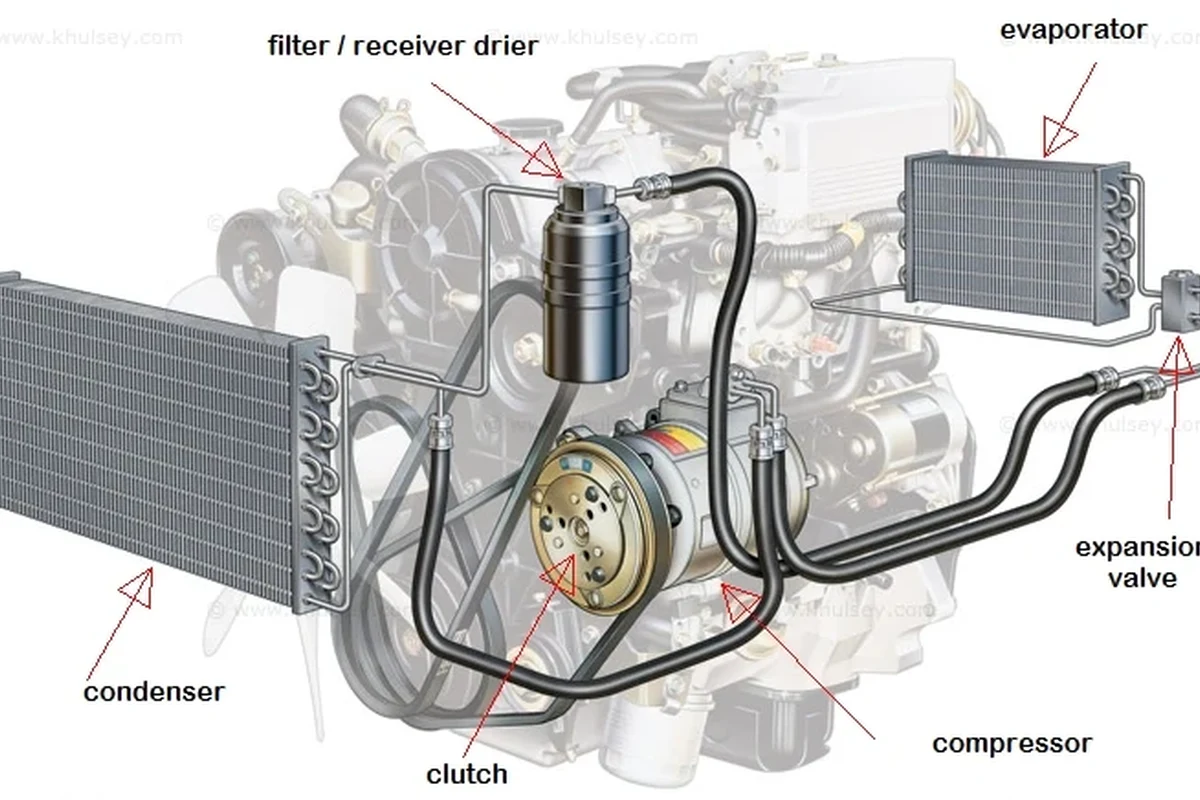
Check the specific model year and engine type of your Volvo to understand how the AC system may affect fuel consumption.
Tips for Optimizing AC Use in Your Volvo
To minimize fuel consumption while using the AC, consider the following strategies: use recirculation mode, maintain your AC system regularly, and avoid running it on full blast when unnecessary. These practices can make a noticeable difference in fuel efficiency. You can also use how much does a volvo car service cost as the next practical guide.
💡 Evans Torres Tip: Regularly check and clean your AC filters to enhance airflow and efficiency.
Alternatives to Using the AC for Cooling
For those looking to conserve fuel, consider alternatives such as cracked windows or sunshades, which can help reduce cabin temperature without relying on the AC system. These methods can provide comfort while minimizing the strain on your engine. For related context, read how much does a volvo electric car cost.
Does the Car AC Use Gas in a Volvo?
The air conditioning system in a Volvo does not directly consume gasoline, but it increases the engine’s load, which can lead to a 5-10% rise in fuel consumption when in use.
To manage fuel efficiency while enjoying the comfort of your AC, it’s essential to adopt best practices and maintain your system regularly. For official guidance on this, see Volvo Cars official website.
- Utilize recirculation mode to enhance AC efficiency.
- Regularly maintain and service your AC system.
- Avoid running the AC on full blast unless necessary.
This guide on does the car ac use gas in a volvo is general information. Rules, fees, rents, salaries, service coverage, product details, and procedures can change, so confirm important points with the manufacturer, retailer, or official app documentation before acting.
Questions People Also Ask
No, the air conditioning system in a Volvo does not directly consume gasoline. It operates using electrical components that draw power from the engine, but it increases the engine’s load, leading to higher fuel consumption.
When the AC is activated, fuel consumption can rise by 5-10% on average. This increase often depends on driving conditions and the specific model of the Volvo.
To optimize AC use, consider using recirculation mode and maintaining your AC system regularly. Also, avoid running it on full blast when it’s not necessary to minimize fuel consumption.
Yes, different Volvo models may show varying impacts on fuel efficiency when using the AC. Factors such as model year and engine type can influence how much fuel is consumed during AC operation.
Many drivers mistakenly believe that running the AC significantly depletes fuel reserves. In reality, while it does increase engine load, the actual impact on fuel consumption is often less severe than perceived.
To conserve fuel, consider alternatives such as cracked windows or using sunshades to reduce cabin temperature. These methods can provide comfort without relying on the AC system, thus minimizing engine strain.
Final Words
Understanding the relationship between your Volvo’s air conditioning system and fuel consumption can lets you make informed choices about its use. By implementing best practices, you can enjoy a comfortable ride without significantly impacting your fuel economy.
Ensure your AC system is serviced regularly to maintain efficiency and reduce fuel costs.
