


Consider the running-cost variable for diesel vs petrol engines, including service history, wear items, and warranty status, before making a commitment.
The choice between Volvo diesel vs petrol engines significantly affects performance, efficiency, and running costs. This article explores how each option performs across various metrics, helping you determine which engine type best suits your needs.
- Volvo Diesel vs Petrol: Key: Understanding the fundamental differences between diesel and petrol engines is essential for prospective buyers..
- Performance Metrics: Diesel vs Petrol: When comparing performance metrics like torque, horsepower, and acceleration, Volvo’s diesel engines tend to.
- Fuel Efficiency and Running Costs: Fuel efficiency is a crucial factor for long-term ownership costs..
- Reliability Records and Maintenance: Reliability between diesel and petrol engines can vary..
- Safety and Driver-Assist Technologies: Volvo is renowned for its safety features across all models, regardless of engine type..
Volvo Diesel vs Petrol: Key Performance Differences
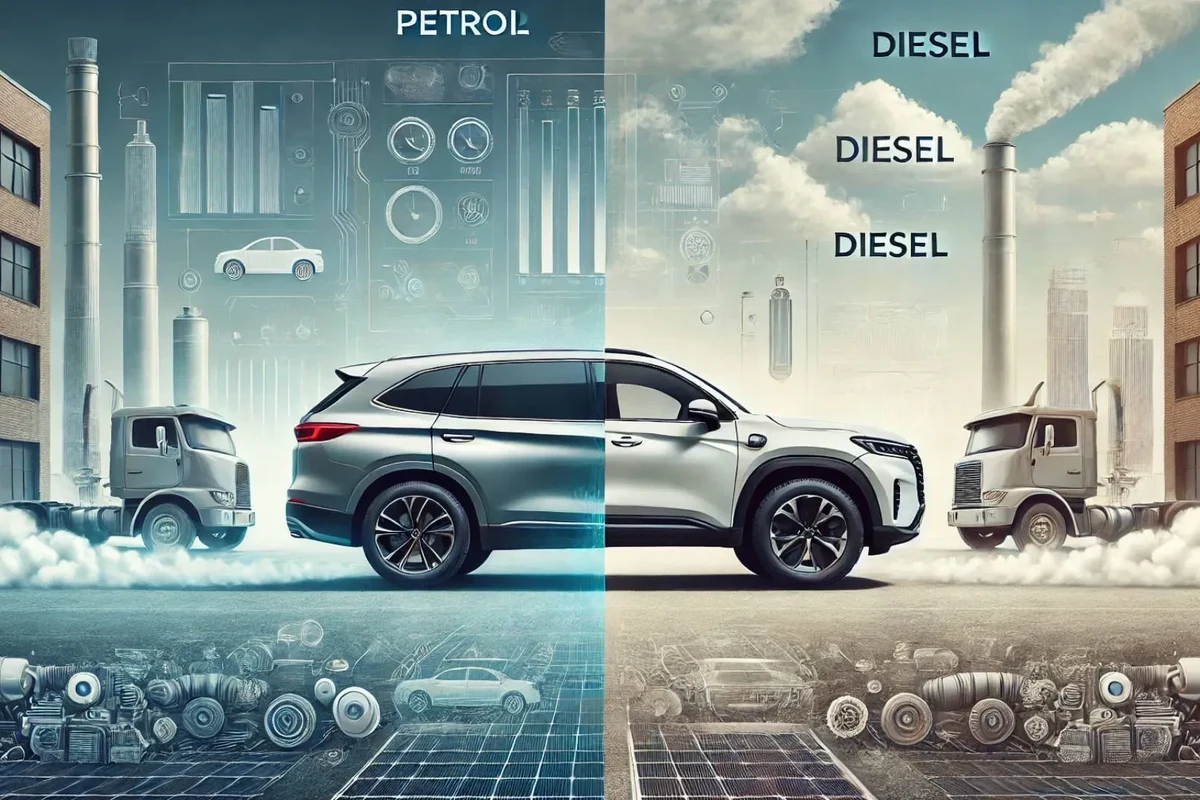
Understanding the fundamental differences between diesel and petrol engines is essential for prospective buyers. Diesel engines typically generate more torque, making them ideal for towing and heavy loads, while petrol engines often provide higher horsepower and quicker acceleration.
Ownership Cost Considerations for Volvo Diesel vs Petrol
Before deciding between a Volvo diesel or petrol engine, it’s essential to evaluate the long-term ownership costs associated with each option. Here are key factors to consider:
- Fuel Efficiency: Diesel engines typically offer better MPG ratings, which can lead to lower fuel costs over time.
- Maintenance Expenses: Diesel engines may incur higher maintenance costs due to complex components like fuel injectors and turbochargers.
- Service History: Review the service history of the vehicle to assess reliability and potential future costs related to repairs.
- Warranty Status: Check the warranty coverage for both diesel and petrol models, as this can impact long-term ownership costs.
- Running Costs: Include considerations for wear items specific to each engine type when calculating overall ownership expenses.
| Engine Type | Torque | Horsepower | Acceleration |
|---|---|---|---|
| Diesel | Higher | Lower | Slower |
| Petrol | Lower | Higher | Quicker |
Understanding Engine Types
Diesel engines operate by compressing air in the cylinder, which raises the temperature enough to ignite the injected fuel. This results in more torque at lower RPMs.
In contrast, petrol engines use spark plugs to ignite a mixture of air and fuel, providing a higher RPM range and quicker throttle response. For related context, read which is better mercruiser vs volvo penta.
Performance Metrics: Diesel vs Petrol
When comparing performance metrics like torque, horsepower, and acceleration, Volvo’s diesel engines tend to excel in torque ratings, providing better pulling power. Petrol engines, however, often outperform diesel in horsepower, leading to faster acceleration times. Here’s a look at some specific models: This area decision also connects with volvo xc60 vs bmw x3 which is better.
| Model | Diesel Torque (lb-ft) | Petrol Torque (lb-ft) | Acceleration (0-60 mph) |
|---|---|---|---|
| Volvo XC60 | 400 | 250 | 6.5 sec (petrol) |
| Volvo S60 | 350 | 310 | 5.9 sec (petrol) |
Consider the running-cost variable for diesel vs petrol engines, including service history, wear items, and warranty status, before making a commitment.
Fuel Efficiency and Running Costs
Fuel efficiency is a crucial factor for long-term ownership costs. Diesel engines generally deliver better fuel economy than petrol counterparts, especially on long drives. Here’s a comparison of fuel economy ratings for some popular models: For official guidance on this, see EPA fuel economy guide.
| Model | Diesel MPG | Petrol MPG |
|---|---|---|
| Volvo XC60 | 30 | 25 |
| Volvo S60 | 35 | 28 |
While diesel’s efficiency can lead to lower fuel costs, it’s essential to consider maintenance expenses, which can be higher for diesel engines due to more complex technology. For related context, read volvo ex90 vs ex60 performance.
Reliability Records and Maintenance
Reliability between diesel and petrol engines can vary. Diesel engines tend to be solid and long-lasting, but they may require more frequent maintenance on components like fuel injectors and turbochargers.
Petrol engines, while generally simpler, can be prone to issues with ignition systems and fuel pumps. Owner reports often indicate that maintenance history plays a significant role in reliability. Use which car is better volvo or mercedes to compare scope, quotes, and provider questions.
Drivers needing high torque for towing or long-distance travel.
Various models, particularly XC and S series.
Your driving habits are primarily city-based with short trips.
Safety and Driver-Assist Technologies
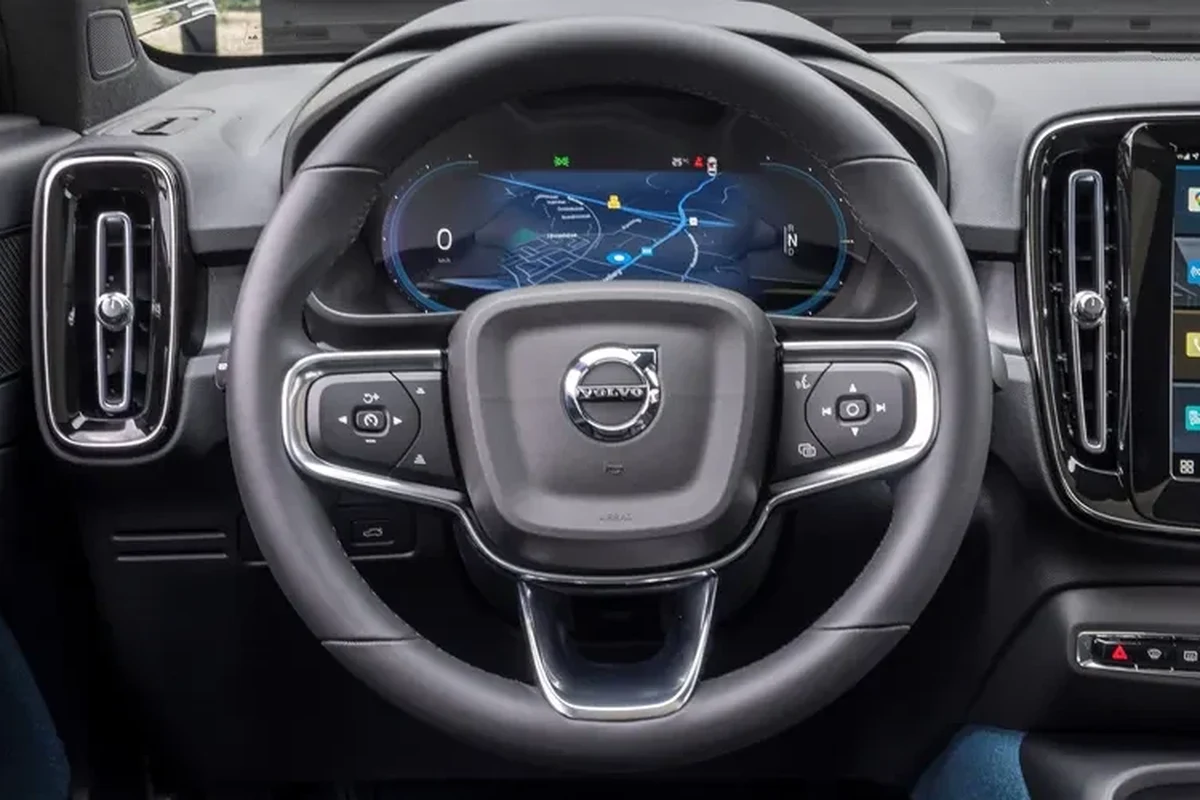
Volvo is renowned for its safety features across all models, regardless of engine type. Both diesel and petrol engines come equipped with advanced driver-assist technologies such as Pilot Assist and City Safety.
However, specific safety ratings may vary based on model year and engine configuration, so checking ratings from organizations like IIHS or Euro NCAP for your chosen model is advisable. For related risk checks, compare this with which is a better car volvo or audi.
Check the current resale values and market demand for your target model year and engine type to ensure a sound investment.
Resale Value Trends: Diesel vs Petrol
Resale values for diesel and petrol models can differ significantly. Diesel vehicles often retain value better due to their durability and fuel efficiency, but market trends are shifting as diesel becomes less favorable in some regions due to environmental concerns.
It’s essential to research current resale values for specific models to make an informed decision. This area decision also connects with which car is better volvo or honda.
Who Should Choose Diesel or Petrol?
Choosing between diesel and petrol engines largely depends on your driving needs. Diesel is ideal for those who travel long distances, frequently tow, or require a vehicle for commercial use. For official guidance on this, see Volvo Cars official website.
Petrol engines are better suited for city driving and those who prioritize acceleration and performance. Understanding your driving habits is crucial for making the best choice. For related context, read which car is better volvo or toyota.
Before making a purchase, verify any open campaigns or safety notices related to your model by checking the VIN-based recall lookup.
Final Verdict: Which is Better for You?
The decision between Volvo diesel vs petrol engines hinges on personal needs and preferences. Diesel engines offer more torque and better fuel economy, making them suitable for heavy-duty applications.
Conversely, petrol engines provide quicker acceleration and are often more cost-effective for city driving. Evaluate your driving style, budget, and long-term maintenance costs to make the right choice. You can also use which car is better volvo or lexus as the next practical guide.
Volvo Diesel vs Petrol: Making the Right Engine Choice
Choosing between Volvo diesel and petrol engines is key for optimal performance and cost-effectiveness. Diesel engines excel in torque and fuel efficiency, making them suitable for towing and long-distance travel, while petrol engines deliver quicker acceleration and are ideal for city driving.
Assess your driving habits and budget to determine which engine type aligns best with your needs.
- Evaluate your typical driving distances and whether towing is a factor.
- Consider long-term ownership costs, including maintenance and fuel efficiency.
- Review the reliability and service history of specific models you are interested in.
This guide on volvo diesel vs petrol is general information. Rules, fees, rents, salaries, service coverage, product details, and procedures can change, so confirm important points with the manufacturer, retailer, or official app documentation before acting.
Quick Questions, Answered
Volvo diesel engines typically excel in torque ratings, providing better pulling power, while petrol engines offer higher horsepower and quicker acceleration. This makes diesel preferable for towing and heavy loads, while petrol is suited for faster acceleration.
Diesel engines generally deliver better fuel economy than their petrol counterparts, especially on long drives, with models like the Volvo XC60 achieving 30 MPG for diesel versus 25 MPG for petrol. However, it’s essential to consider that maintenance expenses for diesel engines can be higher due to their more complex technology.
Diesel engines are ideal for drivers who frequently tow, travel long distances, or need a vehicle for commercial use. In contrast, petrol engines are better suited for city driving and for those who prioritize quick acceleration.
Diesel engines tend to be solid and long-lasting but may require more frequent maintenance on components such as fuel injectors and turbochargers. Petrol engines, while generally simpler, can be more prone to issues with ignition systems and fuel pumps.
Diesel vehicles often retain their value better due to their durability and fuel efficiency, although market trends are shifting as environmental concerns affect diesel’s popularity. It’s important to research current resale values for specific models to ensure a sound investment.
Both diesel and petrol Volvo models are equipped with advanced driver-assist technologies like Pilot Assist and City Safety. However, specific safety ratings may vary based on model year and engine configuration, so it’s advisable to check ratings from organizations like IIHS or Euro NCAP for your chosen model.
Wrapping Up
The choice between Volvo diesel vs petrol engines significantly affects performance, efficiency, and running costs. Understanding the fundamental differences between diesel and petrol engines is essential for prospective buyers.
Author

💡 Evans Torres Tip: On every Volvo I have owned, I always keep a full digital service record from day one. When something goes wrong — and eventually something always does — having that history makes diagnosis faster and often saves money at the mechanic. Start your records today, even if the car is not new.