


If your Volvo XC90 displays “Start Prevented Try Again,” the message means the vehicle has not completed the normal start-authorization sequence. On older XC90s this can involve the key/transponder and immobilizer-reading system, but low 12V power, poor connections, ignition/start-control faults, Central Electronic Module communication, or a starter-circuit problem can create similar no-start symptoms.
The important point is not to replace an immobilizer antenna, starter, battery, or key from the dashboard message alone. First determine whether the engine cranks, whether other electrical systems behave normally, whether a spare key changes the symptom, and whether Volvo-capable diagnostics show start-authorization or communication faults.
This 2026 update also separates the older “Start Prevented Try Again” wording from the messages used on newer SPA-generation XC90s, where Volvo documentation instead describes warnings such as “Vehicle key not found” and “Vehicle start System check, wait.”
Start with three checks: verify the 12V battery and main connections under load, try the spare key if you have one, and scan the vehicle before replacing start-authorization parts. If you hear rapid clicking or the electronics reset, prioritize 12V power. If the dash stays normal but the engine does not crank and “Start Prevented Try Again” remains, the older XC90 key/transponder reader, start-authorization circuit, ignition switch/CEM communication, or starter-control path needs diagnosis. If a newer XC90 says “Vehicle key not found,” use Volvo’s specified backup key reader instead of applying an older first-generation procedure.
- The message does not prove engine failure. It indicates that normal starting has been prevented or not authorized.
- Do not assume it is always the immobilizer. Low 12V power, connections, start-control communication and starter-circuit faults can overlap.
- Older and newer XC90s use different start systems and messages. Match the procedure to the exact model year.
- A weak remote-control battery is not the same as a failed immobilizer transponder. On an older keyed XC90, trying a known-good spare key is more useful than assuming a coin cell will fix start authorization.
- After battery replacement, recheck connections first. A disturbed terminal, ground or electrical state can create a no-start without proving a new module is needed.
- Do not use a universal resting-voltage table as a pass/fail test. Battery health and voltage under load matter.
- Use model-specific jump points. Current XC90s have designated 12V charging terminals, and Volvo warns not to use the 48V battery for jump-starting.
- VIDA or Volvo-capable diagnostics may be required. A generic OBD2 scanner may help with engine data but can miss immobilizer/CEM-specific information.
What Does “Volvo XC90 Start Prevented Try Again” Mean?
The wording is most commonly associated with older first-generation XC90 start-authorization complaints. In owner reports from 2005–2011-era XC90s, the message appears in cases involving a key/transponder not being read, the antenna around the ignition switch, Central Electronic Module communication, battery/power disturbances, and other no-crank conditions.
That does not mean the message identifies the failed component. It tells you that the start sequence has been blocked or has not completed successfully.
Newer SPA-generation XC90 owner information does not use this same legacy wording for the common key-detection branch. Volvo documents messages such as “Vehicle key not found” and “Vehicle start System check, wait,” with their own procedures. Do not use a 2006 XC90 forum fix as the default repair for a 2020 or 2026 XC90.
Newer XC90 Start Messages: What Volvo Says
On later XC90s with Passive Start, Volvo provides specific instructions when the vehicle does not recognize the remote key.
| Driver Message | Volvo Guidance | What It Means for Diagnosis |
|---|---|---|
| Vehicle key not found | Place the remote key at the backup reader and make another start attempt | Begin with key recognition before replacing unrelated starting parts |
| Vehicle start System check, wait | Wait until the message disappears, then try again | The vehicle is completing a start-system check; do not repeatedly cycle parts or power |
| Start Prevented Try Again on older XC90 | Legacy wording; diagnose exact old-model start authorization, power and communication path | Do not automatically apply later SPA backup-reader instructions unless they match the vehicle |
Volvo also warns that other vehicle keys, metal objects, phones, tablets or chargers near the backup reader can interfere with key recognition on supported newer XC90s.
Symptoms That Narrow Down the Start-Prevented Fault
| What Happens | Check First | Likely Direction |
|---|---|---|
| Rapid clicking / display resets | 12V battery under load, terminals, grounds | Low voltage or high-resistance connection |
| Normal dash, no crank, Start Prevented message | Spare key, immobilizer/start-authorization DTCs, ignition/start control | Key reader/transponder, CEM/start authorization or starter-control path |
| Starts with one key but not the other | Problem key/transponder and key-related faults | Key-specific issue more likely |
| Same message with both keys | Reader/antenna, CEM communication, power/ground, ignition/start circuit | Vehicle-side diagnosis becomes more important |
| Problem appeared immediately after battery work | Battery connections, grounds, fuses, stored communication faults | Power disturbance or connection issue before module replacement |
| Only occurs in very cold weather | Battery condition, connections and temperature-sensitive electrical fault | Cold can expose a weak component; it is not a diagnosis by itself |
| Engine cranks normally but will not fire | Engine-management DTCs, fuel, ignition/injection, crank/cam data | Broaden beyond a pure no-crank immobilizer diagnosis |

1. Low 12V Battery or Poor Battery Connections
Low system voltage deserves an early check because Volvo electronics and start authorization depend on a stable electrical supply. But the old article went too far by calling low battery voltage “almost always” the cause.
Battery diagnosis should include:
- Battery state of charge
- Battery state of health / conductance or load test
- Voltage behavior during the start attempt
- Positive and negative terminal condition
- Ground-path voltage drop
- Charging-system performance after the vehicle starts
A resting voltage reading is only one data point. A battery can show an apparently reasonable open-circuit voltage and still fail when asked to provide starting current. Test the battery under the conditions that reproduce the problem.
If your XC90 has broader low-voltage warnings, see Volvo 12V Battery Critical Charging Fault.
2. Key / Transponder Recognition on Older XC90s
On first-generation XC90s with a conventional ignition key, the immobilizer transponder function should be distinguished from the remote-control lock/unlock battery.
If the vehicle reports “Start Prevented Try Again” but otherwise has normal electrical power:
- Try a known-good spare key if available.
- Note whether the message changes with the spare key.
- Scan for immobilizer/start-authorization faults.
- Inspect the ignition/key-reader system only after the diagnostic data points there.
The remote buttons and the immobilizer transponder are not the same function. The correct key design and battery procedure depend on model year. Do not publish “replace the CR2032” as a universal first-generation XC90 start-prevented fix.
Related guide: Can an Old Volvo Key Make It Hard to Start?
3. Ignition Antenna / Immobilizer Reader Fault
Older XC90 owner reports frequently mention the antenna/reader around the ignition switch when the key transponder cannot be recognized.
However, replacing the antenna ring should not be step one. The same symptom can persist after an antenna is replaced if the real problem is the key, power supply, wiring, ignition control or CEM communication.
A better workflow is:
- Try the spare key.
- Read immobilizer/start-authorization fault codes.
- Verify supply, ground and communication to the relevant reader/module.
- Inspect connectors and wiring.
- Replace the reader/antenna only if the diagnostic evidence supports it.
4. Central Electronic Module (CEM) or Communication Fault
The CEM is involved in many vehicle network and authorization functions on older Volvo platforms. A communication or power problem can therefore create multiple electrical symptoms at the same time.
Pay more attention to the CEM/network branch when “Start Prevented Try Again” appears with additional messages such as SRS, anti-skid or other unrelated electrical warnings.
If several modules report faults together, test battery voltage, grounds, module power and network communication before buying several unrelated components.
Do not disconnect the battery repeatedly in an attempt to “reset the CEM.” That can remove useful diagnostic context and may introduce additional initialization requirements.
5. Ignition Switch / Start-Control Circuit
If the key is recognized but the starter command is not reaching the starter system, the ignition/start-control circuit becomes relevant.
Depending on the exact XC90 generation, diagnosis may include:
- Ignition switch/start input
- Start-request status in diagnostic data
- Starter relay/control output
- Relevant fuse and power supply
- CEM/ECM communication
- Starter solenoid command
A message about start authorization does not eliminate the possibility of a separate starter-control fault.
6. Starter Motor or High-Current Circuit
A failed starter or high-current cable can cause a no-crank, but do not replace the starter solely because the car clicks once.
Verify:
- Battery condition under load
- Positive cable voltage drop
- Ground voltage drop
- Starter-control command
- Starter current/operation where testing equipment allows
If the starter receives the proper electrical command and supply but does not crank, starter replacement becomes much more reasonable.
7. “Start Prevented” After Battery Replacement
If the message begins immediately after battery replacement, return to the work that was just performed before assuming a module suddenly failed.
Check:
- Positive terminal fully seated and tightened
- Negative terminal/ground connection secure
- Battery monitoring connection where equipped
- Correct battery specification
- Main fuses not disturbed or blown
- No connector left loose during access
- Stored network/start-authorization faults
See the dedicated guide: Volvo Won’t Start After Battery Replacement.
Does Cold Weather Cause “Start Prevented Try Again”?
Cold weather can expose a marginal battery, poor electrical connection or temperature-sensitive electronic fault, but “it only happens below freezing” still does not identify the failed component.
The old article treated cold weather mostly as proof of battery weakness. A better test is to reproduce the fault, record battery performance and scan the vehicle while the problem is actually present.
7-Step Diagnostic Workflow for “Start Prevented Try Again”
Record the Exact Message and Symptoms
Photograph the display. Note whether the engine cranks, clicks, stays silent or resets the dashboard.
Test 12V Power Properly
Check battery condition under load, terminal security and major grounds rather than relying only on a resting-voltage number.
Try the Spare Key
On an older keyed XC90, a different result with the spare key is a valuable diagnostic clue.
Scan Before Clearing Anything
Read immobilizer, CEM, ECM and other relevant module faults with Volvo-capable equipment where possible.
Verify Start Authorization and Starter Command
Use diagnostic status data and electrical testing to determine whether the vehicle authorizes a start and whether the command reaches the starter circuit.
Test the Suspected Reader / Wiring / Module Path
If data points to key recognition, confirm the antenna/reader supply, ground, wiring and communication before replacement.
Repair the Proven Fault and Re-Test Cold/Hot
Make sure the problem does not return under the same temperature and starting conditions that originally triggered it.
How to Jump-Start an XC90 Safely
Do not use one generic jumper-cable procedure for every XC90 generation.
For the current XC90, Volvo instructs owners to use the designated 12V charging terminals in the engine compartment and an external 12V source. Volvo also warns that the vehicle’s charging points are for recovering that vehicle—not for using the XC90 to charge another vehicle.
Volvo specifically says never to use the 48V battery to jump-start another vehicle and never to connect external equipment to the 48V battery. Use only the 12V procedure specified for the vehicle.
If a current XC90 does not start after the first supported jump attempt, Volvo says to continue charging for about 10 minutes before trying again. After starting, the 12V battery charges better while the vehicle is being driven.
For older XC90s, use the owner manual/service procedure for that exact year because terminal locations and electrical architecture differ.
Generic OBD2 vs VIDA / Volvo-Capable Diagnostics
A consumer OBD2 tool can be useful for engine codes, live RPM while cranking, battery-voltage trends and other generic data. But “Start Prevented Try Again” can involve systems outside generic OBD2 emissions coverage.
| Tool Level | Useful For | Limitation |
|---|---|---|
| Basic / premium OBD2 scanner | Generic engine DTCs, live engine data, RPM while cranking, emissions readiness | May not expose old Volvo immobilizer, CEM or start-authorization functions |
| Volvo-capable multi-system tool | More body/chassis/module DTCs depending on coverage | Coverage varies by model/year/tool |
| VIDA / Volvo workshop-level diagnosis | Vehicle-specific module faults, guided diagnostics, software/programming where supported | Requires the appropriate professional setup/access |
For a general no-start overview, also see What Causes a Volvo Not to Start?.
What Not to Do
- Do not call the battery “good” from one resting-voltage reading.
- Do not replace the antenna ring just because a forum says it is common.
- Do not assume the key-fob coin cell powers the older immobilizer transponder.
- Do not repeatedly disconnect the battery to reset the message.
- Do not replace the CEM before checking supply, ground, network and DTCs.
- Do not hit the starter as a diagnostic shortcut.
- Do not clear all DTCs before saving them.
- Do not use current 48V components for jump-starting.
- Do not copy a newer XC90 key-reader location onto an older first-generation XC90.
When to Stop DIY Troubleshooting
- Both available keys produce the same start-prevented no-crank condition.
- The 12V battery and high-current connections test correctly.
- Immobilizer/CEM communication faults are stored.
- The problem is intermittent and difficult to reproduce without live diagnostic data.
- There are multiple SRS/ABS/anti-skid/electrical warnings with the no-start.
- The starter-control command or network path needs module-level testing.
- Software download, key programming or CEM-related programming is required.
- The vehicle repeatedly strands you after temporary resets or jump-starts.
How to Reduce the Chance of Repeat Start-Prevented Problems
- Keep the 12V battery properly charged for the way the vehicle is used.
- Have battery condition tested when slow starting or low-voltage symptoms appear.
- Keep terminals and major grounds secure and corrosion-free.
- Do not replace a battery only because it reached an arbitrary age; test condition and use the correct XC90 specification.
- Maintain a working spare key where practical.
- Protect keys from physical/water damage.
- Investigate intermittent start-authorization faults before they become permanent.
- Follow Volvo’s scheduled maintenance and software/service recommendations for the exact model year.
Related Volvo Starting and Key Guides
💡 Evans Torres Tip: On every Volvo I have owned, I always keep a full digital service record from day one. When something goes wrong — and eventually something always does — having that history makes diagnosis faster and often saves money at the mechanic. Start your records today, even if the car is not new.
Frequently Asked Questions
It means the normal start sequence has been blocked or has not completed. On older XC90s the key/transponder reader and immobilizer/start-authorization system can be involved, but battery/power, wiring, CEM communication and starter-control faults can produce overlapping symptoms.
No. Do not identify the failed part from the message alone. Test 12V power, try a spare key, scan the relevant modules and verify the start-control path first.
Low or unstable 12V power can interfere with starting and module communication, so battery condition is an important early check. But a battery should be tested under load rather than diagnosed from one resting voltage number.
Not necessarily, especially on an older keyed XC90. The remote-control battery and immobilizer transponder are different functions. Try a spare key and use model-specific diagnostics before assuming a coin-cell battery is the fix.
Recheck the battery terminals, grounds, battery-monitor connection where equipped, main fuses and stored communication/start-authorization faults before buying an immobilizer or control module.
Follow the newer vehicle’s Volvo procedure. On supported SPA-generation XC90s, Volvo instructs you to place the remote key at the backup reader and make another start attempt. Keep other keys, metal and electronics away from the reader.
There is no universal battery-disconnect reset that fixes the underlying fault. Repeated disconnection can remove diagnostic evidence and may create additional initialization requirements. Diagnose the reason start authorization is failing.
Cold can reduce battery performance and expose marginal connections or temperature-sensitive electrical faults. If the problem is temperature-dependent, test the car while the fault is present instead of assuming the battery is automatically the cause.
It can help with generic engine codes and live data, but an older XC90 start-authorization problem may require Volvo-specific access to immobilizer, CEM and related modules. VIDA or another appropriately capable Volvo diagnostic setup may be needed.
Volvo provides a 12V jump-start procedure using the designated charging terminals. Volvo specifically warns not to connect external equipment to the 48V battery or use 48V components for jump-starting.
Sources & Verification
Sources Used for This Updated Guide
- Volvo Support US — XC90 Electronic Immobilizer and “Vehicle key not found”
- Volvo Support US — XC90 Starting, Backup Reader and “System check, wait”
- Volvo Support US — Current XC90 Jump-Starting Procedure and 48V Warning
- Volvo Support US — Current XC90 12V Battery
- Volvo Forums — Legacy 2006 XC90 “Start Prevented Try Again” Symptom Example
- Volvo Owners Club Forum — Legacy 2011 XC90 Transponder/Reader Diagnostic Example
- FOXWELL — BT705 Battery, Cranking and Charging-System Tester
- GOOLOO — A3 3000A Jump Starter with Air Compressor
- OBDLink — MX+ Bluetooth OBD2 Scanner
Final Verdict
“Volvo XC90 Start Prevented Try Again” is a start-authorization symptom, not a parts diagnosis.
On an older XC90, the most useful first steps are to check 12V battery performance and connections, try the spare key, and read Volvo-specific start-authorization/CEM faults before replacing the antenna ring, starter, key or module.
On newer XC90s, use the current message-specific procedure instead. “Vehicle key not found” has an official backup-reader workflow, while current mild-hybrid jump-starting must use the designated 12V points and keep external equipment away from the 48V battery.
The fastest repair comes from proving which part of the chain failed: power → key recognition → start authorization → starter command → engine start.
My Top Picks at a Glance
For this specific start-prevented keyword, these picks cover three different diagnostic needs without repeating the same products used in recent Volvo articles: professional-style battery testing, current high-selling roadside 12V recovery and premium generic OBD2/live-data access.

PREMIUM BATTERY DIAGNOSIS PICK
FOXWELL BT705
A dedicated 12V/24V battery analyzer for 100–2000 CCA batteries, with battery health, cranking and charging-system tests. A better fit for a Start Prevented diagnosis than judging the battery from one resting-voltage reading.

CURRENT TOP-SELLING JUMP PICK
GOOLOO A3 3000A
A 3000A 12V jump starter with a built-in 150 PSI inflator, rated by GOOLOO for up to 9.0L gas and 6.5L diesel engines. Current July 2026 Amazon sales tracking places the A3 among the leading jump-starter products.
PREMIUM TOP-SELLING OBD2 PICK
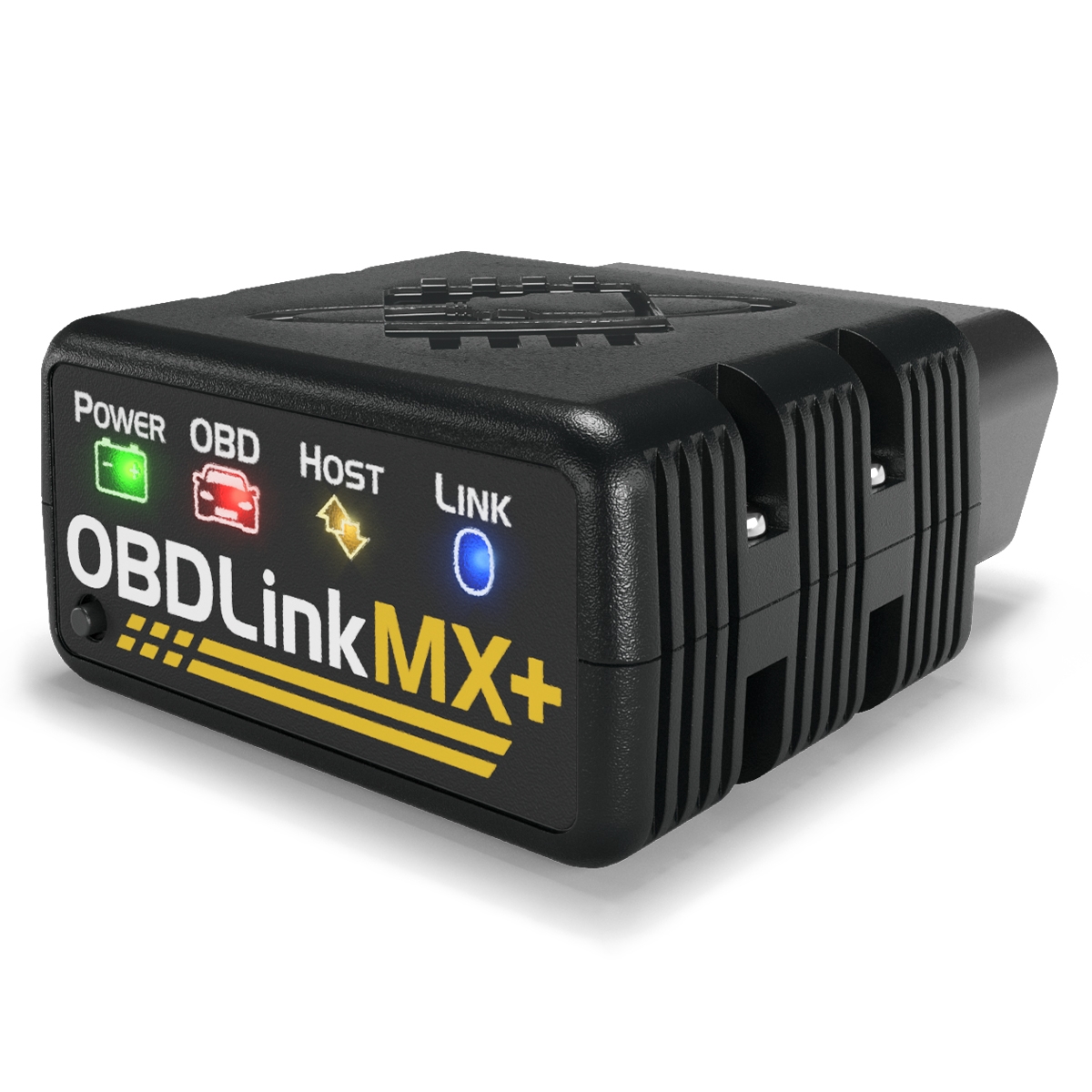
OBDLink MX+
A premium Bluetooth OBD2 adapter for iOS, Android and Windows with generic code reading, live data and free app/firmware support. July 2026 sales tracking places it among the leading consumer diagnostic tools; use VIDA or a Volvo-capable system for immobilizer/CEM-specific diagnosis.
