


Volvo vs Japanese cars comes down to safety-first luxury versus bulletproof value: Volvo prioritizes advanced crash protection, refined cabins and EV-forward tech, while Japanese cars typically win on long-term reliability, resale and lower ownership costs.
Shoppers rarely cross-shop a single “Japanese car” against Volvo, yet the decision shows up when comparing a Volvo XC60 or XC90 to popular Toyota, Honda, Subaru, Mazda, Nissan, Lexus, Acura or Infiniti models.
This guide isolates the real trade-offs around safety technology, reliability, warranty and ownership costs in the U.S. market. It also highlights electrification strategies, resale patterns and the practical steps to choose confidently.
All claims are anchored to comparable U.S.-spec model years and reputable sources like IIHS, NHTSA, J.D. Power and manufacturer data, reviewed August 2026. When model-to-model detail varies, we note the exceptions clearly.
- Main difference: Volvo focuses on safety engineering, Scandinavian luxury and rapid electrification; Japanese Cars lean on reliability, hybrid efficiency and lower total cost.
- Best for A: Volvo suits buyers prioritizing advanced crash protection, premium seats/quiet, and polished driver assistance in a luxury-leaning package.
- Best for B: Japanese Cars fit shoppers who want proven reliability, broad dealer access, excellent hybrids and strong resale—often for less money.
- Cost/value: Volvo typically costs more to insure, service and depreciates faster; Japanese Cars usually have lower running costs and higher retained value.
- Important caveat: Safety, reliability and value differ by model and year; verify trim-level safety gear and compare like-for-like powertrains before deciding.
Scope: Volvo vs Japanese Cars in the U.S. market
This article compares Volvo to “Japanese Cars” as a single category covering Toyota, Honda, Subaru, Mazda, Nissan and their luxury arms Lexus, Acura and Infiniti sold in the U.S.
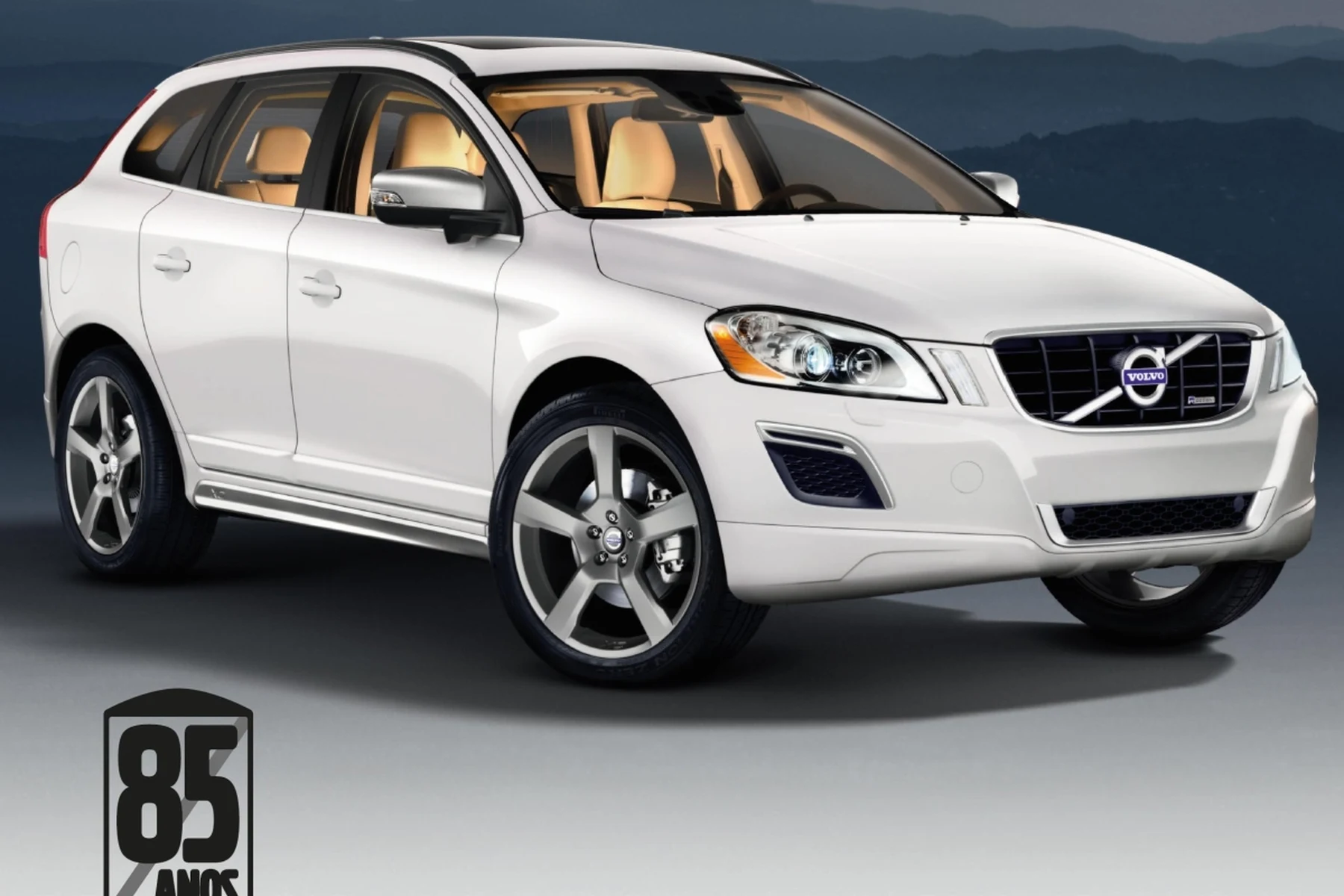
We center on mainstream SUVs and sedans where most shoppers decide, plus relevant EVs and hybrids. If you’re focused on one brand like Toyota, see model-matched data alongside this brand-level view.
Volvo and Japanese Cars at a glance
Use this snapshot to see where the philosophies diverge before diving into the details below.
| Category | Volvo | Japanese Cars |
|---|---|---|
| Brand positioning | Premium safety-first, minimalist luxury, rapid EV/PHEV rollout | Reliability- and value-led; hybrids dominant; mix of mainstream and luxury |
| Safety approach | Vision Zero ethos, standard ADAS broad; 112 mph speed cap | Robust ADAS suites (TSS, Sensing, EyeSight, etc.); many IIHS awardees |
| Reliability trend | Mid-pack to above-average depending on model/year | Typically above average; Lexus/Toyota often top third-party rankings |
| Ownership costs | Generally higher insurance, parts and service; premium tires | Lower maintenance/repair on average; easier parts availability |
| Warranty (basic/powertrain) | 4yr/50k mi; 4yr/50k mi | Usually 3yr/36k mi; 5yr/60k mi (Lexus 4/50; 6/70 powertrain) |
| Resale value | Moderate to below top-tier; PHEV/EV varies by market demand | Strong overall; Toyota/Lexus among best in class |
| Dealer network | Smaller footprint | Extensive national coverage, fast parts logistics |
| Electrification | Aggressive: EX30/EX40/EX90 EVs; strong PHEVs | Hybrid leaders; growing EVs (Ariya, bZ4X/RZ, Prologue/ZDX, Solterra) |
| Infotainment | Google built-in on many models | Varies by brand; near-universal CarPlay/Android Auto |
Brand positioning, engineering priorities and comparable lineups
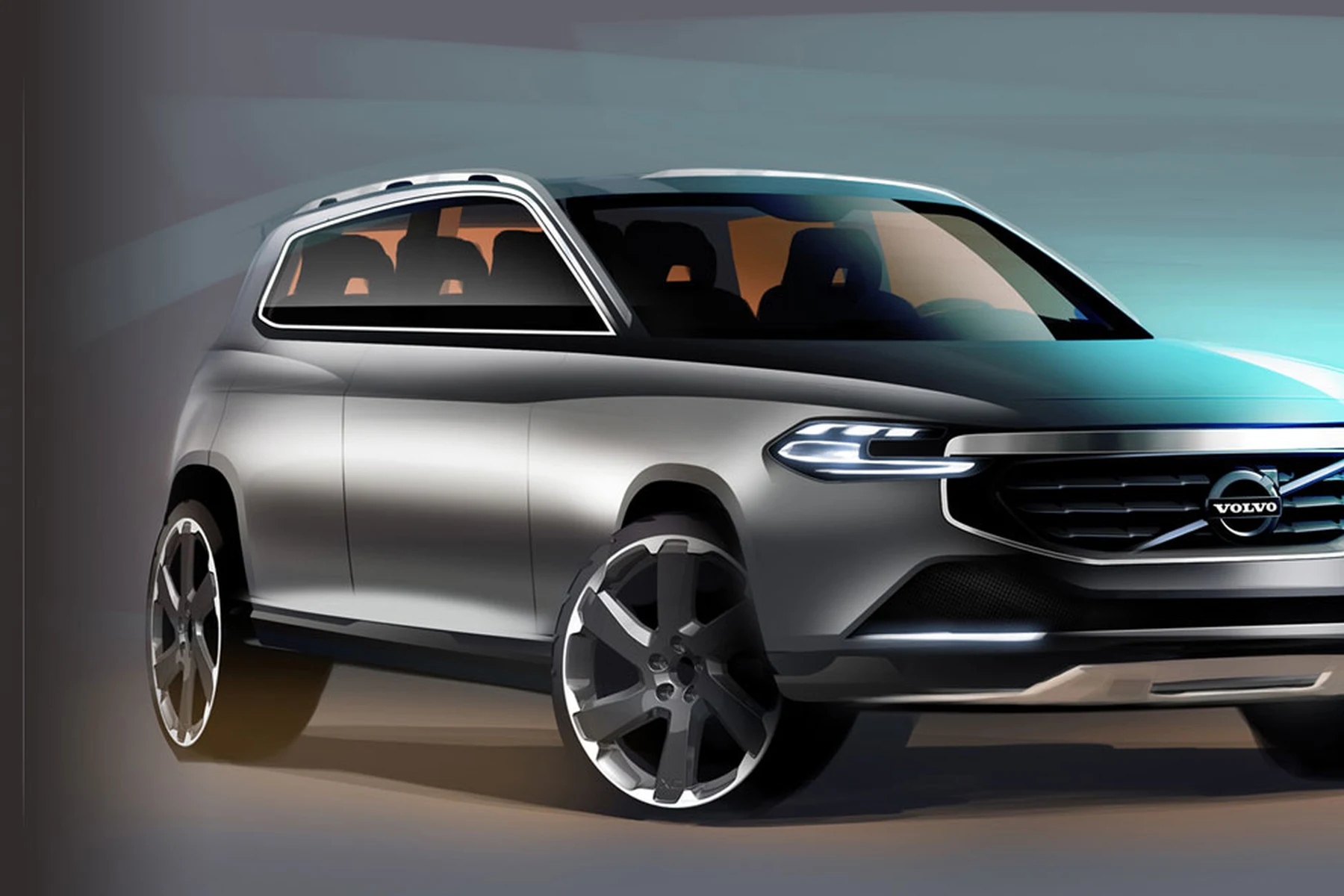
Volvo builds premium SUVs and sedans emphasizing occupant protection, quiet comfort and a minimalist aesthetic. Powertrains skew to mild-hybrid, plug-in hybrid and full EVs.
Japanese Cars span mainstream to luxury. Toyota, Honda, Subaru and Mazda major on efficiency and value; Lexus and Acura add luxury polish. Hybrids are a core strength across the group.
When comparing, align body style, drivetrains and trims. Example: Volvo XC60 B5 AWD vs Toyota RAV4 Hybrid or Lexus NX 350h are different classes and prices—adjust for size, power and equipment to keep the decision fair.
Safety philosophy and model-level evidence
Volvo’s safety philosophy centers on Vision Zero (no serious injuries in new Volvos) and widespread standard driver assistance. Common elements include strong crash structures, advanced restraints and well-calibrated Pilot Assist.
Japanese Cars also perform strongly. Toyota Safety Sense, Honda Sensing, Subaru EyeSight, Mazda i-Activsense and Lexus Safety System+ bring automatic emergency braking, lane support and adaptive cruise to most trims, often standard.
Multiple Volvo models and leading Japanese entries routinely achieve IIHS Top Safety Pick or Top Safety Pick+ and NHTSA 5-Star ratings in comparable years. Always check the exact year and trim, as headlights and optional features can change ratings.
Match the IIHS protocol year and trim-level equipment for both sides. Confirm AEB with pedestrian detection, junction assist, lane-centering and headlight rating are standard—not optional—on the specific VIN you’re purchasing.
For deeper Volvo context on crashworthiness and ADAS coverage, see our explainer on Volvo safety vs other cars.
Performance and driving character
Volvo favors smooth, quiet progress and secure handling over edgy sport. Mild-hybrid B5/B6 powertrains and T8 plug-in hybrids emphasize torque-rich, refined delivery.
Japanese Cars vary by brand. Mazda often feels the sportiest in mainstream trims, Subaru prioritizes surefooted AWD, Toyota and Honda deliver balanced daily drivability, and Lexus leans serene and quiet.
- Low-speed ride and cabin noise on rough pavement
- Seat contour, thigh support and headrest angle over 45 minutes
- Driver-assist behavior in stop-and-go traffic
- Throttle response transitions in hybrid/PHEV vs mild hybrid
- Infotainment voice recognition accuracy with windows down
Interior design, comfort, technology and infotainment
Volvo cabins feel premium and calming, with standout ergonomics and seat comfort. Google built-in on many models integrates Google Maps and Assistant natively, with Apple CarPlay support.
Japanese Cars range from practical to plush. Toyota and Honda have intuitive new UIs; Mazda skews upscale; Lexus has significantly improved its interface. Wireless CarPlay/Android Auto is near-universal in recent model years.
Reliability, warranty, dealer/service access and maintenance cost
Reliability tilts toward Japanese Cars on average. Lexus and Toyota frequently top third-party brand studies, while Honda, Subaru and Mazda typically score above average. Volvo lands mid-pack, with some models stronger than others.
Volvo’s 4yr/50k-mile basic and powertrain coverage is premium-length for bumper-to-bumper but shorter for powertrain than some Japanese luxury peers. Mainstream Japanese brands usually provide 3yr/36k-mile basic and 5yr/60k-mile powertrain, with hybrid systems covered up to at least 8yr/100k miles by federal mandate.
Ownership costs are typically higher for Volvo due to premium parts, labor, tires and often insurance. Japanese Cars benefit from broader dealer networks and lower-cost consumables, helping long-term affordability.
- Price full sets of tires and brake components by trim and wheel size
- Quote insurance using VIN and your real garaging ZIP
- Check hybrid/PHEV service intervals and coolant changes
- Review roadside assistance and loaner policies with each dealer
For a focused deep-dive on maintenance outlays, read is Volvo expensive to maintain?
Resale value, used-car considerations and electrification strategy
Japanese Cars generally retain value better, with Toyota and Lexus among the strongest for resale. Volvo resale is moderate; late-model PHEVs can hold well in markets favoring electrification, but older luxury models may depreciate faster.
Volvo’s EV path is aggressive, with EX30/EX40 and three-row EX90 complementing potent PHEV “T8” models. Japanese Cars skew hybrid-first, with growing EVs like Nissan Ariya, Lexus RZ/Toyota bZ4X, Honda Prologue/Acura ZDX and Subaru Solterra.
Hybrid batteries in the U.S. are covered at least 8yr/100k miles. In CARB states, many Japanese brands extend emissions-related hybrid coverage up to 10yr/150k miles—valuable if you plan to keep the car long-term.
If you’re planning public fast charging, see how Volvo’s NACS adoption affects access in our guide on using Tesla chargers with Volvo.
Where Volvo is stronger
Volvo stands out for occupant protection philosophy, excellent seats, quiet ride tuning and polished driver-assist behavior. Many trims bundle advanced safety as standard, reducing option confusion.
Infotainment with Google built-in appeals if you want native Maps/Assistant integration. Volvo’s PHEVs deliver strong combined output and usable EV-only range for short commutes.
Volvo Pros and Cons
- Safety-first engineering and broad standard ADAS
- Exceptional seat comfort and cabin quiet
- Refined PHEV options and EV roadmap
- Clean, minimalist design inside and out
- Higher insurance and maintenance on average
- Smaller dealer network in some regions
- Depreciation steeper than top Japanese rivals
Where Japanese Cars is stronger
Japanese Cars typically lead for long-term reliability, hybrid fuel economy, resale value and cost-to-own. Dealer networks and parts pipelines are extensive, keeping downtime and routine costs low.
From practical family crossovers to luxury Lexus sedans, the lineup breadth is vast and pricing ladders are friendlier at entry points.
Japanese Cars Pros and Cons
- Consistently strong reliability track records
- Excellent hybrid efficiency and range
- High resale value, especially Toyota/Lexus
- Large dealer/service footprints
- Luxury ambiance varies; some interiors feel utilitarian
- EV offerings still maturing versus hybrid strength
- Advanced features can be trim- or package-dependent
Best choice by buyer type
How to choose between Volvo and Japanese Cars
- Define commute and payload. If most trips are under 30 miles, a Volvo PHEV’s EV range may offset fuel; long highway stints favor Japanese hybrids’ mpg.
- Match trims feature-for-feature. Ensure both sides include the same ADAS, headlights, AWD, tow rating and seat upgrades before pricing.
- Pull total cost quotes. Get insurance, maintenance menu pricing, tires and interest rates for each VIN to reveal the true monthly delta.
- Check safety by VIN. Confirm IIHS headlight rating, AEB with pedestrian/cyclist detection and airbag count/sensor coverage on your exact car.
- Drive them back-to-back. Evaluate seating comfort after 45 minutes, lane-centering smoothness, cabin noise at 70 mph and infotainment ease.
Before we jump into FAQs, one practical check can save hours of back-and-forth at the dealership.
💡 Evans Torres Tip: Bring the child seats, golf bag or stroller you actually use and load both contenders. Confirm latch access, headrest removability, and whether the cargo floor and hatch opening clear your gear. A 10-minute fit test often decides between two otherwise equal finalists.
Frequently Asked Questions
Volvo vs Japanese Cars comparisons often hinge on a few recurring concerns: safety leadership, long-term reliability, repair costs and whether hybrid or plug-in systems make financial sense. The answers below address those points with U.S.-market data, but always verify the model year, trim and specific VIN features you’ll actually buy.
Are Volvos safer than Japanese Cars?
Both sides produce top-rated vehicles. Volvo emphasizes standard ADAS and structural protection, and many models earn IIHS Top Safety Pick+. Japanese leaders like Subaru, Toyota, Honda and Lexus also secure numerous TSP/TSP+ awards. Check the exact year and trim, because headlight or optional-ADAS differences can swing ratings.
Which is more reliable long term?
Japanese Cars generally lead. Lexus and Toyota often rank at or near the top of J.D. Power and other studies; Honda, Mazda and Subaru are usually above average. Volvo tends to fall mid-pack, varying by model and year. Maintenance diligence and driving conditions still matter for outcomes.
Do Volvos cost more to maintain and insure?
Typically yes. Premium parts, labor rates and tires can raise maintenance and repair bills for Volvo versus mainstream Japanese brands. Insurance is often higher due to repair complexity and parts costs. Luxury Japanese models narrow that gap, but mainstream Toyota/Honda/Subaru usually remain cheaper to own.
Who has better resale value?
Japanese Cars. Toyota and Lexus in particular hold value exceptionally well. Acura, Honda and Subaru also perform strongly. Volvo resale is respectable but usually trails Toyota/Lexus over five to seven years, though certain PHEVs can retain value better in EV-friendly regions.
Which is more comfortable for long drives?
Volvo seats and cabin quiet are standouts, making them excellent for long-haul comfort. Lexus matches with serene rides and low noise. Mainstream Japanese cabins vary by trim—Mazda skews premium; Toyota and Honda have improved ride/seat tuning in recent generations.
Who leads in hybrid and EV tech?
Japanese Cars lead in hybrids for breadth and efficiency. Volvo advances faster on EVs and strong PHEVs, offering premium charging and interface experiences. If you mostly commute short distances, a Volvo PHEV can feel like an EV; for road trips, Japanese hybrids maximize mpg with no charging stops.
Is dealer/service access different?
Yes. Japanese brands have more dealers across the U.S., which can reduce wait times and travel distance for service. Volvo’s network is smaller but typically offers premium amenities and loaners. Consider proximity and service hours alongside price and vehicle fit.
Where can I learn more about Volvo safety claims?
We cover Volvo’s crash performance, driver-assist scope and how to compare test protocols in our safety overview: Volvo safety vs other cars (update). It explains how to read IIHS and NHTSA ratings for apples-to-apples decisions.
Final Verdict
Choose Volvo if your priority stack starts with advanced safety execution, serene cabins and a premium-feeling PHEV/EV experience. The intangible polish—seat ergonomics, noise isolation and driver-assist smoothness—often justifies the higher monthly cost for comfort-focused buyers.
Choose Japanese Cars if you want predictable reliability, excellent hybrid mpg, stronger resale and a wide dealer network. Over a typical 5–7 year horizon, the total cost delta often favors Japanese contenders, particularly Toyota, Honda and Lexus.
If you’re split, pit a Volvo PHEV against a top Japanese hybrid with true total-cost quotes and a 45-minute test loop. Let real fuel/charge math, seat comfort and ADAS behavior decide—not brochure specs.
My Top Picks at a Glance
These three Volvo accessories are practical options to compare after choosing the right Volvo configuration.
 Best Overall
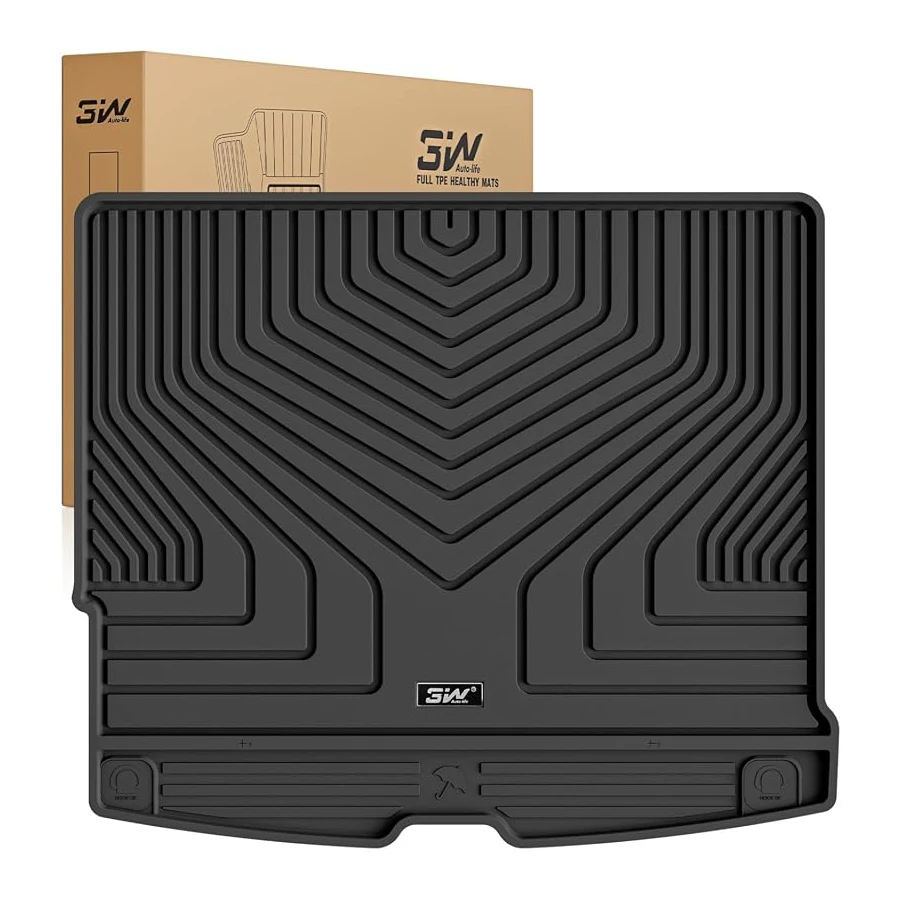
3W Custom Fit Cargo Liner for Volvo XC60 2018-2026, TPE all-weather mat with max coverage, non-slip, easy-clean.
A vehicle-fit accessory to compare for compatibility, daily usefulness, and value.
 Best Value
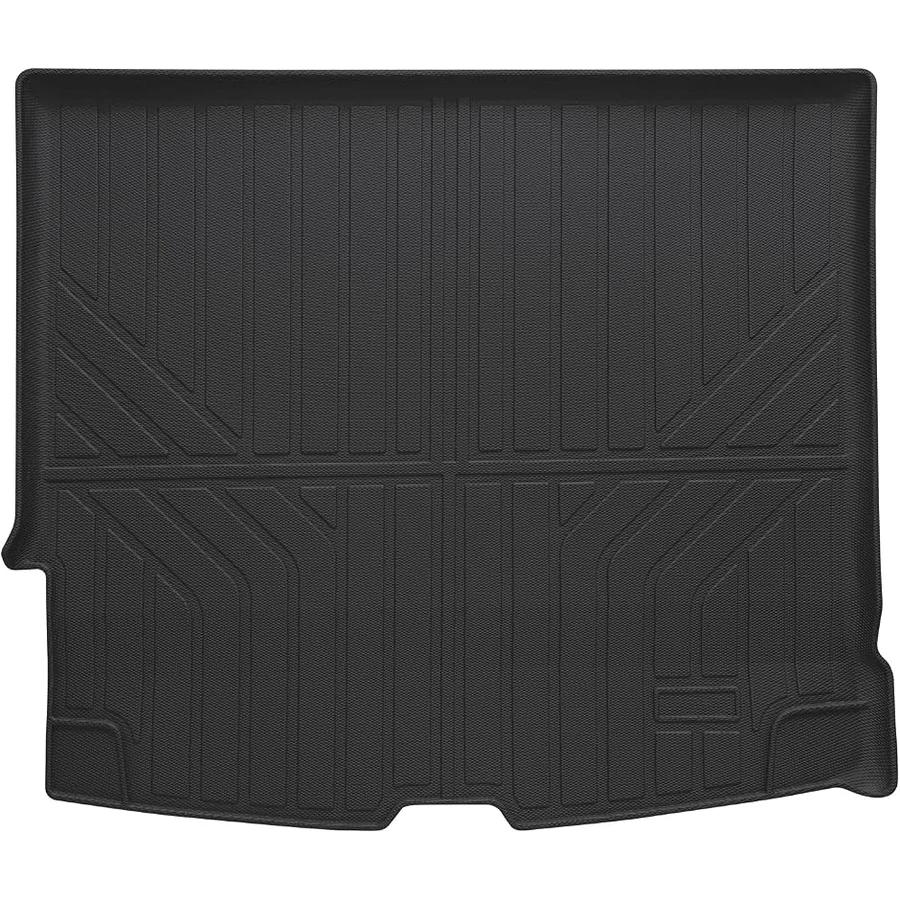
All-Weather TPE Cargo Liner for Volvo XC60 2018-2026, waterproof trunk mat, custom fit, easy to clean.
A vehicle-fit accessory to compare for compatibility, daily usefulness, and value.
 Best Premium Option
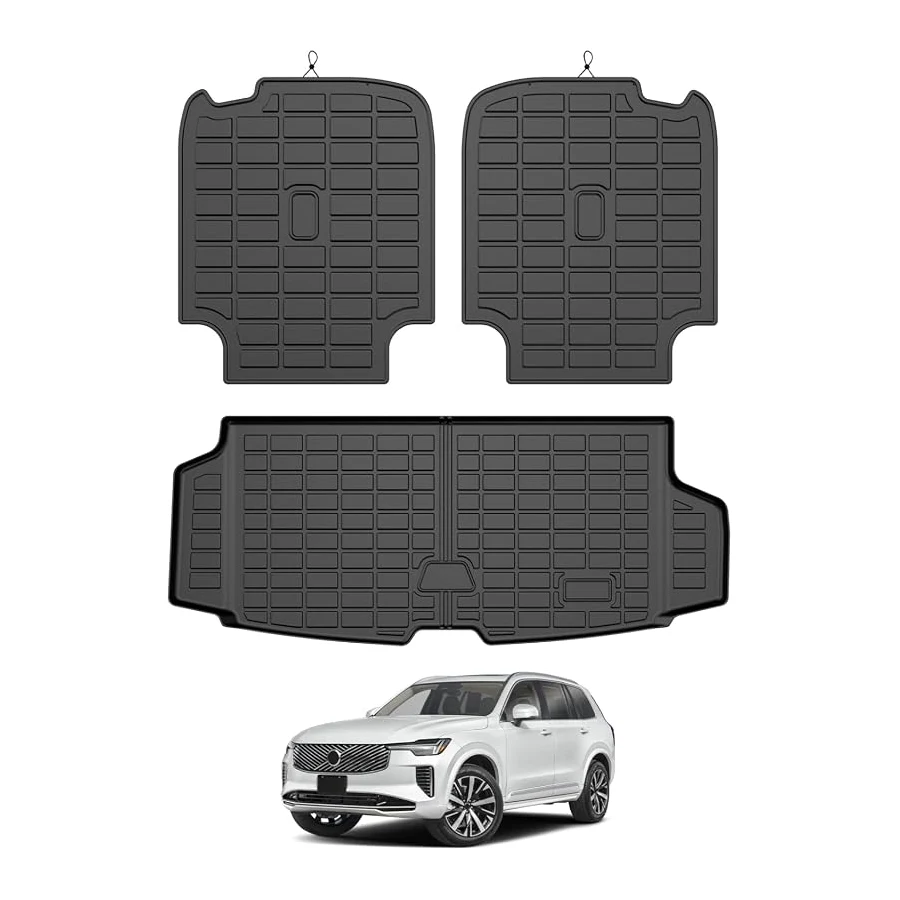
Mixsuper Cargo Liner and Backrest Mat for Volvo XC90 2016-2026, TPE all-weather, non-slip, easy-clean protection.
A vehicle-fit accessory to compare for compatibility, daily usefulness, and value.
Sources and Methodology
U.S.-market focus, primarily 2024–2026 models with used insights for 2019–2023. We matched trims by body style, drivetrain and safety equipment where possible. Safety refers to IIHS and NHTSA testing for comparable years; reliability references multi-year brand studies. Ownership cost notes reflect insurance, maintenance and depreciation research; exact costs vary by VIN and region. Verified August 2026.
Author

Author

Evans Torres
I’m Evans Torres, an automotive engineer who loves Volvo cars. I graduated in Automotive Engineering from USC. I have worked in the car industry for years and now share my knowledge on The Volvo Life. I started this blog to connect with other Volvo fans. I offer tips, news, and advice to help you care for your car. My goal is to help you keep your Volvo in great shape and find all the best things about it. Join me as we discover everything Volvo has to offer!