


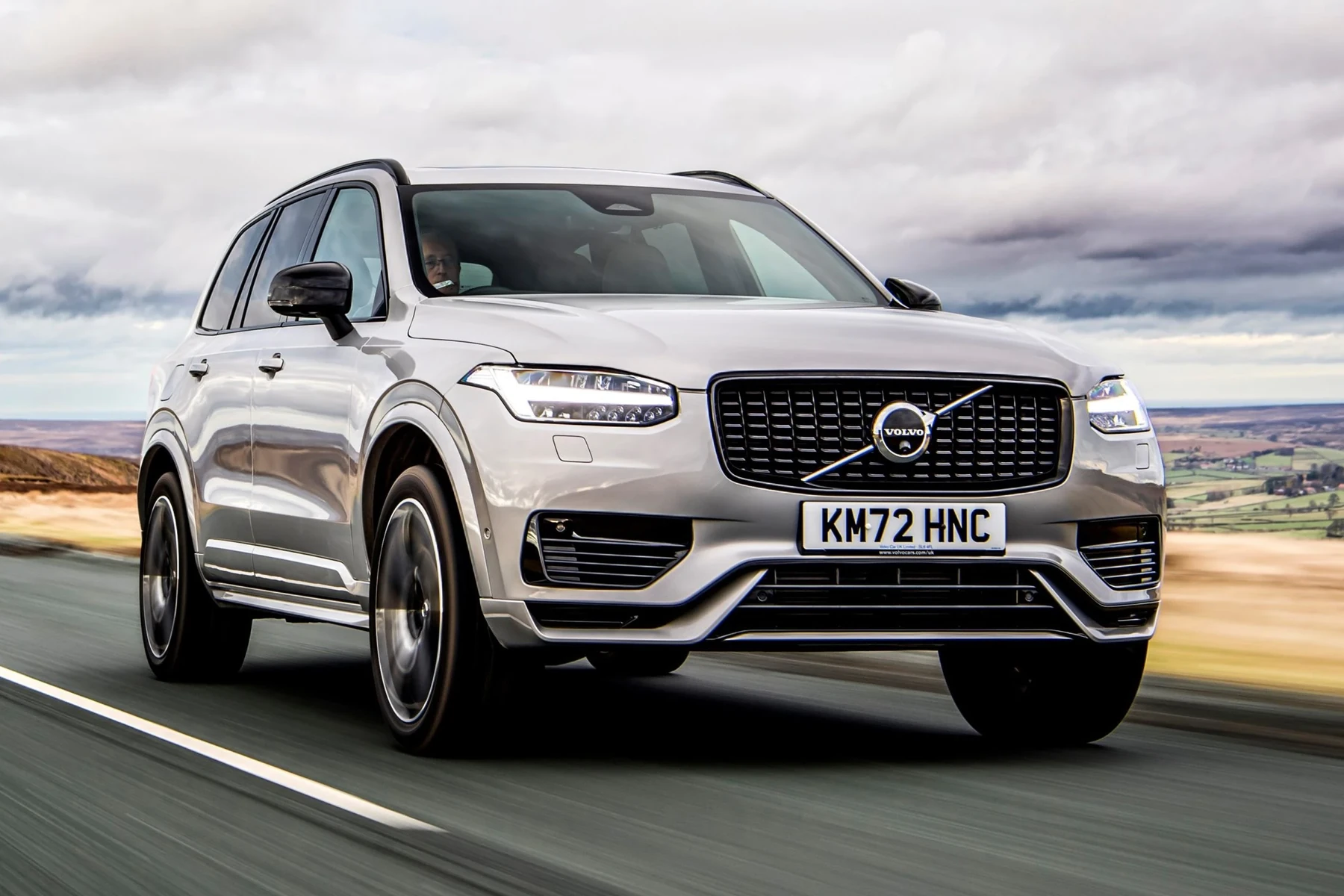
Volvo safety vs other cars: U.S. crash-test data from IIHS and NHTSA show modern Volvos routinely earning Top Safety Pick/Top Safety Pick+ and 5-star ratings, with strong performance in small-overlap and side impacts. Real-world insurance claim trends also point to fewer injury claims where AEB (City Safety) is standard. Compare each exact model-year’s ratings and ADAS availability before buying, and factor in calibration costs after repairs.
Shopping by “safest” badge alone misses the details that actually protect you. Ratings can vary by trim, headlights, and whether advanced driver assistance (AEB, lane keeping) is standard or optional.
This guide stacks up Volvo’s crash performance, driver-assist tech, and real-world outcomes against mainstream and luxury rivals. You’ll also see how to verify safety for the exact cars on your shortlist and what modern safety can add to repair bills in the U.S. market. For related context, you may also want to read Volvo ab vs Volvo cars.
- Main point: Volvos consistently score at or near the top in IIHS/NHTSA testing and pair strong passive safety with standard AEB.
- Best first step: Check model-year specific IIHS ratings (including headlight grade) and NHTSA stars for each trim you’re considering.
- Cost or value: ADAS lowers crash risk but can raise post-crash repair costs due to sensor/camera calibration.
- Who it suits: Safety-first families and commuters who value standard driver assistance over optional packages.
- When to get help: Ask a Volvo-specialist body shop about ADAS calibration after glass, bumper, or suspension repairs.
You want top crash scores, effective AEB, and strong child-seat compatibility. This comparison shows where Volvo stands today.
You’re weighing Volvo against BMW, Audi, Mercedes, Lexus, or Acura and need evidence beyond marketing claims.
You prefer IIHS/NHTSA results and insurance-claim trends over anecdotes. The steps and sources below fit how you research.
Volvo Safety vs Other Cars: What Current Crash Tests Actually Measure
Safety rankings in the U.S. mainly come from two places: the IIHS and NHTSA. IIHS Top Safety Pick/TSP+ awards weigh crashworthiness (small overlap front, moderate overlap, side, roof strength, head restraints) and crash avoidance (AEB with pedestrian detection) plus headlight performance.
NHTSA’s 5-Star Safety Ratings evaluate frontal, side, and rollover risk. Each agency’s tests stress different scenarios, which is why a complete view uses both systems.
Volvo focuses on both passive protection—strong occupant cell, SIPS side-impact structure, WHIPS anti-whiplash seats—and active prevention like standard AEB. That mix is why modern Volvos often place at or near the top of class results.
IIHS tightened its side-impact test in 2022 with a heavier barrier at higher speed. Several models across brands lost awards; recent Volvos generally continued to score well as updates rolled through the lineup.
Volvo Crash Ratings Compared With Luxury and Mainstream Rivals
Across recent model years, many Volvo SUVs and sedans earn IIHS Top Safety Pick or TSP+ and strong NHTSA results. Where rivals can match or beat Volvo in individual tests, Volvo often counters by making AEB standard across trims rather than optional in a package.
Luxury competitors like Audi, BMW, and Mercedes-Benz also post excellent scores, but standard equipment varies. Mainstream rivals may hit top marks in select trims, then slip on others due to headlight or AEB packaging differences.
If you’re weighing brand reputation against outcomes, start with the exact trims you’ll buy. For context on Volvo’s broader standing today, see our deep dive in Are Volvo Cars Still the Safest? and a broader brand match-up in How Does Volvo Compare to Other Cars.
Headlight ratings matter. A trim with “Good” headlights can qualify for TSP+, while the same model with “Marginal” headlights might not. Always check the specific headlight grade for your trim.
Real-World Safety: Insurance Claims, Injury Rates, and What Owners Report
Crash tests simulate controlled impacts; insurance-claim and injury data show what happens on real roads. Where AEB is standard, rear-end collisions and injury claims typically trend lower. Volvo’s City Safety—detecting vehicles, pedestrians, and cyclists—contributes to those reductions, particularly at urban speeds. This connects closely with Volvo city safety service required reset if you want to compare the topic in more detail.
Owners also point to head restraint design and seat engineering as quiet heroes. These features can reduce whiplash in low-speed crashes that don’t make headlines but do cause lingering injuries.
Claims databases aggregate by vehicle class and model-year, so expect variation. Still, the pattern that emerges for modern Volvos is a combination of strong occupant protection plus prevention that lowers crash severity in the first place.
Here’s a quick view of how common safety metrics typically line up when you’re comparing Volvo to peers, noting that exact results vary by model and year.
Use this as a checklist to verify each metric for the specific trims you’re shopping, rather than as a one-size-fits-all verdict.
| Metric | Volvo (recent MY) | Luxury average | Mainstream average |
|---|---|---|---|
| IIHS award status | Frequent TSP/TSP+ across lines | Frequent TSP/TSP+ | Mixed by trim/headlights |
| NHTSA overall stars | Often 5-star overall | Often 5-star overall | 4–5 stars by model |
| Standard AEB (car-to-car) | Standard on most trims | Often standard | Standard or optional |
| Pedestrian AEB | Widely standard | Expanding; varies | Mixed availability |
| Headlight performance | Good on many trims | Good/Marginal mix | Varies widely |
| Injury claim trends | Often lower with AEB | Lower where AEB std. | Improving; varies by take rate |
| Whiplash protection | Strong seat/head restraints | Strong in many models | Varies by seat design |
Volvo Driver-Assistance Tech vs Others: AEB, Pilot Assist, and Headlights
Advanced driver-assistance systems (ADAS) reduce crash risk when they’re on, calibrated, and used correctly. Volvo’s City Safety AEB, run-off road mitigation, lane keeping aid, and available Pilot Assist (lane centering + adaptive cruise) cover the core scenarios that trigger common crashes.
Rivals may offer hands-free highway systems or enhanced lane centering. The meaningful difference is consistency: Volvo tends to standardize AEB and pedestrian detection, while some brands make them optional. Headlight quality also changes nighttime safety more than many realize.
Driver assistance is not self-driving. Keep hands on the wheel, eyes on the road, and be prepared to brake. Never treat Pilot Assist—or any competitor system—as an autonomy substitute.
If you ever see a “City Safety Service Required” message, restore function promptly. Our step-by-step coverage here can help: How to Reset Volvo City Safety Service Required.
How To Compare Safety for the Exact Models You’re Shopping
Model names hide big trim and equipment differences. The quickest way to compare “Volvo safety vs other cars” is to pull the exact trim’s crash ratings, headlight grade, and which ADAS features are standard. Ten careful minutes can change your decision on which one to buy.
- Check IIHS by trim: Search your exact year/model/trim and confirm TSP or TSP+ plus the headlight grade for that trim.
- Confirm NHTSA stars: Look up the same year/model on the NHTSA site for overall, frontal, side, and rollover ratings.
- Verify standard AEB: Ensure forward AEB with pedestrian/cyclist detection is standard on the trim you’ll buy, not in a package.
- Assess headlights: Favor “Good” or “Acceptable” headlights; they materially improve nighttime safety.
- Ask about calibration: Call a Volvo-certified body shop about ADAS calibration needs and costs after glass/bumper work.
- Print or save PDFs of IIHS and NHTSA pages for the exact trim.
- Confirm child-seat fit and top-tether locations if you have kids.
- Prioritize trims with standard AEB and high headlight ratings.
- Budget for ADAS calibration after windshield or bumper repairs.
Safety Costs: Repairs, Calibration, and Insurance Impact in the USA
Modern safety saves money by avoiding crashes, yet repairs can cost more when they do happen. Windshield camera calibration after glass replacement typically runs about $250–$600. Bumper radar alignment or replacement may add $400–$1,200 depending on parts and paint.
Advanced LED headlights can cost $700–$1,500 per unit. Insurers increasingly route vehicles to calibration-capable shops, which protects function and ratings but adds line items to the bill. Ask your shop if they perform in-house calibrations or use a mobile specialist.
Insurance premiums may differ by trim because ADAS lowers risk but increases repair complexity. Shop quotes using the exact VINs you’re comparing to get an apples-to-apples premium view.
Common Myths About Volvo Safety vs Other Cars Debunked
“Old Volvos are tanks” isn’t how modern safety works. A new compact with top ratings can outperform a decades-old heavy car in occupant protection thanks to structures, airbags, and AEB.
The myth persists because weight used to be a bigger factor. Today, design and restraint systems matter far more. See clear visual evidence in Old Volvo vs New Car Crash and our practical look at outcomes in Volvo vs Car Crash.
Another myth: “All luxury cars are equally safe.” Reality: headlight grades, AEB availability, and test updates create separation. Always verify the specific trim and year— not just the nameplate.
Prevention on the Road: Getting the Most From Volvo Safety Features
Crash avoidance works best when systems are correctly calibrated and tires and brakes are in top shape. Keep AEB and lane keeping enabled, replace wiper blades regularly for sensor clarity, and update software during scheduled service so safety systems maintain performance.
Set proper seating and head restraint height to reduce whiplash risk. If you carry children, use the LATCH system and verify fit in your exact seating positions. Combine active safety tech with defensive driving habits for the biggest gains.
After any windshield, bumper, or suspension repair, request an ADAS calibration report. An uncalibrated camera or radar can reduce AEB or lane-keeping performance without showing a warning light.
For broader brand-level context as you compare lineups, our analysis in How Does Volvo Compare to Other Cars outlines traits buyers consistently value—safety among them.
Independent crash-test sources you can trust include IIHS and NHTSA. Owner-cost and reliability context is often published by Consumer Reports.
💡 Evans Torres Tip: I compare headlight ratings first when friends ask “which is safer?” A “Good” headlight grade can tip my choice between two otherwise similar SUVs. After that, I verify that pedestrian AEB is standard on the exact trim. The third check is local body shops: I call and ask what they charge to calibrate a Volvo windshield camera—it tells me a lot about real-world ownership.
Frequently Asked Questions
This FAQ rounds up the most common questions U.S. shoppers ask about Volvo safety compared with other brands. You’ll find answers on crash-test performance, driver-assistance availability, repair and calibration costs, child-safety considerations, and how to verify results for your exact trim. Use these as quick clarifications, then follow the step-by-step section above to finalize your decision with official IIHS/NHTSA sources.
Are Volvos the safest cars on the road today?
Modern Volvos frequently earn IIHS Top Safety Pick/TSP+ and strong NHTSA ratings, and they often make AEB standard. Other luxury brands also score very high, so the right answer depends on the exact model-year and trim. Verify IIHS headlight grades and standard AEB for your shortlist before deciding.
Do Volvos have better crash ratings than BMW, Audi, or Mercedes?
Across recent years, Volvo competes at the top of the class. BMW, Audi, and Mercedes also secure many TSP/TSP+ awards. Differences usually come down to headlight grades, the standardization of AEB, and year-to-year test updates. Always compare the specific trims you plan to buy.
Does Volvo’s City Safety really reduce crashes?
Automatic emergency braking (like City Safety) is associated with fewer rear-end crashes and injury claims in aggregate insurance data. Effectiveness depends on calibration, maintenance, weather, and driver engagement, but making AEB standard increases the chance it helps when needed.
Are repairs more expensive on Volvos with advanced safety tech?
Repairs can cost more due to sensor and camera calibrations after windshield, bumper, or suspension work. Expect roughly $250–$600 for camera calibration and $400–$1,200 for radar-related work, depending on parts and paint. Many insurers require post-repair calibration to restore function.
Are older Volvos safer than new mainstream cars?
Not necessarily. Newer vehicles with top crash ratings, modern airbags, and AEB can outperform older “heavy” cars. Structural design and restraint systems count more than weight alone. Compare IIHS and NHTSA results for the exact vehicles under consideration.
Which current Volvo is considered the safest?
Safety varies by test year and trim. Many Volvo SUVs and sedans secure TSP/TSP+ when equipped with “Good” headlights and standard AEB. Check your target year/model on IIHS and confirm the specific trim’s headlight rating and ADAS equipment before deciding.
How can I confirm crash results for a used Volvo?
Look up the exact model-year on IIHS and NHTSA, then verify your car’s trim-level headlights and ADAS features. After any prior glass or bumper repair, ask the seller for ADAS calibration documentation. A pre-purchase inspection at a Volvo-specialist shop is a smart final step.
Do headlight ratings really matter that much?
Yes. IIHS headlight grades affect award status, and better headlights materially improve nighttime visibility and reaction time. Two visually similar trims can differ in headlight performance—prioritize “Good” or “Acceptable” where possible.
Final Verdict
Volvo’s approach—robust crash structures, seat engineering, and widely standard AEB—puts it at or near the top when measured against both luxury and mainstream brands. The win isn’t universal across every trim or year, so verify the exact configuration’s IIHS headlight grade, AEB availability, and NHTSA stars.
Your best next step is a focused, VIN-level check on the cars you’re cross-shopping, then a quick call to a Volvo-capable body shop to understand calibration implications. Prioritize trims with “Good” headlights and standard pedestrian AEB, keep systems maintained, and let data—not assumptions—guide the final choice.
My Top Picks at a Glance
Here are the three volvo safety vs other cars options I would check first if you want a faster buying decision.
These picks highlight the strongest overall choice, the best value option, and the premium-style pick for practical Volvo ownership.
 Best Overall
Autocar magazine July 15, 1966 issue featuring Volvo 1800S road test, Matra-BRM, NSU Prinz 4
It offers the strongest all-around mix of fit, value, and practical daily use for Volvo owners.
 Best Value
2004 Volvo V40 Owner’s Manual, factory original user guide with maintenance schedules and specifications
It makes sense for owners who want a useful upgrade without paying more than necessary.
 Best Premium Option
4-Pack carbon fiber door sill protectors, self-adhesive anti-scratch strips, waterproof universal car threshold guards with scraper, black
It is the pick I would compare first if build quality, features, and long-term ownership value matter most.
Author

Author

Evans Torres
I’m Evans Torres, an automotive engineer who loves Volvo cars. I graduated in Automotive Engineering from USC. I have worked in the car industry for years and now share my knowledge on The Volvo Life. I started this blog to connect with other Volvo fans. I offer tips, news, and advice to help you care for your car. My goal is to help you keep your Volvo in great shape and find all the best things about it. Join me as we discover everything Volvo has to offer!