


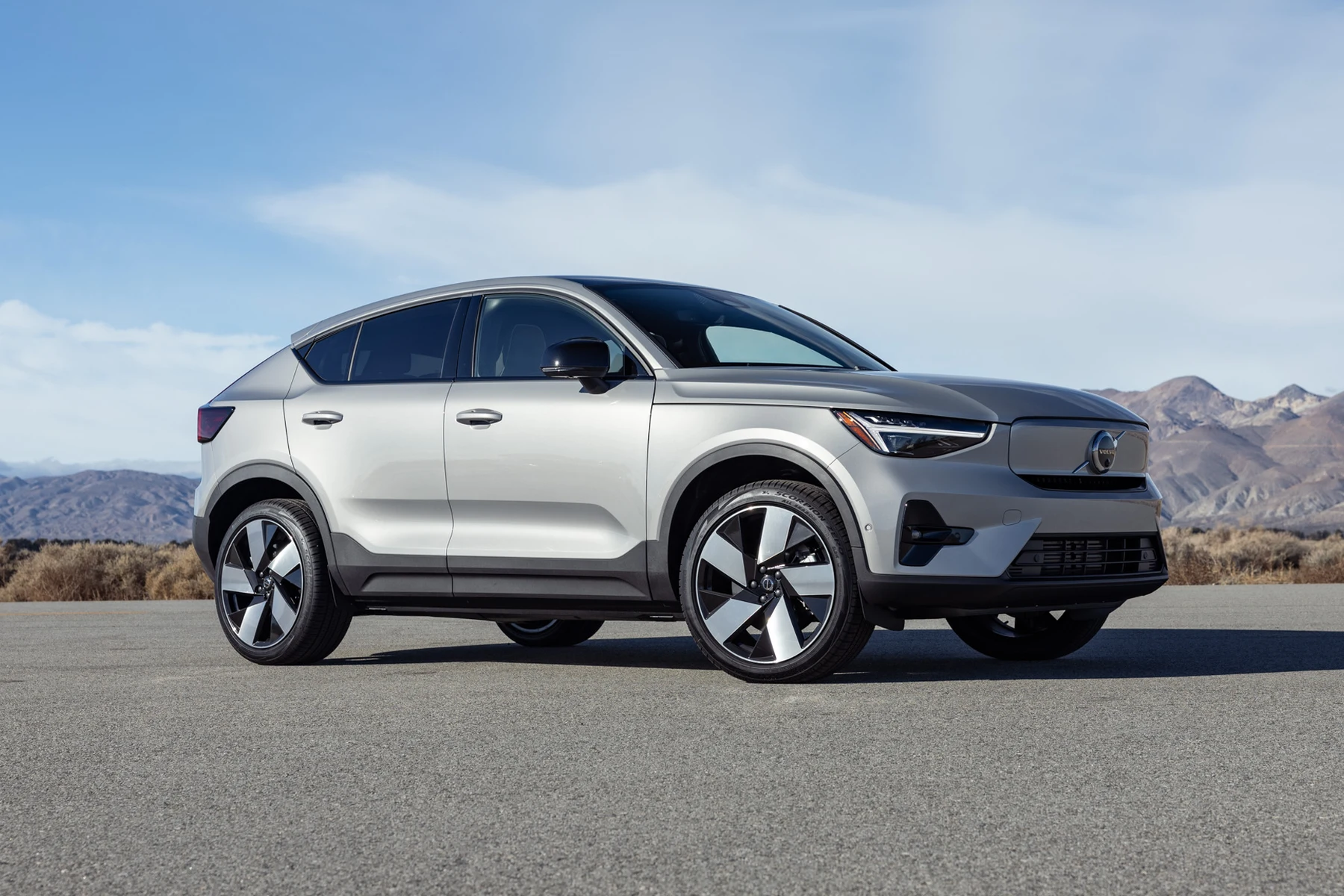
In a volvo safety vs other cars matchup, the XC90 typically leads with more standard driver aids and unique protections like Run-off Road mitigation, while BMW X5 and Audi Q7 can match or exceed in specific tests and highway assist polish when properly optioned. Choose the Volvo XC90 for baked-in safety value and family-friendly protections, BMW X5 for refined assist on highways, and Audi Q7 for balanced dynamics plus robust active safety—always confirming model year, trim and test protocol.
Safety comparisons only make sense when you match class, model year and test protocols. Here, we focus on U.S.-market 2024–2026 luxury three-row SUVs: Volvo XC90 versus BMW X5 and Audi Q7, using official safety features and comparable crash-test evidence where available.
We’ll unpack core crash avoidance, crashworthiness, occupant/child/pedestrian protection and post-crash response. Then we’ll translate ratings and features into buyer decisions, ownership costs and simple steps to verify equipment on the exact VIN you’re considering.
For broader brand context, see our overview on whether Volvo cars are still the safest, then come back to this model-specific comparison.
- Main difference: XC90 emphasizes standard safety breadth and unique protections; X5/Q7 can equal crash performance when optioned and sometimes offer slicker highway assist.
- Best for A: Families prioritizing default protections, child-seat ease and post-crash safeguards like Run-off Road and WHIPS.
- Best for B: Highway commuters seeking sophisticated lane-centering and traffic-jam aids in BMW X5 or Audi Q7 packages.
- Cost/value: Volvo often includes more safety standard; BMW/Audi may require packages but can deliver competitive or superior performance in specific tests.
- Important caveat: Ratings vary by year, trim, headlights and updated IIHS protocols—verify the exact VIN against IIHS and NHTSA databases.
You want maximum standard protection across all seats, intuitive child-seat installs and built-in protections if the car leaves the road.
You drive long highway stretches and value smooth lane-centering, adaptive cruise in traffic, and strong nighttime crash-avoidance performance.
You care about how the vehicle senses the world, over-the-air improvements and how reliably features work in the real world.
What “Volvo Safety vs BMW and Audi” Means: The Safety Domains Compared
We’re comparing crash avoidance, crashworthiness, occupant/child/pedestrian protections and post-crash response. That means looking past marketing names to what the systems actually do and how they perform.
Practically, this includes AEB performance day and night, lane support fidelity, structural crash protection, seat/head restraint design, child-seat anchors, and features like automatic post-collision braking and emergency SOS. We also account for headlights, since IIHS now weighs headlight performance and pedestrian protection more heavily.
Match vehicles on the same agency, protocol and model year. IIHS updated moderate and side tests; a prior Top Safety Pick under old rules may not translate today. Always confirm with the VIN on IIHS and NHTSA before deciding.
XC90 vs X5 vs Q7 Safety Systems at a Glance
At a high level, all three SUVs offer forward AEB with pedestrian detection, lane support and blind-spot monitoring. Differences appear in cyclist/junction detection, highway assist polish, headlights and unique Volvo protections like Run-off Road mitigation.
The table summarizes typical U.S. 2024–2026 equipment status. Packages vary by trim and options, so treat “Optional” as “verify package on your VIN.” Use it to shortlist must-haves before you shop or order.
| Feature | Volvo XC90 | BMW X5 | Audi Q7 |
|---|---|---|---|
| Forward AEB w/ pedestrian | Standard (City Safety) | Standard (Frontal Collision Warning) | Standard (pre sense front) |
| Cyclist/junction detection | Standard cyclist; junction assist availability varies by year | Available with option packages | Available with option packages |
| Lane keep/centering | Standard lane keep; Pilot Assist available | Standard lane keep; Driving Assistant Pro available | Standard lane keep; Adaptive Cruise Assist available |
| Blind-spot + rear cross-traffic | Standard BSW; RCTA availability varies by trim | Standard BSW on most trims; RCTA available | Often optional; verify by trim |
| Driver monitoring/attention | Standard alerts; camera-based monitoring introduced on later years | Available via Pro packages | Available via packages |
| Headlights (adaptive matrix) | Available; performance varies by trim/year | Available; performance varies by trim/year | Available; performance varies by trim/year |
| Run-off Road mitigation/protection | Standard mitigation + energy-absorbing seats | Not branded; comparable functions vary | Not branded; comparable functions vary |
| Side-impact structural systems | SIPS with side airbags and curtains | Rigid body with side airbags/curtains | Rigid body with side airbags/curtains |
| Whiplash protection (front seats) | WHIPS integrated seat design | Active head restraints | Active head restraints |
| Post-crash auto braking | Standard | Standard/available by package | Standard/available by package |
| Emergency SOS/eCall | Standard | Standard | Standard |
| Child-seat anchors (LATCH) | Standard; ease-of-use varies by seat layout | Standard; access varies by trim | Standard; access varies by trim |
| OTA updates impacting ADAS | Available on later models | Available | Available |
| NHTSA/IIHS current results | Varies by year/protocol; verify VIN | Varies by year/protocol; verify VIN | Varies by year/protocol; verify VIN |
Bottom line: at the feature level, parity is high. Volvo’s advantage is broad standard coverage and unique run-off-road/whiplash engineering, while BMW/Audi allow tailoring up to sophisticated highway assistance—if you select the right packages.
U.S. trims change content annually. A feature that is standard on a 2024 XC90 may be optional on a 2026, and vice versa for X5/Q7. Confirm the window sticker, VIN build sheet and the seller’s option codes.
Volvo XC90 Safety Systems and What’s Standard vs Optional
Most XC90 safety content is standard in the U.S., aligning with Volvo’s philosophy of out-of-the-box protection. Advanced highway assist (Pilot Assist) and higher-performance lighting may be optional by trim or package.
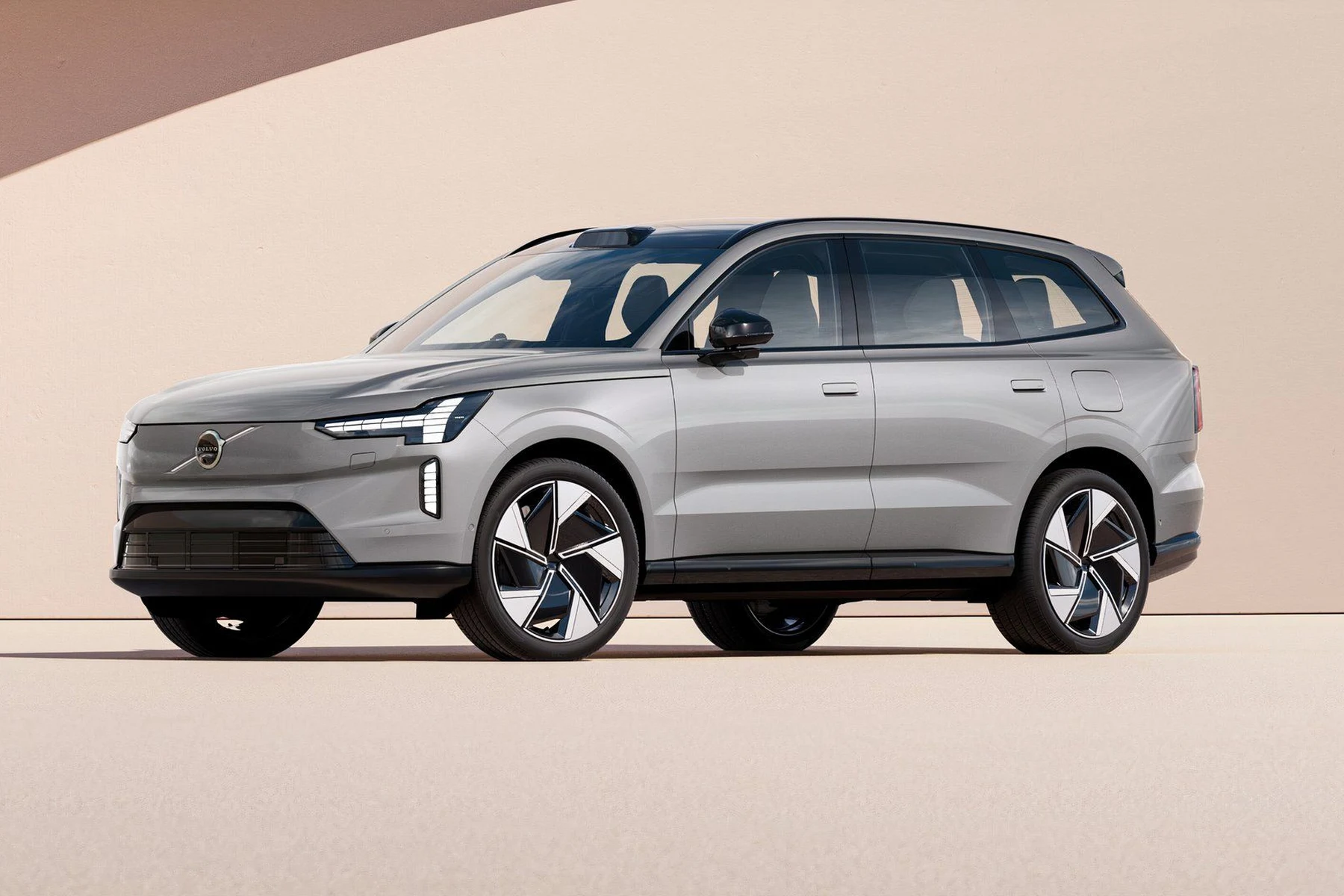
Unique value adds include Run-off Road mitigation and protection, WHIPS whiplash prevention seats, SIPS side-impact protection, and broad City Safety detection. Verify exact content on Momentum/Core, Plus/Pro, and Ultimate trims across 2024–2026.
City Safety automatic emergency braking
City Safety bundles forward collision mitigation with pedestrian and cyclist detection, and it can assist with oncoming/turning conflicts in many scenarios. Daylight and headlight performance will influence detection quality, so test at both speeds and lighting conditions.
Pilot Assist and lane support
Pilot Assist combines adaptive cruise with lane centering on clearly marked roads. It reduces fatigue in traffic and on highways but still requires hands-on, eyes-on engagement and will disengage in poor markings or severe weather.
Structural safety, airbags and injury reduction
XC90 integrates a high-strength safety cage, SIPS for side loads, inflatable curtains across rows and WHIPS front-seat design to reduce whiplash. Run-off Road protection helps brace occupants during unintentional departures and hard landings.
Post-crash response, alerts and services
Automatic post-collision braking, crash notification and SOS call are designed to reduce secondary impacts and speed assistance. Driver-attention alerts and available interior driver monitoring aim to catch drowsiness or distraction before it escalates.
In an XC90, ask for a supervised demo of Pilot Assist, rear cross-traffic auto-brake and nighttime headlight pattern. Try a child-seat install in row two and three. Confirm the presence of Run-off Road features in the car’s manual and infotainment menus.
BMW X5 and Audi Q7 Safety Systems on the Same Basis
BMW X5 and Audi Q7 offer robust bases with forward AEB, lane support and blind-spot monitoring. Their strongest differentiator is optional highway assist polish via BMW Driving Assistant Professional or Audi Adaptive Cruise Assist bundles.
Availability of intersection assist, evasive maneuver assist, lane-change assist and traffic-jam hands-on aids often depends on packages. Headlight performance and camera/radar sensor suites also vary by trim and wheel/tire selections.
BMW X5: Active Driving Assistant tiers
Most X5 models include collision warning with pedestrian detection and lane departure warning, with Driving Assistant Professional adding lane centering, lane change assist and evasive aid. Head-up displays and better headlights can improve real-world performance.
Audi Q7: pre sense and Adaptive Cruise Assist
Audi pre sense front/basic helps prepare the car and mitigate forward impacts, while Adaptive Cruise Assist adds lane guidance. Optional intersection assist, turn assist and rear cross-traffic braking bolster urban safety when equipped.
Volvo XC90 Pros and Cons
- Broad standard safety coverage across trims
- Run-off Road mitigation/protection and WHIPS seats
- Clear, conservative driver-feedback philosophy
- Strong child-seat and family-focused design
- Highway assist less “slick” than top-spec rivals
- Performance depends on headlight/spec combinations
- Older platform may lag in some updated IIHS tests by year
BMW X5 Pros and Cons
- Driving Assistant Professional is polished on highways
- Strong structural safety and lighting options
- Clear instrumented controls for assist features
- Key aids may require costly packages
- Child-seat access can vary with seat design
- Feature differences by trim create VIN-by-VIN variability
Audi Q7 Pros and Cons
- Balanced ride/handling with capable assist options
- Available intersection and turn assist
- Strong passive safety engineering
- Many assists are extra-cost packages
- Headlight performance varies by trim
- Night cyclist/pedestrian AEB depends on spec and tests
On modern IIHS awards, headlight ratings and pedestrian AEB weigh heavily. A lower trim with mediocre headlights can drag down the overall safety award, even if the structure and airbags match a top trim.
Independent Crash Tests and ADAS Evidence: How They Compare
Under comparable IIHS and NHTSA protocols, XC90, X5 and Q7 have historically earned high marks in many years, but results shift as tests evolve. From 2023 onward, IIHS toughened side and moderate overlap; some models may lose prior awards until updated.
Vehicle-to-vehicle and vehicle-to-pedestrian AEB are now tested day and night. Headlight ratings differ by trim. For 2024–2026, some scores were pending at publication, so treat older ratings as directional only and verify your exact VIN.
When you find a candidate VIN, look up IIHS ratings for that exact year and headlight variant. Cross-check NHTSA star ratings and recall status. Then test nighttime visibility and lane-centering behavior on your own route.
Real-World Limits: Weather, Lighting, Roads and False Assumptions
All three SUVs rely on cameras and radar. Heavy rain, snow, low sun glare or dirty lenses will reduce detection and may disable lane centering. ADAS is assistive, not autonomous; driver supervision is always mandatory.
Nighttime pedestrian and cyclist detection is improving but still variable. Complex intersections, unmarked rural roads or work zones challenge lane and AEB logic. Child-seat fit and third-row airbag coverage depend on seat choice and trim equipment.
Keep sensors, windshield and headlights clean and properly aimed. After glass or bumper work, insist on ADAS calibration. If the dash shows “driver support reduced,” treat features as unavailable until inspected.
Cost, Subscription and Calibration: What Owners Should Expect
Volvo often includes key safety standard, improving value. BMW and Audi may require packages for full highway aids, intersection assist or advanced headlights, increasing MSRP. Insurance discounts can offset some costs when features are documented.
Windshield, radar or camera replacements can require calibration costing hundreds to over a thousand dollars. OTA updates can improve behavior over time. For diagnostics and calibration awareness on Volvo, see our XC90 scanner overview.
Ask the service department for calibration pricing tied to windshield and bumper work. Verify whether map data and driver-assist updates are included or subscription-based. Factor headlight upgrade costs if your roads are unlit.
Best for Families, Older Drivers, Commuters and Tech-Curious Buyers
For families, the Volvo XC90’s standard protections, thoughtful seat design and run-off-road/whiplash engineering are compelling. For commuters, BMW X5 or Audi Q7 highway assist packages can feel more polished on long interstate drives.
Technology-first shoppers should compare driver monitoring fidelity, OTA cadence and nighttime AEB results under the newest IIHS protocols. The best choice depends on which scenarios you face most often.
How to Decide Between the Volvo XC90 and BMW/Audi Alternatives
Use a structured approach that blends test data with your real routes. The goal is not the most features on paper but the safest experience on your roads, at your speeds and times of day.
These five steps align ratings, equipment and lived experience so you avoid over- or under-buying assist features you won’t actually use.
- Define your top three scenarios: night suburban, highway commute, urban intersections, winter weather or rural unmarked roads.
- Shortlist trims with the best headlights and the full assist suite you’ll actually use, not just the biggest package name.
- Pull IIHS and NHTSA data for those specific years/trims; ignore ratings for other headlights or pre-update protocols.
- Test-drive on your real routes at night and in traffic; try lane-centering, adaptive cruise, braking behavior and glare handling.
- Price calibration risk: ask about windshield/radar service costs and include them in a 5-year total cost picture.
How to Verify Exact Safety Equipment on a Specific VIN
Features vary by trim, package and mid-cycle updates. Never assume a dealer description equals the exact safety content your family needs.
Follow these five steps to confirm the real equipment before you sign anything.
- Decode the VIN using the manufacturer’s build sheet or a dealer printout, focusing on safety and lighting option codes.
- Check the Monroney/window sticker for ADAS packages, headlight type and child-seat anchor notes.
- Open the car’s infotainment menus to confirm lane centering, cross-traffic auto-brake and driver monitoring toggles exist.
- Match the VIN to IIHS headlight variant and any ADAS-specific test results for that trim and year.
- Inspect sensors and windshield for prior replacements; request proof of calibration if work was done.
For a wider background on brand-level differences that shape equipment choices, see our guide on how Volvo compares to other cars before you finalize a trim.
When you narrow down to a couple of VINs, pause and sanity-check assumptions before putting down a deposit. A few simple confirmations can prevent buyer’s remorse.
💡 Evans Torres Tip: Bring a cheap reflective vest and a small box to your night test drive. Place the box near a crosswalk and walk past it at the edge of the beam pattern. You’ll quickly see which headlights illuminate pedestrians better and whether the car’s alerts are timely without depending on salesperson demos.
Frequently Asked Questions
Shoppers often ask whether Volvo’s standard safety still leads, if BMW and Audi need expensive packages, and how much test results should drive the decision. These answers address different slices of the same decision: what keeps your family safest on your routes, at your budget, with your tolerance for ongoing calibration or subscription costs.
Use them as a quick filter before you pull IIHS/NHTSA data on the exact VIN.
Is the Volvo XC90 safer than the BMW X5 and Audi Q7?
It depends on model year, trim, headlights and updated IIHS protocols. XC90 leans toward more standard features and unique protections like Run-off Road and WHIPS. X5 and Q7 can equal or surpass in specific tests and highway assist smoothness when properly optioned. Verify the exact VIN’s IIHS and NHTSA entries.
Which has better highway assist: XC90, X5 or Q7?
BMW Driving Assistant Professional and Audi Adaptive Cruise Assist are often praised for refinement when optioned. Volvo Pilot Assist is effective but conservative in feel. Differences shrink or widen based on lane markings, weather and tire choice, so test each on your highway route and confirm package content.
How important are headlights to safety ratings?
Very. IIHS now weighs headlight performance heavily. Lower trims with lesser headlights can reduce overall awards even when airbags and structure are identical. If you drive at night on unlit roads, prioritize premium headlights and verify the exact headlight variant in IIHS data for that VIN.
Do all three SUVs have automatic emergency braking with pedestrian detection?
Yes, forward AEB with pedestrian detection is widely standard on recent XC90, X5 and Q7 U.S. models. Nighttime performance varies by sensor suite, software and headlights. Cyclist, junction and intersection assists may require packages on BMW and Audi; verify equipment lists per VIN.
How do child seats fit in the XC90 compared with rivals?
XC90 generally offers family-friendly access and anchor placement, though fit always depends on your seat model. X5 and Q7 vary by seat contour and cushion design. Bring your actual child seat to the test drive and confirm top-tether access and third-row airbag/curtain coverage in the manual.
What are typical ADAS calibration costs after a windshield replacement?
Costs vary by brand, market and whether both camera and radar need calibration. Expect hundreds to over a thousand dollars. Ask for a written quote before glass or bumper work, and confirm post-service calibration printouts. This applies to XC90, X5 and Q7 alike.
Are Volvo safety features more likely to be standard than BMW/Audi?
Often, yes. Volvo traditionally packages a broad safety suite as standard. BMW and Audi may require option packages for full functionality like lane-change assist or intersection aids. The flip side is that BMW/Audi can be tailored to taste; just verify you’re getting the content you want.
Where can I learn more about Volvo’s overall approach to safety?
For big-picture background that complements this model-level guide, read our explainer on whether Volvo cars are still the safest. It covers philosophy, testing shifts and how to interpret evolving ratings.
Final Verdict
If you want strong default protection with fewer option pitfalls, the Volvo XC90 is the safest-feeling bet for many families—especially if run-off-road and whiplash protections matter to you. If your life is dominated by highway miles, a BMW X5 or Audi Q7 correctly optioned with premium headlights and full highway assist can feel more confident in lane-centering and lane changes.
Either way, the safest choice is the VIN that pairs top headlight performance with the assist features you’ll actually use. Verify ratings, demo at night, and price calibration into ownership.
My Top Picks at a Glance
These three Volvo accessories are practical options to compare after choosing the right Volvo configuration.
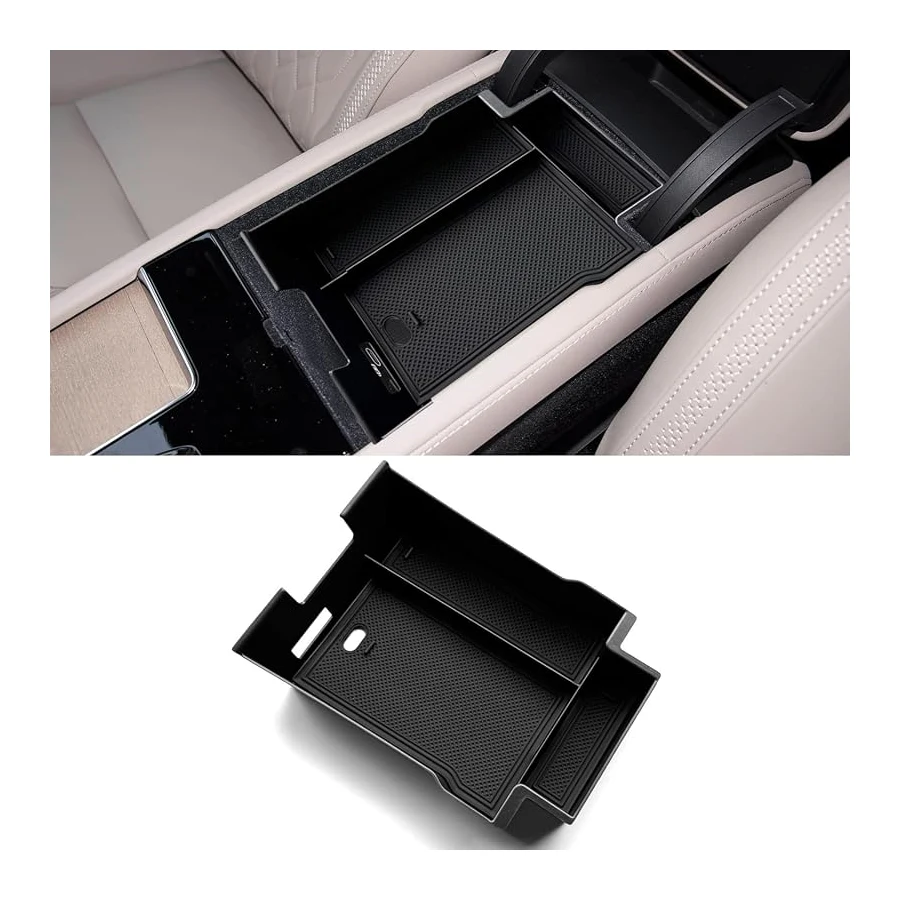 Best Overall
Custom-fit 2026 Volvo XC90 center console organizer tray, durable ABS armrest box, easy to clean
A vehicle-fit accessory to compare for compatibility, daily usefulness, and value.
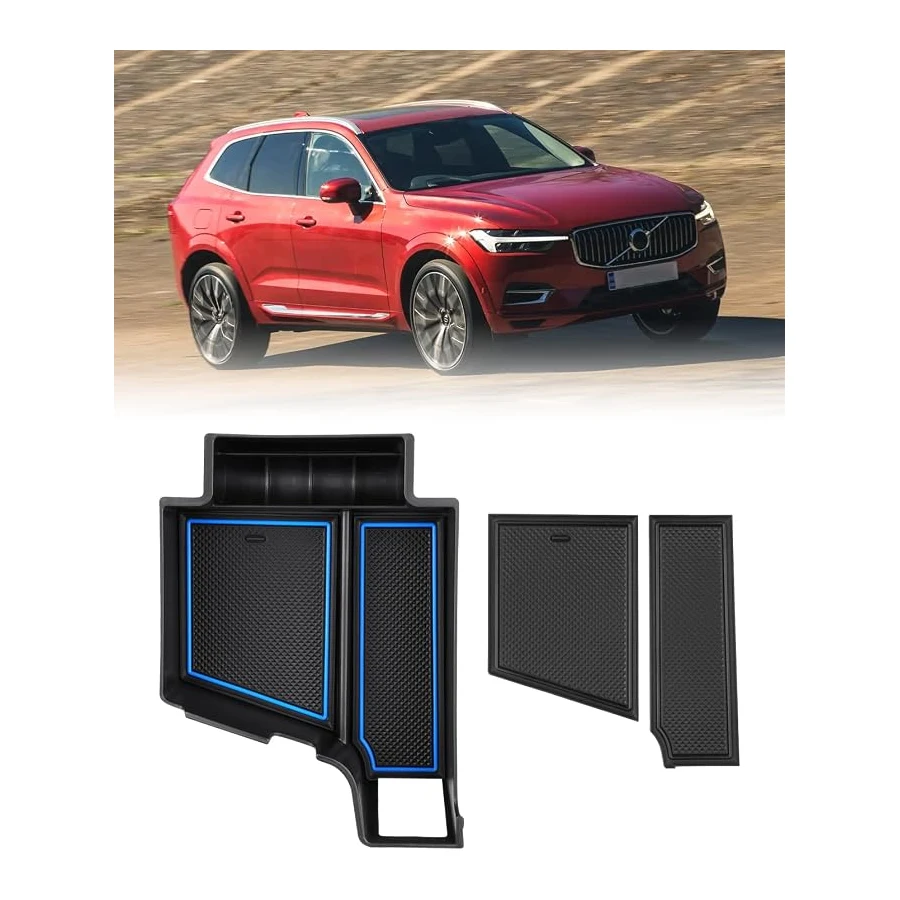 Best Value
FIILINES organizer tray for Volvo XC60 2018-2025, XC90 2021-2025, S90/S60 2020-2025, V60/V90, ABS with anti-slip mats
A vehicle-fit accessory to compare for compatibility, daily usefulness, and value.
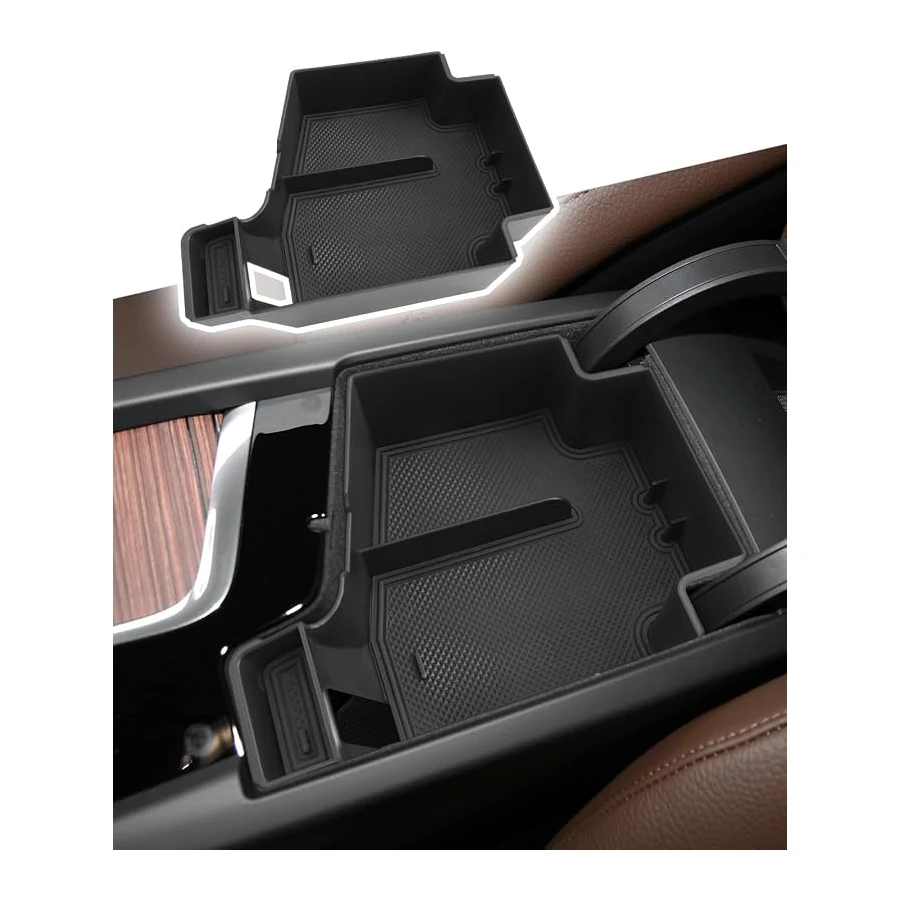 Best Premium Option
CDEFG center console organizer tray for 2024-2026 Volvo XC60/S90/V90, armrest storage insert, durable ABS
A vehicle-fit accessory to compare for compatibility, daily usefulness, and value.
Sources and Methodology
We analyzed U.S.-market 2024–2026 Volvo XC90, BMW X5 and Audi Q7 safety equipment against comparable IIHS and NHTSA tests. We prioritized official manufacturer documents for feature availability and IIHS/NHTSA databases for ratings under current protocols. Because awards and test methods evolved (e.g., updated IIHS side and moderate overlap), we avoided asserting model-year-specific scores when not published. Verification date: August 2026.
Author

Author

Evans Torres
I’m Evans Torres, an automotive engineer who loves Volvo cars. I graduated in Automotive Engineering from USC. I have worked in the car industry for years and now share my knowledge on The Volvo Life. I started this blog to connect with other Volvo fans. I offer tips, news, and advice to help you care for your car. My goal is to help you keep your Volvo in great shape and find all the best things about it. Join me as we discover everything Volvo has to offer!