


Volvo vs American Car comes down to safety-first premium design versus breadth of choice. Volvo delivers standard advanced safety, calm interiors, and consistent tech; American Car spans budget to luxury, trucks and muscle, and the longest EV ranges. Pick by your safety priorities, use-case and range needs.
Shopping across brands and borders of identity is common, and comparing Volvo to American Car is exactly that. One side is a focused premium brand with a safety-led identity; the other is an entire national category covering mainstream, luxury, trucks, and Tesla-grade EV range leadership.
This guide distills the differences in safety, reliability, EV range, driving feel, tech, ownership cost and value. Where hard numbers exist, we cite U.S. sources like IIHS, NHTSA and EPA. Where the category is too broad for a single figure, we explain the spread and what it means for your driveway.
- Main difference: Volvo standardizes advanced safety and premium comfort, while American Car spans far more price points, body styles (especially trucks), and the longest EV ranges via Tesla and select GM/Ford models.
- Best for A: Volvo suits buyers who want top-tier safety tech included, serene cabins, and predictable feature sets across trims.
- Best for B: American Car fits shoppers choosing by budget, towing/truck needs, dealer proximity, or seeking 300–400+ mile EV options.
- Cost/value: Volvo’s pricing is premium but often equipment-rich; American Car can be cheaper to enter, with wider incentives, but varies widely by model.
- Important caveat: American Car isn’t one model—safety, reliability and value shift dramatically between a Tesla, a Chevrolet, a Ford or a Jeep.
Scope of this Volvo vs American Car comparison
This is a brand-versus-category match-up: Volvo on one side, American Car on the other. American Car includes U.S.-brand vehicles such as Ford, Chevrolet, GMC, Cadillac, Lincoln, RAM, Jeep and Tesla sold in the U.S. market.
Because American Car spans budget sedans to heavy-duty trucks and luxury EVs, outcomes vary by model. We highlight patterns and call out where your use-case (towing, commuting range, dealer proximity) changes the decision.
When comparing, align model year, drivetrain (FWD/AWD/RWD), wheel size, and safety package content. A Volvo with Pilot Assist standard isn’t equivalent to an American Car base trim that requires options for similar features.
Volvo and American Car at a glance
Here’s a quick side-by-side to frame the differences before we dive deeper. It covers positioning, safety inclusion, EV range reality, and ownership touchpoints.
| Category | Volvo | American Car |
|---|---|---|
| Brand positioning | Premium safety-first; minimalist luxury, calm ride/tech consistency | Broad spectrum: budget to luxury; work trucks to high-performance and Tesla EVs |
| Safety equipment | Extensive ADAS typically standard across trims | Varies widely; many top trims rival Volvo, some bases require options |
| Crash-test trend | Many models regularly earn strong IIHS/NHTSA scores | Model-dependent: some class leaders, some mid-pack or below |
| Typical starting prices | Premium entry pricing with rich standard features | Wider entry points from budget to premium; heavy incentives common |
| EV range (EPA) | Generally mid-200s to low-300s miles depending on model/wheels | Widest spread; Tesla and select models offer 300–400+ miles |
| Powertrains | Mild-hybrid, PHEV, and BEV focus; no V8s, no HD trucks | Everything from small turbos to V8s, HD pickups, off-road rigs, and BEVs |
| Driving character | Comfort-biased, secure, quietly quick in PHEV/EV trims | From work-ready to track-ready; more extremes available |
| Infotainment | Google built-in on most late models; clean UI, strong ADAS integration | Mixed: GM/Ford adopt Google/modern suites; Tesla minimalist without CarPlay |
| Warranty | Typically 4yr/50k basic; 8yr battery on BEVs | Often 3yr/36k basic (Ford/GM), 4yr/50k Tesla; 8yr battery on BEVs |
| Dealer/service network | Smaller but premium-focused | Very dense for Ford/GM; Tesla mobile/service centers expanding |
| Resale value | Stable in premium segments; not truck-driven | Trucks/SUVs often retain strongly; EV resale varies by brand |
| Towing/HD capability | No pickups/HD platforms | Full portfolio of light/heavy-duty trucks and specialized towing rigs |
Brand positioning, engineering priorities and comparable lineups
Volvo’s identity centers on safety leadership, human-centric ergonomics, and a soothing Scandinavian interior vibe. Powertrains favor efficiency—mild hybrids, PHEVs, and increasingly BEVs—with performance delivered quietly rather than loudly.
American Car runs the gamut. You’ll find budget sedans, family SUVs, true off-roaders, muscle coupes, luxurious crossovers, and every kind of pickup. That breadth means you can match precise needs, but you must vet each model rather than assume a uniform standard.
All new Volvos since 2020 are electronically limited to about 112 mph, reflecting a safety-first stance. The brand also pursues “Vision Zero” goals—no one seriously injured or killed in a new Volvo—guiding structure and ADAS design.
Safety philosophy and actual model-level evidence
Volvo tends to include advanced driver assistance (e.g., forward collision mitigation, lane keeping, blind-spot monitoring) as standard on most trims, and many recent models earn strong IIHS and NHTSA ratings. That consistency makes Volvo easy to choose on safety grounds.
American Car safety results vary. Some models score Top Safety Pick/Plus or 5-star ratings, while others miss due to headlight performance, pedestrian protection, or structural results. You must check the exact model, trim and headlights rather than assume parity.
Compare the same agencies and years: IIHS Top Safety Pick/TSP+ and NHTSA 5-Star, matching trim-specific headlights and options. Don’t extrapolate one model’s result to a brand or the entire American Car category.
For deeper context on how Volvo stacks up in crash testing protocols, see our explainer on Volvo crash tests vs other cars and the broader look at Volvo safety vs other cars.
Performance and driving character
Volvo emphasizes confident, quiet progress. Mild-hybrid four-cylinders handle commuting efficiently, PHEVs add strong low-end torque, and recent BEVs deliver smooth, instant acceleration without courting drama.
American Car can be tuned for everything from rock-crawling to drag-strip sprints. If you want a V8 rumble, Baja-ready travel, or sub-3.5-second EV acceleration, you’ll find it here—often with trade-offs in ride comfort, efficiency, or tire/maintenance costs.
- Drive the same road loop and toggle ADAS sensitivity in both vehicles.
- Evaluate brake feel from 50–0 mph, especially in PHEV/EV regen modes.
- Check wind/road noise at 70 mph and over rough patches.
- Load family gear and verify seat-fold height and cargo lip.
Interior design, comfort, technology and infotainment
Volvo cabins are deliberately calm: supportive seats, natural materials, and restrained screens. Google built-in on most late Volvos integrates Google Maps, Assistant and Play with native ADAS visualization.
American Car interiors swing from work-truck hardwearing plastics to flashy luxury. Ford and GM increasingly use Google-based systems, while Tesla opts for a minimalist UI without CarPlay/Android Auto. Seat comfort and noise suppression can vary widely by model and tire choice.
Reliability, warranty, dealer/service access and maintenance cost
Volvo’s modern reliability is competitive but not uniformly class-leading, with a 4yr/50k basic warranty and 8yr battery coverage on EVs. Complimentary scheduled maintenance typically covers the first 3yr/36k miles in the U.S.
American Car warranties vary: many Ford/GM models offer 3yr/36k basic and 5yr/60k powertrain, while Tesla uses 4yr/50k basic plus battery coverage. Dealer density for Ford/GM is unmatched, and Tesla’s service network is growing with mobile service options.
Price tires, insurance, brake service, and battery/plug-in warranty terms before deciding. Performance trims and large wheels can raise annual costs more than the brand badge itself.
Wondering how Volvo ownership stacks up in the U.S.? Start with our breakdown on whether Volvo is expensive to maintain in the USA to frame budgeting expectations.
Resale value, used-car considerations and electrification strategy
Volvo resale tends to be steady within premium crossovers, helped by safety reputation. It’s less buoyed by truck demand because Volvo doesn’t sell pickups. PHEV/EV resale depends on range, incentives, and charging access in your area.
American Car resale varies dramatically. Full-size trucks and body-on-frame SUVs often retain value well, while some sedans and certain EVs can be more volatile. Tesla resale is region and update-dependent—software features and range matter.
Most U.S. brands and Volvo are adopting the NACS charging connector, broadening access to high-speed stations. Verify adapter timelines and onboard charging rates (kW) for your exact model year.
Where Volvo is stronger
Volvo leads with standard safety content, cohesive cabin design, and a comfort-first driving feel that reduces fatigue. Feature consistency by trim helps buyers avoid option-package surprises while retaining strong ADAS capability.
Volvo Pros and Cons
- Advanced safety and ADAS often standard across lineup
- Serene, ergonomic interiors with excellent seat comfort
- Balanced, efficient powertrains including strong PHEVs/EVs
- Predictable feature packaging and premium materials
- Higher entry pricing than many mainstream rivals
- No pickups or heavy-duty towing options
- Fewer dealer locations than Ford/GM networks
- EV ranges generally below the longest-range American EVs
Where American Car is stronger
American Car offers unmatched breadth: budget entries, heavy towing, off-road specialists, ground-shaking performance, and class-leading EV range in select models. Dealer coverage and incentives can tilt cost-of-ownership in your favor.
American Car Pros and Cons
- Widest price spectrum and frequent incentives
- Trucks, HD towing, and specialized off-road/performance models
- Some EVs exceed 300–400 miles EPA range
- Dense service networks (Ford/GM) and growing Tesla support
- Safety and quality vary greatly by model and trim
- Base trims may lack advanced safety without options
- Ownership costs can spike on performance/truck tires and brakes
- Infotainment approaches vary; not all offer CarPlay/Android Auto
Best choice by buyer type
How to choose between Volvo and American Car
- Define non-negotiables: crash-test target (IIHS TSP+/NHTSA 5-star), seating, towing, garage fit, and minimum EV range.
- Price the full build: include options, destination, taxes, insurance, home charging, and winter/all-terrain tires.
- Map charging or fuel logistics: daily route energy use, DC fast-charging access, and real-world winter range loss.
- Drive back-to-back: same loop, same day; verify ride noise, ADAS behavior, and seat comfort after 30 minutes.
- Validate aftersales: nearest service, loaner policy, mobile support, and parts lead times for wear items.
If you’re weighing safety evidence specifically, our primers on crash tests and broader safety comparisons can help decode the test jargon and trim caveats.
💡 Evans Torres Tip: For EVs, test both your weekday and weekend routes in one visit. Start at 60–70% charge, set climate to your normal setting, and log energy use per mile. Then price the exact wheel/tire size you drove—range and tire cost swing sharply with larger wheels.
Frequently Asked Questions
These questions address the most common concerns when deciding between Volvo and American Car in the U.S. market. Because American Car represents many brands and models, you’ll see ranges and conditions rather than one-size-fits-all answers. Use the steps above to match these general truths to your exact trim, geography and driving pattern.
Is Volvo safer than American Car overall?
Volvo consistently prioritizes safety and often includes advanced systems as standard. Many recent Volvos earn strong IIHS/NHTSA results. American Car outcomes vary by model—some are top-rated, others mid-pack. Always verify the specific vehicle’s IIHS and NHTSA ratings, including its headlights and optional safety packages.
Which has better reliability, Volvo or American Car?
It depends on the model. Volvo’s modern reliability is competitive among premium brands. American Car spans reliable models and others with more reported issues. Consult large-sample studies like J.D. Power’s Dependability Study and check recall and TSB history for the exact vehicle year and trim.
Who offers longer EV range, Volvo or American Car?
American Car currently leads on maximum range, largely through Tesla and select GM/Ford EVs that can exceed 300–400 miles EPA. Volvo EVs typically land in the mid-200s to low-300s depending on wheel/tire and climate. Compare EPA ratings and real-world tests for your configuration.
Which is better value for money?
Volvo packs in safety and comfort features that might be optional elsewhere, boosting feature-adjusted value. American Car offers more entry-price diversity and frequent incentives, especially on trucks and popular SUVs. Value hinges on your equipment needs, local deals, and total ownership costs over 3–5 years.
Do Volvos cost more to maintain than American Car?
Premium parts and tires can increase Volvo costs versus some mainstream models, but scheduled maintenance is complimentary for the first 3yr/36k miles in the U.S. American Car costs vary greatly—performance trucks and SUVs can be expensive to tire and brake. Always price tires and wear items for your exact trim.
How do dealer and service networks compare?
Volvo’s network is smaller but premium-focused. Ford and GM have extremely dense dealer coverage nationwide, aiding convenience. Tesla relies on service centers and mobile service, which continues to expand. Proximity and appointment lead times can be decisive for high-mileage or rural owners.
Which is more comfortable for long trips?
Many shoppers find Volvo’s seats and cabin acoustics excellent for reducing fatigue. Some American Car luxury and full-size SUVs also excel in long-haul comfort, often with softer suspensions. Test the seat shape and lumbar support for at least 30 minutes to judge your own posture and pressure points.
How should I compare safety tech between them?
Start with what’s standard versus optional per trim. Then drive with systems active: assess lane-centering smoothness, warning intrusiveness, and night-time detection performance. Confirm camera and radar coverage, and remember that IIHS now evaluates night pedestrian performance in several tests.
Final Verdict
If your top priority is built-in safety, calm comfort, and a premium experience that doesn’t require option hunting, Volvo is the simpler, confident pick. The brand’s standard ADAS approach and consistent ergonomics make everyday commuting and family travel feel easier and safer.
If you need trucks, heavy towing, specialized off-road or performance builds, or the very longest EV ranges, American Car is where you’ll find them—often with better dealer proximity and incentives. Just be meticulous about model-specific safety scores and true ownership costs.
When both sides meet your needs, let daily-life fit decide: seat comfort after 30 minutes, ADAS behavior in traffic, winter range on your route, and service access within 30–45 minutes. The right choice is the one that reduces your weekly friction the most.
My Top Picks at a Glance
These three Volvo accessories are practical options to compare after choosing the right Volvo configuration.
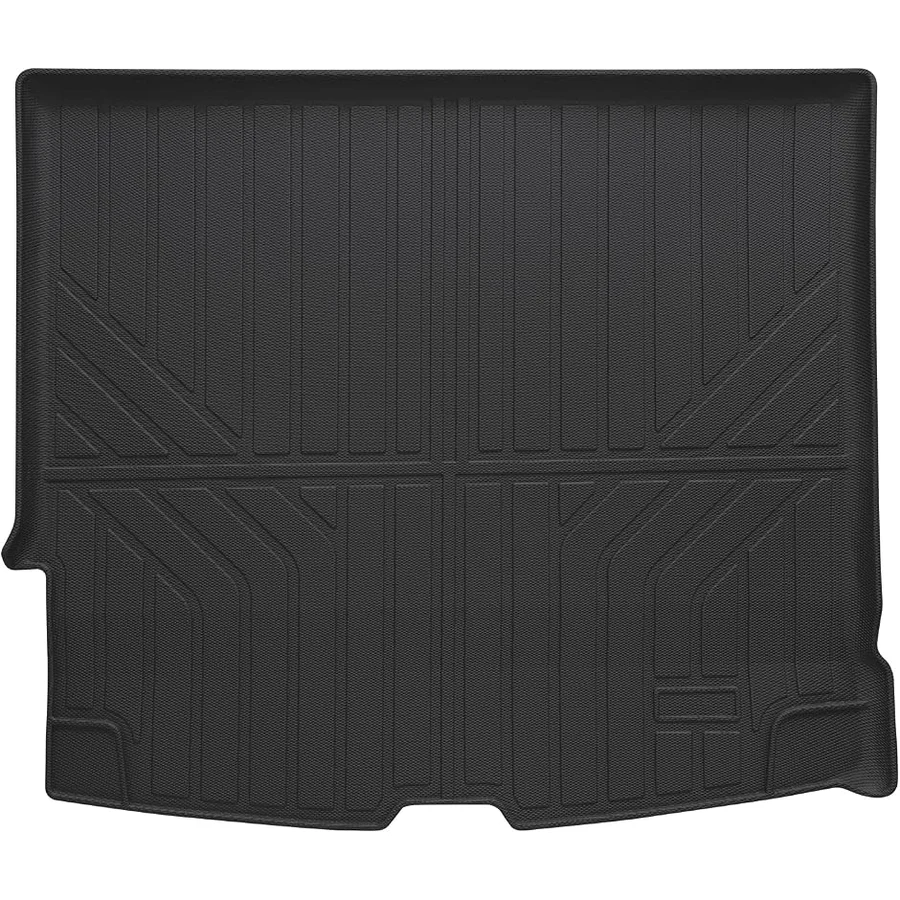 Best Overall
Custom Fit Cargo Liner for Volvo XC60 2018-2026, TPE All-Weather Waterproof Trunk Mat, Non-Slip, Easy-Clean
A vehicle-fit accessory to compare for compatibility, daily usefulness, and value.
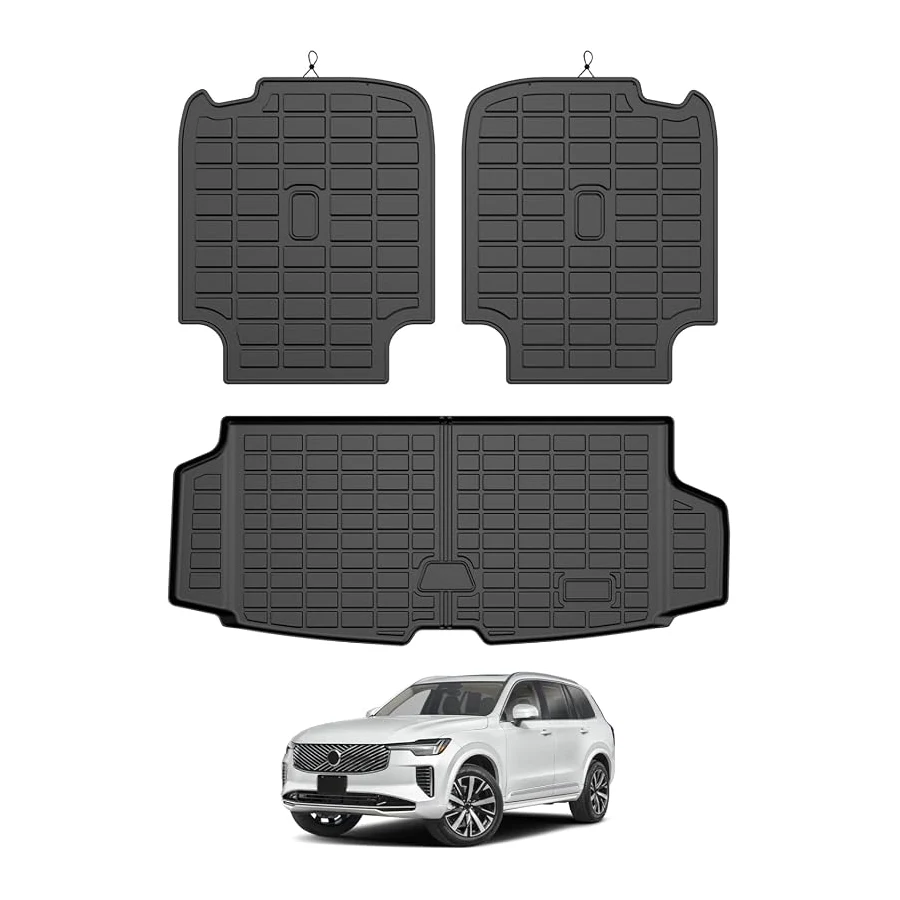 Best Value
Mixsuper Cargo Liner and Backrest Mat for Volvo XC90 2016-2026, TPE All-Weather, Anti-Slip Protection
A vehicle-fit accessory to compare for compatibility, daily usefulness, and value.
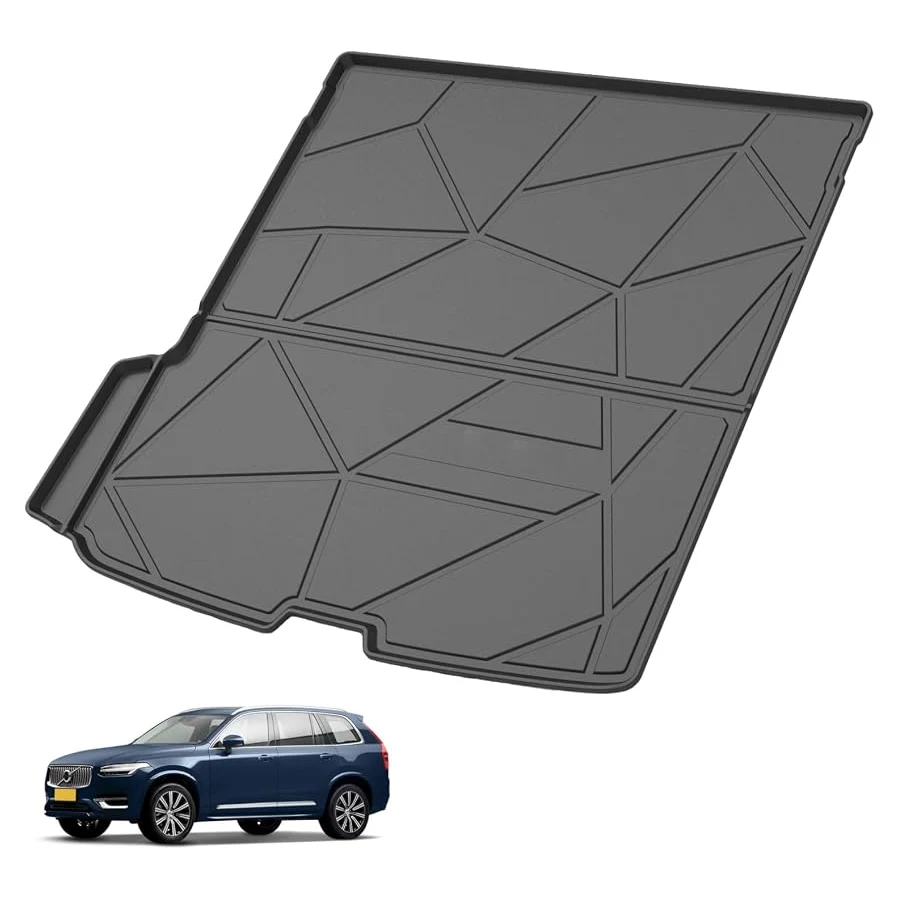 Best Premium Option
Elsetyler Cargo Liner for Volvo XC90 2016-2026, Black TPE, Heavy-Duty Waterproof Rear Trunk Floor Mat
A vehicle-fit accessory to compare for compatibility, daily usefulness, and value.
Sources and Methodology
This U.S.-market analysis emphasizes 2024–2026 models with used insights back to 2019. We matched trims by drivetrain and safety content when citing. Safety uses IIHS and NHTSA results; range/economy references EPA data. Reliability and resale rely on large-sample studies and public datasets. Because “American Car” is a category, results vary by model; where exact figures weren’t comparable, we presented ranges and decision implications. Verified August 2026 using the latest publicly available sources through 2025 where applicable.
Author

Author

Evans Torres
I’m Evans Torres, an automotive engineer who loves Volvo cars. I graduated in Automotive Engineering from USC. I have worked in the car industry for years and now share my knowledge on The Volvo Life. I started this blog to connect with other Volvo fans. I offer tips, news, and advice to help you care for your car. My goal is to help you keep your Volvo in great shape and find all the best things about it. Join me as we discover everything Volvo has to offer!