


The volvo difference between vn and vnl is that “VN” refers to Volvo’s earlier North American tractor family (including VNM and VNL), while “VNL” is the long‑haul, aero‑optimized model that became its own modern lineup from 2018 onward. In practice, VN is what you’ll see on older, used tractors; VNL is the current highway flagship with updated aerodynamics, safety tech and cabins. Fleets seeking maximum fuel savings and driver amenities lean VNL; value buyers and regional work often target well‑specced VN‑era units.
Searching for a clear, apples-to-apples explanation of Volvo VN versus VNL can be confusing because VNL actually lived inside the VN family nameplate before evolving into Volvo Trucks’ modern long‑haul flagship. This guide clarifies how the badges relate across generations, what changes matter on the road, and how specs, dimensions, comfort and real‑world fuel economy typically differ in the U.S. market. If you’re cross‑shopping used VN‑series tractors against a newer VNL—or deciding how to spec your next highway truck—this comparison gives you a practical, verified framework to choose confidently.
- Main difference: VN is the older North American tractor family; VNL is the long‑haul highway model that, from 2018 on, represents Volvo’s current aero flagship.
- Best for A: VN‑era tractors suit budget‑focused fleets, regional routes, and vocational adaptations where purchase price matters most.
- Best for B: VNL (2018+) suits long‑haul carriers prioritizing fuel efficiency, driver retention, uptime tools and modern ADAS.
- Cost/value: VN typically costs less up front on the used market; VNL tends to return value via fuel, uptime and driver satisfaction.
- Important caveat: Year, engine (D11/D13/D16), aero spec and tires swing outcomes more than the badge alone—verify build sheets.
You need lower cost per mile, strong ADAS, and a driver‑friendly sleeper to reduce turnover and insurance exposure.
You’re eyeing a clean VN‑era tractor to control payments, run regional lanes, and wrench selectively to keep margins.
You want a durable tractor for daycab or short sleeper duty, good visibility, and spec flexibility for bodywork or PTO.
Are Volvo VN and Volvo VNL direct competitors?
No—Volvo VNL is the highway model that emerged from the broader VN family, and since 2018 it represents Volvo’s current long‑haul lineup. Many “VN” listings are simply older VNL/VNM‑era tractors using the previous family naming.
Think of VN as the umbrella name that covered several North American tractors (e.g., VNM for regional, VNL for long haul). In 2018, Volvo Trucks launched a fully redesigned VNL that effectively became the flagship highway series on its own, while the regional role shifted to the VNR. That’s why you’ll see VN on older build plates, and VNL on modern long‑haul units. Cross‑shopping usually means comparing an older VN‑era VNL/VNM versus a newer‑generation VNL.
Before comparing, pull the last six of the VIN and request the original spec/build sheet from a Volvo Trucks dealer. Confirm cab (daycab vs sleeper), engine (D11/D13/D16), transmission (I‑Shift vs manual), axle ratios, aero kit and fairings—the “VN” badge alone doesn’t define the truck.
Volvo VN vs Volvo VNL at a glance
Here is a quick-look summary of what changes most for buyers. We focus on how each platform is typically used, the cabins offered, technology availability, and the ownership implications. Because exact specs vary year by year and by custom spec, treat the table as a decision map, then verify with the VIN report and manufacturer materials for the specific tractor you’re considering.
| Category | Volvo VN (older VN‑era) | Volvo VNL (2018+) |
|---|---|---|
| Role/segment | Umbrella family covering regional (VNM) and long‑haul (VNL) tractors | Dedicated long‑haul/highway flagship lineup |
| Typical use case | Regional distribution, vocational adaptations, older long‑haul sleepers | Over‑the‑road long haul, premium driver comfort and aero efficiency |
| Cab configurations | Daycab and earlier‑gen sleepers; simpler aero kits common | Daycab and multiple modern sleeper heights/layouts with full aero |
| Engines commonly offered (US) | Volvo D11/D13/D16 depending on year/spec | Primarily Volvo D13, including turbo‑compound (I‑Save packages); some D11 on select specs by market |
| Transmissions | Manuals and early/standard I‑Shift automated manuals | Latest‑gen I‑Shift with highway calibrations; integration with driver‑assist |
| Aerodynamics | Earlier aero philosophy; less integrated fairings depending on trim | Redesigned in 2018 for lower drag; refined hood, bumper, chassis fairings |
| Driver assistance | Limited/earlier‑gen options depending on year | Volvo Active Driver Assist (camera/radar), lane aids, adaptive cruise availability |
| Cabin/ergonomics | Proven, functional; fewer modern conveniences | More automotive‑like dash, improved storage, lighting, and materials |
| Fuel economy tendency | Highly spec‑dependent; generally trails newer aero VNL at highway speeds | Optimized for OTR efficiency; aero + powertrain integrations aim to reduce fuel burn |
| Uptime/telemetry | Basic/legacy telematics if equipped | Remote Diagnostics, over‑the‑air updates and connected uptime tools on many units |
| Market availability | Primarily used market; wide price/condition spread | New and late‑model used; stronger OEM parts and support alignment |
Bottom line: VN‑era tractors can be great values for regional and vocational roles, while late‑model VNLs deliver the biggest gains in highway comfort, safety tech, and fuel savings when properly specced.
Main differences between Volvo VN and Volvo VNL
The most important differences are generational and mission‑based: VNL (2018+) is a thoroughly modernized, long‑haul‑first platform with upgraded aerodynamics, driver‑assist tech, and sleeper amenities. VN‑era tractors include both regional and long‑haul variants, with simpler aero and fewer integrated technologies.
For fleets, that shift shows up in cost per mile and driver retention. The newer VNL’s aero design, powertrain calibrations, and ADAS options can trim fuel and incident costs on interstate routes. Conversely, older VN‑series tractors can be purchased for less and tailored to regional routes where speeds, duty cycles, and stop‑and‑go patterns limit the benefit of cutting‑edge aero and cabins.
Similarities and common ground
Both Volvo VN‑era tractors and modern VNLs are Class 8, configurable daycab or sleeper tractors with Volvo’s D‑series engines and I‑Shift automated manuals widely available. Both can be spec’d for different axle configurations, ratios, and vocational needs. Fundamental Volvo strengths—good visibility, safety‑minded design, and dealer network support—are present in both, though the depth of features and integration improves in the 2018+ VNL.
Price, comparable trims and feature‑adjusted value
As a rule, you’ll pay less up front for a VN‑era tractor and more for a late‑model VNL. Feature‑adjusted value depends on how you run. If your routes are 60–70 mph highway with high annual miles, the VNL’s aero, powertrain integration, and ADAS can offset payments via fuel and fewer incidents. If you run regional, lower‑speed or vocational duty, a well‑maintained VN‑era unit may deliver the better ROI.
Model the next 4–5 years: fuel (by lane and speed), insurance (with/without ADAS), tires, known repairs by engine family, downtime assumptions, and resale. Ask the seller for fuel logs and maintenance records to calibrate your spreadsheet.
Remember that engine families (D11 vs D13 vs D16), rear axle ratios, tire choices, and fairings can swing fuel and maintenance costs more than the badge itself. Always compare like for like trims and verify what’s standard versus optional on the specific VIN.
Dimensions, size and everyday practicality: VN vs VNL
Both platforms offer daycab and sleeper configurations with similar overall footprints for their missions. The VNL (2018+) emphasizes integrated fairings, smoother hood/bumper transitions, and sleeper layouts designed for easier movement and storage. VN‑era sleepers are functional but typically less refined in layout, lighting, and noise isolation compared with the latest VNL interiors.
For yard maneuvering, visibility and mirror systems are strengths across both, though the newer VNL’s glass area, pillars, and available camera aids tend to reduce blind spots. If you operate frequently in tight docks, verify bumper‑to‑back‑of‑cab (BBC), wheelbase, and fairing overhang on the actual truck against your site constraints.
Interior comfort, visibility and cabin usability
The modern Volvo VNL prioritizes driver comfort with improved seat ergonomics, better insulation, thoughtful storage, and more car‑like controls. VN‑era cabs are durable and straightforward but generally offer fewer creature comforts and less integrated lighting and electrical management.
In sleepers, the VNL’s layouts support better off‑duty rest and in‑cab organization, aiding retention on OTR fleets. If your runs are primarily day routes, an older VN‑era daycab can be perfectly serviceable, especially if it has updated seats, HVAC service, and recent interior refurbishments.
Test seat adjustability and lumbar, steering effort at low speed, mirror coverage, HVAC noise at idle, bunk mattress condition, in‑cab storage access with gloves on, and nighttime glare/illumination. Fatigue differences add up over 600+ mile days.
Infotainment, controls and technology
Volvo VNL (2018+) introduced a more modern dash layout, updated instrument clusters, integrated steering‑wheel controls, and connectivity features that support over‑the‑air updates and diagnostics on many builds. VN‑era trucks typically retain more analog controls and earlier‑gen telematics, varying by retrofit and prior ownership.
If driver familiarity and simplicity are your priorities, VN‑era controls can be attractive. If remote software updates, integrated navigation/driver coaching, and streamlined electrical architecture matter, the later VNL has the advantage—especially when paired with the latest I‑Shift calibrations and driver‑assist systems.
Safety and driver assistance: what can you really compare?
There are no consumer crash ratings for Class 8 tractors akin to IIHS or NHTSA passenger‑vehicle tests, so comparisons hinge on available active safety systems. The modern VNL commonly offers Volvo Active Driver Assist (camera/radar features such as forward collision mitigation and adaptive cruise), lane‑departure alerts, and other aids unavailable or limited on many VN‑era units.
Spec and verify by VIN: older trucks may have stability control and basic collision warning, whereas newer VNLs integrate the latest systems more tightly. The payoff shows up in incident avoidance and potentially in insurance incentives, depending on your underwriter.
Ask for proof of installed systems: forward collision mitigation, lane alerts, blind‑spot aids, stability control, and driver‑facing cameras. Confirm calibration history and that all ADAS sensors are aligned and free of fault codes before purchase.
For lighting reliability and visibility, ensure regular inspection of marker and clearance lights. If you’re troubleshooting, see our practical guide on VNL marker lights not working for common causes and fixes.
Performance, ride, handling and drivetrain
Both VN‑era and VNL tractors can be spec’d with Volvo’s D‑series engines and the I‑Shift automated manual, which is a strong match for consistent shift logic and downhill control. The VNL benefits from newer calibrations, aero‑informed gearing, and available features that reduce driver workload over long stints.
Ride quality depends on suspension choices and wheelbase; many fleets prefer air‑ride rears and appropriately spec’d front suspension for highway comfort. If you frequently traverse grades, prioritize engine brake performance, I‑Shift downshifting logic, and axle ratios tuned for your gross weights and target cruise speed.
Fuel economy and real‑world efficiency
On sustained highway duty, the 2018+ Volvo VNL’s integrated aerodynamics and powertrain packages generally deliver better fuel economy than older VN‑era tractors—especially when equipped with Volvo’s fuel‑saving offerings and downspeeded gearing. In regional stop‑and‑go or lower‑speed routes, the efficiency gap narrows, making VN‑era value propositions more compelling.
Always evaluate fuel economy with your routes, speeds, and loads. Fleets should request telematics‑based fuel reports or driver logs. Tire choice, maintenance condition (alignment, DPF/SCR health), and fairing integrity can swing MPG more than badge differences alone.
Aero add‑ons only pay if they stay on. Missing or damaged chassis fairings and trailer skirts can erase much of the VNL’s theoretical advantage. Include visual aero checks in pre‑trip inspections.
Reliability, known issues and evidence level
Reliability varies more by engine family, emissions era, mileage, and maintenance than by VN vs VNL. Early emissions‑era diesels (EPA 2007–2010) can show EGR/DPF complexity, while later platforms benefit from incremental improvements. The D13 is common on highway VNLs; the D11 is more regional or weight‑sensitive.
Use evidence you can verify: OEM recalls and TSBs, maintenance logs, and repeated owner reports by engine and model year. For background on specific engines, see our focused looks at 2013 Volvo D11 engine problems and later‑era updates, noting that conclusions depend on VIN‑specific history and upkeep.
Maintenance, insurance considerations, depreciation and ownership cost
Late‑model VNLs often integrate Remote Diagnostics and connected services that help catch issues earlier and plan bay time, potentially improving uptime. Insurance may favor trucks with ADAS and forward‑facing cameras. VN‑era units depreciate more slowly in dollar terms but may require catch‑up service; VNLs hold value better if spec’d and maintained well.
- Request full maintenance records and oil analysis history.
- Scan for active fault codes and soot load percentages.
- Inspect tires for irregular wear (alignment/kingpin clues).
- Check aftertreatment service dates (DOC/DPF/SCR).
- Budget for baseline fluids, filters, belts, and coolant testing.
Finally, remember that Volvo Trucks (part of Volvo Group) is distinct from the Volvo Cars brand; if you’re new to the truck side, our explainer on the difference between Volvo Group and Volvo Cars clarifies the business separation and support networks.
Towing, GCW, and vocational suitability
Both VN‑era and VNL tractors are Class 8 and commonly operate at a legal 80,000 lb gross combination weight on U.S. interstates without special permits. Heavier applications require appropriate specs and permitting. For vocational roles, VN‑era daycabs and certain sleepers can be cost‑effective donor platforms for bodywork or PTO needs.
Match axle ratios, cooling capacity, and transmission gearing to your heaviest sustained grades and expected gross weights. If you pull high‑cube trailers at speed, the VNL’s aero can reduce drag; for short, heavy hauls, drivetrain durability and gearing matter most.
Volvo VN (VN‑era tractors) Pros and Cons
- Lower acquisition cost on the used market
- Proven, simpler cabins and controls
- Flexible for regional/vocational adaptations
- Wide parts availability for common wear items
- Older aero and fewer integrated fuel‑saving features
- Limited or no modern ADAS on many units
- Greater variability in condition and spec quality
- Potential emissions‑era complexity depending on year
Volvo VNL (2018+ generation) Pros and Cons
- Modern aerodynamics and powertrain integration for highways
- Available advanced driver‑assist and connectivity
- Improved sleeper comfort and ergonomics
- Stronger uptime tools and dealer support alignment
- Higher purchase price
- Feature complexity requires disciplined maintenance
- Aero benefits diminish on low‑speed regional duty
- Spec mistakes (ratios/tires) can blunt efficiency gains
Which Volvo is better for different buyers?
Pick based on duty cycle and ROI horizon. Highway carriers chasing fuel savings and retention see the modern VNL pay off. Regional or mixed‑duty operators who prioritize lower notes and simpler rigs often win with a solid VN‑era spec. Validate with your own fuel logs, lanes, and shop capabilities.
Alternatives worth considering
If you’re drawn to VN‑era values for regional duty, also look at the Volvo VNR for a newer regional‑first design. Among highway peers, the Freightliner Cascadia, Kenworth T680, Peterbilt 579, and International LT offer competitive aero, ADAS, and sleeper options; compare service networks and telematics support in your lanes.
When cross‑shopping, ensure equivalent engine displacements, automated manuals, axle ratios, and aero packages; otherwise, fuel and performance comparisons will be skewed.
How to Decide Between Volvo VN and VNL
Use this simple process to align the truck with your routes, drivers, and budget. A disciplined approach keeps you from over‑ or under‑spec’ing while protecting margins.
- Map lanes and speeds: share average mph, grades, and idle time; highway duty favors the VNL.
- Pull the VIN build sheet: confirm engine, transmission, ratios, aero/fairings, and ADAS.
- Model TCO: include fuel at lane speeds, insurance credits for ADAS, tires, and planned maintenance.
- Road‑test both: compare visibility, steering effort, noise, and sleeper livability on a representative loop.
- Plan exit: estimate resale by year/spec; late‑model VNLs often retain value if maintained.
Before we jump into FAQs, keep in mind that specific engine families have their own histories and service notes. If you’re researching the D11 line in detail, our looks at different model years (e.g., 2013 and 2016) can help frame questions for pre‑purchase inspections.
💡 Evans Torres Tip: Ask the seller for six months of ECM fuel data exported by route and driver, plus the last aftertreatment service record. Then drive the same loop in both trucks, set cruise at your target speed, and note engine rpm at cruise. If the newer VNL isn’t downspeeded properly for your lanes, its aero edge may not translate into real savings.
Frequently Asked Questions
This section addresses the most common, practical questions buyers ask when comparing older VN‑era tractors to modern VNLs. Answers focus on the U.S. market and assume Class 8 highway or regional use. Always validate details by VIN and with your Volvo Trucks dealer or trusted independent shop before purchasing.
Are VN and VNL the same truck?
No. VN was the family name used for North American Volvo tractors that included both regional (VNM) and long‑haul (VNL) variants. Since 2018, the redesigned VNL stands as the modern long‑haul lineup, while regional roles shifted to the VNR.
Which engines are most common in each?
VN‑era tractors can have D11, D13 or D16 depending on year and mission. Modern VNLs are most commonly D13, including fuel‑saving packages on many units. Always verify engine model, emissions level, and service records for the VIN you’re evaluating.
Will a newer VNL always get better fuel economy than a VN‑era tractor?
Usually on sustained highway routes, thanks to aerodynamics and powertrain integration. However, poor spec (ratios/tires), missing fairings, or mostly low‑speed regional duty can narrow or negate the advantage. Compare real logs on your lanes.
Can I retrofit modern ADAS onto a VN‑era truck?
Some aftermarket collision‑warning and camera systems can be added, but integration won’t match a factory‑equipped VNL. Check with your insurer; credits often require OEM‑grade systems. Factor calibration, maintenance, and driver training into the plan.
How do sleeper comfort and storage compare?
The VNL (2018+) generally delivers better insulation, lighting, storage solutions, and mattress options. VN‑era sleepers are serviceable but simpler. For driver retention, modern VNL cabins tend to score higher in feedback.
What maintenance concerns should I prioritize on VN‑era trucks?
Electrical harness condition, aftertreatment health, cooling system integrity, and suspension wear are common focus areas. Request maintenance logs, scan for codes, and budget baseline service. Engine‑family nuances matter; research the specific year and model.
Do VN‑era parts remain available?
Yes, common wear parts are broadly available through Volvo Trucks dealers and aftermarket channels. Proprietary components and older trim pieces may require more lead time. Validate parts availability by VIN before committing to a large fleet buy.
Is Volvo Trucks the same company as Volvo Cars?
No. Volvo Trucks is part of Volvo Group (commercial vehicles), separate from Volvo Cars. Dealer networks, parts catalogs, and service tools are different, which impacts where and how you service tractors versus passenger cars.
Final Verdict
If you run true long‑haul at highway speeds, the 2018+ Volvo VNL’s integrated aerodynamics, modern I‑Shift calibrations, and available ADAS usually make it the superior business case—especially for fleets focused on fuel, uptime, and driver retention. If your duty cycle is regional or vocational and you’re optimizing for lower payments and simpler controls, a well‑maintained VN‑era tractor can be the smarter buy. The right answer is the one matched to your lanes: verify VIN specs, model your costs, and road‑test on a representative route before signing.
My Top Picks at a Glance
These three Volvo accessories are practical options to compare after choosing the right Volvo configuration.
 Best Overall
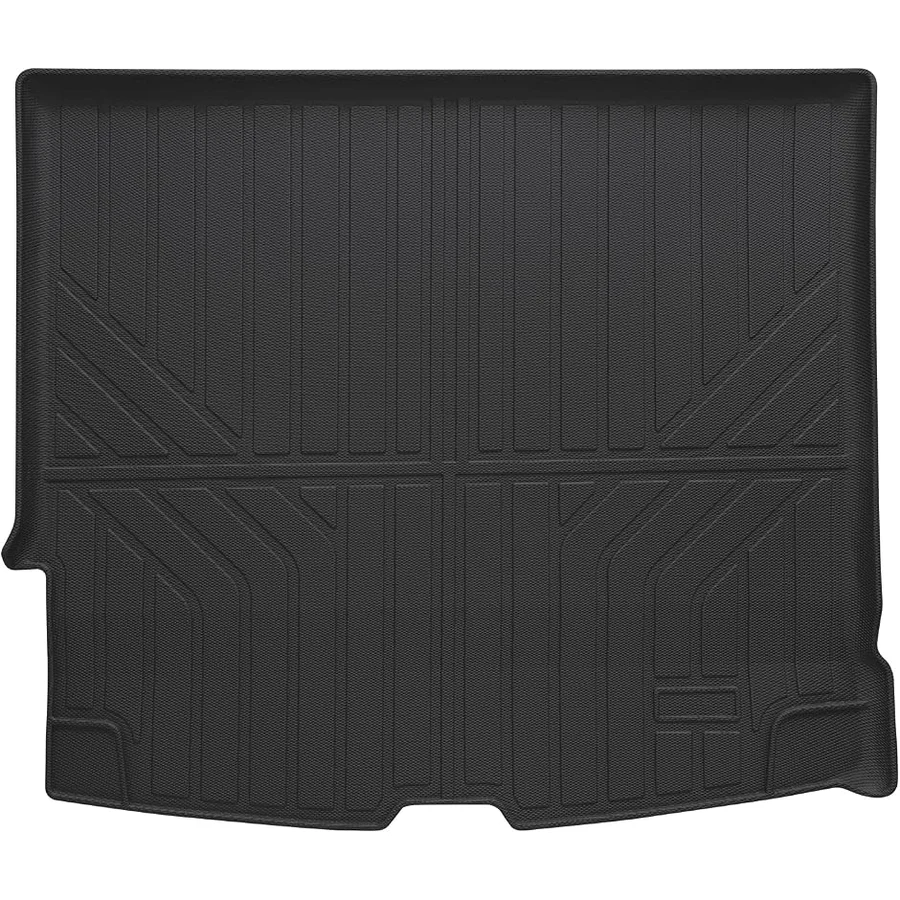
All-Weather TPE Cargo Liner for Volvo XC60 2018-2026, Waterproof, Custom Fit, Easy-Clean Protection
A vehicle-fit accessory to compare for compatibility, daily usefulness, and value.
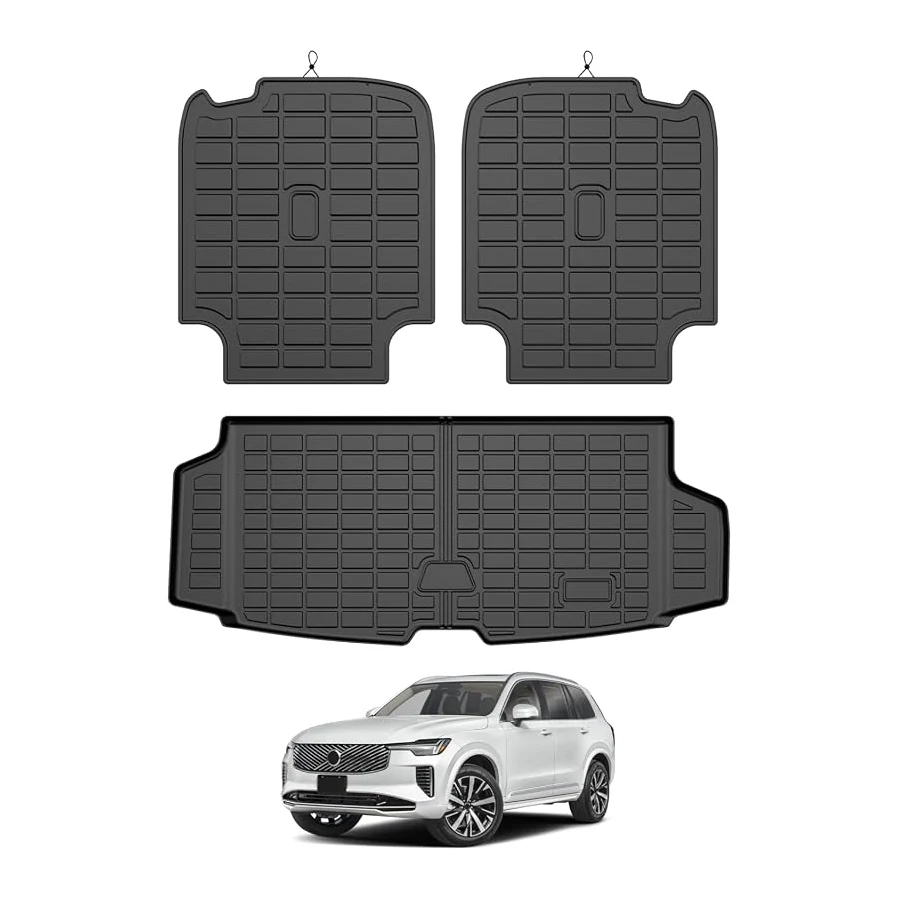 Best Value
Mixsuper Cargo Liner and Backrest Mat for Volvo XC90 2016-2026, TPE, All-Weather Protection
A vehicle-fit accessory to compare for compatibility, daily usefulness, and value.
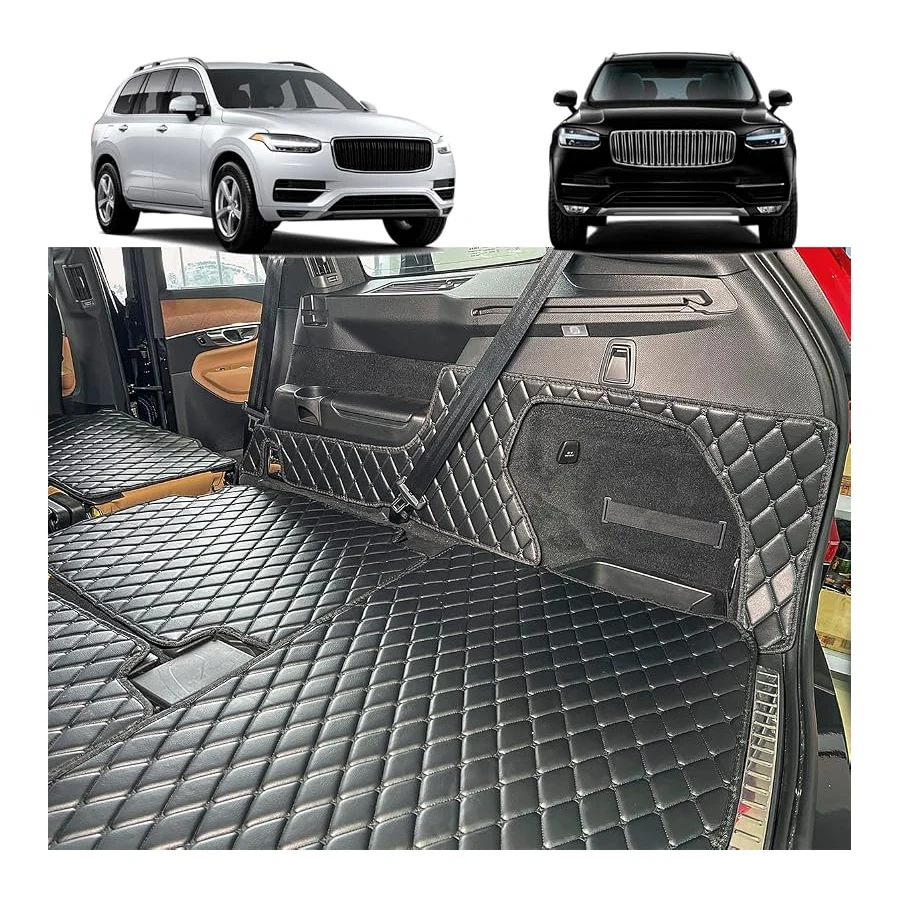 Best Premium Option
Cargo Mat and Side Panel Liners for Volvo XC90 2016-2025, All-Weather, Custom Fit
A vehicle-fit accessory to compare for compatibility, daily usefulness, and value.
Sources and Methodology
This U.S. comparison aligns VN‑era tractors (pre‑2018 family naming) against the redesigned VNL (2018–present). We matched roles (regional vs long‑haul), typical engines (D11/D13/D16 vs D13‑led), transmissions (I‑Shift vs latest I‑Shift), and technology availability using manufacturer literature and industry references. Class 8 tractors lack consumer crash ratings; safety discussion focuses on available ADAS. Exact specs vary widely by VIN; readers should verify build sheets with a Volvo Trucks dealer. Data reviewed July 2026.
Author

Author

Evans Torres
I’m Evans Torres, an automotive engineer who loves Volvo cars. I graduated in Automotive Engineering from USC. I have worked in the car industry for years and now share my knowledge on The Volvo Life. I started this blog to connect with other Volvo fans. I offer tips, news, and advice to help you care for your car. My goal is to help you keep your Volvo in great shape and find all the best things about it. Join me as we discover everything Volvo has to offer!