

Changing the transmission fluid in your Volvo is crucial for ensuring smooth gear shifts and prolonging the life of your transmission. The fluid lubricates various components within the transmission, helping to prevent wear and tear.
A Volvo transmission fluid change is essential for maintaining optimal vehicle performance. This guide covers everything you need to know about changing the transmission fluid in various Volvo models, including recommended tools, signs of fluid change necessity, and step-by-step instructions. You can also use which volvo truck parts are easy to install and replace as the next practical guide.
- Understanding Volvo Transmission Fluid Change: Changing the transmission fluid in your Volvo is crucial for ensuring smooth gear shifts.
- How to Change Transmission Fluid: Performing a transmission fluid change can be an accessible DIY task for many Volvo.
- When Should You Change Your: The recommended interval for changing transmission fluid varies based on model and driving conditions..
- Signs That Indicate You Need: Being aware of the signs that your transmission fluid needs changing is essential for.
- Step-by-Step Process for Changing Transmission: Follow these steps to change the transmission fluid in your Volvo.
Understanding Volvo Transmission Fluid Change
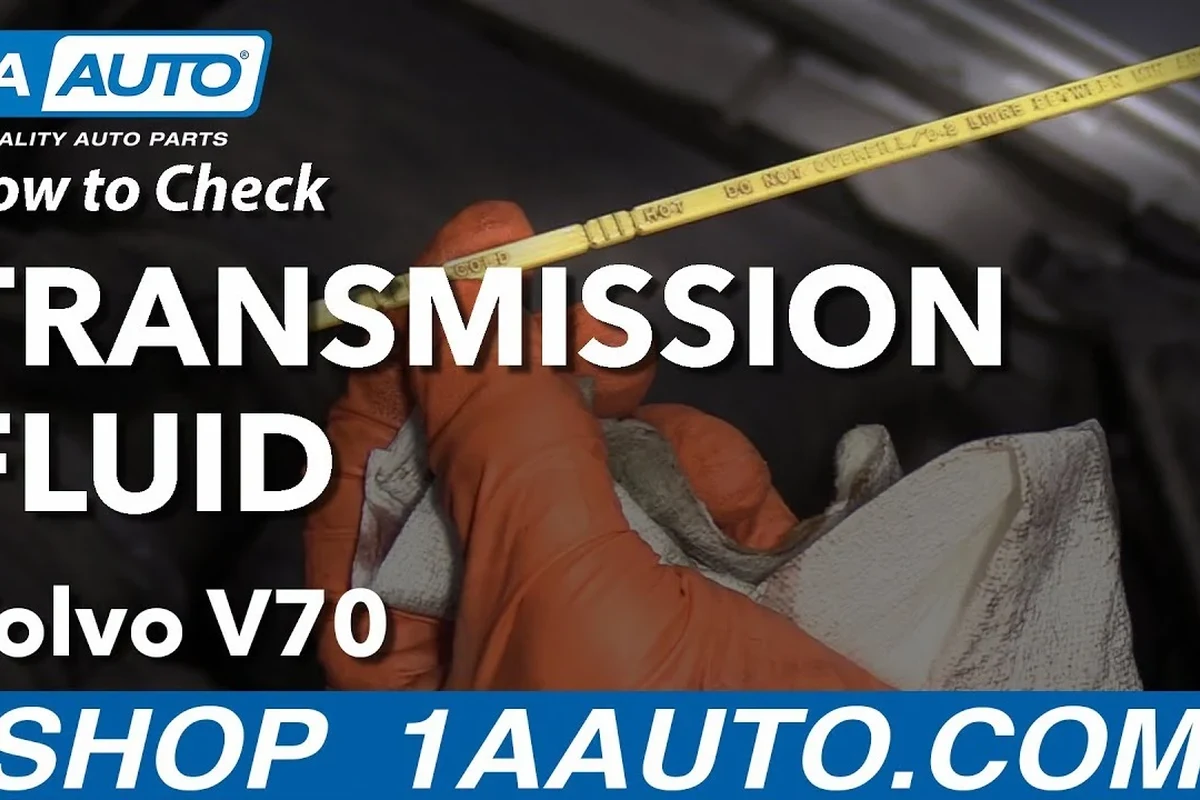
Changing the transmission fluid in your Volvo is crucial for ensuring smooth gear shifts and prolonging the life of your transmission. The fluid lubricates various components within the transmission, helping to prevent wear and tear. For related context, read how to check volvo transmission fluid.
Those looking to maintain or enhance the performance of their Volvo.
Applicable to various Volvo models, particularly from the mid-2000s onward.
You are not comfortable with DIY maintenance or lack the necessary tools.
How to Change Transmission Fluid in Your Volvo
Performing a transmission fluid change can be an accessible DIY task for many Volvo owners. Being familiar with your vehicle’s specifics can simplify the process. You can also use how to check volvo transmission fluid 2 as the next practical guide.
Recommended Tools and Materials
To successfully change the transmission fluid, gather the following tools and materials:
- Socket set
- Fluid pump
- Funnel
- New transmission fluid (consult your owner’s manual for the recommended type)
- Drain pan
- Shop rags
When Should You Change Your Volvo’s Transmission Fluid?
The recommended interval for changing transmission fluid varies based on model and driving conditions. Typically, it’s advised to change the fluid every 30,000 to 60,000 miles. However, consult your owner’s manual for precise guidelines tailored to your specific model. For related context, read volvo xc60 transmission oil change.
Verify the recall status related to your transmission by checking your VIN on the official Volvo recall database.
Signs That Indicate You Need a Transmission Fluid Change
Being aware of the signs that your transmission fluid needs changing is essential for maintaining your Volvo’s performance. Look for these indicators:
Delayed or rough shifting, unusual noises from the transmission, burning smell from the transmission fluid, and dark or gritty fluid when checked. You can also use how to change engine oil in 1997 volvo v90 as the next practical guide.
The details on volvo transmission fluid change vary by market and model year, so treat figures here as a guide and confirm them against the official specification for your car.
Step by Step Process for Changing Transmission Fluid
Follow these steps to change the transmission fluid in your Volvo:
- Prepare your vehicle
Park your Volvo on a level surface and engage the parking brake.
- Drain the old fluid
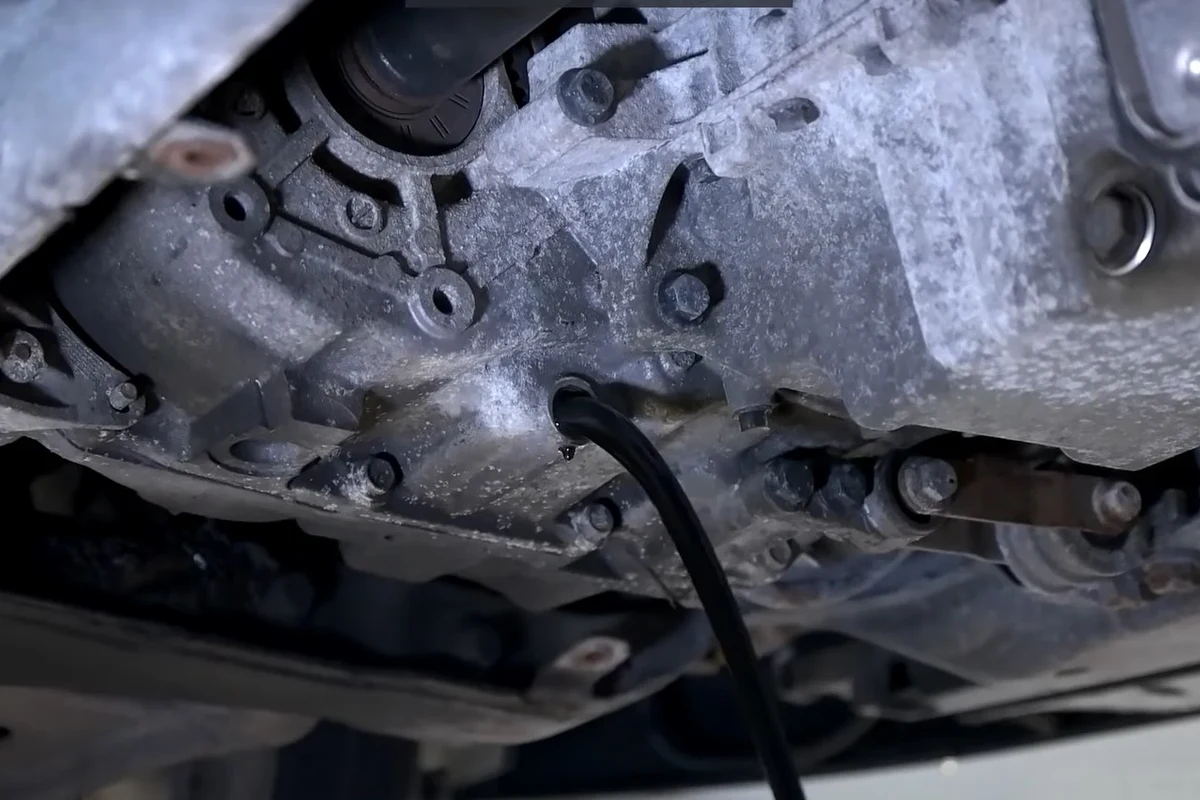
Locate the drain plug under the transmission and carefully remove it to let the old fluid drain into the pan.
- Replace the filter
If your model has a transmission filter, replace it according to specifications.
- Add new fluid
Using a funnel, add the recommended transmission fluid through the fill tube until it reaches the correct level. For official guidance on this, see Volvo Cars official website.
- Check for leaks
Start the engine and let it run to circulate the fluid. Check for leaks around the drain plug and fill tube.
Model Specific Instructions
Different Volvo models may have specific instructions regarding fluid types and capacities. Always consult your owner’s manual for the most accurate information. For related context, read where is the transmission fluid dipstick on a 2006 volvo xc90.
Verify the specific transmission fluid type and capacity for your model year by referencing your owner’s manual or contacting a dealer.
Common Mistakes to Avoid During a Transmission Fluid Change
To ensure a successful fluid change, avoid these common pitfalls:
- Using the wrong type of transmission fluid
- Neglecting to check for leaks after filling
- Overfilling the transmission
- Ignoring service intervals specified in your owner’s manual
Benefits of Regular Transmission Fluid Changes
Regularly changing your transmission fluid can lead to several benefits:
Smoother shifting and improved performance, reduced risk of transmission damage, enhanced fuel efficiency, and longer lifespan of your Volvo’s transmission. You can also use volvo ishift transmission fluid capacity as the next practical guide.
Document your fluid change history and check for any additional services needed based on your service history before committing to future repairs.
Volvo Transmission Fluid Change
A Volvo transmission fluid change is vital for ensuring smooth gear shifts and extending the lifespan of your vehicle’s transmission. Regular fluid changes, typically every 30,000 to 60,000 miles, can prevent wear and tear, enhance performance, and improve fuel efficiency. For official guidance on this, see NHTSA recall lookup by VIN.
Familiarizing yourself with your model’s specific requirements and signs of fluid degradation will help you maintain optimal driving conditions. For related context, read how to force regen on volvo d13 engine.
- Gather necessary tools: socket set, fluid pump, and new transmission fluid.
- Check for signs of fluid change: delayed shifting, unusual noises, or dark fluid.
- Consult your owner’s manual for model-specific fluid types and service intervals.
This guide on volvo transmission fluid change is general information. Rules, fees, rents, salaries, service coverage, product details, and procedures can change, so confirm important points with the manufacturer, retailer, or official app documentation before acting.
A Few More Questions
For a successful transmission fluid change, you’ll need a socket set, fluid pump, funnel, new transmission fluid (check your owner’s manual for the type), a drain pan, and shop rags. Gathering these tools beforehand will help streamline the process.
The recommended interval for changing transmission fluid typically ranges from every 30,000 to 60,000 miles, depending on your model and driving conditions. Always consult your owner’s manual for specific guidelines tailored to your vehicle.
Key indicators that your transmission fluid needs changing include delayed or rough shifting, unusual transmission noises, a burning smell, and dark or gritty fluid. Being aware of these signs is crucial for maintaining your Volvo’s performance.
To change the transmission fluid, first park your Volvo on a level surface, drain the old fluid, replace the filter if applicable, and then add new fluid using a funnel. Finally, start the engine, let it run to circulate the fluid, and check for leaks around the drain plug and fill tube.
Common mistakes include using the wrong type of transmission fluid, neglecting to check for leaks after filling, and overfilling the transmission. Also, it’s important to adhere to the service intervals specified in your owner’s manual.
You can verify the specific transmission fluid type and capacity for your Volvo by referencing your owner’s manual or contacting a dealer. This ensures that you use the correct fluid, which is crucial for optimal performance.
Final Words
Changing the transmission fluid in your Volvo is an important maintenance task that contributes to the overall health of your vehicle. Following the recommended guidelines and being aware of the signs for fluid changes can help ensure optimal driving performance.
Author

💡 Evans Torres Tip: On every Volvo I have owned, I always keep a full digital service record from day one. When something goes wrong — and eventually something always does — having that history makes diagnosis faster and often saves money at the mechanic. Start your records today, even if the car is not new.