

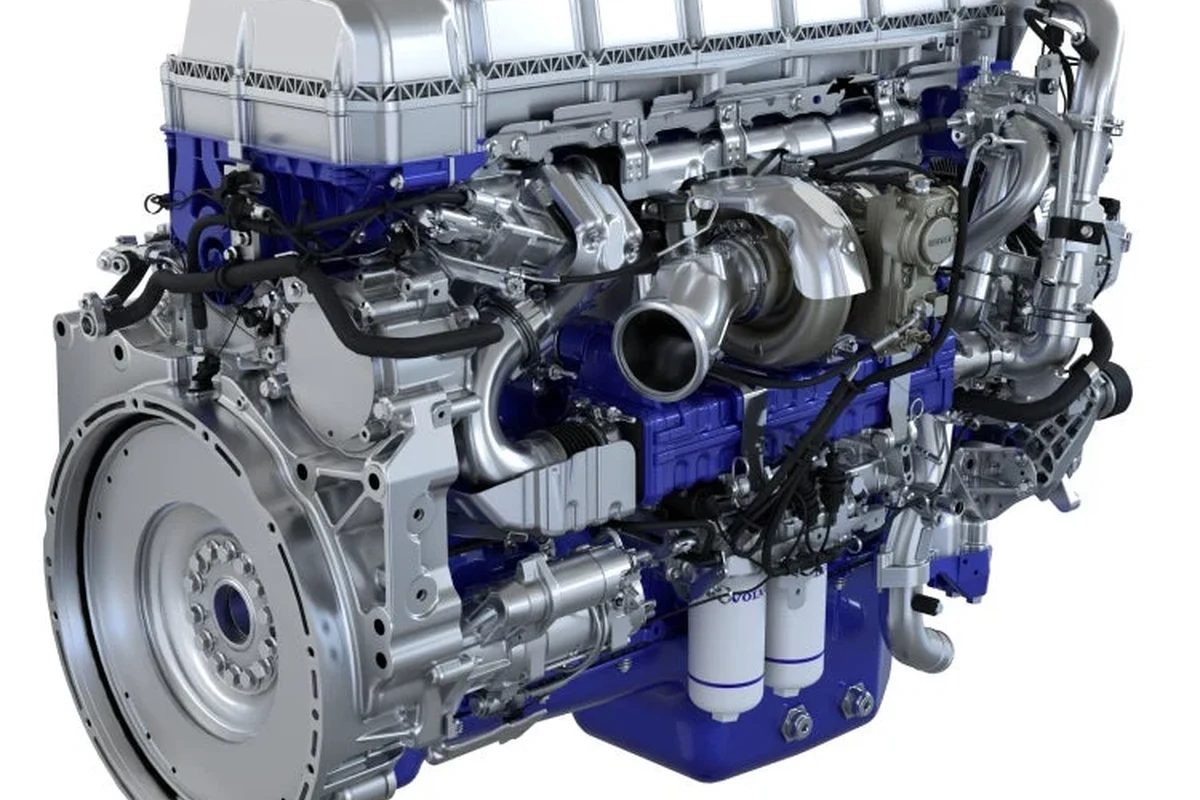
Forced regeneration is a critical maintenance procedure for the Volvo D13 engine, particularly for fleet operators and those managing heavy-duty vehicles. It specifically addresses the buildup of soot in the diesel particulate filter (DPF), which can impact performance and emissions.
Understanding how to force regen on a Volvo D13 engine is crucial for maintaining optimal performance and compliance with emission standards. This process allows for the removal of accumulated soot in the diesel particulate filter (DPF), ensuring your engine runs efficiently.
- Understanding Forced Regeneration for the: Forced regeneration is a critical maintenance procedure for the Volvo D13 engine, particularly for.
- How to Initiate Forced Regeneration: Initiating forced regeneration requires specific steps to ensure it is conducted safely and effectively..
- Conditions Required for Forced Regeneration: Before initiating forced regeneration, certain conditions must be met to ensure the process is.
- Common Symptoms Indicating the Need: Recognizing the signs that your Volvo D13 engine requires forced regeneration is essential for.
- Tools and Equipment Needed for: Having the right tools is crucial for a successful forced regeneration on a Volvo.
Understanding Forced Regeneration for the Volvo D13 Engine
Forced regeneration is a critical maintenance procedure for the Volvo D13 engine, particularly for fleet operators and those managing heavy-duty vehicles. It specifically addresses the buildup of soot in the diesel particulate filter (DPF), which can impact performance and emissions.
What is Forced Regeneration?
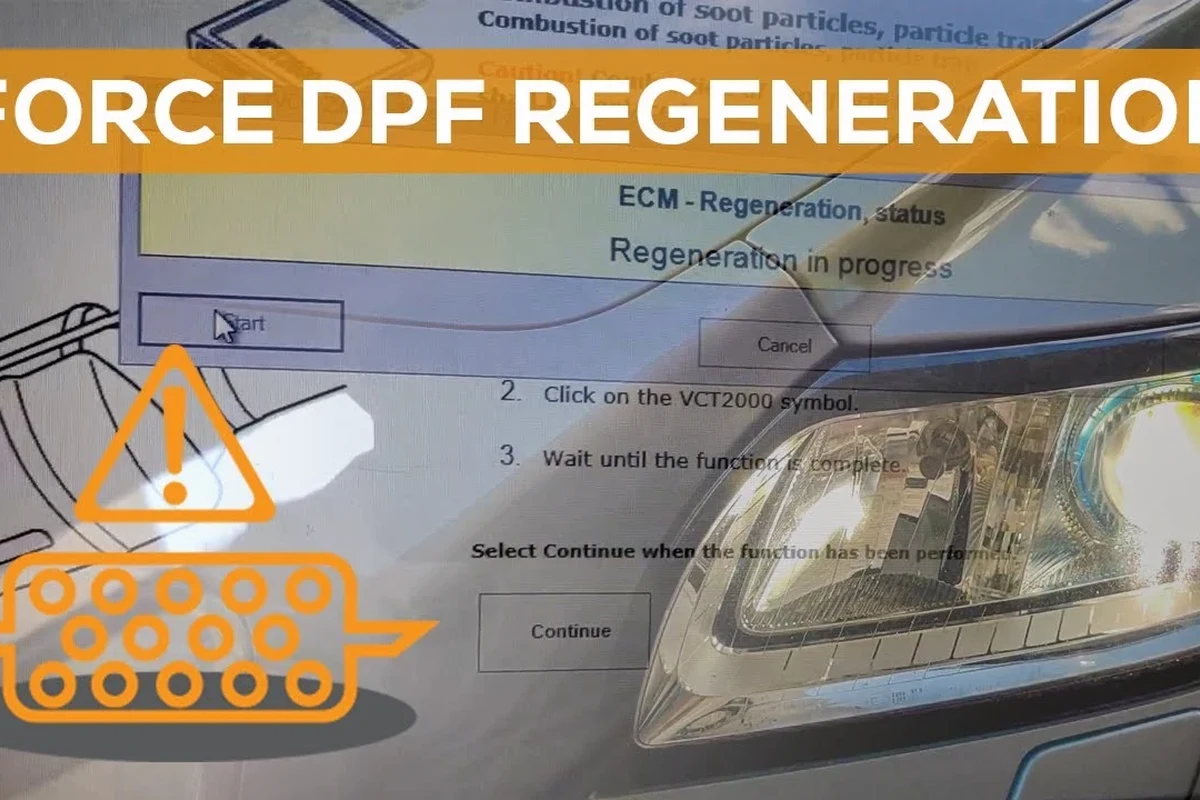
Forced regeneration is a manual process that initiates a high-temperature burn-off of the soot collected in the DPF. Unlike passive regeneration, which occurs automatically during regular driving conditions, forced regeneration is necessary when the DPF reaches a certain saturation level. For related context, read how to reset check engine light on volvo xc60.
This process helps to prevent engine performance issues and ensures compliance with emission regulations.
How to Initiate Forced Regeneration on a Volvo D13 Engine
Initiating forced regeneration requires specific steps to ensure it is conducted safely and effectively. Here’s a straightforward guide to performing this process on a Volvo D13 engine. You can also use how to reset check engine light on volvo xc90 as the next practical guide.
Steps for a Successful Forced Regeneration
- Prepare the Vehicle
Ensure the vehicle is parked in a safe area, away from flammable materials, and is at operating temperature.
- Access the Engine Control Module (ECM)
Using a compatible diagnostic tool, connect to the engine’s ECM to initiate the regeneration procedure.
- Select the Forced Regeneration Option
Navigate through the diagnostic tool’s menu to find and select the forced regeneration option. For official guidance on this, see Volvo Cars official website.
- Monitor the Process
Once initiated, monitor the vehicle’s systems to ensure the regeneration is proceeding correctly.
- Complete the Regeneration
Allow the process to finish, which typically takes around 20-30 minutes, and verify that the DPF status indicates a successful regeneration.
Before performing a forced regeneration, consult the VIN-based recall lookup to ensure there are no open recalls affecting your vehicle.
Conditions Required for Forced Regeneration
Before initiating forced regeneration, certain conditions must be met to ensure the process is effective and safe. Understanding these parameters helps avoid potential issues. For related context, read how to see engine temp on volvo xc90.
Operational Parameters for Regeneration
- The engine must be at normal operating temperature.
- The vehicle should be stationary and in a safe environment.
- Fuel level must be sufficient to complete the regeneration process.
- Ensure no active faults are present in the engine or vehicle systems.
Common Symptoms Indicating the Need for Forced Regeneration
Recognizing the signs that your Volvo D13 engine requires forced regeneration is essential for maintaining engine health. Here are some common indicators.
Identifying When to Perform Regeneration
Frequent warning lights related to emissions or DPF. Decreased engine performance or power. Increased fuel consumption. Visible soot accumulation around the exhaust outlet. You can also use how to replace volvo engine oil gasket 3547188 as the next practical guide.
Document service history and verify the maintenance status of the DPF to understand the long-term costs associated with your Volvo D13 engine.
Tools and Equipment Needed for Forced Regeneration
Having the right tools is crucial for a successful forced regeneration on a Volvo D13 engine. Here’s what you’ll need. For related context, read how to check engine oil in a 2004 volvo xc70.
Essential Diagnostic Tools for the D13
- Compatible diagnostic scanner or software.
- Access to the vehicle’s service manual for reference.
- Safety gear such as gloves and eye protection.
- Monitor engine response during and after the regeneration process.
- Check for any abnormal sounds or warning lights immediately following the procedure.
- Ensure the vehicle returns to normal operational parameters post-regeneration.
Precautions and Risks During Forced Regeneration
Safety should always be a priority when performing maintenance tasks. Here are some precautions to consider during forced regeneration.
Safety Measures to Consider
Ensure the vehicle is in a well-ventilated area. Do not leave the vehicle unattended while the regeneration is in process. Monitor the engine temperature closely to avoid overheating. This also connects with how to check engine oil in 2017 volvo s60 before you pay, sign, or book.
Impact of Forced Regeneration on Engine Maintenance
Regular forced regeneration has long-term benefits for engine maintenance and performance. Understanding these impacts is important for fleet managers and drivers alike. For related service checks, see how to change engine oil in 1997 volvo v90.
Long-term Benefits of Regular Regeneration
- Improves engine efficiency and power output.
- Reduces the risk of costly repairs associated with DPF clogging.
- Helps maintain compliance with environmental regulations.
Confirm the specific model year and any unique features of your Volvo D13 engine that may affect the regeneration process.
Consulting with Authorized Dealers
Before performing a forced regeneration, it’s wise to consult with an authorized dealer to verify specific details for your vehicle. For official guidance on this, see NHTSA recall lookup by VIN.
Verification Points Before Performing Regeneration
Confirm the current DPF status and any related fault codes. Check for any necessary software updates or service bulletins. Ensure that the regeneration process is appropriate for your engine’s condition. You can also use how to service a volvo penta engine as the next practical guide.
How to Force Regen on Volvo D13 Engine
To force regeneration on a Volvo D13 engine, ensure the vehicle is safely parked and at operating temperature, access the Engine Control Module using a compatible diagnostic tool, and select the forced regeneration option.
Monitoring the process is crucial for successful completion, which typically takes 20-30 minutes, ensuring optimal engine performance and compliance with emission standards.
- Ensure the vehicle is parked away from flammable materials.
- Check that the engine is at normal operating temperature.
- Monitor the vehicle’s systems throughout the regeneration process.
This guide on how to force regen on volvo d13 engine is general information. Rules, fees, rents, salaries, service coverage, product details, and procedures can change, so confirm important points with the manufacturer, retailer, or official app documentation before acting.
Questions People Also Ask
To initiate forced regeneration, ensure the vehicle is at operating temperature and parked safely. Then, connect a compatible diagnostic tool to the ECM and select the forced regeneration option from the menu.
The engine should be at normal operating temperature, the vehicle must be stationary, and there should be no active faults in the engine or vehicle systems. Also, the fuel level must be sufficient to complete the regeneration process.
Common indicators include frequent warning lights related to emissions, decreased engine performance or power, and visible soot accumulation around the exhaust outlet. Increased fuel consumption can also signal the need for forced regeneration.
Essential tools include a compatible diagnostic scanner or software and access to the vehicle’s service manual. Safety gear, such as gloves and eye protection, is also necessary for protection during the process.
Ensure that the vehicle is in a well-ventilated area and do not leave it unattended while the regeneration is in process. Also, closely monitor the engine temperature to prevent overheating during the procedure.
Consulting with authorized dealers helps verify the current DPF status and check for any necessary software updates or service bulletins. This ensures that the regeneration process is appropriate for your engine’s condition and reduces the risk of complications.
Closing Thoughts
Understanding how to force regen on a Volvo D13 engine is essential for maintaining optimal performance and compliance with emission standards. Regular maintenance, including forced regeneration, helps to enhance engine life and efficiency.
Always make sure you follow the correct procedures and consult with professionals when necessary.
Author

💡 Evans Torres Tip: On every Volvo I have owned, I always keep a full digital service record from day one. When something goes wrong — and eventually something always does — having that history makes diagnosis faster and often saves money at the mechanic. Start your records today, even if the car is not new.