


The 2005 Volvo XC90 features a sophisticated All-Wheel Drive (AWD) system designed to enhance both performance and safety. Unlike traditional four-wheel drive systems, the XC90’s AWD is engineered for efficiency and adaptability, automatically distributing power between the front and rear wheels as needed.
Understanding how to use AWD in a 2005 Volvo XC90 is crucial for maximizing driving performance and safety, especially in challenging conditions. This guide covers engaging the AWD system, optimal usage scenarios, and maintenance tips to keep it running smoothly.
- Understanding the AWD System in: The 2005 Volvo XC90 features a sophisticated All-Wheel Drive (AWD) system designed to enhance.
- How to Engage the AWD: Engaging the AWD system in the 2005 Volvo XC90 is generally automatic, but understanding.
- Optimal Driving Conditions for AWD: Understanding when to use AWD can significantly enhance your driving experience in a 2005.
- Driving Techniques to Maximize AWD: To get the most out of the AWD system in your 2005 Volvo XC90.
- Maintenance Tips for the AWD: Proper maintenance is key to ensuring your AWD system operates smoothly..
Understanding the AWD System in the 2005 Volvo XC90
The 2005 Volvo XC90 features a sophisticated All-Wheel Drive (AWD) system designed to enhance both performance and safety.
Unlike traditional four-wheel drive systems, the XC90’s AWD is engineered for efficiency and adaptability, automatically distributing power between the front and rear wheels as needed.
This means that in regular driving conditions, the vehicle primarily operates in front-wheel drive, but can smooth shift power to the rear wheels when traction is compromised. For official guidance on this, see NHTSA recall lookup by VIN.
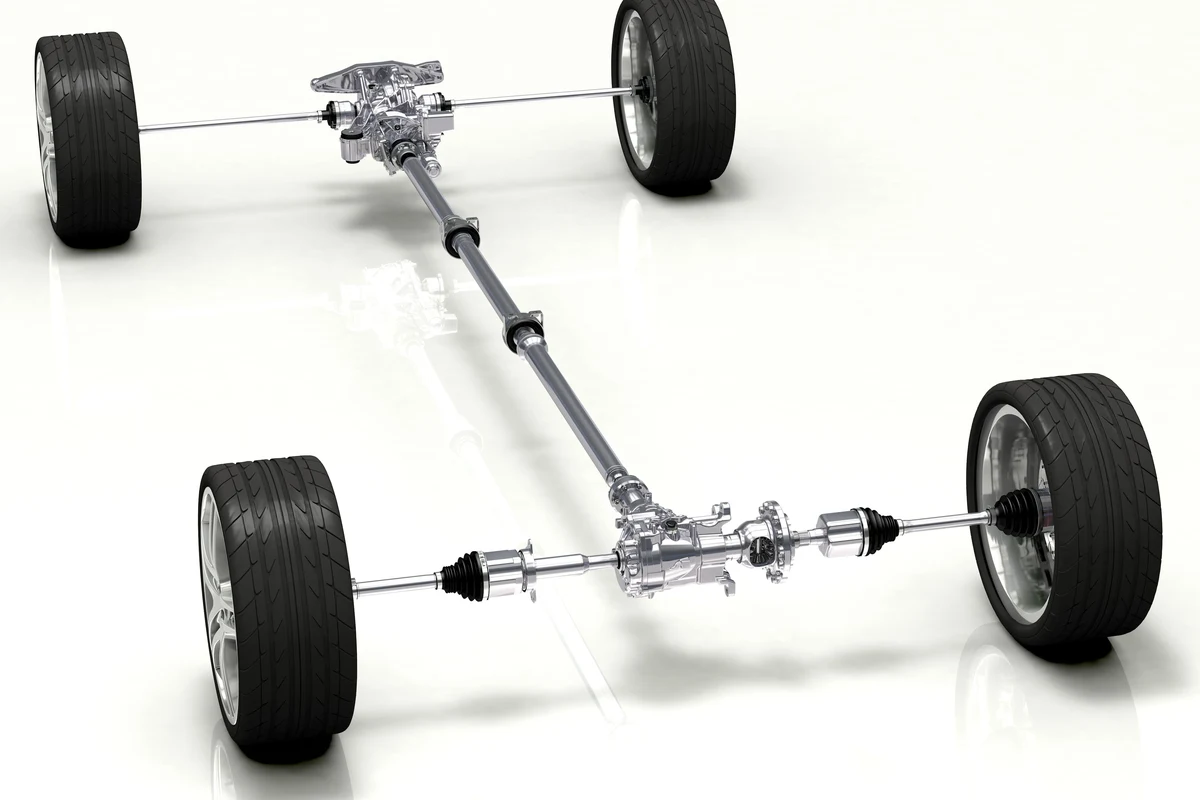
Overview of the 2005 Volvo XC90 AWD Features
The AWD system in the 2005 XC90 utilizes a Haldex coupling, which engages the rear wheels when the front wheels lose traction. This system is designed to provide enhanced stability and control, particularly in adverse weather conditions. Key features include: For related context, read how to use a professional car scanner for volvo vehicles.
- Automatic Engagement: The system activates when it detects wheel slip, allowing for a smooth transition without driver intervention.
- Traction Control: Integrated with the AWD system, it helps prevent wheel spin during acceleration.
- Safety Features: The AWD system works in conjunction with other safety technologies, such as Electronic Stability Control (ESC) and Anti-lock Braking System (ABS).
How to Engage the AWD in Your 2005 Volvo XC90
Engaging the AWD system in the 2005 Volvo XC90 is generally automatic, but understanding how it works can enhance your driving experience. Here’s how you can ensure it operates effectively. You can also use how to use a volvo to jump start another car safely as the next practical guide.
Step-by-Step Guide to Activating AWD
- Start the Vehicle: Turn on your XC90 and let the engine warm up for a few minutes.
- Drive Normally: The AWD system engages automatically when needed, so simply drive as you normally would.
- Monitor Traction: Pay attention to wheel slip indicators on the dashboard, which signal when AWD is active.
- Use in Adverse Conditions: For best results, use the AWD system in snow, rain, or off-road conditions for optimal traction.
Check the VIN-based recall lookup to ensure there are no open campaigns or safety notices related to your AWD system.
Optimal Driving Conditions for AWD Usage
Understanding when to use AWD can significantly enhance your driving experience in a 2005 Volvo XC90. Here are some scenarios where AWD is particularly beneficial.
When to Utilize AWD for Best Performance
Wet or Slippery Roads: Engage AWD in rain or during wet conditions to prevent hydroplaning and improve grip. Snow and Ice: Snowy roads can reduce traction; AWD helps maintain control and stability. Off-Road Driving: While not a dedicated off-road vehicle, the XC90 can handle light off-road conditions with AWD engaged. Uneven Terrain: On gravel or unpaved roads, AWD provides better traction and stability. For related context, read how to put volvo xc90 in neutral with dead battery.
Document service history and ask a technician about the condition of your AWD system to avoid unexpected costs.
Driving Techniques to Maximize AWD Performance
To get the most out of the AWD system in your 2005 Volvo XC90, consider adopting these driving techniques. You can also use how to replace battery in volvo xc90 key fob as the next practical guide.
Expert Tips for Enhanced Control
- Avoid Sudden Movements: Smooth acceleration and braking prevent excessive wheel slip.
- Keep Tires in Good Condition: Regularly check tire pressure and tread depth to ensure optimal traction.
- Know Your Limits: While AWD enhances control, it doesn’t eliminate the need for cautious driving in extreme conditions.
- Practice in Safe Conditions: Familiarize yourself with the vehicle’s handling by practicing in a safe, controlled environment, such as an empty parking lot.
Maintenance Tips for the AWD System
Proper maintenance is key to ensuring your AWD system operates smoothly. Here are essential tips to keep your system in top condition.

Keeping Your AWD in Top Shape
Regular Fluid Checks: Ensure AWD fluid levels are within the recommended range; consult your owner’s manual for specifics. Inspect the Haldex Coupling: This component may require servicing; check for any signs of wear or leaks. Routine Tire Rotation: Regularly rotating your tires helps maintain even wear and optimal traction. Schedule Professional Inspections: Periodically have a qualified Volvo technician inspect your AWD system for any issues. For related context, read how to turn off time for regular maintenance volvo xc90.
- Listen for unusual noises when engaging AWD.
- Test traction on a wet surface to ensure the system engages properly.
- Check dashboard indicators for any AWD-related warnings.
Comparing AWD Functionality Between Trims
The 2005 Volvo XC90 comes in several trims, and while the AWD system is standard in most, there are nuances worth noting.
Differences Across the 2005 XC90 Trim Levels
All trims of the 2005 XC90, including the 2.5T, 3.2, and V8, come equipped with the AWD system. However, the engine configurations may affect performance characteristics: You can also use how much is an oil change for a volvo xc90 as the next practical guide.
- 2.5T Trim: Features a turbocharged 2.5L inline-5 engine that provides adequate power for most driving situations.
- 3.2 Trim: Equipped with a 3.2L inline-6 engine, offering a balance of power and efficiency.
- V8 Trim: The most powerful option, it delivers superior performance, especially in challenging driving conditions.
- Regularly check tire pressure for optimal AWD performance.
- Keep an eye on fluid levels; low levels can affect system performance.
- Consult your owner’s manual for specific maintenance schedules.
Common Issues and Warning Signs of AWD Problems
Being aware of potential issues with the AWD system can prevent costly repairs and enhance safety. For official guidance on this, see Volvo Cars official website.
What to Look Out For
Warning Lights: Pay attention to any dashboard warning lights related to the AWD system. Unusual Noises: Grinding or clunking sounds when the AWD engages could indicate a problem. Loss of Traction: If you notice a significant loss of traction, it may signify an issue with the AWD system. Fluid Leaks: Check for any signs of fluid leaks under the vehicle, especially around the differential. For related context, read how to change battery in 2017 volvo xc90 key fob.
How to Use AWD in a 2005 Volvo XC90 for Optimal Driving
To effectively use the AWD system in a 2005 Volvo XC90, start by driving normally, as the system automatically engages when wheel slip is detected.
Optimal use occurs in adverse conditions like rain, snow, or off-road situations, where the AWD enhances traction and stability. Regular maintenance, such as fluid checks and tire rotations, is essential for ensuring the system operates smoothly. You can also use how to change battery in 2019 volvo xc90 key fob as the next practical guide.
- Monitor wheel slip indicators on the dashboard to confirm AWD engagement.
- Engage AWD in wet, snowy, or uneven terrain for improved grip and control.
- Perform regular inspections and maintenance to keep the AWD system in top shape.
This guide on how to use awd in a 2005 volvo xc90 is general information. Rules, fees, rents, salaries, service coverage, product details, and procedures can change, so confirm important points with the manufacturer, retailer, or official app documentation before acting.
Common Questions
Engaging the AWD system is generally automatic; simply start your vehicle and drive normally. The system activates when it detects wheel slip, allowing for a smooth transition without driver intervention.
Pay attention to the wheel slip indicators on the dashboard, which signal when the AWD system is engaged. This feature helps you know when the vehicle is using all-wheel drive for optimal traction.
AWD is particularly beneficial in wet or slippery roads, snow and ice, and light off-road conditions. Engaging AWD in these scenarios helps maintain control and stability.
Regular fluid checks, inspecting the Haldex coupling for wear or leaks, and routine tire rotation are crucial for maintaining the AWD system. Also, scheduling professional inspections can help identify any potential issues early.
Pay attention to any dashboard warning lights related to the AWD system and listen for unusual noises, such as grinding or clunking sounds. A significant loss of traction or visible fluid leaks under the vehicle may also indicate an issue.
All trims of the 2005 XC90, including the 2.5T, 3.2, and V8, come with the AWD system, but engine configurations can influence performance characteristics. The V8 trim provides superior performance in challenging driving conditions compared to the other trims.
Closing Thoughts
Understanding how to use AWD in a 2005 Volvo XC90 is essential for enhancing your driving experience, especially in varied weather conditions.
By knowing how to engage the system, recognizing optimal driving conditions, and maintaining the vehicle, you can ensure safe and effective use of AWD. Regular inspections and awareness of common issues will further help in preserving the system’s functionality.
Author

💡 Evans Torres Tip: On every Volvo I have owned, I always keep a full digital service record from day one. When something goes wrong — and eventually something always does — having that history makes diagnosis faster and often saves money at the mechanic. Start your records today, even if the car is not new.