


When considering the difference between a PHEV and a BEV, running costs play a significant role. PHEVs generally incur lower fuel costs due to their ability to run on electricity for short trips.
Understanding the difference between a PHEV and a BEV is crucial for potential car buyers interested in electric vehicles. Each offers unique advantages, depending on your driving habits and preferences.
This article explores the key distinctions between these two types of electric vehicles.
- Understanding Electric Vehicles: PHEV vs.: PHEVs (Plug-in Hybrid Electric Vehicles) and BEVs (Battery Electric Vehicles) are two popular types.
- Difference Between a PHEV and: The primary distinction lies in their powertrains..
- Running Costs: Which Vehicle Is: When considering the difference between a PHEV and a BEV, running costs play a.
- Environmental Impact: PHEV vs. BEV: When considering environmental impact, BEVs have a clear advantage as they produce zero emissions.
- Reliability and Resale Value Comparisons: Reliability can vary among different models, but generally, both PHEVs and BEVs have shown.
Understanding Electric Vehicles: PHEV vs. BEV
PHEVs (Plug-in Hybrid Electric Vehicles) and BEVs (Battery Electric Vehicles) are two popular types of electrified vehicles, each with distinct features. PHEVs combine an internal combustion engine with an electric motor, while BEVs operate solely on electricity.
Understanding these differences helps buyers make informed decisions.
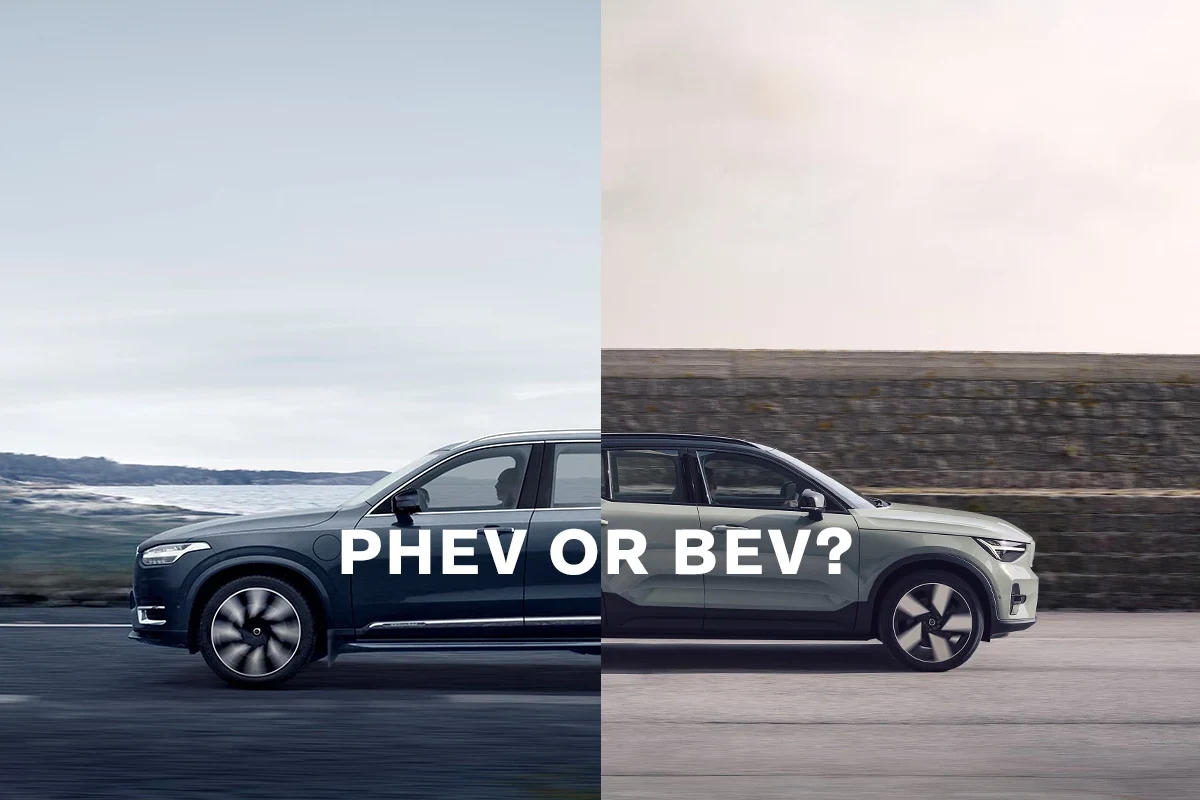
Key Considerations When Choosing Between a PHEV and a BEV
To help you make an informed decision, consider the following critical factors that highlight the differences between a PHEV and a BEV: For related context, read what is the difference between volvo group and volvo cars.
- Powertrain Configuration: PHEVs combine an internal combustion engine with an electric motor, while BEVs operate solely on electricity.
- Emissions: PHEVs produce lower emissions compared to traditional vehicles but still emit CO2 when using gasoline, whereas BEVs have zero emissions during operation.
- Electric Range: PHEVs typically offer an electric range of 20-50 miles, while BEVs can provide an electric range of 150-370 miles.
- Refueling Process: PHEVs can refuel at gas stations and charge, while BEVs require charging only.
- Running Costs: PHEVs may incur higher overall fuel expenses due to combined gasoline use, whereas BEVs generally have lower operating costs due to fewer moving parts and no fuel costs.
| Vehicle Type | Power Source |
|---|---|
| PHEV | Combines internal combustion engine and electric motor |
| BEV | Operates solely on electricity |
Difference Between a PHEV and a BEV: the Core Differences Between PHEVs and BEVs
The primary distinction lies in their powertrains. PHEVs use both gasoline and electric power, allowing for extended range and versatility. In contrast, BEVs rely entirely on electric energy, offering zero emissions during operation. This fundamental difference affects performance, range, and efficiency.
Powertrain Mechanics: How Each Type Works
PHEVs typically feature a gasoline engine paired with an electric motor and a rechargeable battery. This setup allows drivers to switch between electric and gasoline power, providing flexibility for longer trips.
Conversely, BEVs are powered solely by electric motors and batteries, which require regular charging but eliminate gasoline usage entirely. You can also use difference between 2025 and 2025 5 volvo xc90 as the next practical guide.
| Feature | PHEV | BEV |
|---|---|---|
| Powertrain | Gasoline engine + electric motor | Electric motor only |
| Emissions | Lower emissions | Zero emissions |
| Electric Range | 20-50 miles typically | 150-370 miles typically |
| Refueling | Gas station and charging | Charging only |
Look at crash-test results and driver-assist behavior for the exact model year and market rather than the brand’s general reputation.
Running Costs: Which Vehicle Is More Economical?
When considering the difference between a PHEV and a BEV, running costs play a significant role. PHEVs generally incur lower fuel costs due to their ability to run on electricity for short trips. For official guidance on this, see EPA fuel economy guide.
However, the combined use of gasoline can lead to higher overall fuel expenses compared to BEVs, which usually have lower operating costs due to fewer moving parts and no fuel costs.
Safety and Technology Features
Both PHEVs and BEVs are equipped with advanced safety and technology features. Many models come with driver-assist technologies, collision avoidance systems, and infotainment options.
However, BEVs often lead in innovation, as they are typically designed with the latest technology and safety systems from the ground up. For related risk checks, compare this with difference between volvo ec40 and ex40.
Compare like for like: the same model year range, comparable engine, and the equipment level you would really buy in your market.
Environmental Impact: PHEV vs. BEV
When considering environmental impact, BEVs have a clear advantage as they produce zero emissions during operation. PHEVs, while more environmentally friendly than traditional gas vehicles, still emit CO2 when operating on gasoline. So for eco-conscious buyers, BEVs represent the greener choice. This area decision also connects with difference between volvo 670 and 780.
Reliability and Resale Value Comparisons
Reliability can vary among different models, but generally, both PHEVs and BEVs have shown good reliability records. However, BEVs tend to have higher resale values due to their innovative technology and increasing demand.
PHEVs may face depreciation due to their reliance on gasoline engines and changing market preferences. For another location comparison, read difference between v60 and v90 volvo 2.
Buyers seeking flexibility with both electric and gasoline options.
Latest models from 2020 onward for best technology.
You prefer a fully electric driving experience without gasoline.
Best-Fit Buyer Scenarios for PHEVs and BEVs
Choosing between a PHEV and a BEV depends on your lifestyle and driving needs. PHEVs are ideal for buyers who need flexibility for long trips and want to gradually transition to electric driving. For official guidance on this, see US Department of Energy Alternative Fuels Data Center.
In contrast, BEVs suit those who have access to charging infrastructure and prefer a fully electric experience. This area decision also connects with difference between v60 and v90 volvo.
Weigh running costs together, including insurance, scheduled service, tires, and depreciation, because the cheaper car to buy is not always the cheaper car to keep.
Final Verdict: Choosing the Right Option for You
The difference between a PHEV and a BEV boils down to your individual driving habits and preferences. If you value flexibility with the option to use gasoline and electricity, a PHEV may be suitable.
However, if you are committed to sustainability and have reliable charging options, a BEV is the better choice. For related context, read volvo difference between t5 and t6.
Difference Between a PHEV and a BEV: Which One Is Right for You?
The choice between a PHEV and a BEV hinges on your driving habits and access to charging options. PHEVs offer flexibility with both electric and gasoline power, ideal for longer trips and gradual electric transition.
Conversely, BEVs provide a fully electric experience with zero emissions, perfect for eco-conscious drivers with reliable charging infrastructure. You can also use why do you need a volvo penta marine engine real guides as the next practical guide.
- Evaluate your typical driving range to determine if a PHEV’s 20-50 miles suits you or if a BEV’s 150-370 miles is necessary.
- Consider your access to charging facilities, which is crucial for a BEV’s functionality.
- Reflect on your environmental priorities, as BEVs have a clear edge with zero emissions during operation.
This guide on difference between a phev and a bev is general information. Rules, fees, rents, salaries, service coverage, product details, and procedures can change, so confirm important points with the manufacturer, retailer, or official app documentation before acting.
Common Questions
PHEVs use both a gasoline engine and an electric motor, allowing for a hybrid driving experience. In contrast, BEVs operate solely on electric power, eliminating the need for gasoline entirely.
PHEVs typically offer an electric range of 20-50 miles, which is suitable for short trips. BEVs, however, provide a more extensive electric range of 150-370 miles, making them ideal for longer journeys without the need for gasoline.
PHEVs generally incur lower fuel costs for short trips due to their electric capability, but the use of gasoline can lead to higher overall expenses. BEVs usually have lower operating costs since they consist of fewer moving parts and do not require fuel purchases.
BEVs have a clear environmental advantage as they produce zero emissions during operation. PHEVs, while more eco-friendly than traditional gas vehicles, still emit CO2 when using gasoline.
Both PHEVs and BEVs have shown good reliability, but BEVs tend to have higher resale values due to their innovative technology and rising demand. PHEVs may experience depreciation primarily due to their reliance on gasoline engines.
PHEVs are ideal for buyers seeking flexibility for long trips and a gradual transition to electric driving. Conversely, BEVs are better for those with access to charging infrastructure who prefer a fully electric experience.
Closing Thoughts
Understanding the difference between a PHEV and a BEV is crucial for potential car buyers interested in electric vehicles. This article explores the key distinctions between these two types of electric vehicles.
Author

💡 Evans Torres Tip: On every Volvo I have owned, I always keep a full digital service record from day one. When something goes wrong — and eventually something always does — having that history makes diagnosis faster and often saves money at the mechanic. Start your records today, even if the car is not new.