


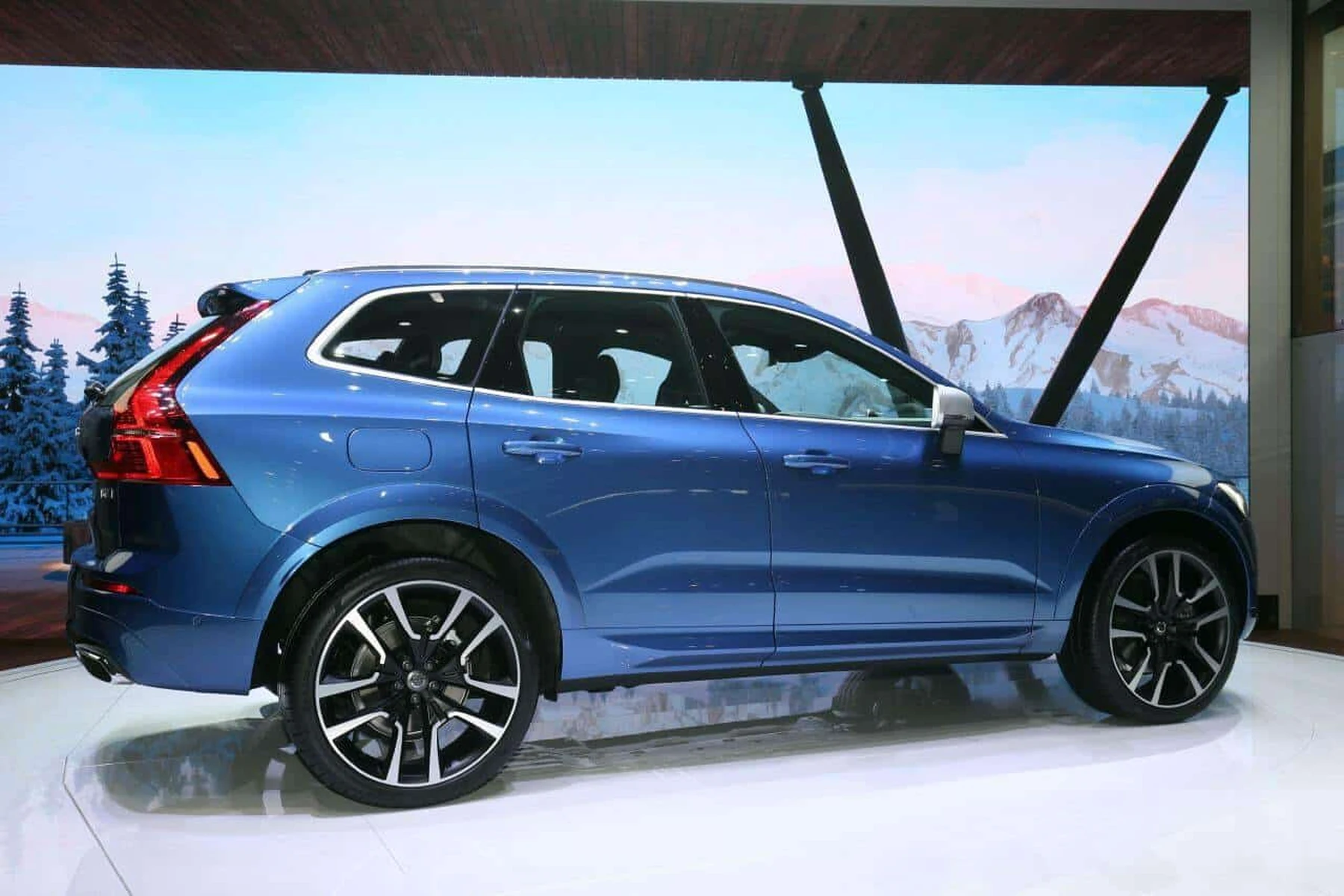
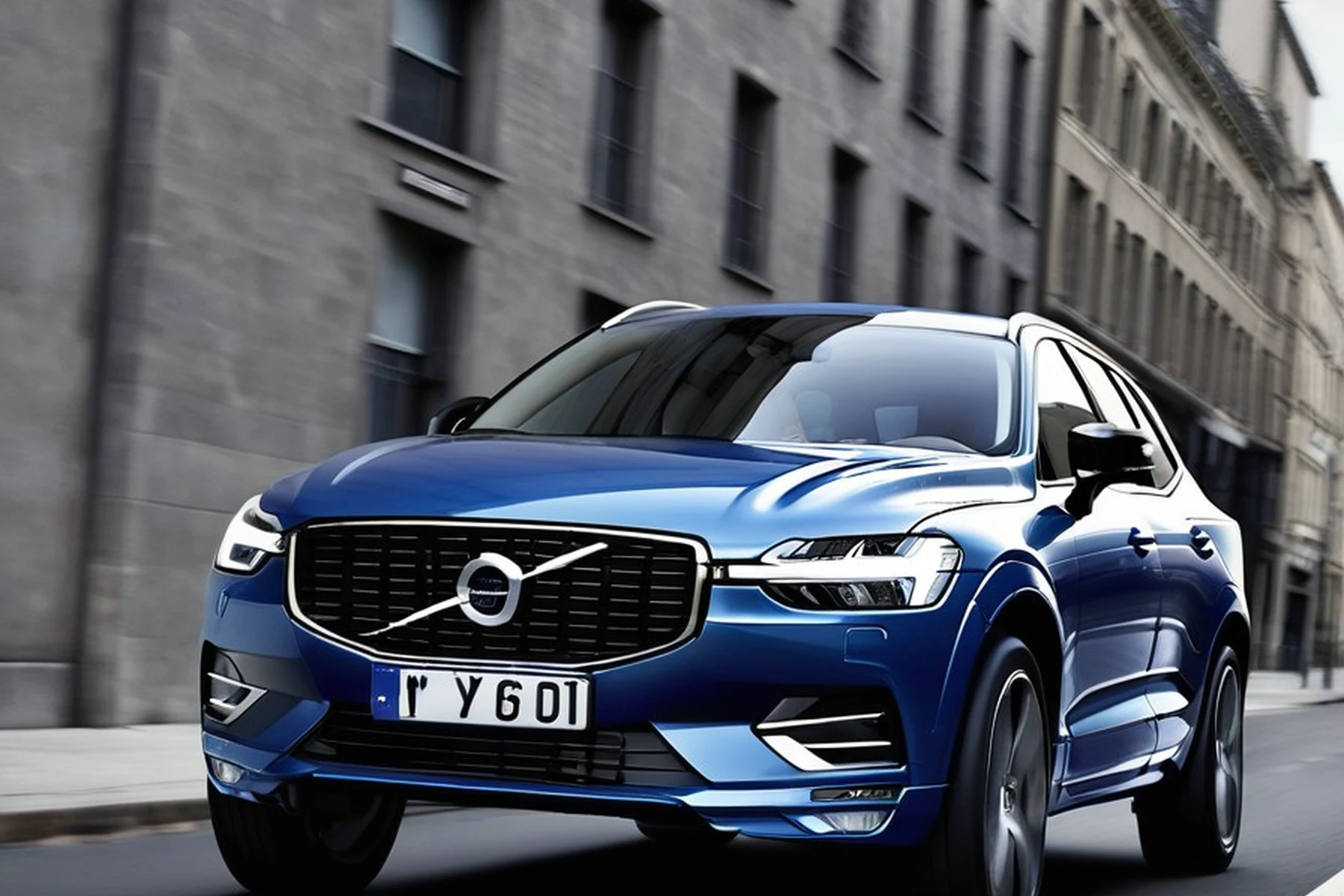
The difference between Volvo EC40 and EX40 lies in their design and intended use. The EC40 is a compact electric SUV, while the EX40 is a more spacious electric crossover, catering to different buyer needs.
As the electric vehicle market expands, Volvo has introduced innovative models that cater to various segments and consumer preferences. Among these, the Volvo EC40 and EX40 stand out as two intriguing options. Both models showcase Volvo’s commitment to sustainability and advanced technology, but they serve different purposes within the growing electric vehicle landscape. Understanding the differences between the two can help potential buyers make informed decisions tailored to their specific needs and preferences.
- Main difference: The EC40 is a compact electric SUV, while the EX40 is a larger crossover.
- Best for EC40: Buyers seeking a more compact, urban-friendly option.
- Best for EX40: Those needing extra space and versatility for family and cargo.
- Cost/value: The EC40 typically has a lower starting price compared to the EX40.
- Important caveat: Availability and specifications may vary based on the market.
Are the Volvo EC40 and EX40 Direct Competitors?
While both the Volvo EC40 and EX40 share the same manufacturer and align under the electric vehicle category, they target different market segments. The EC40 is designed as a compact electric SUV, making it suitable for urban settings and smaller families. In contrast, the EX40 is a larger crossover that offers more space and versatility, appealing to buyers who prioritize additional room for passengers and cargo.
Before using this difference between volvo ec40 and ex40 comparison, confirm the exact market, model year, trim, powertrain and drivetrain. Volvo and competitor equipment can change during a model year, and similarly named versions may not have identical specifications.
At-a-glance Comparison
Below is a quick comparison of the key specifications and features of the Volvo EC40 and EX40.
| Feature | Volvo EC40 | Volvo EX40 |
|---|---|---|
| Body Style | Compact SUV | Crossover |
| Powertrain | Single motor, AWD | Dual motor, AWD |
| Range (EPA) | 210 miles | 250 miles |
| Interior Space | 5 seats | 5-7 seats |
| Starting Price | $45,900 | $52,900 |
Main Differences Between the Volvo EC40 and EX40
The primary differences between the Volvo EC40 and EX40 are evident in their design, size, and intended use. The EC40 focuses on being a compact, city-friendly vehicle, while the EX40 emphasizes space and versatility. The EX40’s larger size allows for a more generous interior, which can accommodate additional passengers or cargo. Furthermore, the EX40 offers a dual motor all-wheel-drive system, providing enhanced performance compared to the EC40’s single motor setup.
Compare more than the purchase price. Fuel or charging, scheduled service, tires, insurance, warranty coverage, repair complexity and depreciation can change which option is the better value over several years.
Similarities Between the Volvo EC40 and EX40
Despite their differences, the EC40 and EX40 share several key features. Both models are fully electric, embodying Volvo’s commitment to sustainability. They come equipped with advanced safety features, reflecting Volvo’s reputation for prioritizing passenger safety. Additionally, both vehicles offer modern infotainment systems and connectivity options, ensuring a seamless driving experience.
Price, Comparable Trims and Feature-Adjusted Value
Pricing is a significant factor for many buyers. The Volvo EC40 has a lower starting price of approximately $45,900, making it more accessible for those on a tighter budget. The EX40, starting at around $52,900, offers additional space and features that justify the higher price point. Both models come with various trim levels, allowing buyers to select options that best meet their needs and preferences.
Size, Seating, Cargo and Everyday Practicality
The size difference between the EC40 and EX40 is substantial. The EC40 is designed for urban environments, featuring a compact design that makes parking and maneuvering in tight spaces easier. In contrast, the EX40’s larger size provides more interior space, accommodating up to seven passengers and offering increased cargo capacity. This makes the EX40 a more practical option for families or those needing extra storage for everyday activities.
Drive both choices on the same day if possible. Compare seat comfort, outward visibility, control layout, low-speed response, highway noise, parking ease and the exact driver-assistance features fitted to the vehicles you are considering.
Interior Comfort, Visibility and Cabin Usability
Both models prioritize comfort and usability within their interiors. The EC40 features a minimalist yet functional design, providing a comfortable driving experience for urban commuters. The EX40, on the other hand, enhances this experience with additional space and seating options, making long trips more comfortable for families. Both models offer excellent visibility due to their design, ensuring drivers can navigate confidently.
Infotainment, Controls and Technology
The infotainment systems in both the EC40 and EX40 are designed to provide modern connectivity and convenience. Each model features a touchscreen interface that integrates with smartphones for seamless access to navigation, music, and other applications. While the EC40 offers a more basic setup, the EX40 includes more advanced technology options, reflecting its higher price point.
Safety and Driver Assistance
Safety is a hallmark of Volvo vehicles, and both the EC40 and EX40 are equipped with comprehensive safety features. They include advanced driver assistance systems, such as adaptive cruise control, lane-keeping assistance, and automatic emergency braking. Both models have received high safety ratings from recognized agencies, reinforcing Volvo’s commitment to passenger safety.
Performance, Ride, Handling and Drivetrain
The performance differences between the EC40 and EX40 are notable due to their powertrains. The EC40 features a single motor setup that provides sufficient power for everyday driving. In contrast, the EX40’s dual motor all-wheel-drive system delivers enhanced acceleration and handling, making it more suitable for diverse driving conditions. The ride quality in both models is comfortable, with the EC40 being more agile in urban settings.
Fuel Economy, EV Efficiency or Range
When it comes to electric efficiency, the EC40 offers an EPA-estimated range of 210 miles, while the EX40 provides a longer range of 250 miles. This difference may significantly impact buyers’ decisions, especially those who prioritize longer journeys or less frequent charging. Both models support fast charging, ensuring convenience for owners.
Reliability, Known Issues and Evidence Level
Volvo vehicles are generally known for their reliability. While specific long-term reliability data for the EC40 and EX40 may be limited due to their recent introduction, Volvo’s reputation and commitment to quality suggest that both models should perform well over time. Buyers should consider seeking information on any early reports of issues from owners or reviews.
Maintenance, Insurance Considerations, Depreciation and Total Ownership Cost
Maintenance costs for both the Volvo EC40 and EX40 are expected to be lower than traditional gasoline vehicles due to fewer moving parts in electric vehicles. Insurance rates may vary based on the model’s price and safety ratings. Depreciation is generally strong for Volvo models, but the EX40’s higher price may affect its resale value differently compared to the more budget-friendly EC40.
Pros and Cons of the Volvo EC40 and EX40
Volvo EC40 Pros and Cons
- Compact size ideal for urban driving
- Lower starting price
- Efficient electric range
- Less interior space
- Single motor may limit performance
- Fewer advanced features compared to EX40
Volvo EX40 Pros and Cons
- More spacious interior
- Dual motor for enhanced performance
- Longer electric range
- Higher starting price
- May be less maneuverable in tight spaces
- Potentially higher insurance costs
Which Vehicle is Better for Different Buyers?
Alternatives Worth Considering
When considering the Volvo EC40 and EX40, potential buyers may also look into alternatives like the Audi Q4 e-tron and Tesla Model Y. Both offer different features and pricing structures that may better suit individual preferences and requirements. Additionally, other electric SUVs from brands like Ford and Hyundai are gaining popularity in the market.
How to Decide Between the Volvo EC40 and EX40
- Assess your space needs: Determine whether you need a compact vehicle or a larger crossover.
- Consider your budget: Evaluate which model fits within your financial parameters.
- Test drive both models: Experience each vehicle’s driving dynamics and comfort level.
- Review available features: Compare the technology and safety features offered by each model.
- Think about your typical driving conditions: Consider where you will mostly drive and how the vehicle’s size and performance align with those needs.
Frequently Asked Questions
Below are some common questions regarding the differences and features of the Volvo EC40 and EX40. Understanding these details can help clarify which model may be the right choice for you.
What is the range of the Volvo EC40?
The Volvo EC40 has an EPA-estimated range of approximately 210 miles, making it suitable for daily commuting and short trips.
How does the performance of the EX40 compare to the EC40?
The EX40 features a dual motor setup, providing better acceleration and handling compared to the EC40’s single motor, which is ideal for urban driving.
Is the interior of the EX40 bigger than the EC40?
Yes, the EX40 offers a more spacious interior, accommodating up to seven passengers, while the EC40 is designed for five passengers.
What are the starting prices for both models?
The Volvo EC40 starts at approximately $45,900, while the EX40 starts at around $52,900, reflecting their different market segments.
Do both models come with advanced safety features?
Yes, both the EC40 and EX40 include advanced safety features such as adaptive cruise control and lane-keeping assistance, consistent with Volvo’s safety reputation.
Which model is better for families?
The Volvo EX40 is better suited for families due to its larger size and increased seating capacity, making it more versatile for family needs.
💡 Evans Torres Tip: When deciding between the Volvo EC40 and EX40, consider your typical driving patterns and space requirements. Test driving both models will help you experience their handling and comfort, which can be crucial in making your final decision.
Final Verdict
In conclusion, the choice between the Volvo EC40 and EX40 ultimately boils down to your personal preferences and needs. If you are looking for a compact, budget-friendly electric SUV that excels in urban environments, the EC40 is an excellent option. However, if you require more space, versatility, and enhanced performance for family use or diverse driving conditions, the EX40 is worth the investment. Each model showcases Volvo’s commitment to electric mobility, safety, and innovation, making them solid contenders in the growing EV market.
Sources and Methodology
This comparison is based on official specifications from Volvo, EPA range estimates, and safety ratings from recognized agencies. The data reflects the 2024 model years for both vehicles. Limitations in long-term reliability data are noted due to the recent introduction of these models. Verification date: October 2023.
Author

Author

Evans Torres
I’m Evans Torres, an automotive engineer who loves Volvo cars. I graduated in Automotive Engineering from USC. I have worked in the car industry for years and now share my knowledge on The Volvo Life. I started this blog to connect with other Volvo fans. I offer tips, news, and advice to help you care for your car. My goal is to help you keep your Volvo in great shape and find all the best things about it. Join me as we discover everything Volvo has to offer!