


cars vs suvs sold volvo is a utility-versus-efficiency trade: XC60/XC90 add ride height, flexible cargo and available third-row/towing, while S60/S90 sit lower, cost less and sip less fuel; pick SUVs for space and bad weather confidence, sedans for value and mileage.
Volvo’s U.S. lineup has tilted heavily toward SUVs, but sedans like the S60 — and the recently discontinued S90 in the U.S. — still make a strong case for drivers who value comfort, efficiency and price. This guide compares Volvo SUVs (XC60, XC90) with Volvo cars (S60, S90).
We focus on how each body style fits daily life: seating, cargo, visibility, tech, safety, performance and long‑term costs. Where new inventory differs from recent model years, we call it out so you can align a showroom test drive with used‑market research.
If you’re cross‑shopping within Volvo, this is the one‑page decision maker: when an XC60 or XC90 is worth the premium over a well‑equipped S60 or a used S90 — and when a sedan’s lower cost and better mpg win the day.
- Main difference: XC60/XC90 prioritize space, ride height and towing; S60/S90 emphasize lower price, efficiency and a quieter, lower‑center‑of‑gravity drive.
- Best for A: Volvo SUVs suit families, gear haulers, snow‑belt drivers and anyone needing a third row or hitch.
- Best for B: Volvo Cars suit commuters, city parkers and buyers chasing maximum comfort, mpg and price‑for‑feature value.
- Cost/value: Comparable SUVs usually list higher and cost more to insure and tire; sedans often deliver similar safety/tech for less money.
- Important caveat: U.S. availability shifts — the S90 has been off new‑car lots; verify model year, trim and options for apples‑to‑apples comparisons.
Are Volvo Cars (S60, S90) and Volvo SUVs (XC60, XC90) direct competitors?
No — they’re different body styles serving different jobs. Volvo SUVs trade higher price and thirst for space, ground clearance and flexible cargo; Volvo sedans favor value, efficiency and a calmer, lower‑centered ride.
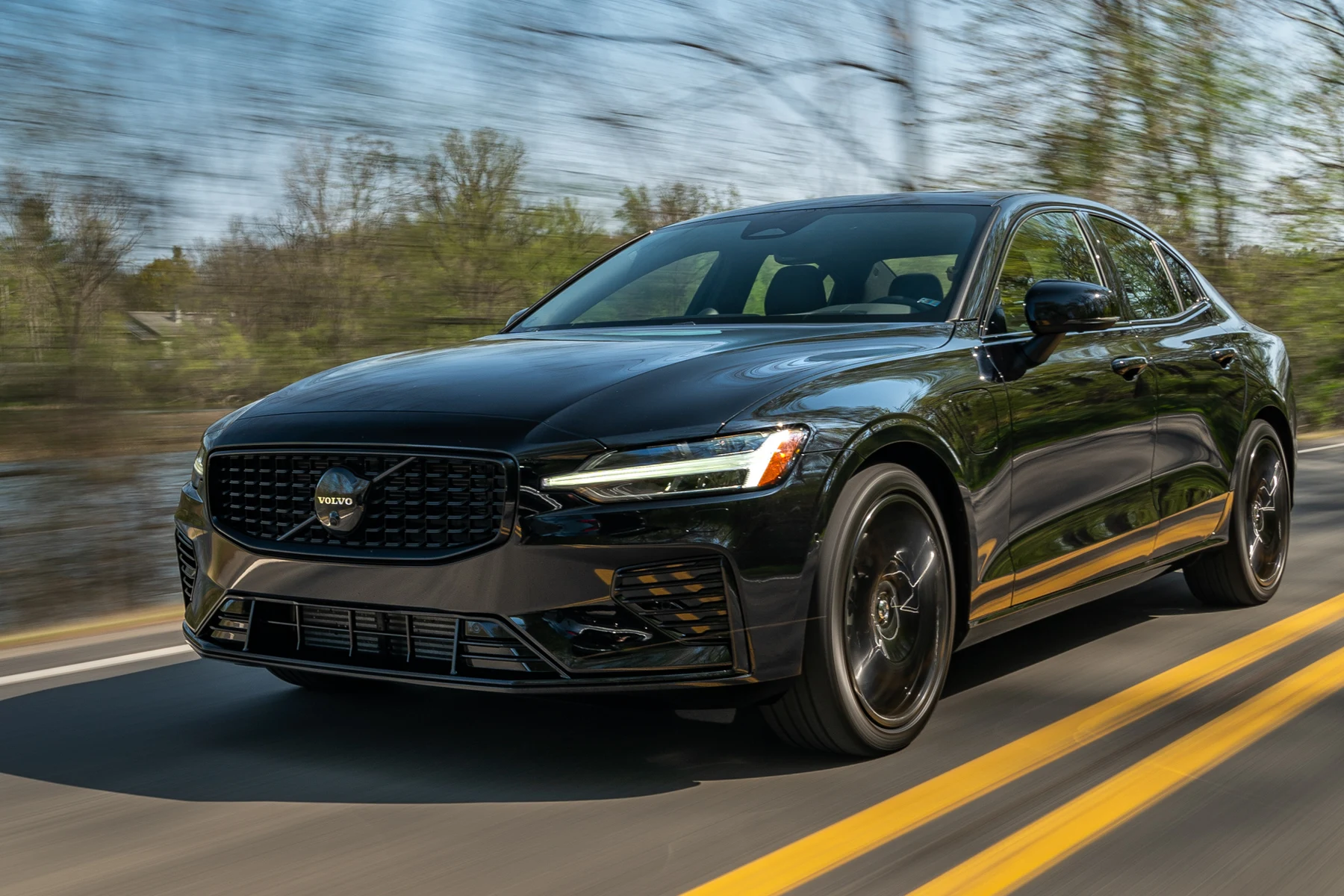
Shoppers still compare them because the safety tech, cabin design and infotainment are closely aligned across the brand. That lets you choose body style on need, not fear of missing features.
Confirm whether the S60 and S90 are sold new in your ZIP and which trims/powertrains remain. U.S. inventory has shifted toward SUVs; some sedans may be limited to used listings in 2026.
Volvo SUVs (XC60, XC90) vs Volvo Cars (S60, S90): at‑a‑glance comparison
This table shows the big, practical differences most buyers notice day‑to‑day, using recent U.S. model years as reference. Use it to shortlist before you test drive.
| Decision factor | Volvo SUVs (XC60, XC90) | Volvo Cars (S60, S90) |
|---|---|---|
| Body style & rows | Crossovers; XC60 2 rows, XC90 3 rows available | Sedans; 2 rows only |
| Ride height & ground clearance | Higher for snow, curbs and rough roads | Lower for easy entry and better aerodynamics |
| Cargo flexibility | Large hatch, split‑fold seats, bulky gear friendly | Sedan trunk; long items harder without fold‑throughs |
| AWD availability | Commonly standard or widely available | Available on many trims; FWD/RWD also seen by year |
| Towing | Factory‑rated towing on many trims | Typically not tow‑rated in U.S. |
| Parking & maneuvering | Taller and longer; more careful in tight garages | Lower, usually easier to park and place |
| Fuel economy trend | Generally lower mpg vs comparable sedans | Generally higher mpg; less wind/weight |
| Price tendency | Higher MSRP and lease payments for like trims | Lower MSRP; stronger feature‑per‑dollar |
| Insurance & tires | Often higher (larger tires, SUV rates) | Often lower (smaller tires, sedan rates) |
| Plug‑in hybrid (Recharge) | Available; adds weight, big torque, e‑range | Available on select years; strong city efficiency |
| Safety tech | Standard Volvo ADAS; similar suite to sedans | Standard Volvo ADAS; similar suite to SUVs |
| Ride/handling | Commanding view; more body motion on curves | Calmer, flatter cornering; quieter at speed |
| Visibility | Better forward view; taller beltlines rear | Lower cowl aids forward/rearward sightlines |
| Third row | XC90 offers kid‑friendly third row | Not available |
| Rear‑seat comfort | Excellent headroom; XC90 adult‑friendly 2nd row | S90 roomy in back; S60 tighter than SUVs |
Main differences between Volvo SUVs and Volvo Cars
Choose Volvo SUVs (XC60, XC90) when you need vertical space, a hatchback opening and the option to add a hitch. The XC90’s available third row and boxy cargo bay make strollers, pets and home‑improvement hauls simple.
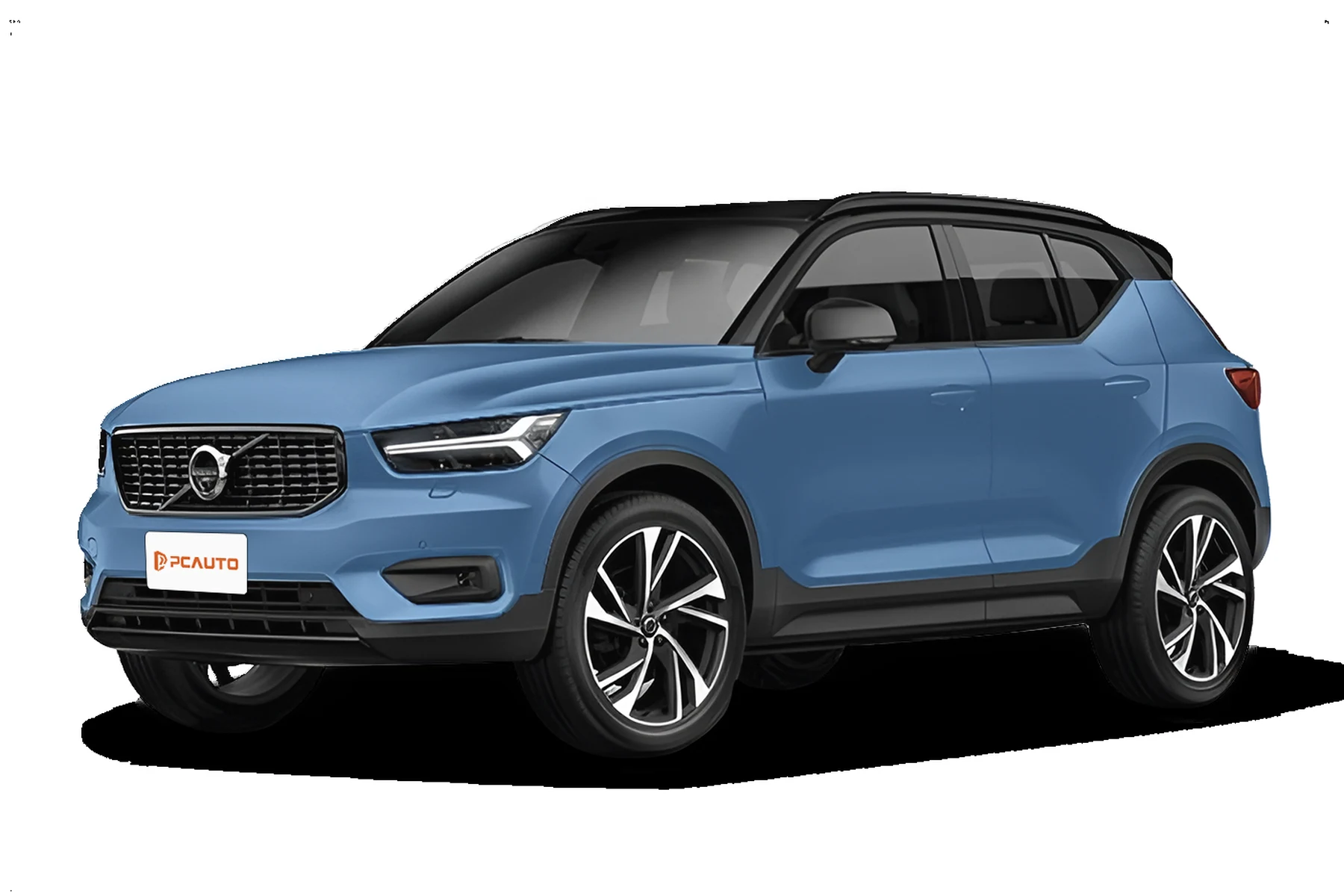
Choose Volvo Cars (S60, S90) for a quieter, more efficient commute and feature‑adjusted savings. The lower driving position reduces wind noise, and comparable trims often cost less than their SUV equivalents.
Similarities and common ground
Across recent model years, both body styles share Volvo’s safety ethos, advanced driver assistance, Google‑built‑in infotainment on most trims, and optional premium audio. Cabin design, seat comfort and material quality are broadly consistent.
That means your decision can center on space and driving feel, not fear of losing tech or safety by going sedan.
In many U.S. markets, late‑model Volvo sedans depreciate faster than SUVs. Smart shoppers can land a higher‑trim S60 or used S90 with more features for the same budget as a lower‑trim XC60.
Price, comparable trims and feature‑adjusted value
Volvo SUVs generally carry higher MSRPs and lease payments than equivalently equipped sedans. You often pay more for the hatch, height and capability, even though safety and infotainment tech are similar.
On a feature‑adjusted basis, an S60 often delivers more comfort and tech per dollar. The XC90’s third row and cargo utility are the big levers that can justify the premium for growing families.
Budget for larger SUV tires and potential AWD wear items; sedans typically run smaller tires and may insure for less. Cross‑shop out‑the‑door pricing, not just MSRP — including destination, taxes, finance/lease terms and extended coverage.
For a deeper dive on service budgets beyond Volvo‑to‑Volvo comparisons, see our analysis of Volvo maintenance costs vs other cars.
Size, seating, cargo and everyday practicality
XC60 fits small families and active lifestyles with a wide hatch, fold‑flat seats and a back seat that handles rear‑facing seats with less front‑row compromise. XC90 adds an optional third row best for kids and occasional adult use.
S60 works if you mainly carry two adults and light luggage. S90’s rear legroom approaches SUV comfort, but the sedan trunk limits awkward items like bikes or strollers unless you fold through the rear seats.
- Bring your stroller, golf bag or dog crate and load it into each model.
- Install a rear‑facing seat and check front‑row legroom left.
- Try a tight‑garage parking maneuver and a steep driveway entry.
- Fold seats and confirm floor length/height for your needs.
Interior comfort, visibility and cabin usability
Volvo seats are among the best in class across both body styles. SUVs provide an easy, upright step‑in and a commanding view, which helps in traffic and on snowy days.
Sedans feel calmer at highway speeds with a lower cowl and less wind buffeting. Drivers who prefer a “in the car” rather than “on the road” feel often gravitate to S60/S90.
Infotainment, controls and technology in both groups
Recent Volvo SUVs and sedans share a Google‑built‑in interface on many trims, with native Google Maps, Assistant and Play Store apps, plus wireless phone integration where equipped. Digital clusters and robust over‑the‑air update support are common.
Audiophile options like Bowers & Wilkins appear in upper trims or packages. If you’re weighing system strengths against rivals, read our guide to the Volvo infotainment system vs other luxury cars.
Safety and driver assistance using comparable U.S. tests
Volvo equips both body styles with a robust ADAS suite: automatic emergency braking, lane‑keeping support, blind‑spot alerts and Pilot Assist (L2) availability by trim. Crash‑test outcomes vary by model year, lighting and specific options.
XC60, XC90 and S60 have earned strong IIHS and NHTSA results in many recent years; verify by exact year and trim. SUVs’ mass can aid occupant protection but may lengthen braking distances versus sedans.
Compare the identical model year and headlight/ADAS packages when consulting IIHS and NHTSA. Ratings can change with mid‑cycle updates or optional headlights — don’t assume a trim inherits the top score.
Performance, ride, handling and drivetrain
Both body styles share Volvo’s modern powertrains by year: mild‑hybrid engines emphasizing smooth torque, and Recharge plug‑in hybrids offering strong acceleration with electric commuting capability. AWD is common on SUVs and available on many sedans.
Sedans track flatter and feel lighter in quick transitions. SUVs counter with confident straight‑line stability, snow‑belt traction and the ability to add a hitch for bikes or a small trailer when properly equipped.
Fuel economy and plug‑in efficiency
All else equal, sedans deliver better mpg than SUVs thanks to weight and aerodynamics. In mixed U.S. driving, many shoppers see a noticeable savings at the pump with S60/S90 compared with XC60/XC90 of similar power.
Recharge plug‑in hybrids in both groups can cover daily errands on electricity when charged, then revert to hybrid mode for trips. Your commute length and charging access drive the value.
Reliability, known issues and evidence level
From an ownership‑risk standpoint, body style is less important than model year, software level and maintenance. Volvo’s 2020s vehicles share platforms and electronics, so reliability patterns are broadly similar across SUVs and sedans.
Plug‑in hybrids add complexity; strict adherence to software updates and cooling/charging protocols matters. Prioritize documented service history and recall completion on used purchases.
Maintenance, insurance, depreciation and total cost
Expect SUVs to run larger tires and sometimes higher insurance classes, nudging annual costs up. Sedans typically cost a bit less to insure and tire, with similar scheduled service intervals brand‑wide.
Resale tends to favor SUVs in today’s U.S. market, yet purchase prices and incentives often favor sedans. On the used market, a higher‑trim S60 or S90 can be a standout value versus a base XC60.
For broader context across brands, see our breakdown of Volvo maintenance costs vs other cars.
Towing and payload relevance in this comparison
This category strongly favors SUVs. XC60 and XC90 trims commonly carry factory tow ratings suitable for small trailers, utility loads or a pair of e‑bikes on a hitch rack.
U.S.‑market S60/S90 sedans are typically not tow‑rated. If you plan to tow even occasionally, start with an SUV configuration and confirm the specific tow package and hitch rating.
Volvo SUVs (XC60, XC90) Pros and Cons
- Flexible cargo space with wide hatch and fold‑flat seats
- Higher ride height and available AWD confidence in snow
- XC90’s available third row for families and carpools
- Factory tow ratings for bikes and small trailers
- Higher purchase price and often higher insurance
- Lower fuel economy versus comparable sedans
- Taller body can feel less settled in quick corners
- Larger tires and brakes can raise running costs
Volvo Cars (S60, S90) Pros and Cons
- Lower MSRP and strong feature‑per‑dollar value
- Better mpg and quieter highway ride
- Easier parking and garage maneuvering
- Shared Volvo safety/tech with SUV counterparts
- Trunk limits bulky or tall cargo
- No third row; rear‑facing seats can eat front legroom
- Typically not tow‑rated in the U.S.
- Lower ride height less ideal on rough roads or snow banks
Which vehicle is better for different buyers?
If you’ve already decided on an SUV and are choosing size, our in‑brand breakdown of the two crossovers — XC90 vs XC60 — narrows trims and use cases quickly.
Alternatives worth considering
Stay within Volvo if you prefer the brand’s design and safety. Need smaller and urban‑friendly? Consider XC40/EX30. Want max family space with electrified torque? Shortlist an XC90 Recharge or, where available, the three‑row EX90.
If you like sedan dynamics but want cargo flexibility, a used V60 Cross Country wagon blends many SUV benefits with car‑like efficiency. Availability varies by year and region.
How to Decide Between Volvo SUVs and Volvo Cars
- Write down your top five hauls in the last month (people and stuff). If 3+ need a hatch or third row, start SUV.
- Map your commute and annual trips. Longer highway miles and city parking favor sedans.
- Price the whole build: trim, packages, AWD, destination, taxes, finance/lease, tires and insurance.
- Test drive back‑to‑back on the same route and load real cargo or a child seat into each.
- Check safety/recalls by exact year/trim and confirm any tow package or wheel/tire sizes before signing.
💡 Evans Torres Tip: Bring a tape measure and your three bulkiest items to the dealership: stroller/golf bag, carry‑on plus backpack, and a storage bin. Measure the trunk opening height/width on S60/S90 and the load floor length on XC60/XC90 with seats folded. Your winner usually reveals itself in five minutes.
Frequently Asked Questions
This section addresses the recurring, practical questions U.S. shoppers ask when cross‑shopping Volvo SUVs and sedans. Answers reflect recent model years (roughly 2018–2026) with notes where new‑car availability has shifted toward SUVs. Always verify by exact model year, trim and equipment before you buy.
Are Volvo SUVs safer than Volvo sedans?
Both groups earn strong safety results, and Volvo equips similar ADAS tech across body styles. Outcomes vary by model year, headlights and options. Heavier SUVs can offer mass advantages but may brake longer. Compare IIHS/NHTSA ratings for the exact year and trim you’re considering.
Which gets better fuel economy: XC60/XC90 or S60/S90?
All else equal, S60/S90 sedans typically return better EPA mpg due to lower weight and drag. Plug‑in hybrid Recharge versions in either body style can significantly cut fuel use if you charge regularly and your commute fits the electric range.
Can Volvo sedans handle snow as well as SUVs?
With proper winter tires and available AWD, S60/S90 perform well in snow. SUVs add ground clearance and a higher seating position, which help over ruts and plow berms. For frequent deep‑snow driving, the SUV advantages are meaningful.
Do Volvo SUVs cost more to insure than sedans?
Often yes, though rates depend on driver profile and ZIP code. SUVs’ higher values, repair costs and wheel/tire sizes can lift premiums. Sedans usually track lower. Get quotes for your specific VINs and coverage levels before committing.
Which models are still sold new in the U.S. in 2026?
Volvo’s U.S. emphasis is SUVs and EVs, with XC60 and XC90 widely available. Sedan availability has been limited; some buyers will be shopping used for S60 and S90 depending on region and inventory. Confirm current availability with a local retailer.
Is the XC90 third row adult‑friendly?
It’s best for kids or shorter adults on short trips. The XC90 shines as a two‑row with a spacious second row and occasional third‑row use. If you routinely carry six or seven adults, test legroom and headroom carefully.
Are Recharge plug‑in hybrids worth it?
They pay off if you can charge at home/work and your daily mileage fits the electric range. You’ll enjoy strong torque and quieter city driving. If you can’t charge regularly or drive mostly highway miles, a mild‑hybrid may be simpler and cheaper.
Which holds value better: SUVs or sedans?
In today’s U.S. market, SUVs generally hold value better. That said, sedans often start cheaper and can be exceptional used buys, delivering higher trims and features for the same money as a base SUV. Your usage should drive the call.
Final Verdict
If your life regularly involves people or gear that benefit from a hatch — strollers, pets, DIY projects, car‑pool duty — a Volvo SUV (XC60 or XC90) justifies its higher price. The XC90’s third row and the XC60’s easy‑to‑park footprint cover most family scenarios.
If your miles are mostly commuting with occasional road trips, a Volvo sedan (S60 or a well‑bought used S90) maximizes comfort, mpg and value without giving up core Volvo safety or tech. Many shoppers discover the sedan meets nearly all needs for thousands less.
Anchor your decision in the realities of your week: load your biggest items, drive your toughest parking scenario, and price the entire build. The best Volvo is the one that makes every day simpler — not just the one that looks best on paper.
My Top Picks at a Glance
These three Volvo accessories are practical options to compare after choosing the right Volvo configuration.
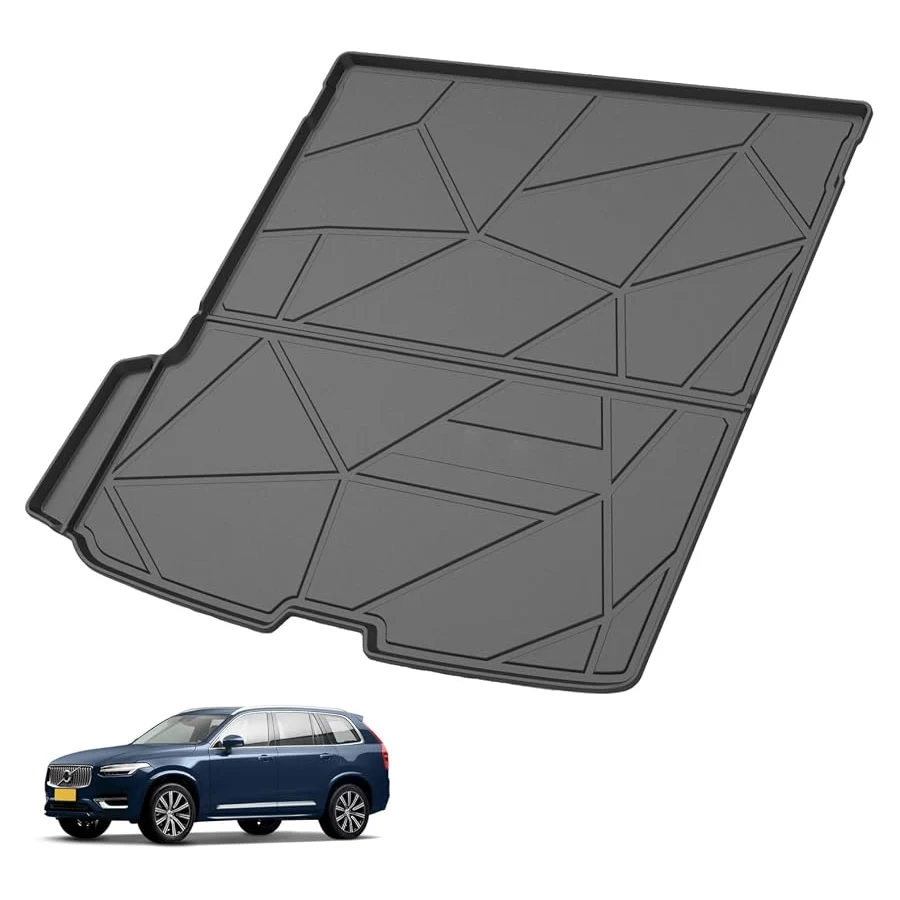 Best Overall
Elsetyler Volvo XC90 Cargo Liner 2016-2026, Custom-Fit Black TPE, Heavy-Duty All-Weather Waterproof Trunk Protector.
A vehicle-fit accessory to compare for compatibility, daily usefulness, and value.
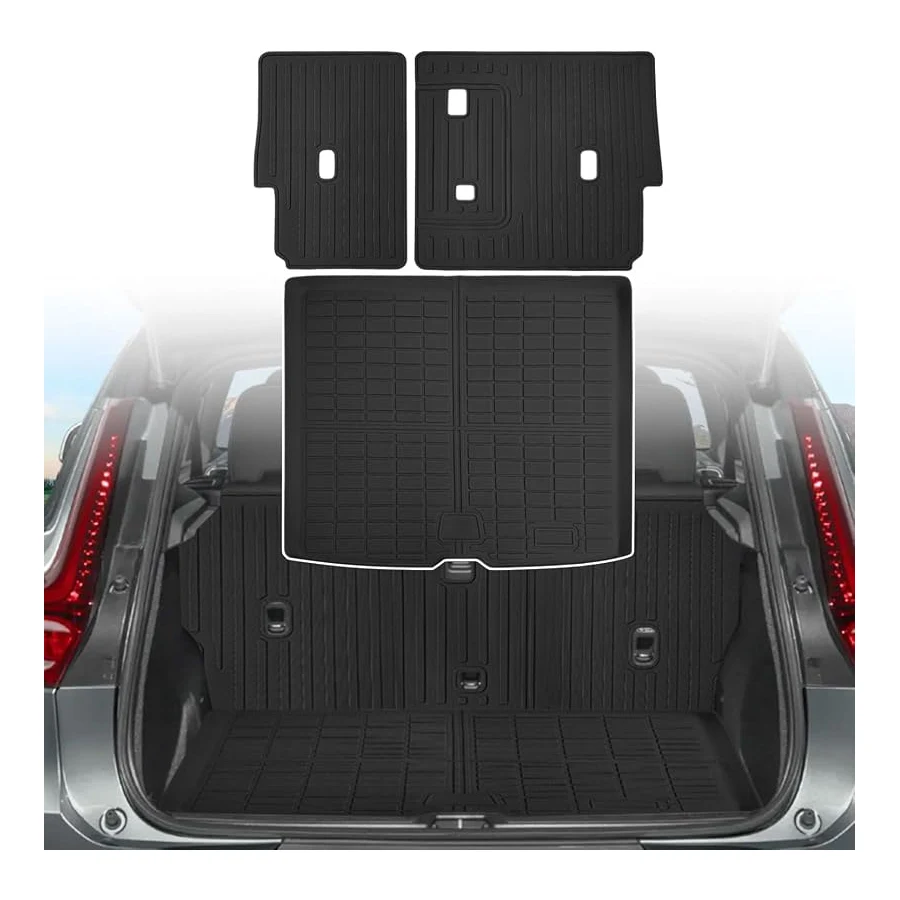 Best Value
Rear Trunk Mat and Seat-Back Cover for Volvo XC40 2018-2026, C40 2022-2024, All-Weather Anti-Slip 3-Piece.
A vehicle-fit accessory to compare for compatibility, daily usefulness, and value.
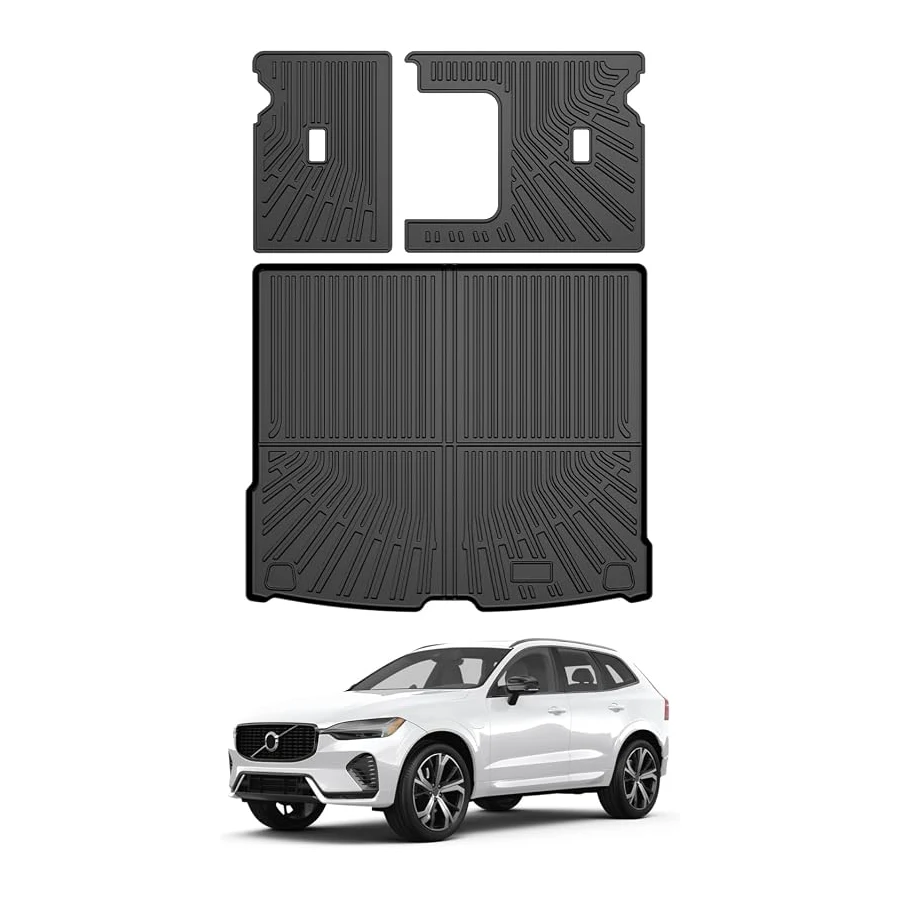 Best Premium Option
Mixsuper Volvo XC60 Cargo Liner 2018-2025, TPE All-Weather Trunk Mat with Backrest Seat Cover.
A vehicle-fit accessory to compare for compatibility, daily usefulness, and value.
Sources and Methodology
U.S. market focus with emphasis on 2024–2026 new SUVs and 2018–2023 sedans where availability shifted. We matched trims by typical equipment (ADAS, infotainment, AWD) rather than price alone. Safety and efficiency comments reference IIHS, NHTSA and EPA data; specific outcomes vary by year, headlights and options. Verification date: August 2026.
Author

Author

Evans Torres
I’m Evans Torres, an automotive engineer who loves Volvo cars. I graduated in Automotive Engineering from USC. I have worked in the car industry for years and now share my knowledge on The Volvo Life. I started this blog to connect with other Volvo fans. I offer tips, news, and advice to help you care for your car. My goal is to help you keep your Volvo in great shape and find all the best things about it. Join me as we discover everything Volvo has to offer!