


byd car vs volvo xc90 safety comes down to U.S.-proven crash ratings versus strong overseas results. Volvo XC90 carries IIHS/NHTSA scores and broadly standard ADAS. BYD Car earns high Euro NCAP marks on several models, but U.S.-specific crash data and support remain limited.
Shopping for family safety often crosses borders today, but crash tests and regulations do not. This comparison focuses on how a U.S.-market Volvo XC90 stacks up against BYD Car models that are primarily validated by Euro NCAP and other non-U.S. agencies.
That mismatch matters for parents who want clear, apples-to-apples answers. We translate the ratings, outline the ADAS differences, and flag the ownership realities that affect safety in daily life, from child-seat fit to parts and insurance support.
If you’re also weighing other safe three-row options, our detailed Volvo-first resources on premium rivals can help you cross-check features efficiently as you narrow your list.
- Main difference: Volvo XC90 has U.S.-specific IIHS/NHTSA crash results; BYD Car’s strongest safety evidence is Euro NCAP on select models.
- Best for A: Volvo XC90 suits U.S. families prioritizing verified crash tests, broad dealer support, and robust child-seat usability.
- Best for B: BYD Car appeals where sold locally, pairing modern ADAS with strong Euro NCAP scores and EV-first safety tech.
- Cost/value: XC90 pricing is premium but backed by U.S. crash data; BYD value can be strong abroad, but importing to the U.S. adds risk and cost.
- Important caveat: Compare only like-for-like tests and confirm which safety features are standard versus optional by model year and market.
Before comparing, lock the exact model year, trim, and market. ADAS content and crash ratings can change mid-cycle, and non-U.S. BYD ratings do not map 1:1 to U.S. IIHS/NHTSA protocols.
Are BYD Car and Volvo XC90 direct competitors?
No in the U.S.; partly abroad. Volvo XC90 is a U.S.-sold, three-row midsize luxury SUV. BYD Car is a brand portfolio selling multiple EVs and PHEVs abroad, with limited or no mainstream U.S. passenger-car sales as of 2026.
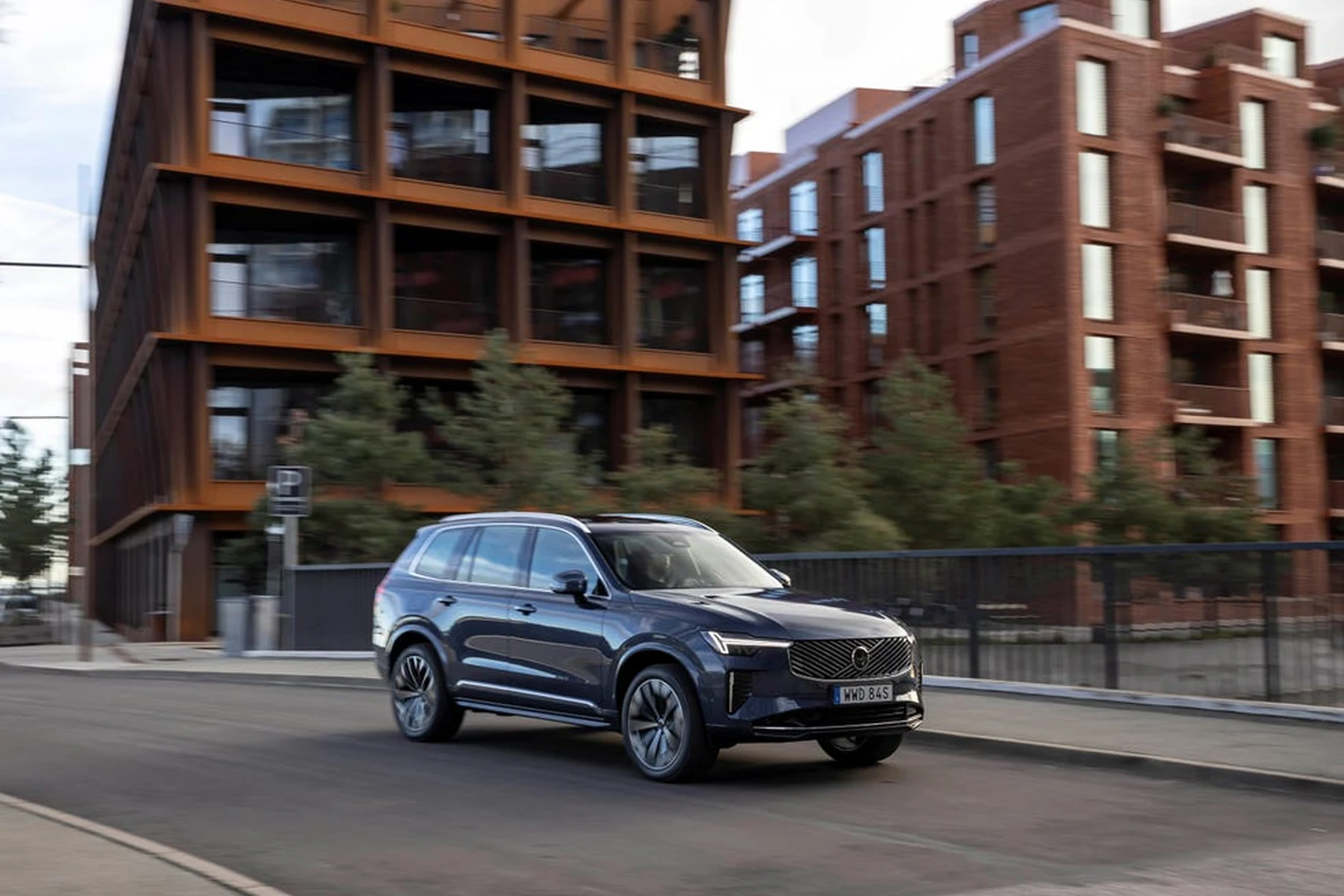
Shoppers still compare them because some BYD SUVs (e.g., seven-seat offerings in select markets) target family buyers and score well in Euro NCAP. The challenge is translating those results to a U.S. decision where the XC90 has local tests and dealer support.
BYD Car vs Volvo XC90: at a glance comparison
This table highlights safety-critical factors a U.S. family would check first, noting where evidence is market-specific or model-dependent for BYD Car.
| Category | Volvo XC90 (U.S.) | BYD Car (Global) |
|---|---|---|
| Body/segment | Midsize luxury 3-row SUV (7 seats) | Varies by model; mix of sedans, 2-row SUVs; some 3-row SUVs in select markets |
| U.S. availability | On sale nationwide with dealer/service network | Limited U.S. consumer availability as of 2026; mainly sold abroad |
| Crash-test agencies | IIHS and NHTSA results available (by MY) | Primarily Euro NCAP/ANCAP on named models; little/no IIHS/NHTSA data |
| Headlights & LATCH ratings | IIHS evaluates both; check current MY outcomes | Euro NCAP covers child-occupant safety; different metrics vs IIHS LATCH |
| Standard ADAS | Volvo suite incl. AEB, lane/steering support, BLIS, run-off mitigation (by trim/MY) | BYD suites typically include AEB, LKA, ACC, BSM; content varies by model/market |
| Structure/safety design | Boron-steel safety cage; run-off road protection; whiplash/side-impact systems | Modern EV architectures; strong Euro NCAP occupant scores on several models |
| Battery safety (electrified) | PHEV battery packaging tuned for crash; thermal safeguards via Volvo standards | Blade Battery (LFP) designed to resist thermal runaway; widely cited nail-test |
| Child-seat usability | Multiple rear tethers; LATCH in 2nd row; 3rd-row use varies by MY—confirm | Anchors vary widely by model/market; always check manual and fit |
| Emergency services | Automatic crash notification/Volvo app services (market dependent) | EU models offer eCall; specifics vary by region |
| Warranty (safety systems) | Typical U.S. coverage: 4yr/50k basic; check PHEV components separately | Varies by country/model; EV battery often covered longer than basic warranty |
Main differences between BYD Car and Volvo XC90
The Volvo XC90 offers U.S.-specific crash ratings and dealership support, making risk and protection easier to quantify for American families. ADAS availability is broad, and child-seat fit guidance is well documented in the U.S. market.
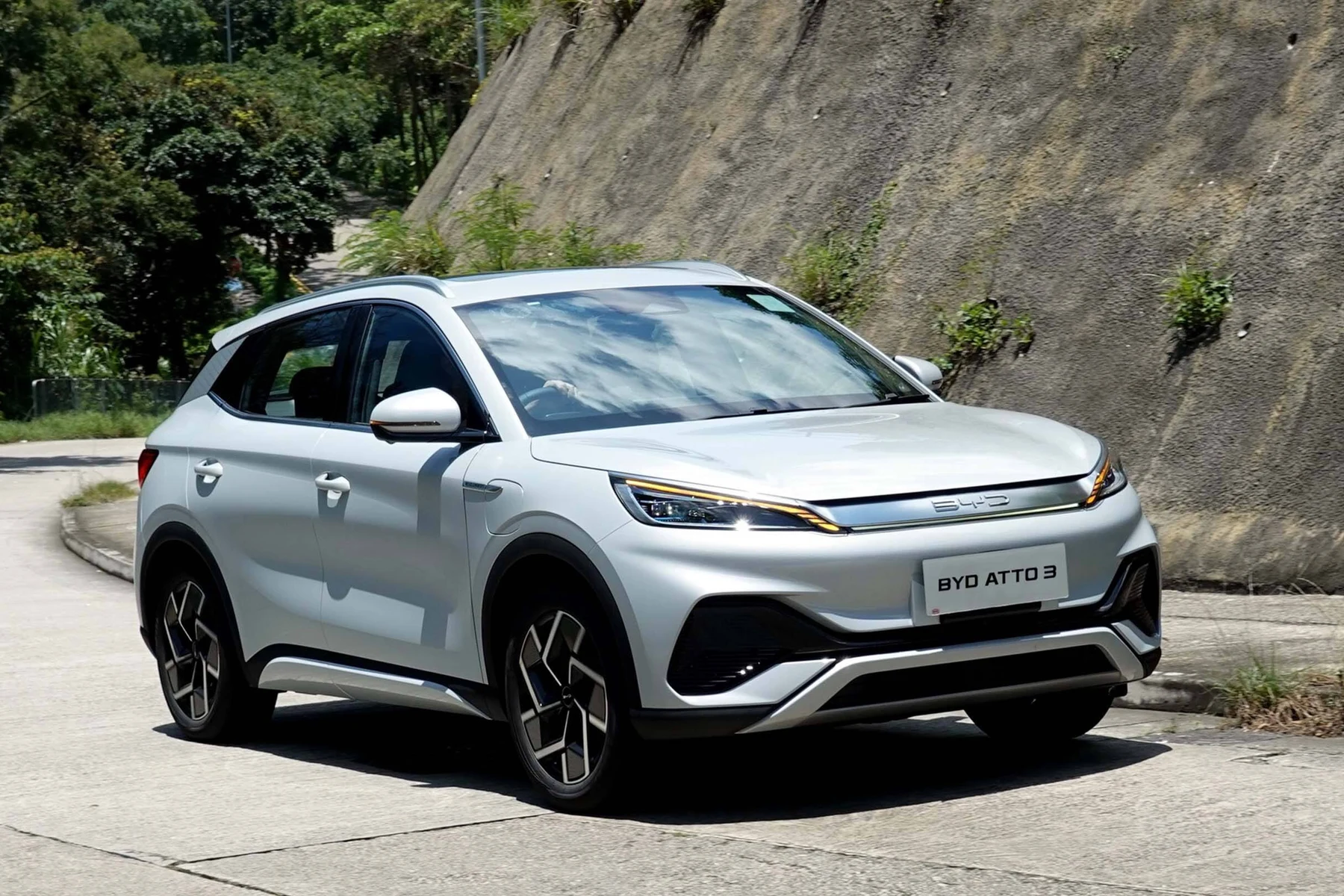
BYD Car’s strongest safety story is outside the U.S., with multiple Euro NCAP 5-star results on specific models and EV-first battery safety engineering. However, those ratings follow different protocols, and U.S. service/insurance pathways are less defined.
Similarities/common ground
Both emphasize active safety, with automatic emergency braking, lane support, blind-spot monitoring, and driver alertness aids on many trims. Both leverage strong body structures and energy management around electrification components.
Either path can deliver a very safe family vehicle when sold and supported locally. The practical difference is how much U.S.-validated data and infrastructure you require.
Price, comparable trims and feature-adjusted value
Volvo XC90 pricing sits in premium territory for the U.S., reflecting three-row packaging, extensive ADAS, and brand safety development. Feature-adjusted value is strong when you weigh verified local crash results and dealer-backed support.
BYD Car value is compelling in markets where its models are officially sold and serviced, especially for EVs. In the U.S., import workarounds add cost, complicate financing and insurance, and may limit over-the-air updates and recall execution.
If a BYD Car is not officially sold in your state, budget for specialty insurance, uncertain parts lead times, and reduced resale liquidity. Those can erase any headline purchase savings versus a U.S.-market XC90.
Size, seating, cargo and everyday practicality
Volvo XC90 provides adult-friendly second-row space and a usable third row for kids, plus flat-fold cargo flexibility. Visibility and door apertures are family-friendly for child-seat loading in the second row.
BYD Car sizes vary widely by model. Some SUVs abroad offer five seats with generous second-row space, while select models add a third row. Always verify anchor positions, door openings, and cargo floor height by specific model year.
- Confirm exact LATCH/tether locations for your model year.
- Test-install your seat; check for buckle crunch and angle adjustability.
- Verify 3rd-row top tethers and headrest compatibility before you buy.
Interior comfort, visibility and cabin usability
The Volvo XC90 focuses on low-gloss materials, intuitive ergonomics, and large windows for outward visibility. Family touches like door storage and easy-reach controls reduce fumbling while buckling kids.
BYD Car cabins often prioritize tech-forward design, with spacious layouts in several SUVs. Control logic, switchgear feel, and camera quality can vary by model and market, so a hands-on demo is essential where available.
Infotainment, controls and technology
Volvo XC90 integrates Google built-in infotainment on recent years, voice control, and a clear driver display, paired with a well-tuned safety UI for alerts. Over-the-air updates support maps and features.
BYD Car leans into large touchscreens and EV-centric displays, with connected features that differ by region. Evaluate driver-distraction risk, speed of the UI, and whether safety alerts are prominent yet non-intrusive.
- Trigger lane-keeping and blind-spot warnings on a safe demo route.
- Check camera clarity in low light and rain.
- Use voice commands for navigation and calls; confirm response speed.
Safety and driver assistance: crash tests and ADAS depth
Volvo XC90 carries IIHS and NHTSA testing relevant to U.S. roads, including evaluations for crashworthiness, headlights, and LATCH usability. Specific awards vary by year as protocols tighten; verify the current model-year outcomes before purchase.
BYD Car’s clearest evidence base is Euro NCAP and ANCAP testing on named models, with several five-star results. Safety Assist scores are strong across automatic emergency braking and lane support, but direct translation to IIHS/NHTSA frameworks is imperfect.
ADAS content on both sides typically includes AEB with pedestrian/cyclist detection, lane/steering assist, adaptive cruise control, and rear cross-traffic alerts. The XC90 adds Volvo-specific systems like run-off road protection and oncoming lane mitigation, tuned to U.S. validation.
Compare the same agency and protocol by model year. In the U.S., prioritize IIHS crashworthiness/headlights/LATCH and NHTSA star ratings for the XC90. For BYD Car, use the latest Euro NCAP results for the exact model you can actually buy and service.
BYD’s Blade Battery (LFP chemistry) is engineered to resist thermal runaway propagation and has been showcased in puncture and nail-penetration demonstrations. This is promising, but U.S.-market serviceability and recall pathways matter just as much for long-term safety.
For a broader look at how Volvo’s safety approach stacks against premium brands, see our analysis in Volvo Safety System vs Other Luxury Car Brands.
Performance, ride, handling and drivetrain
Volvo XC90 offers refined mild-hybrid and plug-in hybrid powertrains balanced for family comfort, predictable handling, and confident braking. Chassis tuning emphasizes stability and calm responses over sharp sportiness.
BYD Car models span EVs and PHEVs with smooth electric torque and quiet cruising. Ride/handling tuning and tire fit vary by model; evaluate stopping distances, brake feel, and ADAS hand-offs on a real-world drive where available.
Fuel economy, EV efficiency or range
XC90 mild-hybrids deliver competitive fuel economy for a three-row luxury SUV, while the Recharge PHEV offers meaningful electric-only commuting range before switching to hybrid operation. EPA figures vary by wheel size and year.
BYD EVs emphasize efficiency and LFP durability, with competitive WLTP ranges abroad. For U.S. buyers, use EPA-equivalent data if available; otherwise, WLTP numbers may overestimate compared with EPA methodology.
Reliability, known issues and evidence level
Volvo XC90 has matured through its lifecycle, with early-cycle infotainment and electronic niggles largely addressed in later years. Warranty support, software updates, and recall handling are well defined in the U.S.
BYD Car long-term reliability data in Western fleets is growing but still thinner than established U.S. players. LFP chemistry’s cycle life is a plus for EVs, yet parts logistics and diagnostic tooling can determine uptime if you’re outside an official BYD market.
Maintenance, insurance, depreciation and total ownership cost
Volvo XC90 ownership costs align with premium brands, balanced by strong safety credentials and nationwide service. Insurance quotes tend to be straightforward thanks to established repair networks and parts availability.
BYD Car ownership costs are attractive where the brand operates locally. In the U.S., insurance underwriting, collision repair certification, and residual values are uncertain, which can raise total cost of ownership despite EV service savings.
Resale and daily practicality
XC90 resale is supported by brand recognition, safety reputation, and steady demand for three-row luxury SUVs. Practical features like split-fold seats and wide-opening doors aid family routines.
BYD Car resale varies by market maturity and dealer footprint. Daily ease-of-use can be excellent on specific BYD SUVs, but verify cargo height, rear-door egress, and parking camera performance in your environment.
Volvo XC90 Pros and Cons
- U.S.-specific IIHS/NHTSA crash ratings and safety audits
- Broadly standard ADAS tuned for American roads
- Strong child-seat usability and nationwide servicing
- Refined ride and quiet cabin for family trips
- Premium pricing versus some non-U.S. alternatives
- PHEV range and mpg vary with wheels and climate
- Third row best for kids on longer journeys
BYD Car Pros and Cons
- Multiple Euro NCAP 5-star results on named models
- Modern ADAS suites and EV-first safety engineering
- LFP Blade Battery emphasizes thermal safety and longevity
- Limited U.S.-market crash data and dealer support
- Insurance, parts, and resale uncertainty in the U.S.
- Child-seat hardware and ADAS content vary widely by model/market
Which vehicle is better for different buyers?
Alternatives worth considering
The Audi Q7 is a direct, safety-strong rival with robust U.S. test data and similar family packaging. For details, see our comparison in Which Car Is Better: Volvo XC90 or Audi Q7.
If you’re choosing between two-row dynamics and three-row flexibility, the BMW X5 is another premium benchmark; compare U.S. ratings and ADAS content in Volvo XC90 vs BMW X5.
Shoppers focused on Volvo’s safety philosophy across the lineup might also cross-check the XC60 versus XC90 to right-size their needs and budget.
How to Decide Between BYD Car and Volvo XC90
- Fix the market and model: identify the exact BYD model you can buy and service locally, and the U.S. XC90 model year/trim.
- Match crash tests: compare IIHS/NHTSA (XC90) against the closest Euro NCAP/ANCAP data for your BYD model.
- Audit ADAS content: list what’s standard vs optional by year on both, including headlights and rear AEB.
- Do a child-seat fit trial: install your seats, test buckle access, and verify all tethers/headrests.
- Price full ownership: include insurance quotes, parts/repair logistics, resale, and any import-related costs.
Before we head to FAQs, here’s a quick expert shortcut to avoid the most common comparison mistakes.
💡 Evans Torres Tip: Build a one-page “safety spec sheet” for the exact VINs you’re considering. Include agency ratings, headlight grade, LATCH/tether map, standard ADAS list, and dealer service distance. This avoids mixing brochure claims with real, VIN-specific equipment and makes insurers more willing to quote accurately.
Frequently Asked Questions
This FAQ focuses on U.S. buyers weighing safety-first decisions that involve non-U.S. models. Where BYD Car is not officially sold, answers stress comparable test data, equipment verification, and ownership logistics that bear directly on day-to-day family protection.
For shoppers staying entirely within the U.S. premium set, you may also compare the XC90 with German rivals using our Volvo-specific resources linked above for additional context.
Is BYD Car sold and serviced in the United States?
As of 2026, BYD primarily sells passenger vehicles outside the U.S., with limited or no mainstream consumer sales stateside. U.S. support is not comparable to Volvo’s dealer network. If considering an import, confirm local service, diagnostics, parts sources, and warranty recognition in writing.
How do Euro NCAP and IIHS/NHTSA results compare?
Euro NCAP and IIHS/NHTSA share goals but differ in test setups and scoring. Many BYD models earn five stars at Euro NCAP, which is encouraging. However, U.S. buyers should prioritize IIHS/NHTSA data for the XC90 and use Euro NCAP as a proxy only when a model lacks U.S. tests.
What ADAS comes standard on the Volvo XC90?
Recent U.S. XC90s typically include AEB with pedestrian/cyclist detection, lane/steering support, blind-spot with steering assist, rear cross-traffic alerts, and run-off road mitigation. Exact equipment varies by model year and trim, so review the window sticker and owner’s manual for the VIN you’re purchasing.
Do BYD Car models offer comparable driver assistance?
Yes, many BYD models include AEB, lane-keep assist, adaptive cruise, blind-spot monitoring, and rear cross-traffic alerts. Content and tuning vary by model and market. Check whether features are standard or bundled in packages, and confirm calibration/repair procedures at your local service point.
Which is better for child seats: BYD Car or Volvo XC90?
The XC90 has well-documented LATCH/tether positions and broad U.S. guidance for car-seat fit. BYD anchor configurations vary by model and market. Always test-install your seats, verify headrest compatibility, and confirm top tethers—especially for third-row use—before committing to a purchase.
Is the BYD Blade Battery safer than other EV batteries?
The Blade Battery (LFP) is designed to resist thermal runaway propagation and has been highlighted in puncture demonstrations. That’s a plus for EV safety. Long-term safety also depends on local service readiness, software updates, and recall execution, which are clearer for the U.S.-market XC90.
Should I wait for a U.S.-market BYD or choose a Volvo XC90 now?
If you need a family SUV with U.S.-validated safety now, the XC90 is the safer logistical bet. If BYD launches official U.S. sales for the exact model you want with IIHS/NHTSA data and dealer support, it could be worth a fresh comparison at that time.
What other safe three-row SUVs should I compare?
Consider the Audi Q7 and BMW X5 (with optional third row), plus new three-row entries from Lexus and others. For head-to-heads that stay in the U.S. test ecosystem, see our analyses like XC90 vs Audi Q7 and XC90 vs BMW X5.
Final Verdict
For U.S. families prioritizing evidenced safety, the Volvo XC90 remains the more straightforward choice. It combines American-market crash results, widely standard ADAS, documented child-seat compatibility, and nationwide service that sustains safety over years of ownership.
BYD Car shows convincing safety potential abroad, with strong Euro NCAP performance and EV-first battery design. If you live in a market with official BYD sales and service, that combination merits a test drive and a feature-by-feature audit.
In the United States today, pick the XC90 if you value local crash validation and infrastructure. Revisit BYD when a specific model offers U.S. certification, dealer support, and directly comparable IIHS/NHTSA data.
My Top Picks at a Glance
These three XC90 accessories are practical options to compare after choosing the right Volvo configuration.
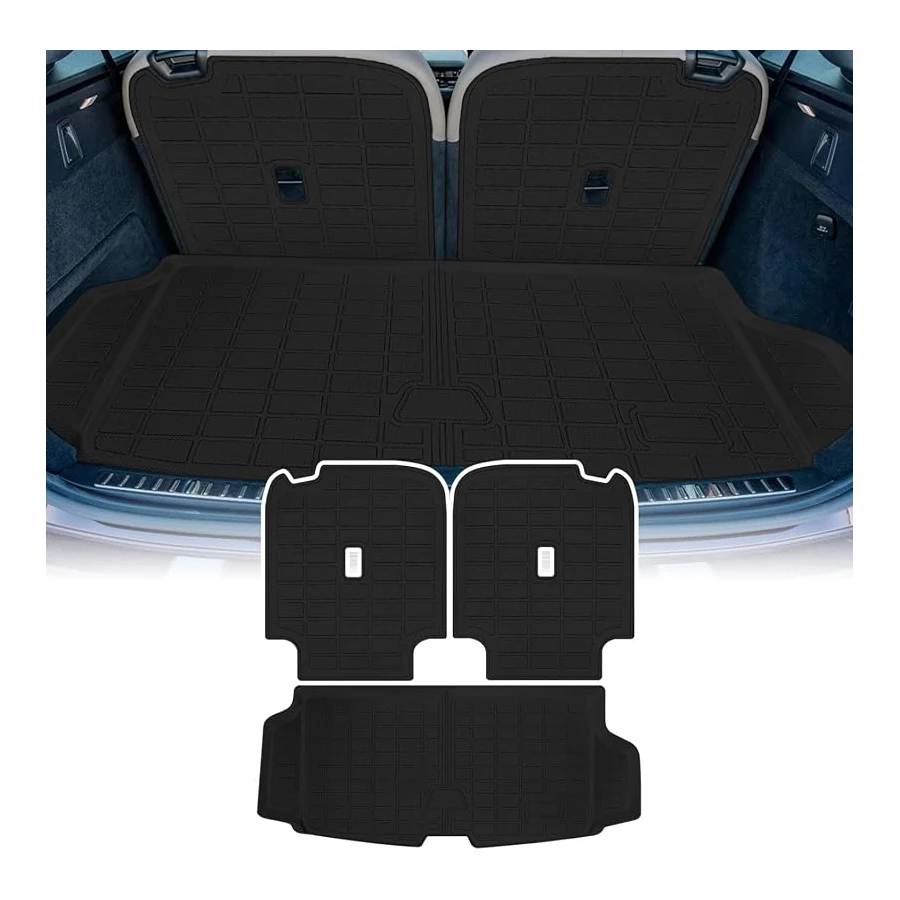 Best Overall
Volvo XC90 2016-2026 rear seat back cargo liner, 3-piece all-weather, anti-slip, hook-and-loop split-fold-compatible trunk protector
A vehicle-fit accessory to compare for compatibility, daily usefulness, and value.
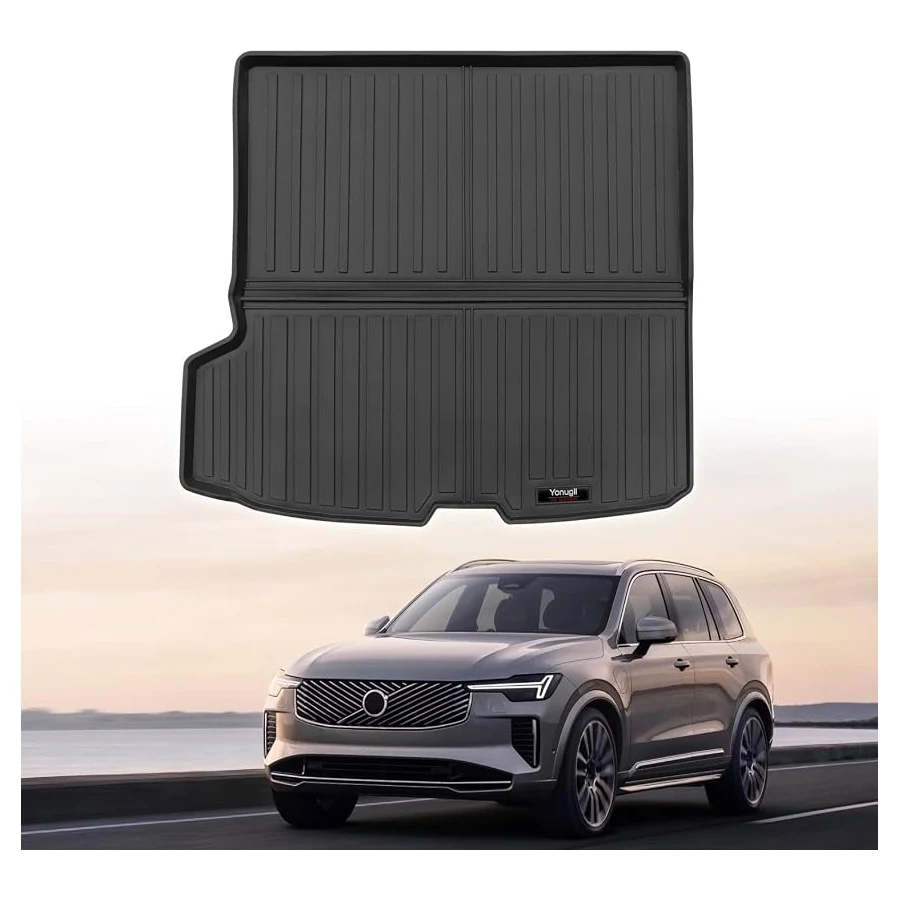 Best Value
Volvo XC90 2016-2026 custom-fit cargo mat behind 2nd row, all-weather TPE trunk liner protector
A vehicle-fit accessory to compare for compatibility, daily usefulness, and value.
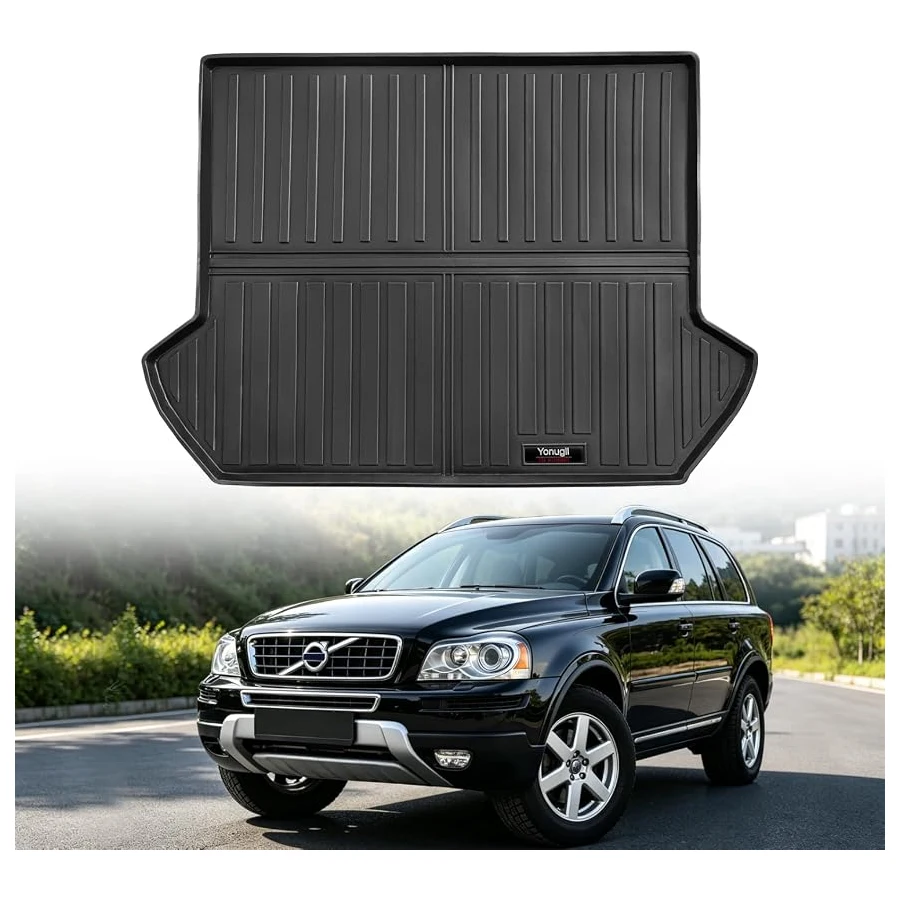 Best Premium Option
Volvo XC90 2003-2014 cargo mat, custom-fit all-weather TPE trunk liner for durable protection
A vehicle-fit accessory to compare for compatibility, daily usefulness, and value.
Sources and Methodology
Scope: U.S. market for Volvo XC90 (2024–2026), with BYD Car represented by global models carrying Euro NCAP/ANCAP data. We matched like-for-like where possible and highlighted protocol differences. We did not assume parity between Euro NCAP and IIHS/NHTSA. Equipment varies by trim and model year; verify VIN-specific specs. Data verified August 2026.
Author

Author

Evans Torres
I’m Evans Torres, an automotive engineer who loves Volvo cars. I graduated in Automotive Engineering from USC. I have worked in the car industry for years and now share my knowledge on The Volvo Life. I started this blog to connect with other Volvo fans. I offer tips, news, and advice to help you care for your car. My goal is to help you keep your Volvo in great shape and find all the best things about it. Join me as we discover everything Volvo has to offer!