


jump starter for volvo f50 — choose by system voltage first. Most Volvo cars use 12V; many F50 industrial/older truck applications use 24V. For cars/SUVs, a 12V lithium booster with 2000–3000 peak amps works. For 24V F50 use, pick a commercial 24V-capable unit rated 3000A+ with smart protections.
Cold mornings, short errands, and aging AGM batteries are where a portable booster saves the day. The right choice depends on voltage (12V vs 24V), engine size, diesel vs gas, and winter temps. For related context, you may also want to read is scanner for Volvo XC60.
Below you’ll find sizing by Volvo model lines and F50 use-cases, safe connection steps, winter storage, and what to buy without overspending. You can also use do scanner for Volvo exist as a helpful next guide on the same ownership topic.
- Main point: Match voltage first (12V for cars/SUVs, many F50 uses need 24V), then size for engine and climate.
- Best first step: For modern Volvos, a 12V lithium jump starter rated 2000A+ covers most gas and light diesel engines.
- Cost or value: Quality lithium boosters run $90–$250 (12V); commercial 24V units typically $250–$600.
- Who it suits: Daily commuters, cold-climate owners, and operators of F50/other heavy-duty Volvo equipment.
- When to get help: If a Volvo needs multiple jumps in a week or shows charging faults, test/replace the battery and alternator.
Wants a compact 12V booster to avoid waiting for roadside assistance after work or school.
Needs higher-amp output and better low-temp performance to offset winter CCA losses.
Runs or services F50/industrial Volvos and needs a 24V-capable commercial booster with longer-duty clamps.
What a Jump Starter Is for Volvo Owners — And How It Differs from a Charger
A jump starter is a portable power pack that provides a brief high-current burst to crank a 12V or 24V starter motor. It gets you running immediately without a wall outlet.
A battery charger (maintainer/tender) replenishes charge slowly over hours. It’s ideal for storage, but it will not crank a dead engine on demand. Many chargers decline to charge at all if the battery is below a safety threshold.
Lithium jump starters typically self-discharge about 2–5% per month and lose output in the cold. Keeping them at 60–80% charge and warm (e.g., cabin vs trunk) dramatically improves winter performance.
Why Volvo Owners — Including F50 Operators — Should Carry a Jump Starter
Short trips, stop‑start traffic, and winter idling reduce battery reserves. Even a healthy Volvo can struggle below ~12.2V on the first cold start after a week of short drives.
For industrial scenarios around a Volvo F50 or similar equipment, long downtime and outdoor storage increase no-start risk. A 24V booster avoids shuffling vehicles for cable-to-vehicle jumps.
Here is a quick view of real scenarios, the tool that fits, and what to size for so you’re prepared without overbuying.
Pick based on the situation first; then match voltage and peak amps to engine and climate for reliable starts.
| Situation | Why a booster helps | Right tool | Sizing tip |
|---|---|---|---|
| Daily-driven S60 in winter | Cold-soaked battery loses cranking power | 12V lithium booster | 2000A+ peak, good low-temp rating |
| XC90 T6/T8 family hauler | Electronics draw + short trips | 12V lithium “high-output” | 2000–3000A peak; smart clamps |
| Diesel wagon (V60 D5, where sold) | Higher compression needs more surge | 12V heavy-duty lithium | 2500A+ peak, robust cables |
| Volvo F50/industrial yard unit | Long storage, big starter motors | 24V-capable commercial booster | 24V output, 3000A+ peak |
| Seasonal-use Volvo stored off-grid | No outlet for a charger | Portable jump starter | 12V, 2000A+, built-in flashlight |
| Shop/fleet with mixed 12V/24V | Multiple platforms, fast turnarounds | Dual-voltage shop cart | Selectable 12V/24V, long leads |
Best Jump Starter Types for Volvo Cars, SUVs, and F50 Use
Lithium jump starters dominate for 12V Volvos because they’re compact and deliver high surge current. Commercial 24V or dual‑voltage units suit F50 or heavy diesel applications.
Smart clamps that block reverse polarity and short circuits are worth paying for, especially on late-model Volvos with sensitive electronics.
Use the table to match type to your use-case and budget; aim one tier higher for extreme cold.
| Type | Peak amps | Best for | Approx price | Verdict |
|---|---|---|---|---|
| 12V lithium compact | 1500–2000A | S40/S60/S90, XC40 mild winters | $90–$150 | Great glovebox choice; keep warm |
| 12V lithium high-output | 2000–3000A | XC60/XC90 gas, light diesels | $130–$250 | Best all-round for U.S. owners |
| 12V “pro” with heavy cables | 3000A+ | Frequent use, cold climates | $220–$350 | Durable; heavier to carry |
| 24V commercial booster | 3000A+ (24V) | F50/industrial & older 24V trucks | $250–$600 | Mandatory where 24V is used |
| Dual-voltage shop cart | High, selectable | Fleets with 12V/24V mix | $500–$1,200 | Best for yards and service bays |
Never connect a 12V-only jump starter to a 24V system (common on industrial/older heavy-duty Volvo platforms). Confirm voltage at the battery label or owner’s manual before clamping.
Volvo Model-Based Jump Starter Guide (XC, S/V, and F50)
For most U.S. Volvo cars and SUVs (12V), choose at least 2000A peak to overcome cold‑start drag and preserve headroom for older batteries. Step up to 2500–3000A for larger engines or deep cold.
For F50 or industrial Volvos that may be 24V, a commercial 24V unit or dual‑voltage cart is the correct tool. Don’t assume 12V—verify first.
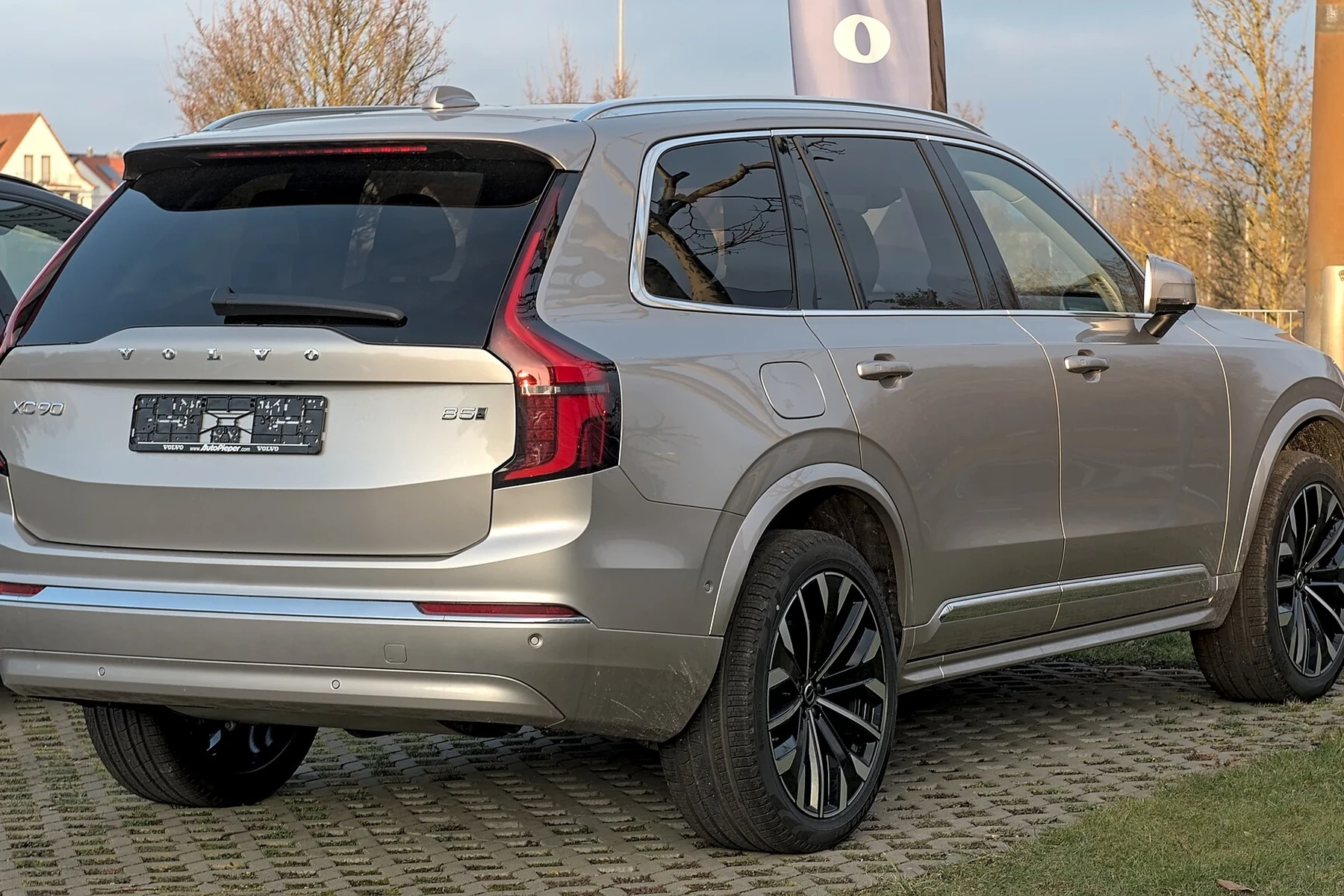
- XC90 (T5/T6, PHEV T8): 12V, 2000–3000A peak. For T8, you’re boosting the 12V system only—never the high-voltage hybrid pack.
- XC60/XC40/S60/V60/S90/V90 (gas): 12V, 2000A peak minimum; 2500A preferred for winter.
- Diesel (D4/D5, where applicable): 12V, 2500–3000A peak; choose heavy clamps and longer cables.
- EX30/EX40/EC40/EX90 (full EV): Typically no engine to crank; a small 12V booster can wake a depleted 12V service battery to enable systems; follow model-specific manual.
- Volvo F50/industrial or legacy trucks: Often 24V. Use a 24V booster (3000A+), or a dual‑voltage cart for shop use.
Want to avoid setting off the horn? See our quick reference on jump-starting without triggering the alarm on an S60—the same principles help on other models.
Jump Starter Choices for Volvo Diesel, Hybrid, and Electric
Diesels need more surge due to high compression. Choose 2500–3000A for common 12V diesels; for 24V industrial diesels, use a 24V-rated booster only.
PHEV (T8 Recharge) and BEV (EX series) owners still use a 12V booster for the accessory battery in a pinch. Never attempt to jump the high-voltage battery pack.
Different platforms, different needs: 12V gas = 2000A+; 12V diesel = 2500–3000A; 24V industrial (F50-style) = commercial 24V booster; EV/PHEV = 12V accessory battery only. Always confirm voltage and the manual’s approved jump points.
Jump Starter for Volvo Trucks and Heavy Equipment (Including F50 Context)
Commercial Volvo platforms frequently run 24V, larger starters, and longer cable runs. A consumer 12V pack won’t work here and can be damaged.
For work yards, a dual‑voltage shop cart with long, copper cables and a robust duty cycle is ideal. Field crews should carry a rugged 24V portable booster with reverse-polarity and short-circuit protection.
Consult the equipment manual or tag on the batteries for the exact system voltage and recommended starting procedure. When in doubt on industrial gear, contact a qualified fleet service.
What Size Jump Starter You Need: Amps, Voltage, Engine, and Cold
Five factors drive sizing: system voltage (12V vs 24V), engine displacement and cylinders, fuel type (diesel vs gas), ambient temperature, and cable quality. Err on the larger side for older batteries and winter starts.
Peak amps are marketing; look for verified cranking amps and real owner feedback in cold climates. Heavier clamps and thicker cables reduce voltage drop at the starter.
| Factor | Typical Volvo spec | What to choose |
|---|---|---|
| System voltage | 12V (cars/SUVs), 24V (industrial/F50) | Match exactly; 24V needs 24V booster |
| Engine size | 2.0L I4 to 2.9L I6 (cars/SUVs) | 2000–3000A peak (12V) |
| Fuel type | Gas vs diesel | Diesel: add ~20–30% more peak amps |
| Climate | Below 20°F affects CCA | Go one tier higher; store booster warm |
| Cable/clamp quality | Varies widely | Prefer solid copper, anti-spark smart clamps |
- Check the battery label for system voltage and CCA before buying.
- In winter, keep the booster in the cabin, not the trunk, for better low-temp output.
- Charge the booster every 2–3 months; set a phone reminder.
- Pick smart clamps with reverse-polarity and short-circuit protection to protect Volvo electronics.
How to Use a Jump Starter on a Volvo Safely
The safest method is to use the manufacturer-designated jump posts. Many modern Volvos provide a positive jump terminal and a chassis ground post—avoid clamping to random brackets. Read your model’s manual first for exact post locations and warnings.
- Confirm voltage and prep: Verify 12V vs 24V, park safely, engage the parking brake, and switch off all accessories.
- Locate jump points: Open the hood and find the marked positive (+) jump post and an approved chassis ground.
- Connect clamps: Red clamp to positive post, black clamp to the designated ground—never to painted or moving parts.
- Power the booster: Turn on the jump starter; wait for “ready” or follow the unit’s prompt.
- Crank briefly: Attempt start for 2–3 seconds, rest 30–60 seconds if needed, and retry. Disconnect in reverse order once running.
Never jump a physically damaged, frozen, or leaking battery. On hybrids/EVs, only use the approved 12V posts; do not access or attempt to “jump” any high-voltage components.
How to Charge and Store Your Jump Starter in Winter
Recharge after each use and every 60–90 days in storage. Lithium boosters prefer room temperature—avoid leaving them in a subzero trunk for weeks.
Most units charge via USB-C or a wall adapter; follow the brand’s guidance. Do not store fully depleted; aim for 60–80% state of charge for longevity.
Where to Buy a Jump Starter for Volvo
Amazon and big-box retailers (Best Buy, auto parts stores) offer easy returns and broad selection. Watch for authorized sellers to avoid counterfeits.
For shop-grade 24V or dual-voltage gear, consider reputable tool distributors or fleet supply channels with publishable specs and service support.
If post-jump you see persistent warnings, scanning modules helps pinpoint a charging issue—our overview of an OBD scanner for Volvo explains options.
Jump Starter Troubleshooting
No click or crank usually means the booster isn’t charged, clamps aren’t on solid metal, or the pack is undersized for the engine and temperature.
Reverse-polarity lights or alarms indicate the clamps are swapped or the battery voltage is outside the booster’s range. Correct the connection or use a proper 24V unit where required.
- Booster dead: Fully recharge; lithium packs can shut down when stored too long.
- Bad ground: Move the black clamp to a clean, unpainted chassis ground.
- Cold issue: Warm the booster indoors; try again with accessories off.
- Electrical fault: If it still won’t start, test the battery/alternator and scan for faults.
For cross-model scanner compatibility concerns, see our note on whether scanners work with all Volvo models.
Common Mistakes to Avoid — And When to Replace the Battery Instead
Repeated jumping is a symptom, not a fix. If your Volvo needs two or more jumps in a week, plan for battery testing and likely replacement within days, not months.
Avoid clamping to thin brackets, alternator cases, or negative battery posts when a chassis ground is specified. Never use a 12V pack on a 24V system.
- Wrong order: Always connect red (+) first, remove black (–) last.
- Ignoring battery age: Replace at 4–6 years or with failing load test.
- Skipping the manual: Each Volvo has approved jump posts—use them.
- Counterfeit gear: Unknown-brand boosters can trip protection or fail under load.
After a successful jump, consider a drive of 20–30 minutes or charge the battery with a maintainer to restore state-of-charge.
For alarm-sensitive models and specific steps, our guide to jump-starting an S60 without setting off the alarm is a useful reference.
💡 Evans Torres Tip: I keep a 2500A lithium booster in my XC90 and a 24V portable unit in the shop for heavy Volvo gear. On a 12°F morning, the XC90 cranked on the first try with accessories off, but only because I stored the booster in the cabin overnight. Location matters—cold kills peak output fast. This connects closely with is scanner for Volvo XC90 if you want to compare the topic in more detail.
Frequently Asked Questions
This section answers quick-buy and how-to questions that come up after you pick a booster: voltage checks, diesel sizing, winter use, hybrid/EV safety, and what to do when a jump doesn’t hold charge. Use these to make a confident purchase and safe first start.
How do I know if my Volvo F50 or industrial unit is 12V or 24V?
Check the battery labels and the equipment manual. Many industrial or older heavy-duty Volvo platforms use two 12V batteries in series (24V). If the system is 24V, you need a 24V-capable booster or dual-voltage cart—never a 12V-only pack.
What size jump starter do I need for an XC90 or XC60 in cold weather?
Choose a 12V lithium booster rated at 2000–3000 peak amps. In sub‑20°F climates, step up a tier (closer to 3000A) and keep the unit warm in the cabin before use. Larger engines, older batteries, and diesels benefit from the higher-output tier.
Can a jump starter damage my Volvo’s electronics?
Quality boosters with reverse‑polarity and short‑circuit protection are safe when used on the designated jump posts. The real risks are reversed clamps, arcing on loose connections, or using 12V gear on a 24V system. Smart clamps largely prevent these mistakes.
How often should I charge a lithium jump starter?
Top it up every 60–90 days and after each use. Lithium boosters self-discharge a few percent per month and lose effective output in the cold. Many units have a simple LED or app indicator—make a calendar reminder so it’s ready when you need it.
Is it okay to keep jump-starting instead of replacing the battery?
No—frequent jumping points to a weak battery or charging issue. If you jump more than once in a week, have the battery load-tested and check alternator output. A basic OBD scanner for Volvo can help check for related system faults.
How do I jump a Volvo PHEV (T8) or a full EV?
Only use the approved 12V jump points to wake the accessory system. Do not touch or attempt to charge the high-voltage pack. After the 12V system is live, follow the manual’s startup sequence. If unsure, call roadside assistance or a qualified technician.
Why did my booster show reverse-polarity or safety mode?
The clamps may be reversed, the contact is poor (painted/dirty metal), or the vehicle’s battery voltage is outside the booster’s range. Reposition the ground clamp on clean, unpainted chassis metal and verify 12V vs 24V before trying again.
Final Verdict
Confirm voltage first, then buy once. For virtually all Volvo cars and SUVs, a 12V lithium booster with 2000–3000A peak is the right call; for F50 or other 24V industrial uses, step to a commercial 24V unit.
Use approved jump posts, keep the pack warm in winter, and don’t rely on jumping as a long-term strategy. If starts keep failing, test and replace the battery or address charging faults promptly.
My Top Picks at a Glance
Here are the three jump starter options I would check first if you want a faster buying decision.
These picks highlight the strongest overall choice, the best value option, and the premium-style pick for practical Volvo ownership.
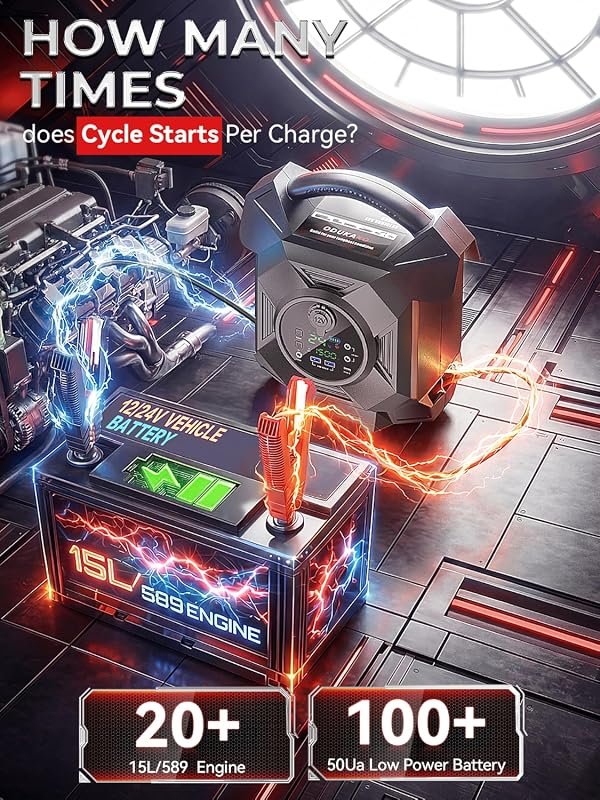 Best Overall
Truck Jump Starter Heavy Duty, CAT797 30000A 12V/24V 50L / R50 1500A 12V 3L Portable Lithium Battery
It offers the strongest all-around mix of fit, value, and practical daily use for Volvo owners.
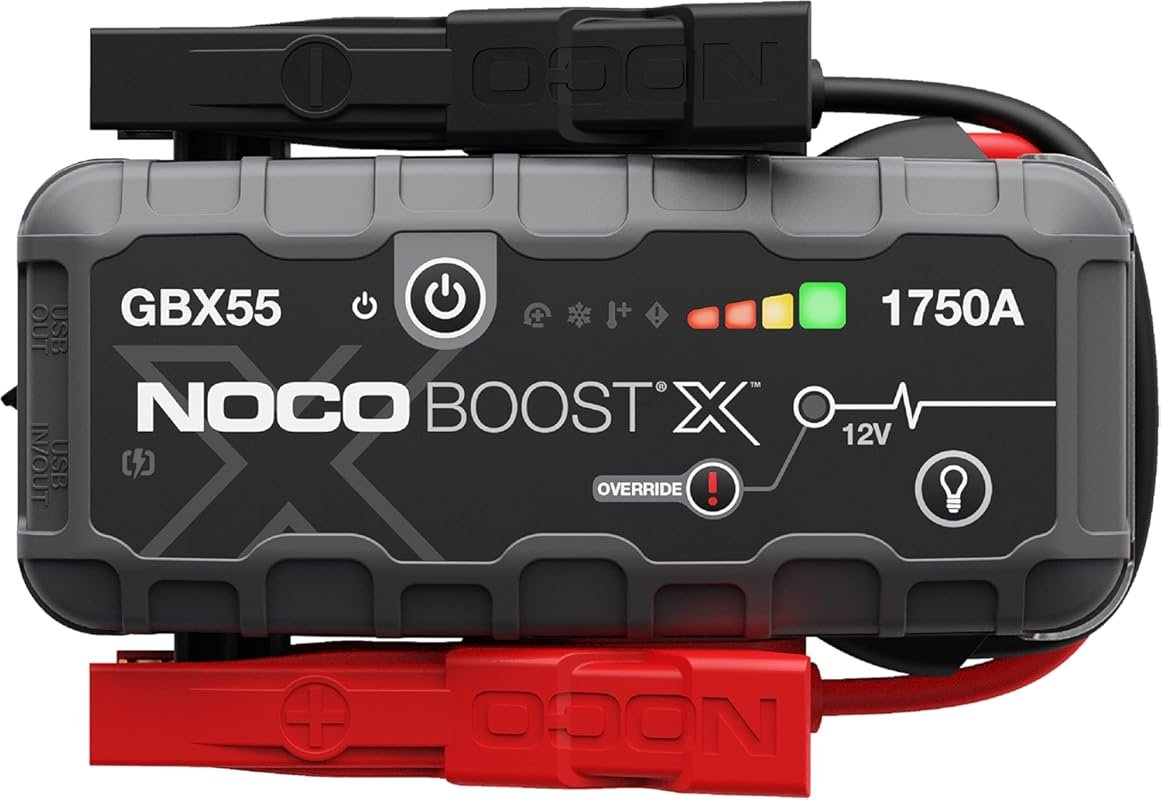 Best Value
NOCO Boost X GBX55: 1750A UltraSafe Jump Starter
It makes sense for owners who want a useful upgrade without paying more than necessary.
 Best Premium Option
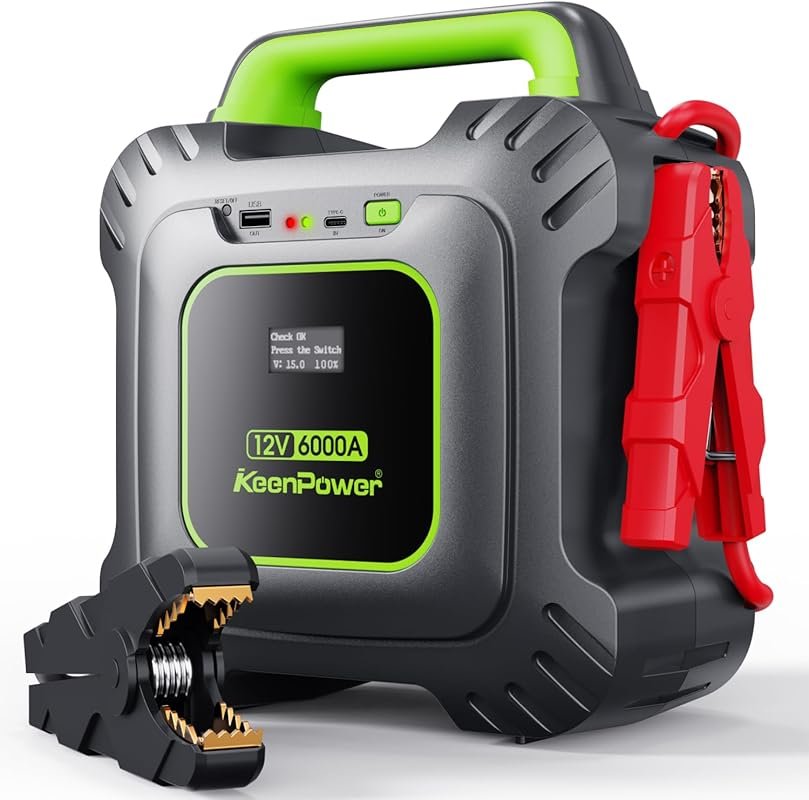
KeenPower 6000A Super Capacitor Jump Starter for All 12V Cars, Jump Box | No Traditional Battery, Po
It is the pick I would compare first if build quality, features, and long-term ownership value matter most.
Author

Author

Evans Torres
I’m Evans Torres, an automotive engineer who loves Volvo cars. I graduated in Automotive Engineering from USC. I have worked in the car industry for years and now share my knowledge on The Volvo Life. I started this blog to connect with other Volvo fans. I offer tips, news, and advice to help you care for your car. My goal is to help you keep your Volvo in great shape and find all the best things about it. Join me as we discover everything Volvo has to offer!