


jump starter for volvo for sale — choose a 12V lithium unit rated around 2000A peak (e.g., NOCO Boost GB70) for most XC60/XC90 gas models, and 3000A+ for diesels or sub-zero winters. Hybrid owners jump only the 12V battery using the under‑hood posts, never the high‑voltage pack.
Dead-battery mornings hit Volvos hardest in cold weather or with aging AGM batteries. Picking the right jump starter comes down to engine size, climate, and whether you drive gas, diesel, or a hybrid. For related context, you may also want to read Volvo scanner for sale.
The guide below sizes a booster by Volvo model, explains safe connection points, covers diesel and PHEV/EV exceptions, and shows exactly how to use and store it. Buying links and troubleshooting tips are included. For another practical angle, see do scanner for Volvo exist.
- Main point: Most gas Volvos are best served by a 12V lithium jump starter with ~2000A peak; diesels and deep-winter owners should step to 2500–3000A+.
- Best first step: Confirm your model’s jump posts in the owner’s manual and keep the booster at 60–100% charge.
- Cost or value: Quality units run $120–$300; heavy-duty 24V commercial boosters cost more.
- Who it suits: Daily commuters, cold‑climate owners, and anyone parking without nearby help.
- When to get help: Repeated no-starts in a week point to a failing battery/charging system — test or replace instead of re‑jumping.
Wants a compact booster that starts a 2.0T Volvo and doubles as a phone power bank.
Needs higher peak amps and better cold‑crank performance for sub‑zero starts.
Requires 12V/24V commercial units for Volvo trucks, loaders, or excavators.
What a Volvo Jump Starter Is — And How It Differs From a Charger
A jump starter is a portable power pack that delivers a short, high-current burst to crank your engine. Most modern car boosters are compact lithium units with smart protection against reverse polarity and short circuits.
A battery charger is different. Chargers replenish a weak battery over hours at low current; jump starters provide instant cranking power in seconds. If the car is dead in a parking lot, you want a jump starter — not a trickle charger.
Many SPA-era Volvos (XC90 2016+, XC60 2018+, S/V60 2019+) provide dedicated under‑hood positive and chassis ground points for jump starting. Using these posts protects sensitive modules from voltage spikes compared to clamping directly on the battery. This connects closely with is scanner for Volvo XC60 if you want to compare the topic in more detail.
Why Volvo Owners Should Keep a Jump Starter On Hand
Cold snaps drain cranking ability, especially below 0°F when oil thickens and batteries lose 20–40% capacity. A glovebox‑sized jump pack can turn a no‑start into a two‑minute detour.
Short‑trip city driving and infotainment updates can leave AGM batteries undercharged. PHEV T8 models rely on a small 12V battery to “wake” the car; a weak 12V means no drive, even with a full high‑voltage pack.
Remote start is convenient but not a fix for a flat battery. If you’re weighing remote features, see our overview of the Volvo app’s remote start capability, but carry a jump pack for true emergencies.
Here’s a quick sizing cheat sheet that maps typical Volvo scenarios to a practical booster rating. Choose the next tier up for high altitude or frequent sub‑zero use.
Most owners will be set with 2000A peak for gas models; diesels, big V8s, and severe cold benefit from 2500–3000A+ units for extra headroom.
| Scenario | Suggested peak amps | Why | Notes |
|---|---|---|---|
| XC40/XC60/S60/V60 2.0T (mild climate) | 1500–2000A | 2.0L gas turbo needs moderate burst | Look for smart clamps + reverse‑polarity protection |
| XC90 T5/T6 gas | 2000A | Larger displacement, more load | Units like NOCO GB70 or GOOLOO 2000A fit well |
| Older V8 (XC90 4.4L) | 2000–2500A | Higher cranking current for V8 | Healthy battery still recommended in winter |
| D5/Diesel (cars/SUVs) | 2500–3000A+ | High compression diesel needs extra amps | Prefer heavy‑duty clamps/cables |
| Below 0°F regularly | 2500A+ | Cold reduces battery output 20–40% | Store booster indoors overnight if possible |
| PHEV T8 (XC60/XC90) | 1500–2000A | Only wakes 12V system, not HV pack | Use designated posts; never touch orange cables |
| EX30/EX40/EC40/EX90 (BEV) | 1000–1500A | May power 12V system to wake car | Check model‑specific manual instructions |
Best Jump Starter Types for Volvo Cars and SUVs
Lithium jump starters are the sweet spot: compact, 1000–3000A peak ratings, USB‑C charging, and good safety electronics. They also double as power banks for phones and tire inflators.
Lead‑acid “cart” boosters deliver strong cranking but are bulky and lose charge faster in storage. They’re fine for a garage, less ideal for an XC60 cargo bin.
Smart‑protected clamps with reverse‑polarity, spark protection, and overload shutoff are worth paying for — especially on electronics‑dense Volvos.
- Select by engine and climate: 1500–2000A for 2.0T gas; 2000A for XC90 gas; 2500–3000A+ for diesels or deep winter.
- Charge monthly or after every use; store at 50–80% if unused for long periods.
- Prefer units with metal, wide‑jaw clamps and short, thick cables.
- Keep it accessible: door bin or frunk pocket beats buried under cargo.
Volvo Model‑Based Jump Starter Guide
XC90 gas (T5/T6): 2000A peak is a solid match. Older 4.4L V8 owners should consider 2500A for winter confidence. You can also use is scanner for Volvo XC90 as a helpful next guide on the same ownership topic.
XC60/XC40/S60/V60 2.0T: 1500–2000A works across B5/B6 mild hybrids. Pick the higher end in cold climates.
V90/S90: 2000A covers gas trims comfortably; 2500A if winter starts are routine.
C30/C70/S40/V50 (older platforms): 1000–1500A can work, but age‑weary batteries make 1500–2000A the safer buy.
Jump Starters for Volvo Diesel, Hybrid, and Electric Models
Diesel Volvos demand more burst current due to higher compression. A 2500–3000A lithium unit (or heavy‑duty lead‑acid pack) is the right call for consistent one‑try starts.
Hybrids (T8 Recharge) and BEVs use a separate 12V system to power controls. You may only “wake” the car using the 12V posts; never connect to or probe the orange high‑voltage components.
Never attempt to jump the high‑voltage battery on a PHEV or BEV. Only use the designated 12V jump points shown in the owner’s manual. If you cannot locate them, contact a Volvo dealer or roadside assistance.
Jump Starters for Volvo Trucks and Heavy Equipment
Volvo Trucks and Volvo Construction Equipment often run 24V systems or large‑displacement diesels. Consumer 12V car boosters are inadequate here.
Use commercial‑grade 12V/24V boosters or a slave‑start cart rated for big diesels. Fleet operators should follow manufacturer procedures or call a mobile heavy‑duty service to prevent ECU damage.
What Size Jump Starter You Need: Amps, Voltage, and Temperature
Five factors set the spec: 12V system voltage, engine size, gas vs diesel, ambient temperature, and cable/clamp quality. Peak amps are the headline, but true cranking capability and cold‑weather performance matter more.
If you’re between sizes, pick the next tier up — extra headroom reduces heat, cable loss, and repeated attempts in winter.
Diesel > gas for amp demand; winter > summer for difficulty; older batteries > new for required margin. Size your booster with the toughest conditions you expect, not yesterday’s easy start.
How to Use a Jump Starter on a Volvo Safely
Volvo provides model‑specific jump posts; using them limits voltage spikes into sensitive modules. Read your manual first, then follow these steps carefully — and avoid arcing by making calm, deliberate connections. For alarm‑specific tips on a P3 S60, see our guide on how to jump‑start a 2012 S60 without triggering the alarm.
Do not jump a swollen, frozen, or leaking battery. Ventilated areas only — batteries can emit explosive gas. If you see smoke, hissing, or a chemical smell, stop and call roadside assistance.
- Find the jump posts: Open the hood and locate the marked positive (+) post and chassis ground point; avoid clamping directly to battery negatives on SPA/CMA cars.
- Power down loads: Switch off lights, HVAC, audio, and unplug accessories to reduce draw.
- Connect clamps: Red to the positive post first, black to the designated ground point second. Ensure solid metal contact.
- Arm the booster: Turn on the jump starter. Wait a few seconds for any safety checks to pass (status light steady).
- Start the engine: Crank for up to 3–5 seconds. If it fails, wait 30 seconds and try once more. Disconnect in reverse order and let the engine idle 15 minutes.
Volvo’s official guidance for jump‑starting and post locations is available in the owner’s manual and on Volvo Support. Always defer to the manual for your exact model year.
How to Charge and Store a Jump Starter in Winter
Recharge after every use and top up monthly. Lithium boosters prefer 50–80% charge for long storage; check the manual for the maker’s specific recommendation.
Avoid leaving the unit in sub‑freezing temps overnight. Store indoors when possible and warm it for 10–15 minutes before use for better cold‑crank output.
Where to Buy a Jump Starter for Volvo
Amazon and major auto parts stores stock reputable brands and easy returns. Best Buy carries popular models with in‑store pickup. Volvo dealers may offer branded packs at a premium.
Check seller authenticity and warranty terms. Beware too‑cheap listings with misspelled branding — counterfeits often fail under load or lack proper safety circuits. For XC90 owners exploring convenience features, see whether an XC90 remote‑start key is available — but remember, remote start won’t revive a flat battery.
Jump Starter Troubleshooting
No lights on the booster usually means it isn’t charged — plug it in for at least 20–30 minutes and try again. A fast beep or red light often signals reverse polarity or a poor ground.
Still no start? Check clamp bite on bare metal, try the booster’s “override” (if provided) only after confirming polarity, and verify the vehicle battery isn’t physically damaged. A unit that’s too small for a diesel or deep winter may time out before cranking.
Common Mistakes to Avoid — And When to Replace the Battery
Wrong clamp order, using the battery negative instead of the chassis ground on newer Volvos, and jumping a visibly damaged battery top the list. Rushing connections invites arcing.
Needing two or more jumps in a week points to a failing battery or charging fault. At 4–6 years old, most Volvo AGM batteries are due; test and replace rather than relying on a booster.
A jump pack is a safety net, not a cure-all. Pick the right size, learn your under‑hood posts, and keep it charged — that’s 90% of the battle.
💡 Evans Torres Tip: My XC90 lives outside in Colorado, so I carry a 2000A lithium booster year‑round. The one time the battery sagged at 5°F, it started on the first try. I keep the pack in a door pocket, top it up on the first of every month, and I ran one practice drill at home — it makes the real thing calm and fast.
Frequently Asked Questions
This section gathers the most common buyer and usage questions — sizing by model, hybrid safety, winter storage, and troubleshooting. Use it to confirm edge cases before you purchase, and to double‑check safe steps if you’re jump‑starting for the first time in a tight spot.
What size jump starter is best for a Volvo XC90?
A 2000A peak lithium jump starter is the sweet spot for XC90 gas models (T5/T6). For older V8 trims or regular sub‑zero starts, move to 2500A. Diesel XC90s need 2500–3000A+. Extra headroom helps overcome cold‑weather losses and avoids multiple crank attempts.
Can a jump starter damage Volvo electronics?
Quality boosters with reverse‑polarity and surge protection are safe when used on the designated posts. Connect red to the positive jump post and black to the chassis ground, not the battery negative. Avoid bargain units with flimsy clamps or missing safety features to reduce risk.
Is it safe to jump‑start a Volvo hybrid (T8 Recharge)?
Yes — but only the 12V system. Use the under‑hood positive post and chassis ground. Never touch orange high‑voltage cables or attempt to jump the HV battery. If you are unsure where the posts are, consult the manual or Volvo Support before trying.
How often should I charge a jump starter I keep in my Volvo?
Top up monthly and after every use. Lithium boosters lose charge slowly but prefer 50–80% for long storage. In winter, bring the pack indoors overnight and warm it briefly before use for stronger output.
Will a 1000A unit start a 2.0T Volvo in winter?
It may work in mild temps on a healthy battery, but below freezing a 1000A unit often struggles. For XC40/XC60/S60 2.0T engines, 1500–2000A is a more reliable choice, especially at or below 0°F where batteries lose significant capacity.
Where should I buy a jump starter — dealer or online?
Online retailers and auto parts stores offer broader selection and competitive prices ($120–$300 for quality units). Dealers may sell branded packs at higher cost. Prioritize reputable sellers, clear warranty, and proven models with strong owner reviews.
Can remote start replace carrying a jump starter?
No. Remote start is convenient but still needs a healthy 12V battery to operate. It won’t revive a flat battery. Keep a booster in the car, and review our resource on the Volvo remote start app if you want climate pre‑conditioning.
What should I do if my Volvo needs multiple jumps in a week?
Stop relying on the booster and test the battery and charging system. A 4–6‑year‑old AGM is near end‑of‑life; replace it to protect starters and electronics. Persistent drains or alternator faults need diagnosis by a Volvo‑experienced shop.
Final Verdict
A 12V lithium jump starter in the 2000A class covers most gas Volvos; diesels and deep‑winter drivers should choose 2500–3000A+. That single decision prevents the “too small to crank” mistake.
Practice once at home, keep the unit charged, and use the under‑hood posts. If you’re jumping more than once a week, test and replace the battery instead of leaning on the booster.
Buy from reputable sellers, prioritize smart‑protected clamps, and size for your worst weather — not yesterday’s easy start.
My Top Picks at a Glance
Here are the three jump starter sale options I would check first if you want a faster buying decision.
These picks highlight the strongest overall choice, the best value option, and the premium-style pick for practical Volvo ownership.
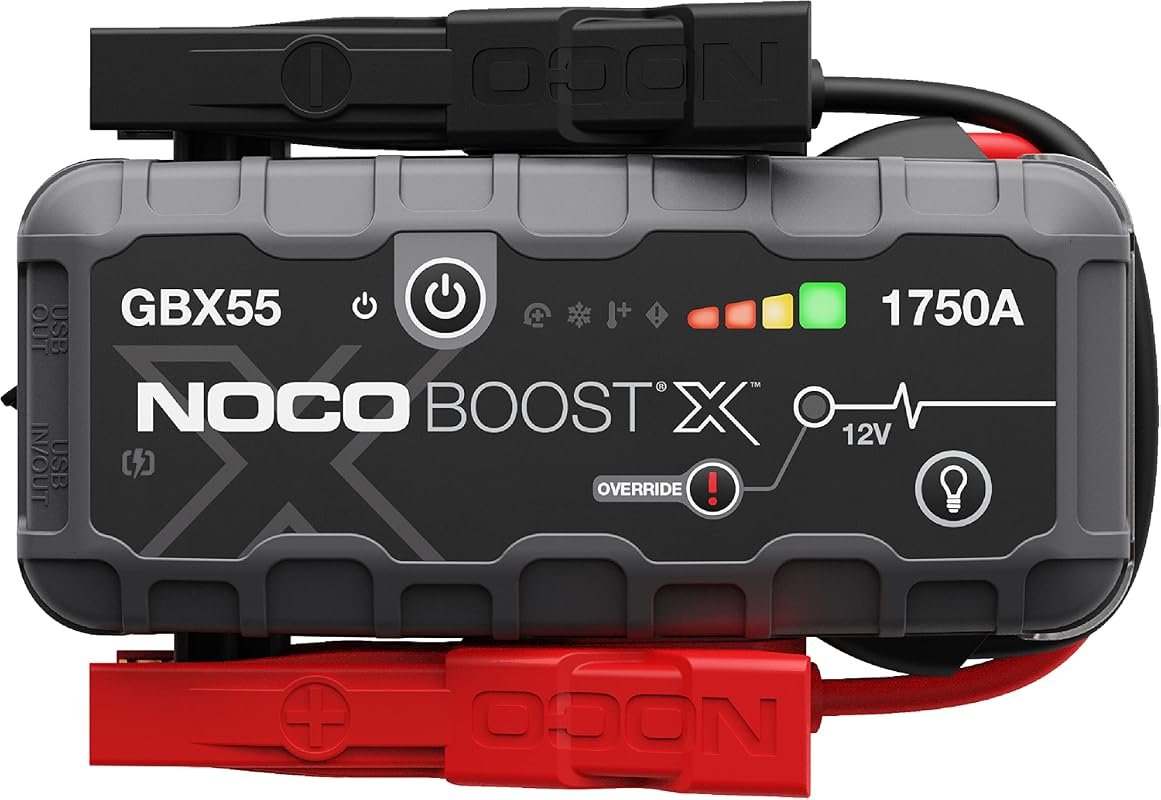 Best Overall
NOCO Boost X GBX55 1750A UltraSafe 12V jump starter, power bank, spark-proof, for 7.5L gas/5.0L diesel
It offers the strongest all-around mix of fit, value, and practical daily use for Volvo owners.
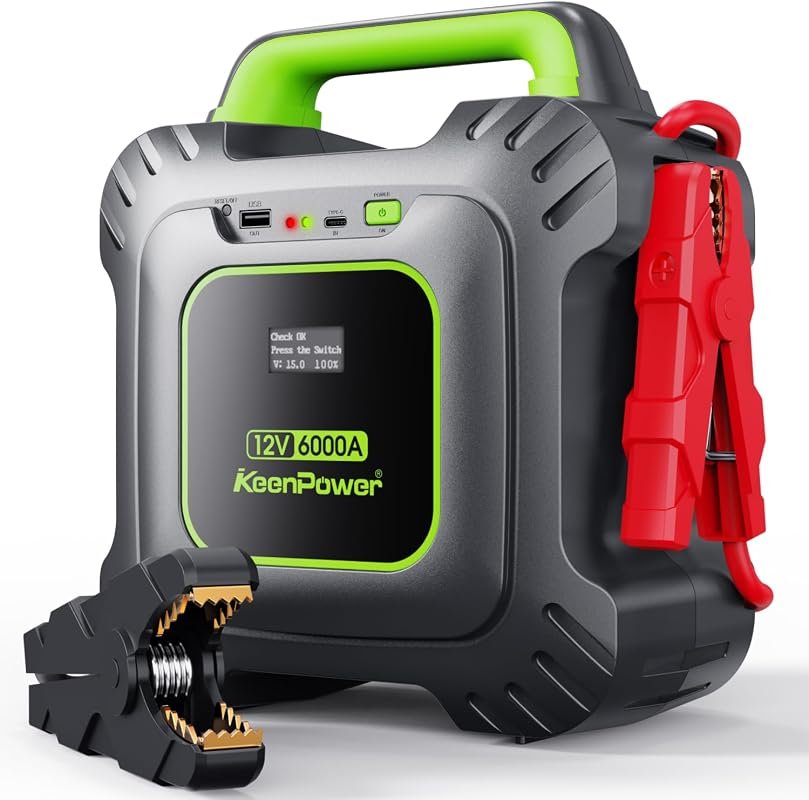 Best Value
KeenPower 6000A supercapacitor jump starter for 12V cars, 1-minute fast charge, works to -45°F, no battery
It makes sense for owners who want a useful upgrade without paying more than necessary.
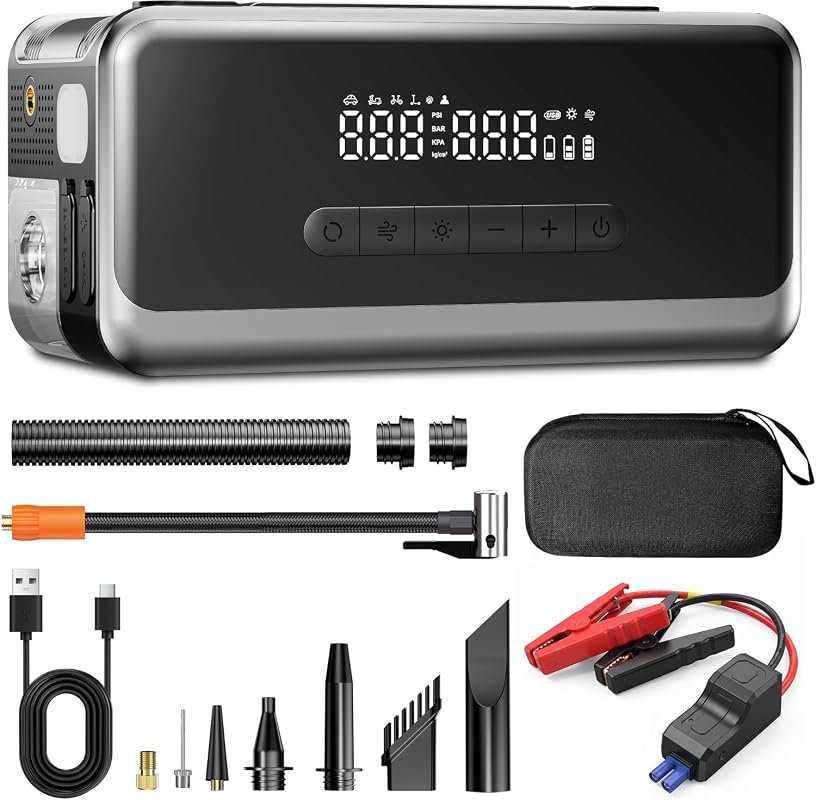 Best Premium Option
Portable 4000A 12V jump starter with tire inflator and LED light, for 9.0L gas/8.0L diesel
It is the pick I would compare first if build quality, features, and long-term ownership value matter most.
Author

Author

Evans Torres
I’m Evans Torres, an automotive engineer who loves Volvo cars. I graduated in Automotive Engineering from USC. I have worked in the car industry for years and now share my knowledge on The Volvo Life. I started this blog to connect with other Volvo fans. I offer tips, news, and advice to help you care for your car. My goal is to help you keep your Volvo in great shape and find all the best things about it. Join me as we discover everything Volvo has to offer!