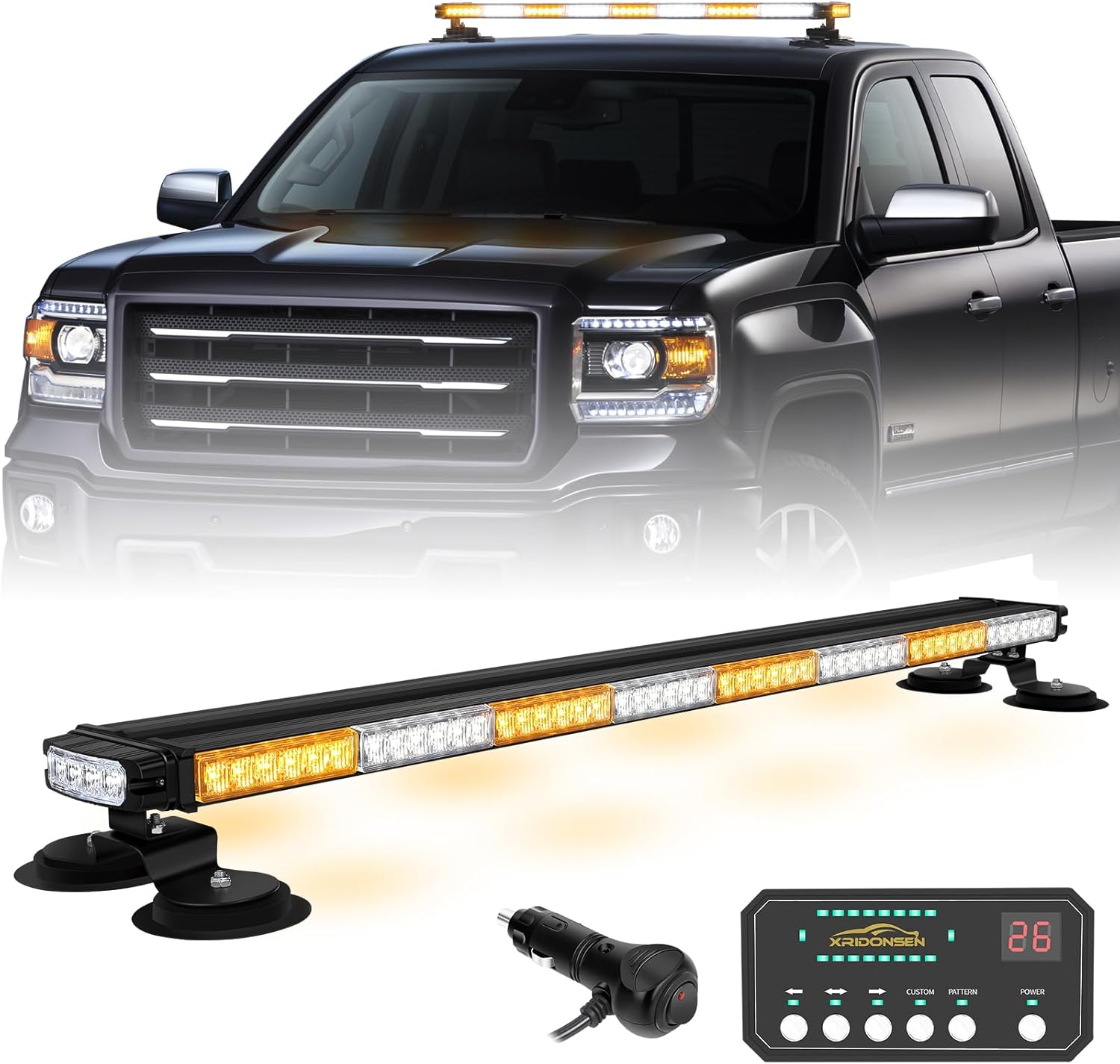



C jump starter for Volvo where to buy — pick a 12V lithium jump starter rated 2000–3000 peak amps for most Volvo cars and SUVs, then buy from Amazon, Best Buy, or a major auto parts store via authorized sellers to avoid clones. Diesels and sub-zero climates benefit from 3000A units.
A dead battery in a Volvo often strikes on the coldest morning or at the worst parking spot. The right portable jump starter turns a no-start into a two-minute fix without flagging down a stranger for cables. You can also use how to change starter on Volvo d13 as a helpful next guide on the same ownership topic.
This guide covers sizing by model and climate, diesel and hybrid notes, safe connection steps, storage care, troubleshooting, and exactly where to buy a genuine unit in the USA. For another practical angle, see best used Volvo car to buy.
- Main point: Most Volvo owners are best served by a 12V lithium jump starter with 2000–3000 peak amps and smart safety protection.
- Best first step: Check your owner’s manual for jump-start terminals and keep the booster charged above 60%.
- Cost or value: Expect $90–$180 for quality 2000A–3000A units; heavy-duty or 24V packs cost more.
- Who it suits: Daily commuters, cold-climate drivers, and owners of Volvos with 5–7-year-old AGM batteries.
- When to get help: Repeated no-starts or swelling/leaking batteries call for replacement and a charging system check.
Wants a reliable, glovebox-sized booster to get to work even when the battery sags.
Faces winter CCA drop — needs a higher-amp pack and storage tips that actually work below freezing.
Runs Volvo trucks/equipment and needs 12V/24V commercial-grade starting power.
What a Jump Starter for Volvo Is — And How It Differs from a Battery Charger
A portable jump starter delivers a short, high-current burst to crank the engine immediately. It’s a “start now” tool, not a charger.
A battery charger restores charge slowly over hours. Smart chargers maintain batteries, but they won’t crank a stone-dead battery on the spot.
Modern lithium jump starters include reverse-polarity and short-circuit protection. Many also double as power banks for phones and tire inflators — handy on long trips.
Why Volvo Owners Should Keep a Jump Starter in the Car
Cold snaps, aging AGM batteries, and short-trip driving routines all raise the odds of a no-start. A compact lithium booster turns that risk into a quick, solo recovery.
Remote trailheads, airport parking, and urban curbside spots rarely offer easy access to jumper cables. A pack in the trunk saves time and reduces stress.
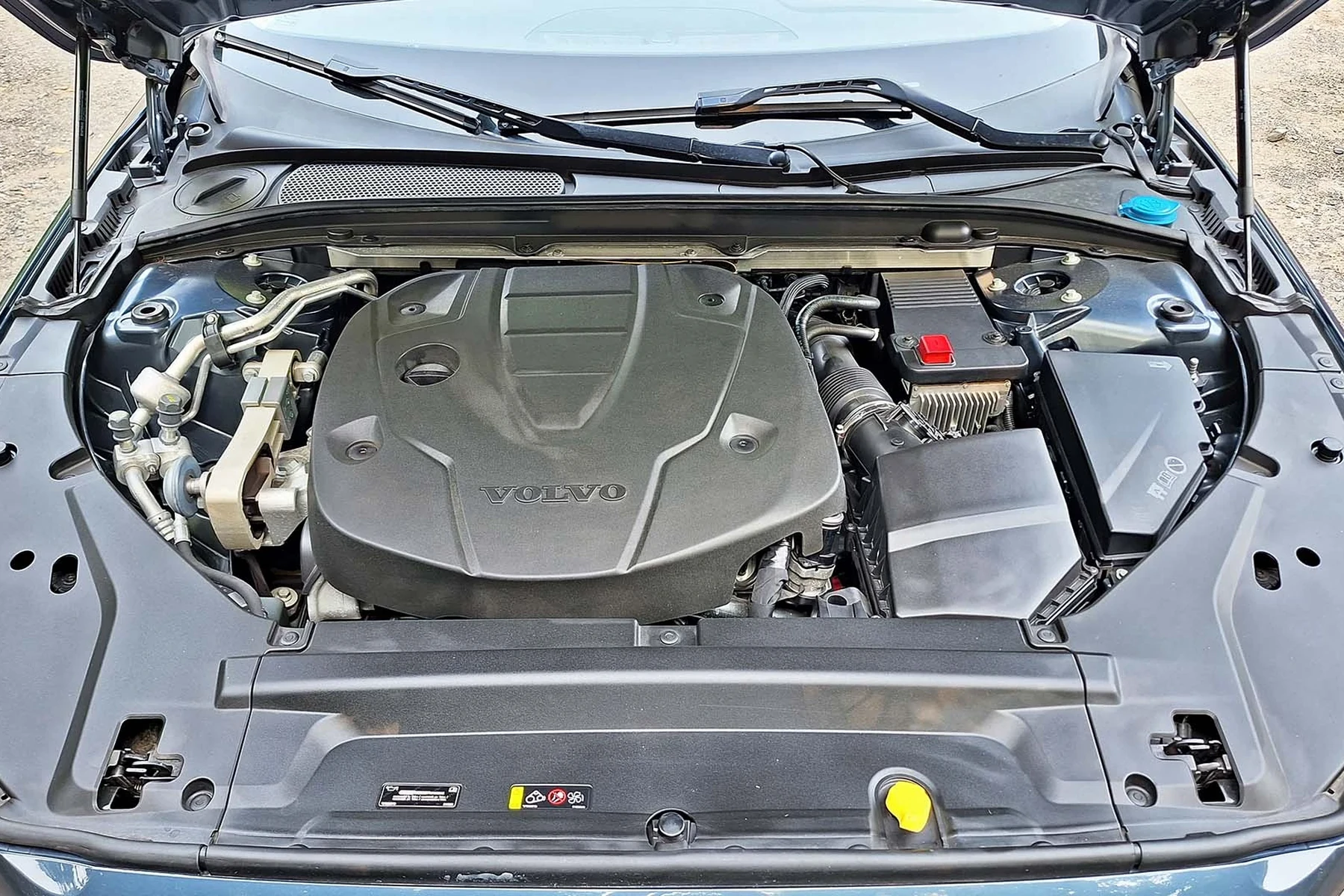
Volvo manuals specify designated positive and ground jump-start points. Using those posts reduces arc risk and protects sensitive electronics more than clamping directly to the battery terminals.
Here is a summary of common situations where a jump starter pays for itself and the size to carry.
Pick the smallest unit that meets your engine size, fuel type, and climate. For many U.S. Volvos, 2000A is plenty; diesels and sub-zero winters justify 3000A.
| Scenario | Why a booster helps | Recommended size |
|---|---|---|
| Winter morning, gas 4-cyl | CCA drop causes slow crank | 1500–2000A |
| XC90 T6/T8 road trip | Peace of mind far from help | 2000–3000A |
| City parking/no nearby cars | Self-recovery without cables | 2000A |
| Older AGM battery (5–7 yrs) | Voltage sag under load | 2000–3000A |
| D5/Diesel (Europe) or cold states | Higher compression needs more current | 3000A |
| Fleet/HD truck (24V) | Dual-battery or 24V systems | 24V commercial pack |
Best Jump Starter Type for Volvo Cars and SUVs
Lithium jump starters dominate for Volvo owners: compact, fast-charging, and strong peak output. Look for smart protection (reverse-polarity, spark-proof clamps) and at least 1500A for small engines or 2000–3000A for larger gas/diesel.
Lead-acid “booster boxes” are heavier but can offer steadier cranking at extreme cold; they’re better for shops than gloveboxes.
| Type | Typical peak amps | Best for | Approx price | Verdict |
|---|---|---|---|---|
| Lithium compact | 1500–3000A | Most Volvo cars/SUVs | $90–$200 | Top pick for owners |
| Heavy-duty lithium | 3000A+ | Diesels, deep cold | $180–$300 | Worth it if winter-bound |
| Lead-acid booster | 1000–1700A | Shops, frequent use | $120–$250 | Bulky, durable |
| 12V/24V commercial | 2000A+ (12V) / 24V | Volvo Trucks/CE | $300–$800+ | Fleet-grade |
For glovebox carry, a 2000A lithium unit with smart clamps is the sweet spot for most U.S. Volvo owners.
Volvo Model-Based Jump Starter Sizing Guide
Pick rating by engine displacement, fuel type, and climate. Aim higher if you routinely see below 0°F or your battery is 5+ years old.
- XC90 (T5/T6/T8): 2000–3000A. Go 3000A if winter temps dip under 10°F or towing frequently.
- XC60/XC40/S60/V60 (gas): 2000A is a strong baseline; 2500–3000A for harsh winters.
- V90/S90 (gas): 2000–2500A. Choose 3000A for sub-zero starts.
- Older P2/P3 (S80/V70/XC70): 2000A; older wiring/grounds appreciate the headroom.
- Compact models (C30/C70/V40): 1500–2000A is typically sufficient.
Unsure about your battery’s health? A booster gets you going, but plan a test and potential replacement if cranking slows again within days.
Jump Starters for Volvo Diesel, Hybrid, and Electric Models
Diesel Volvos need more starting current due to higher compression — favor 3000A lithium units. For PHEV T8 models, you boost the 12V battery only, never the high-voltage pack.
Fully electric EX30/EX40/EX90 don’t need engine cranking, but a weak 12V system can still immobilize the car. Follow the manual for 12V support points and procedures. This connects closely with how to use a professional car scanner for Volvo vehicles if you want to compare the topic in more detail.
Never connect a jump starter to a hybrid or EV’s high-voltage battery. Only use the marked 12V posts. If you’re not sure which terminals are safe, consult the owner’s manual or Volvo Support before attempting a boost.
Jump Starter Options for Volvo Trucks and Heavy Equipment
Volvo Trucks and Volvo Construction Equipment often run dual 12V batteries or 24V systems. Consumer 12V packs won’t cut it for large industrial diesels.
Use a commercial 12V/24V jump pack or a slave-start trolley designed for heavy-duty diesels. Fleet managers should standardize on a 24V-capable solution and document safe connection points for each machine. For related context, you may also want to read are scanner for Volvo safe to use.
What Size Jump Starter You Need: Amps, Voltage, Engine, and Weather
Five factors decide sizing: battery voltage (12V cars vs 24V trucks), engine size, fuel type, temperature, and battery age. More peak amps give margin on cold mornings and older batteries.
Match voltage first, then choose peak amps with climate and displacement in mind. It’s better to have 20% extra headroom than to own a booster that struggles.
| Vehicle/fuel | Engine size | Climate | Recommended peak amps |
|---|---|---|---|
| Gas 4-cyl (S60/XC40) | 1.5–2.5L | Above 20°F | 1500–2000A |
| Gas 4–6 cyl (XC60/V60) | 2.0–3.0L | 0–20°F | 2000–2500A |
| XC90 T6/T8 | 2.0L turbo/super | Below 0°F | 2500–3000A |
| Diesel (D4/D5) | 2.0–2.4L | Any winter | 3000A |
| Volvo Trucks/CE | Large diesel | Any | 24V commercial |
- Charge your booster every 2–3 months; top up after each use.
- In sub-freezing temps, warm the pack in the cabin for a few minutes before cranking.
- Clamp the negative to the factory ground point or a bare chassis stud — not the battery negative unless the manual allows it.
- Limit crank attempts to 3–5 seconds; rest 30–60 seconds between tries.
How to Use a Jump Starter for Volvo Safely
Using the correct posts and order prevents sparks and protects electronics. Read your specific model’s jump-start page in the manual, then follow these steps at the roadside.
- Prepare the car: Park safely, hazards on, all accessories off. Locate the positive and ground posts under the hood (see manual or Volvo Support).
- Ready the booster: Ensure at least 60% charge. In cold weather, warm it inside the cabin for a few minutes.
- Connect positive (+): Attach the red clamp to the marked positive jump post or battery + terminal.
- Connect ground: Attach the black clamp to the designated ground stud or clean, unpainted chassis metal — not the battery negative unless Volvo specifies it.
- Power on and wait: Switch the booster on. Allow it to indicate “ready.”
- Start the engine: Crank for up to 3–5 seconds. If it doesn’t start, wait 30–60 seconds and try once more.
- Disconnect safely: Remove the black clamp first, then red. Turn the booster off and stow it.
- Let it recharge: Drive for 20–30 minutes or take a longer trip to replenish the 12V battery; schedule a battery test if the problem returns.
Stop immediately if you see battery swelling, cracking, or leaking acid. Do not jump or charge a damaged battery — replace it and have the charging system tested.
Using your Volvo as the donor instead? Review our step-by-step on how to use a Volvo to jump start another car safely. Concerned about setting off an older S60’s alarm during a boost? See this alarm-friendly S60 jump-start method.
How to Charge and Store Your Jump Starter in Winter
Lithium packs lose capacity in the cold, so store them inside the cabin rather than the trunk. Aim to keep charge above 60% and cycle a top-up every 60–90 days.
Most boosters specify a safe operating/storage temperature; follow the manual. As a rule, avoid leaving them in direct summer sun or below-freezing storage for weeks at a time.
Where to Buy a Jump Starter for Volvo (USA)
Buy from channels that list authorized sellers and offer easy returns. Counterfeit clamps and mis-labeled batteries are common on gray-market listings.
- Amazon: Choose the brand’s official store or “Sold by [Brand] and Fulfilled by Amazon.” Check warranty and serial-number registration.
- Best Buy: Good selection of mainstream lithium boosters with in-store pickup and returns.
- Auto parts stores (AutoZone/O’Reilly/Advance): Reliable over-the-counter brands and warranty support.
- Costco/Sam’s Club: Seasonal bundles with strong return policies; check amp ratings closely.
- Volvo dealer: Limited selection, often higher price; helpful if you want OEM-recommended accessories.
Beware of clone units with inflated amp claims. Common red flags: price far below market, missing UL/ETL safety marks, and no serial number for warranty registration.
Jump Starter Troubleshooting
No crank even with a booster usually means one of four things: the pack isn’t charged, the clamps aren’t on the correct posts, the ground connection is poor, or the booster is undersized for the engine/climate.
- No lights on the unit: Recharge fully; some packs won’t output below 20–30% SOC.
- Sparks/error beeps: Reverse-polarity protection may be active — recheck clamp positions.
- Still won’t start: Clean a better ground point, warm the pack, or step up to a higher-amp booster.
- Cranks then dies: Battery or alternator likely needs testing; don’t mask a failing battery with repeated jumps.
Common Mistakes to Avoid — And When to Replace the Battery Instead
Wrong clamp order, clamping to painted metal, and long crank attempts overheat both the starter and booster. Limit each crank to a few seconds and move the black clamp to a clean chassis stud.
Needing two or more jumps in a week is a replacement signal, not a “keep jumping it” cue. Most Volvo batteries last 4–6 years; test and replace promptly to protect electronics.
Shopping for a new battery? Even if you don’t drive an S80, the selection logic in our guide to the best battery to buy for Volvo S80 explains group size, CCA, and AGM choices that apply broadly across Volvo models.
Prefer warming the cabin without idling? Understand app-based engine starts and costs in our explainer do you have to pay for Volvo remote start before relying on it in winter.
💡 Evans Torres Tip: I carry a 2000A lithium booster in my XC60 year-round. It fired a neighbor’s S60 at 12°F after two short cranks — the trick was using the chassis ground stud, not the battery negative. I top it up at the start of each month and toss it on the house charger after any use so it’s always ready.
Frequently Asked Questions
These quick answers clarify the most common buying and usage doubts: the right amp rating by model, hybrid/EV safety, winter storage, and what to do when a booster doesn’t work. Bookmark this section before you shop or use your new unit.
What size jump starter do I need for a Volvo XC90?
A 2000–3000A lithium unit covers T5/T6/T8 XC90 models. Choose 3000A if you see sub-zero winters or want extra headroom for an older battery. The higher rating reduces cranking time and improves success on the first attempt.
Will a jump starter work on a Volvo T8 hybrid?
Yes — but only on the 12V system using the marked posts. Never connect to the high-voltage battery. The 12V wakes the control modules; once powered, the car can enter ready mode. Always follow the manual’s exact terminal locations.
Do I need a special jump starter for diesel Volvos?
Favor 3000A lithium units for diesels due to higher compression and glow plug loads. In very cold climates, a heavy-duty pack makes the difference between a slow crank and a confident start. Keep it warm before use for maximum output.
How often should I charge my jump starter?
Top up every 2–3 months and after each use. Many packs self-discharge slowly, but staying above 60% ensures full current delivery, especially in cold weather. Set a calendar reminder so the booster isn’t flat when you actually need it.
Is using a jump starter safe for Volvo electronics?
Modern boosters with reverse-polarity and spark-proof protection are safe when connected to the correct posts in the correct order. The bigger risk comes from incorrect clamping or jumping a physically damaged battery. Use the chassis ground stud when provided.
Why won’t my Volvo start even with a jump starter?
Common causes include a discharged booster, poor ground clamp, undersized pack for the engine/climate, or a deeper issue like a failed battery or alternator. Clean the ground point, warm the pack, and try one more 3–5 second crank. If it still fails, test/replace the battery.
Where is the best place to buy a jump starter in the USA?
Amazon via the brand’s official storefront, Best Buy, and national auto parts stores offer the best mix of selection, warranty, and returns. Avoid suspiciously cheap marketplace listings without UL/ETL marks or serial-number registration — those are often clones.
Can I store the jump starter in my trunk all winter?
It will work, but capacity drops in deep cold. Move it to the cabin in freezing weather and warm it briefly before use. Check the manual’s storage temperature range; most recommend avoiding prolonged sub-freezing or high-heat storage.
Final Verdict
For most Volvo owners, a smart 12V lithium jump starter rated 2000–3000A is the right buy. It’s compact, safe, and powerful enough for XC40–XC90 models, with 3000A favored for diesels and sub-zero starts.
Buy from an authorized U.S. retailer, learn your under-hood jump points, and keep the pack charged quarterly. If you need two jumps in a week, schedule a battery test — a reliable Volvo starts with a healthy 12V system.
My Top Picks at a Glance
Here are the three c jump starter to buy options I would check first if you want a faster buying decision.
These picks highlight the strongest overall choice, the best value option, and the premium-style pick for practical Volvo ownership.
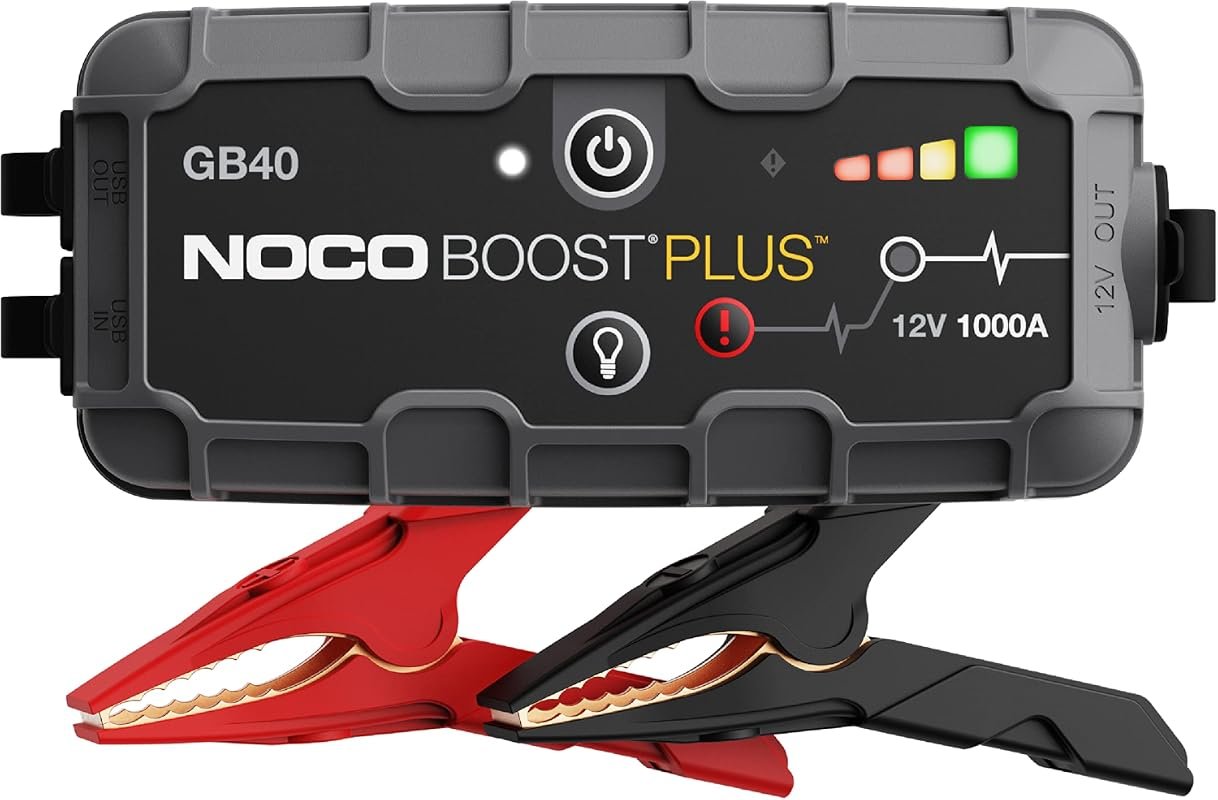 Best Overall
NOCO Boost GB40 1000A 12V UltraSafe jump starter, spark-proof, reverse polarity protection, up to 6.0L gas/3.0L diesel
It offers the strongest all-around mix of fit, value, and practical daily use for Volvo owners.
 Best Value
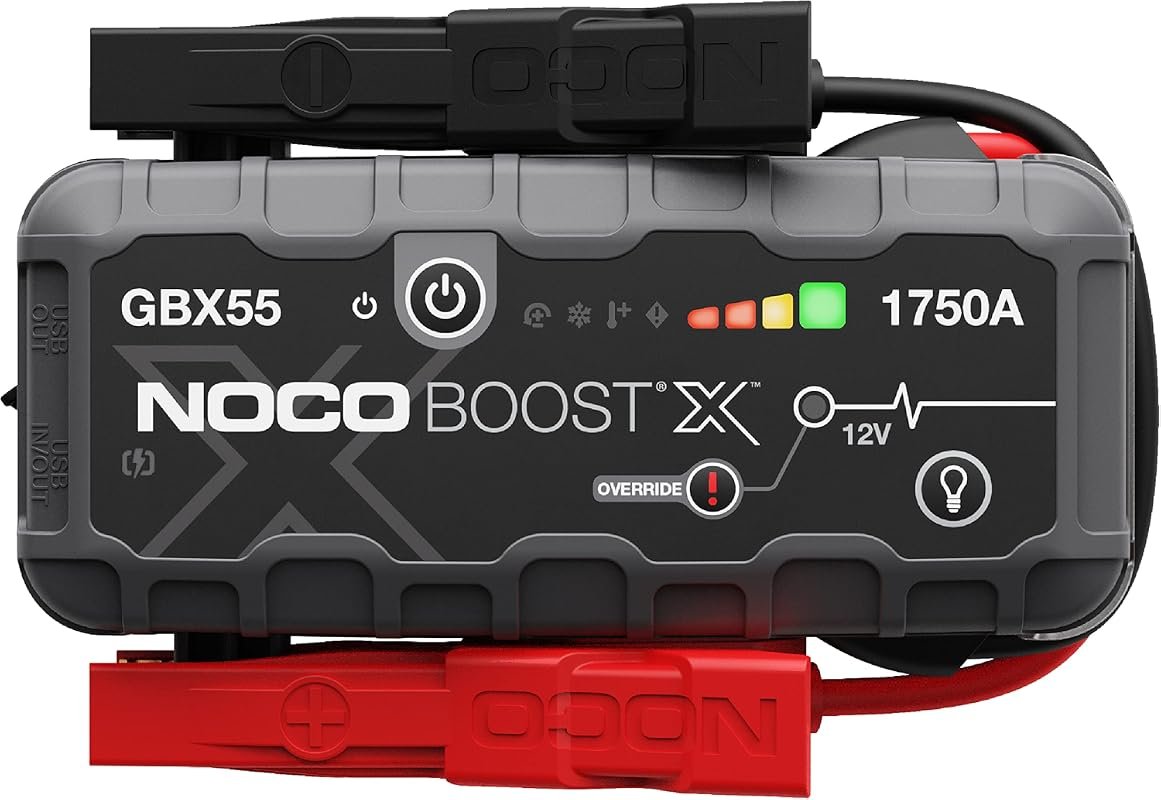
NOCO Boost X GBX55 1750A 12V UltraSafe jump starter, spark-proof, reverse polarity protection, for 7.5L gas/5.0L diesel
It makes sense for owners who want a useful upgrade without paying more than necessary.
 Best Premium Option
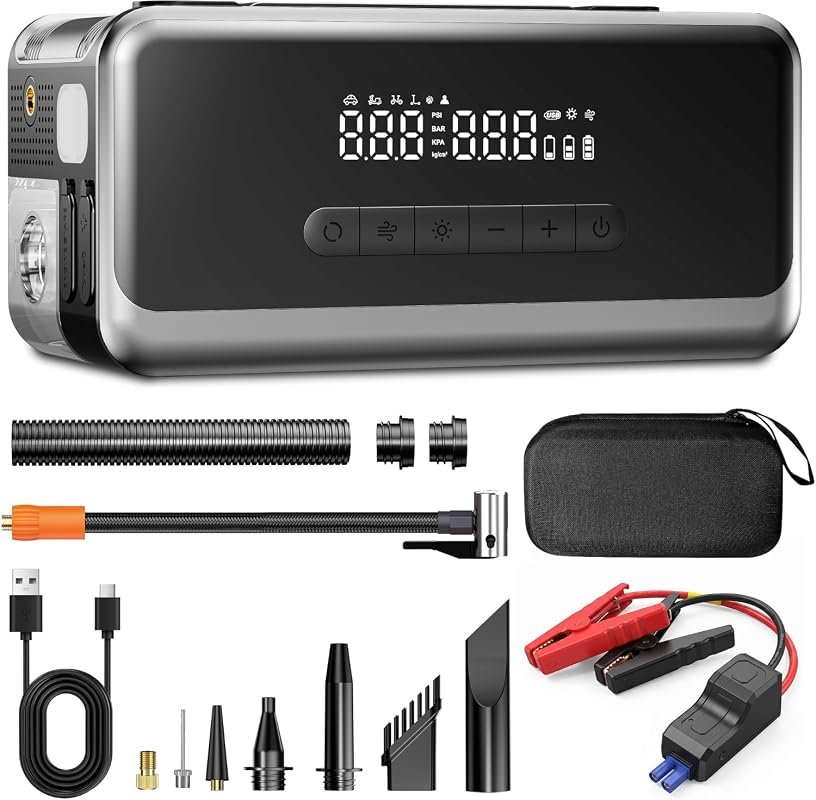
Portable 4000A 12V car battery jump starter with air compressor for up to 9.0L gas/8.0L diesel
It is the pick I would compare first if build quality, features, and long-term ownership value matter most.
Author

Author

Evans Torres
I’m Evans Torres, an automotive engineer who loves Volvo cars. I graduated in Automotive Engineering from USC. I have worked in the car industry for years and now share my knowledge on The Volvo Life. I started this blog to connect with other Volvo fans. I offer tips, news, and advice to help you care for your car. My goal is to help you keep your Volvo in great shape and find all the best things about it. Join me as we discover everything Volvo has to offer!