


jump starter for volvo c90 — choose a 12V lithium booster rated 2000–3000 peak amps (e.g., NOCO GB70/GB150) for large Volvo SUVs; step up to 2500A+ for diesels or below‑0°F climates. Hybrids use the 12V terminals only; fully electric Volvos typically don’t need a booster.
A dead battery on a Volvo often shows up on a cold morning or after leaving lights on. A compact lithium booster sized correctly for your engine means you can be moving again in minutes without waiting for roadside help. For related context, you may also want to read is scanner for Volvo XC60.
Below you’ll find sizing by model, diesel and hybrid notes, safe hookup steps, winter storage tips, and where to buy with confidence. You can also use do scanner for Volvo exist as a helpful next guide on the same ownership topic.
- Main point: For most Volvo cars/SUVs, a 12V lithium jump starter with 2000–3000 peak amps covers gas engines; diesels and deep‑cold starts need more headroom.
- Best first step: Check your owner’s manual jump posts and keep the booster at 60–100% charge.
- Cost or value: Quality lithium packs run about $100–$300; heavy‑duty 12/24V commercial units cost more.
- Who it suits: Daily commuters, cold‑climate owners, and road‑trip families benefit most.
- When to get help: Swollen/leaking batteries, repeated no‑starts, or 24V trucks/equipment require a pro.
Wants a compact booster that reliably starts a Volvo after work or airport parking.
Needs extra peak amps and good low‑temp performance for sub‑freezing mornings.
Runs Volvo trucks or construction gear and needs 12/24V commercial‑grade solutions.
What a Jump Starter Does for a Volvo vs. a Battery Charger
A portable jump starter provides a short burst of high current to crank the engine immediately. It doesn’t recharge the battery; it just helps the starter motor turn the engine over.
A battery charger (or maintainer) restores the battery’s state of charge over hours. It’s ideal for storage or gentle recovery, but it won’t spin a weak engine right now.
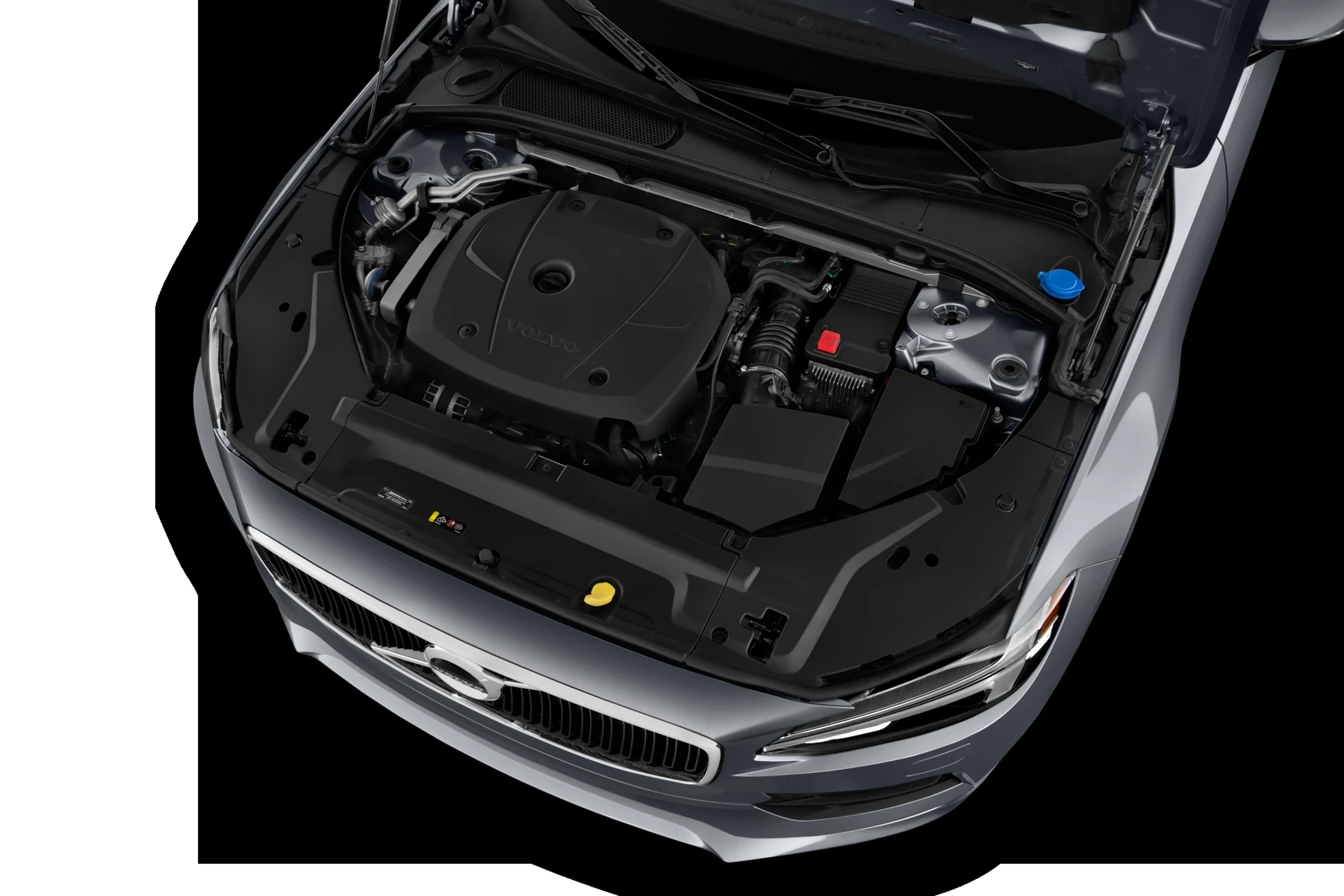
Many modern Volvos have dedicated under‑hood jump posts. Using them is safer than clamping directly to the battery, especially if it’s buried under trim in the cargo area.
Volvo never sold a “C90” car. Most searches mean the XC90 SUV. The sizing below covers XC90 and all other Volvo cars; follow your actual model’s engine size and fuel type.
Why Volvo Owners Should Keep a Jump Starter
Cold snaps reduce battery output dramatically, and short urban trips never fully recharge an aging AGM battery. A glovebox‑sized lithium booster turns a potential tow into a five‑minute pit stop.
Families and road‑trippers also park for days at airports or trailheads. A booster means you’re self‑sufficient, even without nearby help or cell coverage.
Here is a quick sizing snapshot to match common Volvo scenarios with a right‑sized booster.
Use this as a starting point; in very cold states, choose the next tier up for reliable cranking.
| Scenario | Typical Volvo | Recommended peak amps | Notes |
|---|---|---|---|
| Gas 2.0T/2.0T+SC | XC90 T5/T6, XC60 T5/T6 | 2000–3000A | Extra headroom helps in winter |
| Small gas 1.5–2.0T | XC40, S60/V60 2.0T | 1500–2000A | Works well above 0°F |
| Diesel 2.0–2.4L | EU D4/D5 (XC60/V60) | 2500–3000A+ | Higher compression needs more burst |
| Legacy 5‑cyl gas | 2000s XC70/V70/S60 | 1500–2000A | Healthy for aged cables/grounds |
| PHEV hybrid (T8) | XC90/XC60 Recharge | 1000–1500A | Jump 12V only, never HV pack |
| Below 0°F often | Any gas/diesel | +500A tier up | Batteries lose capacity in cold |
| Accessory use at camps | Any model | 2000A w/power bank | USB‑C/AC ports add utility |
Best Jump Starter Types for Volvo Cars and SUVs
Lithium jump starters dominate for size and power. Heavy‑duty and ultra‑capacitor units serve edge cases like repeated starts, diesels, or commercial duty.
Pick by engine size, climate, and whether you also want a power bank for travel charging.
| Type | Peak amps | Best for | Approx price | Verdict |
|---|---|---|---|---|
| Lithium compact (1,000–1,500A) | 1,000–1,500 | XC40, S60/V60 gas | $90–$150 | Great glovebox starter for smaller engines |
| Lithium high‑output (2,000–3,000A) | 2,000–3,000 | XC60/XC90 gas; cold states | $140–$250 | Sweet spot for most US Volvo owners |
| Lithium heavy‑duty (3,000A+) | 3,000+ | Diesels; repeated attempts | $220–$400 | Extra grunt when compression or cold fights back |
| Ultra‑capacitor | N/A (uses car’s low charge) | Frequent pro use | $200–$400 | Fast recharge, excels with many starts/day |
| Lead‑acid pack | 1,700–2,000 | Budget, garage storage | $80–$150 | Works but bulky, self‑discharges faster |
| 12/24V commercial | 3,000–4,000+ | Volvo Trucks, equipment | $350–$900+ | For fleets; not a glovebox tool |
- Size up one tier for winters that regularly drop below 0°F (‑18°C).
- Check clamp quality: wide copper jaws bite better on Volvo chassis grounds.
- Prefer boosters with reverse‑polarity and spark protection for modern electronics.
- Keep it charged monthly; set a phone reminder tied to your fuel fill‑up or rent day.
Volvo Model‑Based Jump Starter Guide
Engine size and battery spec drive peak‑amp needs. Use these quick picks to match what’s in your driveway.
When between sizes, choose the higher output for margin in winter or on older wiring.
- XC90 (T5/T6 gas): 2,000–3,000A lithium. For XC90 T8 hybrid, 1,000–1,500A is fine (12V only).
- XC60 (T5/T6 gas): 1,500–2,000A in mild states; 2,000A+ in cold climates.
- XC40 (B5/2.0T gas): 1,500–2,000A. Singles out as the most portable class.
- S60/V60/V90 (2.0T gas): 1,500–2,000A; PHEV trims 1,000–1,500A (12V jump points).
- Legacy P2/P3 5‑cyl gas (XC70/V70/S60): 1,500–2,000A helps aging grounds and starters.
- EU Diesels (D4/D5): 2,500–3,000A+ for reliable cranking, especially in winter.
After a successful jump, scanning the charging system for stored codes can reveal weak alternators or battery modules. See our guide on using an OBD scanner for Volvo to confirm the fix holds.
Jump Starter Guidance for Volvo Diesel, Hybrid, and Electric Models
Diesels need higher peak current because of their compression ratios. Pick 2,500–3,000A+ to avoid multiple attempts in the cold. For another practical angle, see did scanner for Volvo need calibration.
PHEV Volvos (Recharge/T8) can be jumped at the 12V posts only to wake systems. Never connect a booster to high‑voltage orange cables. Fully electric EX30/EX40/EX90 generally don’t use jump starters for propulsion batteries.
Diesel = more amps; PHEV = 12V only; BEV = usually no booster. These three cases require different handling — check your specific model’s manual before connecting.
Jump Starters for Volvo Trucks and Heavy Equipment
Volvo Trucks and Volvo Construction Equipment often run 24V systems or large‑displacement diesels. Consumer 12V car boosters are not suitable here.
Use commercial 12/24V boosters or a slave‑start cart with high cranking capacity, and follow fleet procedures. When unsure, call a qualified mobile technician to avoid control‑module damage.
What Size Jump Starter Do You Need? Five Factors
Right‑sizing isn’t just about peak‑amp marketing. Engine size, fuel type, battery voltage, temperature, and cable quality all matter.
Match the highest‑demand scenario you realistically face, not the absolute minimum for a warm‑garage start.
- Engine size: Larger displacement and turbo/supercharged setups need more burst current.
- Fuel type: Diesels demand more amps than gas engines.
- Battery voltage: Passenger Volvos are 12V; trucks/equipment may be 24V.
- Climate: Below 0°F (‑18°C), choose one tier higher.
- Cables/grounds: Clean, tight connections reduce amp losses.
How to Use a Jump Starter on a Volvo Safely
Correct connection order protects modules and ensures full current reaches the starter. Always consult your owner’s manual jump posts and keep the vehicle in Park with the parking brake set.
- Prepare the car: Switch off lights and accessories; set Park and parking brake.
- Locate jump points: Find the designated positive post and chassis ground under the hood.
- Connect clamps: Red clamp to the positive post first; black clamp to a clean chassis ground.
- Power the booster: Turn on the jump starter and wait for its “ready” indicator.
- Start the engine: Crank for up to 5 seconds; if no start, wait 30–60 seconds and try again.
- Disconnect safely: Remove the black clamp first, then the red clamp.
- Let it recharge: Drive 20–30 minutes to replenish the battery if it’s healthy.
- Recharge the booster: Top the jump starter back to 100% the same day.
Use the chassis ground point, not the battery negative terminal, if Volvo provides one. This reduces spark risk near any vented battery gases and protects sensitive modules.
Never jump a swollen, frozen, or leaking battery — call roadside assistance. On hybrids, never touch high‑voltage orange cables; jump only the marked 12V posts.
For alarm‑sensitive cars, see our step‑by‑step on how to jump‑start a 2012 Volvo S60 without triggering the alarm — the same principles help on many model years.
How to Charge and Store a Jump Starter in Winter
Lithium packs lose capacity in the cold. Keep yours topped up and stored within the maker’s temperature range to preserve output.
Charging every 1–2 months in winter (and every 3 months in summer) keeps the internal cells balanced for full cranking power.
- Charge cadence: 30–60 days in cold weather; 90 days in mild weather.
- Storage temp: Typically 32–86°F (0–30°C); avoid trunk storage in deep cold.
- Warm it up: If very cold, let the booster warm inside the cabin for a few minutes.
Where to Buy a Jump Starter for Volvo
Reputable online retailers and brick‑and‑mortar auto parts stores provide authentic units and simple returns. Check for UL‑listed safety features and a published peak‑amp rating tied to real cranking amps.
For pairing a booster with diagnostics after a jump, confirm your scan tool covers Volvo modules across years — our explainer on whether scanners for Volvo work with all models outlines what to look for.
Jump Starter Troubleshooting
No crank after connecting usually points to charger state, clamp placement, or a battery that’s beyond revival. Work through these checks before assuming the booster is faulty.
- Booster not charged: Verify 3–4 LEDs or a 60–100% display.
- Poor ground: Move the black clamp to bare metal on the chassis.
- Too small a unit: Upgrade to a higher‑amp model for diesels/cold starts.
- Safety lockout: Correct polarity before re‑arming the booster.
- Separate fault: Starter, immobilizer, or key issues may require scanning.
Common Mistakes to Avoid — And When to Replace the Battery
Wrong clamp order, clamping to paint or corrosion, and repeated jumps on a dying battery cause more headaches than they solve. If you’ve needed two jumps in a week, plan a load test and likely replacement.
After you’re running, a quick scan can reveal alternator or battery module faults. Here’s how to pick an OBD2 scanner for a Volvo XC90 if you want deeper post‑jump checks.
Before the FAQs, one personal field note can save time on the next cold morning.
💡 Evans Torres Tip: I keep a 2,000A lithium booster under the cargo floor of my XC90 and charge it with every oil change. On a 12°F trip to Denver, my battery sagged after a ski day. The booster fired the T6 in one try, and I used its USB‑C port to top my phone while the alternator brought the battery back. This connects closely with is scanner for Volvo XC90 if you want to compare the topic in more detail.
Frequently Asked Questions
These quick answers cover the most common sizing, safety, and ownership questions that pop up after choosing a jump starter. Use them to fine‑tune your pick and avoid the pitfalls that most Volvo owners run into the first time they connect a booster in the cold.
What size jump starter do I need for a Volvo XC90?
For XC90 gas engines (T5/T6), choose a 12V lithium unit rated 2,000–3,000 peak amps. In below‑0°F climates, step up to the higher end for reliable cranking. XC90 T8 hybrids only need 1,000–1,500A because you’re waking the 12V system, not the high‑voltage pack.
Can a jump starter damage Volvo electronics?
Quality boosters with reverse‑polarity and spark protection are safe when used on the designated jump posts. Connect red to the positive post and black to chassis ground, not battery negative if a ground point is provided. Avoid cheap, unprotected clamps and never reverse the leads.
How often should I recharge a lithium jump starter?
Top it up every 30–60 days in winter and every 90 days in milder seasons. Recharge immediately after any use. Keeping it between 60–100% ensures peak output for that first crank, which is when you need maximum burst current.
Can I use a jump starter on a Volvo hybrid (Recharge/T8)?
Yes — but only on the 12V jump posts to wake the car’s control modules. Never connect a booster to high‑voltage orange cables or traction‑battery terminals. Once awake, the car can enter Ready mode and you can drive to charge or service safely.
My diesel Volvo still won’t start with a booster. Why?
The unit may be undersized for diesel compression or the ground connection is weak. Try a higher‑amp model (2,500–3,000A+), clamp to a clean chassis ground, and let glow plugs cycle before cranking. If it still fails, the battery or starter may be beyond help.
Does a jump starter charge the battery?
No. It only provides a short, high‑current assist to crank the engine. After starting, drive 20–30 minutes to recharge a healthy battery. If the battery is old or needs repeated jumps, schedule a test and plan for replacement.
Where are the jump posts on newer Volvos?
Most SPA/CMA models place a red‑capped positive post and a marked chassis ground under the hood. Check your owner’s manual or Volvo Support for your exact location and photos. Avoid clamping directly to the negative battery terminal if a ground post is provided.
Will a jump starter help diagnose a no‑start?
It gets you running, but diagnosis needs scanning and testing. After a jump, check for charging or battery codes with a Volvo‑capable scan tool and confirm alternator output. If you need a primer on compatibility, review our guide on whether scanners work with all Volvo models.
Final Verdict
A well‑sized 12V lithium booster is the simplest, most reliable fix for a surprise no‑start in a Volvo. For most gas models, 2,000–3,000 peak amps is the sweet spot.
Choose a higher tier for diesels or deep winter, learn your under‑hood jump points, and keep the pack charged. If you’re jumping more than once a week, test and replace the battery rather than nursing it along.
For hybrids, stick to the 12V posts only — and if the battery looks swollen or leaks, call a pro instead of connecting any booster.
My Top Picks at a Glance
Here are the three jump starter options I would check first if you want a faster buying decision.
These picks highlight the strongest overall choice, the best value option, and the premium-style pick for practical Volvo ownership.
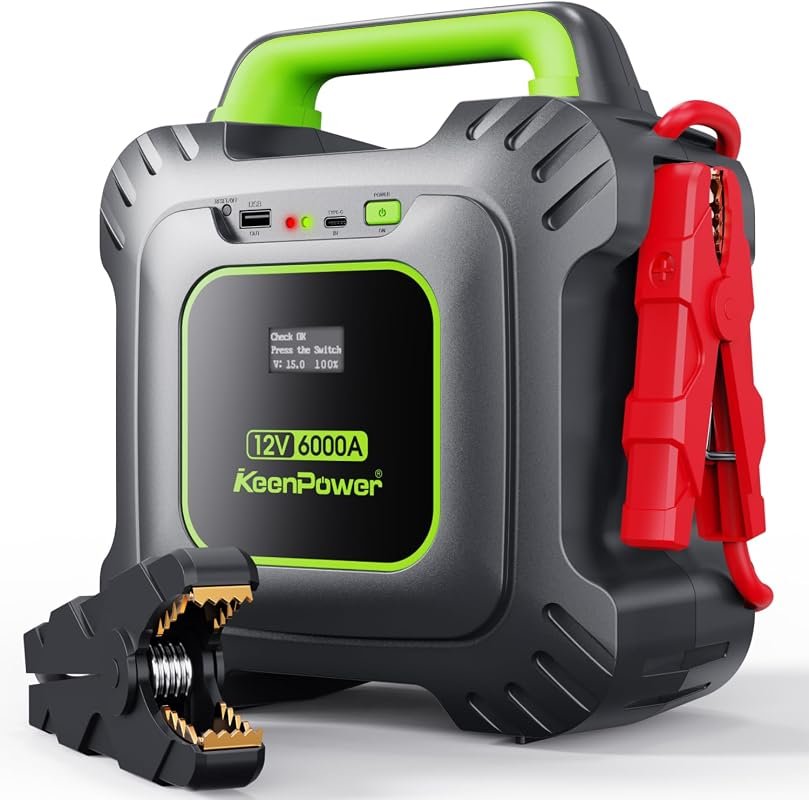 Best Overall
KeenPower 6000A supercapacitor jump starter, 1-minute fast charge, -45°F performance, no pre-charge needed, 12V vehicles
It offers the strongest all-around mix of fit, value, and practical daily use for Volvo owners.
 Best Value
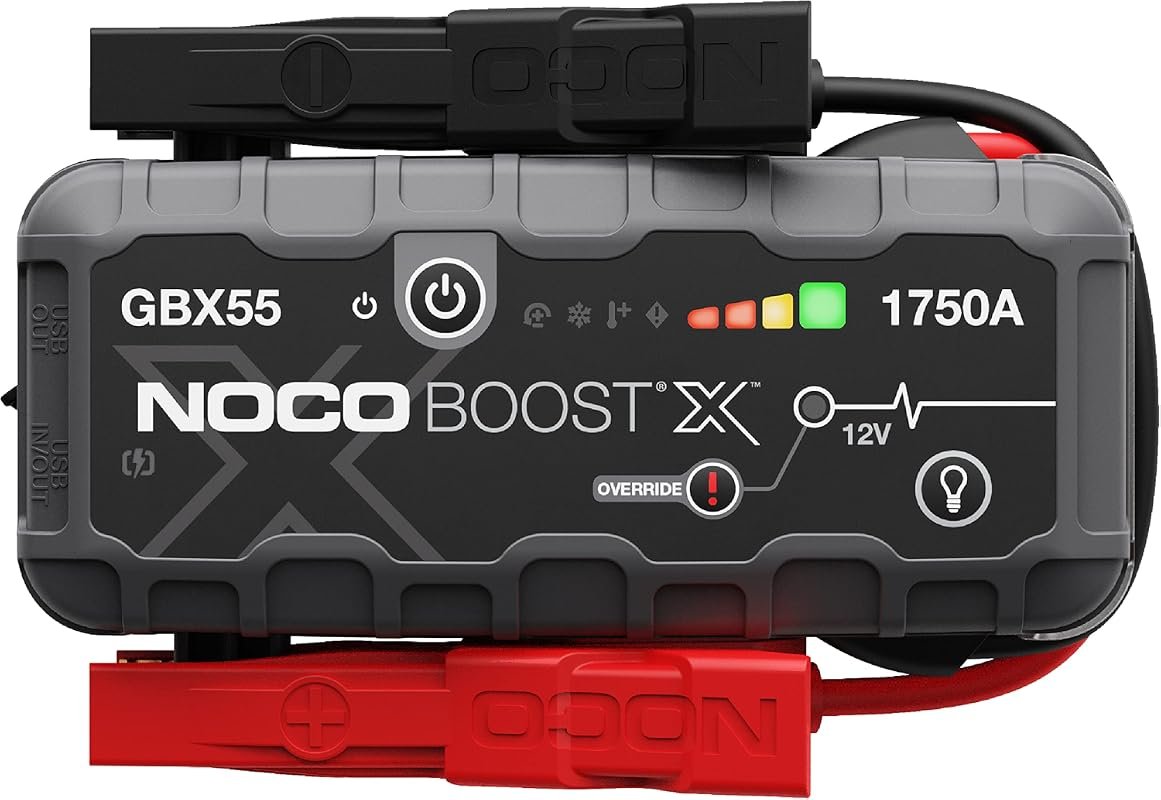
NOCO Boost X GBX55 1750A jump starter, 12V lithium booster/power bank, spark-proof, reverse polarity, 7.5L gas/5.0L diesel
It makes sense for owners who want a useful upgrade without paying more than necessary.
 Best Premium Option
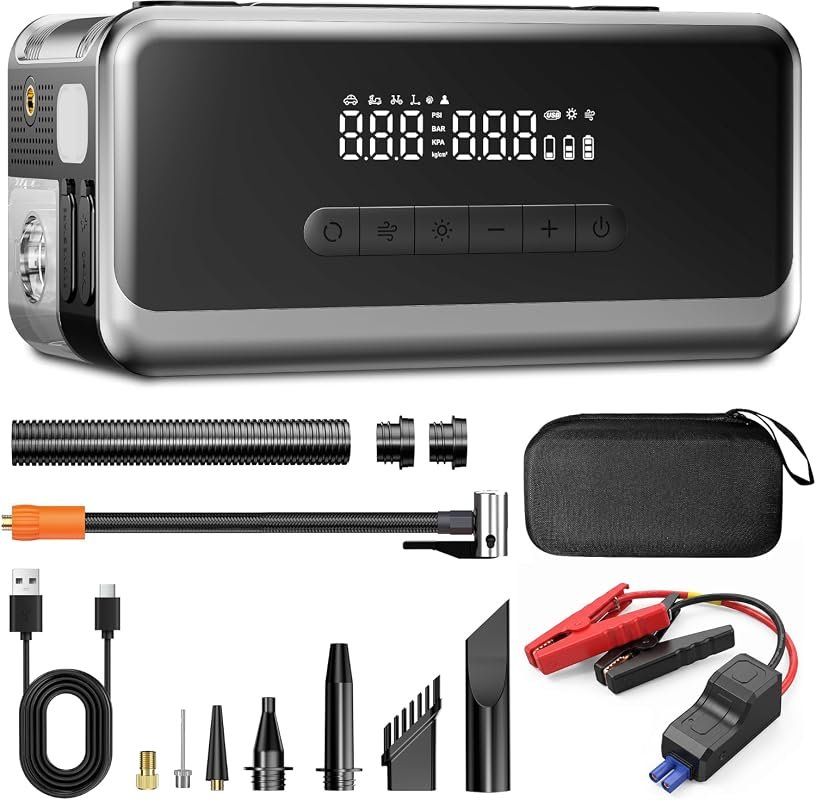
Portable 4000A jump starter with air compressor, 12V inflator, LED light, jumper cables, for 9.0L gas/8.0L diesel
It is the pick I would compare first if build quality, features, and long-term ownership value matter most.
Author

Author

Evans Torres
I’m Evans Torres, an automotive engineer who loves Volvo cars. I graduated in Automotive Engineering from USC. I have worked in the car industry for years and now share my knowledge on The Volvo Life. I started this blog to connect with other Volvo fans. I offer tips, news, and advice to help you care for your car. My goal is to help you keep your Volvo in great shape and find all the best things about it. Join me as we discover everything Volvo has to offer!