


jump starter for volvo c50 — choose a compact 12V lithium booster rated 1500–2000 peak amps. That comfortably cranks Volvo’s 2.4–2.5L five‑cylinder gas engines, with 2000A favored for cold climates. For diesel or repeated no‑starts, upsize or replace the battery rather than relying on tiny boosters.
A dead battery on a compact Volvo coupe/hatch can strand you without warning, especially after cold nights or short-trip driving. A modern lithium jump starter solves that in minutes and stores easily in the trunk. For related context, you may also want to read is scanner for Volvo XC60.
Below you’ll find the right sizing for C‑series Volvos (the guidance matches C30/C70 on the same platform), safe connection steps, winter storage tips, and where to buy without overpaying. This connects closely with is scanner for Volvo XC90 if you want to compare the topic in more detail.
- Main point: A 12V lithium jump starter with 1500–2000A peak covers compact Volvo five‑cylinder gas engines; go larger in deep winter.
- Best first step: Keep the booster charged above 75% and practice finding your under‑hood jump posts before you need it.
- Cost or value: Quality units run $80–$180; expect 20–40 jump starts per charge in mild weather.
- Who it suits: Daily commuters, cold‑climate owners, and anyone parking on the street or at airports.
- When to get help: If you need multiple jumps in a week, test/replace the 12V battery — don’t keep boosting it.
Wants a glovebox-sized pack that starts a five‑cylinder Volvo quickly after sitting or short trips. You can also use do scanner for Volvo exist as a helpful next guide on the same ownership topic.
Needs extra cold‑cranking headroom for sub‑freezing starts and long winter parking. For another practical angle, see did scanner for Volvo need calibration.
Works around trucks or equipment and needs guidance on 12V/24V commercial boosters. If you are comparing similar topics, did scanner for Volvo update automatically 2 is also worth checking.
What a Jump Starter for Volvo Does vs. a Battery Charger
A portable jump starter delivers a short burst of high current to crank the engine right now. It’s a rescue tool, not a recharger.
A battery charger (or maintainer) restores and conditions a weak 12V over hours. It’s ideal for storage or recovery, but it won’t crank a car immediately if the battery is very low.
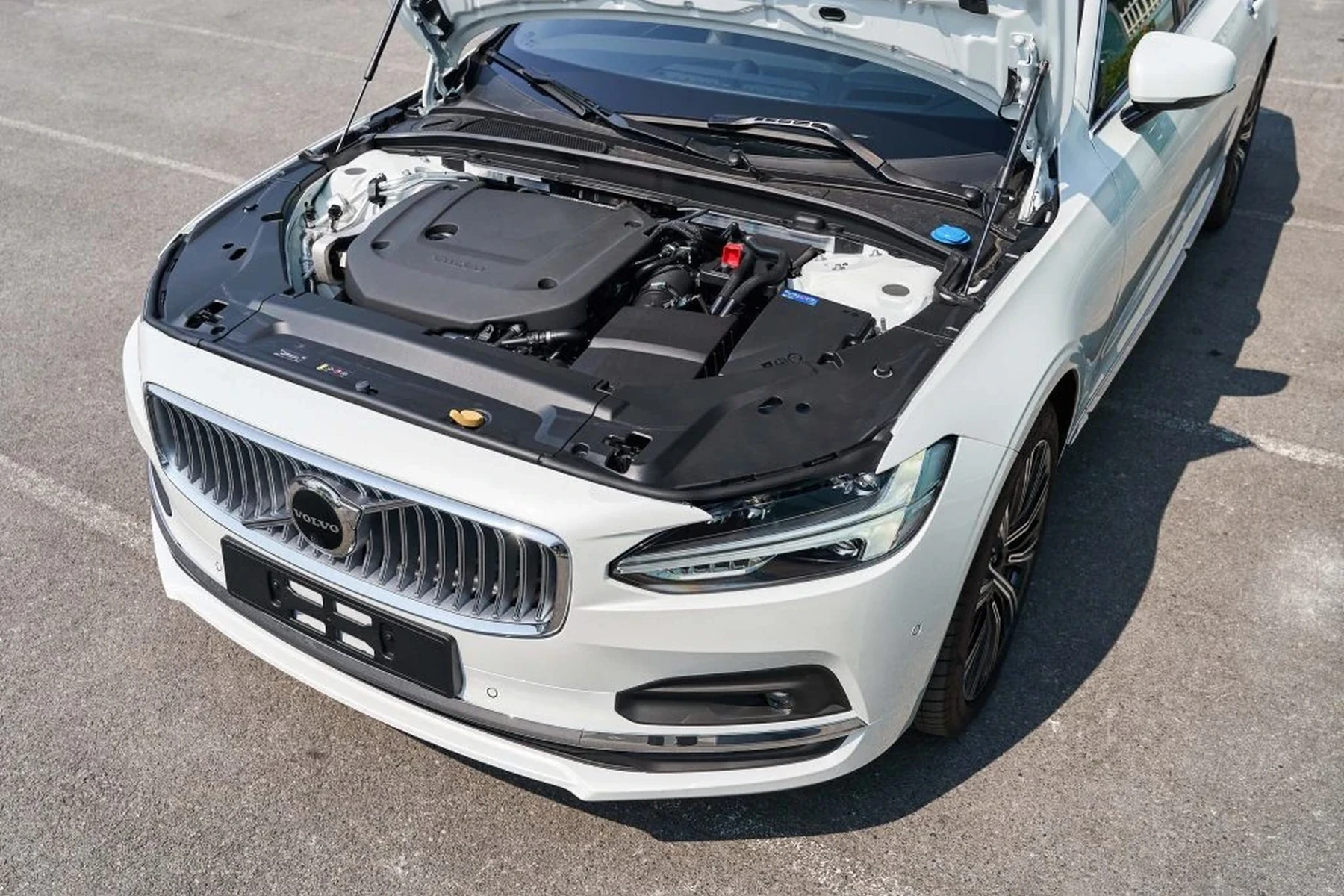
Many compact Volvos use AGM 12V batteries. AGMs handle vibration well but lose cranking punch in cold weather once capacity drops below ~70% state of health — a good jump starter erases that margin on the spot.
Why Volvo Owners Should Keep a Jump Starter
Short urban trips, parasitic drains, and winter cold all stack the odds against an aging 12V. A glovebox jumper turns a no‑start into a 90‑second task without calling roadside assistance.
Street or airport parking also means fewer helpers around. A booster with reverse‑polarity protection lets you help yourself safely, even at night.
Always connect to the designated positive jump post and a solid chassis ground as shown in your Volvo owner’s manual — not blindly to the battery negative. This protects sensitive electronics from voltage spikes.
Here is a summary of the most common situations where a portable booster pays for itself and how to size it confidently for a compact Volvo engine.
For compact C‑series gas engines, aim for 1500–2000A peak to maintain headroom in winter; upsize for diesel or if you frequently park outdoors in deep cold.
| Situation | Symptom | Benefit of Booster | Suggested Size |
|---|---|---|---|
| Cold morning start | Slow crank or clicks | Instant high current for first start | 2000A peak (cold climates) |
| Airport/weekend parking | No crank after sitting | Self‑recovery without cables | 1500–2000A peak |
| Aging AGM battery | Intermittent no‑start | Buys time to test/replace | 1500A minimum |
| Accessories left on | Dome/headlights drained | Start now, recharge later | 1500A minimum |
| Light towing/travel | Remote breakdowns | Starts your Volvo or assists others | 2000A preferred |
Best Jump Starter Types for Volvo Cars and SUVs
Lithium jump starters dominate for Volvos thanks to strong current in a compact size. Look for smart clamps with reverse‑polarity and short‑circuit protection.
Ultra‑capacitor and heavy-duty units are overkill for a compact gas five‑cylinder but shine for diesels or frequent fleet use. Built‑in power‑bank features are handy for phones on road trips.
- Lithium (most owners): Small, 1500–2000A peak, easy USB‑C charging, smart clamps.
- Heavy-duty lithium: 2500A+ peak, larger case; useful for diesel or deep winter use.
- Ultra‑capacitor: Works even when stored empty by harvesting residual charge; pricier.
- Lead-acid booster box: Bulky, cheaper, but heavier and slower to recharge.
Diesel engines need more cranking current than gas of the same size. Hybrids only need a 12V jump to wake systems — never connect to the high‑voltage pack. See the powertrain notes below before buying.
Volvo Model-Based Jump Starter Guide (C30/C70, S40/V50, XC60/90)
Compact C‑series gas models (commonly C30/C70 on the P1 platform) with 2.4–2.5L five‑cylinders do well with 1500–2000A peak. Choose 2000A if winters dip below 20°F.
Larger six‑cylinder or turbocharged models benefit from added headroom. Diesels or older high‑mileage batteries justify an upsized pack.
- C30/C70 2.4/2.5T (P1): 1500–2000A peak; 2000A recommended for cold climates.
- S40/V50 2.4/2.5T (P1): 1500–2000A peak; compact lithium preferred.
- XC60/early XC90 gas: 2000A+ peak for confidence with larger engines.
- D5/Diesel variants: 2000–2500A peak; consider heavy‑duty clamps.
Jump Starter Advice for Volvo Diesel, Hybrid, and Electric Models
Diesel Volvos demand higher peak current due to compression. Pick 2000A+ lithium units with robust, well‑insulated clamps.
PHEV (Recharge/T8) models still use a 12V battery to wake systems. Jump only the 12V battery at the designated posts — never the high‑voltage pack.
Do not connect a jump starter to any orange‑cabled component or high‑voltage enclosure on hybrids/EVs. Only use the 12V jump posts shown in your Volvo manual or Volvo Support’s guidance.
Jump Starter for Volvo Trucks and Heavy Equipment
Volvo Trucks and Construction Equipment often use 24V systems or large‑displacement diesels. Consumer 12V boosters won’t reliably start them.
Use a commercial‑grade 12V/24V jump pack or a slave‑start cart rated for the engine’s displacement and cold conditions, or call a fleet service for safe 24V procedures.
What Size Jump Starter You Need: Amps, Voltage, Engine, and Weather
Match peak amps to engine size, fuel type, and climate. For compact gas five‑cylinders, 1500–2000A peak covers most needs; add headroom for aging batteries or sub‑freezing starts.
Voltage must match your system (12V for Volvo cars). In deep cold, lithium capacity drops — higher‑rated packs compensate for that loss.
- Voltage: 12V for Volvo passenger cars; 24V for many trucks/equipment.
- Peak amps: 1500–2000A for 2.4–2.5L gas; 2000–2500A for diesels.
- Cranking amps (CA): If listed, 500–700 CA is a solid target for gas five‑cyl.
- Cold performance: Favor packs rated to −4°F (−20°C) or lower if winters are severe.
- Clamp quality: Wide copper jaws with solid bite reduce voltage drop at the connection.
- Pick a unit with reverse‑polarity and short‑circuit protection — it reduces user error risk.
- USB‑C input lets you recharge from the car or a power bank on trips.
- Check that the carry case fits in your trunk side cubby or underfloor bin for easy access.
- Practice locating the positive post and chassis ground at home so you’re quick in the cold.
How to Use a Jump Starter on a Volvo Safely
Preparation matters more than brute current. Identify the correct jump posts, turn off accessories, and make solid, clean connections. Follow your booster’s instructions — many smart clamps won’t deliver power until they detect proper polarity and contact.
- Park and secure: Put the car in Park (or Neutral on manuals) and set the parking brake.
- Power down: Switch off lights, blower, and infotainment to reduce load.
- Locate jump posts: Find the positive (+) jump post and a solid chassis ground per the owner’s manual.
- Connect positive: Clamp red to the positive jump post — ensure a firm, clean bite.
- Connect ground: Clamp black to an approved chassis ground, not the battery negative unless specified.
- Arm the booster: Turn on the jump starter; wait for a “ready” light if equipped.
- Start the engine: Crank for up to 3–5 seconds. If no start, wait 30–60 seconds and try once more.
- Disconnect safely: Turn off the booster, remove black then red clamp in reverse order.
- Recharge: Let the engine run 20–30 minutes or drive; recharge the jump starter after use.
Concerned about setting off the alarm during a jump? See our guide on how to jump-start a Volvo without triggering the alarm for practical steps.
How to Charge and Store a Jump Starter in Winter
Top the pack to 80–100% monthly and after every use. Lithium chemistry loses capacity in the cold, so keep it inside the cabin or bring it indoors during deep freezes.
Avoid glovebox temps below −4°F (−20°C) and above 120°F (49°C). If the pack is very cold, warm it briefly in the cabin before use for stronger output.
Where to Buy a Jump Starter for Volvo
Amazon and major auto parts stores offer the widest selection and easy returns — stick to reputable brands and authorized sellers to avoid clones.
Big-box retailers and some Volvo dealers stock mainstream units at fair prices; verify clamp quality and cold‑weather ratings rather than chasing the biggest printed amp number.
Jump Starter Troubleshooting
No “ready” light or no crank usually means a low booster, poor clamp bite, or wrong ground point. Reposition clamps on clean metal, recharge the pack, and try again.
If the engine still won’t start, the battery or another system may be at fault — a scan tool can help. Our overview of an OBD scanner for Volvo explains how to read modules beyond the engine, and scanner compatibility across Volvo models if you maintain multiple cars.
Common Mistakes to Avoid — and When to Replace the Battery Instead
Repeated jump starts within days signal a failing 12V or charging issue — replace or test the battery and alternator rather than relying on a booster.
Never connect clamps backward, never jump a visibly swollen/leaking battery, and never clamp directly to sensitive aluminum components that don’t ground well.
Do not jump a damaged, frozen, or leaking battery. Acid exposure and explosion risk are real. If the case is swollen or cracked, tow the car and replace the 12V battery safely.
Before we wrap up, here’s a practical note from my own Volvo toolkit.
💡 Evans Torres Tip: I keep a 2000A lithium pack under the cargo floor of my C30-era Volvo and top it off every first Sunday of the month. It’s started the five‑cylinder after a snowy airport weekend more than once. The difference-maker was practicing the clamp points at home — the first time you use it shouldn’t be at 6 AM in the cold.
Frequently Asked Questions
These quick answers cover sizing for compact Volvo engines, hybrid/EV safety, alarms, charging routines, and when a booster isn’t the right fix. Use them as a checklist after you pick a unit so you’re ready on the first cold morning it matters.
Is 1000A enough for a compact Volvo five‑cylinder?
It can work in mild weather on healthy engines, but 1500–2000A gives far better margin for cold starts and aging 12V batteries. Most owners of 2.4–2.5L gas five‑cylinders are happiest with a 2000A unit, especially if parking outdoors in winter.
Can I use a jump starter on a Volvo hybrid (Recharge/T8)?
Yes — but only on the 12V battery at the designated jump posts. You are not boosting the high‑voltage pack. Follow the owner’s manual connection points and avoid any orange‑cabled components. A 1500–2000A booster is ample for the 12V system wake‑up.
Where are the jump-start points on compact Volvos?
Most models have a covered positive (+) post under the hood and a recommended chassis ground nearby. Exact locations vary by year and engine layout, so confirm in your owner’s manual or Volvo Support’s jump‑start article before your first use.
How often should I charge the jump starter?
Top it off monthly and after every use. Keep it above ~75% in winter. Many packs self‑discharge slowly; a calendar reminder prevents the common surprise of a dead booster on the day you need it most.
Will a jump starter damage Volvo electronics?
Quality packs with reverse‑polarity and surge protection are safe when connected correctly at the designated posts. The bigger risk is incorrect clamp placement or a poor ground. Always power accessories off before connecting and disconnecting.
My alarm goes off during a jump — how do I avoid that?
Lock/unlock the car with the fob first, then connect clamps at the correct posts. Some models are alarm‑sensitive to voltage spikes. For model‑specific pointers, see our step‑by‑step on preventing alarm triggers during a jump.
What size jump starter for a Volvo diesel?
Choose 2000–2500A peak with heavy‑duty clamps. Diesels need higher cranking current due to compression, and cold starts magnify the demand. If you maintain multiple Volvos, size to your largest engine and climate to keep one reliable pack.
Should I replace the battery after needing multiple jumps?
Yes. Two or more boost events in a week strongly suggests a weak 12V or charging fault. Test the battery and alternator; replacement is cheaper than being stranded. Use a Volvo‑capable scan tool to check for parasitic drains after shutdown.
Final Verdict
A compact Volvo with a tired 12V doesn’t need a tow — it needs the right jump starter within reach. A 12V lithium pack rated 1500–2000A peak delivers quick, safe starts and fits neatly in your trunk.
Charge it monthly, learn your jump posts now, and upsize if winter temps plunge. If boosts become frequent, test or replace the battery and scan for drains rather than relying on a jump pack as a crutch.
My Top Picks at a Glance
Here are the three jump starter options I would check first if you want a faster buying decision.
These picks highlight the strongest overall choice, the best value option, and the premium-style pick for practical Volvo ownership.
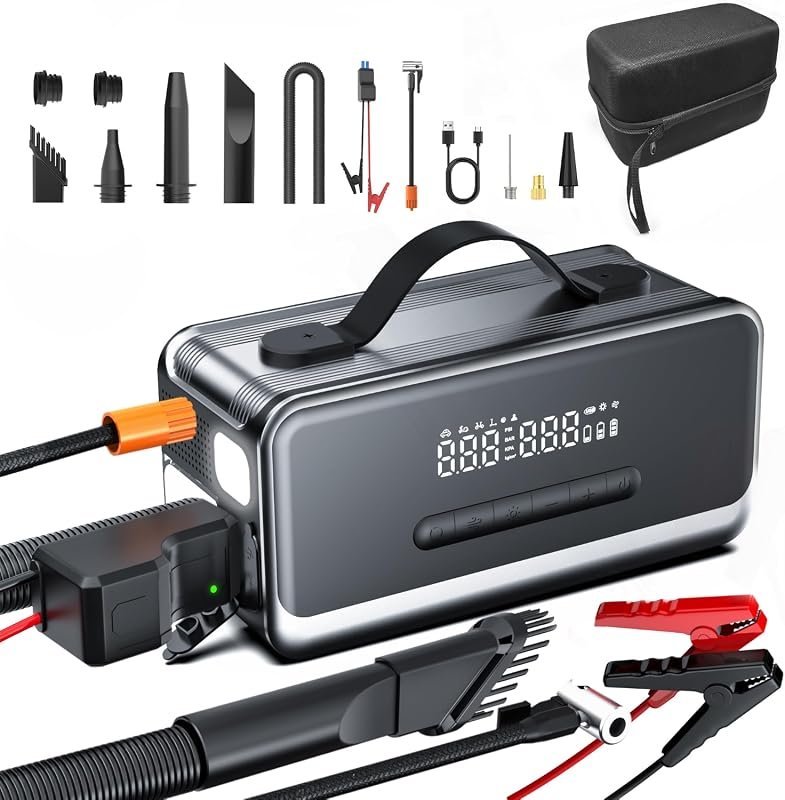 Best Overall
Tire Inflator Air Compressor with Jump Starter, Auto Shut-Off, LED Light, Supports 9.0L Gas/8.0L Diesel
It offers the strongest all-around mix of fit, value, and practical daily use for Volvo owners.
 Best Value
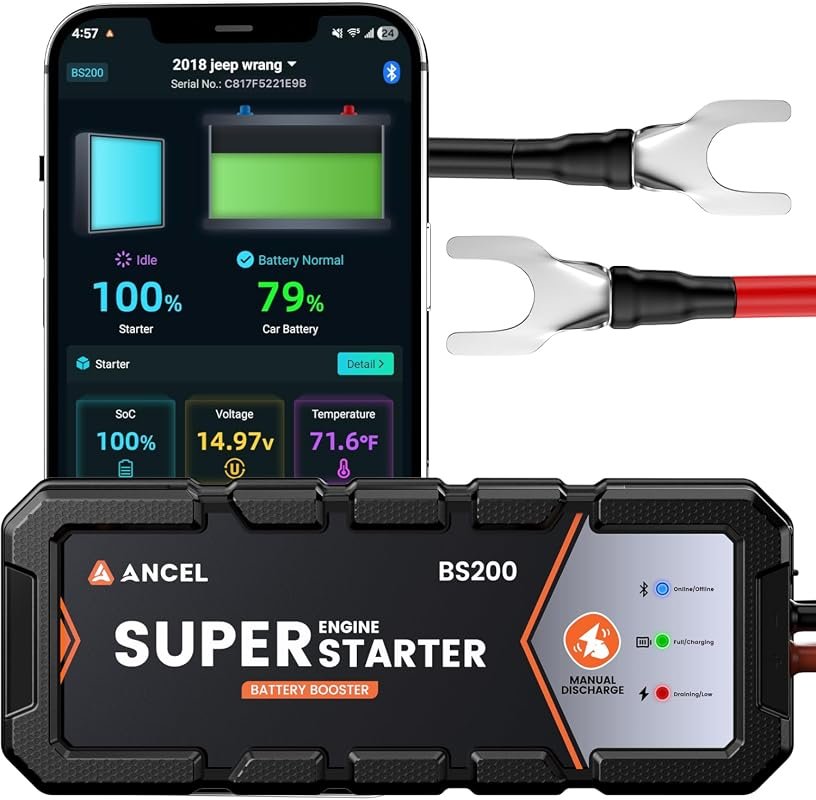
ANCEL BS200 Super Starter Supercap Jump Starter, Permanent Mount, 700A Start Assist, Battery Health Monitoring, -40°F–176°F
It makes sense for owners who want a useful upgrade without paying more than necessary.
 Best Premium Option
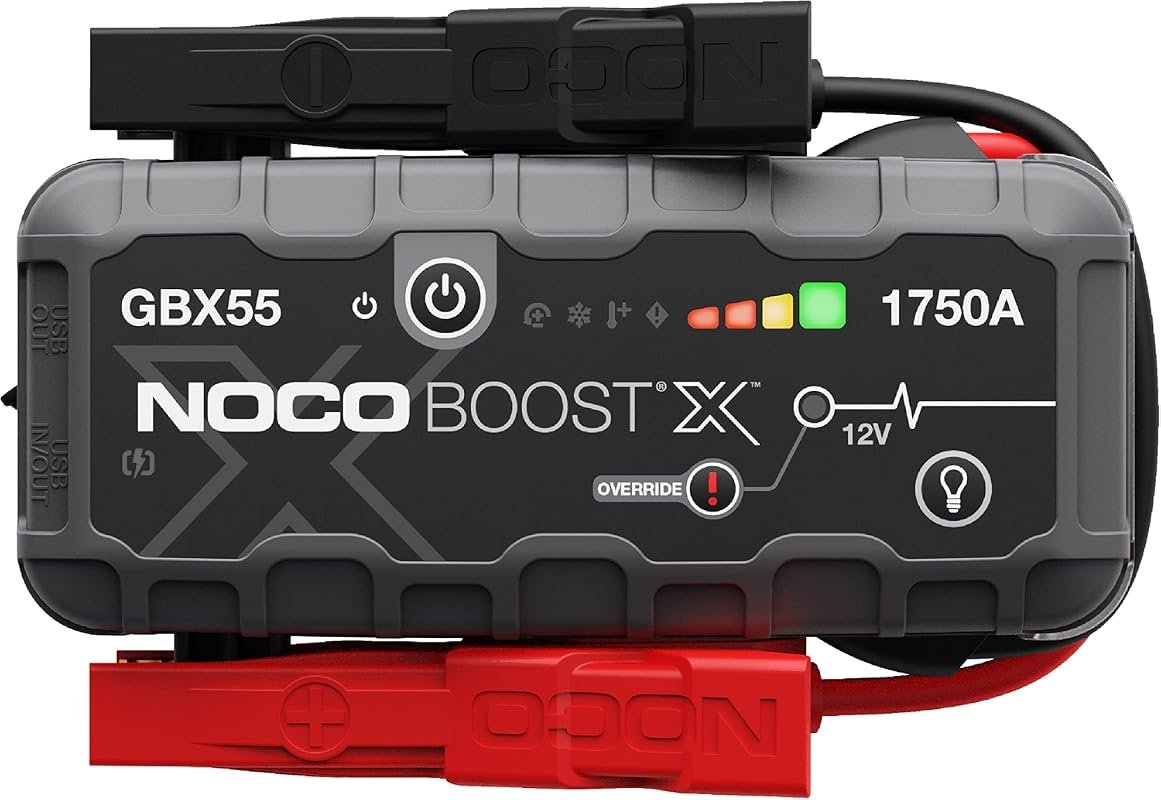
NOCO Boost X GBX55 1750A UltraSafe Lithium Jump Starter, Spark-Proof, Reverse Polarity Protection, for 7.5L Gas/5.0L Diesel
It is the pick I would compare first if build quality, features, and long-term ownership value matter most.
Author

Author

Evans Torres
I’m Evans Torres, an automotive engineer who loves Volvo cars. I graduated in Automotive Engineering from USC. I have worked in the car industry for years and now share my knowledge on The Volvo Life. I started this blog to connect with other Volvo fans. I offer tips, news, and advice to help you care for your car. My goal is to help you keep your Volvo in great shape and find all the best things about it. Join me as we discover everything Volvo has to offer!