


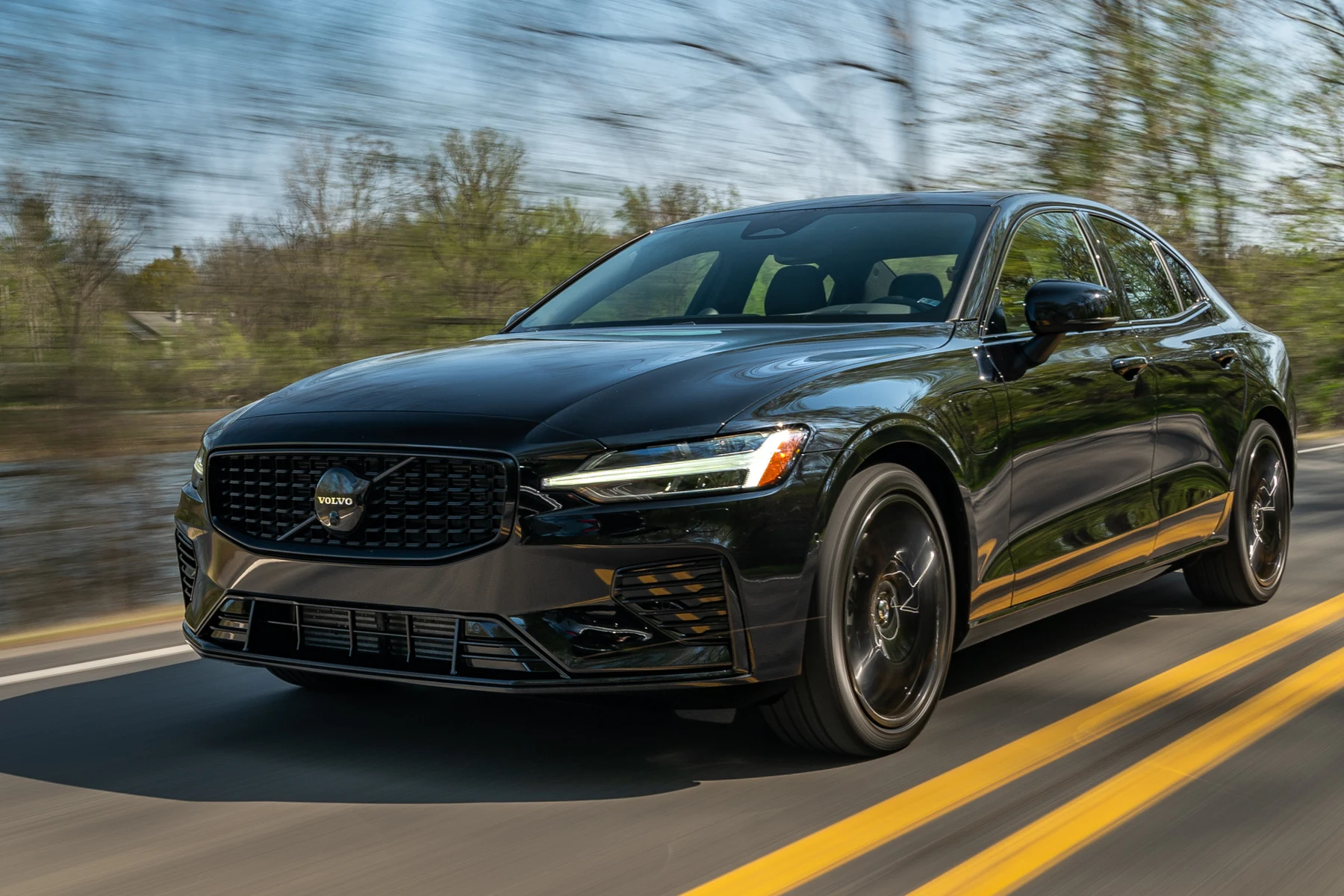
The difference between volvo s40 and s60 comes down to size and power versus price: the S60 is the larger, stronger, more feature-rich sedan, while the S40 is the lighter, simpler, and cheaper-to-buy option on the used market.
Shopping older Volvos and torn between the compact S40 and the larger S60? You’re not alone. These two nameplates overlapped in the U.S. through 2011, and many buyers compare late S40s with early second‑gen S60s when hunting for a dependable, budget-friendly luxury sedan.
This guide focuses on U.S.-market models, using 2011 as the cleanest apples-to-apples baseline year, then noting adjacent years where they add clarity. We’ll cover dimensions, performance, features, safety, reliability and real-world ownership costs to help you choose confidently.
If you’re new to Volvo naming, our overview of the difference between Volvo S and V models explains the sedan-versus-wagon logic behind these badges.
- Main difference: Volvo S60 is larger with more power, newer active-safety tech and a higher feature ceiling; the S40 is smaller, lighter, simpler and typically costs less used.
- Best for S40: City driving, easier parking, lower upfront cost, and simpler ownership if you value a compact footprint.
- Best for S60: Stronger acceleration, more refinement, standard City Safety (2011+), and a broader options list for luxury and driver aids.
- Cost/value: S40 parts and tires are usually cheaper; S60 retains more features and may command higher prices. Condition and service history dominate value on both.
- Important caveat: Year-to-year equipment varies a lot. Verify engine, drivetrain, packages and safety features on the exact VIN before comparing prices.
Are Volvo S40 and Volvo S60 direct competitors?
Not exactly. Both are Volvo sedans with five seats, but the S40 is a compact premium sedan, while the S60 sits a class up with more power, space and features at a higher price point.
Buyers still compare them because clean, late S40s overlap used budgets with older S60s. If you prioritize maneuverability and lower costs, the S40 appeals; if you want stronger performance and more tech, the S60 fits better.
2011 is the final U.S. S40 model year and the launch window for the modern S60 generation. Using 2011 aligns dimensions, engines and safety tech for a fairer comparison.
Volvo S40 vs Volvo S60: At‑a‑glance comparison
Below is a side-by-side snapshot anchored to common U.S.-market 2011 models to show the core differences you’ll notice on a test drive and in daily use.
| Spec | Volvo S40 (2011 T5) | Volvo S60 (2011 T6 AWD) |
|---|---|---|
| Class/size | Compact premium sedan | Compact–midsize luxury sedan |
| Length | ~177 in | ~182 in |
| Wheelbase | ~103.9 in | ~109.3 in |
| Width | ~69.7 in | ~73.4 in |
| Curb weight | ~3,200–3,400 lb | ~3,800 lb |
| Engine | 2.5L turbo I5 | 3.0L turbo I6 |
| Horsepower | 227 hp (approx.) | 300 hp (approx.) |
| Drivetrain | FWD (AWD optional) | AWD (standard on T6) |
| Transmission | 5‑speed automatic | 6‑speed automatic |
| EPA mpg (city/hwy/comb) | ~21/30/24 (FWD auto) | ~18/26/21 (AWD) |
| Trunk volume | ~12.6 cu ft | ~12.0 cu ft |
| Key safety tech | BLIS optional; no auto‑brake | City Safety auto‑brake standard (low‑speed) |
| Original MSRP (base) | ~$28k–$31k | ~$37k–$38k |
U.S. 2011 S60 also came as a 2012+ T5 FWD with lower power and better mpg, and earlier S40s offered non‑turbo engines. Always match model year, engine and drivetrain before judging performance or fuel costs.
Main differences between Volvo S40 and Volvo S60
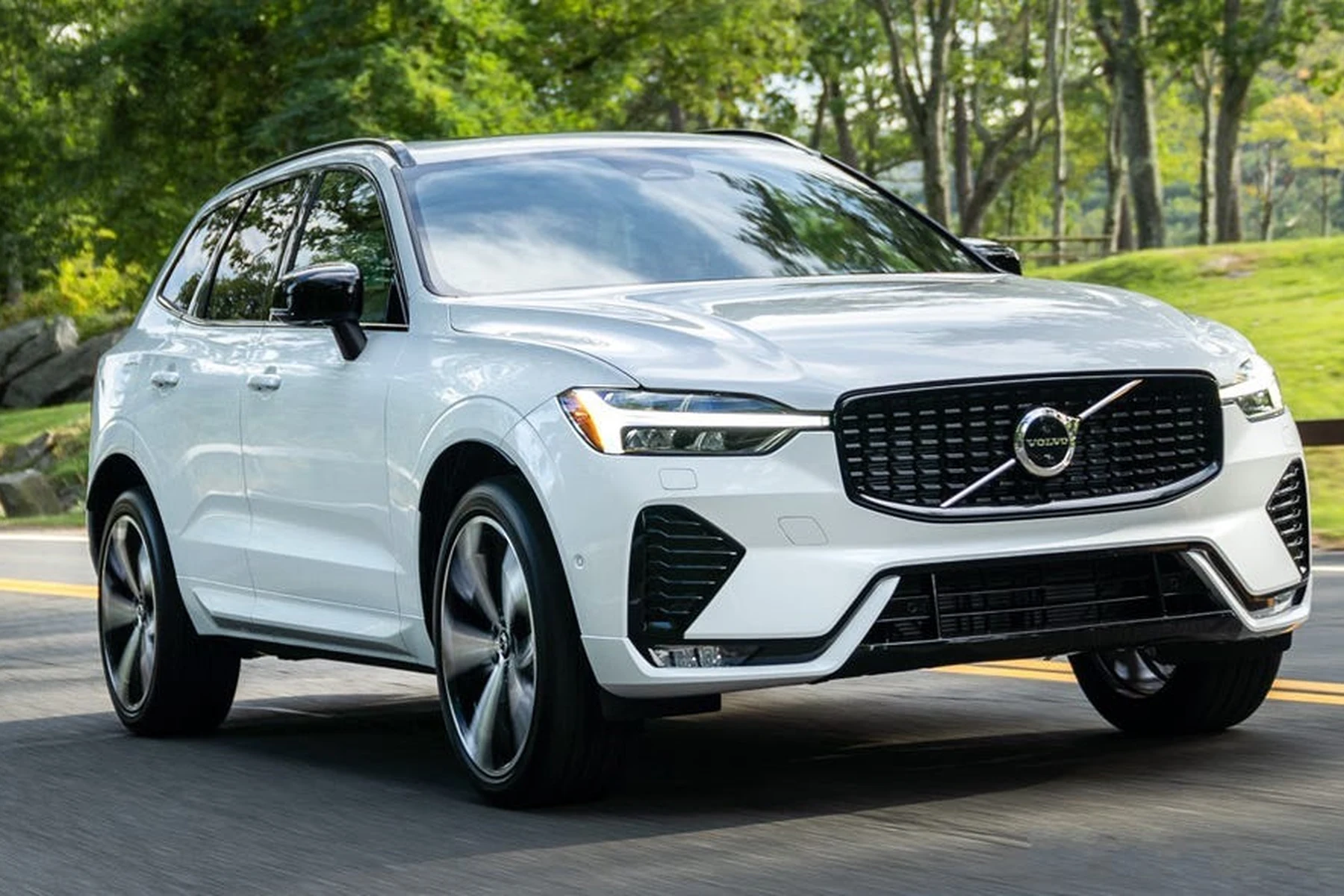
The S60 delivers substantially more power, a wider track, longer wheelbase, and newer active safety like standard City Safety in 2011. It also offers richer option packages and feels more refined at highway speeds.
The S40 counters with a tidier footprint that’s easier to park, slightly lower running costs on consumables, and a simpler electronics suite that can be less costly to diagnose as the cars age.
Similarities and common ground
Both are unmistakably Volvo: supportive seats, strong passive safety engineering, turbocharged torque, and a calm highway ride for their size. Each offers FWD or AWD in various years, and both use practical folding rear seats for cargo flexibility.
They also share parts lineage for some service items through the era, which helps availability and pricing on routine maintenance.
Despite being the larger car, a 2011 Volvo S60’s trunk is slightly smaller on paper than an S40’s. Cabin packaging and rear crash structure reduce the S60’s cargo spec, though the opening and seat-fold flexibility often matter more day to day.
Price, comparable trims and feature‑adjusted value: Volvo S40 vs Volvo S60
New, the S60 sat roughly a segment and a price tier above the S40. That gap reflected its stronger engines, more sophisticated chassis, and access to advanced options and safety packages.
On today’s used market, the S60 generally remains pricier like-for-like, but mileage, service history, accident records and rare packages (e.g., R‑Design, Driver Support) can swing value either way. Judge each VIN on its actual equipment and documentation.
2011 S40 T5 uses a timing belt (age/mileage replacement), while 2011–2013 S60 T6 uses a timing chain. Conversely, S60 tires and brakes are typically larger and costlier. Price the whole build, not just the car.
Size, seating, cargo and everyday practicality
The Volvo S60 is longer and wider, yielding a more planted highway feel and a roomier front cabin. Rear legroom improves versus most S40s but still feels snug compared to some rivals from the era.
The S40’s compact dimensions make it easier to slot into tight urban spaces and older garages. Its trunk volume is similar on paper, but the S60’s wider body and fold-down seats can still make loading bulkier items easier.
– Park both in your garage/spot to check fit and door swing.
– Sit behind your own driving position; assess rear knee/foot room.
– Fold the rear seats; test-load your stroller, golf bag or instrument cases.
Interior comfort, visibility and cabin usability
Both cars showcase Volvo’s ergonomic seats and intuitive controls. The S60’s cabin materials and sound insulation are a step up, with a more premium feel and quieter ride over rough pavement.
Visibility is slightly better in the S40 thanks to its boxier greenhouse. The S60’s sleeker roofline and thicker pillars may require more reliance on sensors and mirrors when parking in tight quarters.
Infotainment, controls and technology
The late S40 uses Volvo’s classic “waterfall” center stack with a small info display, simple audio, and available Bluetooth. It does not offer Apple CarPlay or modern app integration from the factory.
The 2011–2013 S60 introduces first‑gen Sensus with a central screen, expanded menus and options like navigation and premium audio. It’s still pre‑CarPlay, but it supports more sources and vehicle settings than the S40 setup.
Safety and driver assistance: Volvo S40 vs Volvo S60
Both models achieved strong crash performance for their years. The 2011 S60 debuted standard City Safety, Volvo’s low‑speed automatic braking designed for stop‑and‑go traffic; the S40 offered BLIS blind‑spot monitoring but not auto‑brake.
IIHS and NHTSA protocols evolved around 2011–2013, so compare scores within the same year. Availability of features like adaptive cruise and lane departure warning favored the S60 in this era.
Verify which agency, test year and protocol each rating uses, and whether a feature was standard or part of a package. The S60’s City Safety was standard in 2011; many S40s lack comparable active braking.
Performance, ride, handling and drivetrain
The S60 offers meaningfully stronger acceleration, especially in T6 AWD guise, with a refined 6‑speed automatic and a chassis tuned for higher-speed composure. It feels torquier and more serene in long-distance cruising.
The S40 T5 is lighter and can feel more tossable in city driving. It’s quick enough for most commutes, but its older 5‑speed automatic is less responsive, and AWD availability varies by year and trim.
Fuel economy and efficiency
EPA ratings favor the S40 when comparing turbo gas models from the same era. A 2011 S40 T5 FWD automatic is rated around 21/30/24 mpg (city/highway/combined), while a 2011 S60 T6 AWD posts roughly 18/26/21 mpg.
Real-world results depend heavily on drivetrain, wheel/tire size and your route. Later S60 four‑cylinder “Drive‑E” models (2015+) improved economy substantially compared with the earlier I6.
Reliability, known issues and evidence level
Neither car is immune to age-related wear, but both can be dependable with documented care. Broadly reported S40 items include suspension bushings, steering components, turbo hoses and water leaks affecting electronics on poorly maintained cars.
Common S60 (2011–2013) notes include transmission software updates, front control-arm bushings, infotainment glitches and occasional AWD/Haldex service neglect. Failure rates vary widely; service history matters more than model badge.
– Timing belt proof on S40 T5 (age/miles).
– Haldex/AOC fluid and filter on any AWD.
– Transmission software updates and fluid condition.
– Cooling system, brakes and tires with date codes.
Maintenance, insurance, depreciation and total ownership cost
Routine maintenance is broadly affordable by luxury standards, and independent Volvo specialists are common. Expect the S60 to carry slightly higher parts, tire and insurance costs in comparable condition and mileage.
For planning, Volvo-published schedules are the starting point. See the S40 recommended maintenance schedule and the S60 factory maintenance schedule to budget major intervals and time-based services.
Many S60s run wider, lower‑profile tires than S40s. Price a full set by size and load rating; winter-capable options can differ by hundreds of dollars per set.
Resale and daily practicality
The S60’s broader feature set and performance can support higher resale in similar condition, though mileage and accident history dominate on both. Clean, low‑owner cars with documented service command strong interest.
For daily use, pick the S40 if you value compact agility and simpler tech; pick the S60 if you value highway refinement, torque and advanced safety.
Volvo S40 Pros and Cons
- Smaller footprint for city parking and narrow garages
- Typically lower purchase price and consumable costs
- Simple, proven turbo five-cylinder with strong midrange
- Good visibility and straightforward controls
- Older electronics and infotainment; no factory CarPlay
- Less power and refinement than S60
- Active safety like auto-braking generally unavailable
- Some age-related water leak and bushing issues reported
Volvo S60 Pros and Cons
- Stronger engines and quieter, more composed ride
- Standard City Safety (2011+) and richer safety options
- More premium interior materials and sound insulation
- Available AWD with robust highway stability
- Higher purchase price and pricier tires/brakes
- Rear seat still snug versus some rivals
- More complex electronics can add diagnostic costs
- Fuel economy trails S40 in comparable powertrains
Which vehicle is better for different buyers?
Alternatives worth considering
If neither Volvo lands perfectly, consider the Audi A4 (2009–2012), BMW 3 Series (E90, 2009–2011), Acura TSX/TL, or Saab 9‑3. Within Volvo, a well-kept V50 wagon mirrors S40 dynamics with extra cargo, and a 2015+ four‑cylinder S60 improves efficiency and infotainment significantly.
How to Decide Between Volvo S40 and Volvo S60
- Define your routes: mostly city and parking challenges favor S40; longer highway stints favor S60.
- Pick your drivetrain early: FWD versus AWD affects performance, mpg and maintenance.
- Audit safety must‑haves: if auto‑braking matters, shortlist S60 (2011+).
- Price the whole build: tires, brakes, timing belt (S40) or chain (S60), and overdue services.
- Compare two VINs head‑to‑head with service records, options printouts and a pre‑purchase inspection.
Before we jump into FAQs, remember that options and upkeep swing the equation as much as model choice. A documented, well-maintained example usually beats a higher-trim car with sketchy history.
💡 Evans Torres Tip: Ask the seller for a VIN‑decoded build sheet and photos of the instrument panel while running. Confirm Driver Support/City Safety on S60, BLIS on either car, seat-fold configuration, and original wheel/tire sizes. For S40, request timing-belt proof; for any AWD, look for Haldex service. These items directly affect value and peace of mind.
Frequently Asked Questions
Shoppers usually ask about size, performance, safety tech, running costs and what changes across years. The answers below stick to comparable U.S.-market models and call out where trim and options change the outcome. Always verify the specific VIN you’re considering.
Which car is bigger, the Volvo S40 or Volvo S60?
The Volvo S60 is larger in length, width and wheelbase than the S40. A 2011 S60 measures roughly 182 inches long versus about 177 inches for a 2011 S40, and rides on a wheelbase about five inches longer. That added size improves highway stability and front-seat room.
Which is quicker, Volvo S40 or Volvo S60?
In comparable years, the S60 is quicker. For example, the 2011 S60 T6 AWD makes about 300 hp versus the S40 T5’s 227 hp, delivering stronger midrange thrust and faster passing. Earlier S60 T5 models also outpace most S40s, though transmissions and drivetrain can narrow gaps.
Which has better fuel economy?
Generally the S40, when comparing similar-era turbo gasoline models. A 2011 S40 T5 FWD automatic is EPA-rated around 21/30/24 mpg, while a 2011 S60 T6 AWD posts roughly 18/26/21. Later four‑cylinder S60 models (2015+) improved efficiency notably.
How do safety features differ between S40 and S60?
Both are strong on passive safety, but the 2011 S60 introduced standard City Safety low‑speed automatic braking, with broader access to driver aids via packages. The S40 offered BLIS blind‑spot monitoring but generally lacked auto‑brake and adaptive cruise options in the U.S.
Is the S60 worth the extra money over an S40?
If you value stronger performance, a quieter cabin and advanced safety, usually yes. The S60’s higher purchase price often reflects real upgrades. If your priorities are compact size, lower running costs and simple tech, a well‑kept S40 can be the smarter buy.
Are these cars reliable as they age?
With documented maintenance, both can be dependable. Typical S40 items include bushings, turbo hoses and timing-belt service; S60 (2011–2013) often needs software updates, suspension refreshes and AWD servicing. A pre‑purchase inspection and full service records are essential for either model.
Do both offer AWD?
Yes, but availability varies by year and engine. Many late S40s offered optional AWD on T5 trims, while the 2011 S60 T6 came standard with AWD. FWD versions generally deliver better fuel economy and slightly lower maintenance costs.
What about infotainment—will I get CarPlay or Android Auto?
Factory CarPlay/Android Auto were not offered on 2008–2013 S40/S60 models. The S60’s early Sensus interface is more capable than the S40’s basic system, but both are pre‑smartphone-integration. Aftermarket solutions exist; budget for quality parts and integration labor.
Final Verdict
If you want a calm, quicker long-distance companion with modern-for-its-time safety features, the Volvo S60 is the better fit. It brings stronger performance, a more premium cabin and standard City Safety from 2011 forward.
If you live in tight urban spaces, prefer straightforward controls, and want lower upfront and consumable costs, the Volvo S40 is the smarter, simpler choice. Let your routes, must-have safety tech, and verified maintenance history decide—then buy the cleanest, best-documented example you can find.
My Top Picks at a Glance
These three S40 S60 accessories are practical options to compare after choosing the right Volvo configuration.
 Best Overall
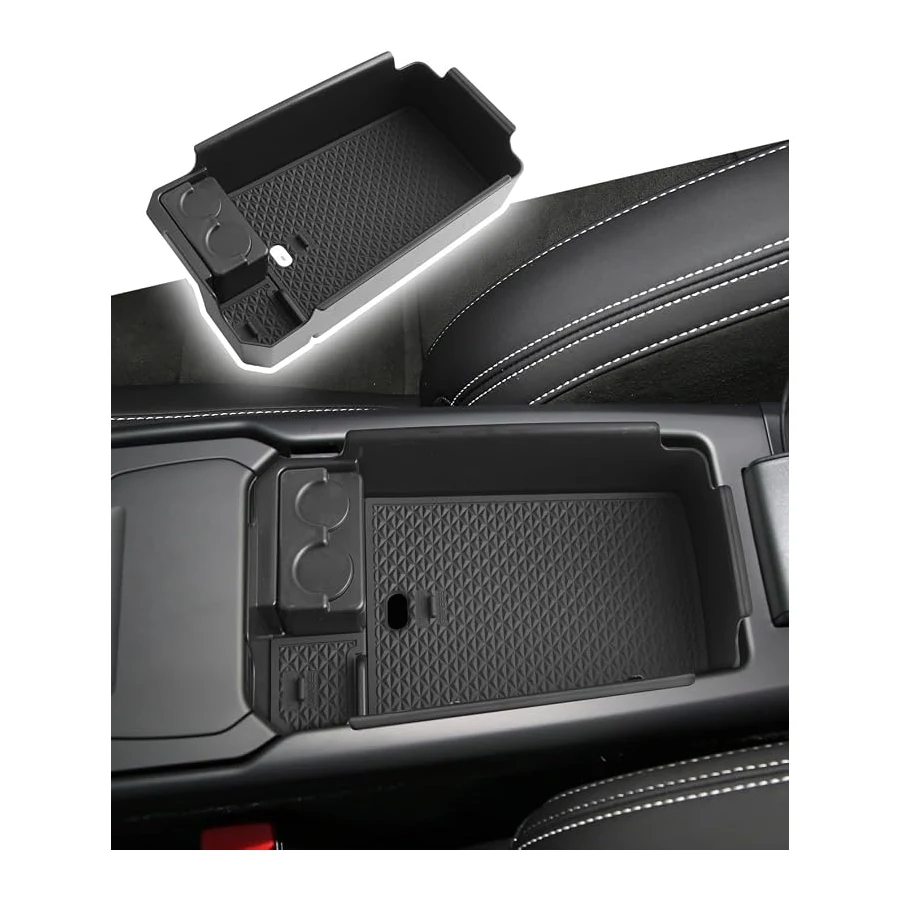
CDEFG Volvo XC40 Center Console Organizer Tray 2018-2026, Armrest Storage Insert with Coin Box
A vehicle-fit accessory to compare for compatibility, daily usefulness, and value.
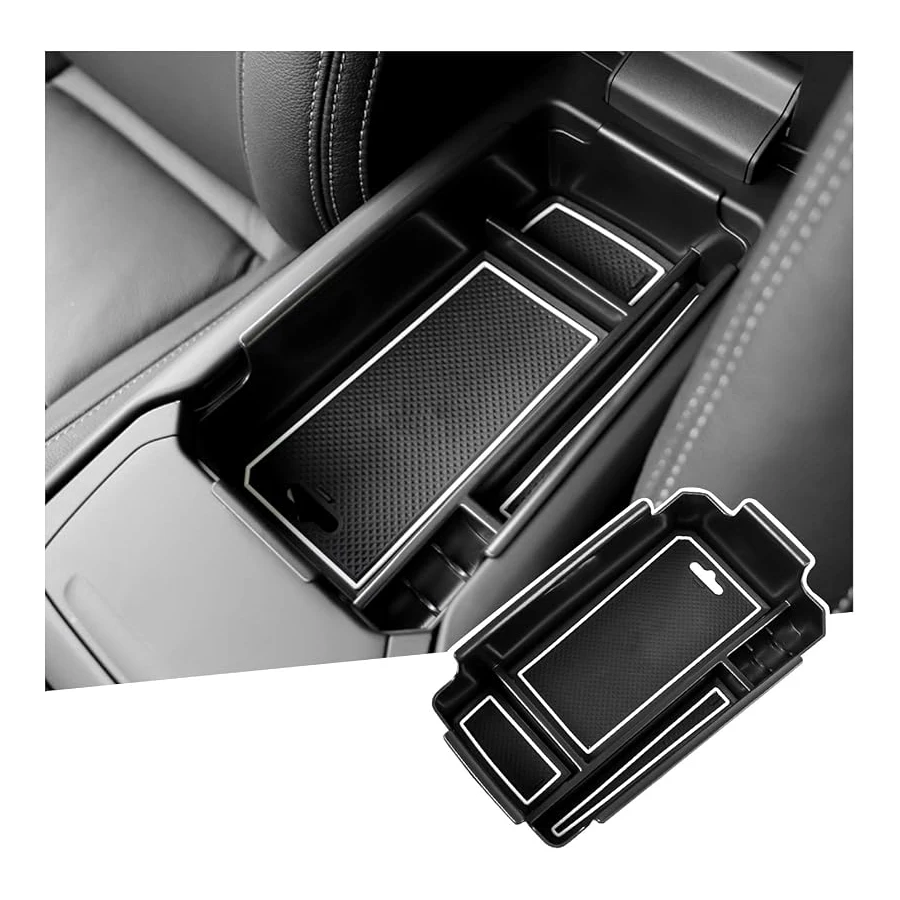 Best Value
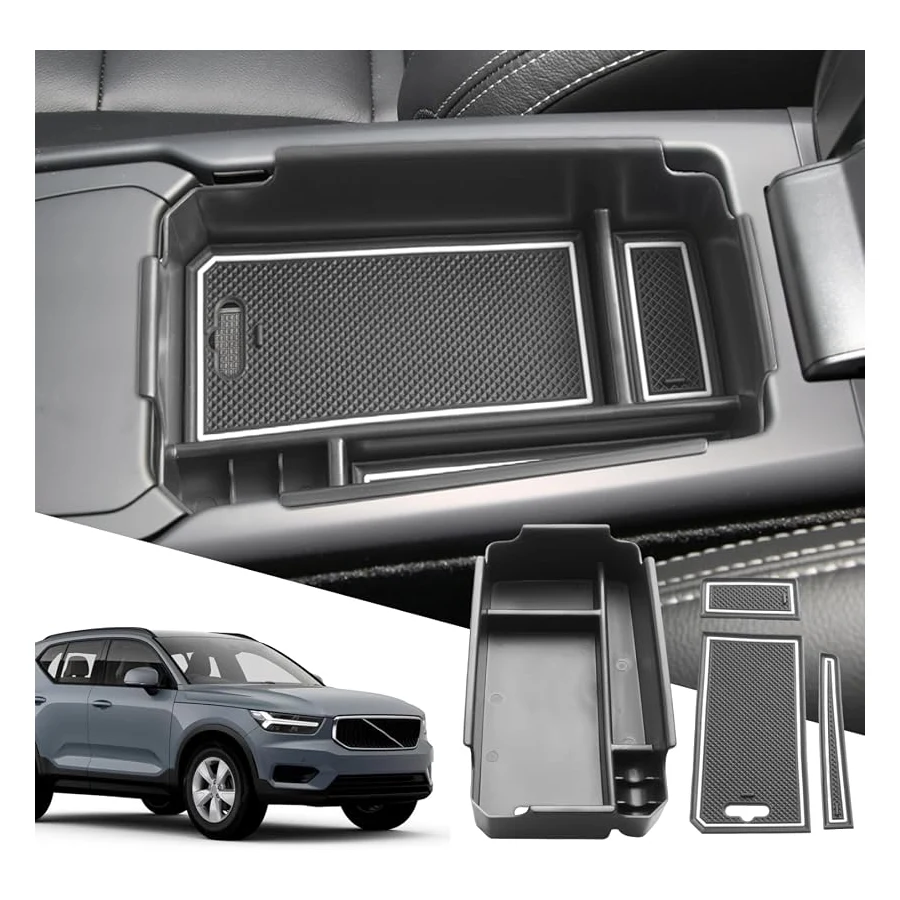
SHAOHAO Volvo XC40 Center Console Organizer 2018-2026, Tray Insert Storage Box for Armrest Compartment
A vehicle-fit accessory to compare for compatibility, daily usefulness, and value.
 Best Premium Option
SXCY Updated Volvo XC40 Center Console Organizer 2018-2026 with White Anti-Slip Mats, Easy Install
A vehicle-fit accessory to compare for compatibility, daily usefulness, and value.
Sources and Methodology
Analysis targets the U.S. market, using 2011 as the baseline overlap year for Volvo S40 (final U.S. year) and early second‑gen Volvo S60. Trims were matched by common configurations (S40 T5; S60 T6 AWD), with notes for adjacent years where clarity helps. Specs and ratings were drawn from official Volvo materials, the EPA and IIHS. Because used pricing varies widely by mileage, options and condition, we emphasized relative differences over absolutes. Data verified August 2026.
Author

Author

Evans Torres
I’m Evans Torres, an automotive engineer who loves Volvo cars. I graduated in Automotive Engineering from USC. I have worked in the car industry for years and now share my knowledge on The Volvo Life. I started this blog to connect with other Volvo fans. I offer tips, news, and advice to help you care for your car. My goal is to help you keep your Volvo in great shape and find all the best things about it. Join me as we discover everything Volvo has to offer!