


volvo cars vs volvo group difference hybrids is that Volvo Cars sells U.S. passenger hybrids (mild-hybrid B5/B6 and Recharge plug‑in models) while Volvo Group is a separate heavy‑vehicle company with commercial hybrid/EV tech, not consumer cars. They share the Volvo name via licensed trademarks.
Shoppers often see “Volvo” on an SUV, a semi-truck, or a marine engine and assume it’s one company. It’s not. Volvo Cars and Volvo Group have been separate since 1999, with different owners, stock listings, and product lines.
This guide clarifies ownership, branding, and, crucially, how “hybrids” differ. If you want a plug‑in hybrid for your driveway, you’re shopping Volvo Cars. If you’re thinking about commercial fleets, buses, or marine/industrial systems, that’s Volvo Group. For a broader primer, see our detailed explainer on the difference between Volvo Group and Volvo Cars.
- Main difference: Volvo Cars builds and sells passenger vehicles, including U.S. hybrids; Volvo Group builds commercial trucks, buses, construction equipment, and marine/industrial systems and doesn’t sell consumer cars.
- Best for A: Volvo Cars if you want a U.S. mild‑hybrid or plug‑in hybrid SUV or sedan and dealer-backed ownership.
- Best for B: Volvo Group if you operate commercial fleets or marine/industrial applications and are evaluating hybrid/EV powertrains at scale.
- Cost/value: Volvo Cars hybrids price like premium luxury models with 4/50 warranties; Volvo Group solutions are fleet‑procured with TCO‑driven pricing and service contracts.
- Important caveat: The “Volvo” brand is shared under license; similar logos do not mean the companies—or their hybrid technologies—are interchangeable.
What Volvo Cars is
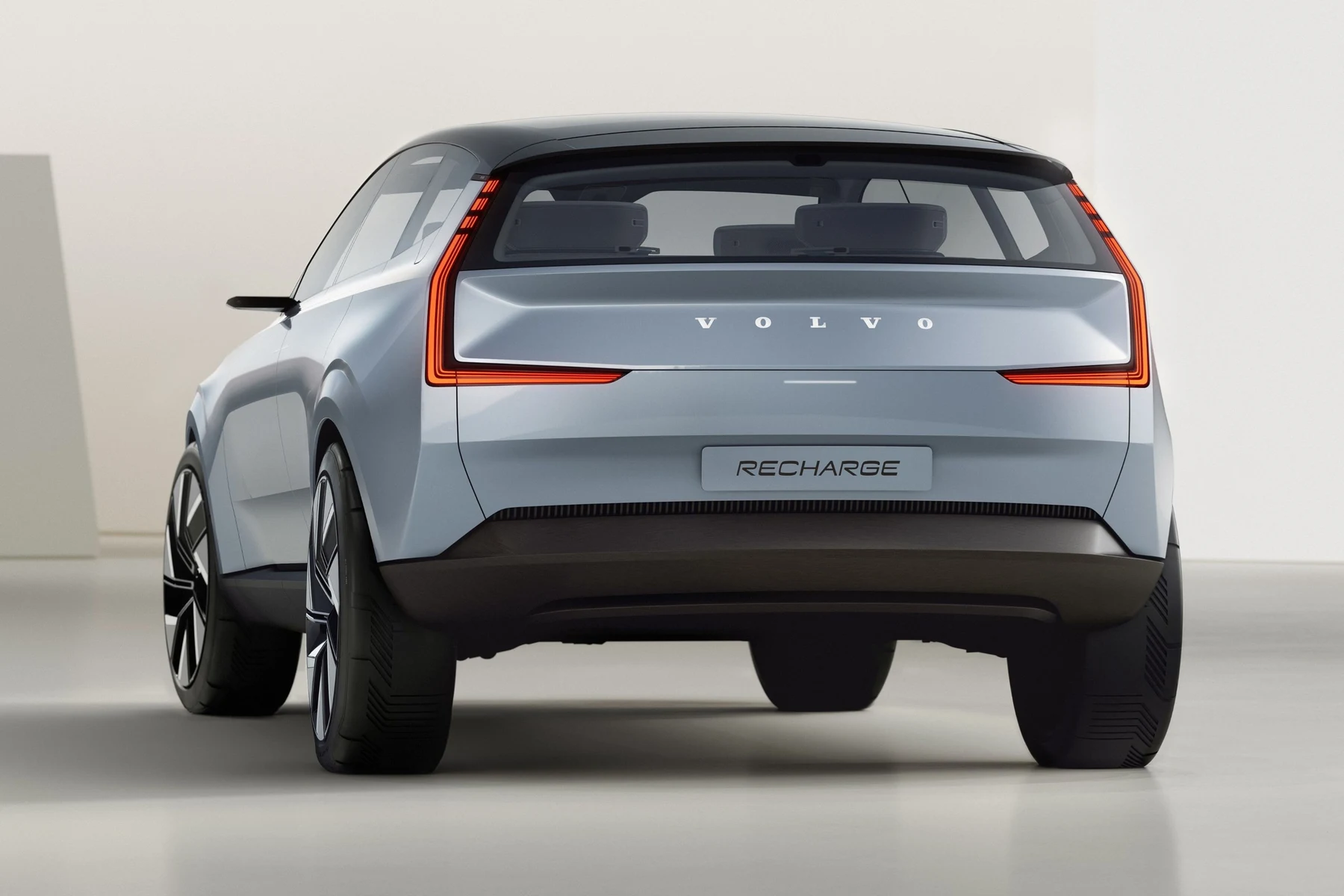
Volvo Cars is the passenger‑vehicle manufacturer that sells SUVs and sedans through U.S. dealers. It offers electrified powertrains as mild hybrids (B5/B6) and plug‑in hybrids (Recharge), alongside pure EVs like the EX30 and EX90.
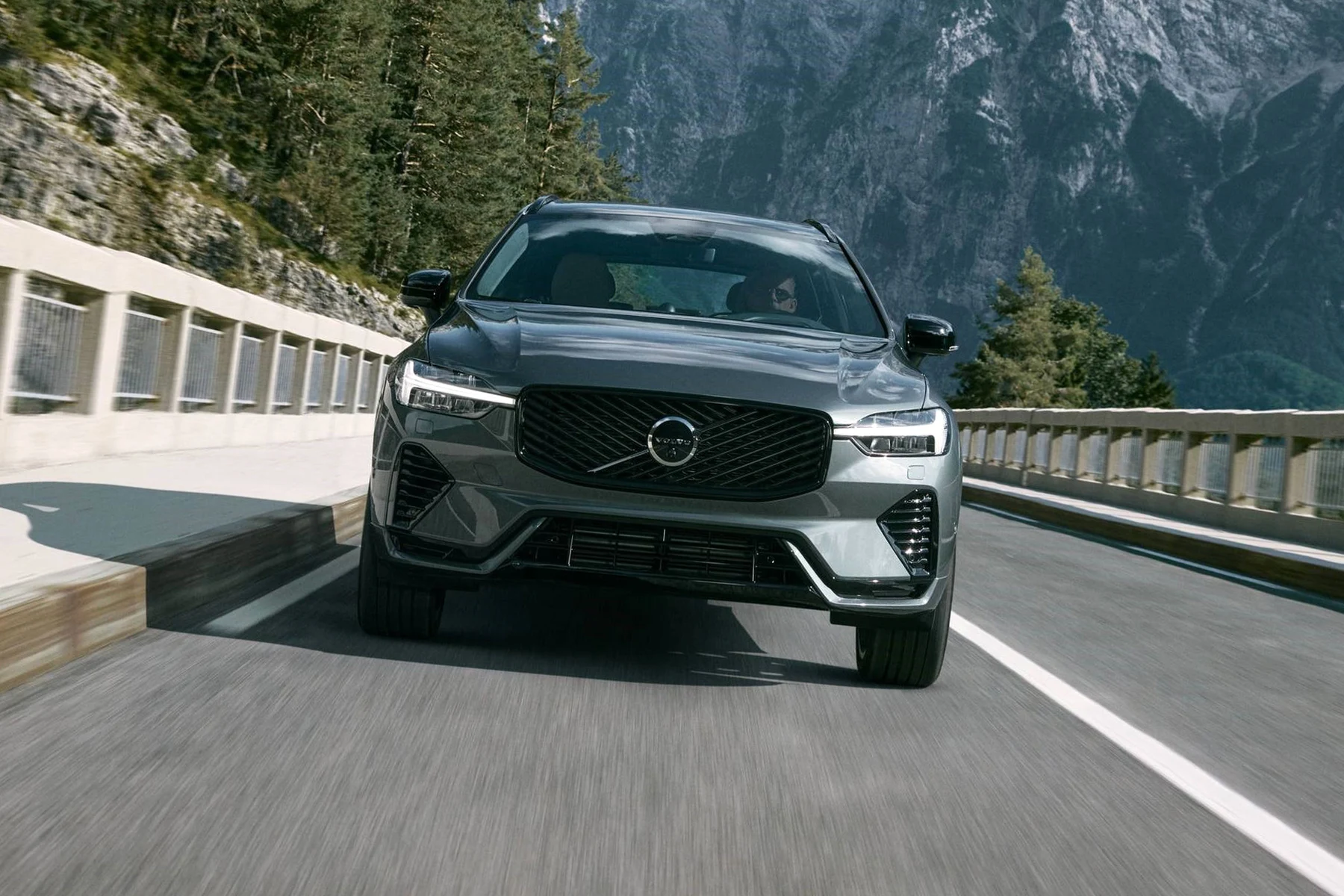
Ownership-wise, Volvo Car AB (publ) is a Swedish company headquartered in Gothenburg and majority‑owned by Zhejiang Geely Holding. It’s listed on Nasdaq Stockholm (VOLCAR B) and sets its own product strategy and retail operations.
In Volvo Cars speak, “B5”/“B6” are 48‑V mild‑hybrids that can’t drive on electricity alone, while “Recharge” identifies plug‑in hybrids that do. Both cut fuel use, but only Recharge models can run gas‑free for short trips when charged.
What Volvo Group is
Volvo Group (AB Volvo) is a separate Swedish industrial company that makes heavy‑duty trucks, buses, construction equipment, and marine/industrial powertrains (Volvo Penta). It does not sell consumer cars or SUVs.
In North America, Volvo Trucks focuses on diesel and battery‑electric (e.g., VNR Electric). Hybrid buses and truck programs have existed primarily outside the U.S. and are increasingly superseded by full battery‑electric solutions.
If you’re researching corporate structure, our side‑by‑side on Volvo AB vs Volvo Cars adds more governance detail.
Volvo Group sold the car business in 1999 and hasn’t built consumer cars since. That’s why a Volvo‑branded semi and a Volvo‑branded SUV share a logo family but come from different corporations, factories, dealer networks, and service tools.
Volvo Cars vs Volvo Group at a glance
Use this quick view to separate the two “Volvos” and see where hybrid tech applies to U.S. buyers versus commercial operators.
| Category | Volvo Cars | Volvo Group |
|---|---|---|
| Legal entity | Volvo Car AB (publ) | AB Volvo (publ) |
| Headquarters | Gothenburg, Sweden | Gothenburg, Sweden |
| Ownership/listing | Majority owned by Zhejiang Geely Holding; listed as VOLCAR B (Stockholm) | Public company; VOLV A/B (Stockholm); multiple institutional owners |
| What they sell | Passenger cars/SUVs via U.S. retailers | Commercial trucks, buses, construction equipment, marine/industrial power |
| U.S. hybrids you can buy | Mild‑hybrid B5/B6 and Recharge plug‑in hybrids (model/trim vary by year) | No consumer cars; commercial hybrid/EV technologies vary by market |
| Notable electrified tech | PHEV “Recharge” drivetrains; 48‑V mild‑hybrids; full EVs (EX30, EX90) | Battery‑electric trucks/buses; hybrid bus legacy; marine hybridization (Penta) |
| Brand/logo | Uses Volvo name/logo under license | Uses Volvo name/logo under license |
| U.S. sales channel | Consumer dealerships; online build/order | Commercial/fleet sales and dealer networks (no consumer SUVs) |
| Polestar tie | Strategic partner; reduced minority share following 2024 changes | No direct ownership; separate from Polestar |
Availability, eligibility, market and verification date
In the U.S. as of August 2026, Volvo Cars dealers commonly list mild‑hybrid B‑badged models and Recharge plug‑in hybrids, with exact trims shifting as model years roll. Availability varies by region, production cycle, and inventory mix.
Volvo Group does not sell consumer hybrids in the U.S. Its electrified portfolio targets fleets, public transit, construction, and marine/industrial buyers through dedicated commercial channels.
Confirm your ZIP‑code inventory for “Recharge” PHEVs on Volvo’s U.S. site and ask the retailer to show current EPA window stickers. If you’re eyeing incentives, verify eligibility on official IRS/DOE lists for your specific VIN and model year.
On the Monroney label, look for “Plug‑in Hybrid,” a higher combined MPGe figure, and an onboard charging section. If the tag only mentions a 48‑V system and no electric‑only operation, you’re viewing a mild‑hybrid (B5/B6), not a Recharge PHEV.
Cost structure, branding and what is included
Volvo Cars pricing follows premium‑segment MSRPs plus destination and options. U.S. cars typically include a 4‑year/50,000‑mile new‑vehicle warranty and high‑voltage battery coverage often around 8 years/100,000 miles; verify current terms on your buyer’s order.
Volvo Group solutions are procured through commercial dealers and fleet contracts. Pricing is TCO‑driven and can bundle uptime services, telematics, and duty‑cycle‑based warranties rather than consumer retail packages.
For Volvo Cars PHEVs, total cost includes home charging, insurance, tires, brake service, and potential tax incentives. For Volvo Group, model the duty cycle, electricity/diesel mix, charging/depot upgrades, and driver training within a multi‑year TCO.
Legal entities, ownership, headquarters and listings
Volvo Cars and Volvo Group are independent Swedish companies headquartered in Gothenburg. They are separately listed on Nasdaq Stockholm as VOLCAR B (Volvo Cars) and VOLV A/B (AB Volvo).
Volvo Cars is majority‑owned by Zhejiang Geely Holding. AB Volvo’s shareholders are diversified; Geely’s Swedish affiliate is a notable but minority investor, which does not reunify the two businesses.
Both companies use the Volvo wordmark/iron mark under license via Volvo Trademark Holding AB, co‑owned by Volvo Cars and AB Volvo. Brand boards align identity standards while keeping operations and product plans separate.
History recap: AB Volvo sold the car operations to Ford in 1999; Ford then sold Volvo Cars to Zhejiang Geely Holding in 2010. Since then, the two “Volvos” have remained independent in ownership and product scope.
A shared logo family does not imply shared parts, dealers, warranties, or financing. A Volvo Cars PHEV SUV and a Volvo Group truck may look “Volvo,” but they live in different ecosystems end‑to‑end.
Pros and cons and financial risks
Volvo Cars Pros and Cons
- Offers U.S. mild‑hybrid and plug‑in hybrid models with dealer support.
- Premium safety and driver‑assist feature set in segment.
- Established retail finance/lease and certified pre‑owned pathways.
- PHEV incentives vary and may not apply based on assembly or sourcing.
- Luxury‑segment insurance, tires, and service can be costlier than mainstream.
- Hybrid availability can change during model‑year transitions.
Volvo Group Pros and Cons
- Deep expertise in commercial electrification and uptime services.
- Fleet‑tailored warranties, telematics, and TCO optimization.
- Broad global support across trucks, buses, and industrial power.
- No consumer hybrids or SUVs; not relevant to retail shoppers.
- Hybrid programs are market‑specific and increasingly displaced by BEVs.
- Complex procurement and infrastructure requirements versus retail buying.
Which option fits which buyer
How to Decide Between Volvo Cars and Volvo Group
-
Define your use case. Household transportation = Volvo Cars; commercial/industrial fleet = Volvo Group. This single choice narrows channels, warranties, and costs.
-
Pick the powertrain. For Volvo Cars, compare B‑badge mild‑hybrids vs Recharge plug‑in hybrids vs EVs. For fleets, evaluate BEV vs hybrid vs conventional based on duty cycle.
-
Verify availability. Ask Volvo retailers for current PHEV inventory and lead times. For fleets, contact Volvo Group dealers on market‑specific electrified products.
-
Model costs. Include fuel/electricity, incentives, maintenance, insurance, and depreciation for cars; include infrastructure and uptime services for fleets.
-
Confirm branding and support. Ensure your VIN/build sheet, warranty booklet, and dealer network match the correct company before you sign.
If you’re just starting to compare, keep your documents organized—window stickers, build sheets, and warranty PDFs—so you can quickly confirm which “Volvo” you’re evaluating.
💡 Evans Torres Tip: When you’re on a listing, scan for the exact powertrain label. “B5/B6” means mild‑hybrid; “Recharge” means plug‑in hybrid. Cross‑check the VIN on the buyer’s order against the Monroney to avoid trim or powertrain mix‑ups, and save screenshots—spec pages change during model‑year rollovers.
Frequently Asked Questions
Shoppers and fleet managers ask similar questions because the same Volvo wordmark appears in multiple industries. These answers separate retail buying from commercial procurement, clarify who owns what, and outline where hybrid technology applies in the U.S. market as of August 2026.
Are Volvo Cars and Volvo Group the same company?
No. Volvo Cars (passenger vehicles) and Volvo Group (commercial/industrial) have been separate since 1999. They share the Volvo name under trademark licenses but have different owners, stock listings, products, dealers, warranties, and service tools.
Who owns Volvo Cars and who owns Volvo Group?
Volvo Cars is majority‑owned by Zhejiang Geely Holding and listed in Stockholm as VOLCAR B. AB Volvo (Volvo Group) is an independent public company listed as VOLV A/B with diversified institutional shareholders.
Which company sells Volvo hybrids I can buy at a U.S. dealership?
Volvo Cars. U.S. dealers offer B‑badge mild‑hybrids and Recharge plug‑in hybrids, plus full EVs. Availability and trims vary by model year and region; ask the retailer for a current window sticker and order guide.
Does Volvo Group sell any passenger hybrids in the U.S.?
No. Volvo Group does not sell consumer cars or SUVs. Its electrified offerings in North America target fleets—battery‑electric trucks and duty‑specific solutions—sold through commercial dealers and fleet contracts.
Do Volvo Cars hybrids share technology with Volvo Group trucks?
Not in a consumer‑buyable way. Product engineering and supplier ecosystems are separate. Passenger PHEVs and mild‑hybrids from Volvo Cars are distinct from Volvo Group’s commercial platforms, components, and control software.
What warranties apply to Volvo Cars hybrids?
U.S. Volvo Cars typically carry a 4‑year/50,000‑mile new‑vehicle warranty and separate high‑voltage battery coverage commonly around 8 years/100,000 miles. Always verify current coverage terms on your specific buyer’s order or warranty booklet.
Can Volvo Cars plug‑in hybrids qualify for U.S. federal tax credits?
Eligibility changes with model year, assembly location, and battery sourcing rules. Some PHEVs may qualify, others may not. Confirm your exact VIN on the official IRS/DOE eligibility lists before purchase.
Where are Volvo Cars hybrids built?
Production locations vary by model and year (e.g., Europe, Asia, and the Americas). Assembly affects delivery times, logistics, and potential incentives. If you’re curious about factory footprints, see our guide on where Volvo Cars are made today.
Final Verdict
If you want a hybrid for personal use, you’re shopping Volvo Cars—period. That’s where B‑badge mild‑hybrids, Recharge plug‑in hybrids, warranties, and retail financing live. Your decision is between mild‑hybrid, PHEV, or full EV based on commute length, charging access, and total cost.
If you run fleets or industrial assets, evaluate Volvo Group’s commercial electrification portfolio with duty‑cycle data and infrastructure planning. Despite a shared logo family, the two “Volvos” serve different customers, make different products, and require different buying playbooks.
My Top Picks at a Glance
These three Volvo accessories are practical options to compare after choosing the right Volvo configuration.
 Best Overall
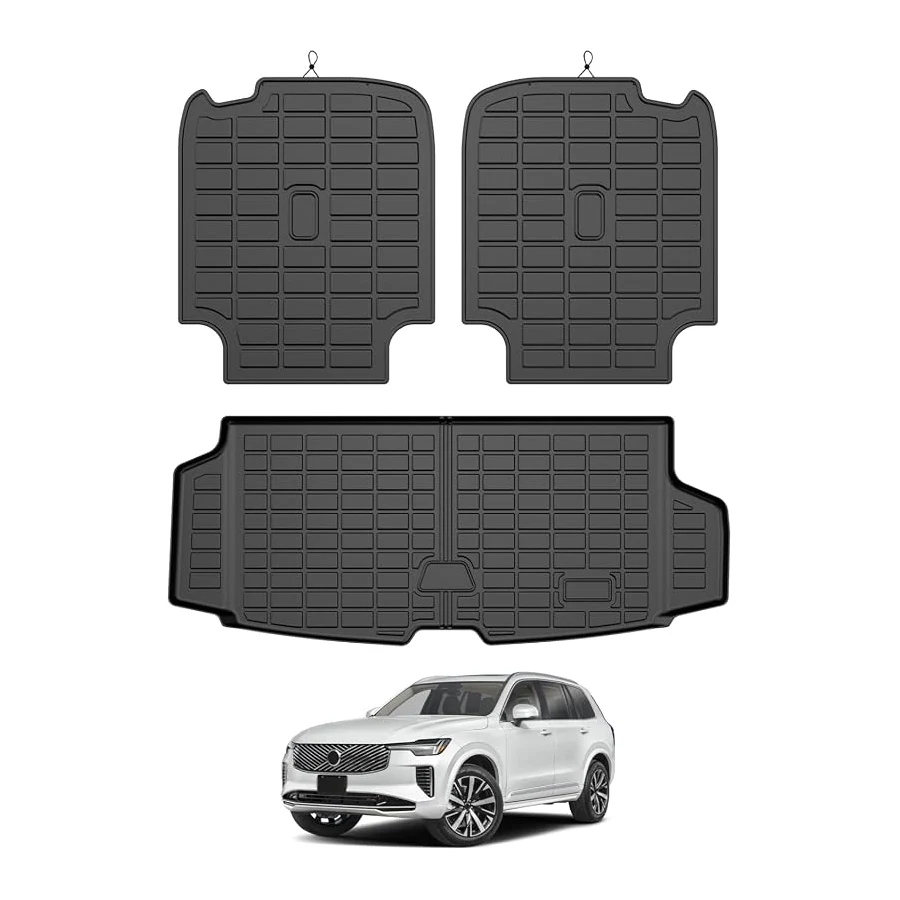
Mixsuper Volvo XC90 2016-2026 cargo liner with backrest mat, custom-fit TPE, waterproof, all-weather protection.
A vehicle-fit accessory to compare for compatibility, daily usefulness, and value.
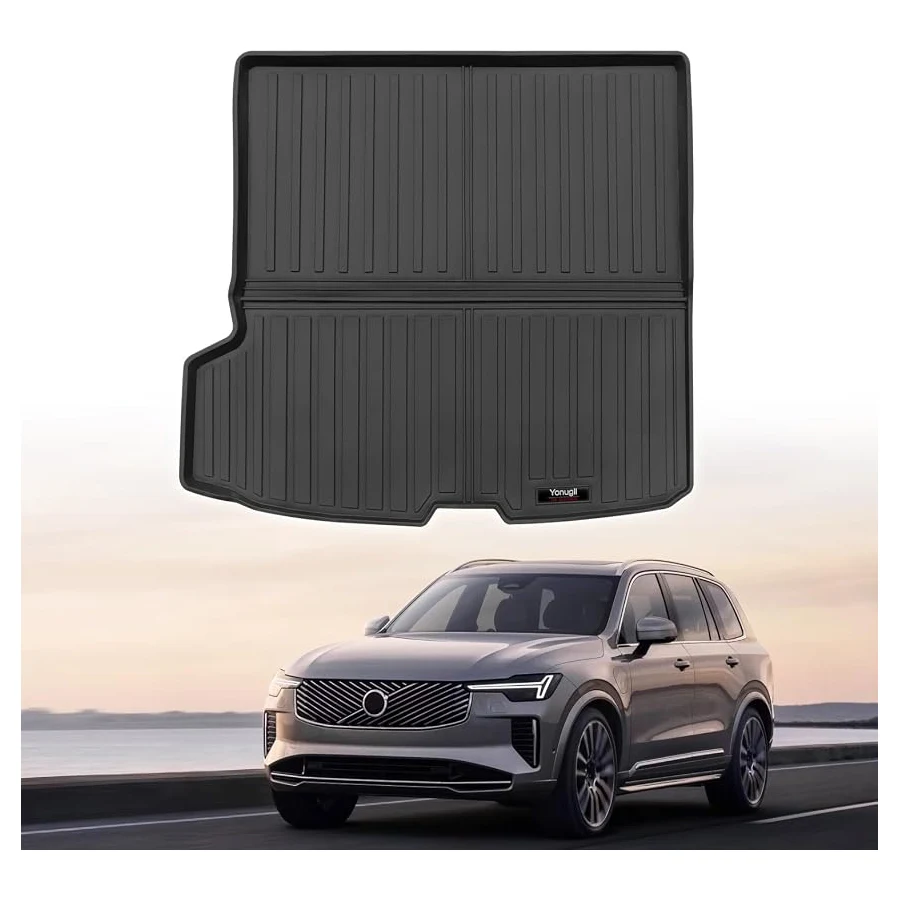 Best Value
Custom Volvo XC90 2016-2026 cargo mat behind 2nd row, TPE liner, all-weather, easy-clean protection.
A vehicle-fit accessory to compare for compatibility, daily usefulness, and value.
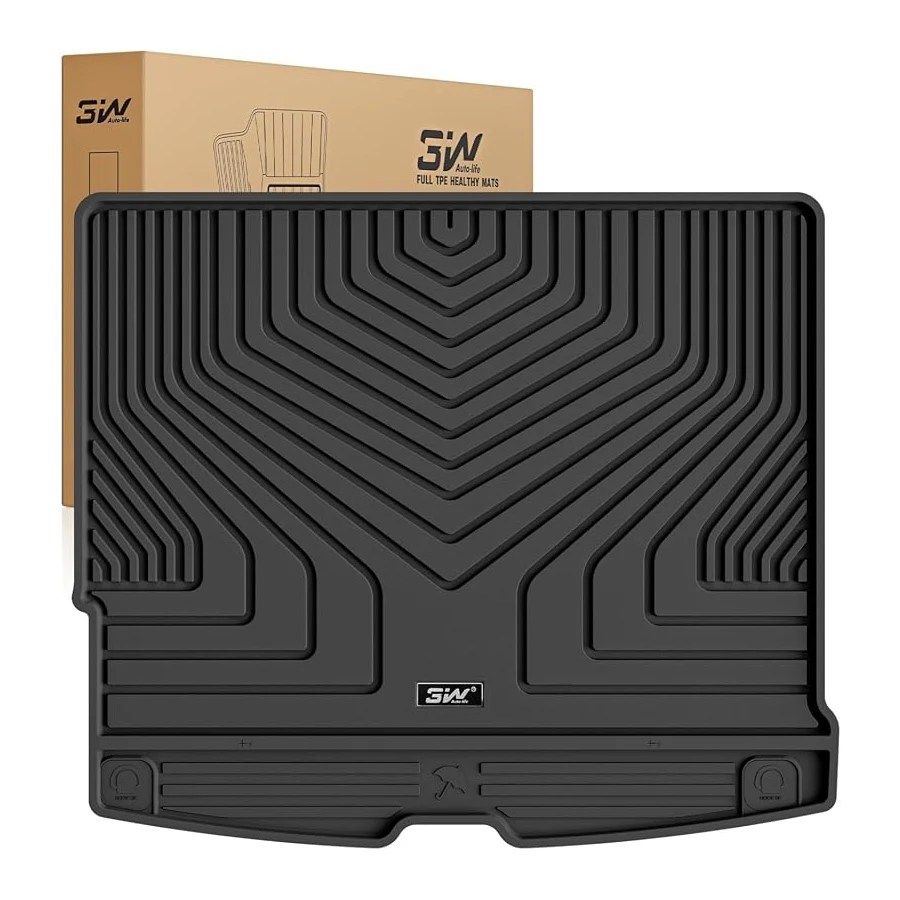 Best Premium Option
3W Volvo XC60 2018-2026 cargo liner, custom-fit TPE, non-slip, max coverage, easy install, easy-clean, all-weather.
A vehicle-fit accessory to compare for compatibility, daily usefulness, and value.
Sources and Methodology
This U.S.‑focused comparison covers 2024–2026 passenger‑vehicle availability and ongoing commercial programs. We matched entities (Volvo Cars vs Volvo Group) by legal ownership, listings, products, and brand governance, using official manufacturer sources wherever possible. We avoided quoting shifting incentives or unverified specs; verify trim‑level details and credits for a specific VIN. Data verified August 2026.
Author

Author

Evans Torres
I’m Evans Torres, an automotive engineer who loves Volvo cars. I graduated in Automotive Engineering from USC. I have worked in the car industry for years and now share my knowledge on The Volvo Life. I started this blog to connect with other Volvo fans. I offer tips, news, and advice to help you care for your car. My goal is to help you keep your Volvo in great shape and find all the best things about it. Join me as we discover everything Volvo has to offer!