


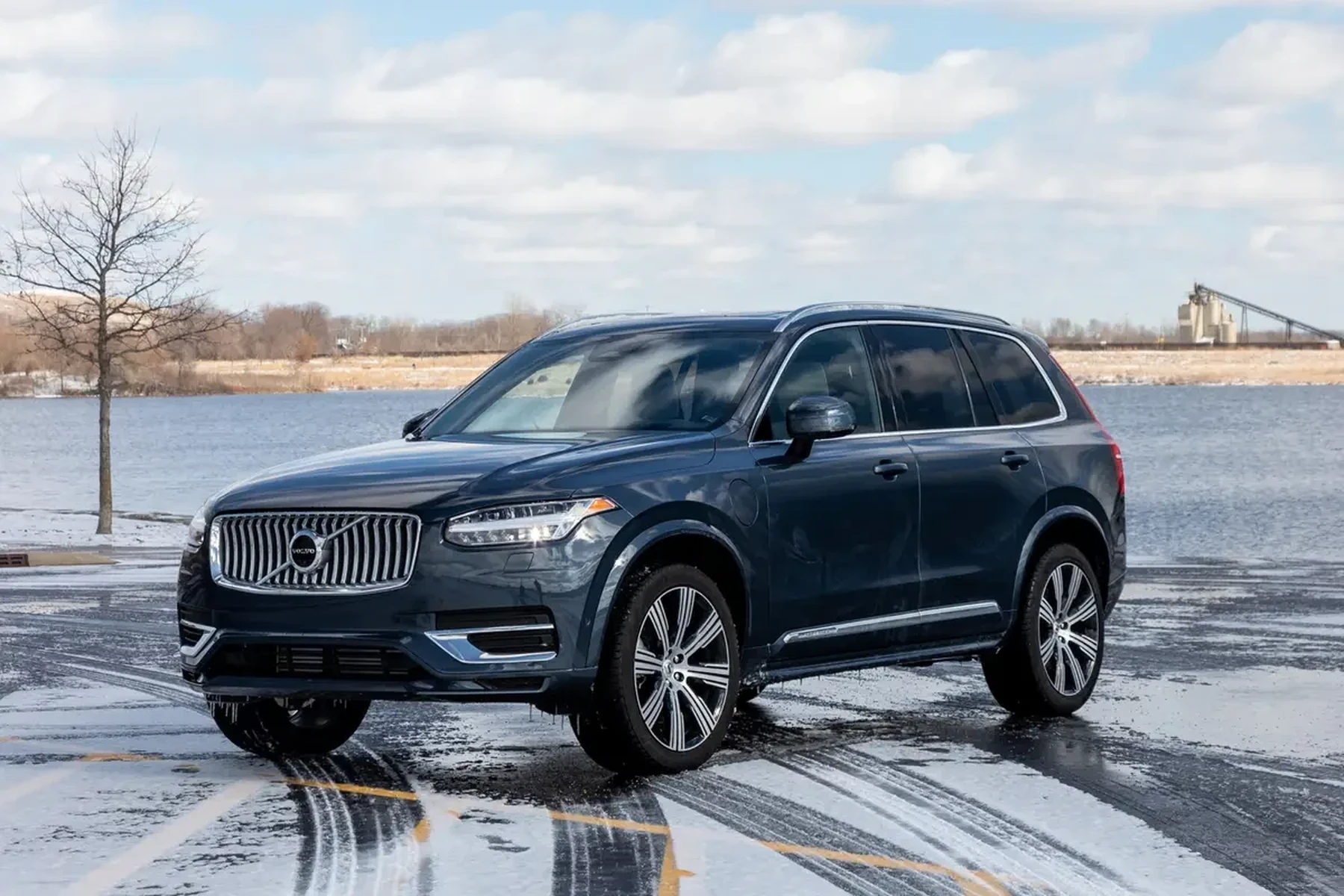
Volvo difference between V or S models centers on body style and mission: V = wagons (V60/V90) with expanded cargo and hatchback utility; S = sedans (S60/S90) with a traditional trunk, sleeker profile, and slightly lower price. Both lines share platforms, engines, safety tech, and interiors, so the choice comes down to space needs, budget, and ride height (Cross Country wagons sit taller). In the USA, availability can vary by year—confirm current models before you shop.
Shopping Volvo and torn between the “V” and “S” badges? The decision is simpler than it looks. V stands for versatile wagons that carry more gear and fold flat; S is for sleek sedans that prioritize a quieter cabin and a lower entry price. Under the skin, these siblings share almost everything: platforms, engines, driver-assist tech, and cabin design. That’s why choosing the right one hinges on how you use your car—weekend hauls, road trips, city parking, pets, or snow travel. This guide compares V vs S on space, price, trims, powertrains, tech, reliability, and day-to-day ownership so you can pick with confidence. This connects closely with difference between Volvo group and Volvo cars if you want to compare the topic in more detail.
- Main point: V models are wagons with hatchback cargo and optional Cross Country lift; S models are sedans with traditional trunks.
- Best first step: Measure your real cargo needs (stroller, golf bags, dog crate) and test-fold rear seats—this decides most buyers’ choice.
- Cost or value: Sedans typically cost $3,000–$6,000 less than comparable wagons in the same generation/trim.
- Who it suits: V for families, outdoor gear, and dogs; S for commuters who value a quieter ride and lower price.
- When to get help: Verify current US availability and pricing with a Volvo specialist—wagon trims can be limited by model year.
Needs easy-loading cargo, fold-flat seats, and roof rails for bikes or skis — V models check the boxes.
Wants Volvo comfort and safety at the lowest price of entry — S models usually cost less.
Lives with snow or gravel roads — V Cross Country’s extra ground clearance and AWD shine.
Volvo V Models vs S Models: Quick Comparison at a Glance
Wagon versus sedan changes how you use the back half of the car, not the heart of it. V wagons (V60/V90) provide a large, square cargo area with a low load floor and roof rails; S sedans (S60/S90) trade that utility for a sleeker shape and slightly quieter cabin. Both lines share engines, safety suites, infotainment, and seating comfort. The choice is practical: frequent hauls, dogs, or bulky cargo push you to V; primarily people and luggage favor S.
Here’s how the two body styles compare in the details you’ll feel in everyday ownership. Scan the cargo, ride height, and access rows in particular — those typically decide which one fits your day-to-day life best.
| Attribute | V Models (V60/V90) | S Models (S60/S90) |
|---|---|---|
| Body style | Wagon (hatchback) | Sedan (trunk) |
| Cargo space | Larger; ~23 cu ft seats up, ~48–50 cu ft seats down (varies by year) | Smaller; ~12–16 cu ft trunk (varies by year) |
| Rear seat folding | Standard 60/40 or 40/20/40; near-flat load floor | Often 60/40; trunk opening limits bulky items |
| Ride height | Standard low; Cross Country adds ~2 inches and cladding | Lower sedan ride height |
| Roof rails | Usually standard; easy rack mounting | Typically optional or not fitted |
| AWD availability | Common; CC often AWD by default | Available on most trims |
| Noise/efficiency | Slightly more cargo-area noise; efficiency similar | Slightly quieter; marginally better aero |
| Typical price | Higher than comparable S by ~$3k–$6k | Lower entry price |
For most families and outdoor lifestyles, the V’s hatch and fold-flat floor are game-changing. For commuters and budget-focused buyers, the S sedan delivers the same Volvo feel for less.
Large, loose cargo can become a projectile in a crash. Always use the cargo cover, nets, tie-downs, or a dog guard in wagons, and distribute weight low and forward. Check your owner’s manual for roof-load limits before fitting racks.
Size, Seating & Practicality: Wagons (V) vs Sedans (S)
Practicality is where the V line wins decisively. The wide hatch opening, low sill, and square load bay swallow strollers, golf bags, bikes (with the front wheel removed), and dog crates without wrestling. Typical V60 figures hover around the low-20s cu ft seats up and near-50 cu ft seats down depending on year/trim. S60’s trunk is tidy for luggage but not for bulky boxes; many sedans limit height and hatch access. Both seat five with similar rear legroom within the same generation.
Cross Country (CC) versions of the wagons add usable ground clearance for rutted driveways and snow berms without jumping to an SUV. Roof rails on wagons simplify mounting cargo boxes or ski racks, while many sedans need clip-on rack systems. If you frequently carry long items (skis, boards), look for 40/20/40 rear-seat splits — S and V offer it on many trims.
Volvo’s Cross Country wagons arrived in the 1990s to tackle snow and gravel without SUV bulk. That extra lift and underbody cladding help approach angles and winter clearance while keeping car-like handling.
Price & Trim Levels: What You’ll Pay for V vs S in the USA
Expect sedans to start lower than wagons in the same generation. In many years, the V60 was offered primarily in better-equipped trims or as a Cross Country in the U.S., while the S60 spanned a wider price range. The gap typically lands between $3,000 and $6,000 at the base to mid-level, with well-equipped prices converging once you add AWD, driver aids, and premium packages. Incentives and availability swing this balance year to year, so always compare build sheets rather than badges. For another practical angle, see why is Volvo s keyless start a twist action.

Here is a quick summary of typical pricing relationships buyers have seen across recent model years. Use it as a directional guide and confirm current figures on Volvo’s U.S. site or with local dealers.
In short, sedans usually win on base price; wagons win on standard kit and utility. Well-equipped examples often end up closer than the base MSRP suggests.
| Model Pair | Starting MSRP (typical relationship) | Well-Equipped Price (typical) | Key Value Notes |
|---|---|---|---|
| S60 vs V60 | V60 ~+$3k–$5k vs S60 | Converge as options add; V60 CC often starts higher | Wagon utility, roof rails, and CC lift justify premium |
| S90 vs V90 | V90 ~+$4k–$6k vs S90 (varies by availability) | Similar when both loaded with packages | V90 is rarer; availability by year affects pricing |
| S60 AWD vs V60 AWD | V60 AWD ~+$3k–$4k | Close when adding driver-assist and premium audio | AWD narrows the gap; CC often AWD by default |
| Recharge PHEV pairs | Wagon PHEV slightly higher when offered | Close; equipment parity matters more | Tax credits and inventory can flip the equation |
Performance, Powertrains & Fuel Economy: Are V or S Models Quicker or More Efficient?
Performance is largely a draw because S and V share the same engines and transmissions. In older naming, that meant T5/T6; in newer cars, B5/B6 mild hybrids and Recharge plug-in hybrids (T8). Sedans are a hair lighter and a touch more aerodynamic, so 0–60 times can be 0.1–0.3s quicker and highway MPG maybe 1–2 better, but most owners won’t feel the difference. Cross Country wagons carry extra height and cladding; expect a small efficiency penalty. For related context, you may also want to read what is the difference between Volvo group and Volvo cars.
If you’re weighing older trims, read up on how Volvo’s turbo and supercharged options differ — it clarifies why mid-trim cars can feel so different to drive even when they share badges.
See the difference between Volvo T5 and T6 engines to understand turbo-only vs turbo+supercharger tuning in prior generations. That context helps when cross-shopping certified pre-owned S60/V60 or S90/V90.
Recharge plug-in hybrid variants (when offered in a given year) deliver strong torque from the electric motor and often outperform gas-only trims in city driving. Real-world efficiency depends on how often you plug in and your commute length.
Cabin experience is nearly identical within the same generation. You’ll find the same seats (a Volvo highlight), driver-assist suites (Pilot Assist, lane-keep, blind-spot), and infotainment (Sensus in earlier years, Google built-in in newer ones). Differences are mostly practical: wagons add a retractable cargo cover, extra tie-downs, and a larger rear opening; sedans trade that for a parcel shelf and slightly lower cabin noise. Rear visibility can be a touch better in wagons thanks to the larger rear glass.
Controls, digital clusters, and climate layouts are shared. Some model years retain Volvo’s signature start knob ergonomics you might have read about; it’s a small design quirk with a loyal fan base. If you are comparing similar topics, Volvo won t start or crank is also worth checking.
Check current U.S. Volvo models and features for the latest infotainment and driver-assist availability by trim—these evolve more frequently than platforms.
U.S. availability of V wagons has shifted over the years, with Cross Country trims often taking the lead. Always verify current model-year offerings on Volvo’s site or with a local retailer before you fixate on a specific configuration.
Reliability, Maintenance & Resale: Ownership Differences Between V and S
Reliability and routine maintenance are virtually the same across S and V of the same generation and powertrain. Service intervals, fluids, brakes, and tires line up closely. The wagon’s hatch introduces a couple of unique wear items (tailgate struts, cargo cover), but costs are minor relative to total ownership. Resale trends differ by region: sedans typically have broader mainstream appeal; wagons hold value best in outdoorsy markets (Pacific Northwest, Northeast) and among enthusiasts, especially Cross Country or rare trims. You can also use maintenance and service schedule 2013 Volvo s 60 as a helpful next guide on the same ownership topic.
Planning long-term ownership? Compare maintenance expectations by model and year. These two resources are a good starting point for service cadence and what lights to expect on the dash after a visit.
Volvo S90 maintenance schedule outlines large-sedan intervals similar to V90’s. For service reminders, see S60 scheduled maintenance light—the same logic applies to V60.
Pros and Cons: Choose a Volvo V Wagon or S Sedan
Reading spec sheets sometimes hides the day-to-day trade-offs. Drivers who regularly carry pets, sports gear, or home-improvement supplies tend to love the wagon the first time they fold the seats and load from the curb. City apartment dwellers and commuters often prefer the sedan’s tidier footprint, lower buy-in, and slightly calmer cabin at highway speed. Here’s how most owners summarize the decision once they’ve lived with each.
Pros of Volvo V wagons
- Hatch utility: Square opening, low load floor, and fold-flat seats make bulky cargo easy.
- Roof-ready: Standard rails simplify boxes, bikes, and skis.
- Cross Country option: Extra ground clearance without SUV size.
- Dog- and family-friendly: Cargo cover, nets, and tie-downs keep things secure.
- Visibility: Larger rear glass can aid rearward view.
Pros of Volvo S sedans
- Lower price: Typically thousands less than a comparable wagon.
- Quieter cabin: Trunk isolates cargo noise better than a hatch area.
- Sleeker profile: Many prefer the traditional sedan silhouette.
- Aero/efficiency edge: A slight highway MPG advantage in some trims.
- Parking ease: Shorter rear overhang can help in tight urban spaces.
How To Choose Between Volvo V and S Models
A great decision starts with what you carry, not just what you drive. Before visiting a dealer, list your non-negotiables: gear size, dog travel, winter conditions, garage clearance, and budget. Then test both body styles back-to-back with real items you haul. Aim to compare trims with similar equipment so price and features don’t cloud the body-style decision.
- Measure your cargo: Bring the biggest items (stroller, golf bag, crate) and test-load both a wagon and sedan.
- Fold and sit: Drop the rear seats, check load floor height/flatness, and sit in the back seats for comfort checks.
- Drive your roads: Include a highway stint and a rough side street; note noise and ride height confidence.
- Match powertrains: Compare like-for-like (B5 vs B5 or Recharge vs Recharge) to isolate body-style differences.
- Total the cost: Price the exact options you want on both; wagons often include useful kit that narrows the gap.
- Bring a tape measure (length, height, hatch opening width) and your daily cargo to the test drive.
- Ask for the rear-seat split (40/20/40 is gold for skis/boards while carrying four people).
- Check spare tire or repair kit location; it can affect hidden storage.
- If you roof-mount gear, verify load ratings and crossbar compatibility for your trim.
Ready to compare live inventory and factory features by trim? Volvo’s U.S. models page stays up to date on availability and equipment changes year to year.
💡 Evans Torres Tip: I test-buy with my life, not a spec sheet. I toss our folded jogging stroller and my tool tote into both a V60 and S60, then time the loading and closing. The wagon’s low sill saves my back and the cargo cover hides everything in seconds. When I switched to a Cross Country one winter, the extra lift made unplowed side streets a non-event. If you haul stuff weekly, the V pays you back every weekend.
Frequently Asked Questions
Shoppers ask a consistent set of questions when deciding between Volvo’s V wagons and S sedans: size differences, pricing gaps, performance changes, fuel economy, family/dog suitability, towing and roof loads, and U.S. availability. The answers below focus on real ownership trade-offs rather than brochure specs, so you can map the choice to your driveway, budget, and routine. If you’re comparing used models, the same answers apply—just match generation and engine for an apples-to-apples view.
Which is bigger inside: V60 or S60?
The V60 carries noticeably more because of its hatch and square cargo bay: typically ~23 cu ft seats up and near 50 cu ft seats down (varies by year). S60’s trunk is fine for luggage (~12–16 cu ft) but limits bulky or tall items and is harder to load.
Are Volvo wagons more expensive than sedans?
Usually, yes. Expect a $3,000–$6,000 premium for a wagon versus the comparable sedan in the same generation and equipment level. Cross Country wagons often start higher due to standard AWD and added hardware.
Do V and S models share engines and safety features?
They do. Within the same generation, you’ll find identical powertrains (B5/B6 or Recharge PHEV, older T5/T6) and the same safety and driver-assist suites. Performance differences are small and largely due to weight and aero.
Which is better for families and dogs?
V wagons win for families hauling strollers, sports gear, and pets. The hatch opening, fold-flat floor, and cargo cover/dog guard options make day-to-day life easier and safer for four-legged passengers.
Is fuel economy different between wagon and sedan?
Only slightly. Sedans can hold a 1–2 MPG highway edge thanks to aerodynamics and slightly lower weight. Cross Country wagons may give up a bit more due to increased ride height. Around town, differences are modest.
Will Volvo wagons be available this year in the USA?
Availability shifts by model year, with wagons sometimes limited to Cross Country trims. Always confirm current offerings and trims on Volvo’s U.S. site or with a local retailer before planning a purchase.
Can a wagon tow more than a sedan?
Tow ratings are typically similar when powertrain and chassis are the same. The wagon’s hatch and load bay help with gear, but always verify the specific model-year tow rating and install the proper Volvo-approved hitch.
Is a Cross Country wagon worth it over a standard wagon?
If you face snow, gravel, or rough driveways, the extra ground clearance and protective cladding are worth it. In mild climates with perfect roads, the standard wagon’s lower height and price may suit you better.
Final Verdict
Decide by cargo and use case, not just by looks. V models deliver the hatch versatility, roof-rail readiness, and Cross Country confidence that make family life and weekend projects easier. S models counter with a lower price, a slightly quieter ride, and the classic sedan silhouette—without sacrificing Volvo safety or comfort. Start by test-loading your real gear, then drive both back-to-back with matching powertrains. If your weekly routine includes strollers, dogs, or home-store runs, choose the V. If you mostly carry people and luggage and want to save thousands, choose the S.
My Top Picks at a Glance
Here are the three volvo difference between v or s models options I would check first if you want a faster buying decision.
These picks highlight the strongest overall choice, the best value option, and the premium-style pick for practical Volvo ownership.
 Best Overall
Amazon Gift Card Balance Reload, instant account top-up, secure, flexible amounts to shop millions on Amazon
It offers the strongest all-around mix of fit, value, and practical daily use for Volvo owners.
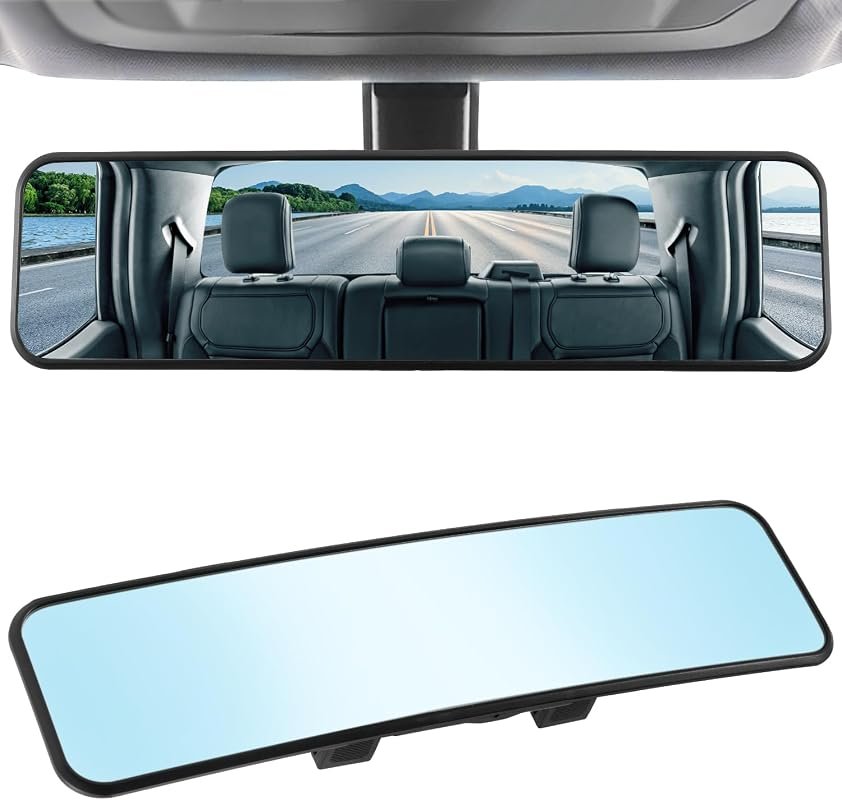 Best Value
Universal 11.3-inch anti-glare rearview mirror, wide-angle convex clip-on eliminates blind spots for cars, SUVs, trucks
It makes sense for owners who want a useful upgrade without paying more than necessary.
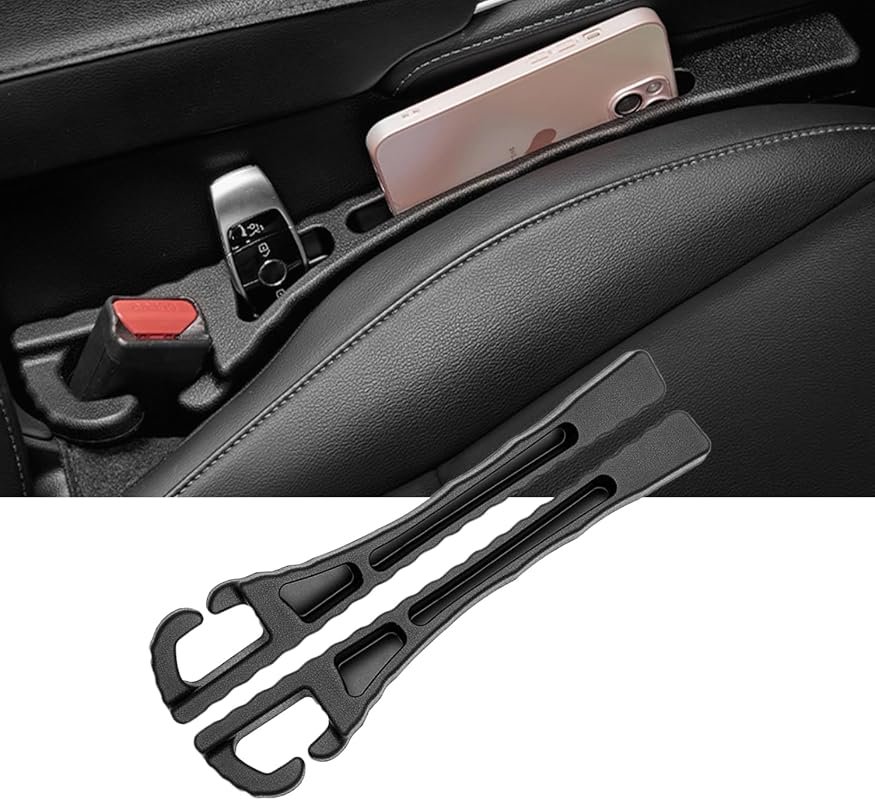 Best Premium Option
Pincuttee 2-pack car seat gap fillers, universal for cars, SUVs, trucks; block seat-console gaps, prevent drops
It is the pick I would compare first if build quality, features, and long-term ownership value matter most.
Author

Author

Evans Torres
I’m Evans Torres, an automotive engineer who loves Volvo cars. I graduated in Automotive Engineering from USC. I have worked in the car industry for years and now share my knowledge on The Volvo Life. I started this blog to connect with other Volvo fans. I offer tips, news, and advice to help you care for your car. My goal is to help you keep your Volvo in great shape and find all the best things about it. Join me as we discover everything Volvo has to offer!