


Where did Volvo start? The Volvo brand originated in Gothenburg, Sweden, in 1927, when it was founded by Assar Gabrielsson and Gustaf Larson. The first vehicle produced was the Volvo OV 4, symbolizing the company’s commitment to quality and safety, which continue to define its reputation today.
Volvo, a name synonymous with safety and reliability, has a rich history that dates back to its inception in the early 20th century. Founded in Gothenburg, Sweden, Volvo began as a small automotive venture with a vision to create durable vehicles designed for the harsh Scandinavian climate. Over the decades, it has evolved into a global powerhouse in the automotive industry, renowned for its innovation in safety features and environmentally friendly technologies. Understanding where Volvo started is crucial to appreciating its journey and the values that drive the brand today. For related context, you may also want to read Volvo XC60 wont start.
- Founded: 1927 in Gothenburg, Sweden.
- First Vehicle: The OV 4, also known as “Jakob”.
- Founders: Assar Gabrielsson and Gustaf Larson.
- Core Values: Safety, quality, and sustainability.
- Global Impact: Volvo has become a leader in automotive safety standards and innovation.
If you’re fascinated by automotive history, learning about Volvo’s origins provides insight into the evolution of the car industry. This connects closely with Volvo XC90 start prevented try again if you want to compare the topic in more detail.
Current Volvo owners can deepen their appreciation for the brand by understanding its rich heritage and core values. You can also use Volvo auto start stop not working as a helpful next guide on the same ownership topic.
Students studying automotive engineering or business can gain valuable knowledge from Volvo’s innovative practices and market strategies. If you are comparing similar topics, how to use headlight washers on 2024 Volvo XC60 is also worth checking.
What the Origins of Volvo Mean for Automotive History
The establishment of Volvo marked a significant turning point in the automotive industry. Founded in Gothenburg, Sweden, the company was created with the intent of producing high-quality vehicles designed to withstand the rigors of the Scandinavian climate. The name “Volvo,” meaning “I roll” in Latin, reflects the brand’s commitment to engineering vehicles with exceptional durability and safety, which has become synonymous with its identity over the years. For related context, you may also want to read Volvo truck light control module problems.

Key Milestones in Volvo’s Early Development
From its founding in 1927, Volvo has achieved numerous milestones that have shaped its identity and established its reputation in the automotive world. The introduction of the Volvo PV 444 in 1944 marked the company’s first foray into mass production, allowing it to reach a broader market. This vehicle was pivotal in solidifying Volvo’s commitment to safety, as it was the first car to feature a safety cage. Following this, Volvo continued to innovate with the introduction of three-point seat belts in 1959, a feature that has saved countless lives and is now standard across the automotive industry. This connects closely with is the Volvo S40 a good car if you want to compare the topic in more detail.
Most Likely Causes of Volvo’s Success in the Automotive Market
Several factors contributed to Volvo’s rise as a leading automotive manufacturer. A commitment to safety and innovation has always been at the core of the brand’s philosophy. The introduction of groundbreaking safety features, combined with a strong emphasis on quality and durability, has helped Volvo build a loyal customer base. Additionally, the company’s adaptability to changing market demands and its proactive approach to environmental sustainability have solidified its position in the global automotive landscape. You can also use Volvo engines to avoid as a helpful next guide on the same ownership topic.
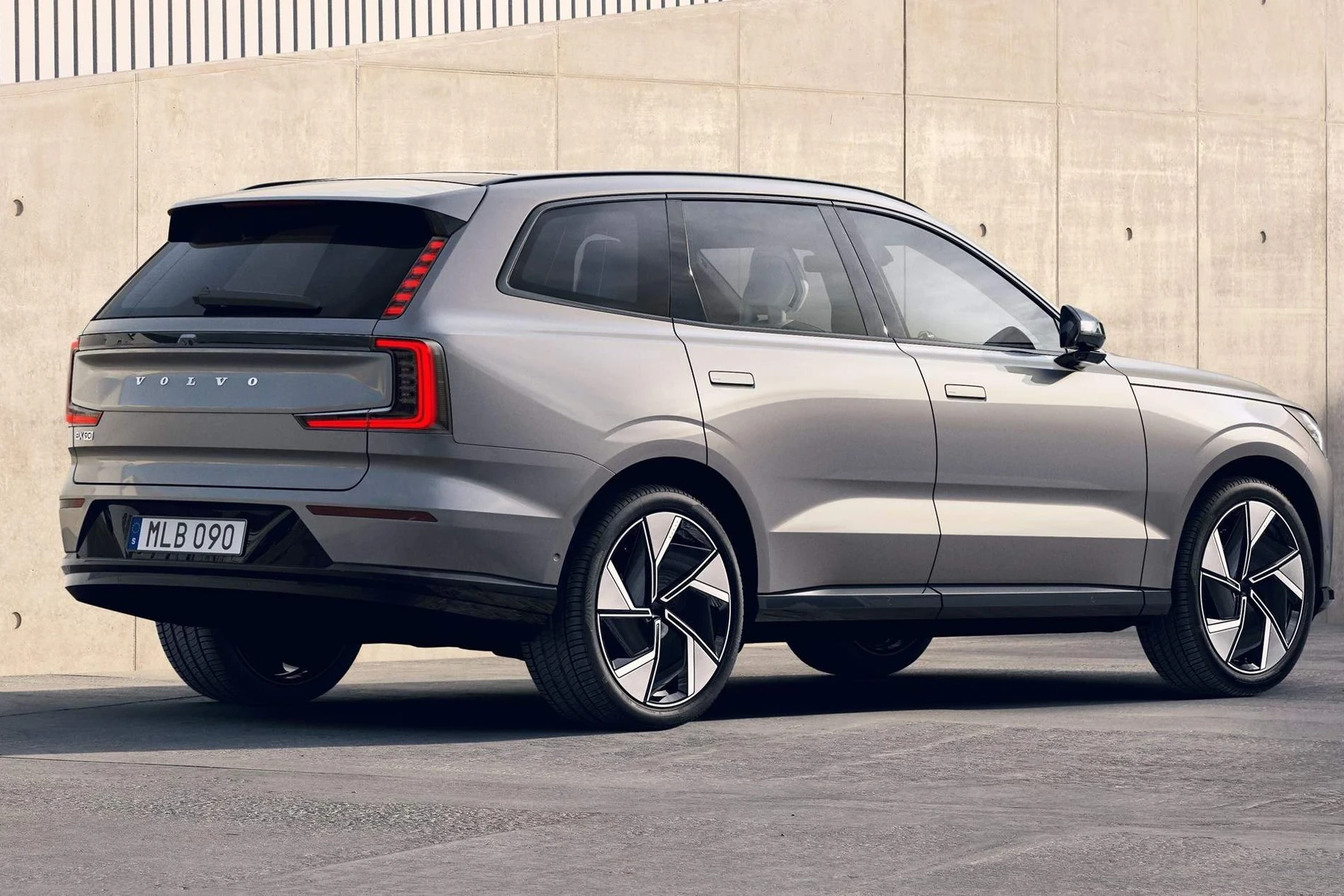
Here is a summary of the key points covered above regarding Volvo’s success factors:
Understanding the reasons for Volvo’s success helps appreciate its long-standing commitment to safety and quality.
| Factor | Description |
|---|---|
| Safety Innovations | Volvo was the first to introduce the three-point seatbelt and continues to lead in safety technology. |
| Quality Manufacturing | The brand’s focus on durable vehicles has set a high standard in the industry. |
| Environmental Commitment | Volvo’s move towards electric vehicles and sustainable practices showcases its forward-thinking approach. |
| Global Expansion | Strategic partnerships and international production facilities have broadened its market reach. |
How To Diagnose Volvo’s Unique Brand Positioning
Understanding how Volvo has positioned itself in the automotive market is essential for recognizing its impact. The brand has consistently marketed itself as a luxury vehicle that prioritizes safety and sustainability. Analyzing its marketing strategies, consumer perceptions, and product offerings reveals how Volvo maintains its unique position among competitors.
How To Fix Common Misconceptions About Volvo
Many misconceptions surround the Volvo brand, often relating to its reputation for being overly conservative or exclusively family-oriented. Addressing these misconceptions involves highlighting the brand’s modern designs, advanced technology, and commitment to performance. By doing so, potential customers can gain a more accurate understanding of what Volvo offers.
Repair Cost for Common Volvo Issues
Understanding common repair costs associated with Volvo vehicles helps current and potential owners budget effectively. While Volvo cars are known for their durability, certain issues may arise that require attention. Here’s a brief overview of typical repair costs:
How To Prevent Common Issues With Volvo Vehicles
Preventive maintenance is key to ensuring the longevity and reliability of your Volvo. Regular check-ups, timely oil changes, and addressing minor issues before they escalate can save owners significant costs over time. Here are specific actions to take: For another practical angle, see how to reset Volvo XC60 maintenance light.
- Schedule regular maintenance checks.
- Use Volvo-approved parts and fluids.
- Stay aware of recalls and service bulletins.
- Monitor tire pressure and tread depth regularly.
- Keep the vehicle clean and protected against corrosion.
- Maintain a service log to track all repairs and services.
- Join a Volvo owners’ forum to stay updated on common issues.
- Consider extended warranties for peace of mind.
- Learn basic maintenance checks to perform at home.
Taking these preventive measures can enhance your Volvo ownership experience and reduce the likelihood of costly repairs.
Before diving into the FAQs, it’s important to remember that understanding your vehicle’s history and maintenance needs can greatly enhance your ownership experience.
💡 Evans Torres Tip: When I first got my Volvo, I learned that joining a local Volvo club helped me connect with other enthusiasts. They shared maintenance tips and insights that saved me time and money. Plus, it’s a great way to stay informed about any recalls or updates.
Frequently Asked Questions
This FAQ section addresses common queries about Volvo, its origins, and its impact on the automotive industry. From understanding its safety features to exploring its innovative designs, these answers provide valuable insights.
What year was Volvo founded?
Volvo was founded in 1927, marking the beginning of its journey in the automotive industry.
Where are Volvo cars made?
Volvo cars are primarily manufactured in Sweden, with additional production facilities in countries like China and the USA.
What is Volvo known for?
Volvo is renowned for its commitment to safety, high-quality manufacturing, and innovative technology, especially in the realm of automotive safety features.
How has Volvo evolved over the years?
Over the years, Volvo has expanded its product lineup and embraced sustainability by introducing electric and hybrid vehicles while maintaining its focus on safety.
What are some key innovations introduced by Volvo?
Key innovations include the three-point seatbelt, side-impact protection systems, and advancements in autonomous driving technology.
How does Volvo prioritize environmental sustainability?
Volvo has committed to becoming a fully electric car brand by 2030 and has implemented sustainable practices in its manufacturing processes.
Final Verdict
Understanding where Volvo started offers a glimpse into the brand’s commitment to safety, quality, and innovation. From its humble beginnings in Gothenburg to its status as a global automotive leader, Volvo has consistently prioritized the needs of its customers. If you are considering a Volvo or already own one, appreciating its history can enhance your ownership experience and inform your maintenance decisions. Regular upkeep and awareness of Volvo’s values can significantly contribute to a satisfying driving experience.
Author

Author

Evans Torres
I’m Evans Torres, an automotive engineer who loves Volvo cars. I graduated in Automotive Engineering from USC. I have worked in the car industry for years and now share my knowledge on The Volvo Life. I started this blog to connect with other Volvo fans. I offer tips, news, and advice to help you care for your car. My goal is to help you keep your Volvo in great shape and find all the best things about it. Join me as we discover everything Volvo has to offer!