


Understanding the Polestar vs Volvo difference is essential for potential buyers looking for distinct features and values offered by these brands. Polestar emphasizes high-performance electric vehicles, while Volvo focuses on safety and overall family-friendly designs.
This article explores key differences, helping you make an informed decision.
- Understanding the Polestar vs Volvo: Both Polestar and Volvo stem from a shared lineage, but they cater to different.
- Key Differences Between Polestar and: The primary differences between Polestar and Volvo vehicles lie in their brand philosophies, design.
- Performance and Powertrains: Polestar vs: For performance metrics, Polestar vehicles typically offer higher horsepower and torque.
- Safety Features and Ratings: Safety is a cornerstone of both brands, with Volvo being renowned for its commitment.
- Running Costs: Reliability and Maintenance: Analyzing running costs, including maintenance, fuel efficiency, and reliability records, reveals some distinctions..
Understanding the Polestar vs Volvo Difference
Both Polestar and Volvo stem from a shared lineage, but they cater to different markets and philosophies. Polestar, originally a performance division of Volvo, has evolved into a standalone brand that emphasizes sportiness and electrification.
Conversely, Volvo maintains a broader approach, focusing on safety, comfort, and practicality across a range of vehicles.
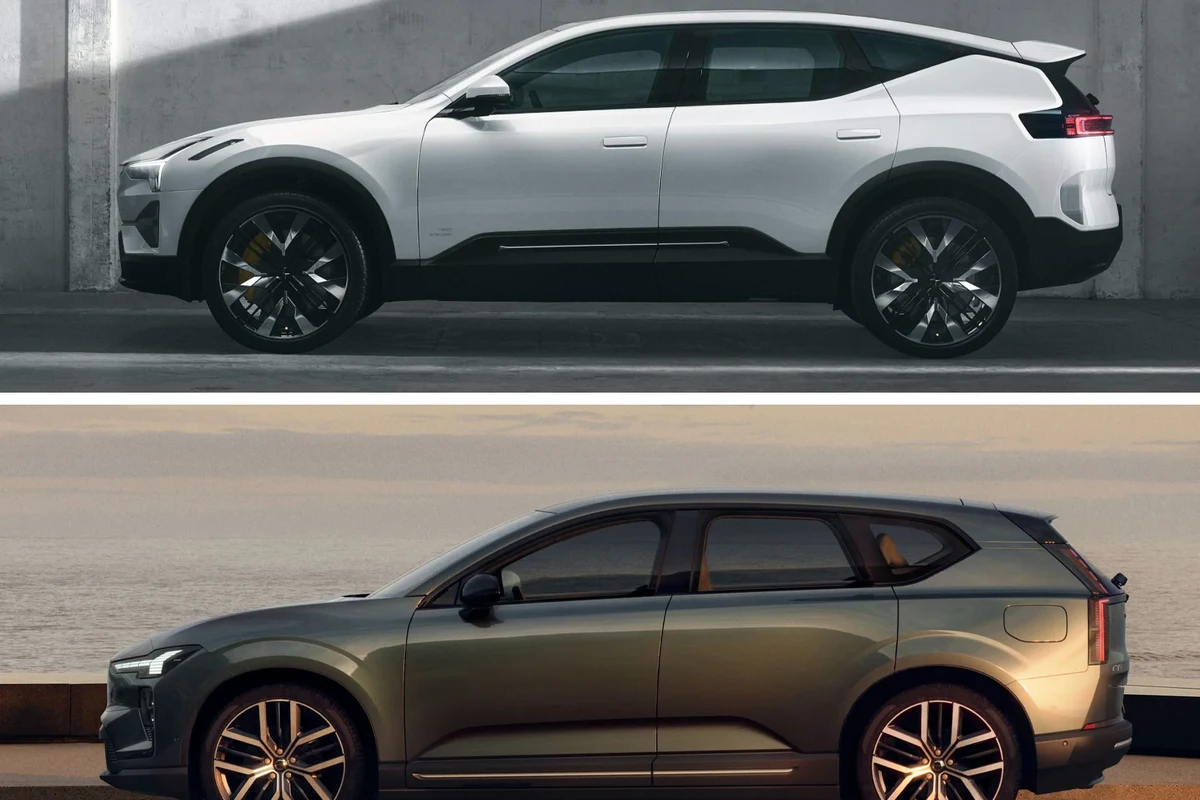
Key Differences Between Polestar and Volvo Vehicles
Understanding the distinct features and philosophies of Polestar and Volvo can guide potential buyers in making an informed decision. For related context, read which is better mercruiser vs volvo penta.
- Market Focus: Polestar emphasizes sportiness and electrification, while Volvo prioritizes safety, comfort, and practicality.
- Brand Evolution: Polestar has evolved into a standalone brand focusing on performance, unlike Volvo, which maintains an established legacy brand reputation.
- Target Audience: Polestar appeals to performance enthusiasts and tech-savvy individuals, whereas Volvo is designed for families and general consumers seeking reliability.
- Design Language: Expect Polestar vehicles to showcase a sportier, aggressive design, contrasting with Volvo’s elegant and functional aesthetic.
- Performance Metrics: Polestar typically offers higher horsepower and torque, catering to those seeking an exhilarating driving experience compared to Volvo’s balanced approach focused on efficiency.
| Criteria | Polestar | Volvo |
|---|---|---|
| Market Focus | Sportiness and Electrification | Safety, Comfort, and Practicality |
| Brand Evolution | Standalone Brand | Established Legacy Brand |
| Target Audience | Performance Enthusiasts | Family and General Consumers |
Key Differences Between Polestar and Volvo Vehicles
The primary differences between Polestar and Volvo vehicles lie in their brand philosophies, design, and target audiences. Polestar aims for a more performance-oriented electric vehicle experience, whereas Volvo focuses on safety and comfort for families.
Expect Polestar vehicles to showcase a sportier, more aggressive design language, while Volvo models emphasize elegance and functionality. You can also use volvo xc60 vs bmw x3 which is better as the next practical guide.
- Drive both cars on the same road within the same hour.
- Compare cargo space with your own gear, not just the brochure number.
- Check the warranty length and what each maker excludes.
Performance and Powertrains: Polestar vs Volvo
For performance metrics, Polestar vehicles typically offer higher horsepower and torque, catering to performance enthusiasts. In contrast, Volvo models provide a balanced approach focusing on efficiency and comfort. For official guidance on this, see EPA fuel economy guide.
The following table highlights key specifications for representative models from both brands:
| Model | Powertrain | Horsepower | Torque |
|---|---|---|---|
| Polestar 2 | Electric | 408 hp | 487 lb-ft |
| Volvo XC60 | Hybrid | 400 hp | 472 lb-ft |
For those seeking a spirited drive, the Polestar 2 offers impressive acceleration and responsiveness. The Volvo XC60, while also powerful, prioritizes comfort and efficiency, making it a solid choice for everyday driving. For another location comparison, read which car is better volvo or mercedes.
Safety Features and Ratings
Safety is a cornerstone of both brands, with Volvo being renowned for its commitment to safety innovations. Both brands equip their vehicles with advanced safety technologies such as adaptive cruise control, lane-keeping assistance, and automatic emergency braking.
However, Volvo has consistently received higher safety ratings from organizations like the IIHS and NHTSA, reflecting its long-standing focus on occupant protection. This also connects with which is a better car volvo or audi before you pay, sign, or book.
Before committing to a Polestar or Volvo, consider the service history, warranty status, and typical running costs for your specific model.
Running Costs: Reliability and Maintenance
Analyzing running costs, including maintenance, fuel efficiency, and reliability records, reveals some distinctions. Volvo vehicles are generally known for their reliability, backed by solid warranties and a reputation for durable engineering.
Polestar, being newer to the market, has yet to establish a long-term reliability record, but initial reports suggest solid performance in this area. For related service checks, see which car is better volvo or honda.
Performance enthusiasts and tech-savvy individuals.
Polestar 2, Volvo XC60, and other current models.
You prioritize traditional combustion engines and overall practicality.
Resale Value Considerations
Resale value is an important factor for many buyers. Generally, Volvo models have a history of holding their value well, thanks to solid demand and brand reputation. For official guidance on this, see Consumer Reports car guidance.
In contrast, Polestar’s resale value is still being established, but early indicators show promise as electric vehicles become more popular. You can also use which car is better volvo or toyota as the next practical guide.
Who Should Choose Polestar vs Who Should Choose Volvo
Understanding who benefits most from each brand’s offerings is crucial. Polestar appeals to buyers seeking performance-oriented electric vehicles, ideal for tech-savvy individuals or enthusiasts. In contrast, Volvo is best suited for families and those prioritizing safety and comfort in a reliable vehicle. For another location comparison, read which car is better volvo or lexus.
Confirm your specific model year and market availability to ensure you choose the right vehicle for your needs.
Final Verdict: Which Brand Offers Better Value?
In assessing the Polestar vs Volvo difference, both brands bring unique strengths to the table. Polestar excels in performance and electrification, making it a compelling choice for those focused on sportiness and tech features.
Volvo, with its emphasis on safety and reliability, appeals to families and everyday drivers seeking comfort and practicality. Ultimately, the best choice depends on your individual needs and preferences. You can also use which is a better car volvo or bmw as the next practical guide.
Understanding the Polestar vs Volvo Difference
The Polestar vs Volvo difference lies in their core philosophies: Polestar champions sportiness and electrification, targeting performance enthusiasts, while Volvo focuses on safety, comfort, and practicality, appealing to families.
This distinction helps potential buyers determine which brand aligns better with their driving needs and lifestyle preferences.
- Evaluate your driving priorities—performance vs. safety.
- Consider the design aesthetics that appeal to you—sporty vs. elegant.
- Review the long-term reliability and resale value of each brand’s models.
This guide on Polestar vs Volvo difference is general information. Rules, fees, rents, salaries, service coverage, product details, and procedures can change, so confirm important points with the manufacturer, retailer, or official app documentation before acting.
Questions People Also Ask
Polestar emphasizes a sportier and more aggressive design language, appealing to performance enthusiasts. In contrast, Volvo focuses on elegance and functionality, catering to families and everyday drivers.
Polestar vehicles, like the Polestar 2, typically offer higher horsepower and torque, making them ideal for spirited driving. Volvo models, such as the XC60, prioritize comfort and efficiency while still providing adequate power.
Volvo is renowned for its commitment to safety and consistently receives higher safety ratings from organizations like the IIHS and NHTSA. Both brands offer advanced safety technologies, but Volvo’s long-standing focus on occupant protection sets it apart.
Volvo vehicles are generally known for their reliability, backed by solid warranties and durable engineering. Polestar, being a newer brand, has yet to establish a long-term reliability record, but initial reports suggest promising performance.
Polestar appeals to performance-oriented buyers and tech-savvy individuals looking for an electric vehicle experience. Conversely, Volvo is best suited for families and those prioritizing safety, comfort, and reliability in their vehicles.
Volvo models typically hold their value well due to solid demand and a strong brand reputation. Polestar’s resale value is still being established, but early indicators suggest it may perform well as electric vehicles gain popularity.
Putting It All Together
Understanding the Polestar vs Volvo difference is essential for potential buyers looking for distinct features and values offered by these brands. Polestar emphasizes high-performance electric vehicles, while Volvo focuses on safety and overall family-friendly designs.
Author

💡 Evans Torres Tip: On every Volvo I have owned, I always keep a full digital service record from day one. When something goes wrong — and eventually something always does — having that history makes diagnosis faster and often saves money at the mechanic. Start your records today, even if the car is not new.