


In volvo vs vauxhall car performance, Volvo delivers stronger acceleration, higher towing capacity and more powertrain breadth, while Vauxhall focuses on light, efficient small cars that feel agile in town but lack outright pace and tow ratings. Choose based on highway punch vs urban thrift.
Cross-shopping Volvo and Vauxhall is uncommon in the USA because Vauxhall isn’t sold here, but many shoppers still compare their performance on paper or when relocating between markets. This guide narrows in on acceleration, handling, MPG/efficiency and towing—areas where the differences are clearest.
We match broadly similar body styles where possible (compact SUVs and compact hatchbacks) and use official specifications and reputable tests. Because test cycles and markets differ, we flag EPA (U.S.) vs WLTP (U.K./EU) and call out towing rules and rating methods that can materially change the numbers you see.
- Main difference: Volvo emphasizes torque, highway passing power and towing headroom; Vauxhall prioritizes low weight, city agility and fuel-sipping drivetrains.
- Best for A: Volvo suits buyers who want quick 0–60 options, serene high-speed stability and 3,500–5,000 lb-class tow ratings on SUVs.
- Best for B: Vauxhall suits drivers who value compact size, easy parking, and excellent WLTP fuel economy in everyday commuting.
- Cost/value: Vauxhall typically costs less to buy; Volvo’s higher purchase price returns more performance, safety tech and towing utility.
- Important caveat: Vauxhall models use WLTP and U.K./EU tow norms; Volvo’s U.S. models use EPA and SAE. Compare like-for-like cycles and braked tow ratings.
Are Volvo and Vauxhall direct competitors for performance?
No. Volvo is a premium brand with larger crossovers and performance-leaning electrified powertrains, while Vauxhall is a mainstream U.K. brand focused on compact hatchbacks and small SUVs. Their buyer missions, price points and highway capabilities differ.
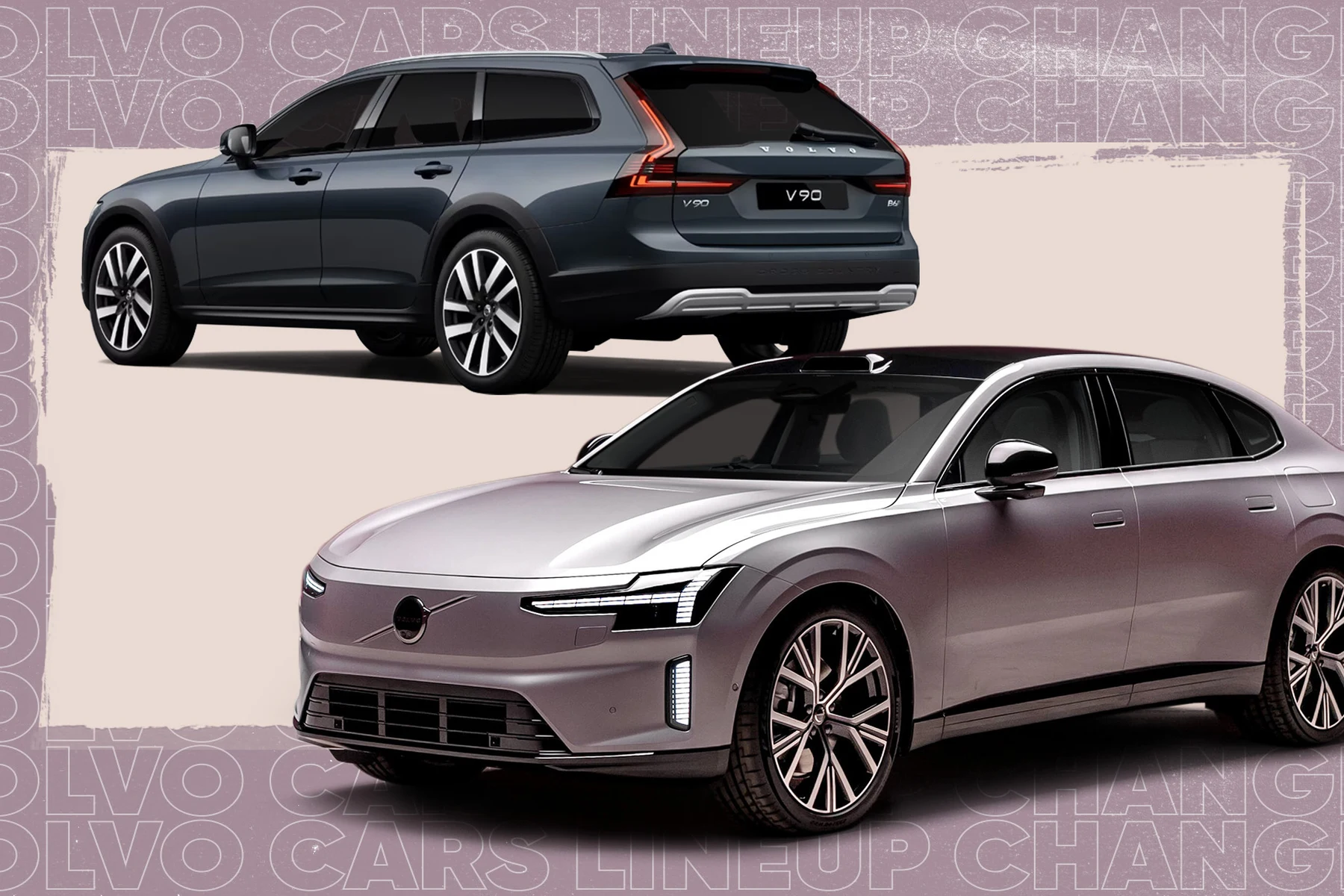
People still compare them because a loaded Vauxhall can overlap entry Volvo pricing in some markets, and EV/PHEV options now coexist. If you care about 0–60 pace, towing and long-trip comfort, Volvo usually leads; for urban efficiency and low running costs, Vauxhall shines.
Volvo vs Vauxhall at a glance
This snapshot lines up the most decision-relevant performance and efficiency traits. Figures are typical of 2023–2026 models; always verify the exact trim and test cycle.
| Spec/Aspect | Volvo | Vauxhall |
|---|---|---|
| Quickest 0–60 mph | As low as ~3.4 sec (EX30 Twin Motor Performance, manufacturer data/tests) | ~6–7 sec in quickest GSe performance trims (e.g., Grandland GSe; 0–62 mph quoted) |
| Typical family SUV 0–60 mph | ~4.5–6.6 sec (PHEV/mild-hybrid Volvo SUVs) | ~8–10 sec (Mokka/Grandland mainstream petrol/diesel) |
| Handling character | Stable, composed at speed; comfort-biased with available sport tuning | Light, agile in town; less planted at autobahn speeds |
| Max factory tow rating (braked) | Up to ~5,000 lb (select Volvo SUVs; market/engine dependent) | Often 0–3,300 lb equivalent; many small EVs not tow-rated |
| Fuel economy context | EPA mid-20s mpg for mild-hybrids; strong EV efficiency on compact EVs | WLTP petrol often high-40s mpg (U.S. equiv.); EVs optimized for city range |
| Drivetrain availability | Mild-hybrid, PHEV, and EV; FWD/AWD widely offered | Petrol/diesel, some PHEV/EV; mostly FWD, selective AWD |
| Safety assistance | Extensive ADAS standard; strong active safety focus | Good core ADAS; content varies by trim |
Main differences between Volvo and Vauxhall performance
Volvo emphasizes torque-rich powertrains, effortless passing and high-speed composure. Several models deliver premium-quick 0–60 runs and meaningful towing headroom, especially in midsize SUVs.
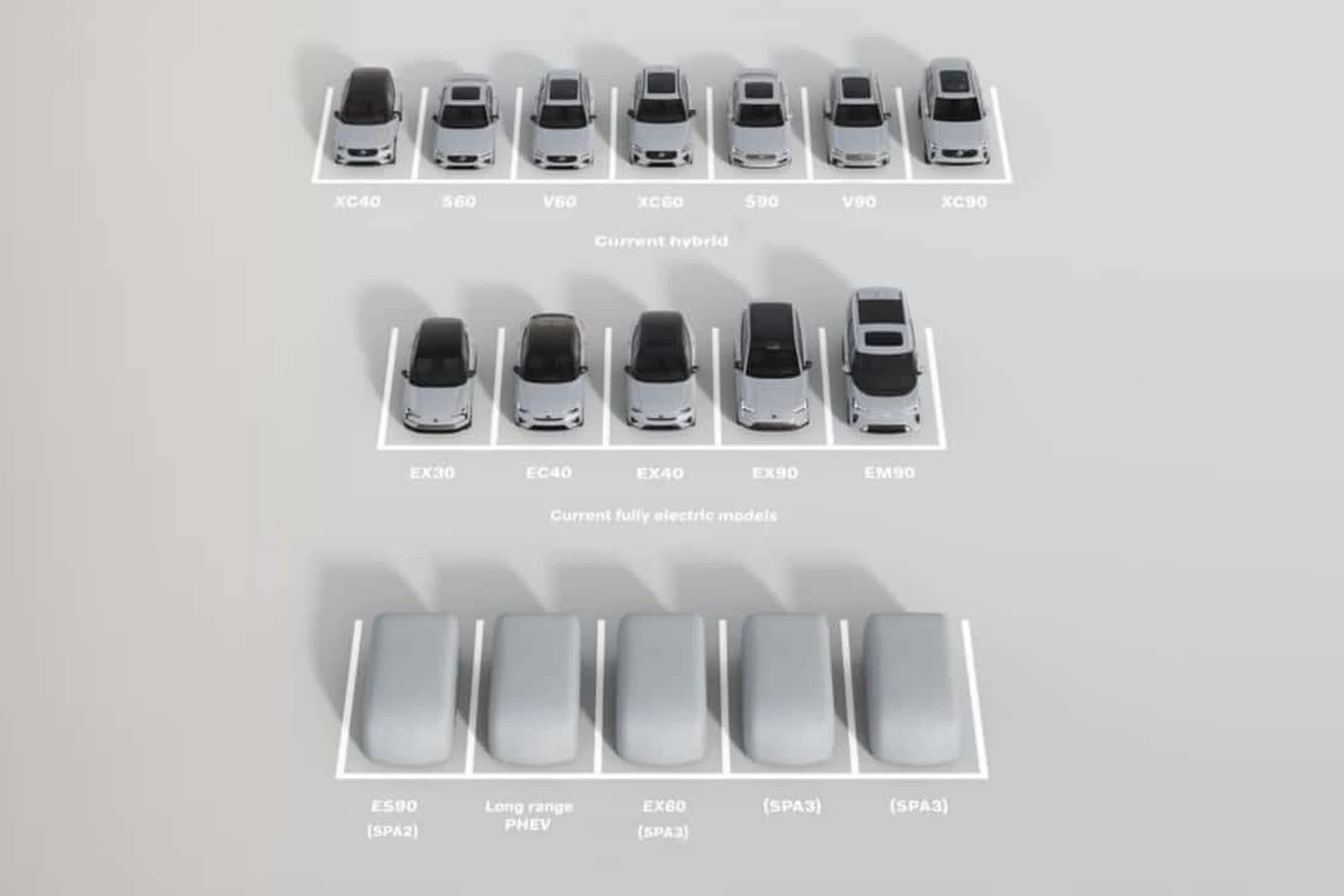
Vauxhall’s portfolio concentrates on compact, lightweight models that excel at urban responsiveness and fuel economy. Even with GSe performance trims, outright acceleration and towing trail larger, more powerful Volvos.
Similarities and common ground
Both brands now offer electrified choices. You can find smooth one-pedal driving in EVs, quiet low-speed operation, and useful ADAS like adaptive cruise and lane centering on higher trims.
In mixed commuting, either brand can feel quick off the line thanks to electric torque or small turbo engines. The gap widens on on-ramps, mountain grades and with a trailer.
Price, comparable trims and feature-adjusted value
Volvo sits in the premium tier; you generally pay more but receive stronger acceleration, richer materials and broader safety tech standard. Performance-oriented EVs and PHEVs push prices higher but also deliver class-leading thrust.
Vauxhall undercuts on sticker price and insurance groups in the U.K. Adding options to match premium features narrows the gap, but it typically remains more affordable—even if performance remains modest.
Confirm currency, tax and incentives. A Vauxhall with options can overlap a base Volvo in the U.K., while in the U.S. Vauxhall isn’t sold at all. Cross-market price claims are rarely apples-to-apples without VAT and destination included.
Size, seating, cargo and everyday practicality
Volvo offers larger crossovers with available three rows, generous cargo areas and higher roof loads. That size supports towing stability and long-distance comfort.
Vauxhall majors on superminis and compact crossovers that are easier to park and thread through city streets. Rear-seat space and cargo are adequate for small families but limited versus midsize Volvos.
Interior comfort, visibility and cabin usability
Volvo cabins favor supportive seats, simple controls and excellent outward visibility. Long-drive fatigue is low, helped by quiet cabins and compliant suspensions.
Vauxhall interiors are straightforward and durable, with good ergonomics in recent models. Road noise and seat contouring can feel more basic compared with Volvo’s premium approach.
Infotainment, controls and technology
Recent Volvos widely use Google built-in infotainment with native Google Maps and voice control, plus robust phone mirroring. Interfaces are clean, with a learning curve for deep settings.
Vauxhall’s Stellantis-based systems bring wireless Apple CarPlay/Android Auto on many trims, clear graphics and simpler menus. Fewer cameras and audio upgrades are offered compared with Volvo’s options.
Safety and driver assistance: comparable agencies and years
Using Euro NCAP for comparability, multiple modern Volvos have achieved strong results with advanced crash avoidance and occupant protection. Driver assistance stacks are among the most comprehensive in the segment.
Vauxhall’s recent supermini and crossover entries perform well for their classes, with solid structural scores and essential ADAS available, though star ratings and standard content vary more by trim.
Match model year and safety pack. Euro NCAP ratings can change with facelifts and optional equipment. U.S. shoppers should reference IIHS/NHTSA for U.S.-spec Volvos and avoid assuming equivalence across markets.
For a deeper look at Volvo’s safety philosophy versus the market, see our overview in Volvo safety vs other cars.
Performance, ride, handling and drivetrain
On acceleration, Volvo clearly leads. From mild-hybrid turbo fours to potent plug-in hybrids and the EX30 Twin Motor EV, Volvo offers brisk to outright rapid 0–60 times and sustained passing power at highway speeds.
Vauxhall’s strengths are low-speed agility and light steering—great in tight streets. GSe variants add composure and extra thrust, but most of the lineup prioritizes smooth, economical progress over sprints.
Volvo’s compact EX30 isn’t just efficient—it’s one of the quickest Volvos ever, with dual-motor versions rivaling sports cars to 60 mph, yet still sized for city duty.
Back-to-back, test highway merges from 40–70 mph, not just 0–30 launches. Also compare brake feel after two hard stops and steering stability in crosswinds—key differentiators between premium and mainstream chassis tuning.
Fuel economy and efficiency (EPA vs WLTP)
Expect Volvo mild-hybrids to return mid-20s mpg combined (EPA) in U.S.-spec SUVs, with plug-in hybrids offering substantial electric-only commuting if you charge reliably. Compact EVs like EX30 can be very efficient per mile.
Vauxhall’s WLTP combined figures for small petrol hatchbacks are often in the high 40s mpg (U.S.-equivalent), reflecting light weight and optimized gearing. Its EVs tend to excel in city cycles, with motorway range shrinking faster than in larger-battery premium EVs.
WLTP is typically more optimistic than EPA. If you’re comparing across markets, convert units and prioritize the stricter cycle. For a Volvo-focused mileage explainer, see what is the mileage of a Volvo.
Reliability, known issues and evidence level
Brand-level reliability varies by model and powertrain. Recent Volvo PHEV/EV electronics and software receive frequent over-the-air refinements; minor bugs are common but usually addressed. Mechanical durability on core engines has been solid when maintained.
Vauxhall’s simpler petrol models can be inexpensive to run, with mainstream parts availability in the U.K. Battery-electric variants reduce routine service needs but depend on healthy high-voltage systems and up-to-date software. Always check recall and TSB histories by VIN.
Maintenance, insurance, depreciation and total ownership cost
Volvo’s premium parts, tires and insurance groups often cost more than mainstream brands. However, service intervals are reasonable, and residual values can be stronger, especially for sought-after trims and well-cared-for PHEVs/EVs.
Vauxhall typically wins on insurance group and day-to-day consumable costs in the U.K., though depreciation can be steeper on some models. In the U.S., consider Volvo-specific costs: Is Volvo expensive to maintain in the USA?
Budget for tires and brakes sized to performance. Volvo EVs/PHEVs often use wider, pricier tires than small Vauxhalls; that alone can swing annual running costs even when fuel favors the lighter car.
Towing and payload: where the gap widens
Volvo SUVs are commonly rated around the 3,500–5,000 lb (braked) class depending on engine and market, with robust cooling and stability systems designed for trailering. Even compact Volvos like EX30 often allow moderate towing when properly equipped.
Many Vauxhall hatchbacks aren’t tow-rated, and small EVs may have a 0 kg tow rating. Crossovers can tow modest braked loads, but the brand doesn’t target heavy trailering. If towing matters, Volvo is the safer bet.
Verify “braked” vs “unbraked,” tongue weight, and regional rules. An EU tow rating may not translate to North American practice, and some EVs void ratings without a factory hitch and cooling package.
Volvo Pros and Cons
- Quick acceleration options, including very fast EVs
- Higher tow ratings and better high-speed stability
- Rich ADAS and safety features often standard
- Comfortable, quiet long-distance ride
- Higher purchase price and tire/insurance costs
- Firmness on large wheels; repair costs can be premium
- Real-world PHEV economy depends on charging habit
Vauxhall Pros and Cons
- Lightweight, easy-to-park models feel lively in town
- Strong WLTP fuel economy from small petrols
- Lower purchase price and insurance groups (U.K.)
- Simple ownership with mainstream parts availability
- Slower acceleration and modest highway passing power
- Lower or zero tow ratings on many trims, especially EVs
- Fewer luxury features and performance options
Which vehicle is better for different buyers?
Alternatives worth considering
If you like Volvo’s performance/refinement mix but want variety, consider Audi, BMW, Mercedes-Benz or Lexus electrified SUVs and sedans. They match pace and features at similar price points.
If Vauxhall’s city-friendly efficiency appeals, look at Toyota, Honda, Mazda and Peugeot compact hatchbacks and crossovers. They offer excellent economy and simple ownership with broad dealer networks.
How to Decide Between Volvo and Vauxhall
- Define your primary roads. If most miles are highway or hilly, prioritize Volvo’s torque and stability; for dense urban commutes, Vauxhall’s lightness pays off.
- Set a tow requirement. If any trailer is in your future, shortlist Volvo SUVs with factory tow packages.
- Pick a powertrain. Choose mild-hybrid vs PHEV vs EV based on charging access and trip length; WLTP vs EPA differences matter.
- Test identical scenarios. Replicate a 40–70 mph merge, a hard stop, and a bumpy lane at 50 mph to feel chassis separation.
- Total the costs. Include tires, insurance, depreciation and home charging upgrades, not just fuel economy claims.
💡 Evans Torres Tip: When comparing spec sheets, normalize everything. Convert 0–62 mph (0–100 km/h) to 0–60 mph if needed, match EPA to EPA and WLTP to WLTP, and verify braked towing with the exact hitch/cooling package. Then test with two passengers and 100 lb of cargo—small loads can reveal real-world acceleration gaps.
Frequently Asked Questions
This FAQ addresses the most common follow-ups shoppers have when weighing Volvo’s premium performance against Vauxhall’s urban-friendly efficiency. Answers reference 2023–2026 models and typical trims; always verify exact specifications and regional standards before you buy.
Which is quicker 0–60, Volvo or Vauxhall?
Volvo. Several modern Volvos, including performance-leaning PHEVs and the EX30 Twin Motor EV, deliver very quick 0–60 mph times. Vauxhall’s fastest GSe trims improve pace, but most of the lineup targets smooth, efficient acceleration over outright speed.
Who handles better on the highway?
Volvo generally feels more planted and quiet at 70–80 mph, with longer wheelbases and chassis tuning aimed at stability. Vauxhall’s small cars are agile in town, but at motorway speeds they’re typically less composed than midsize premium Volvos.
Which brand tows more?
Volvo. Many Volvo SUVs are rated around 3,500–5,000 lb (braked) in suitable markets. Numerous Vauxhall hatchbacks aren’t tow-rated, and small EVs may have a 0 kg rating. Check braked vs unbraked and your region’s rules.
Who gets better fuel economy?
In small petrol cars, Vauxhall often leads on WLTP due to light weight. In U.S.-spec midsize SUVs, Volvo mild-hybrids land in the mid-20s mpg (EPA). Volvo PHEVs and EVs can be very efficient if you charge consistently and choose the right route profile.
Are Vauxhall EVs as quick as Volvo EVs?
Not typically. Vauxhall EVs prioritize city efficiency and value; they’re responsive off the line but rarely match the dual-motor punch available in performance-focused Volvo EVs like EX30 Twin Motor.
Is Volvo safer than Vauxhall?
Both have strong results within their classes, but Volvo emphasizes advanced active safety and often includes more ADAS as standard. Compare Euro NCAP results for U.K. models and IIHS/NHTSA for U.S.-spec Volvos, matching years and option packs.
What about long-term ownership costs?
Vauxhall tends to be cheaper to buy and insure in the U.K., with mainstream parts pricing. Volvo costs more but can retain value better and offers richer tech. Tires and brakes on performance Volvos can be pricier; EV charging habits also swing costs.
Final Verdict
If performance means quick, quiet thrust, confident passing and real towing, Volvo is the clear winner. Its electrified powertrains and premium chassis tuning separate it at highway speed and under load, where numbers matter most.
If performance means nimble city moves, easy parking and wallet-friendly fuel stops, Vauxhall excels. Its compact, efficient lineup delivers exactly that with straightforward ownership. For buyers straddling the line—say, a Vauxhall GSe versus an entry Volvo—drive the same route, match test cycles and bring your towing or cargo scenario to light. The right answer depends on where and how you drive most.
My Top Picks at a Glance
These three Volvo accessories are practical options to compare after choosing the right Volvo configuration.
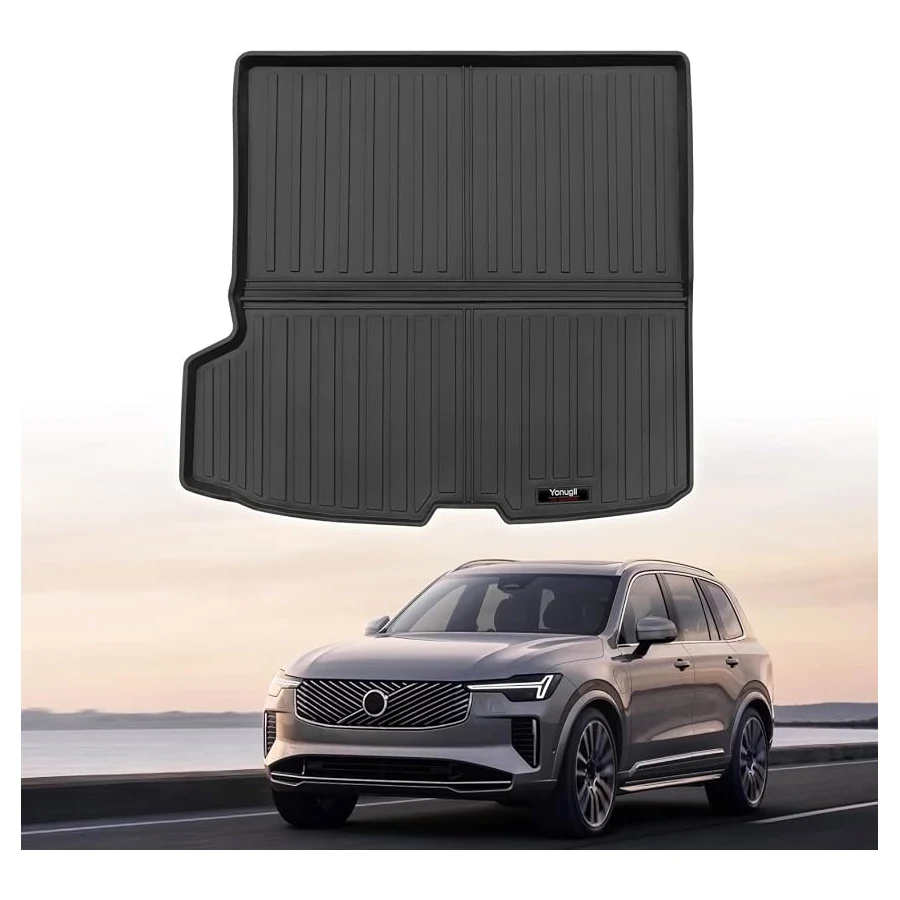 Best Overall
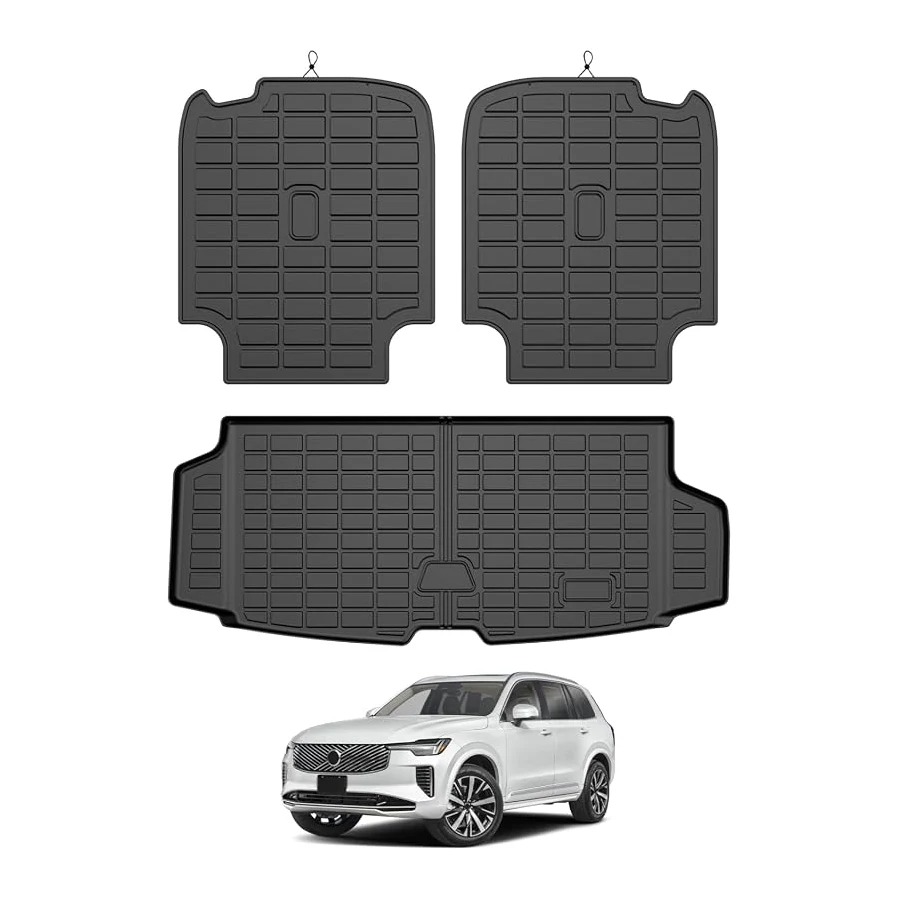
Custom fit cargo liner for 2016-2026 Volvo XC90 behind 2nd row, all-weather TPE, waterproof, easy to clean.
A vehicle-fit accessory to compare for compatibility, daily usefulness, and value.
 Best Value
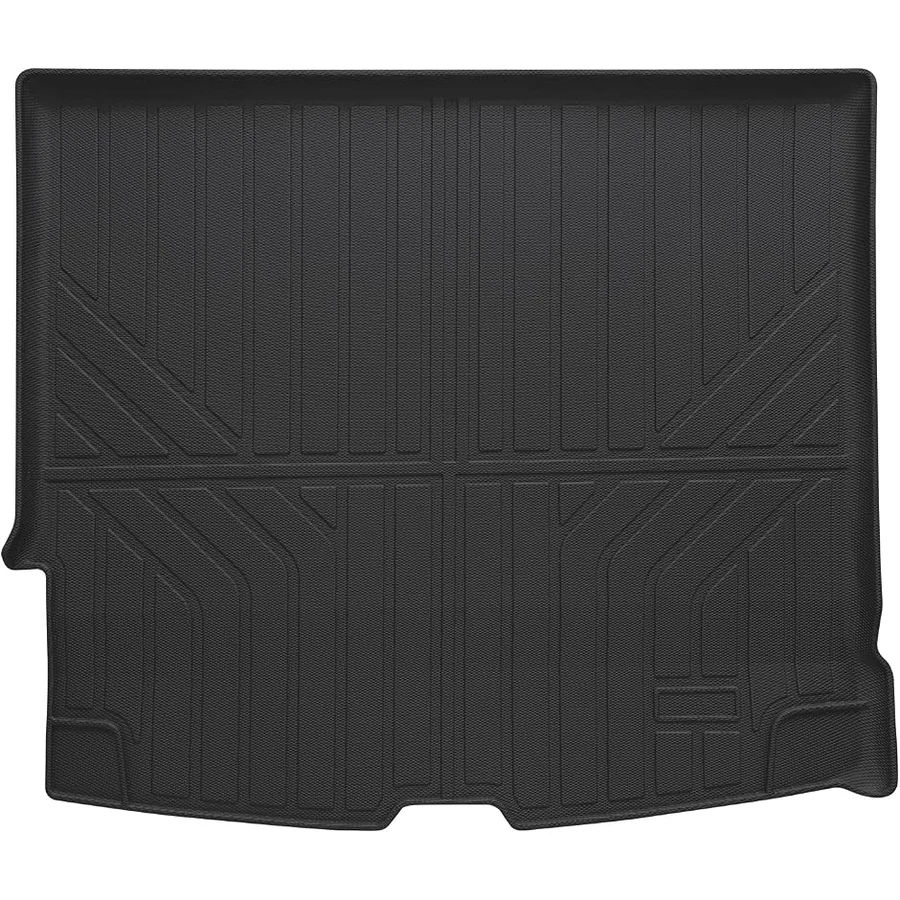
Mixsuper cargo liner and backrest protector for 2016-2026 Volvo XC90, all-weather TPE, waterproof, easy-clean.
A vehicle-fit accessory to compare for compatibility, daily usefulness, and value.
 Best Premium Option
All-weather cargo liner for 2018-2026 Volvo XC60, custom fit TPE trunk mat, waterproof, easy-clean.
A vehicle-fit accessory to compare for compatibility, daily usefulness, and value.
Sources and Methodology
We compared 2023–2026 Volvo and Vauxhall models using U.K./EU specs for Vauxhall and U.S./global data for Volvo, prioritizing official manufacturer information, EPA/WLTP efficiency data, and Euro NCAP/IIHS safety references where comparable. Acceleration and towing are discussed using representative trims; exact results vary by model year, drivetrain, and equipment. Data verified August 2026.
Author

Author

Evans Torres
I’m Evans Torres, an automotive engineer who loves Volvo cars. I graduated in Automotive Engineering from USC. I have worked in the car industry for years and now share my knowledge on The Volvo Life. I started this blog to connect with other Volvo fans. I offer tips, news, and advice to help you care for your car. My goal is to help you keep your Volvo in great shape and find all the best things about it. Join me as we discover everything Volvo has to offer!