


volvo vs smart car crash comparisons hinge on physics and equipment: Volvo’s larger mass and broader crash-avoidance suite typically reduce injury risk in mixed-vehicle crashes, while Smart Car’s tiny footprint helps in parking but offers less protection when striking, or being struck by, bigger vehicles.
“Volvo vs Smart Car crash” is an uneven match because these aren’t like-for-like vehicles. Volvo sells midsize to large sedans and SUVs engineered for family duty, while Smart Car (the two-seat Fortwo sold in the U.S. from 2008–2019) is an ultra-short city car.
People still compare them for one reason: safety. If your commute mixes with pickups and SUVs, mass and structure matter. If you live in dense urban traffic, crash avoidance and tight maneuverability also count.
This guide focuses on U.S.-market Volvos (roughly 2018–2026 model years) versus the U.S.-market Smart Car Fortwo (2008–2019). We’ll align comparable crash-test protocols (IIHS and NHTSA), outline each brand’s safety tech, and translate lab results into real-world choices.
- Main difference: Volvo combines larger, heavier structures with advanced driver assistance (AEB with pedestrian/cyclist detection, lane support) that most U.S.-market Smart Cars lack.
- Best for A: Volvo is better for families and mixed-traffic highways where size, structure, and comprehensive ADAS reduce severe-injury risk.
- Best for B: Smart Car suits short, low-speed urban hops and tiny-parking needs where maneuverability is paramount and speeds are lower.
- Cost/value: Smart Car is cheaper to buy but lacks modern AEB features; Volvo can cost more to purchase and maintain but delivers broader protection and collision-avoidance value.
- Important caveat: Crash-test stars compare similar-size classes; cross-class crashes favor bigger, heavier vehicles regardless of star count.
What “Volvo vs Smart Car crash” really compares
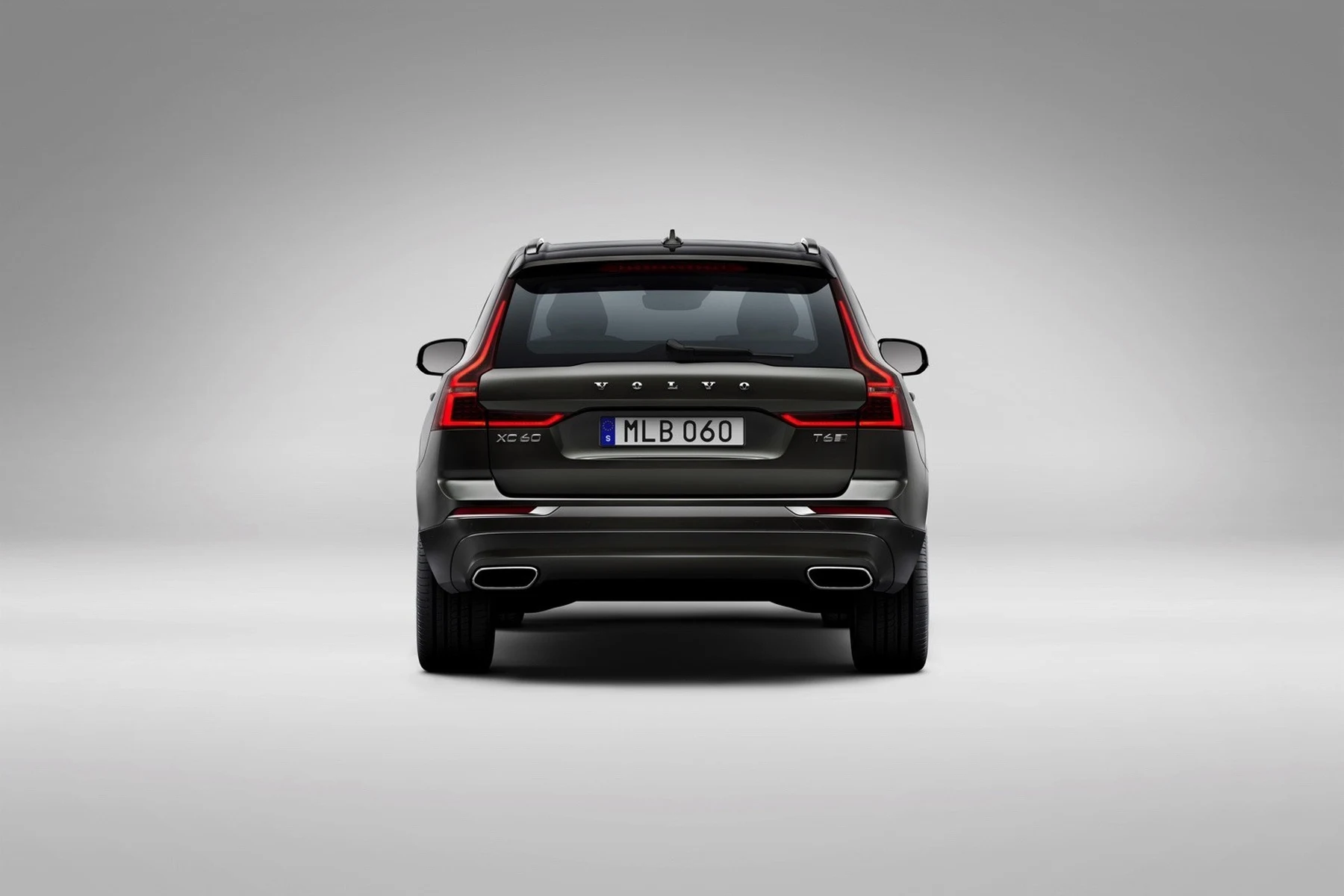
This comparison is about crash avoidance, crashworthiness, and post-crash response across unequal vehicle sizes. Volvo represents modern midsize vehicles with extensive active and passive safety.
Smart Car represents an ultra-short two-seater optimized for city packaging. Its size benefits parking and low-speed fender-benders, but it faces a mass and structure disadvantage in higher-energy crashes with larger vehicles.
Compare the same agency and protocol (e.g., IIHS small-overlap frontal, NHTSA side pole) and model years. Cross-class star or letter grades don’t equalize physics in mixed-vehicle crashes.
Volvo and Smart Car safety systems at a glance
Here’s a one-screen snapshot of safety features and typical test performance focus areas for recent Volvos versus U.S.-market Smart Car (Fortwo) models.
| Area | Volvo | Smart Car |
|---|---|---|
| Automatic Emergency Braking (AEB) | Standard on most 2019–2026 Volvos; pedestrian/cyclist detection widely included | Generally unavailable on 2008–2019 U.S. Fortwo; limited warning features only on select years |
| Lane Support | Lane-keep assist and lane-departure warning widely standard/available | Typically not offered in U.S. market Fortwo |
| Blind-Spot + Rear Cross-Traffic | BLIS with Steer Assist and rear cross-traffic auto brake available | Not commonly equipped on U.S. Fortwo |
| Body Structure | Extensive ultra-high-strength steel; engineered crumple zones | Tridion safety cell; very short crumple space due to length |
| Airbags | Front, side, curtain; whiplash protection systems | Front and side airbags; no rear seats; curtain coverage varies by year |
| Crashworthiness Awards | Many Volvos earn IIHS Top Safety Pick/TSP+ in applicable years | Small-overlap frontal ratings for minicars historically poor; limited award presence |
| Post-Crash Response | Auto emergency call, post-impact braking, hazard/door unlock strategies | Basic systems; telematics/eCall availability limited in U.S. |
IIHS research shows that, controlling for ratings, occupants in heavier vehicles typically fare better in two-vehicle crashes than those in lighter ones. That’s a built-in disadvantage for tiny cars in mixed traffic.
Volvo safety systems explained (standard vs optional)
Most late-model U.S. Volvos include standard City Safety with automatic emergency braking and pedestrian/cyclist detection. Many add intersection and oncoming-lane mitigation that can brake or steer to help avoid head-on or turn-across-path collisions.
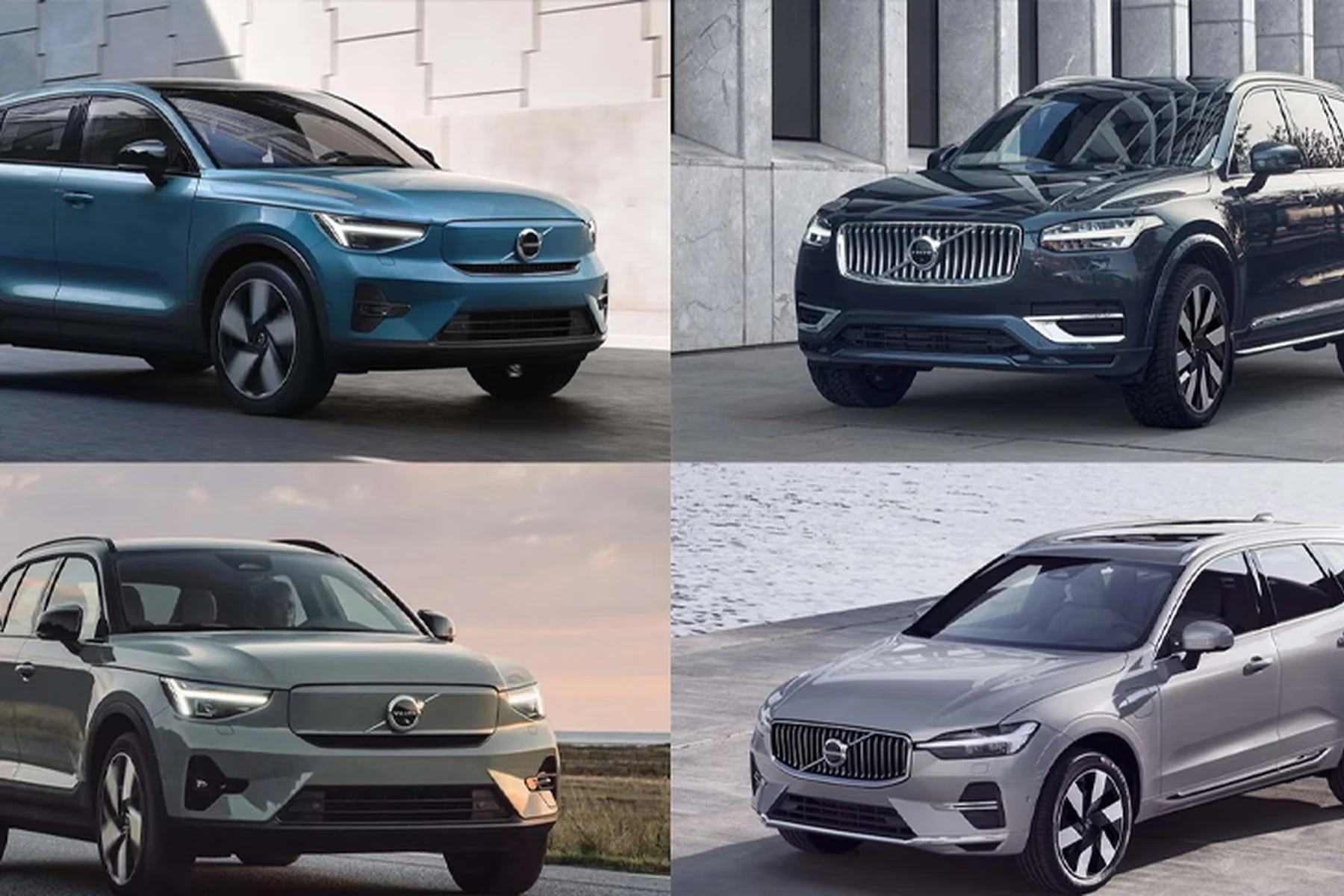
Lane-keep assist, lane-departure warning, and road-edge/run‑off road mitigation are common. BLIS with Steer Assist and rear cross-traffic auto brake are widely available, improving protection in parking lots and multi-lane merges.
Passive safety includes ultra-high-strength steel in the occupant cell, SIPS (side-impact protection), whiplash protection seats, and inflatable curtain airbags. Post-impact braking and emergency call systems aid secondary-collision and rescue response.
Feature counts and ADAS capabilities vary by model/year and software package. Verify AEB pedestrian functions and lane support on the exact VIN, especially on 2018–2020 cars that may differ by trim and option packs.
Smart Car safety systems explained (single group, U.S. market)
The U.S.-market Smart Car Fortwo emphasizes a rigid Tridion safety cell, front/side airbags, electronic stability control, ABS, and short stopping distances due to low mass. Crosswind Assist appeared on later models to help highway stability.
However, most U.S. Fortwo model years lack modern AEB with pedestrian/cyclist detection, lane centering, or blind-spot with steering assist. The car’s very short nose limits crumple space, which can increase occupant loads in severe frontal impacts with larger vehicles.
Smart Car exited the U.S. consumer market after 2019. Availability of advanced ADAS on U.S.-spec cars was limited compared with contemporary mainstream vehicles.
Smart Car has no rear seat. Installing a child restraint in the front requires careful adherence to the owner’s manual and airbag guidance. Consult certified technicians if a rear‑facing seat is considered.
Independent crash-test evidence and what it means
On IIHS small-overlap frontal tests, the minicar category historically performed poorly compared with larger classes, reflecting limited crush space and lower mass. Smart Car results in this protocol underscored those class-wide challenges.
Many 2018–2025 Volvo models achieved Good crashworthiness ratings and Top Safety Pick/TSP+, though awards can vary as IIHS tightens criteria. Across NHTSA and IIHS data, Volvo’s larger size and ADAS breadth typically aid crash avoidance and injury mitigation.
For deeper context on lab results versus rivals, see our summary of Volvo crash test results versus other cars and our overview of how Volvo fares in mixed-vehicle crashes.
Interpret IIHS small-overlap, moderate-overlap, side, and updated 2023+ tests separately. An older “Good” in moderate-overlap doesn’t offset a “Poor” in small-overlap, and vice versa.
Real-world strengths, limits, and false assumptions
Volvo’s strength is layered defense: robust structures, comprehensive airbags, and active systems that can brake and steer before impact. The limitation is that ADAS performance depends on weather, sensor calibration, and driver attention.
Smart Car excels at nimble, low-speed maneuvering where many crashes are avoidable by positioning alone. Its limitation is exposure to higher injury risk in multi-vehicle, higher-speed impacts with bigger vehicles due to basic physics.
A common misconception is that a five-star or “Good” rating makes different-size vehicles “equal” in cross-class crashes. Ratings compare peers; mass and geometry still dominate mixed-vehicle outcomes.
Ask for a safe AEB demonstration on a closed course. In a Volvo, verify forward AEB and lane support status, alert timing, and steering assistance. In a Smart Car, confirm what warning-only systems, if any, are active.
Cost, subscriptions, repair/calibration and software updates
Volvo’s camera/radar sensors may require calibration after windshield replacement, bumper repairs, or suspension work. Insurers may account for ADAS repair complexity in premiums and post-crash costs.
Smart Car’s simpler feature set can lower repair complexity, but structural parts are compact and specialized. Because the brand exited the U.S. market after 2019, parts availability and qualified service can vary by region.
For Volvo, price windshield/radar calibration and ADAS-capable wheel alignment into ownership costs. For Smart Car, confirm parts lead-times and experienced shops before purchase.
Volvo Pros and Cons
- Mass and structure advantage in mixed-vehicle crashes
- Standard AEB on most late models; broad ADAS suite
- Strong IIHS/NHTSA crashworthiness across many models/years
- Post-impact braking and emergency call features
- Higher purchase price and potential ADAS repair costs
- ADAS effectiveness varies with weather/calibration
- Larger footprint than city microcars for tight parking
Smart Car Pros and Cons
- Tiny footprint simplifies city parking and maneuvering
- Low-speed agility can help avoid minor fender-benders
- Simple feature set; potentially lower routine repair complexity
- Mass and crumple-zone disadvantage in high-energy crashes
- Limited or no AEB/lane support on U.S. models
- Two seats only; limited child-seat flexibility
- Brand exited U.S. market after 2019; parts/service vary
Best choice for families, older drivers, commuters and tech-focused buyers
For families and multi-lane commuters, Volvo’s broader safety net and size are the safer bet. Older drivers also benefit from AEB, BLIS, and post-crash support that can reduce injury severity.
Urban solo drivers prioritizing ultra-compact parking and very short trips may still value a Smart Car, provided they accept the trade-offs in crash protection and feature content.
How to Decide Between Volvo and Smart Car for Crash Safety
Use these five steps to make a safety-first choice without guesswork.
- Define your crash exposure: mostly urban 0–30 mph, or frequent 45–75 mph mixed traffic with SUVs and pickups.
- Match test data: compare IIHS small-overlap and new side tests for similar years; don’t cross-compare different classes.
- Inventory ADAS: confirm AEB with pedestrian/cyclist detection, lane support, BLIS, and rear cross-traffic auto brake on the exact vehicle.
- Simulate your routes: evaluate sightlines, merging, and parking demands on a real commute in both vehicles.
- Price total risk: weigh insurance, ADAS calibration, parts/service access, and potential injury costs from a higher-energy crash.
How to verify the exact equipment on a specific vehicle
Safety features vary by market, year, trim, and options. Verify before you buy or rely on a system.
- Decode the VIN with a dealer or official manufacturer build sheet to list safety and ADAS packages.
- Open the infotainment/driver-assist menus and confirm toggles for AEB, lane-keep, BLIS, and rear cross-traffic brake.
- Inspect windshield/bumper sensor windows and part numbers after any glass or body repair; ask for calibration records.
- Road-test with safe demonstrations of alerts/braking where permitted; never test on public roads without a controlled setup.
- Check the owner’s manual for ADAS limitations (weather, camera blockage) and maintenance procedures.
💡 Evans Torres Tip: Before trusting any rating, confirm the protocol year. IIHS tightened criteria in 2023 for side and pedestrian AEB tests. A car that was “top-rated” under older rules may not earn the same award today, even if its absolute structure didn’t change.
Frequently Asked Questions
This section answers the most common cross-class questions we hear from U.S. shoppers weighing a Volvo against a Smart Car. The focus is credible lab results, ADAS availability, and the realities of mixed-vehicle traffic in North America.
Is a Volvo safer than a Smart Car in a head-on crash?
In a head-on crash at comparable speeds, occupants in a larger, heavier Volvo generally face lower injury risk than occupants in a much lighter Smart Car, assuming similar crashworthiness. IIHS research shows mass and size strongly influence outcomes in two-vehicle collisions.
Do Smart Cars have automatic emergency braking in the U.S.?
Most U.S.-market Smart Car Fortwo models (2008–2019) did not offer AEB with pedestrian/cyclist detection. Some later models included stability and crosswind assists, but comprehensive ADAS suites common in 2019–2026 Volvos weren’t typical on U.S. Smarts.
How do IIHS and NHTSA ratings translate across size classes?
They don’t translate directly. IIHS and NHTSA compare vehicles within class and protocol. A minicar and a midsize SUV can both earn top marks in their categories, yet the midsize SUV still confers an advantage in a cross-class, real-world crash.
Are Volvos expensive to insure because of ADAS?
Premiums depend on driver profile, region, and repair costs. Volvos’ ADAS can lower claim frequency, but calibration after windshield/bumper repairs adds cost. Ask insurers for quotes on the specific VINs you’re considering.
Is a Smart Car safe for city driving?
At low speeds, maneuverability helps avoid many incidents. However, mixed city traffic includes buses and SUVs, and intersection crashes can be severe. Lack of AEB and limited crumple space raise risk compared with larger, ADAS-equipped vehicles.
Do modern Volvos still lead crash tests?
Many 2018–2025 Volvos earn high IIHS and NHTSA marks, though award thresholds tightened after 2023. Check the exact model year and protocol. Our overview of Volvo crash tests versus other cars summarizes recent outcomes.
What about older Volvos vs newer small cars?
Crashworthiness advanced rapidly. An old Volvo can’t assume superiority over a newer small car without data. See our analysis of old Volvo vs newer small cars and verify the model years and tests in question.
Can I improve Smart Car safety with better tires or brakes?
Quality tires and maintenance help avoidance and stopping, but they don’t change mass or structural limits. For major gains, look for vehicles with verified AEB, lane support, and stronger crashworthiness in your travel speed range.
Final Verdict
If your daily driving mixes with larger vehicles or includes regular highway speeds, a Volvo’s larger structure and robust ADAS suite deliver a meaningful safety margin that a Smart Car can’t match. This is supported by IIHS protocol results and long-standing physics of mass compatibility.
If your life is ultra-urban with very short, low-speed hops and parking scarcity, a Smart Car’s tiny footprint remains attractive. Just go in with eyes open about feature gaps and higher exposure in severe crashes, and consider small cars that add AEB as a middle ground.
For most U.S. shoppers prioritizing crash outcomes, the safer default is a late-model Volvo with standard AEB and strong crashworthiness, verified on the exact VIN. To understand broader mixed-vehicle implications, see our primer on Volvo in real-world car crashes as part of your decision.
My Top Picks at a Glance
These three Volvo accessories are practical options to compare after choosing the right Volvo configuration.
 Best Overall
Custom Fit Windshield Sun Shade for Volvo XC70, UV-Blocking Foldable Visor Keeps Interior Cooler
A vehicle-fit accessory to compare for compatibility, daily usefulness, and value.
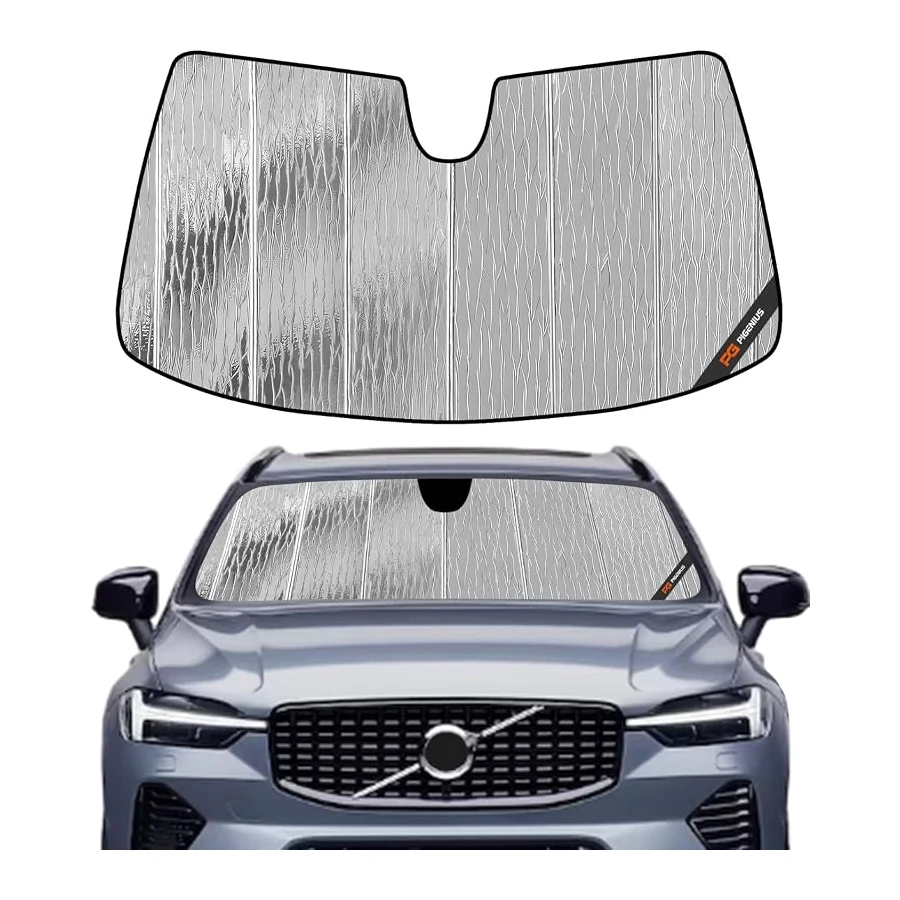 Best Value
AstraGuard Custom Fit Windshield Sunshade for Volvo XC60 2018-2026, UV Heat Blocker, Foldable
A vehicle-fit accessory to compare for compatibility, daily usefulness, and value.
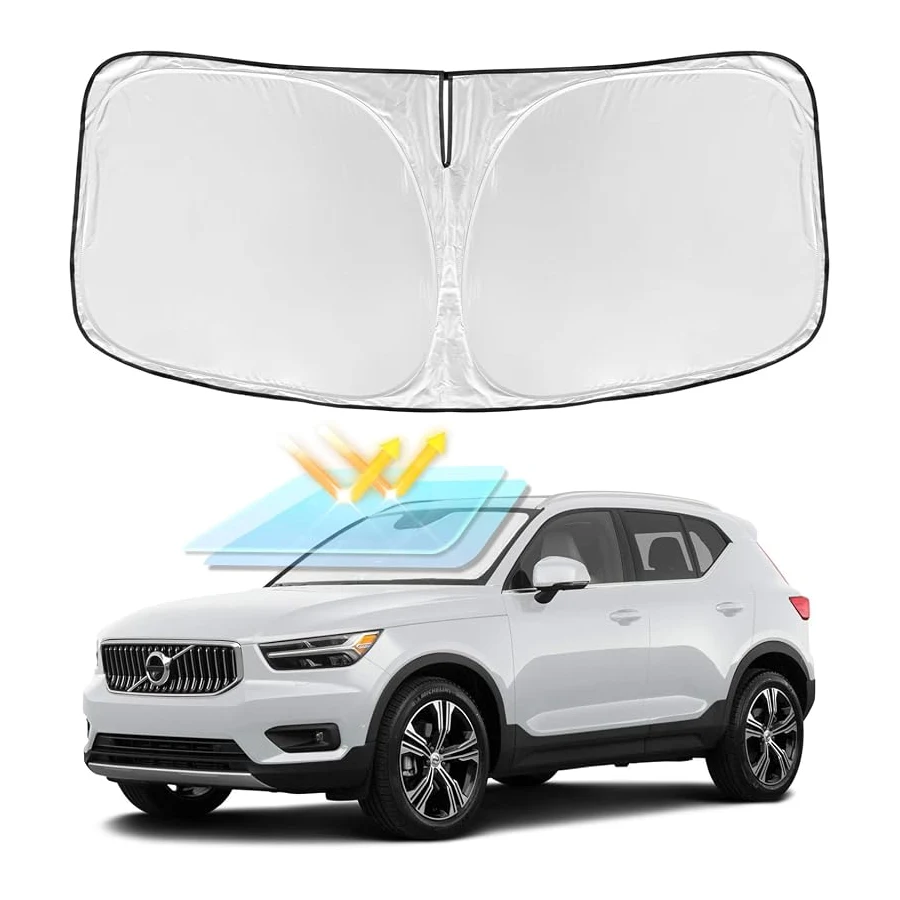 Best Premium Option
Custom Fit Volvo XC40 2019-2026 Windshield Sun Shade, 4-Layer UV Block, Retractable Design
A vehicle-fit accessory to compare for compatibility, daily usefulness, and value.
Sources and Methodology
U.S.-market focus; Volvo ~2018–2026 models versus Smart Car (Fortwo) 2008–2019. We aligned IIHS and NHTSA protocols where possible and treated cross-class comparisons with caution due to mass/geometry effects. Features were checked against manufacturer materials and agency databases. Awards vary as IIHS criteria evolve (notably 2023+). Data verified August 2026.
Author

Author

Evans Torres
I’m Evans Torres, an automotive engineer who loves Volvo cars. I graduated in Automotive Engineering from USC. I have worked in the car industry for years and now share my knowledge on The Volvo Life. I started this blog to connect with other Volvo fans. I offer tips, news, and advice to help you care for your car. My goal is to help you keep your Volvo in great shape and find all the best things about it. Join me as we discover everything Volvo has to offer!