


volvo vs premium-segment car is a trade-off between safety-first, calming luxury and broad performance ceilings with wider brand choice. Pick Volvo for standard driver aids, serene cabins and strong value; choose Premium-segment Car if you prioritize speed, status badges and sharper dynamics.
When shoppers compare Volvo with the entire Premium-segment Car category in the U.S., they are really deciding between a safety-led, minimalist interpretation of luxury and a spectrum of brands emphasizing performance, prestige and customization. Both routes deliver comfort, tech and refinement, but the priorities differ.
This guide focuses on what matters day to day: crash-test evidence, driver-assistance tuning, ride and handling, cabin design, ownership costs, reliability expectations and resale. It uses representative U.S.-market models and current data sources to keep the comparison practical and fair.
If you want a quick feel, Volvo typically undercuts German flagships on price for similar comfort and safety kit, while Premium-segment Car options can reach higher performance and offer more badges, trims and halo variants. The right answer depends on how you value safety, speed and simplicity.
- Main difference: Volvo emphasizes safety, serene comfort and clean tech; Premium-segment Car spans multiple brands with higher performance ceilings and broader configurations.
- Best for A: Volvo suits buyers who want standard advanced safety, straightforward trims and relaxing cabins at a sensible price.
- Best for B: Premium-segment Car suits drivers chasing sharper dynamics, status nameplates or track-capable variants.
- Cost/value: Volvo often delivers feature-adjusted value and includes scheduled maintenance; some Premium-segment Car rivals cost more to equip similarly.
- Important caveat: Scores, features and warranty terms vary by model year and trim—verify the exact VIN and equipment before deciding.
Scope of this comparison: Volvo vs Premium-segment Car
This is a brand-versus-category matchup. “Premium-segment Car” here means luxury-brand sedans, wagons and SUVs such as those from German, Japanese and Korean premium marques sold in the U.S.
We compare mainstream trims where most buyers shop, while noting that Premium-segment Car includes high-output halo variants that Volvo generally does not mirror. Used shoppers should focus on 2020–2025 for comparable tech and safety content.
Volvo and Premium-segment Car at a glance
Use this table to see the core positioning, safety approach, tech stack and ownership basics side by side before you dig into details below.
| Factor | Volvo | Premium-segment Car |
|---|---|---|
| Positioning | Safety-first, serene luxury, minimalist design, electrification-forward | Broader spectrum from sport-first to ultra-lux; many badges and body styles |
| Safety features | Extensive driver aids standard; strong crash-test track record | Often excellent, but content can depend on trim/packages by brand |
| Performance ceiling | Balanced power; fewer track-focused variants | Higher-output V6/V8/EV performance sub-brands widely available |
| Infotainment | Google built-in (native Google Maps, Assistant, Play), OTA updates | Brand-specific systems; some superb, some steeper learning curves |
| Ride/handling | Comfort-biased with secure composure | Varies by brand; many sportier tunes and adaptive setups |
| Warranty/maintenance | 4 yr/50k mi limited; complimentary scheduled maintenance (often 3 yr/36k mi) | Warranty similar across brands; maintenance coverage varies widely |
| Dealer footprint | Smaller network, concentrated in metros | Typically larger networks, especially among German/Japanese badges |
| Electrification | Multiple BEVs (EX30, EX90, XC40/C40 Recharge) and PHEVs | Extensive BEV/PHEV choices; some with longer ranges or faster charging |
| Resale | Solid on safety-led trims; moderate depreciation typical | Varies: some badges lead resale, others trail segment averages |
| Value for features | Often strong; generous standard safety and comfort | Can require option packages to match features depending on brand |
Match like-for-like: same model year, powertrain (ICE, PHEV, BEV), driven wheels and option packages. Many Premium-segment Car rivals hide critical safety or comfort features in bundles—confirm the exact build sheet before pricing.
Brand positioning, engineering priorities and comparable model lineup
Volvo’s playbook is consistent: human-centric safety, calming Scandinavian design, efficient 4‑cylinder-based powertrains with mild hybrid or plug-in options, and a rapid shift to BEVs. The brand aims for quiet confidence over flash.
Premium-segment Car encompasses badges that span sport, status and opulence. You’ll find more body styles, higher-output engines and performance divisions. Expect more track-capable options and broader customization if that’s your priority.
Volvo limits top speed to about 112 mph across most modern models to reinforce safety goals. Many Premium-segment Car rivals do not cap speed and offer performance variants exceeding 150 mph.
Safety philosophy and actual model-level evidence
Volvo typically standardizes advanced driver-assistance suites and pursues top crash results. Many recent Volvo models frequently earn strong IIHS and NHTSA ratings when comparably equipped and tested.
Premium-segment Car rivals can match or surpass specific scores, but safety content may depend on trims and options. Always compare actual ratings for the specific vehicle years you’re cross-shopping.
For a deeper dive into Volvo’s crashworthiness themes across brands, see our analysis in Volvo safety vs other cars.
- Verify IIHS ratings (same year and body style) and headlight scores.
- Check NHTSA star ratings and frontal/side subtests.
- Confirm standard vs optional ADAS per trim on the window sticker.
- Match tire types; grip can influence stopping distances in tests.
Performance and driving character
Volvo favors balanced acceleration and secure handling with a comfort bias. Plug‑in hybrids can be quick, and BEVs like the EX30 deliver brisk urban performance without chasing track times.
Premium-segment Car options commonly offer higher-output engines, quicker 0–60 mph times and sport-tuned suspensions. If back-road pace and multi-mode chassis systems matter most, the category at large provides more choices.
- Ride quality over broken pavement at 25–35 mph.
- Steering weight/precision in sweepers and lane changes.
- Brake modulation in stop‑and‑go traffic.
- EV throttle mapping and one‑pedal tuning, if applicable.
If you want a concrete SUV example within this theme, our detailed XC90 vs BMW X5 comparison shows how comfort-first tuning contrasts with sport-first rivals.
Interior design, comfort, technology and infotainment
Volvo cabins emphasize light colors, natural materials and low-stress ergonomics. Google built‑in integrates native Maps, Assistant and the Play store, with regular OTA updates that refine features.
Premium-segment Car interiors vary from understated to ornate, and infotainment systems range from excellent to complex. You’ll often see more ambient lighting options, seat adjustability and performance seats among sport-leaning brands.
Bring your Google or Apple account to the showroom. Log in briefly to check app availability, profile syncing and voice-assistant success with addresses you actually use.
Reliability, warranty, dealer/service access and maintenance cost
Volvo’s new-vehicle warranty is typically 4 years/50,000 miles, and Volvo commonly includes complimentary scheduled maintenance (often 3 years/36,000 miles). Reliability varies by model; recent powertrains have simplified to four-cylinder bases and electrified variants.
Premium-segment Car brands offer similar warranties, but maintenance coverage and reliability differ widely. Dealer density is often greater among larger badges, which can shorten service drives if you live outside major metros.
For cost expectations specific to the U.S., read our guide on Volvo maintenance costs in the USA.
- Performance tires and big wheels raise replacement costs.
- Premium fuel requirements vary—check the fuel door/owner’s manual.
- Insurance can be higher for performance variants.
- Lease wear items (brakes/tires) add up—inspect before signing.
Resale value, used-car considerations and electrification strategy
Volvo resale is buoyed by safety reputation and practical trims, with typical luxury depreciation patterns. Plug‑in hybrids and newer BEVs may vary more as incentives and charging infrastructure evolve.
Premium-segment Car resale spans leaders and laggards by badge and variant. Track-focused or niche models can hold value well, while complex options may age unevenly in the used market.
Check battery and charger warranty terms, DC fast‑charge speed support and any software update history. Charging curve behavior can change with updates and affects road-trip time.
Where Volvo is stronger
Volvo stands out when you value standard safety, a low-stress cabin and strong feature-for-dollar value. The brand’s Google-based infotainment and intuitive ADAS tuning make daily driving simple and confidence-inspiring.
If you prefer calm ride quality over track capability, Volvo’s tuning philosophy usually aligns with your priorities without forcing you into pricey option packages.
Volvo Pros and Cons
- Extensive standard safety and driver aids
- Serene, minimalist interiors with quality materials
- Google built‑in with reliable voice navigation
- Strong feature-adjusted value and included maintenance
- Broad electrified lineup (PHEV and BEV)
- Fewer high-performance variants
- Smaller dealer network than some rivals
- Options and packages can still add up
- Some infotainment functions rely on data connectivity
Where Premium-segment Car is stronger
Premium-segment Car provides more brand personalities, higher performance ceilings and wider customization. If you want a sport package with adaptive dampers, a track-day brake kit or a prestige badge, this side offers more routes.
Dealer access is often broader, and certain badges lead resale or long-term dependability in specific segments and years.
Premium-segment Car Pros and Cons
- Higher-output engines and performance sub-brands
- Broader trim, option and body-style diversity
- Strong dealer footprints in many regions
- Potentially higher resale for select badges/variants
- Safety and ADAS may require pricey packages
- Complex infotainment in some brands
- Performance tires/parts raise ownership costs
- Ride can be firmer with sport suspensions
Best choice by buyer type
How to choose between Volvo and Premium-segment Car
- Define the mission. Daily commuting comfort or weekend back‑road fun? Write down your top three priorities: safety, performance, space, tech or cost.
- Align trims and equipment. Use the build sheets to match safety, seats, wheels/tires and suspension options before test drives.
- Compare safety data. Pull IIHS and NHTSA results for the exact year and headlights/ADAS packages noted in the safety checklist above.
- Drive the roads you use. Replicate your commute and parking. Check lane-centering smoothness, ride on broken pavement and infotainment voice accuracy.
- Total the real cost. Add insurance quotes, fuel/charging, tires and maintenance. Include any included maintenance coverage when comparing.
Once you’ve done those five steps, the right answer usually emerges from how you felt behind the wheel and how the fully priced builds compare.
💡 Evans Torres Tip: Bring a USB drive and a list of your seven most-used voice commands. Test the same commands in both vehicles with the cabin fan at medium. If one car nails navigation addresses and contact names reliably, that daily-time saver is worth real money.
Frequently Asked Questions
Shoppers weighing Volvo against the entire Premium-segment Car field often ask about safety leadership, reliability differences, maintenance costs, performance options, tech ecosystems and resale. The answers below focus on 2023–2026 U.S.-market vehicles and assume like-for-like trims, tires and powertrains so you can apply them directly to your shortlist.
Is Volvo considered a premium brand in the U.S.?
Yes. Volvo is a premium brand that competes with other luxury makes on comfort, materials and technology. The brand’s angle is safety-first and serene design rather than maximum performance. Pricing often undercuts German performance leaders when you compare similar comfort and safety content.
Which is safer: Volvo or Premium-segment Car?
Both can achieve top ratings, but Volvo commonly includes more driver aids as standard. Premium-segment Car safety varies by brand and trim. Compare IIHS and NHTSA results for the exact model year and verify whether key features like active headlights and front AEB are standard or optional.
Who offers better performance?
Premium-segment Car collectively offers higher-output engines and performance sub-brands, so outright speed and track readiness generally favor that side. Volvo targets balanced, confident pace with comfort bias. Plug‑in Volvos can be quick in daily driving, especially from low speeds.
How do infotainment systems compare?
Volvo uses Google built‑in, providing native Maps, Assistant and app support with over-the-air updates. Premium-segment Car systems vary: some are superb, others are complex. Try voice commands, wireless smartphone mirroring and driver-profile syncing on both during your test drive.
What about maintenance and reliability?
Volvo’s warranty is typically 4 yr/50k mi with complimentary scheduled maintenance for about 3 yr/36k mi. Reliability varies by model. Premium-segment Car maintenance plans and dependability differ widely—check service intervals, wear-item costs and any brand-specific coverage before deciding.
Which holds value better?
Resale depends on brand, model and options. Some Premium-segment Car badges lead resale in specific segments, while others depreciate faster. Volvo’s safety reputation and practical trims support solid resale, though luxury vehicles generally depreciate quicker than mainstream cars.
How does Volvo’s approach to crashes compare?
Volvo’s engineering emphasizes occupant protection and crash avoidance. For broader context across brands and scenarios, see our overview of Volvo crash tests vs other cars, which explains how protocols and equipment affect outcomes.
Are there examples where a Volvo beats a sportier rival?
In everyday comfort, noise isolation and standard safety content, yes. Many buyers find Volvo’s relaxed ride and intuitive tech win on commutes even if rivals post quicker lap times. Our XC90 vs BMW X5 comparison shows how those trade-offs play out in a popular SUV matchup.
Final Verdict
If your priorities are safety you don’t have to option in, calm ride quality, intuitive Google-based tech and strong feature-for-dollar value, Volvo is the smarter everyday choice. It’s luxury that lowers stress without sacrificing real-world speed or efficiency.
If you want sharper handling, a prestige or performance badge and more body-style variety, the Premium-segment Car side unlocks more paths—from sport sedans to track-ready SUVs—at the cost of complexity and often higher option prices. Either way, match trims carefully, confirm safety content by VIN, and test the cars on your actual routes.
My Top Picks at a Glance
These three Volvo accessories are practical options to compare after choosing the right Volvo configuration.
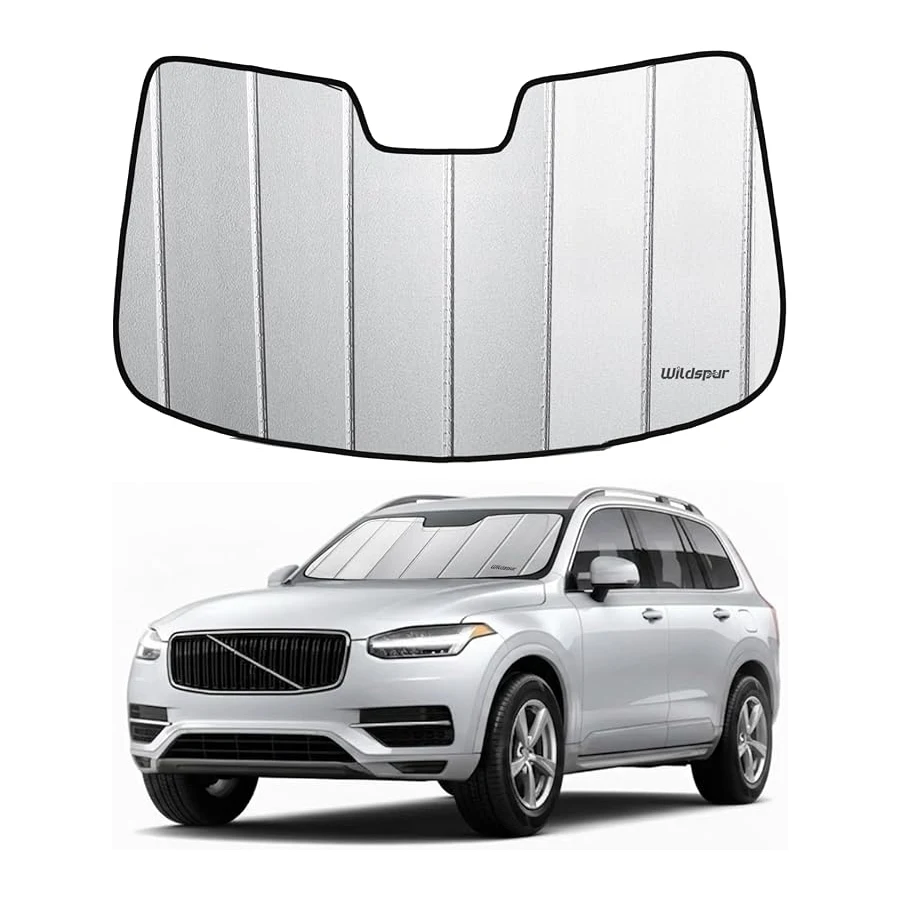 Best Overall
Custom Fit Windshield Sun Shade for 2016-2026 Volvo XC90, UV Block, Keeps Interior Cooler, Foldable
A vehicle-fit accessory to compare for compatibility, daily usefulness, and value.
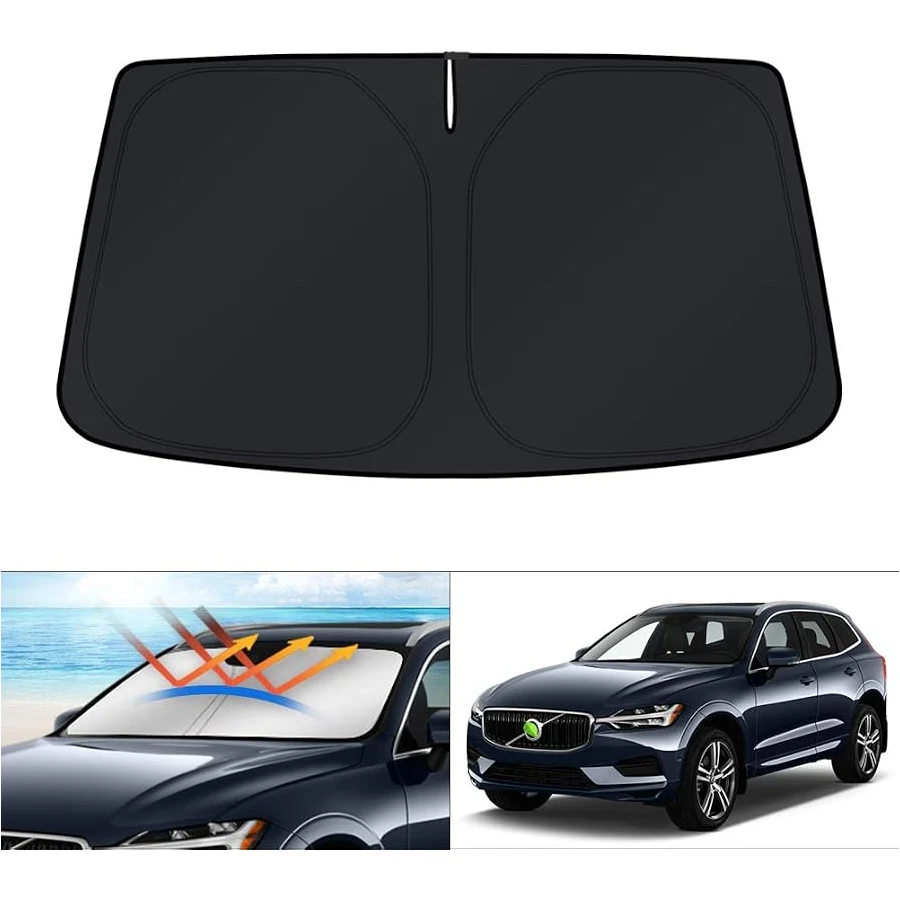 Best Value
KUST Custom Fit Windshield Sun Shade for 2018-2026 Volvo XC60, Blocks UV, Foldable, Cooler Interior
A vehicle-fit accessory to compare for compatibility, daily usefulness, and value.
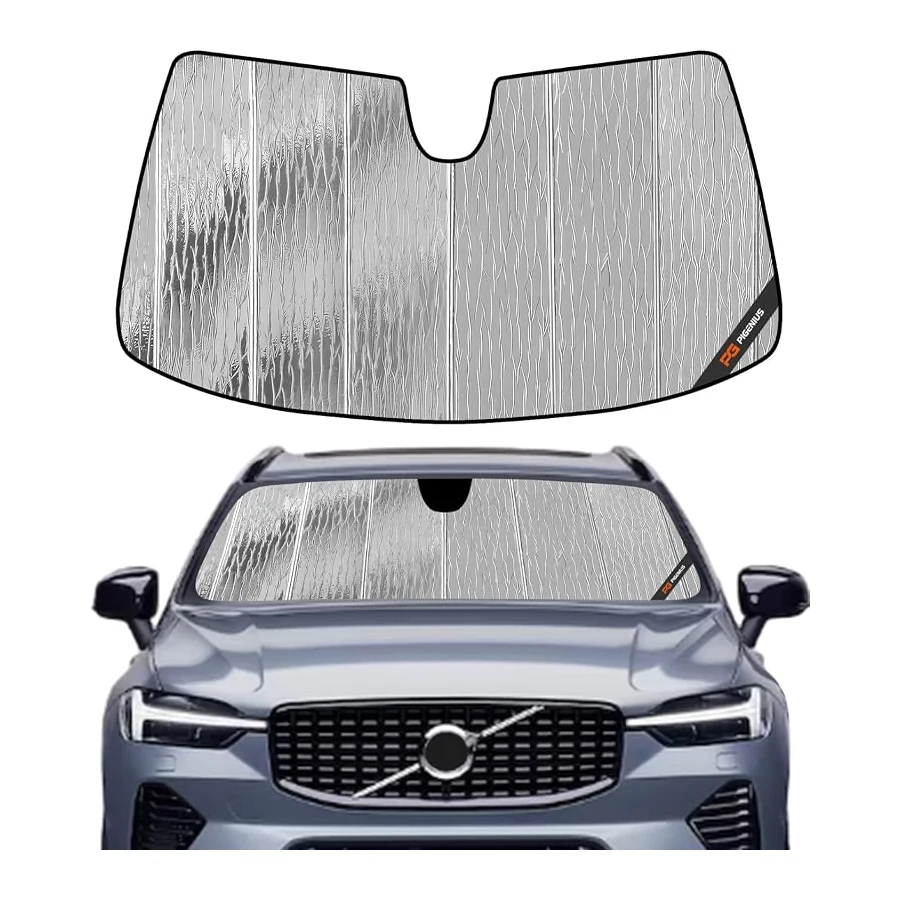 Best Premium Option
AstraGuard Windshield Sun Shade for 2018-2026 Volvo XC60, Custom Fit, UV Heat Protection, Keeps Interior Cooler
A vehicle-fit accessory to compare for compatibility, daily usefulness, and value.
Sources and Methodology
This U.S.-focused comparison centers on 2023–2026 model years, matching trims, tires and powertrains where possible. We prioritized official manufacturer specifications, IIHS and NHTSA safety data, EPA fuel-economy information, and respected ownership and resale research. Because the “Premium-segment Car” side spans many brands, findings are directional; always verify details for the exact VIN and build. Data verified August 2026.
Author

Author

Evans Torres
I’m Evans Torres, an automotive engineer who loves Volvo cars. I graduated in Automotive Engineering from USC. I have worked in the car industry for years and now share my knowledge on The Volvo Life. I started this blog to connect with other Volvo fans. I offer tips, news, and advice to help you care for your car. My goal is to help you keep your Volvo in great shape and find all the best things about it. Join me as we discover everything Volvo has to offer!