


In the volvo car vs lease decision, buying builds equity and allows unlimited mileage but requires more cash and exposes you to depreciation, while leasing lowers monthly payments and keeps you in warranty but caps miles, limits customization, and leaves you without ownership.
Leasing and buying are both mainstream ways to get into a new Volvo in the U.S., but they create very different financial outcomes. The biggest trade-off is equity and mileage freedom with ownership versus lower monthly cost and flexibility with a lease.
This guide explains how the money flows, what’s included, and the rules you must follow in each path. It focuses on U.S. market terms and programs typical of Volvo Car Financial Services and comparable lenders, with verification as of August 2026.
We’ll keep the analysis practical and numbers-agnostic where they genuinely vary by state, credit tier, trim, and incentives. Throughout, you’ll find clear checkpoints to run on any quote so you can compare apples to apples before you sign.
- Main difference: Ownership delivers unlimited miles and resale value; a lease offers lower payments but mileage caps and no equity.
- Best for A: Volvo Car suits drivers who keep vehicles 5–10 years, rack up miles, and want long-term control.
- Best for B: Lease fits drivers favoring lower monthly outlay, new tech every 2–4 years, and predictable warranty coverage.
- Cost/value: Lease cash flow is often lower early on; total cost can favor buying when you keep the Volvo beyond loan payoff.
- Important caveat: EV tax-credit pass-through can shift the math on certain Volvo leases; verify on your exact VIN and contract.
What Volvo Car is in this comparison (ownership by cash or loan)
“Volvo Car” here means purchasing a Volvo outright or with an auto loan. You pay sales tax per state law, carry the title in your name or your lender’s, and assume depreciation and resale decisions.
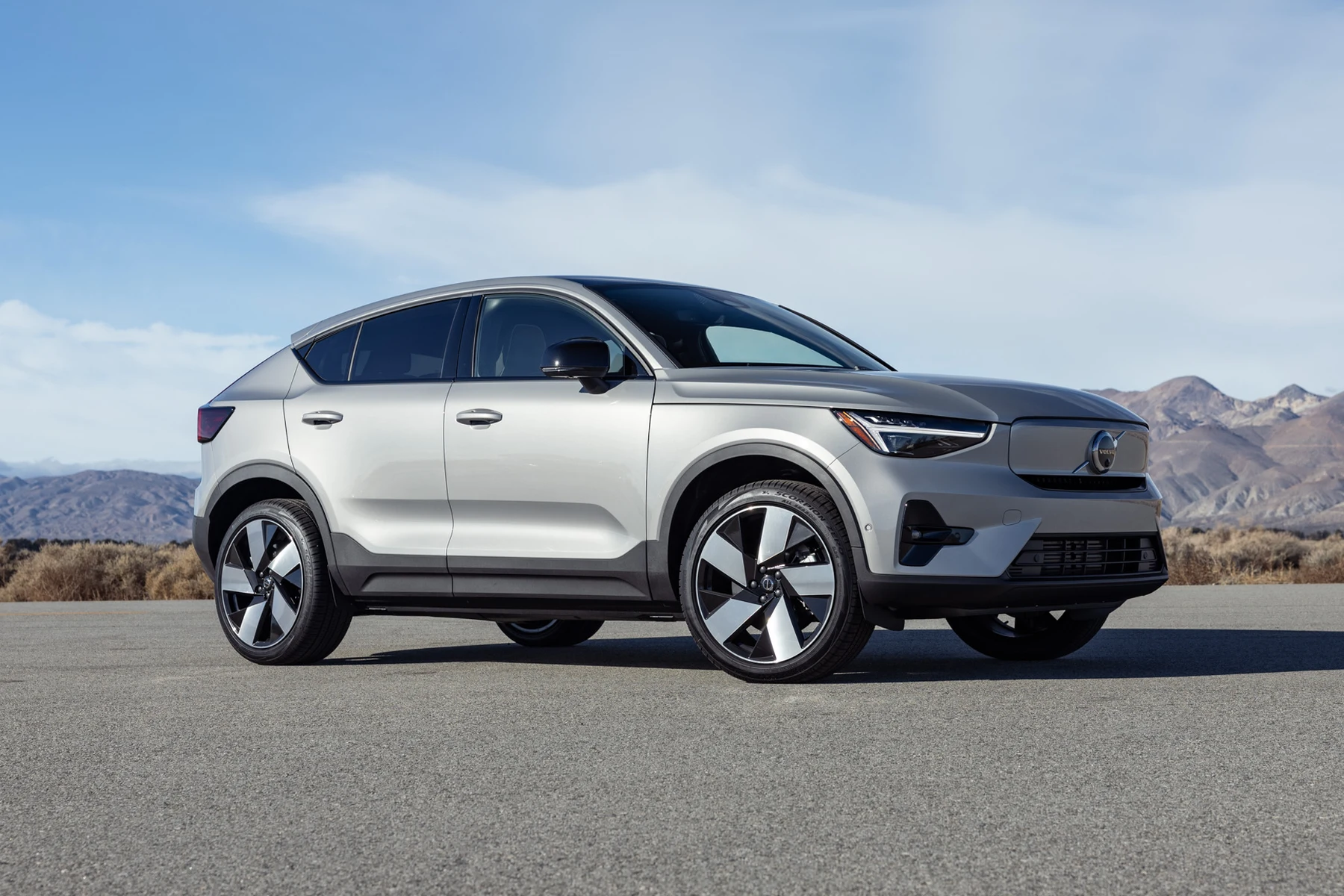
Monthly payments are usually higher than a comparable lease because you’re financing the vehicle’s full price minus down payment, not just its predicted depreciation. Mileage is unlimited, and you can customize within legal and warranty limits.
What Lease is for a Volvo
“Lease” means a closed-end contract to use a Volvo for a set term and mileage in exchange for monthly payments. The lessor owns the car; you agree to specific wear, maintenance, and insurance standards.
Payments are typically lower because you finance the vehicle’s expected depreciation plus rent charge and fees. Most leases align with the factory warranty window, minimizing out-of-pocket repairs but capping miles and restricting modifications.
Volvo Car vs Lease at a glance
Use this snapshot to see how ownership and leasing differ on cost structure, rules, and flexibility. It’s designed to make quote-to-quote comparisons faster and more consistent.

| Category | Volvo Car | Lease |
|---|---|---|
| Who owns it | You (or your lender) hold title | Lessor holds title |
| Upfront costs | Down payment optional; taxes/fees due per state | Drive-off includes first payment, acquisition fee, taxes/fees |
| Monthly payments | Higher; finance full price minus down payment | Lower; finance depreciation plus rent charge |
| Mileage | Unlimited | Contract cap; per-mile charge if exceeded |
| Customization | Allowed within law/warranty | Restricted; must return in stock-like condition |
| Warranty exposure | May outlast warranty; repairs after expiry | Typically within warranty term |
| Maintenance | You choose plans and timing | You must follow schedule; prepaid plans optional |
| Insurance | Standard limits; GAP optional | Higher limits often required; GAP commonly included or required |
| Taxes | Often taxed on full price (state-dependent) | Often taxed on monthly payment (state-dependent) |
| EV incentives | Claimer varies; purchase credits apply to eligible buyers | Commercial credit may reduce payments if passed through |
| Early exit flexibility | Sell or trade anytime; market risk applies | Strict penalties; transfer/early buyout case-by-case |
| End-of-term | Keep payment-free, sell, or trade | Return, buy at residual, or extend if approved |
| Total cost path | Improves the longer you keep it post-loan | Predictable short-term; repeats each cycle |
Volvo Car vs Lease availability, eligibility and verification date
Both options are widely available in the U.S. through Volvo retailers and approved lenders. Eligibility depends on credit profile, income, and debt-to-income ratios, with tiered rates and money factors.
Not every trim or powertrain is lease-supported at all times, and program rules change with incentives, inventory, and model cycles. Always ask for a written quote that lists every fee, factor, and residual.
Terms in this article reflect U.S. programs typical of Volvo Car Financial Services and comparable lenders as of August 2026. Confirm model eligibility, fees, mileage bands, and any EV credit pass-through on your specific VIN and contract before signing.
Volvo Car vs Lease cost structure and what’s included
Buying concentrates cost upfront and early in the loan, then drops to near-zero once paid off. You carry resale risk but also capture any equity if Volvo values hold well in your region.
Leasing spreads depreciation plus finance charges over a shorter term, usually aligning with the new-car warranty. Monthly outlay is lower, but recurring cycles can exceed long-run ownership cost if you keep leasing indefinitely.
Many states tax purchases on the vehicle’s full price but tax leases only on monthly payments. Acquisition, disposition, and doc fees also vary. Ask your dealer to show state tax, title, license, acquisition, and disposition line items side by side.
If you plan to keep your Volvo for 6–10 years, ownership often wins on total cost once the loan is gone. If you prefer predictable payments and new tech every few years, a lease’s cash flow can be compelling.
To forecast maintenance, compare the factory schedule with your mileage and climate. Our guide to the Volvo maintenance schedule can help you budget proactively when owning past warranty.
Under current federal rules, the commercial clean vehicle credit may be applied by the lessor on qualifying EV leases. Some lessors pass this value through to reduce payments. Always verify whether a credit is included in your quote and how it’s applied.
Volvo Car vs Lease contract term, mileage, insurance and early termination
Most purchase loans run 36–72 months, with no mileage caps. Insurance requirements match your lender’s minimums, and GAP coverage is optional unless the lender mandates it for low-down loans.
Common lease terms are 24–48 months with annual mileage bands (for example, 10k–15k). Exceeding the cap triggers a per-mile charge, and early termination can be expensive unless the lease allows transfer or buyout under specific conditions.
- Average your last 12 months of driving from service or app logs.
- Add wiggle room for trips, job changes, or new commutes.
- Compare the cost of a higher-mileage lease versus potential overage fees.
- Confirm inspection standards for tires, glass, and wheels before signing.
Leases typically specify higher liability limits and comprehensive/collision deductibles. GAP is commonly included or required by the lessor; confirm if your lease includes it and how claims work.
Leases define “normal” wear in the contract. Wheel rash, cracked glass, bald tires, and deep dents are usually chargeable. Ask for a pre-return inspection window and cost sheet so you can fix items cheaper before turn-in.
Volvo Car vs Lease end-of-term options, ownership rights and restrictions
With Volvo Car ownership, you can keep driving payment-free, sell privately, or trade-in anytime. You may modify, tow, or add accessories subject to local laws and warranty terms.
At lease end, you can return the car, buy it at the residual price in your contract, or request an extension if offered. Modifications are generally disallowed, and all factory equipment must be present at return.
- Gather both keys, manuals, mats, and charging cable (for EVs).
- Check tire tread and brake life against the lease guide.
- Schedule the official inspection early to allow low-cost repairs.
- Compare the buyout quote to real market values before deciding.
Volvo Car Pros and Cons
Volvo Car Pros and Cons
- Unlimited mileage and usage flexibility.
- Builds equity and can become payment-free post-loan.
- Freedom to customize and choose maintenance approach.
- Easier early exit by selling or trading the vehicle.
- Higher upfront and monthly costs versus a comparable lease.
- Exposure to depreciation and market swings at resale.
- Potential repair costs after the 4-year/50,000-mile warranty window.
- Taxes on full vehicle price in many states.
Lease Pros and Cons
Lease Pros and Cons
- Lower monthly payments for a similarly equipped Volvo.
- Usually covered by the factory warranty for the full term.
- Option to walk away at term end and upgrade frequently.
- Commercial EV credit may reduce cost if passed through.
- Mileage caps and wear charges add risk for high-mile drivers.
- No ownership or equity at the end unless you buy the car.
- Stricter insurance requirements and limited customization.
- Early termination or overage can be costly.
Which option fits which buyer: Volvo Car vs Lease
Match the financing path to how long you keep cars, how many miles you drive, and how much predictability you want. The right choice emerges when you price the full ownership period, not just the first 36 months.
How to Decide Between Volvo Car and Lease
Run these five steps on the exact car you want. A methodical approach avoids surprises and makes the choice obvious on paper before you drive home.
- Collect two written quotes on the same VIN: one purchase (APR, term, cash down) and one lease (money factor, residual, term, mileage, due at signing).
- Normalize cash flow: compare total out-of-pocket for the first 36 months, including taxes, fees, and required insurance differences.
- Project years 4–8: estimate warranty expiration repairs and maintenance. Read our analysis on Volvo maintenance costs in the USA to refine assumptions.
- Stress-test mileage: price the next-higher lease mileage tier versus potential overage charges. If unsure, favor the higher tier or ownership.
- Check incentives: ask whether any EV credit is included in the lease, and compare to purchase incentives. Validate how each affects your monthly and total outlay.
Before we move into FAQs, here’s a targeted checkpoint that catches most quote-to-contract discrepancies and protects your budget long after delivery.
💡 Evans Torres Tip: Ask your finance manager to print the lease or loan “payment worksheet” that shows capitalized cost, residual or payoff schedule, money factor or APR, fees, and taxes. Then verify the MSRP and options on the window sticker match the worksheet exactly. A one-line mismatch can swing thousands over the term.
Frequently Asked Questions
This section tackles the most common U.S.-specific questions when comparing a Volvo Car purchase to a Lease. Answers reflect program norms rather than dealer-specific promotions, and they assume new-vehicle contracts with mainstream credit tiers. Always confirm actual numbers and fee names on your signed contract.
Is leasing or buying a Volvo cheaper overall?
Leasing is often cheaper for the first 24–36 months because you finance depreciation, not the entire price. Buying can win over a 6–10 year horizon once the loan ends and you avoid repeat acquisition and disposition fees. Your mileage and incentives can tip the scales.
What happens if I exceed my lease mileage?
Your contract lists a per-mile overage charge, which is collected at turn-in unless you buy the car. If you consistently drive more than your cap, ask about a higher-mileage lease up front. It’s typically cheaper than paying overage later and keeps you within contract rules.
Does a Volvo lease include maintenance?
Leases require you to follow the factory schedule, but maintenance is not automatically included unless a plan is added. Some retailers sell prepaid plans that bundle routine services into your payment. For ownership planning, see our guide to the Volvo maintenance schedule.
How do insurance requirements differ?
Lease contracts usually require higher liability limits and comprehensive/collision coverage, plus GAP coverage is commonly included or required. Purchase loans follow lender minimums, and GAP is optional in many cases. Ask your insurer to quote both scenarios on the same VIN to compare.
Can EV tax credits make a Volvo lease cheaper than buying?
Sometimes. Under current rules, the lessor can claim a commercial EV credit on qualifying leases and may pass the savings through via lower payments. If you buy, personal tax credits depend on vehicle and buyer eligibility. Confirm how any credit is applied in your paperwork.
What if I want out early?
With ownership, you can sell or trade the car anytime, subject to market value and your payoff. Leases penalize early termination and may limit transfers. Ask about a buyout quote and whether your lease allows assignment to a new lessee before you decide.
How much does a new Volvo cost to buy?
MSRP varies widely by model, trim, options, and destination. The best starting point is to price the exact configuration you want and compare offers. For context on pricing, read our overview of how much a Volvo car costs in the U.S. market.
Can I modify a leased Volvo?
Generally no. Leases require the vehicle to be returned in stock-like condition with all original equipment. Cosmetic or performance modifications risk chargeable repairs at turn-in. If you plan to personalize heavily, ownership is the safer route.
Final Verdict
If you intend to keep your Volvo for many years, drive above-average miles, or want full control over maintenance and customization, Volvo Car ownership aligns with your priorities. You’ll pay more up front but can enjoy payment-free years and recover value at resale.
If you prize lower monthly payments, want new safety tech regularly, and drive within predictable mileage bands, a Lease delivers clean, warranty-aligned motoring. Just price higher-mileage tiers honestly and confirm wear standards and insurance requirements in writing.
Run both quotes on the same VIN, normalize due-at-signing, verify taxes and fees, and decide based on your 5–8 year horizon rather than month one. That single exercise makes the right path obvious for most U.S. Volvo shoppers.
My Top Picks at a Glance
These three Volvo accessories are practical options to compare after choosing the right Volvo configuration.
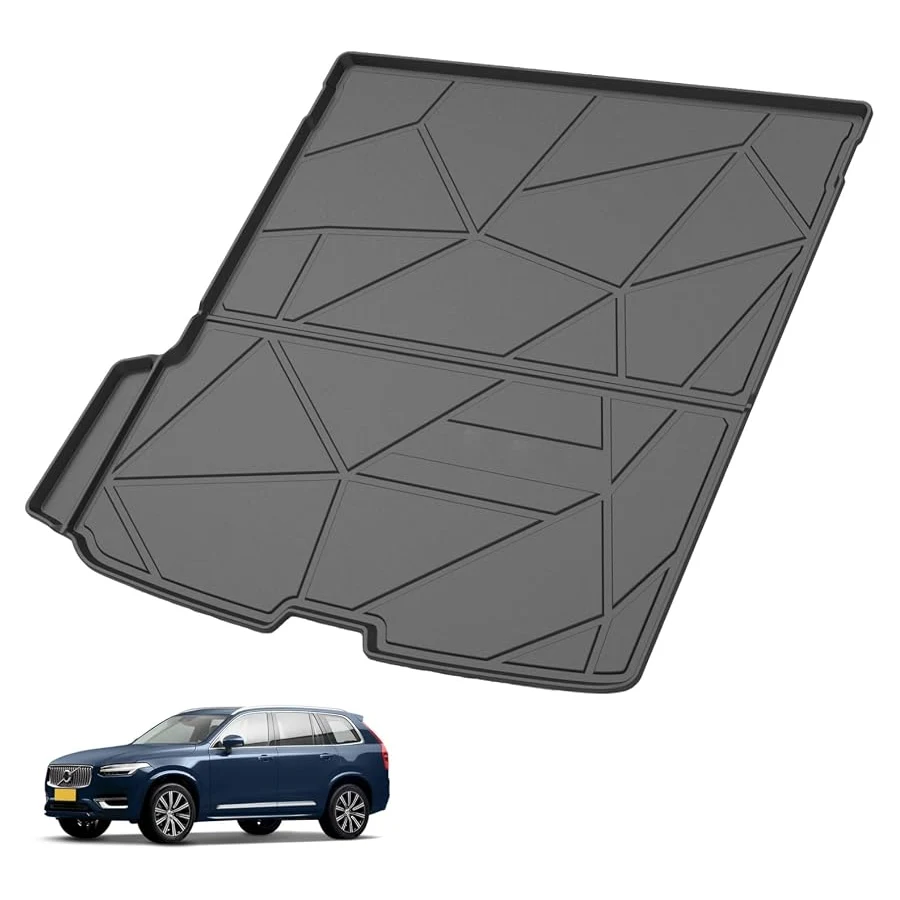 Best Overall
Elsetyler Volvo XC90 Cargo Liner 2016-2026, Custom-Fit Black TPE All-Weather, Heavy-Duty Waterproof Cargo Tray Protector
A vehicle-fit accessory to compare for compatibility, daily usefulness, and value.
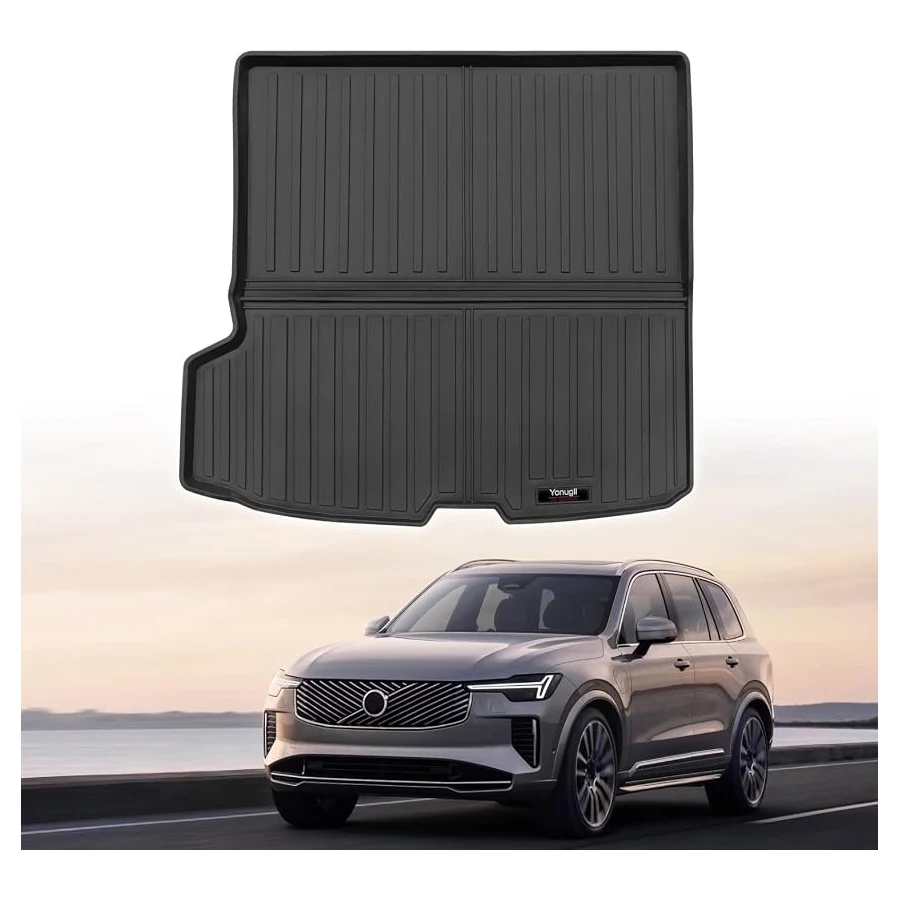 Best Value
Volvo XC90 Cargo Liner 2016-2026, Behind 2nd Row, Custom-Fit All-Weather TPE Waterproof Trunk Mat
A vehicle-fit accessory to compare for compatibility, daily usefulness, and value.
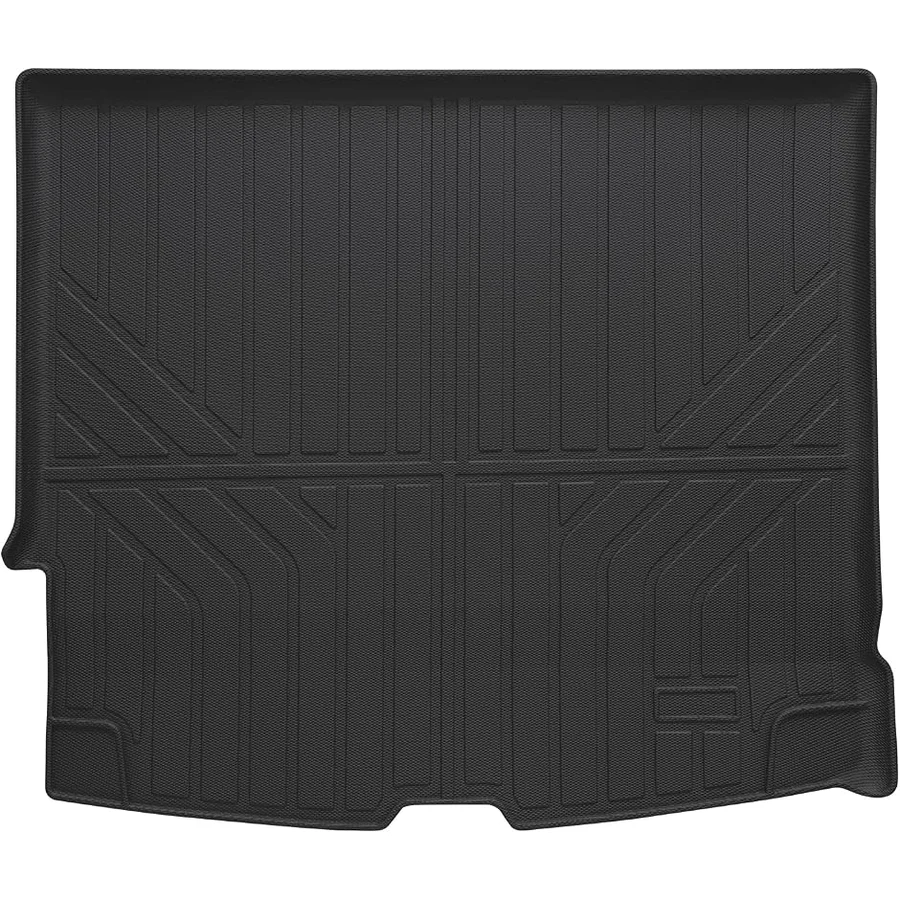 Best Premium Option
Volvo XC60 Cargo Liner 2018-2026, Custom-Fit TPE All-Weather Waterproof Trunk Mat, Easy to Clean
A vehicle-fit accessory to compare for compatibility, daily usefulness, and value.
Sources and Methodology
This U.S.-market comparison reflects new 2024–2026 Volvo programs as typically offered by captive and major lenders. We matched terms conceptually (APR vs. money factor, residuals, fees) and avoided dealer-specific numbers. Policy references favor official guidance and federal rules. Data verified August 2026; state taxes and incentives vary and must be confirmed on your contract.
Author

Author

Evans Torres
I’m Evans Torres, an automotive engineer who loves Volvo cars. I graduated in Automotive Engineering from USC. I have worked in the car industry for years and now share my knowledge on The Volvo Life. I started this blog to connect with other Volvo fans. I offer tips, news, and advice to help you care for your car. My goal is to help you keep your Volvo in great shape and find all the best things about it. Join me as we discover everything Volvo has to offer!