
Both the Volvo V60 and V90 are designed with practicality in mind, but their boot space varies significantly. Understanding these differences can help potential buyers choose the model that best fits their lifestyle needs.
When comparing the Volvo V60 vs V90 boot space, the V90 typically offers more cargo capacity. This article explores the differences in cargo space and usability for families and travelers.
- Comparing Boot Space: Volvo V60: Both the Volvo V60 and V90 are designed with practicality in mind, but their.
- Boot Space Dimensions of the: To make an informed decision, it’s essential to look at the official specifications for.
- Practical Usability of Boot Space: The usability of the boot space in the V60 and V90 greatly affects everyday.
- Safety Features Related to Cargo: Safety is critical in both the V60 and V90, especially when it comes to.
- Driving Experience: Handling and Comfort: Boot space doesn’t just affect cargo capacity; it can also impact driving dynamics..
Comparing Boot Space: Volvo V60 vs V90
Both the Volvo V60 and V90 are designed with practicality in mind, but their boot space varies significantly. Understanding these differences can help potential buyers choose the model that best fits their lifestyle needs.
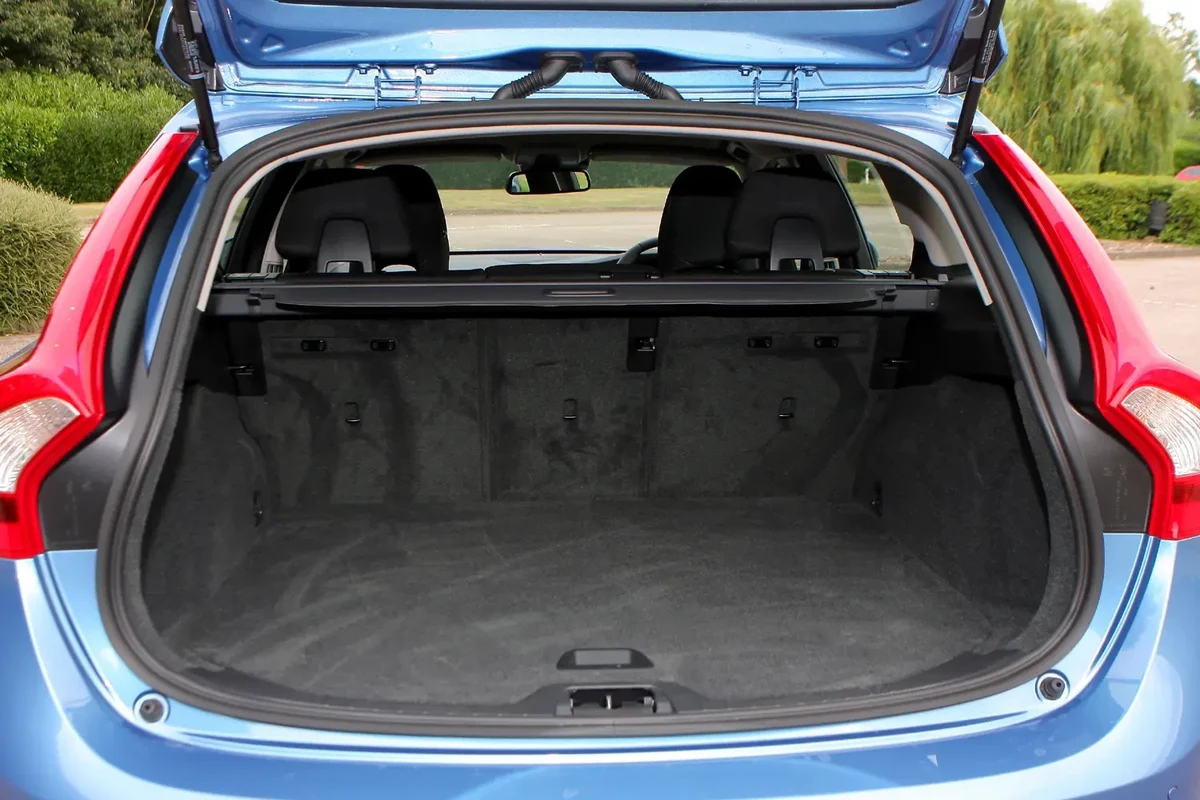
| Model | Boot Space (Liters) |
|---|---|
| Volvo V60 | 529 |
| Volvo V90 | 560 |
Boot Space Dimensions of the Volvo V60 and V90
To make an informed decision, it’s essential to look at the official specifications for boot space and cargo capacity in both models. Here’s a comparison of the boot dimensions and cargo capacity with the seats up and down.
Official Specifications
| Model | Boot Space (Seats Up) | Boot Space (Seats Down) |
|---|---|---|
| Volvo V60 | 529 liters | 1,441 liters |
| Volvo V90 | 560 liters | 1,526 liters |
Avoid deciding from one test drive or one spec-sheet number; the same model year can drive very differently with another engine or tire.
Practical Usability of Boot Space
The usability of the boot space in the V60 and V90 greatly affects everyday life. For families, the additional space in the V90 can be a significant advantage for carrying strollers, sports equipment, or luggage.
Loading Features and Design
Both models feature thoughtful design elements that enhance usability. For instance, the V90 has a slightly lower loading lip height, making it easier to load heavy items.
- V60: Higher loading lip, but still accessible.
- V90: Lower loading lip, more convenient for heavy items.
- Storage compartments available in both models for smaller items.
Volvo specifications, features, and equipment can differ by model year, market, and trim, so a detail that is true for one car may not apply to another.
Safety Features Related to Cargo
Safety is critical in both the V60 and V90, especially when it comes to securing cargo. Each model comes equipped with tie-down hooks and optional cargo netting to prevent items from shifting during transit. For official guidance on this, see Volvo Cars official website.
💡 Evans Torres Tip: Write down the three things you cannot live without before you compare, then drop any option that misses one, whatever its spec-sheet score.
Driving Experience: Handling and Comfort
Boot space doesn’t just affect cargo capacity; it can also impact driving dynamics. A fully loaded V90 may feel different compared to a V60 due to weight distribution and size.
Cost of Ownership: Running Costs and Resale Value
Understanding the running costs associated with each model is crucial. The V60 generally offers better fuel efficiency, while the V90’s larger size may affect maintenance costs and resale value.
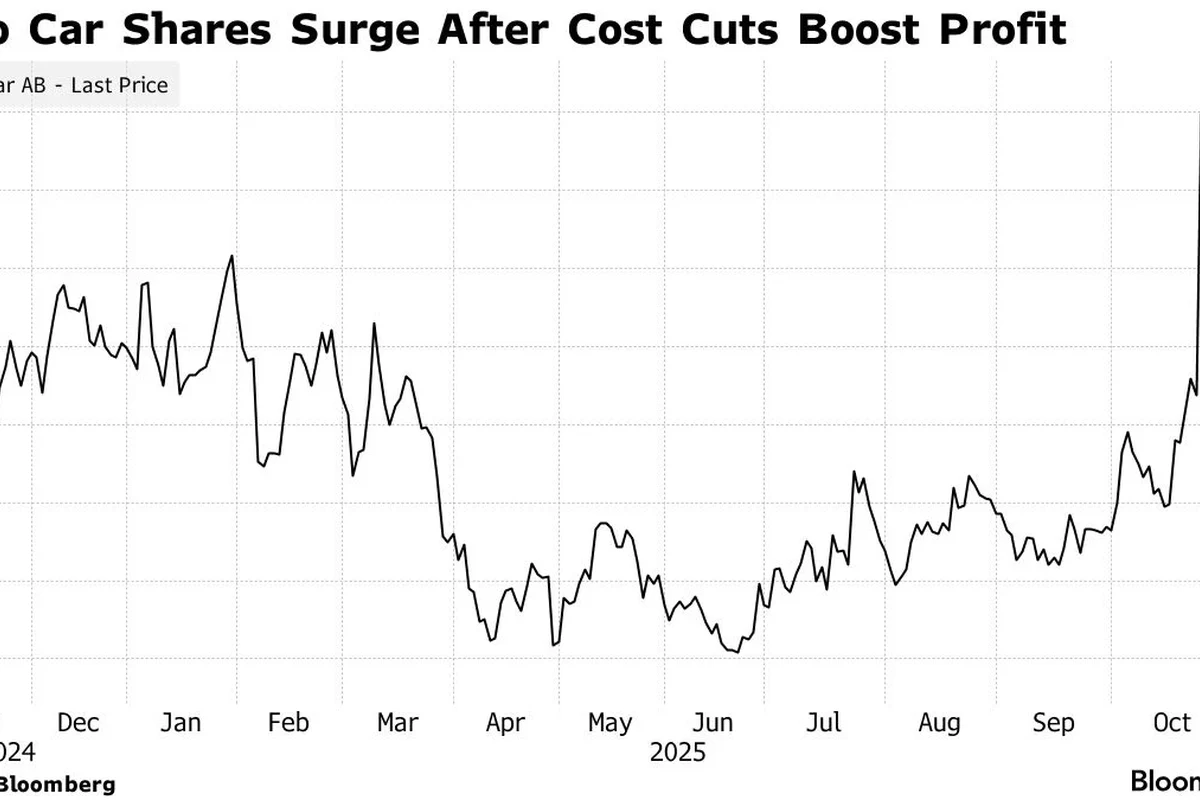
Weigh running costs together, including insurance, scheduled service, tires, and depreciation, because the cheaper car to buy is not always the cheaper car to keep.
Best Fit Buyers for Each Model
Identifying the ideal buyer is essential for making an informed choice. Families seeking ample space for children and gear may prefer the V90, while urban drivers might find the V60 more maneuverable.
Balanced Verdict: Which Model Offers Better Boot Space?
While both the Volvo V60 and V90 offer respectable boot space, the V90 edges out with its larger capacity. Buyers with larger families or those needing to transport more cargo regularly will benefit from the V90’s features.
- Drive both cars on the same road within the same hour.
- Compare cargo space with your own gear, not just the brochure number.
- Check the warranty length and what each maker excludes.
For official guidance on this, see EPA fuel economy guide.
Volvo V60 vs V90 Boot Space: Which Offers Better Cargo?
When deciding between the Volvo V60 and V90, the V90 provides a superior boot space with 560 liters compared to the V60’s 529 liters. This additional capacity makes the V90 particularly advantageous for families or frequent travelers who require more cargo room for strollers, luggage, or sports equipment.
- Assess your daily cargo needs to determine the right model.
- Consider the loading features and design for ease of use.
- Evaluate the boot space dimensions with seats both up and down for maximum utility.
This guide on volvo v60 vs v90 boot space is general information. Rules, fees, rents, salaries, service coverage, product details, and procedures can change, so confirm important points with the manufacturer, retailer, or official app documentation before acting.
Questions People Also Ask
The Volvo V60 offers 529 liters of boot space with the seats up, while the V90 provides slightly more at 560 liters. This difference can influence which model is better suited for carrying larger items or more cargo.
With the seats down, the Volvo V60 has a cargo capacity of 1,441 liters, compared to the V90, which offers 1,526 liters. The additional space in the V90 may be more beneficial for families or travelers needing to transport bulky gear.
The V90 has a lower loading lip height, making it easier to load heavy items compared to the V60, which has a higher loading lip. This design consideration enhances the convenience for users frequently loading and unloading their cargo.
Both models come equipped with tie-down hooks and optional cargo netting to secure items during transit. These safety features are essential for preventing cargo from shifting while driving.
A fully loaded V90 may feel different in handling compared to a loaded V60 due to its larger size and weight distribution. This difference can impact the overall driving experience, especially when maneuvering in tight spaces.
Families or individuals needing to transport more cargo regularly would benefit more from the V90’s larger boot space. Its additional capacity makes it ideal for carrying strollers, sports equipment, or luggage.
The Bottom Line
Ultimately, choosing between the Volvo V60 and V90 boot space comes down to your specific needs. Consider how much cargo space you require for daily use to make the best decision.
