


In the honda cr-v vs volvo’s car models matchup, the trade-off is value and efficiency versus luxury and power. CR‑V is the budget-friendly, roomy, high‑mpg pick; Volvo’s XC40/XC60/XC90 deliver richer cabins, stronger towing and advanced features at higher purchase and ownership costs.
Cross-shopping Honda’s CR‑V against Volvo’s SUV lineup usually starts with the XC40, then stretches to XC60 and XC90 if you want more power, luxury or a third row. These are not perfect one‑to‑one rivals, but many U.S. buyers weigh “pay less and sip fuel” against “pay more and get premium.”
This guide keeps that decision simple. We map where CR‑V wins on price and practicality, and where Volvo’s SUVs pull ahead on safety tech depth, refinement, performance and towing. All data reflects the U.S. market and recent model years available through 2026 unless noted.
- Main difference: CR‑V emphasizes mainstream value and mpg; Volvo’s XC40/XC60/XC90 emphasize luxury feel, advanced safety and stronger performance/towing.
- Best for A: Honda CR‑V for lowest total cost, easy resale, and excellent hybrid fuel economy.
- Best for B: Volvo’s car models for upscale cabins, available plug‑in hybrids with electric commuting, and a bigger, quieter ride.
- Cost/value: Even a well‑equipped CR‑V typically undercuts an XC40, while XC60/XC90 sit in a different price band altogether.
- Important caveat: Safety ratings, features and efficiency vary by model year and trim; confirm exact equipment and agency protocols before deciding.
Are Honda CR‑V and Volvo’s Car Models direct competitors?
Not exactly. The Honda CR‑V is a mainstream compact SUV, while Volvo’s XC40 is a premium compact, the XC60 is a premium midsize two‑row, and the XC90 is a premium three‑row.
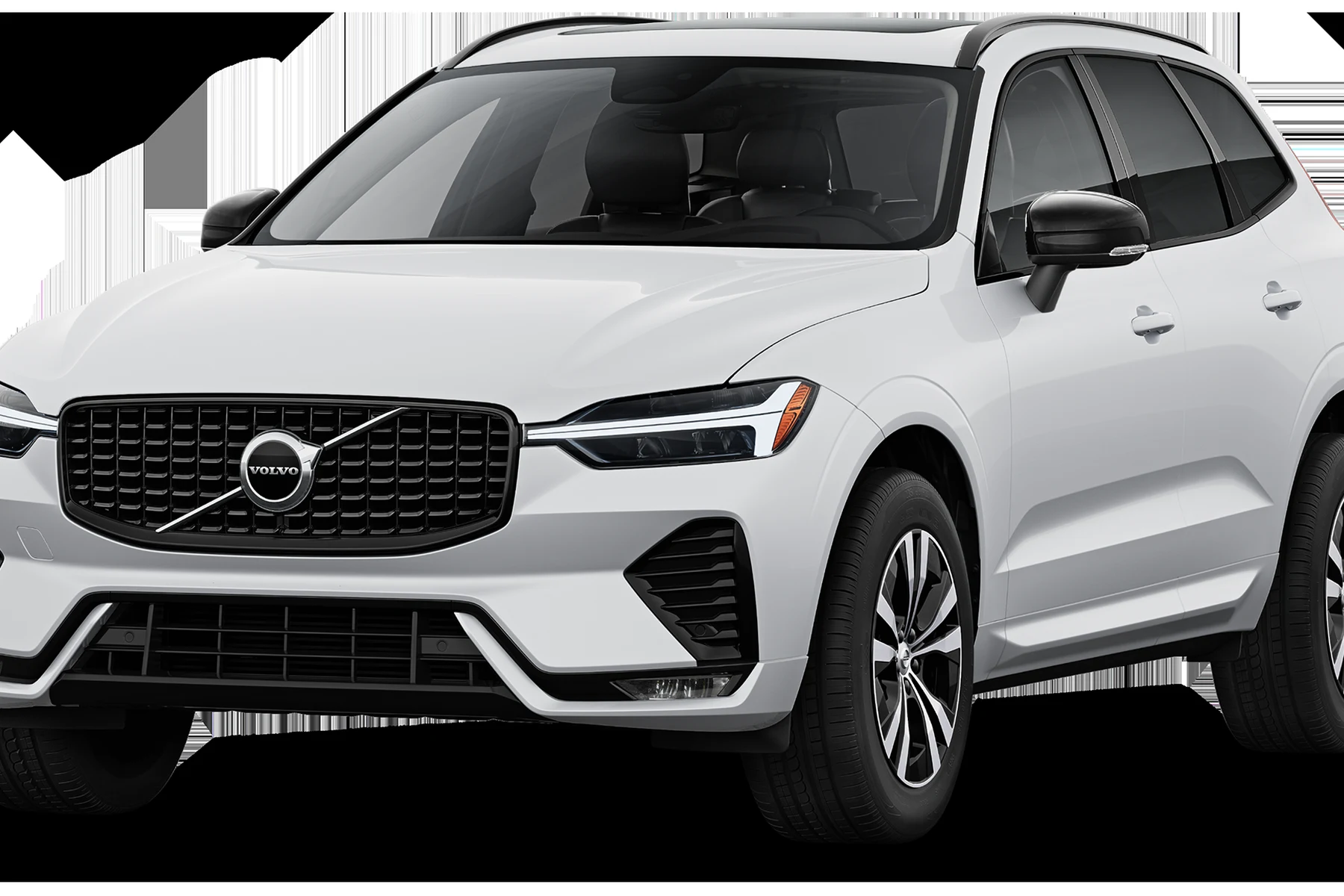
Shoppers compare them because upper CR‑V trims bump into entry‑level XC40 budgets, and the XC60/XC90 tempt buyers seeking more power, space, and luxury than CR‑V provides.
Verify model year, powertrain and drivetrain. A CR‑V Hybrid FWD will feel and price very differently than an AWD Volvo XC60 Recharge plug‑in hybrid. Match number of driven wheels, feature bundles and driver‑assist content to get a fair read.
At a glance: Honda CR‑V vs Volvo’s Car Models
Use this quick view to see how a mainstream compact SUV stacks against Volvo’s tiered premium SUVs, then dive into the sections below for deeper context.
| Key point | Honda CR‑V | Volvo’s Car Models (XC40 / XC60 / XC90) |
|---|---|---|
| Class & body | Compact mainstream 2‑row SUV | Premium compact (XC40), premium midsize 2‑row (XC60), premium 3‑row (XC90) |
| Seating | 5 | 5 (XC40, XC60), 6–7 (XC90) |
| Powertrains | Gas and hybrid (non‑plug‑in) | Mild‑hybrid gas; plug‑in hybrid (Recharge) on XC60/XC90 |
| Drivetrain | FWD standard; AWD available | AWD common; some trims AWD‑only |
| Fuel efficiency | Among the most efficient in its class (Hybrid) | Gas mild‑hybrids moderate; PHEVs enable electric‑only commuting when charged |
| Ride/quiet | Comfortable, tuned for daily use | More isolation and power; optional adaptive/air features depending on model year |
| Towing | Light‑duty (check manual) | Substantially higher; XC60/XC90 suitable for moderate trailers when equipped |
| Cargo | Roomy for compact class | XC40 smaller than CR‑V; XC60 similar or larger; XC90 largest with third row folded |
| Infotainment | Touchscreen with Apple CarPlay/Android Auto (wireless on upper trims) | Google built‑in on many models; Apple CarPlay support varies by year |
| Safety | Honda Sensing standard; strong crash‑test history | Extensive driver aids; many trims earn top safety awards by year/trim |
| Warranty | 3yr/36k basic; 5yr/60k powertrain | 4yr/50k limited; PHEV battery typically 8yr/100k |
| Pricing position | Mainstream; generally thousands less than any Volvo SUV | Premium; XC40 above CR‑V, XC60/XC90 command significantly higher prices |
Main differences between Honda CR‑V and Volvo’s Car Models
The core divergence is mission: CR‑V is built for mass‑market efficiency and value, while Volvo’s SUVs aim for premium comfort, advanced tech depth and stronger performance. That extends to towing capacity, interior materials, noise isolation and feature availability.
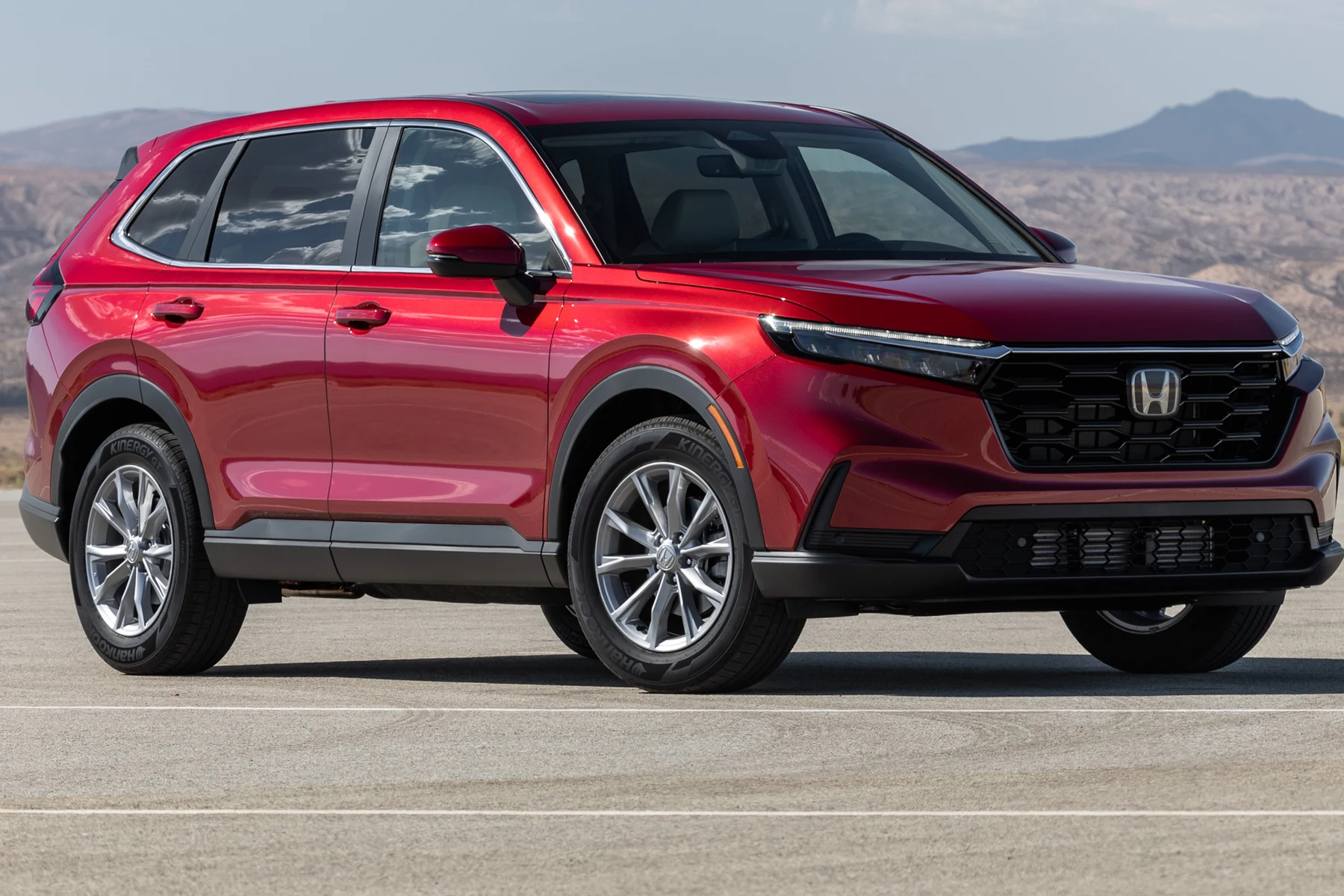
Volvo’s XC60/XC90 Recharge plug‑in hybrids also unlock electric‑only driving for many commutes, something the non‑plug‑in CR‑V Hybrid cannot offer. In return, the Volvos cost more to buy and often more to insure and maintain.
Similarities worth noting
All four vehicles are unibody crossovers with strong active‑safety suites and available all‑wheel drive. Each offers a comfortable, upright seating position with good outward visibility and practical hatch cargo access.
Both brands support Apple CarPlay and Android Auto in recent model years, though Volvo additionally integrates native Google services on many trims.
On many recent Volvos, climate controls live inside the central touchscreen with Google built‑in, while the Honda CR‑V retains physical knobs and buttons for core HVAC functions. If you prefer tactile controls, that alone can sway day‑to‑day usability.
Price, comparable trims and feature‑adjusted value
Price anchoring is straightforward: a well‑equipped CR‑V typically costs less than a base XC40, and far less than XC60 or XC90. If your budget caps near upper‑mid CR‑V trims, Volvo’s lineup will require either stretching spend or buying used.
Feature‑adjusted value narrows the gap slightly. Volvo bundles premium audio, driver‑assist depth, interior materials and available plug‑in capability that the CR‑V cannot match. But if you prioritize cost per feature and fuel spend, the CR‑V remains the value leader.
For a broader brand view and when a CR‑V upsell into Volvo makes sense, see our guide on which car is better, Volvo or Honda.
Price your whole build: vehicle, destination, dealer fees, taxes, accessories, insurance, tires/wheels and (for PHEV) home charging. Premium tires and bigger wheels on Volvos can add notable replacement costs compared with CR‑V’s more common sizes.
Size, seating, cargo and everyday practicality
The CR‑V is one of the roomiest compact SUVs, with generous rear‑seat space and a practical cargo area. It handily out‑spaces the XC40, which is a premium compact sized smaller inside for urban maneuverability.
Volvo’s XC60 is a size class up and feels broader and more relaxed on the highway. The XC90 adds a third row and the largest cargo hold with seats folded, making it a better match if you regularly carry six or more.
- Load two carry‑on suitcases and a stroller to compare cargo floor height and lift‑over.
- Put three adults across the second row to assess shoulder room and toe‑box space.
- Try parallel parking on a busy block; note camera resolution and parking sensor behavior.
Interior comfort, visibility and cabin usability
Honda’s CR‑V favors simplicity: clear sightlines, physical climate knobs and intuitive steering‑wheel buttons. Seat comfort is solid for the class, and wind/road noise is well controlled.
Volvo’s SUVs feel more upscale, with richer materials, quieter cabins and more adjustment in seat shape and lumbar support. Visibility remains a Volvo strength, aided by large mirrors and crisp 360‑camera systems on many trims.
Infotainment, controls and technology
The CR‑V uses Honda’s interface with Apple CarPlay and Android Auto; wireless connectivity appears on higher trims. It is quick to learn and minimally distracting thanks to retained hard keys.
Recent Volvo XC40/XC60/XC90 models use Google built‑in for native Maps, Assistant and app support. CarPlay is supported on recent software builds, and over‑the‑air updates add capabilities. The trade‑off is heavier reliance on the touchscreen for core functions.
For a closer look at Volvo’s software experience versus other premium brands, see our analysis of the Volvo infotainment system.
Safety and driver assistance (IIHS/NHTSA comparable years)
Both sides test well. Recent CR‑V model years have earned strong IIHS and NHTSA results, with Honda Sensing standard across the range. Specific headlight and front‑crash‑prevention performance can vary by trim.
Volvo’s SUVs often reach IIHS Top Safety Pick or Top Safety Pick+ depending on year and headlight/package, and include advanced systems like Pilot Assist lane centering on many trims. Always compare like‑for‑like year and equipment.
Match the exact model year and protocol. IIHS changed side‑impact and pedestrian tests in recent years, and headlight ratings are trim‑specific. Confirm with VIN‑level equipment and current IIHS/NHTSA databases before finalizing.
Performance, ride, handling and drivetrain
The CR‑V prioritizes smoothness and efficiency over outright speed. Steering is light but accurate, and the ride stays composed over broken pavement.
Volvo’s SUVs bring stronger acceleration, especially in the XC60/XC90 plug‑in hybrids, and a more insulated ride. Larger wheel options sharpen looks but can add impact harshness; test both 18/19‑inch and 20/21‑inch setups if comfort matters.
Fuel economy and EV capability
If you want the simplest path to low fuel bills, the CR‑V Hybrid is hard to beat for highway and mixed driving without plugging in. It delivers class‑leading real‑world mpg among mainstream compact SUVs.
If you can charge at home or work, the XC60/XC90 Recharge plug‑in hybrids can cover many short trips on electricity alone, drastically reducing gasoline use. On extended highway drives, their gas consumption trends closer to other premium midsize SUVs.
Reliability, known issues and evidence level
Historically, Honda’s CR‑V has a strong reliability reputation, helped by simpler non‑plug‑in hardware and broad parts availability. Owner costs and downtime tend to be predictable when maintenance is kept current.
Volvo’s recent SUVs are competitive but more complex, especially the plug‑in hybrids. Reliability varies by year and software level; ensure recalls and software updates are addressed. Evidence here blends official recalls, technical bulletins and aggregated owner reports rather than one single score.
Maintenance, insurance, depreciation and total ownership cost
CR‑V maintenance and insurance typically undercut Volvo’s premium SUVs. Common tire sizes and mainstream parts pricing help contain routine costs, and depreciation is gentle thanks to strong demand.
Volvo’s SUVs carry higher parts and labor rates, pricier tires on larger wheels, and potentially higher insurance premiums. Plug‑in hybrids add savings via electricity but introduce charging hardware and possible incentive paperwork.
Dive deeper into typical service and budget planning in our guide to Volvo maintenance costs vs. other cars.
- Premium fuel on some Volvo engines (check fuel door/manual).
- Windshield calibration after camera replacement on ADAS‑equipped models.
- Garage outlet upgrade for PHEV charging (Level 2), if desired.
Towing and payload relevance
CR‑V is intended for light‑duty towing only; confirm your exact rating and tongue weight in the owner’s manual before hitching a trailer. It suits small utility trailers or lightweight gear.
Volvo’s XC60/XC90 can tow substantially more when properly equipped, opening the door to pop‑up campers or small boats. Use a factory‑rated hitch, brakes where required, and observe cooling and payload limits.
Never exceed the lowest‑rated component in your towing setup. Check vehicle rating, hitch class, ball mount, wiring, trailer brakes and tire load index. Improper matching can cause instability or legal non‑compliance.
Honda CR‑V Pros and Cons
- Lower purchase price and insurance than premium SUVs.
- Excellent hybrid fuel economy without needing to plug in.
- Spacious second row and versatile cargo for the class.
- User‑friendly controls with physical HVAC knobs.
- Light‑duty towing only.
- Less powerful than premium alternatives.
- No plug‑in hybrid option for all‑electric short trips.
Volvo’s Car Models Pros and Cons
- Upscale interiors with quiet highway manners.
- XC60/XC90 Recharge enable electric commuting when charged.
- Stronger performance and substantially higher towing capacity.
- Deep active‑safety and driver‑assist feature sets.
- Higher purchase price, insurance and maintenance.
- Touchscreen‑heavy controls may not suit all drivers.
- XC40 interior/cargo smaller than CR‑V’s.
Which vehicle is better for different buyers?
Alternatives worth considering
If you like the CR‑V’s value but want a plug‑in, look at compact PHEVs such as the Toyota RAV4 Prime. If you’re leaning Volvo but want a sportier flavor, consider BMW X3 or Audi Q5.
Shoppers focused on three rows could compare XC90 with Kia Telluride/Hyundai Palisade (value angle) or Acura MDX/Lexus TX (premium angle). Within Volvo, cross‑shop XC60 and XC90 here: Volvo XC90 vs. XC60.
How to Decide Between Honda CR‑V and Volvo’s Car Models
- Define charging access. If you can reliably charge at home/work, a Volvo Recharge PHEV may cut fuel bills more than a CR‑V Hybrid.
- Price the total build. Include taxes, dealer fees, insurance quotes, tires and any charging hardware.
- Test comfort on your roads. Drive both over the same rough pavement and highway stretch at wheel sizes you plan to buy.
- Match space and seats. If you truly need three rows, narrow to XC90; otherwise compare CR‑V vs XC40/XC60 cargo with your real gear.
- Validate safety per trim. Check IIHS/NHTSA ratings for your exact headlight and driver‑assist packages before you sign.
Before we tackle common questions, here’s one practical shortcut that prevents regret on delivery day.
💡 Evans Torres Tip: Bring your commute and weekend routine to the test drive. Pre‑set navigation, pair your phone, toggle adaptive cruise in traffic, and load your actual child seats or golf bag. Then repeat in the other vehicle. Real use reveals whether you prefer Honda’s physical controls or Volvo’s Google‑centric cabin more than any spec sheet can.
Frequently Asked Questions
This section answers the most common U.S. buyer questions about value, safety, efficiency and ownership trade‑offs when cross‑shopping a Honda CR‑V with Volvo’s XC40/XC60/XC90. Answers reflect recent model years through 2026, but trim and software updates can shift details—always confirm the exact vehicle you’re buying.
Is the Honda CR‑V cheaper to own than a Volvo XC40/XC60/XC90?
Generally yes. CR‑V purchase price, insurance, tires and routine maintenance tend to be lower than Volvo’s premium SUVs. Plug‑in Volvo Recharge models can offset fuel costs if you charge often, but they still carry higher parts and labor rates than a mainstream CR‑V.
Which is safer: CR‑V or Volvo’s SUVs?
Both test well, and the answer depends on year and trim. Recent CR‑V and Volvo models have earned top IIHS/NHTSA ratings, though headlight and crash‑prevention scores vary. Compare the exact VIN equipment and IIHS protocol year to make an apples‑to‑apples call.
Can the CR‑V tow a small camper like a Volvo XC60?
The CR‑V is designed for light‑duty towing only; check the manual for your rating and limits. Properly equipped XC60 and XC90 are rated for substantially higher towing, making them better suited to small campers or boats when within limits.
Does the CR‑V Hybrid get better mpg than Volvo’s mild‑hybrid SUVs?
In most mixed driving, yes. The CR‑V Hybrid is among the most fuel‑efficient non‑plug‑in compact SUVs. Volvo’s mild‑hybrid gas models prioritize smooth power delivery rather than class‑leading mpg, while Recharge PHEVs can run on electricity for short trips when charged.
Is the XC60 or XC90 plug‑in hybrid worth it over a CR‑V Hybrid?
It can be if you have dependable charging and want premium comfort and power. Many daily commutes can be covered on electricity alone, cutting gas use dramatically. If you can’t charge consistently, the CR‑V Hybrid’s simplicity and lower cost may suit you better.
Which has more cargo space, CR‑V or Volvo’s XC40?
The CR‑V generally offers more usable cargo and rear‑seat room than the XC40, reflecting their size classes. If you need more space than CR‑V provides, the Volvo XC60 (two‑row) or XC90 (three‑row) are the roomier next steps.
Do Volvos require premium fuel?
Many recent Volvo engines recommend or require premium octane for best performance; check the fuel door and owner’s manual. The CR‑V is typically tuned for regular unleaded, lowering running costs. Always confirm fuel grade for your exact engine.
How do the infotainment systems compare?
CR‑V uses Honda’s interface with simple menus and Apple CarPlay/Android Auto, including wireless on upper trims. Volvo’s Google built‑in adds native Maps and Assistant plus OTA updates, but shifts more controls into the touchscreen than the Honda does.
Final Verdict
Pick the Honda CR‑V if you want maximum value, roomy seating and excellent mpg without the complexity of plugging in. It nails the daily‑driver brief for families who tow rarely and prize predictably low ownership costs.
Choose from Volvo’s car models if your budget stretches and you want a quieter, richer cabin with stronger acceleration. The XC60/XC90 Recharge particularly shine when you can charge at home and prefer electric commuting with road‑trip flexibility.
If you’re torn between XC40 pricing and CR‑V practicality, test‑load your gear and drive both on the same loop. Your comfort with Volvo’s touchscreen‑centric cabin versus Honda’s physical controls will likely settle the question faster than any spec sheet.
My Top Picks at a Glance
These three CR-V accessories are practical options to compare after choosing the right Volvo configuration.
 Best Overall
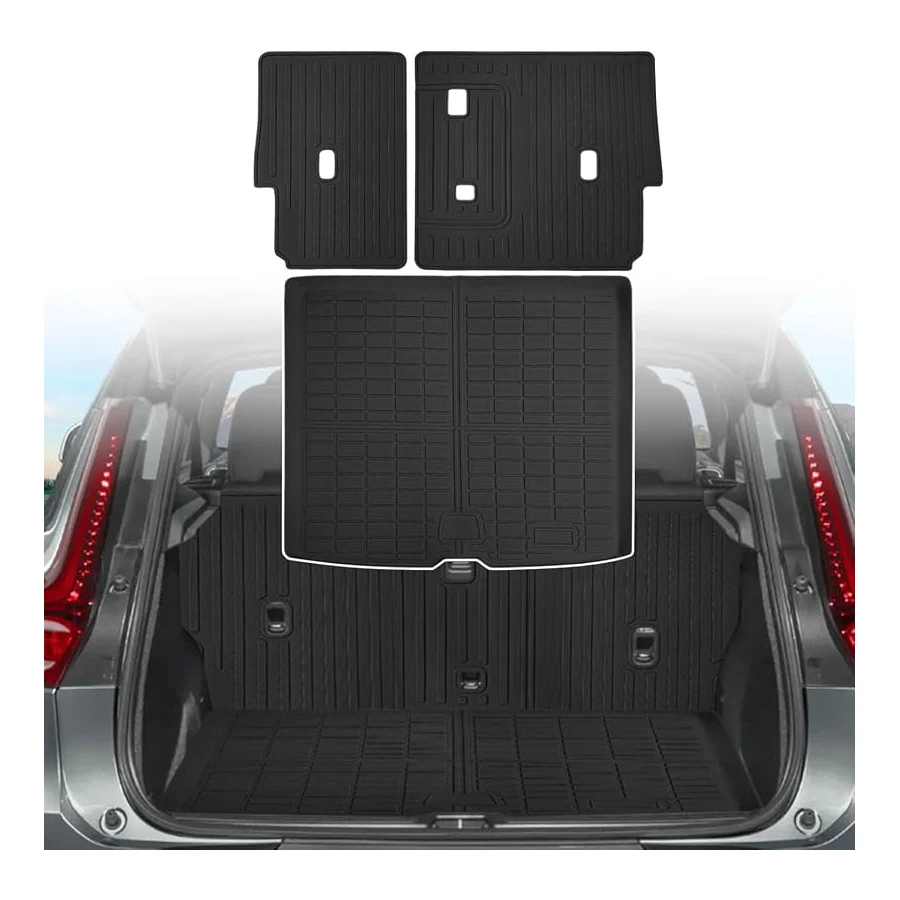
Custom Fit Rear Seatback Cargo Liner for Volvo XC40 2018-2026, C40 2022-2024, 3-Piece All-Weather, Anti-Slip, Hook-and-Loop
A vehicle-fit accessory to compare for compatibility, daily usefulness, and value.
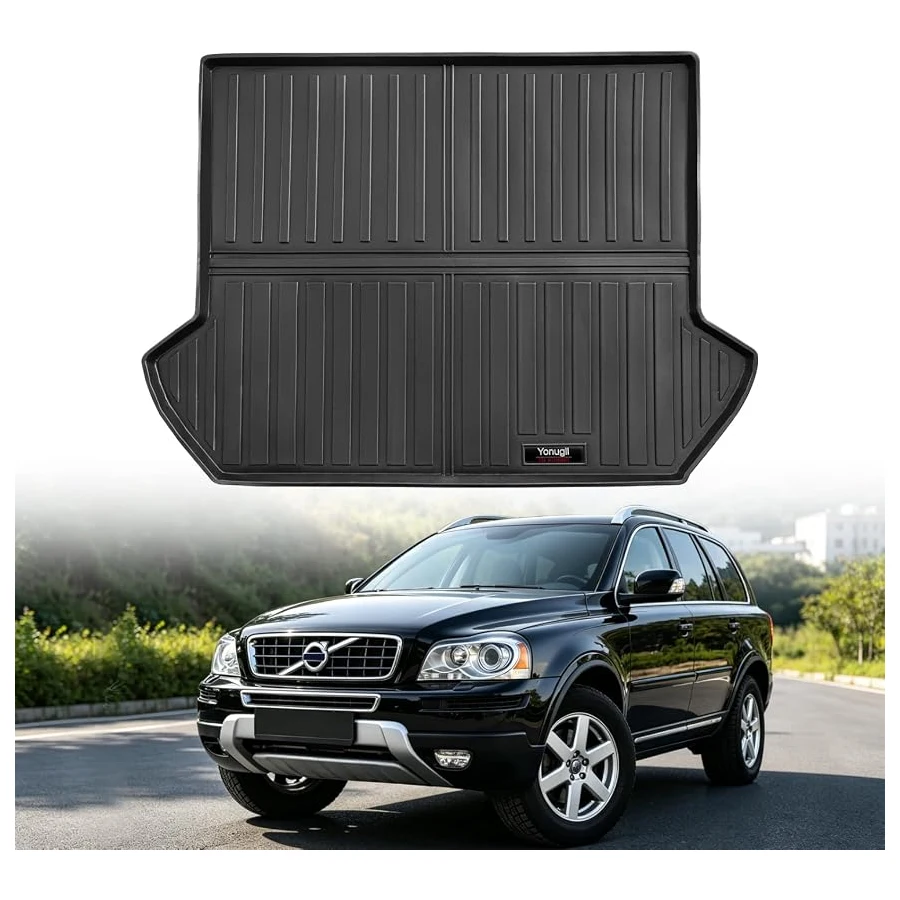 Best Value
Custom Fit Cargo Trunk Liner for Volvo XC90 2003-2014, All-Weather TPE, Durable Protection
A vehicle-fit accessory to compare for compatibility, daily usefulness, and value.
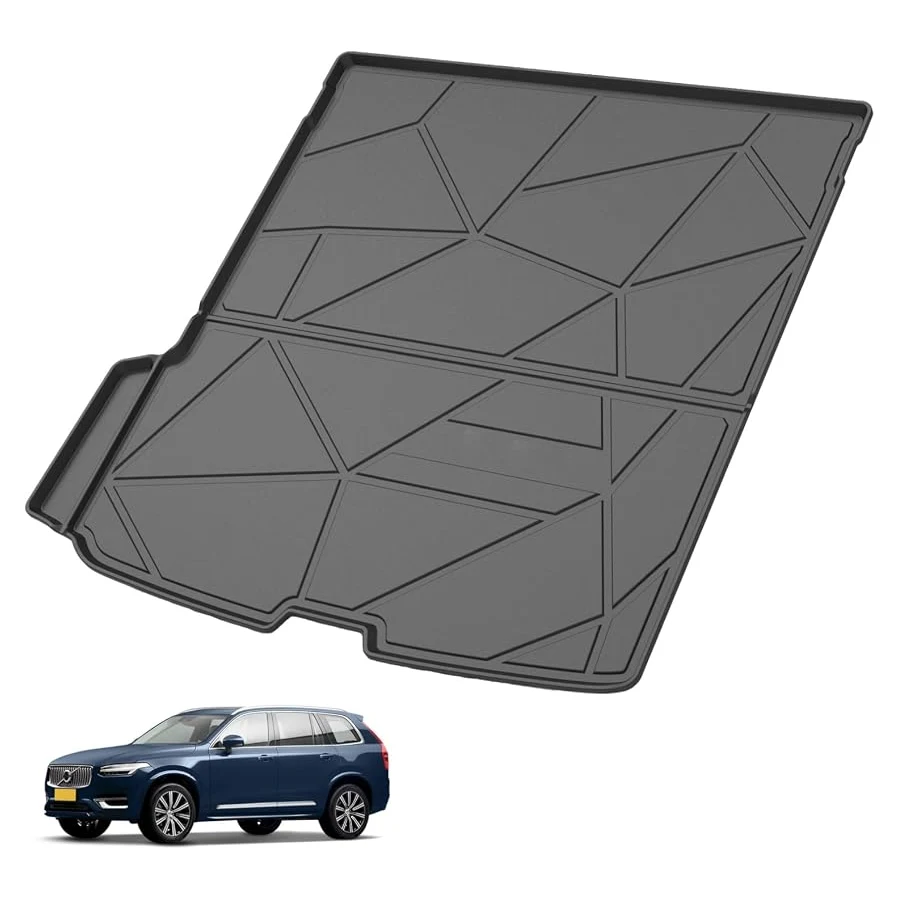 Best Premium Option
Elsetyler Cargo Liner for Volvo XC90 2016-2026, Black TPE, Heavy-Duty, Waterproof, All-Weather Protection
A vehicle-fit accessory to compare for compatibility, daily usefulness, and value.
Sources and Methodology
We compared U.S.‑market 2024–2026 Honda CR‑V against Volvo XC40/XC60/XC90 using manufacturer specifications, EPA fuel‑economy data, and IIHS/NHTSA safety results. Where figures vary by trim or test protocol, we noted the dependency rather than averaging. This page was verified in August 2026, and buyers should confirm VIN‑specific equipment, software versions and current test results before purchase.
Author

Author

Evans Torres
I’m Evans Torres, an automotive engineer who loves Volvo cars. I graduated in Automotive Engineering from USC. I have worked in the car industry for years and now share my knowledge on The Volvo Life. I started this blog to connect with other Volvo fans. I offer tips, news, and advice to help you care for your car. My goal is to help you keep your Volvo in great shape and find all the best things about it. Join me as we discover everything Volvo has to offer!