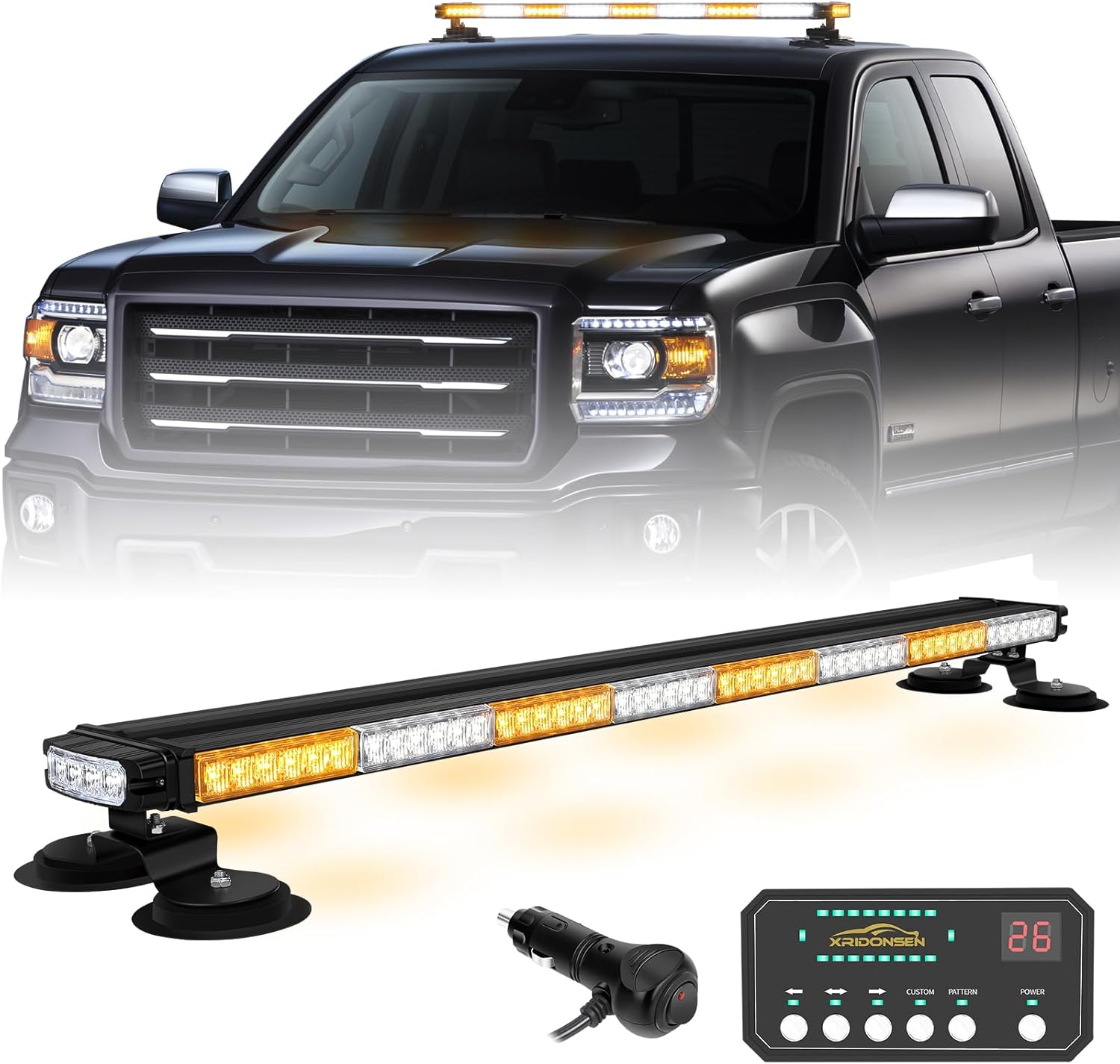



In the volvo crash vs other cars debate, Volvo, BMW, and Audi all perform strongly in U.S. IIHS and NHTSA safety testing, with variations by model year, trim, and headlights. Volvo emphasizes standard crash-avoidance coverage and thoughtful restraints; BMW and Audi often match results but bundle advanced assist in options. Choose Volvo if you want broad standard protection and calm tuning, BMW/Audi if you prefer configurable driver-assist stacks and sportier dynamics. Verify the exact car’s equipment and ratings before deciding.
Crash safety comparisons only help when you match like for like: same class, model year, and test protocol. This article focuses on U.S.-market midsize and compact luxury vehicles buyers most often cross-shop: Volvo XC60/XC90 against BMW X3/X5 and Audi Q5/Q7.
We synthesize IIHS and NHTSA results available through August 2026 with manufacturer feature disclosures. Because testing and equipment change frequently, we explain how to read the data, how to verify the exact build, and how ownership costs differ when advanced driver-assistance sensors need calibration.
- Main difference: Volvo leans toward making more crash-avoidance coverage standard; BMW and Audi frequently require option packages for lane-centering and junction-assist features.
- Best for A: Volvo suits buyers who prioritize out-of-the-box protection, intuitive alerts, and conservative tuning that avoids false positives.
- Best for B: BMW/Audi suit drivers who want configurable assist suites, crisper handling, and a wider spread of performance-oriented trims.
- Cost/value: Comparable MSRPs can hide package costs; repairs and calibrations after windshield or bumper work can add meaningful ownership expense for all three.
- Important caveat: IIHS and NHTSA scores vary by trim, headlights, and build date; always check the VIN-specific equipment and current test protocol.
You want robust crash protection without chasing option packages. You’ll value strong child-seat usability, calm driver assists, and predictable crash structures.
You’re comparing active lane-centering, traffic-jam assist, and stop-and-go ACC on the same roads. Quiet alerts and minimal false beeps matter most.
You prefer precise steering and configurable intervention levels. You’ll weigh sport tuning against assist smoothness and long-trip fatigue reduction.
What “Volvo Crash vs BMW and Audi” Really Compares
At its core, this comparison weighs crash avoidance, crashworthiness, and post-crash response. It also covers child and pedestrian protections that shape real-world risk.
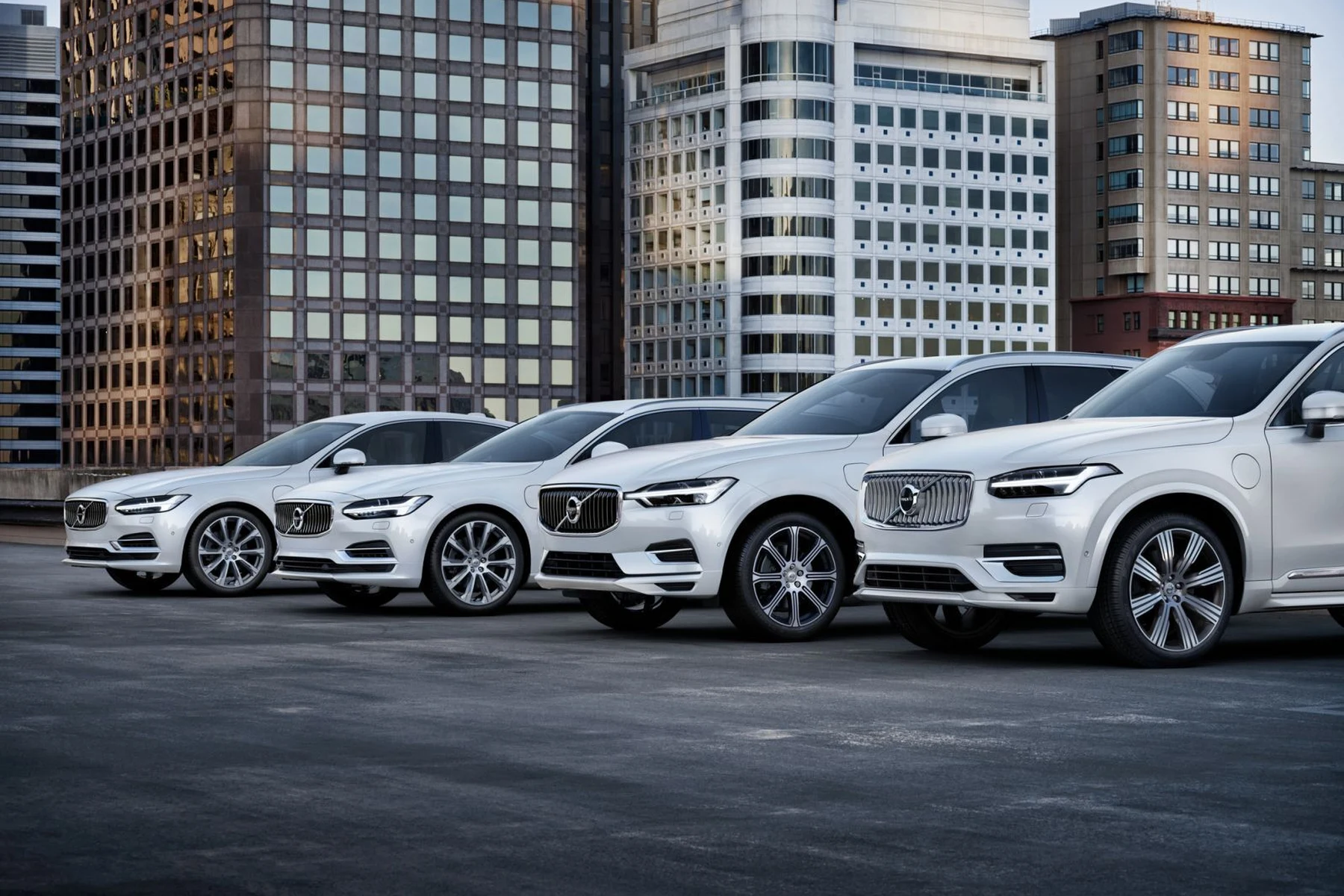
Crash avoidance includes forward automatic emergency braking (AEB), lane support, blind-spot and cross-traffic braking, and Level 2 assist behavior. Crashworthiness covers structures, restraints, airbags, and seats. We also consider pedestrian AEB, headlight visibility, telematics eCall, and ease of child-seat installation under current IIHS and NHTSA protocols.
Always compare the same agency, class, and protocol year. IIHS updated tests recently (including the moderate-overlap with rear passenger). A “Top” award can change year to year as criteria tighten.
Systems and Features at a Glance: Volvo vs BMW vs Audi
Feature availability varies widely by trim and package. The table summarizes typical 2024–2025 U.S. offerings for the Volvo XC60/XC90, BMW X3/X5, and Audi Q5/Q7, focusing on functions that affect crash risk and driver workload.
Use it to shortlist brands whose standard equipment matches your needs before you dive into model-specific packages and headlight ratings that can influence IIHS outcomes.
| Safety/Assist Area | Volvo (XC60/XC90) | BMW (X3/X5) | Audi (Q5/Q7) |
|---|---|---|---|
| Forward AEB w/ pedestrian | Standard lineup | Standard lineup | Standard lineup |
| Junction/intersection assist | Std/avail by trim | Optional package | Optional package |
| Cyclist detection | Standard lineup | Std/avail by trim | Std/avail by trim |
| Lane keeping assist | Standard lineup | Standard lineup | Standard lineup |
| Lane centering + ACC (L2) | Available/package | Optional package | Optional package |
| Blind-spot + rear cross-traffic | Std on most trims | Std/optional by trim | Std on many trims |
| Rear auto braking | Available/package | Available/package | Available/package |
| Driver attention monitoring | Standard lineup | Std/avail by trim | Std/avail by trim |
| Telematics eCall (post-crash) | Standard lineup | Standard lineup | Standard lineup |
| Structural approach | Extensive UHSS/boron | Mixed high-strength/Al | Mixed high-strength/Al |
| OTA software updates | Standard on newer models | Available (Connected) | Available (select models) |
| Traffic sign/speed assist | Std/avail by trim | Std/avail by trim | Std/avail by trim |
This snapshot shows parity on core AEB and lane-keep functions. The gap usually appears in how much lane-centering and junction assist are standard versus bundled in higher-cost suites, which affects value and real-world usage rates.
Match the exact VIN to a window sticker or build sheet. Safety content can shift mid-cycle with refreshes, headlight changes, and trim realignments that also impact IIHS award eligibility.
Volvo Safety Systems: Standard vs Optional
Volvo’s recent U.S. lineup typically makes forward AEB with pedestrian and cyclist detection, lane keeping, road run-off mitigation, and driver alert standard. Lane centering with adaptive cruise (Pilot Assist or similar) is commonly bundled on mid/high trims.
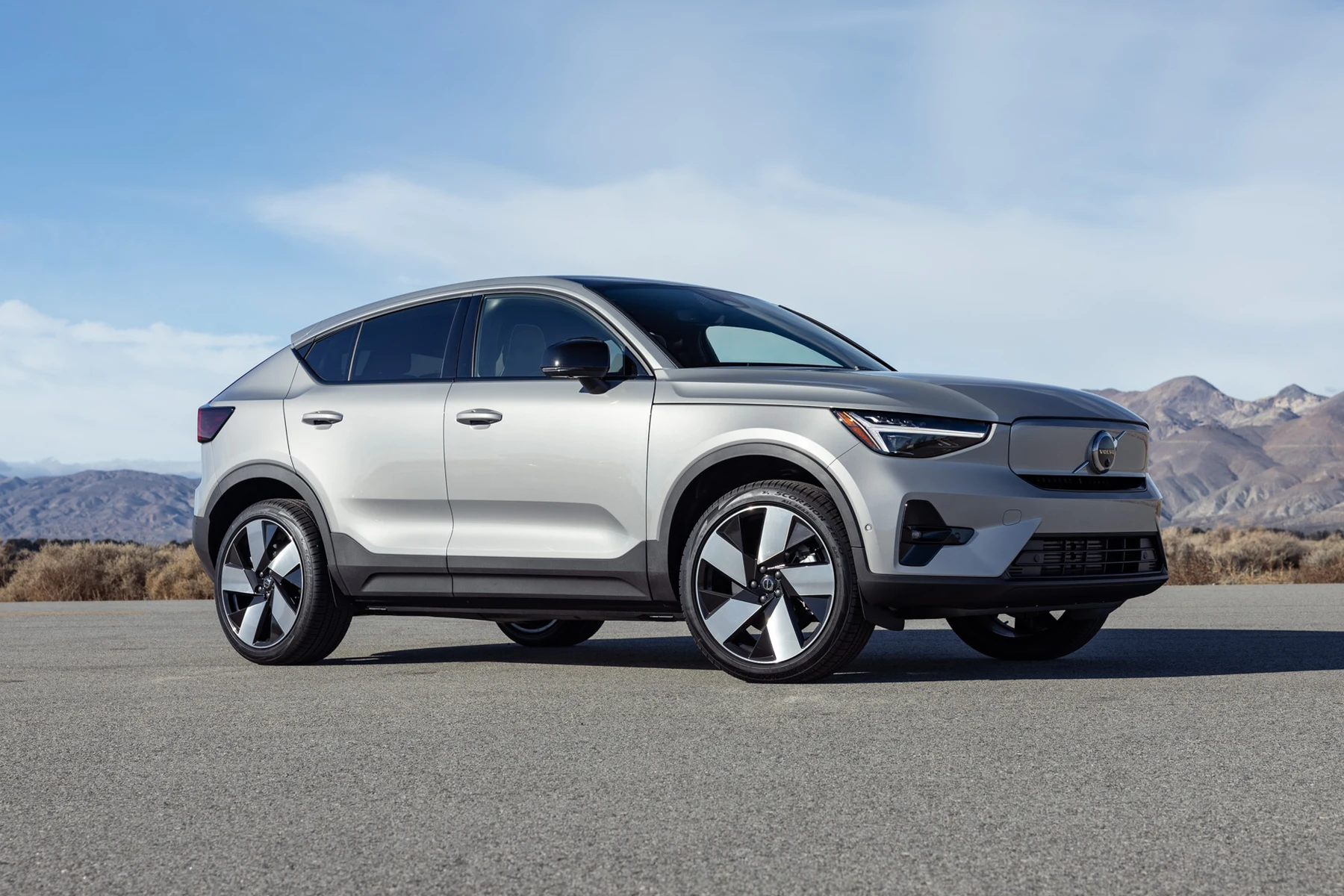
Intersection auto-brake, blind-spot with steering support (BLIS), rear cross-traffic auto-brake, and 360° cameras are standard on many trims or included in value-focused packages. Airbag coverage and whiplash protection are long-standing Volvo strengths, supported by extensive ultra-high-strength and boron steel use.
Volvo Pros and Cons
- Broad crash-avoidance coverage standard across trims.
- Clear, conservative tuning reduces false alarms.
- Strong structural and restraint philosophy across generations.
- Lane-centering and advanced junction functions may require higher trims.
- Replacement sensors and calibrated glass can be costly post-repair.
- Performance-focused dynamics take a back seat to comfort.
BMW and Audi Safety Systems: Standard vs Optional
BMW and Audi generally match Volvo on standard forward AEB and lane keeping in 2024–2025 U.S. models. More advanced functions—hands-on lane centering in traffic jams, junction assist, and enhanced blind-spot steering—are frequently packaged with premium driver-assistance suites.
BMW’s Driving Assistance and Driving Assistance Professional, and Audi’s Adaptive Cruise Assist bundles, can add high-quality capabilities but require careful package selection. Headlights and camera/radar configurations also vary by trim, which can affect test outcomes and usability.
BMW/Audi Pros and Cons
- Excellent optional Level 2 assist tuning in premium packages.
- Sportier dynamics that many drivers prefer.
- Wide trim breadth to tailor features and budget.
- Key assists often live in paid packages on lower trims.
- Headlight variations can influence IIHS ratings by trim.
- Similar calibration costs after windshield/bumper work.
Independent Tests: IIHS and NHTSA Results Compared
All three brands post strong results in recent IIHS and NHTSA testing, but details matter. Ratings can differ by headlights, rear-occupant protection in the updated moderate-overlap test, and seat-belt reminders or pedestrian AEB performance under new protocols.
For compact/midsize luxury SUVs like the Volvo XC60/XC90, BMW X3/X5, and Audi Q5/Q7, you’ll often see top-tier crashworthiness with some trims needing upgraded headlights for the highest IIHS designations. NHTSA star ratings also vary by model year and drivetrain, so confirm the exact configuration.
Only compare ratings from the same year and protocol. An older “Top” award may not be equivalent after IIHS changes. Confirm by model, headlight type, and build date on IIHS and NHTSA portals.
Real-World Strengths, Limits, and Common Misconceptions
Advanced driver assists reduce workload but do not drive the car. Volvo, BMW, and Audi require hands-on supervision, and their systems may not recognize stationary or occluded objects reliably in all conditions.
Weather, glare, dirty sensors, aftermarket windshields, and miscalibrations can degrade performance. Lane-centering often struggles with faded markings or complex construction zones, and cross-traffic auto-brake can be conservative in busy parking lots.
Headlight performance can change a vehicle’s IIHS award status. Two trims of the same model year can earn different results because one uses “Good” headlights while another is rated “Marginal.”
Ownership Costs: Subscriptions, Repairs, and Calibrations
Windshield replacements, bumper repairs, and front camera/radar service can trigger recalibration for all three brands. Costs vary by region and shop capability, and insurance may require OEM glass when ADAS cameras are involved.
Optional driver-assist suites can raise purchase price, while connected services may carry subscriptions. Over-the-air updates can improve features, but ensure post-update calibrations are completed if required by service bulletins.
Ask for line-item estimates for glass, radar, camera calibration, and ADAS alignment before approving repairs. Confirm whether your policy covers OEM components and required dynamic/static calibrations.
Best Fit: Families, Older Drivers, Commuters, Tech-Curious Buyers
Safety parity is high, so “best” often hinges on which brand delivers the right features as standard, how intuitive the alerts feel, and how reliably you’ll use the assists in daily traffic.
Families often prefer broad standard coverage and simple interfaces. Commuters weigh assist smoothness in stop-and-go. Tech-focused buyers may prefer premium packages with wider configurability and performance driving dynamics.
Drive a familiar route at dusk and in highway traffic. Verify lane-centering smoothness, alert tone clarity, headlight reach on low/high beams, and whether the system keeps confidence through lane splits and gentle curves.
How to Decide Between Volvo and BMW/Audi
Turn lab results into a confident driveway decision by matching features to your roads, passengers, and repair realities. These steps keep the focus on evidence rather than assumptions or marketing language.
Follow this order so you do not get misled by trim names or bundled options that look similar but function differently on the road.
- Pick the body style/class first (e.g., XC60 vs X3 vs Q5) and match powertrain/drivetrain to keep crash weights and test cohorts comparable.
- Check IIHS and NHTSA by specific model year, trim headlights, and build date. Note any rear-passenger or seat-belt reminder differences.
- Decide which assists must be standard versus optional, especially lane-centering, junction AEB, rear AEB, and headlight grade.
- Drive at night and in rain to judge headlight reach and assist stability with imperfect lane lines or mild glare.
- Get insurance and calibration quotes for glass/sensor work on each finalist; bake lifetime costs into your choice.
How to Verify Exact Safety Equipment on Any Specific Vehicle
Because awards and capabilities can hinge on headlights and packages, verifying the exact build is essential. Do not rely solely on trim names or dealer descriptions that may omit mid-year content shifts.
Use these five checks to eliminate surprises before you sign, especially on vehicles that have passed through multiple owners or auctions.
- Decode the VIN on the manufacturer’s site or a trusted VIN report to list active safety and headlight type.
- Pull the original window sticker/build sheet to confirm packages like Pilot Assist, Driving Assistance Professional, or Adaptive Cruise Assist.
- Check the infotainment menus for lane-centering toggles, speed-assist options, and camera calibration status notices.
- Physically inspect cameras, radar covers, and windshield markings; verify OEM glass and that ADAS recalibrations are documented.
- Cross-check IIHS headlight photos with your car’s units; awards often depend on the exact lamp variant.
For broader brand context on safety philosophy and lineup strengths, see our plain-English explainer on how Volvo compares to other cars in real-world use.
Independent Model Matchups and Cross-Shopping Notes
If you’re narrowing to compact luxury SUVs, our detailed face-offs can help you weigh safety alongside handling and value. Pair this safety primer with focused, model-vs-model shopping guides.
Start with our balanced comparison in Volvo XC60 vs BMW X3, or jump to Audi vs Volvo in Audi Q5 vs Volvo XC60 for segment-specific insights.
Before we get to the FAQs, one practical habit consistently helps buyers avoid mismatched equipment and unexpected calibration costs after a repair.
💡 Evans Torres Tip: Snap photos of the windshield camera area, front grille/radar panel, and headlight part numbers during your test drive. Email them to a trusted body shop and ask, “If this needs replacement, what calibrations and parts would you require?” That five-minute exercise turns hidden ownership costs into real numbers you can compare.
Frequently Asked Questions
These answers address recurring buyer concerns—from lab-tested outcomes to everyday practicality. They complement the brand-level overview above and help you translate test scores into comfort, confidence, and total cost over years of ownership.
Are Volvos safer than BMW and Audi in U.S. crash tests?
All three brands commonly achieve top-tier IIHS and NHTSA results, with differences by model, trim, and headlight type. Volvo often makes more crash-avoidance coverage standard, while BMW and Audi may require options for lane-centering or junction assist. Check the exact model-year ratings and equipment before deciding.
Which specific models should I compare head-to-head?
Compact SUVs: Volvo XC60 vs BMW X3 vs Audi Q5. Midsize SUVs: Volvo XC90 vs BMW X5 vs Audi Q7. For sedans: Volvo S60 vs BMW 3 Series vs Audi A4. Keep model years aligned and verify headlights and driver-assist packages for accurate safety comparisons.
How much do ADAS calibrations cost after a windshield or bumper repair?
Costs vary by region and shop capability, but plan for several hundred dollars or more when cameras and radar require static/dynamic calibrations. Insurance coverage, OEM glass requirements, and scan fees can change the total. Always request a written estimate that lists calibrations explicitly.
Are lane-centering and adaptive cruise standard on these brands?
Basic lane-keep and forward AEB are widely standard across Volvo, BMW, and Audi. Hands-on lane-centering paired with adaptive cruise is commonly optional—standard on some trims, bundled on others. Confirm by VIN or window sticker; naming can differ even when functions are similar.
Do headlight options really change crash-test outcomes?
Yes. IIHS evaluates specific headlight units. A trim with “Good” headlights can qualify for higher awards than one with “Marginal” lamps on the same model. Always verify the installed headlight type against IIHS photos and part descriptions.
What about pedestrian and cyclist protection differences?
All three brands offer pedestrian AEB; cyclist detection is common but still varies by model and year. Real-world performance depends on lighting, weather, and system tuning. Review IIHS pedestrian test notes for your exact model year and test the alerts on a safe, controlled route.
How do child-seat (LATCH) ratings compare?
IIHS LATCH ease-of-use ratings can differ within the same brand across models and years. Some trims have anchors that are easier to access or avoid confusing belt paths. If you use multiple child seats, bring them to the test drive and confirm fit and tether points.
Will software updates change safety performance?
Over-the-air or dealer updates can refine driver-assist behavior and fix bugs. After any update that touches ADAS, verify calibration status and run a short, controlled drive to confirm lane-keeping and AEB warnings behave as expected. Keep update notes with service records.
Final Verdict
If you want the highest baseline of crash-avoidance without chasing packages, Volvo often delivers the most standard coverage and calm, confidence-building tuning. Families and commuters who value predictability will appreciate that approach, particularly when trims are closely priced.
If you’re willing to specify premium packages, BMW and Audi match or exceed assist breadth with excellent tuning and sportier dynamics. Your best buy is the build that pairs “Good” headlights, the assists you will actually use, and known calibration/insurance costs—verified before signing.
My Top Picks at a Glance
These three Volvo accessories are practical options to compare after choosing the right Volvo configuration.
 Best Overall
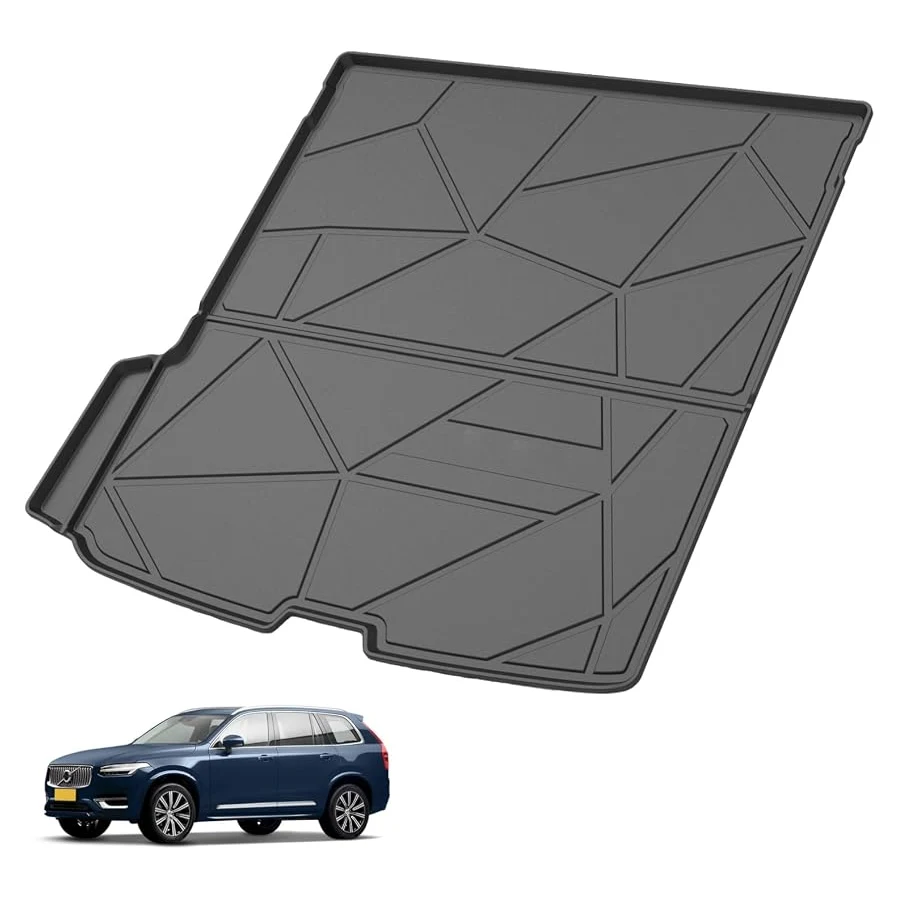
Elsetyler Volvo XC90 2016-2026 cargo liner, custom-fit black TPE, all-weather waterproof, heavy-duty, anti-slip, easy-clean
A vehicle-fit accessory to compare for compatibility, daily usefulness, and value.
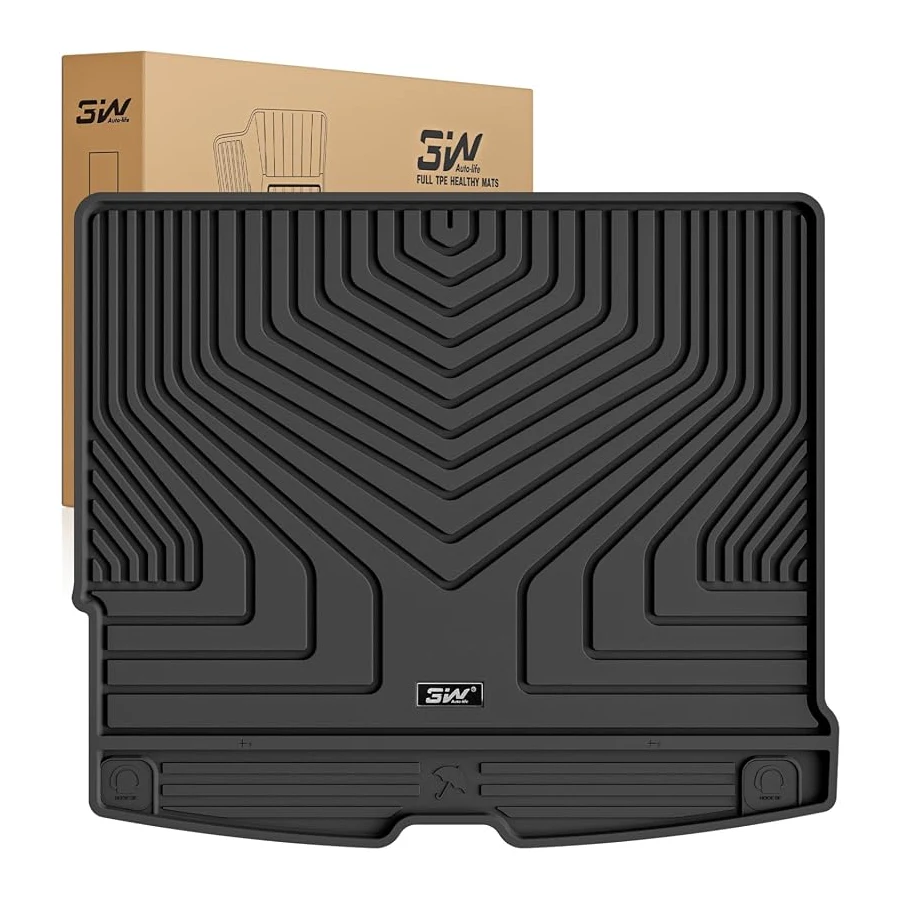 Best Value
3W Volvo XC60 2018-2026 cargo liner, custom-fit black TPE, waterproof, heavy-duty, anti-slip, easy to clean
A vehicle-fit accessory to compare for compatibility, daily usefulness, and value.
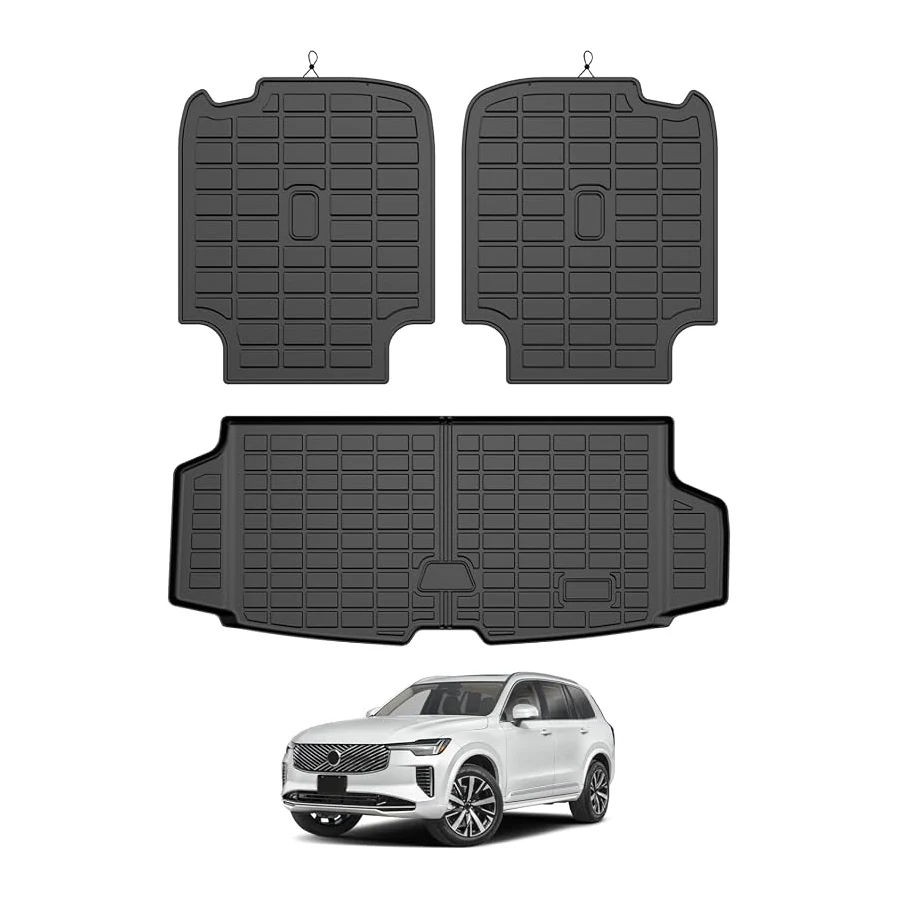 Best Premium Option
Mixsuper Volvo XC90 2016-2026 cargo liner with backrest mat, all-weather TPE, waterproof, easy-clean
A vehicle-fit accessory to compare for compatibility, daily usefulness, and value.
Sources and Methodology
This U.S.-market comparison focuses on 2023–2026 luxury compacts/midsize (XC60/XC90 vs X3/X5 vs Q5/Q7). We matched features by function, not brand names, and cited IIHS/NHTSA where comparable. Equipment varies by trim, headlights, build date, and software level; we recommend VIN-level verification. Data verified August 2026; no speculative scores were used.
Author

Author

Evans Torres
I’m Evans Torres, an automotive engineer who loves Volvo cars. I graduated in Automotive Engineering from USC. I have worked in the car industry for years and now share my knowledge on The Volvo Life. I started this blog to connect with other Volvo fans. I offer tips, news, and advice to help you care for your car. My goal is to help you keep your Volvo in great shape and find all the best things about it. Join me as we discover everything Volvo has to offer!