


Front-Wheel Drive (FWD) and All-Wheel Drive (AWD) are two common drivetrain configurations in Volvo vehicles, each offering unique benefits. FWD sends power to the front wheels, which can enhance fuel efficiency and handling on dry pavement.
Choosing between Volvo FWD and AWD involves understanding your driving needs and conditions. This guide examines the differences between these drivetrains to help you make an informed decision based on performance, safety, and reliability.
- Understanding FWD and AWD in: Front-Wheel Drive (FWD) and All-Wheel Drive (AWD) are two common drivetrain configurations in Volvo.
- Volvo FWD vs AWD: Key: Understanding the key differences between FWD and AWD is essential for determining which drivetrain.
- Ideal Driving Conditions for FWD: Both FWD and AWD drivetrains excel in different driving environments..
- Reliability Records: FWD vs AWD: For reliability, both FWD and AWD systems have proven effective..
- Best Fit Buyers: Choosing the: Different buyers have unique needs when it comes to choosing between FWD and AWD..
Understanding FWD and AWD in Volvo Vehicles
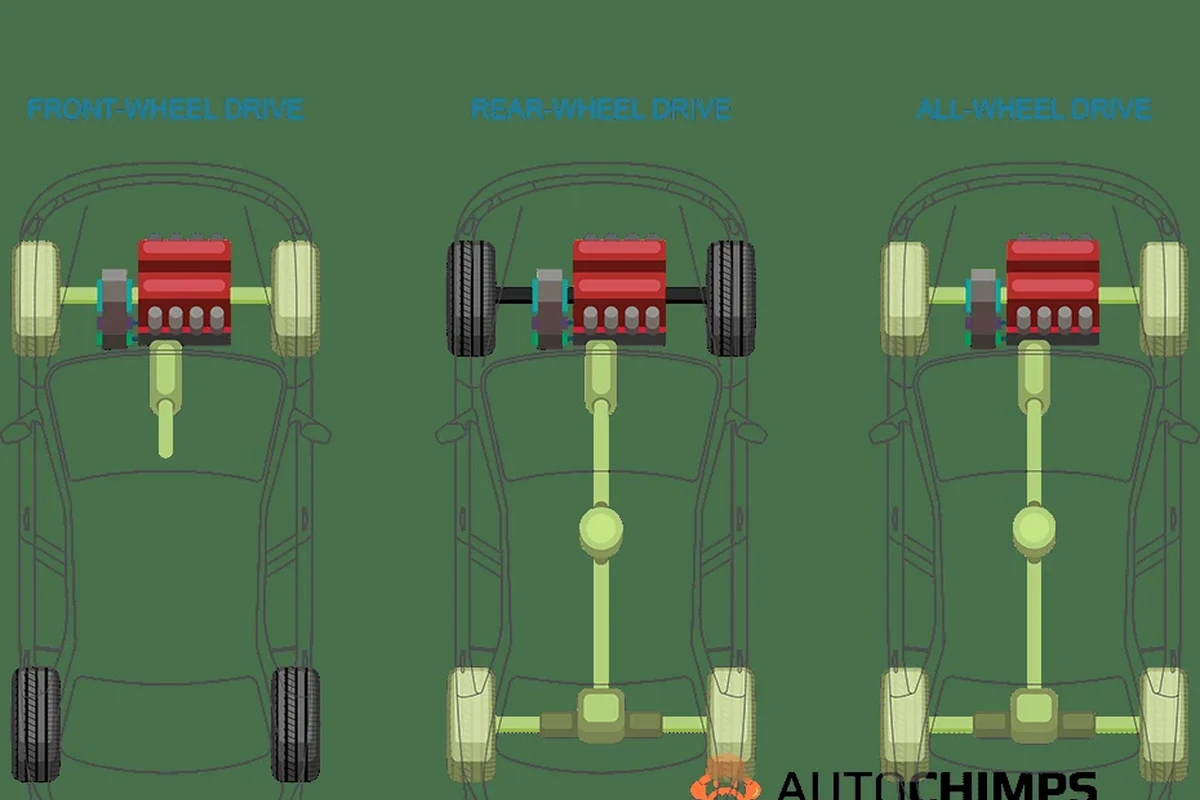
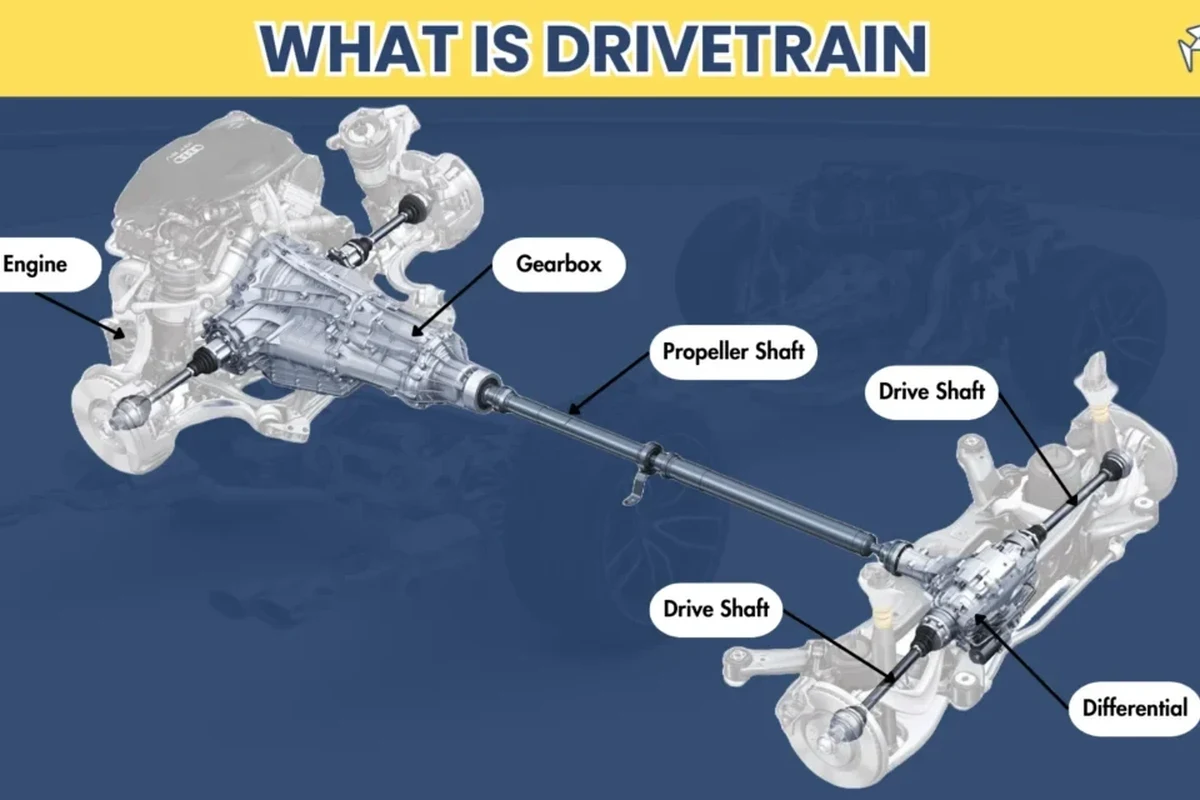
Front-Wheel Drive (FWD) and All-Wheel Drive (AWD) are two common drivetrain configurations in Volvo vehicles, each offering unique benefits. FWD sends power to the front wheels, which can enhance fuel efficiency and handling on dry pavement.
In contrast, AWD distributes power to all four wheels, providing improved traction and stability in various driving conditions.
Essential Considerations for Choosing Between Volvo FWD and AWD
When deciding between FWD and AWD for your Volvo, it’s vital to evaluate specific factors that align with your driving habits and conditions. For related context, read which is better mercruiser vs volvo penta.
- Assess your typical driving environment: Urban areas with good weather favor FWD for fuel efficiency.
- Consider your local weather conditions: If you frequently encounter rain, snow, or off-road scenarios, AWD provides enhanced traction and stability.
- Evaluate potential maintenance costs: FWD systems generally require less maintenance compared to AWD, which may incur higher ongoing costs.
- Review safety ratings: Check the IIHS and NHTSA ratings for specific Volvo models to understand how FWD and AWD perform in adverse conditions.
- Analyze resale value trends: AWD models often hold their value better in regions with harsh weather, making them a more desirable option on the used market.
| Drivetrain Configuration | Benefits |
|---|---|
| Front-Wheel Drive (FWD) | Enhances fuel efficiency and handling on dry pavement |
| All-Wheel Drive (AWD) | Improves traction and stability in various driving conditions |
Drivers in urban areas or those prioritizing fuel efficiency.
Applicable to various Volvo models with FWD and AWD options.
You frequently drive in adverse weather or off-road conditions.
Volvo FWD vs AWD: Key Differences Explained
Understanding the key differences between FWD and AWD is essential for determining which drivetrain suits your lifestyle best. Here’s a breakdown of their performance characteristics, safety ratings, and more.
Performance Characteristics: FWD and AWD
FWD systems are generally lighter and more fuel-efficient, making them ideal for everyday commuting. They provide good handling in normal conditions, as the engine’s weight is over the front wheels.
On the other hand, AWD systems excel in challenging conditions, such as rain, snow, or off-road scenarios. They automatically adjust power distribution to optimize grip, enhancing performance during adverse weather. For official guidance on this, see Consumer Reports car guidance.
Safety Ratings: How Do They Compare?
Safety ratings from organizations like IIHS and NHTSA often consider drivetrain performance. AWD vehicles tend to receive higher safety ratings in tests involving slippery conditions due to their superior traction.
It’s crucial to review specific model safety ratings, as these can vary significantly between FWD and AWD configurations. This also connects with volvo xc60 vs bmw x3 which is better before you pay, sign, or book.
Ideal Driving Conditions for FWD and AWD
Both FWD and AWD drivetrains excel in different driving environments. Understanding these environments can help you choose the right option for your needs.
Fuel Efficiency and Running Costs
FWD vehicles usually offer better fuel efficiency compared to their AWD counterparts due to their lighter weight and simpler mechanics.
This can translate into lower running costs over time, making FWD a better choice for those who primarily drive in urban areas or on well-maintained roads.
In contrast, AWD systems may incur higher maintenance costs but provide confidence in diverse driving conditions. For related context, read which car is better volvo or mercedes.
Confirm the drivetrain option for your specific Volvo model by checking the VIN or contacting a dealer for accurate specifications.
Reliability Records: FWD vs AWD
For reliability, both FWD and AWD systems have proven effective. However, FWD typically experiences fewer mechanical complications due to its simpler design. For official guidance on this, see NHTSA recall lookup by VIN.
AWD systems may require more maintenance, especially concerning the transfer case and differential. Reviewing owner reports and reliability ratings for specific models can provide insights into long-term performance. This area decision also connects with which is a better car volvo or audi.
Consider the ongoing costs associated with FWD and AWD options, including maintenance, fuel economy, and potential repairs before making a decision.
Best Fit Buyers: Choosing the Right Drivetrain for You
Different buyers have unique needs when it comes to choosing between FWD and AWD. Understanding your driving habits will clarify which option suits you best.
Resale Value Considerations
Resale values can differ significantly between FWD and AWD Volvos. Generally, AWD models tend to hold their value better, particularly in regions with harsh weather conditions.
Potential buyers in these areas often prefer AWD for its enhanced capability, which can make these models more desirable on the used market. For related context, read which car is better volvo or honda.
Balanced Verdict: Which Drivetrain is Right for You?
The choice between FWD and AWD in Volvo vehicles ultimately depends on your driving conditions and preferences. If you primarily drive in urban environments with good weather, FWD might be your best bet for fuel efficiency and lower costs.
Conversely, if you face varied weather or off-road conditions, AWD offers enhanced control and safety. You can also use which car is better volvo or toyota as the next practical guide.
Verify the safety ratings and any recalls for your chosen model through the NHTSA database to ensure optimal safety features are active.
Volvo FWD vs AWD: Making the Right Choice for Your Driving Needs
Choosing between Volvo’s Front-Wheel Drive (FWD) and All-Wheel Drive (AWD) systems depends on your driving conditions and preferences. If you mainly drive in urban areas with good weather, FWD is ideal for its fuel efficiency and handling.
Conversely, for those facing challenging weather or off-road scenarios, AWD offers superior traction and stability, enhancing safety and performance. For another location comparison, read which car is better volvo or lexus.
- Assess your typical driving environment to determine if FWD suits your needs.
- Consider local weather conditions when evaluating the benefits of AWD.
- Review safety ratings for specific Volvo models to make an informed decision.
This guide on volvo fwd vs awd is general information. Rules, fees, rents, salaries, service coverage, product details, and procedures can change, so confirm important points with the manufacturer, retailer, or official app documentation before acting.
A Few More Questions
FWD systems are generally lighter and more fuel-efficient, making them suitable for everyday commuting. In contrast, AWD systems excel in challenging conditions by automatically adjusting power distribution for improved traction and stability.
AWD vehicles typically receive higher safety ratings in tests involving slippery conditions due to their superior traction. However, it’s important to review specific model safety ratings, as these can vary significantly between FWD and AWD configurations.
FWD is ideal for urban areas and well-maintained roads, providing good handling in normal conditions. AWD is better suited for varied weather or off-road scenarios, offering enhanced control and safety in challenging conditions.
FWD vehicles usually offer better fuel efficiency and lower running costs due to their lighter weight and simpler mechanics. AWD systems may incur higher maintenance costs while providing confidence in diverse driving conditions.
FWD systems typically experience fewer mechanical complications due to their simpler design, contributing to better reliability. AWD systems may require more maintenance, especially concerning the transfer case and differential.
AWD models tend to hold their value better, especially in regions with harsh weather conditions where buyers prefer enhanced capability. This preference can make AWD models more desirable on the used market compared to FWD vehicles.
Putting It All Together
Choosing between Volvo FWD and AWD involves considering your driving habits, local weather conditions, and budget. By understanding the differences and advantages of each drivetrain, you can make an informed decision that best fits your lifestyle. You can also use which is a better car volvo or bmw as the next practical guide.
Author

💡 Evans Torres Tip: On every Volvo I have owned, I always keep a full digital service record from day one. When something goes wrong — and eventually something always does — having that history makes diagnosis faster and often saves money at the mechanic. Start your records today, even if the car is not new.