


In volvo cars vs mercedes, Volvo usually wins on price, standard safety tech and practical SUV space, while Mercedes leads for performance breadth and ultra-luxury polish. Pick based on whether daily-value safety or high-performance prestige matters more for your budget and needs.
Volvo and Mercedes serve the same premium shopper, but they emphasize different strengths. Volvo keeps pricing rational, makes advanced safety standard, and packages family-friendly SUVs with straightforward trims.
Mercedes spans a broader luxury and performance spectrum, from plush cruisers to track-ready AMG models, plus ultra-luxe flagships. That breadth commands higher like-for-like prices, yet it also opens doors Volvo intentionally leaves closed.
This brand-level guide focuses on U.S. buyers comparing pricing, safety, SUV space and EV options. If you want our direct, shorter take on this matchup, see our focused brand comparison in which car is better: Volvo or Mercedes.
- Main difference: Volvo emphasizes value, standard safety and family-first packaging; Mercedes emphasizes breadth, performance tiers and prestige.
- Best for A: Volvo fits buyers prioritizing standard safety, usable third rows and lower like-for-like pricing.
- Best for B: Mercedes fits shoppers wanting stronger performance options, broader body styles and ultra-luxury features.
- Cost/value: Similar 4yr/50k warranties; Volvo includes 3yr/36k maintenance, Mercedes sells prepaid plans.
- Important caveat: Safety and reliability vary by model year and trim—verify comparable equipment and current test results before deciding.
Scope of this Volvo vs Mercedes comparison
This article compares Volvo and Mercedes as brands for U.S. buyers, focusing on pricing, safety, SUV space and EV options. It covers mainstream models you’ll actually cross-shop, not rare exotics or commercial vehicles.
Comparisons reference new models from 2024–2026, with used-buying notes where data helps. Model details and incentives change frequently, so verify current specs, safety ratings and dealer offers before purchase.
Volvo and Mercedes at a glance
Here’s how the brands line up when you zoom out from individual trims. Use this table to orient your test-drive list and budget expectations.
| Category | Volvo | Mercedes |
|---|---|---|
| Price positioning (like-for-like) | Typically lower transaction prices for similar size/power; simpler packaging | Higher MSRPs for comparable size; wider performance and luxury options |
| Warranty | 4 years/50,000 miles | 4 years/50,000 miles |
| Scheduled maintenance | Complimentary 3 years/36,000 miles (factory schedule) | No complimentary plan; prepaid maintenance available |
| Standard safety suite | Broad ADAS standard on most models; speed cap and driver monitoring common | Comprehensive ADAS available; many features standard, some in packages |
| SUV third-row approach | XC90 standard 3-row; EX90 3-row EV | GLE optional small 3rd row; GLS full-size 3-row at higher price |
| Performance tiers | Balanced powertrains; limited “Polestar Engineered” variants | Extensive AMG lineup; high-output V8/hand-built options |
| Infotainment | Google built-in (select models), clean UI | MBUX with advanced voice, larger screen options |
| EV lineup (examples) | EX30, EX40/EC40, EX90 | EQB, EQE (Sedan/SUV), EQS (Sedan/SUV) |
| Dealer/service footprint | Smaller network; strong in metros | Larger U.S. footprint and loaner/fleet depth |
| Towing (midsize class, typical) | Competitive ratings; verify per engine and package | Competitive, often higher with tow packages/AMG cooling |
Match engines, drivetrains and packages when pricing. A Volvo with standard ADAS and AWD may undercut a Mercedes that requires options for parity. Compare total “out-the-door” builds, not just base MSRPs.
Brand positioning, engineering priorities and lineup
Volvo aims for calm, comfortable and safe transportation with straightforward trims and family-first SUVs. The brand avoids ultra-exotic segments and focuses on attainable premium.
Mercedes covers more territory: entry luxury to ultra-luxury and track-grade AMG. That span enables power, chassis and tech combinations Volvo doesn’t chase, but it can complicate builds and inflate pricing.
Safety philosophy and real-world evidence: Volvo vs Mercedes
Both brands take safety seriously, but Volvo tends to standardize more active-safety features on lower trims. Mercedes often bundles comparable tech in packages or higher lines depending on model/year.
Recent IIHS and NHTSA results vary by model and test protocol. Always check the latest ratings for the exact model year and trim you’re buying, especially after mid-cycle refreshes.
- Use the same agency and year (IIHS/NHTSA) for both.
- Confirm optional safety packs vs standard content.
- Re-check headlights and crash-avoidance scores after updates.
For a broader look at how Volvo’s safety approach stacks up across the market, our guide to Volvo safety vs other cars explains common test differences buyers overlook.
Volvo speed-limits its newer vehicles to 112 mph and widely deploys driver monitoring to discourage distraction. That philosophy prioritizes crash avoidance over headline top speeds.
Performance and driving character: Volvo vs Mercedes
Volvo favors smooth torque and comfort-first tuning, with performance options limited to a few tuned variants. It’s satisfying for daily use and long highway stints.
Mercedes offers broader engine choices and dynamic setups, including AMG models that markedly outperform Volvo in acceleration, braking and track stamina when equally equipped.
- On a familiar loop, compare steering weight in Comfort vs Sport modes.
- Evaluate low-speed ride over patches; note tire sizes and sidewall.
- Brake feel from 50–0 mph; check pedal confidence and stability.
Interior design, comfort, technology and infotainment
Volvo interiors lean Scandinavian: airy cabins, supportive seats and simple controls. Many models use Google built-in with native Maps and Assistant, plus wireless phone mirroring where equipped.
Mercedes cabins emphasize theater: dramatic lighting, large screens and “Hey Mercedes” voice control. Materials and seat options skew more luxurious at the high end, especially in flagship sedans and SUVs.
Reliability, warranty, dealer/service access and maintenance cost
Brand-level dependability data places both Volvo and Mercedes around the industry middle in recent studies, with year-to-year and model-to-model variance. Always check the latest large-sample surveys before buying used.
Both offer a 4-year/50,000-mile new-vehicle warranty. Volvo includes 3 years/36,000 miles of factory scheduled maintenance; Mercedes sells prepaid plans and typically does not include complimentary maintenance.
- Factor tires and brakes: larger AMG wheels/compounds can raise wear costs.
- Insurance can skew higher for performance trims; get VIN-based quotes.
- Volvo’s included maintenance reduces early-service outlays.
For reliability nuance specific to these brands, see our deep-dive on which car is more reliable: Volvo or Mercedes.
Resale value, used-car considerations and electrification strategy
Mercedes residuals tend to hold stronger on halo and AMG models; mainstream models vary. Volvo historically depreciates a bit faster, but well-kept SUVs can retain value competitively in family markets.
Used buyers should verify service history, ADAS sensor calibration after any repair, and battery health on PHEVs/BEVs. Software update status matters for both brands.
Electrification differs in pacing. Volvo targets a fully electric lineup by 2030, pushing compact and midsize EVs early. Mercedes builds parallel EV and ICE portfolios, with high-end EVs and flexible timelines “as market conditions allow.”
Both brands sell CCS-equipped EVs and have announced access to broader fast-charging networks via adapters and evolving standards. Check connector type, adapter availability and supported charge rates for your exact model.
If you’re cross-shopping EVs, our explainer on Volvo access to Tesla chargers outlines practical charging scenarios U.S. owners face.
Where Volvo is stronger
Volvo usually delivers stronger feature-per-dollar value, particularly on standard active safety and AWD in family SUVs. Cabin ergonomics and seat comfort are standouts for road trips.
Three-row practicality arrives at a lower price point with XC90 and its EV counterpart EX90, giving families usable space without jumping to a full-size luxury price tag.
Where Mercedes is stronger
Mercedes offers more performance headroom and chassis tuning ranges, topped by AMG models that decisively out-accelerate and out-handle Volvo’s offerings.
At the luxury apex, Mercedes interiors, options and flagship sedans/SUVs outpace Volvo in customization, opulence and bespoke features.
Volvo Pros and Cons
- Lower like-for-like pricing and simpler builds
- Robust standard safety and driver assistance
- Comfortable seats and practical SUV packaging
- Complimentary scheduled maintenance (3yr/36k)
- Fewer high-performance variants
- Smaller dealer network in some regions
- Historically quicker depreciation on some models
Mercedes Pros and Cons
- Broad lineup with strong AMG performance tiers
- Opulent materials and advanced infotainment options
- Wider U.S. dealer/service footprint
- Higher like-for-like pricing
- Key safety/tech features may require packages
- Higher potential running costs on performance trims
Bring your child seats and a stroller to test-fit in both brands’ midsize SUVs. Confirm 2nd-row slide/travel, 3rd-row headroom for kids, and whether the cargo floor clears a folded stroller without removing wheels.
Best choice by buyer type
How to Decide Between Volvo and Mercedes
- Define your must-haves: third row, tow rating, ventilated seats, adaptive headlights, performance tier.
- Price real builds: match power, AWD and safety options; compare out-the-door quotes, not MSRPs.
- Test-drive back-to-back on the same route; evaluate seats, road noise, ride and brake feel.
- Check current safety ratings for the exact model year and headlight/package combinations.
- Project 5-year costs: insurance quotes by VIN, tire sizes, maintenance (Volvo includes 3yr/36k), and expected depreciation.
Before we get into common buyer questions, here’s one practical shortcut many shoppers miss.
💡 Evans Torres Tip: When trims don’t line up cleanly, normalize value by “safety + seat + service.” That means: 1) match active-safety content, 2) pick the seat you can drive in for hours without fatigue, and 3) add the first three years of maintenance to your comparison. This quiet math often flips the winner.
Frequently Asked Questions
This FAQ tackles the most common concerns U.S. shoppers raise when cross-shopping Volvo and Mercedes: price realism, safety differences, SUV practicality, EV charging, reliability and running costs. Answers reflect 2024–2026 models unless noted; verify final specs with a dealer before signing.
Is Volvo cheaper than Mercedes for comparable models?
Generally yes. Like-for-like Volvo builds (similar size, power and safety content) usually transact lower than comparable Mercedes models. The gap widens when Mercedes requires option packages for features Volvo includes. Always compare out-the-door quotes with matched equipment.
Which brand is safer right now: Volvo or Mercedes?
Both achieve excellent results on specific models, but outcomes vary by test year and equipment. Volvo often standardizes more ADAS; Mercedes can equal or exceed it when optioned. Check the latest IIHS and NHTSA ratings for your exact trim, including headlights and driver-assist packages.
Which has more SUV space for families?
Volvo hits a strong value-to-space sweet spot with XC90’s standard third row and the EX90 EV. Mercedes’ GLE offers a small optional third row, while GLS is larger and pricier. Bring your family gear to a test-fit; seat comfort and cargo floor height matter more than brochure numbers.
How do Volvo and Mercedes EVs compare for charging?
Both sell CCS-equipped EVs and have announced access to wider fast-charging networks through adapters and evolving standards. Real-world speed depends on the vehicle’s peak charge rate and station capability. Confirm connector type, adapter timing and supported networks for your model year.
Which is more reliable: Volvo or Mercedes?
Recent large-sample studies place both near the industry middle, with model-level variation. Simpler, lower-stress powertrains tend to be steadier over time. For a brand-to-brand reliability lens, see our analysis of Volvo vs Mercedes reliability, then verify for the exact model year you want.
What about warranty and maintenance?
Both offer 4 years/50,000 miles of new-vehicle warranty. Volvo includes 3 years/36,000 miles of factory scheduled maintenance. Mercedes typically offers prepaid maintenance plans instead of complimentary coverage. Add these costs to your five-year budget.
Which drives better: Volvo or Mercedes?
It depends on what you value. Volvo prioritizes comfort and calm commuting, while Mercedes spans comfort to high-performance AMG. If you want sharper handling and acceleration headroom, Mercedes has more options. If serene daily use matters most, Volvo usually satisfies.
Do either brand’s midsize SUVs tow better?
Ratings are competitive and vary by engine and tow package. Mercedes may list higher maximums on certain trims, especially with AMG cooling or tow options. Volvo’s ratings are solid for family needs. Verify your specific configuration and tongue-weight allowances.
Final Verdict
If you prize standard safety, serene comfort, practical three-row space and a simpler ownership plan with included maintenance, Volvo is the smarter, lower-stress buy. It delivers the features most families actually use, often at a friendlier transaction price.
If you want broader performance, higher luxury ceilings, or AMG-grade excitement, Mercedes is the better fit. Expect to spend more for the configuration you want and to budget accordingly for tires, brakes and optional tech packages.
Not sure? Build matched trims, drive them back-to-back, and let seats, visibility and total out-the-door cost make the decision. That’s where the meaningful differences reveal themselves.
My Top Picks at a Glance
These three Volvo accessories are practical options to compare after choosing the right Volvo configuration.
 Best Overall
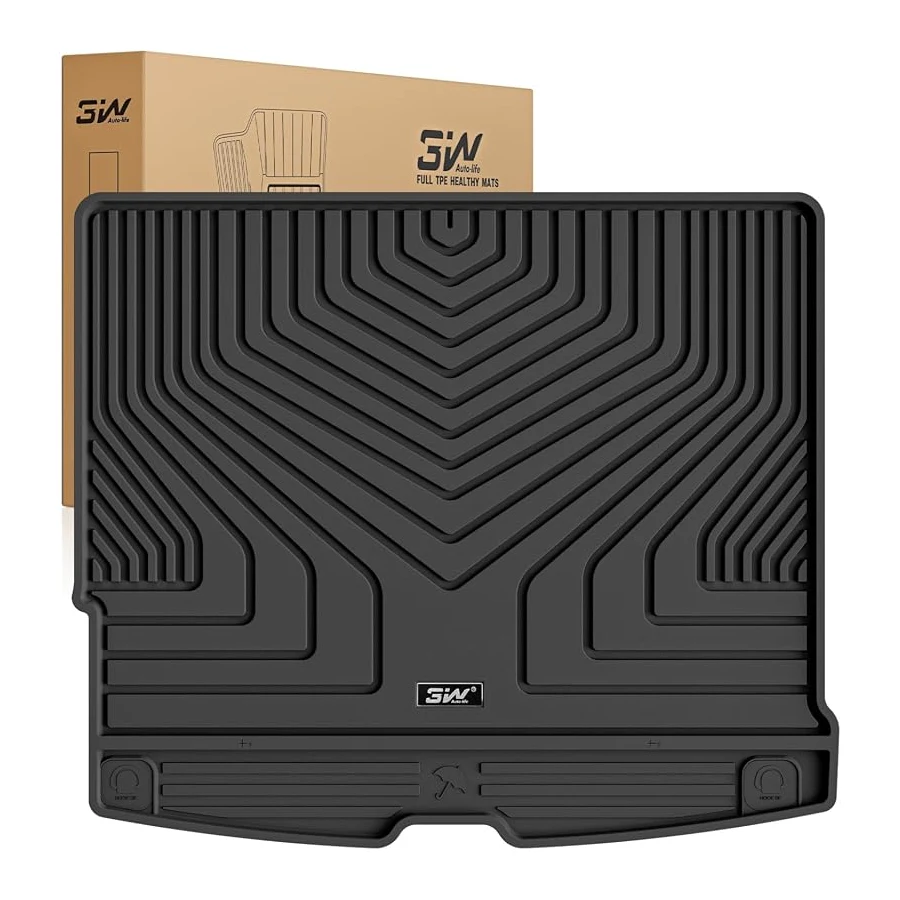
3W Volvo XC60 Cargo Liner 2018-2026, custom-fit TPE, full-coverage, all-weather, non-slip, easy-clean trunk mat.
A vehicle-fit accessory to compare for compatibility, daily usefulness, and value.
 Best Value
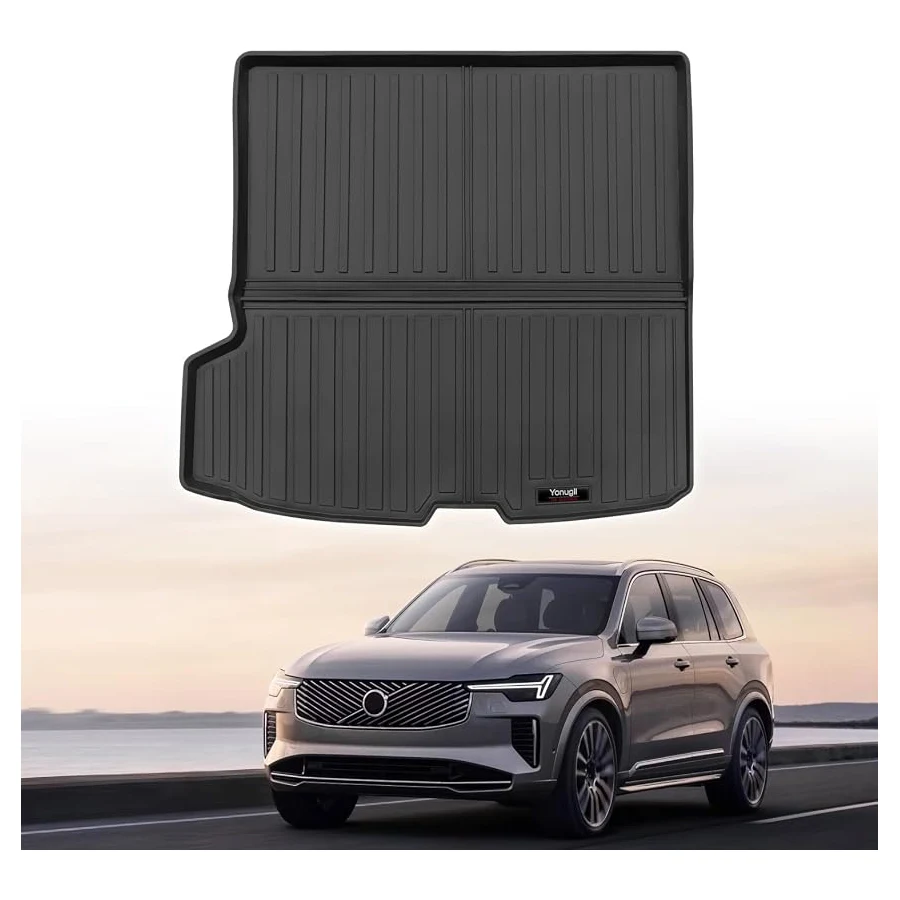
Custom-fit Cargo Liner for Volvo XC90 2016-2026, behind 2nd row, all-weather TPE, easy-clean protection.
A vehicle-fit accessory to compare for compatibility, daily usefulness, and value.
 Best Premium Option
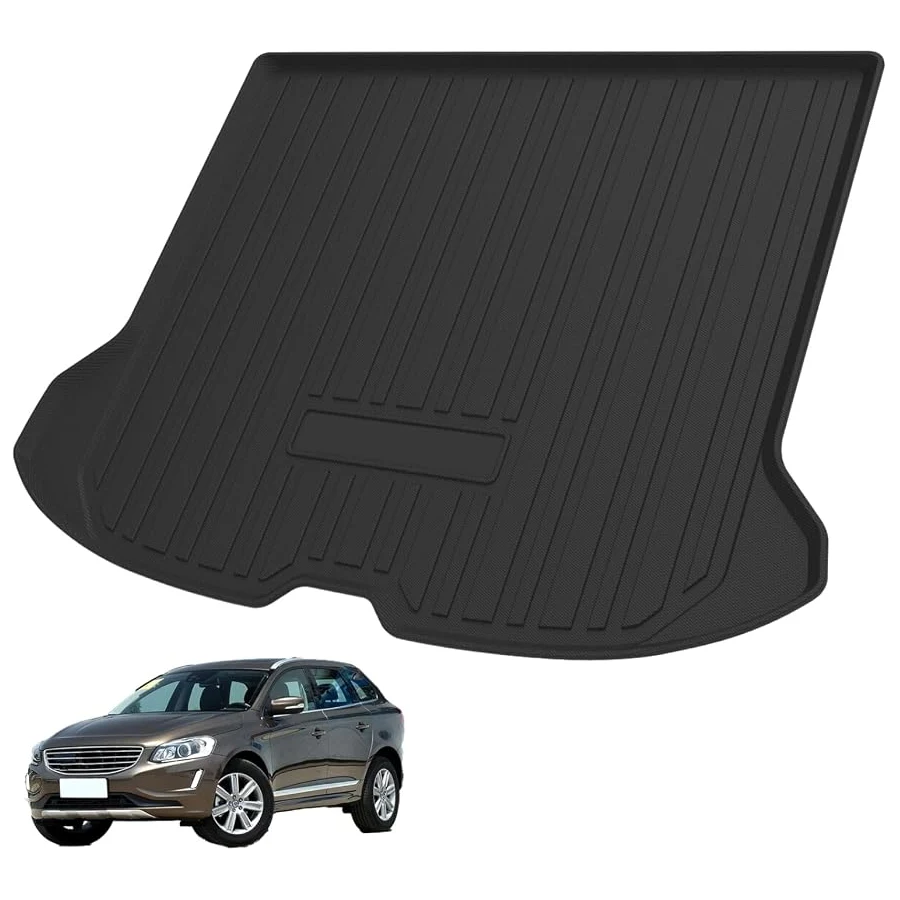
Elsetyler Volvo XC60 Cargo Liner 2010-2017, heavy-duty TPE, waterproof rear cargo tray, easy-clean.
A vehicle-fit accessory to compare for compatibility, daily usefulness, and value.
Sources and Methodology
We compared Volvo and Mercedes for the U.S. market, emphasizing 2024–2026 models and noting used (2020–2023) where helpful. Data sources prioritized official manufacturer specifications and owner-program details, EPA resources, IIHS ratings and large-sample reliability studies. Safety comparisons reference identical agencies and current protocols. EV charging notes reflect connector standards and network-access announcements; exact capabilities vary by model year and trim. Verification date: August 2026.
Author

Author

Evans Torres
I’m Evans Torres, an automotive engineer who loves Volvo cars. I graduated in Automotive Engineering from USC. I have worked in the car industry for years and now share my knowledge on The Volvo Life. I started this blog to connect with other Volvo fans. I offer tips, news, and advice to help you care for your car. My goal is to help you keep your Volvo in great shape and find all the best things about it. Join me as we discover everything Volvo has to offer!