


what’s the difference between b5 and b6 volvo? In U.S.-market Volvos, B5 is a 48‑V mild‑hybrid 2.0L turbo, while B6 adds an electric supercharger to the turbo for stronger power and quicker response, trading a small fuel‑economy and price penalty for performance.
If you’ve seen B5 and B6 on Volvo window stickers and wondered what they mean, you’re looking at two mild‑hybrid gasoline power levels based on the same 2.0‑liter four‑cylinder. Both pair a turbocharged engine with a 48‑volt system for smoother stop/start and low‑speed assist.
The shortcut: Volvo B5 favors efficiency and cost, while Volvo B6 layers an electric supercharger on top of the turbo for more effortless acceleration and passing. The choice shows up most clearly on U.S. XC60 and XC90 models from about 2022 onward.
This guide covers what changes mechanically, real‑world performance, fuel economy, towing feel, pricing, and used‑buyer implications for the U.S. market. Where outputs or availability vary by model year and trim, we note ranges and tell you how to verify your exact build.
- Main difference: Volvo B5 is a 2.0L turbo mild‑hybrid; Volvo B6 adds an electric supercharger plus the turbo for higher output and faster response.
- Best for B5: Drivers prioritizing purchase price and fuel economy with adequate daily performance.
- Best for B6: Buyers who want stronger midrange shove for highway merges, passing, hills and heavier loads.
- Cost/value: New‑car MSRP typically runs about $2,500–$3,500 higher for B6 on comparable U.S. trims; used premiums are often smaller.
- Important caveat: Availability and exact hp/torque vary by model year and trim; always verify the VIN/build sheet for the specific vehicle.
Key differences at a glance: Volvo B5 vs Volvo B6
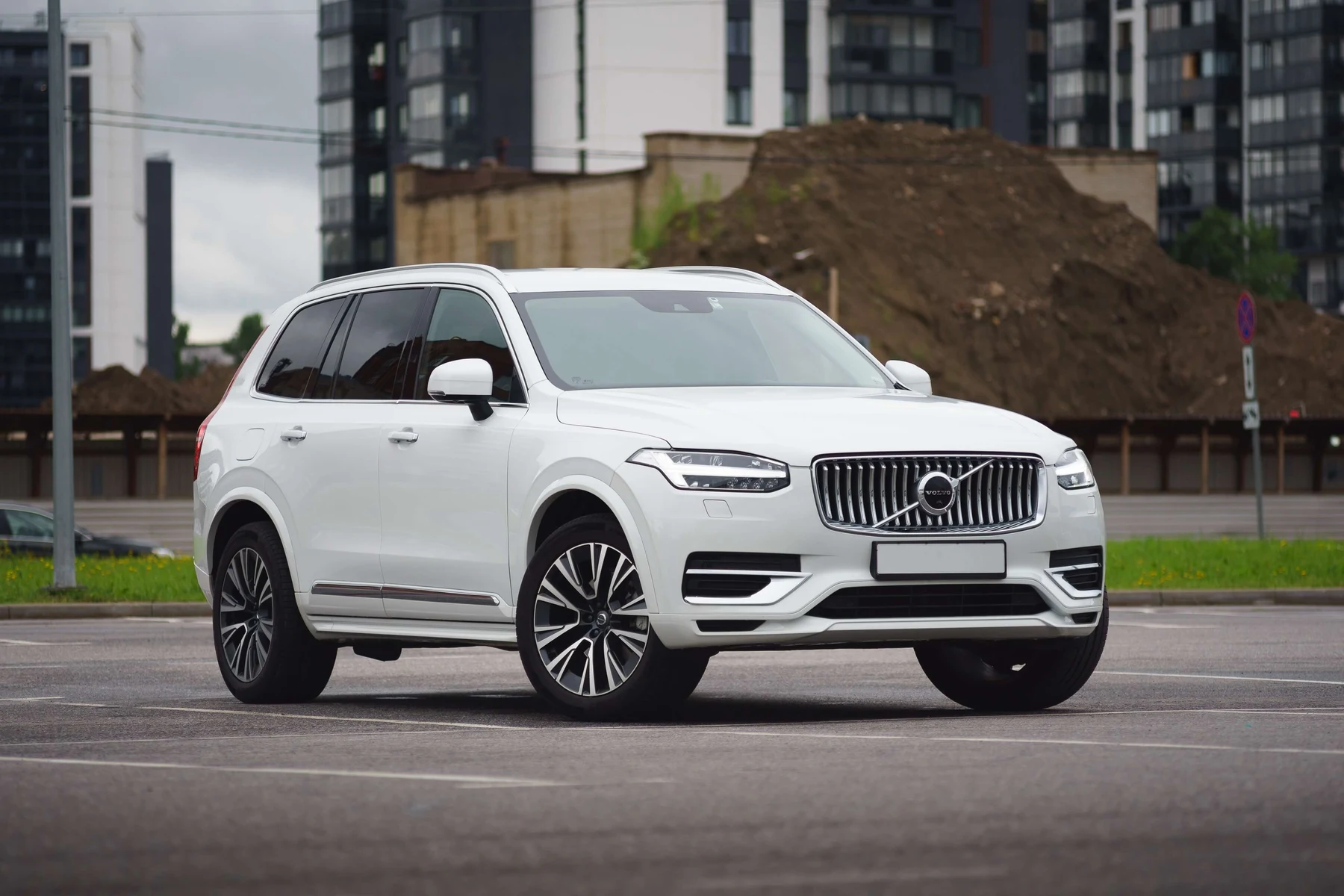
Here’s the fast, model‑agnostic snapshot of hardware, typical U.S. outputs, performance and ownership factors for Volvo B5 and Volvo B6. Always match these ranges to your exact model year and trim.
| Spec/Factor | Volvo B5 | Volvo B6 |
|---|---|---|
| Engine & hardware | 2.0L turbocharged I‑4 + 48‑V mild‑hybrid ISG | 2.0L turbocharged + electric supercharger I‑4 + 48‑V mild‑hybrid ISG |
| Typical U.S. output | ~247 hp / ~258 lb‑ft (model/year dependent) | ~295 hp / ~310 lb‑ft (model/year dependent) |
| Transmission | 8‑speed automatic | 8‑speed automatic |
| Drivetrain | FWD or AWD (varies by model/trim) | AWD common; availability varies by model/trim |
| 0–60 mph (typical) | High‑6s to low‑7s (model dependent) | Mid‑5s to low‑6s (model dependent) |
| EPA combined mpg (typical) | ~24–26 mpg (vehicle/drive type dependent) | ~23–25 mpg (vehicle/drive type dependent) |
| Towing (examples) | Same as model rating; e.g., XC60 3,500 lb, XC90 5,000 lb when equipped | Same as model rating; stronger midrange aids uphill towing feel |
| Fuel | Premium recommended; 87 AKI minimum per Volvo U.S. guidance | Premium recommended; 87 AKI minimum per Volvo U.S. guidance |
| MSRP difference when new | Baseline | Typically +$2,500–$3,500 on comparable trims |
| Availability | Widespread on XC60/XC90; select sedans/wagons in some years | XC60/XC90 widely; availability varies on other lines |
Volvo changed powertrain lineups frequently from 2022–2025. Confirm B5 vs B6, drivetrain, and tow rating on the actual window sticker, a VIN decode, and Volvo’s build site for that specific year and trim.
What the Volvo B5 and Volvo B6 badges mean
Both badges sit under Volvo’s “B” family, which designates 48‑volt mild‑hybrid gasoline powertrains. A belt‑driven integrated starter‑generator assists launches, smooths stop/start, and can recapture energy under braking.
Volvo B5 pairs this 48‑V system with a turbocharged 2.0‑liter four‑cylinder. Volvo B6 keeps the same base engine and mild‑hybrid hardware but adds an electric supercharger that builds boost at low rpm before the exhaust turbo is fully spooled.
The result is broadly similar drivability around town for both, with the B6 delivering a stronger, more immediate surge when you ask for deep throttle on ramps, grades or two‑lane passes.
What stays the same between Volvo B5 and Volvo B6
Most day‑to‑day touchpoints are identical. Both use Volvo’s 8‑speed automatic, the same 48‑V mild‑hybrid architecture, and the same cabin, safety suite and feature sets at a given trim level.
On the same model, official tow ratings and cargo capacities do not change with B5 vs B6. Ride quality, tire fitment and braking hardware are trim‑dependent rather than B5/B6‑dependent.
Fuel recommendations are also the same: premium is recommended for best performance, with 87 AKI acceptable per Volvo’s U.S. guidance for many recent gasoline models.
Detailed differences that affect ownership: Volvo B5 vs Volvo B6
Performance is the headline. In comparable XC60 and XC90 trims, Volvo B6 typically cuts about 0.7–1.2 seconds from the 0–60 mph sprint versus Volvo B5, thanks to the supercharger’s instant low‑rpm boost and higher peak output.
Real‑world economy is close. EPA combined ratings usually favor B5 by 1–2 mpg, but the gap can shrink on highway‑heavy routes. B6’s extra thrust makes the power more accessible with less downshifting on grades or when loaded.
Towing feel can be better with B6, even when the rating is identical. The supercharger helps maintain speed on long inclines and reduces hunting between gears, especially with passengers and gear aboard.
When Volvo shifted from T5/T6 to B5/B6, peak hp numbers changed slightly, but midrange torque delivery improved with the mild‑hybrid assist and B6’s supercharger, helping part‑throttle responsiveness even without flooring it.
Noise and smoothness are similar at cruise. Under hard acceleration, B6 sounds a touch busier due to the extra boost events, but cabin isolation remains very good in both, particularly on XC60/XC90.
- Back‑to‑back ramp merges from 20–70 mph to feel midrange thrust.
- Steady 55 mph to 75 mph passes without kickdown (part throttle).
- Long grade at highway speed to compare gear hunting and noise.
- Stop/start smoothness in traffic and parking‑lot creep.
Maintenance loads are broadly similar. The B6’s added supercharger is another hardware element that could increase out‑of‑warranty repair exposure, but routine service intervals are shared and parts commonality is high.
- Fuel: Expect a 1–2 mpg advantage for B5 in mixed driving.
- Tires/brakes: Trim and wheel size affect cost more than B5 vs B6.
- Insurance/resale: B6 can carry a small premium; depreciation patterns converge in 3–5 years.
Price gap and value of the upgrade: Volvo B5 vs Volvo B6
At launch MSRPs, Volvo B6 typically added roughly $2,500–$3,500 to like‑for‑like B5 trims in the U.S. Lineups varied, so some years tied B6 to specific trims that bundled more features, widening the real‑world delta.
In the used market, the B6 premium often narrows to around $1,000–$2,000 on comparable mileage/spec vehicles, though regional supply swings can erase or widen that. If you value stronger passing power, B6’s price bump is usually justified.
Some model years tied B6 to AWD or higher trims. Price what you actually want (seating, audio, driver aids) rather than the engine alone to avoid surprise gaps at purchase.
Reliability, maintenance and used‑buyer implications
Both Volvo B5 and Volvo B6 share the same engine block, 8‑speed automatic and 48‑V mild‑hybrid concept, so scheduled maintenance is similar. Oil services are typically every 10,000 miles/12 months, with inspections on the same cadence.
The B6’s supercharger adds complexity that could increase repair exposure out of warranty, but no broad, U.S. market‑wide systemic defects distinguish B6 from B5 in recent years. As always, judge individual vehicles by service history and pre‑purchase inspection.
Check NHTSA for open recalls by VIN and confirm that ADAS calibrations (radar/camera) were completed after any windshield or front‑end repairs—engine choice doesn’t change safety content, but proper calibration does.
Is Volvo B6 worth it over Volvo B5?
If you regularly merge onto fast highways, drive in hilly regions, tow on weekends, or keep a full cabin, Volvo B6 feels meaningfully stronger with only a modest fuel hit. That real‑world ease often outweighs its upfront cost.
If your driving is mostly urban/suburban with light loads and you prize lower price and slightly better mpg, Volvo B5 delivers the same luxury experience and safety at a lower total cost of ownership.
Which one should you choose?
Volvo B5 Pros and Cons
Volvo B5 Pros and Cons
- Lower purchase price on comparable trims
- Typically 1–2 mpg better combined EPA rating
- Smoother, quiet cruising with adequate daily power
- Same safety and features at a given trim level
- Slower 0–60 mph and passing at highway speeds
- More downshifts on long grades or with heavier loads
- May feel strained when fully loaded compared with B6
Volvo B6 Pros and Cons
Volvo B6 Pros and Cons
- Noticeably stronger midrange and quicker 0–60 mph
- More relaxed uphill/towing performance
- Same interior, safety and convenience content
- Higher MSRP and slightly lower fuel economy
- Added supercharger complexity out of warranty
- Availability tied to specific trims in some years
How to Decide Between Volvo B5 and Volvo B6
- Map your routes and loads: weekly highway merges, grades, passengers, and towing needs.
- Price identical trims: build both engines with the same packages to reveal the true delta.
- Drive them back‑to‑back: feel 20–70 mph thrust and uphill gear hunting, not just 0–30 mph.
- Run a 3‑year fuel/insurance math: include a 1–2 mpg spread and realistic mileage.
- Check VIN details: confirm engine code, drivetrain, tow package and any bundled features.
Want a model‑specific deep dive? For three‑row shoppers, see our Volvo XC90 comparisons that focus on how B5 and B6 feel in the larger SUV.
For historical context on Volvo’s earlier turbo badges that B5/B6 replaced, our T5 vs T6 guide explains how supercharging entered the picture and why response differs at low rpm.
💡 Evans Torres Tip: When test‑driving B5 vs B6, set cruise at 60 mph on a gentle grade, then add 10–15 mph using the throttle without a full kickdown. If the B5 hunts gears to build speed where the B6 holds a higher gear, you’ve experienced the real‑world difference you’ll feel every day.
Frequently Asked Questions
This FAQ rounds up the most common buyer questions on outputs, economy, towing, fuel, availability and long‑term ownership for Volvo B5 vs Volvo B6 in the U.S. Specs and offerings can shift by model year and trim, so use these as guardrails and verify the exact vehicle against official sources.
Is Volvo B6 faster than Volvo B5?
Yes. In comparable XC60/XC90 trims, independent tests typically place B6 in the mid‑5s to low‑6s 0–60 mph, while B5 lands in the high‑6s to low‑7s. The bigger difference is midrange thrust: B6 accelerates more confidently from 40–70 mph for passes and merges.
Does Volvo B6 tow more than Volvo B5?
Official tow ratings are set by the model, not B5 vs B6. For example, XC60 is commonly 3,500 lb and XC90 5,000 lb when properly equipped. B6’s extra low‑rpm boost can make uphill towing feel easier even at the same rating.
Which gets better fuel economy, Volvo B5 or Volvo B6?
Volvo B5 usually posts about 1–2 mpg better EPA combined ratings than Volvo B6 on the same model. Real‑world results depend on terrain and driving style; highway‑heavy driving can narrow the gap, while city routes can favor B5 slightly more.
Do B5 and B6 require premium gas?
Volvo recommends premium for best performance, but many recent U.S. gasoline models allow 87 AKI minimum per Volvo’s guidance. You’ll see the biggest benefit from premium on B6 under heavy throttle or towing. Always confirm in the owner’s manual for your year.
Are B5 and B6 available on every Volvo model?
No. In the U.S., B5 and B6 were most common on XC60 and XC90 from 2022 onward, with availability changing on sedans/wagons and the XC40 depending on the year. Check the window sticker or VIN for the specific car you’re shopping.
Is B6 the same as Recharge?
No. “Recharge” denotes Volvo’s plug‑in hybrids (and full EVs), not the mild‑hybrid B‑series. A T8/Recharge XC60 or XC90 pairs a larger battery with electric drive for much higher combined output and electric‑only range—an entirely different setup and ownership profile.
What’s the long‑term reliability difference between B5 and B6?
They share core hardware and service intervals. The B6’s added supercharger is an additional component that could increase out‑of‑warranty repair risk. Evaluate individual cars by maintenance records and a pre‑purchase inspection rather than the badge alone.
How big is the new‑car price difference?
Typically around $2,500–$3,500 for similar trims when new, though some lineups bundle B6 with AWD or higher trims, increasing the effective gap. On the used market, the difference often narrows to roughly $1,000–$2,000, subject to regional supply.
Final Verdict
Choose Volvo B5 if you want the most value and slightly better mpg without sacrificing Volvo’s safety, comfort and refinement. It’s the sensible pick for flatter commutes, light loads and budget‑minded buyers who still want premium feel.
Choose Volvo B6 if you prize easy, confident acceleration with passengers, cargo or a trailer. The supercharger‑assisted midrange makes daily driving more relaxed and highway maneuvers quicker, and the fuel‑economy tradeoff is small for most owners.
If you’re undecided, test‑drive both back‑to‑back over the same route. Pay attention to 40–70 mph response and uphill steadiness. Then price the exact trim and options you want—the best choice is the powertrain that keeps your everyday driving calm and effortless.
My Top Picks at a Glance
These three Volvo accessories are practical options to compare after choosing the right Volvo configuration.
 Best Overall
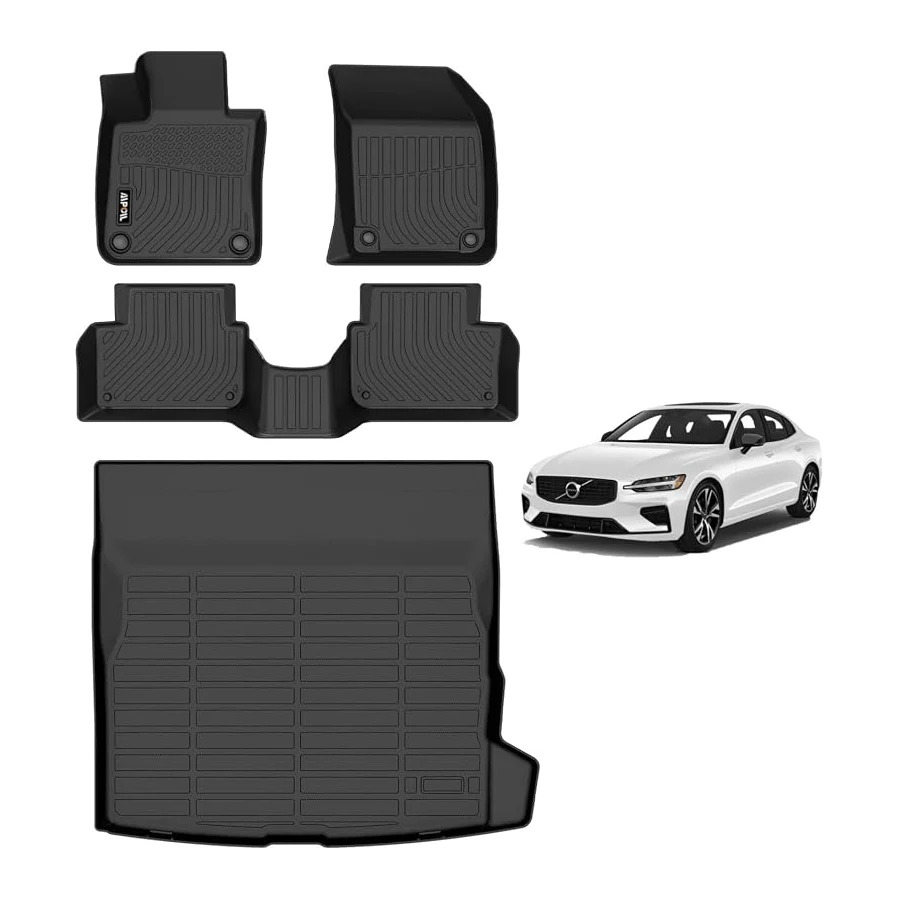
AIPOIL® floor mats for 2019-2025 Volvo S60, custom-fit TPE, all-weather, odorless, non-slip, full front/rear set.
A vehicle-fit accessory to compare for compatibility, daily usefulness, and value.
 Best Value
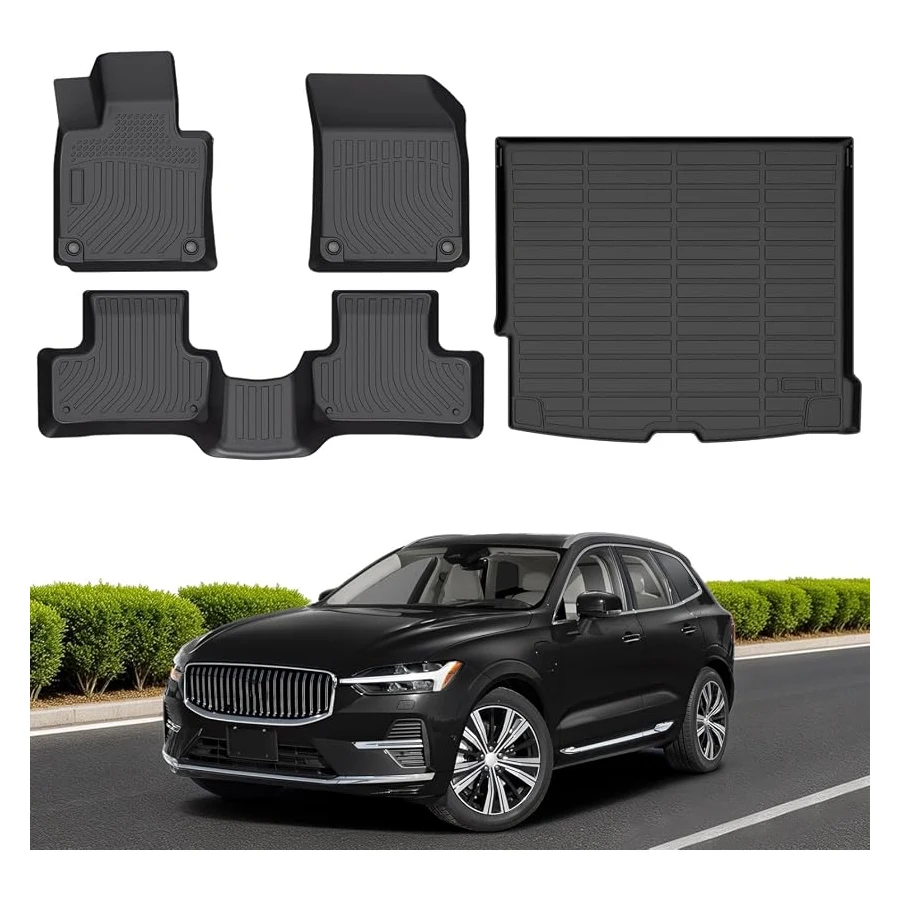
Floor mats and cargo liner for 2018-2026 Volvo XC60, TPE all-weather, custom-fit, fits T5/T6, excludes hybrids.
A vehicle-fit accessory to compare for compatibility, daily usefulness, and value.
 Best Premium Option
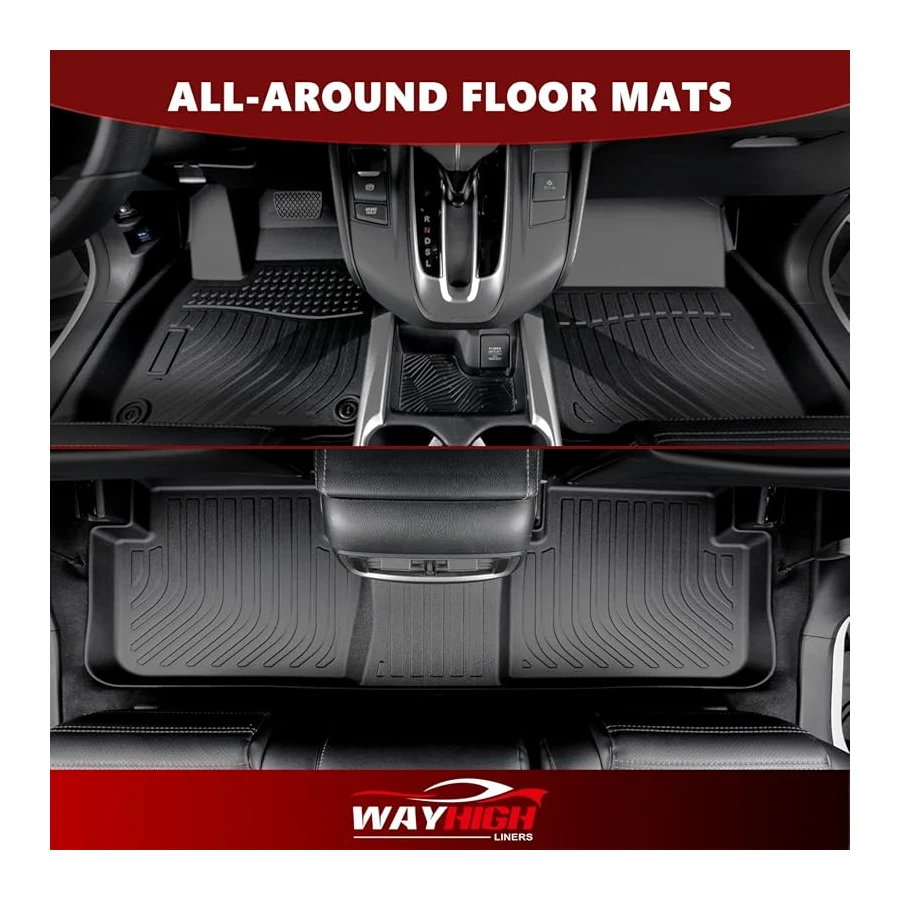
Wayhigh® floor mats and cargo liner for 2018-2026 Volvo XC60, custom-fit TPE, waterproof, fits T5/T6/B5/B6, excludes Recharge/Hybrid.
A vehicle-fit accessory to compare for compatibility, daily usefulness, and value.
Sources and Methodology
This U.S. comparison focuses on 2022–2025 Volvo XC60/XC90 where B5/B6 were most available. We matched trims where possible and used official Volvo specifications, EPA fuel‑economy data and reputable instrumented testing for performance ranges. Outputs and availability vary by model year and market; always verify a specific VIN and window sticker. Data verified August 2026.
XC90 B5 vs B6: our three‑row–specific breakdown
XC90 powertrain differences by year and trim
How Volvo T5 vs T6 led to today’s B5 vs B6
Author

Author

Evans Torres
I’m Evans Torres, an automotive engineer who loves Volvo cars. I graduated in Automotive Engineering from USC. I have worked in the car industry for years and now share my knowledge on The Volvo Life. I started this blog to connect with other Volvo fans. I offer tips, news, and advice to help you care for your car. My goal is to help you keep your Volvo in great shape and find all the best things about it. Join me as we discover everything Volvo has to offer!