


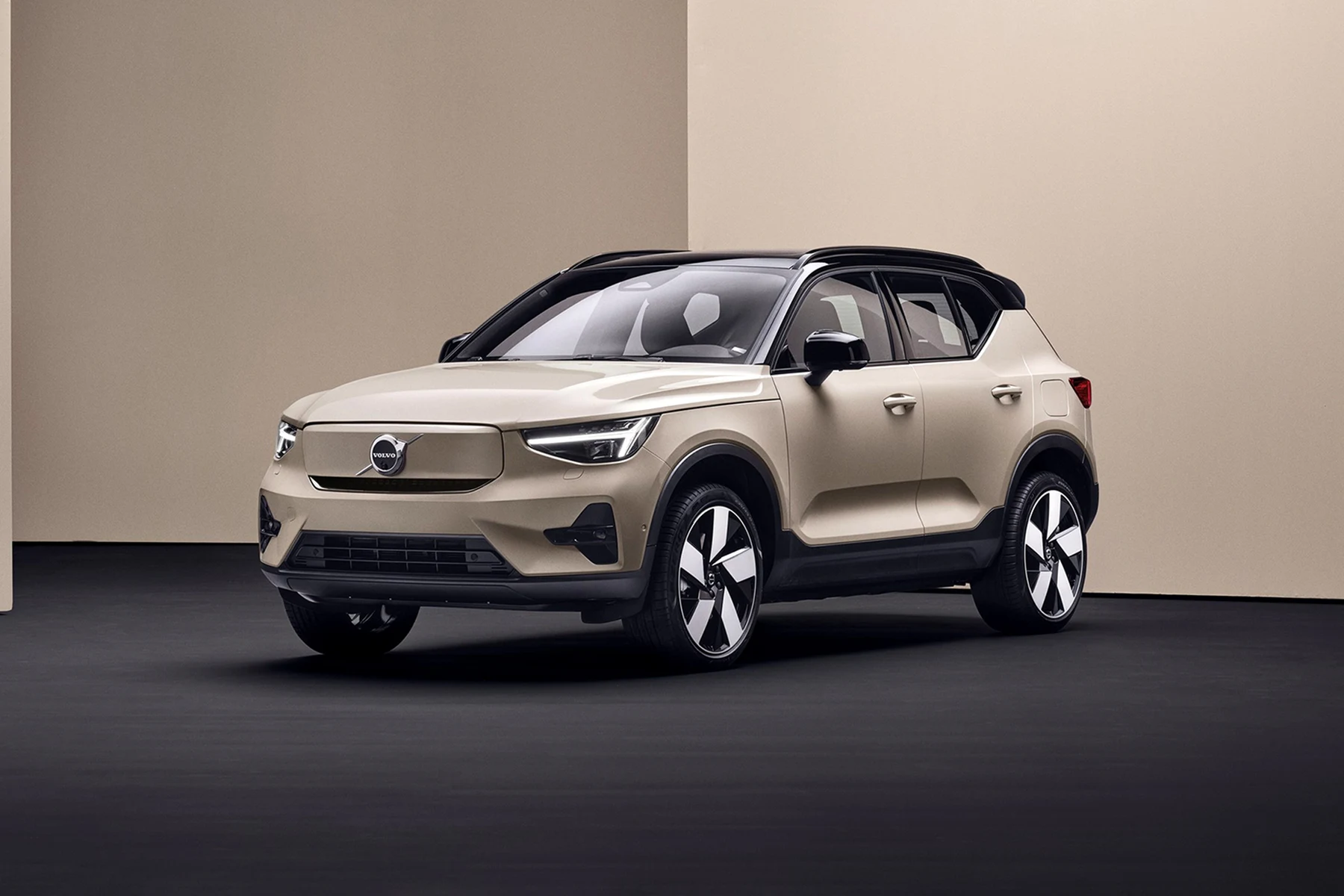
Volvo cars vs BMW is ultimately serenity, safety-first design and feature-for-dollar value versus sharper dynamics, broader powertrain choice and performance pedigree. If daily comfort and driver assistance matter most, lean Volvo; if engaging handling and configurability lead, lean BMW.
Comparing Volvo Cars and BMW isn’t just specs—it’s two philosophies. Volvo prioritizes calm cabins, strong standard safety and clean Scandinavian design. BMW leans into driver engagement, extensive trims and performance options from mild hybrids to full M cars.
Both lineups now span gasoline, mild-hybrid, plug‑in hybrid and full EVs, and both brands pledge broader charging access across North America. The best choice depends on how you weight safety tech, ride comfort, steering feel, long‑term ownership costs and resale value.
- Main difference: Volvo Cars skews comfort-and-safety-first; BMW prioritizes performance and configuration breadth.
- Best for A: Volvo Cars if you want standard active safety, quiet rides, understated luxury and strong plug‑in value.
- Best for B: BMW if you want sharper handling, more engine choices, and top-tier performance options.
- Cost/value: Comparable MSRPs; Volvo often includes more safety/driver aids standard. BMW can cost more when optioned, but holds resale well.
- Important caveat: Compare by trim and model year—safety ratings, charging access and software vary across builds.
Scope of this Volvo Cars vs BMW comparison
This brand-level guide focuses on US-market sedans, wagons and SUVs you’re likely cross‑shopping new or CPO from model years 2024–2026. It does not score every trim; instead it maps brand priorities and the most relevant model pairings.
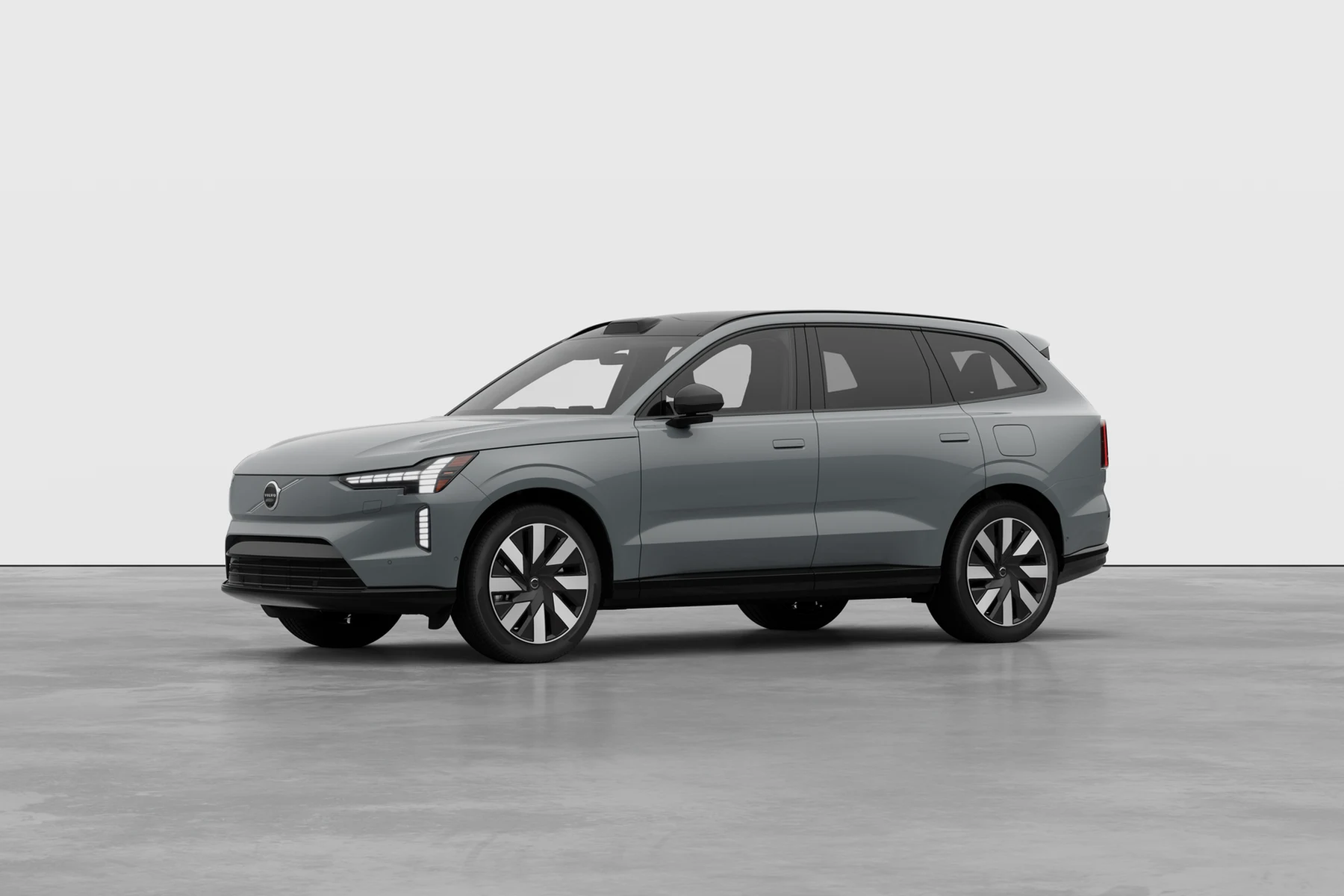
Where figures differ by trim or test year, we flag it and point to official sources. If you’re weighing a specific SUV duel, see our detailed XC90 vs. BMW X5 and XC60 vs. BMW X3 breakdowns.
Match trim, drivetrain and tires. A Volvo with touring tires will ride differently than a BMW on sport rubber. Verify option packages (suspension, headlights, driving aids) on the build sheet or window sticker—these change safety scores and driving feel.
Volvo Cars and BMW at a glance
Here’s a brand snapshot to orient your test drive. It highlights inherent priorities rather than every spec line item, so you can decide which column “sounds like you.”
| Category | Volvo Cars | BMW |
|---|---|---|
| Brand emphasis | Safety first, serene comfort, minimalist design, plug‑in value | Driver engagement, powertrain breadth, performance pedigree |
| Comparable core models | XC40/EX40, EC40, XC60, XC90/EX90, S60, V60 | X1, X3, X5/X7, i4, i5, i7, 3/5/7 Series |
| Performance tiers | B5/B6 mild hybrids; Recharge plug‑in; full EVs | Base to M Performance; full M; i electric |
| Active safety | Extensive suite standard across trims | Strong, but some features bundled in packages |
| Infotainment | Google built‑in (Android Automotive) | iDrive 8/8.5/9 depending on model/year |
| Warranty (new) | 4 yr/50k mi limited; 8 yr/100k mi EV battery (USA) | 4 yr/50k mi limited; 8 yr/100k mi EV battery (USA) |
| Included maintenance | Typically 3 yr/36k mi scheduled (check MY) | 3 yr/36k mi scheduled (BMW Ultimate Care) |
| EV charging access | NACS/Supercharger access expanding on MY2025+ (verify model) | NACS/Supercharger access expanding on MY2025+ (verify model) |
| Design vibe | Understated, airy, eco‑materials | Sporty, cockpit‑focused, tech‑forward |
Brand positioning, engineering priorities and comparable model lineup
Volvo Cars builds quiet, confidence‑inspiring vehicles with standard driver aids and clean Scandinavian cabins. The lineup clusters around XC40/EX40 and EC40 (compact), XC60 (midsize), and XC90/EX90 (three‑row), plus S60/V60 for sedan/wagon loyalists.
BMW positions around dynamic excellence and choice. Compact X1/3 Series, midsize X3/5 Series, and flagship X5/7/7 Series anchor the range, with M Performance and full M variants for enthusiasts, and i4/i5/i7/iX for EV shoppers.
Both brands announced North American Charging Standard (NACS) adoption. Many MY2025+ EVs gain Tesla Supercharger access via adapters and in‑app integration—timelines vary by model, so confirm charger access for the exact VIN you’re considering.
Safety philosophy and actual model-level evidence
Both score well, but Volvo Cars typically makes more advanced driver assistance standard across trims. BMW’s best systems are excellent, though some features may sit in paid packages.
To compare apples to apples, match test years, headlights and specific crash tests. IIHS and NHTSA protocols evolve, and running changes (like improved AEB or headlight swaps) can alter ratings mid‑cycle.
For a deeper dive on safety framing and historical results, see our analysis of which car is safer: Volvo or BMW.
- Confirm IIHS small overlap and updated moderate overlap scores for your model year.
- Check NHTSA star ratings and recall history by VIN.
- Verify whether pedestrian/cyclist AEB and lane-centering are standard or optional on your trim.
Performance and driving character
BMW generally offers more powertrain variety and the sharpest steering/handling, especially in M Sport and full M variants. If you value road feel and chassis balance, BMW tends to impress.
Volvo Cars focuses on effortless torque, smooth ride and quiet cabins. Recharge plug‑in hybrids deliver strong combined output with meaningful EV‑only commuting range, while full EVs emphasize refined acceleration rather than track times.
- Ride quality over broken pavement (suspension tune, wheel size, tire type).
- Steering weight/precision in Comfort vs Sport modes.
- Brake feel and regen blending (PHEV/EV).
- Noise levels at 70 mph (wind/road).
- Passing power 45–65 mph with passengers and luggage.
Interior design, comfort, technology and infotainment
Volvo cabins skew minimalist and calming, with excellent seats, sustainable materials and intuitive Google built‑in for maps, voice and apps. It’s a low‑stress UX that pairs well with long commutes.
BMW’s cockpits prioritize a driver-centric posture and customizable displays. iDrive 8/8.5/9 adds fast navigation, robust voice control and deep settings, though menus can overwhelm until tailored.
- Seat contour and thigh support for both drivers.
- Child-seat clearance and tether access.
- Real cargo height/width with strollers or golf bags.
- Wireless CarPlay/Android Auto stability on your phone.
- ADAS smoothness: lane centering and adaptive cruise in traffic.
Reliability, warranty, dealer/service access and maintenance cost
Both brands carry a 4‑year/50,000‑mile new‑vehicle warranty in the USA and 8‑year/100,000‑mile EV battery coverage. Scheduled maintenance is typically covered for 3 years/36,000 miles—verify the plan for your model year.
Recent third‑party studies often place BMW around or slightly above industry average for dependability, with Volvo around average and varying by model year. Data changes annually; check the latest J.D. Power VDS and Consumer Reports brand reliability before you buy.
- Tires and brakes: performance trims and 20–22″ wheels wear faster.
- Insurance: powerful engines and M models can raise premiums.
- Out-of-warranty plans: compare extended coverage deductibles and exclusions.
- Software/connected services: map subscriptions and app tiers vary.
Resale value, used-car considerations and electrification strategy
BMW’s performance reputation and broad shopper base often support strong resale, especially for well‑optioned, low‑mile examples. Volvo Cars residuals are solid, with plug‑in hybrids attracting buyers who want EV commuting without all‑EV range anxiety.
Used shoppers should verify driver‑assistance hardware revisions, headlight generation and battery health on PHEVs/EVs. Electrification paths differ: Volvo targets an all‑electric lineup by 2030, while BMW’s “power of choice” continues with EVs alongside efficient ICE and PHEV updates.
Where Volvo Cars is stronger
Volvo tends to bundle more active safety and driver assistance as standard, reducing option hunting. Cabins emphasize seat ergonomics, low noise and simple UX, which many families prefer.
Plug‑in hybrids offer notable EV‑only range for short commutes, and equipment-for-price can be compelling versus similarly priced BMW trims when you value tech and comfort over max performance.
Volvo Cars Pros and Cons
- Extensive standard safety/ADAS
- Calm ride, excellent seats, quiet cabins
- Strong PHEV value and useful EV‑only range
- Clean design and sustainable materials
- Fewer high‑performance variants
- Option choices narrower than BMW
- Some infotainment features depend on Google ecosystem
Where BMW is stronger
BMW generally delivers livelier steering, broader engine choices and best‑in‑class performance trims. If you enjoy back roads or want configurability from base to full M, BMW’s catalog is tough to beat.
Resale on enthusiast‑favored configurations can be excellent, and iDrive’s customization will appeal to tech‑forward drivers willing to set it up.
BMW Pros and Cons
- Engaging handling and chassis tuning
- Wide powertrain and trim ladder, including M
- Strong resale on desirable specs
- Mature infotainment with deep customization
- Key safety/comfort features may require packages
- Optioned prices climb quickly
- Sport tires/suspensions can add NVH and wear
Best choice by buyer type
How to choose between Volvo Cars and BMW in five steps
- Define your commute and family needs. Rank ride comfort, safety aids, handling, cargo and third‑row necessity.
- Pick the powertrain path. Decide among ICE, mild‑hybrid, plug‑in hybrid or EV based on home/work charging and climate.
- Match trims across brands. Align price, wheels/tires, suspension, headlights and driver‑assist packages before judging.
- Drive back‑to‑back on the same roads. Test ride compliance, steering feel, ADAS smoothness and cabin noise with identical payloads.
- Price the whole build. Include options, maintenance, insurance, taxes, incentives and projected resale for your zip code.
If large SUVs are your focus, you’ll find model‑specific nuances in our head‑to‑head Volvo XC90 vs BMW X5 comparison, including seating and cargo trade‑offs.
💡 Evans Torres Tip: Before signing, run your exact VINs through IIHS, NHTSA and the EPA. Headlights and AEB packages can flip a safety rating, and wheel/tire choices can swing ride quality dramatically. For EVs and PHEVs, ask the dealer to demonstrate real‑time charging availability and route planning from the car.
Frequently Asked Questions
This FAQ tackles the questions shoppers ask most—safety, performance feel, tech stacks, winter traction, EV charging access, reliability and used‑market considerations. Answers reference current US‑market norms for model years 2024–2026, but always verify the exact trim and test year for your shortlist.
Which brand feels sportier to drive, Volvo Cars or BMW?
BMW generally feels sportier thanks to steering tuning, chassis balance and available M packages. Volvo Cars prioritizes a calmer ride and quiet cabins. If you value tight turn‑in and configurable dynamics, BMW wins; if you want low‑stress commuting comfort, Volvo shines.
Are Volvos safer than BMWs?
Both brands perform well in crash testing. Volvo often includes more driver aids standard, while BMW’s best systems may be optional. The right answer depends on your model year, headlights and options—verify IIHS and NHTSA results for the exact trim you plan to buy.
Which has lower ownership costs?
Both include 4/50 warranties and roughly 3/36 maintenance, but costs diverge with tires, brakes, insurance and options. Performance‑oriented BMW builds can be pricier to insure and maintain. Volvo’s milder setups may trim consumables; price your specific build and usage.
How do the infotainment systems compare?
Volvo’s Google built‑in offers native Google Maps, Assistant and app store simplicity. BMW’s iDrive 8/8.5/9 delivers deep customization and features, though menus can feel dense. Try both voice assistants and wireless CarPlay/Android Auto with your phone before choosing.
What about EVs and charging access?
Both brands sell compelling EVs and have announced North American Charging Standard (NACS) adoption, expanding Tesla Supercharger access on many MY2025+ vehicles. Confirm adapter support, in‑app payment and route planning for your exact model and build date.
Which brand holds value better?
BMW often has stronger resale on enthusiast‑favored trims and M models. Volvo retains value well in family‑friendly specs, particularly popular SUVs. Local demand, mileage, options and condition ultimately determine resale—check regional listings and valuation guides.
Is there a clear winner for winter driving?
Both offer effective AWD systems. Real winter performance depends more on your tires and ground clearance than badge. Fit true winter tires if you encounter sustained snow/ice; the difference over all‑seasons is dramatic on either brand.
What should used/CPO shoppers watch?
Verify service history, open recalls, headlight generation, ADAS hardware, and for PHEV/EVs, battery state of health. Drive on the highway to test lane‑centering smoothness and check for tire cupping or alignment wear on sport packages.
Final Verdict
Choose Volvo Cars if your daily life rewards a quiet ride, stellar seats, standard active safety and low‑drama tech. Families and commuters, especially PHEV shoppers wanting real EV‑only range with gas flexibility, often find Volvo the right fit.
Choose BMW if the drive itself is your priority. The brand’s steering feel, chassis tuning and wide powertrain ladder—from efficient to full M—deliver excitement without sacrificing luxury. Price the full build and test trims back‑to‑back; the better car is the one that fits your roads and routines.
My Top Picks at a Glance
These three Volvo accessories are practical options to compare after choosing the right Volvo configuration.
 Best Overall
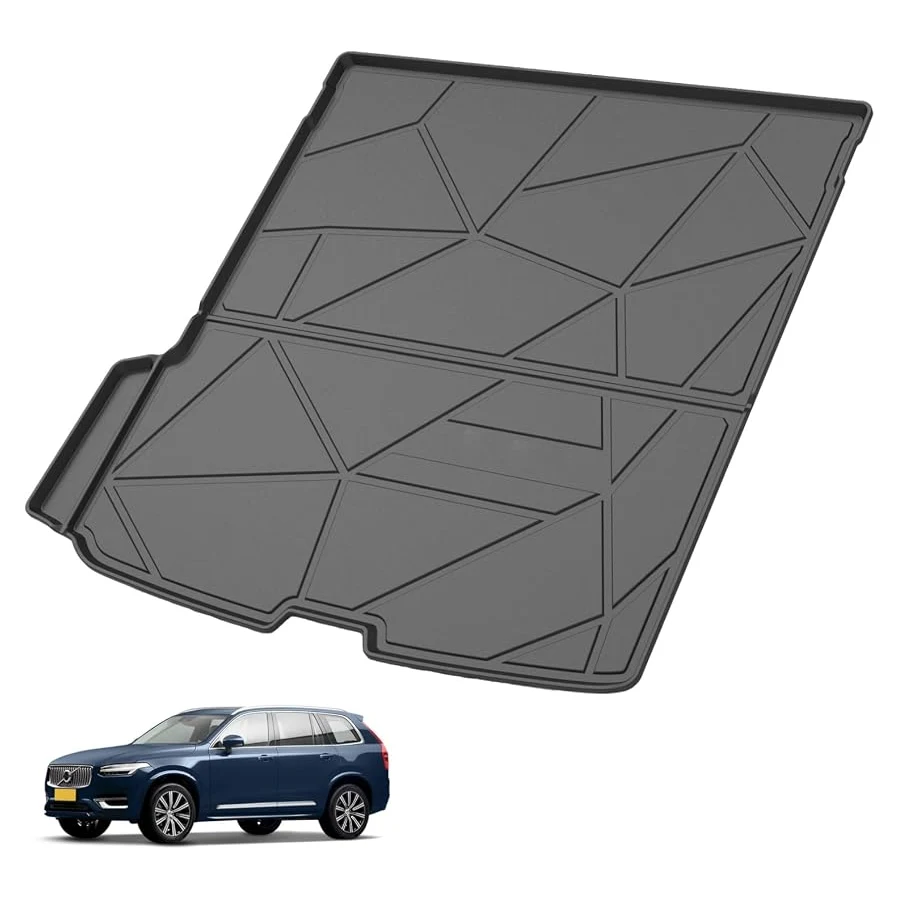
Elsetyler cargo liner for 2016-2026 Volvo XC90, custom-fit black TPE, all-weather, waterproof, easy-clean, non-slip protection.
A vehicle-fit accessory to compare for compatibility, daily usefulness, and value.
 Best Value
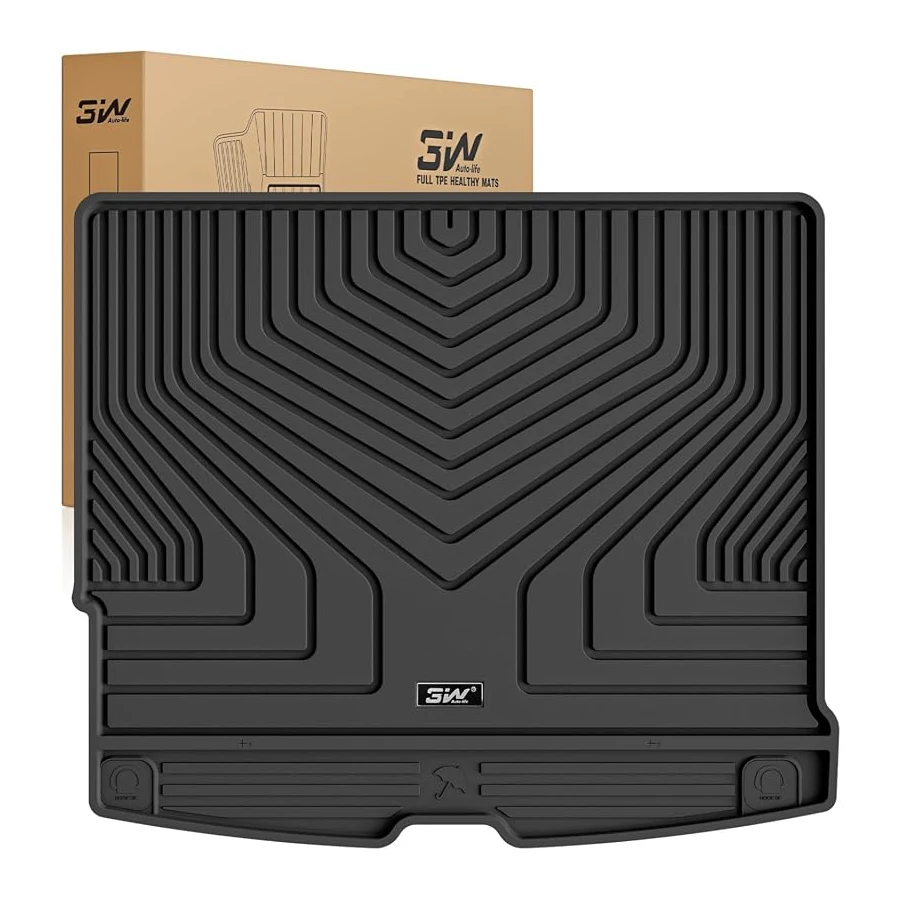
3W cargo liner for 2018-2026 Volvo XC60, custom-fit black TPE, all-weather, non-slip, easy to clean, full coverage.
A vehicle-fit accessory to compare for compatibility, daily usefulness, and value.
 Best Premium Option
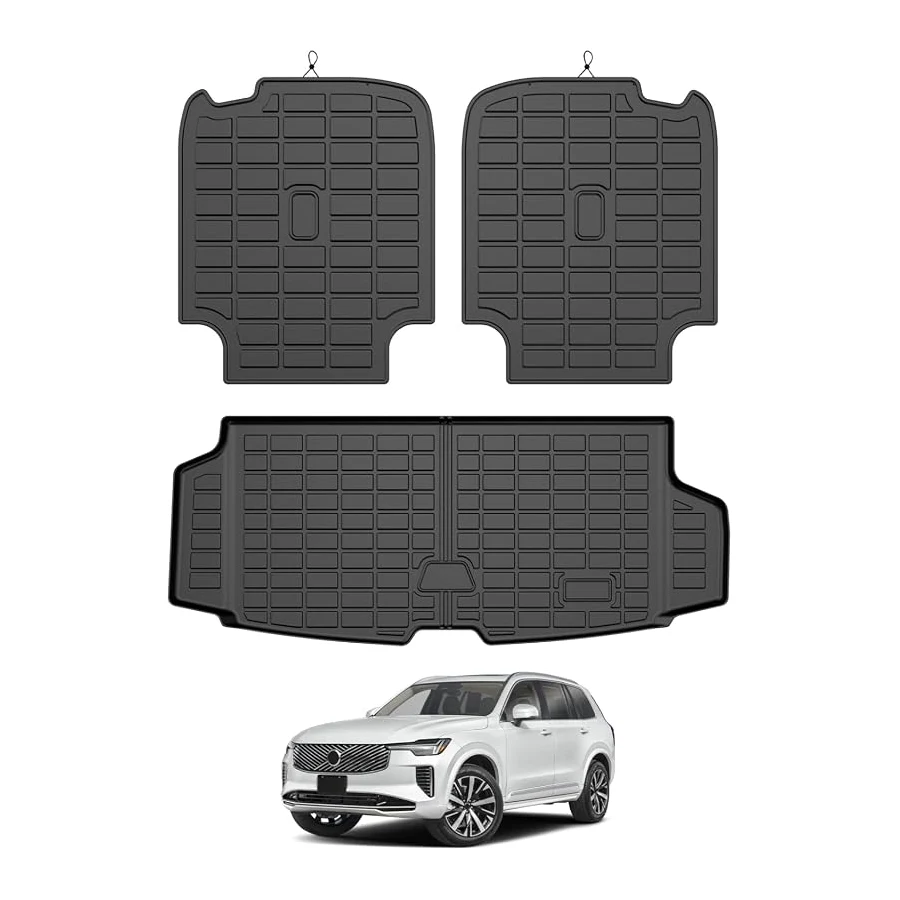
Mixsuper cargo liner for 2016-2026 Volvo XC90, TPE all-weather trunk and backrest mat, easy-clean protection.
A vehicle-fit accessory to compare for compatibility, daily usefulness, and value.
Sources and Methodology
This US‑market brand comparison covers 2024–2026 models using matched trims and common equipment where relevant. We referenced OEM specs, IIHS/NHTSA crash data, EPA fuel‑economy listings, charging‑standard announcements, and major reliability studies. Because ratings and equipment change mid‑cycle, verify the exact VIN’s options, test years and software versions. Data verified August 2026.
Author

Author

Evans Torres
I’m Evans Torres, an automotive engineer who loves Volvo cars. I graduated in Automotive Engineering from USC. I have worked in the car industry for years and now share my knowledge on The Volvo Life. I started this blog to connect with other Volvo fans. I offer tips, news, and advice to help you care for your car. My goal is to help you keep your Volvo in great shape and find all the best things about it. Join me as we discover everything Volvo has to offer!