


Volvo car maintenance costs vs Nissan is a classic premium-versus-mainstream trade-off: expect higher annual service and parts prices with Volvo, offset by upscale safety tech and materials, while Nissan generally runs cheaper to maintain but varies by model, especially CVT-equipped years.
If you’re choosing between a Volvo and a Nissan with long-term ownership in mind, it pays to zoom in on maintenance costs, parts pricing and reliability patterns rather than just MSRP. Premium hardware and advanced driver-assistance usually raise Volvo service and repair bills, particularly outside warranty.
Nissan’s mainstream lineup typically delivers lower annual maintenance costs and cheaper wear items. However, specific models and transmissions can swing the equation, and extended service contracts or prepaid maintenance can rebalance totals.
This U.S.-market guide uses well-known datasets and official sources to frame expected annual costs, common parts prices and reliability considerations. We also explain how safety tech, insurance and depreciation affect total cost of ownership—and when each brand makes better sense for your budget and needs.
- Main difference: Volvo’s premium components and ADAS sensors raise typical service and repair costs; Nissan’s mainstream parts and labor are generally cheaper.
- Best for A: Volvo suits buyers prioritizing top-tier safety tech, comfort and refinement who accept higher upkeep.
- Best for B: Nissan fits value-focused owners seeking lower routine maintenance and widely available affordable parts.
- Cost/value: Over 10 years, third-party estimates often show Volvo costing notably more to maintain than Nissan, though model, powertrain and care plans matter.
- Important caveat: Certain Nissan CVT generations have higher long-term risk; some Volvo air suspension/PHEV systems can also add cost. Verify the exact year and drivetrain.
Are Volvo and Nissan direct competitors?
No. Volvo is a premium brand positioned against luxury rivals, while Nissan is a mainstream brand competing on affordability and value. That price-position gap influences maintenance and parts costs.
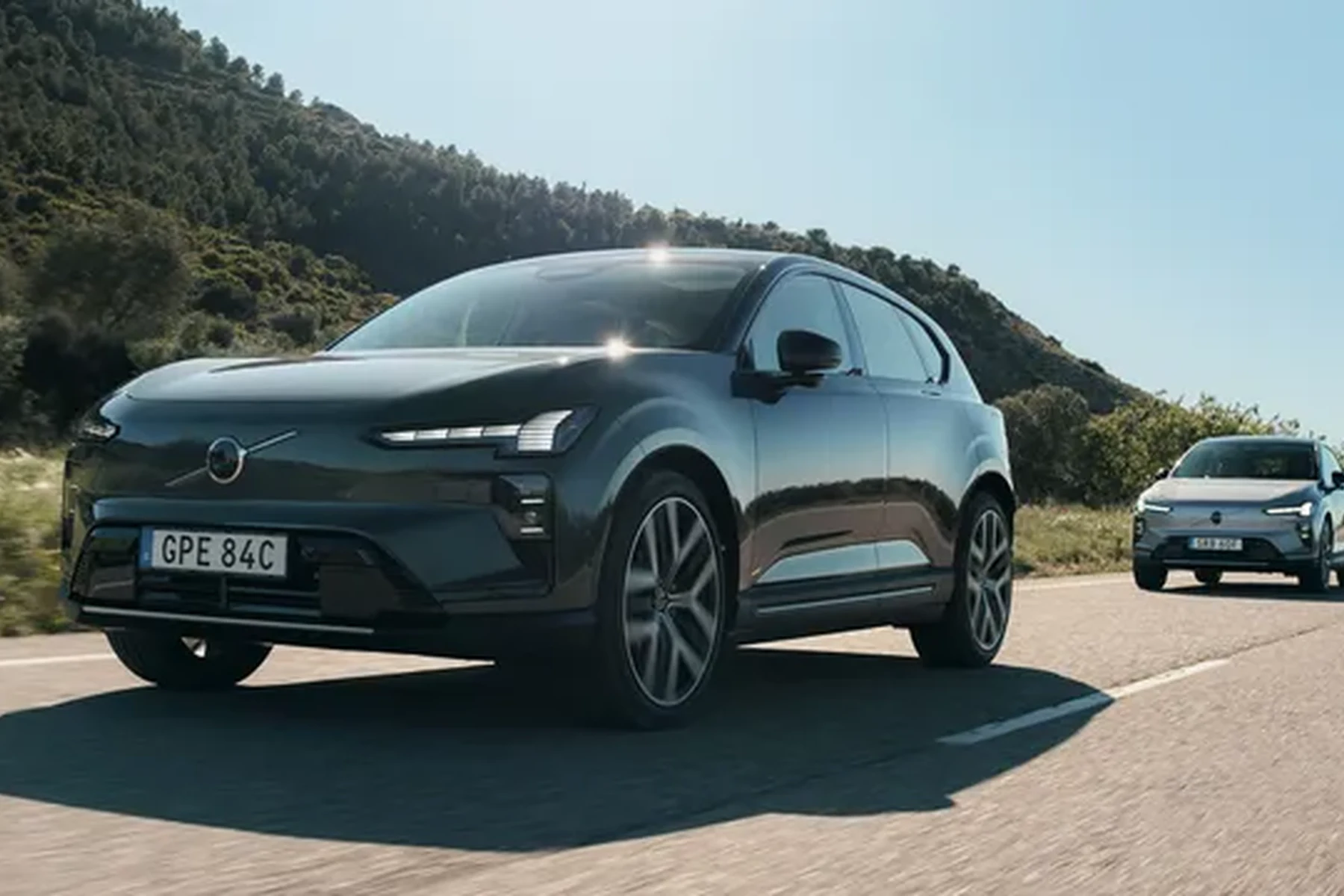
Shoppers still compare them because many cross-shop compact and midsize SUVs and sedans across price tiers, weighing lower Nissan upkeep against Volvo’s safety and comfort advantages.
Always match body style and powertrain when comparing. For instance, XC60 vs Rogue (compact SUV), S60 vs Altima (midsize sedan), XC90 vs Pathfinder (3-row SUV), and note AWD, hybrid/PHEV or EV differences.
At-a-glance comparison: Volvo vs Nissan ownership costs
This table summarizes decision-critical costs and characteristics for typical U.S. ownership. Ranges reflect model, year, region and labor rates. Use them as directional estimates, then request quotes for your specific VIN.
| Metric | Volvo | Nissan |
|---|---|---|
| Typical annual maintenance (post-warranty) | Higher-than-average for segment; premium parts and labor | Lower-than-average to average; mainstream parts/labor |
| 10-year maintenance outlook | Notably above mainstream; varies by model and options | Generally lower over 10 years; model-specific exceptions |
| Oil/filter service (dealer vs independent) | ~$150–$300 dealer; $100–$200 independent (full-synthetic) | ~$70–$180 dealer; $50–$150 independent (mostly synthetic) |
| Front brake pads/rotors (per axle installed) | ~$500–$900 depending on model/rotor type | ~$350–$700 depending on model/rotor type |
| 12V battery replacement (installed) | ~$300–$600 (AGM common on newer models) | ~$200–$400 (flooded or AGM by model) |
| Spark plug service (direct-injection turbo 4-cyl) | ~$250–$450 installed (iridium, 60k–100k mi typical) | ~$150–$300 installed (varies by engine) |
| Transmission fluid service | 8-spd AT: ~$300–$500 where specified | CVT: ~$250–$400 where specified |
| Advanced driver-assist sensor repair/calibration | Higher potential costs (radar, lidar, windshield cameras) | Usually lower; still can be significant on newer models |
| Warranty (new vehicle, U.S.) | Typically 4 yr/50k mi limited | Typically 3 yr/36k mi limited; 5 yr/60k mi powertrain |
| Insurance tendency | Often higher (luxury parts/ADAS) | Often lower (mainstream repair costs) |
Dealer labor rates in major metros can be 30–60% higher than independents. For Volvo, a reputable Volvo-specialist independent shop can trim costs without sacrificing expertise.
Main differences in maintenance costs and parts pricing
Volvo’s premium components, larger wheels/tires, sophisticated ADAS, and optional air suspension/PHEV parts push parts and labor higher. Repairs involving windshields or front clips may require costly sensor calibration.

Nissan’s mainstream parts typically cost less and are widely available aftermarket. Routine services and wear items are commonly cheaper, and independent shops are plentiful nationwide.
Where Volvo and Nissan are similar
Both offer broad SUV and sedan lineups with turbo 4-cylinders, advanced safety features and modern infotainment. Oil change cadence, brake wear and tire costs scale primarily with driving style, mileage and wheel size on either brand.
Windshield replacements on ADAS-equipped cars can exceed $1,000 after calibration—often more on luxury models. Compare comprehensive insurance deductibles before you buy.
Price, comparable trims and feature-adjusted value
New-for-new, Volvos cost more to buy, but include upscale materials and advanced safety as standard. That upfront spend correlates with higher repair and replacement part prices later.
Nissan’s lower MSRP and lower-cost parts mean a friendlier feature-adjusted value if your priority is total cash outlay over time rather than luxury appointments.
Size, seating, cargo and everyday practicality: Volvo vs Nissan
Match segments to compare practicality fairly: XC40 vs Rogue, XC60 vs Murano/Rogue, XC90 vs Pathfinder. Within each pair, passenger and cargo space are broadly similar, but Volvo cabins skew more premium.
Practical differences affecting costs include tire size and load rating. Larger Volvo wheels and performance tires can lift replacement prices compared with common Nissan sizes.
Before deciding, price a full set of tires for the exact wheel size on each model. A move from 18-inch to 20- or 21-inch rubber can add hundreds per set regardless of brand.
Interior comfort, visibility and cabin usability
Volvo interiors emphasize ergonomic seats, quiet cabins and minimalist controls, which add perceived value but do not lower upkeep. Premium finishes can increase repair costs after wear or minor damage.
Nissan cabins vary by model and trim, with strong everyday usability. Replacement interior trim and switchgear are often cheaper than premium-brand equivalents.
Infotainment, controls and technology costs over time
Volvo’s Google-based infotainment and rich sensor suite can raise out-of-warranty repair costs, especially after battery issues or module failures. Software updates may require dealer tools.
Nissan’s systems are simpler on many trims, with lower component costs. That said, newer ProPILOT Assist and 360° camera packages still introduce calibration and module costs.
- Confirm all cameras, sensors and driver aids initialize cleanly.
- Test CarPlay/Android Auto stability and voice control.
- Inspect windshield and bumper sensor areas for prior repairs or cracks.
Safety and driver assistance: upkeep implications
Both Volvo and Nissan earn strong crash-test results in many models and years from IIHS and NHTSA. Safety parity does not equal cost parity: repairing advanced systems can be pricier on premium brands.
If safety is your top concern, Volvo’s long safety focus is compelling, while many Nissan models also secure Top Safety Pick/TSP+ status depending on the year and trim.
Compare the same model year and trim against the same IIHS protocol. Headlight ratings and crash-prevention performance can change mid-cycle with equipment packages.
For deeper context on Volvo’s approach to safety, see our overview on Volvo safety vs other cars.
Performance, ride, handling and drivetrain
Volvo’s turbo and hybrid powertrains emphasize smooth torque and comfort-tuned ride, with optional air suspension on some models. Those systems can be expensive to service if they fail later.
Nissan’s lineup includes naturally aspirated and turbo engines, with many CVT applications. Ride and handling vary by model, with simpler hardware often translating to lower upkeep cost.
Fuel economy and energy costs
Fuel economy depends on the exact powertrain. Volvo’s mild-hybrid and PHEV options can cut fuel spend, but PHEVs add complexity and potential long-term battery/charger costs.
Nissan’s efficiency is competitive in mainstream segments, particularly on 4-cylinder CVT models. As always, real-world MPG hinges on driving mix and maintenance.
Reliability, known issues and evidence level
Aggregated dependability studies in recent years generally place Volvo around industry average, with variability by model and powertrain. Electronics, infotainment modules and occasional air suspension concerns appear in owner reports.
Nissan often trends average or better in dependability studies, but multiple model-years with JATCO CVT transmissions attracted complaints and legal attention. Reliability depends heavily on the specific model year and maintenance quality.
Before buying used, run the VIN for open recalls and TSBs, and research transmission type. A pre-purchase inspection by a brand-experienced technician is cheap insurance.
Maintenance, insurance, depreciation and total ownership cost
Third-party databases often show Volvo’s average annual maintenance outlay above mainstream brands due to premium parts and longer book times. Over a decade, total maintenance typically lands well above Nissan’s.
Nissan’s mainstream parts and labor keep routine costs modest. The outlier risk is select CVT generations, where major repairs can erase early savings; powertrain warranties help for newer cars.
Insurance tends to be higher for Volvo because of expensive body panels, sensors and calibration. Nissan’s simpler repairs often mean lower premiums in comparable ZIP codes and driver profiles.
Depreciation favors mainstream models on percentage stability, though absolute dollars vary. Premium models can lose more value early, which benefits used buyers but challenges first owners.
- Get two quotes: franchised dealer and reputable independent specialist.
- Ask for OEM vs high-quality aftermarket parts pricing where appropriate.
- Price prepaid maintenance and extended service contracts with clear coverage.
If you want Volvo-specific service intervals and tasks, see our detailed Volvo maintenance schedule and our Volvo scheduled maintenance cost guide to benchmark realistic service pricing.
Resale value and daily practicality
Resale stability for both brands depends on model desirability and powertrain. Well-documented service history and clean bodywork meaningfully lift resale across Volvo and Nissan.
Daily practicality hinges on seat comfort, cargo usability and driver aids you’ll use. Those choices can indirectly affect costs via tire sizes, brake wear and ADAS repair exposure.
Volvo Pros and Cons
- Top-tier safety tech and crashworthiness in many models
- Refined cabins and supportive seats
- Strong mild-hybrid and PHEV options
- Higher routine service and repair costs
- ADAS/suspension repairs can be expensive
- Insurance often pricier than mainstream brands
Nissan Pros and Cons
- Generally lower annual maintenance costs
- Affordable parts, widespread aftermarket support
- Competitive safety and efficiency on core models
- Some CVT generations carry higher long-term risk
- Cabin materials and NVH trail premium rivals
- Advanced tech packages still add repair complexity
Which vehicle is better for different buyers?
Alternatives worth considering
If you want lower premium-brand upkeep, consider Lexus or Acura for strong reliability records. For mainstream value, Honda and Toyota are logical cross-shops to benchmark Nissan against.
Within Volvo’s own lineup, trim and wheel choices materially affect running costs; smaller wheels and touring tires are cheaper to replace than performance setups.
For a premium-versus-mainstream cost comparison with Toyota specifically, see our analysis of Volvo vs Toyota.
How to Decide Between Volvo and Nissan
- Match vehicles by segment and powertrain. Compare XC60-to-Rogue/Murano or S60-to-Altima with the same drivetrain.
- Request real quotes. Price the next 24 months of services and two common repairs at a dealer and an independent shop.
- Audit tires and brakes. Price four tires in your exact size and a full axle brake job for both candidates.
- Check reliability by VIN. Review recalls/TSBs and focus on transmissions (CVT vs AT) and hybrid/PHEV components.
- Factor insurance and glass. Get premiums for both VINs and ask windshield/sensor calibration costs before buying.
Done well, this process reveals the true cost gap more clearly than MSRP comparisons or generic averages.
💡 Evans Torres Tip: Ask the service advisor to print the factory maintenance schedule for your exact VIN and highlight time- or mileage-based items due in the first three years. Then add tire/brake estimates and one ADAS calibration quote. That single-page forecast is the cleanest way to compare real-world costs across brands and trims.
Frequently Asked Questions
These answers address the most common cost, reliability and upkeep questions U.S. shoppers ask when weighing Volvo against Nissan. Figures are directional and vary by model year, powertrain, region and shop rates. Always verify against the VIN, local labor rates and parts availability before making a purchase decision.
Is a Volvo always more expensive to maintain than a Nissan?
Generally yes, because Volvo is a premium brand with pricier parts and more complex systems. However, a simple, newer Nissan may be cheaper short term than a high-tech Volvo, while a Nissan with a problematic CVT history could cost more over time than a well-kept Volvo.
What’s the typical annual maintenance cost difference?
Third-party datasets often place Volvo above the industry average and Nissan around average or below for routine upkeep. Depending on model and mileage, a few hundred dollars per year difference is common, expanding with premium tires, brakes and ADAS repairs on Volvo.
Are oil changes and brake jobs noticeably pricier on Volvo?
Usually. Full-synthetic oil and premium filters at Volvo dealers tend to cost more than comparable Nissan services. Brake parts and labor are also typically higher on Volvo, especially with larger rotors or performance packages. Independent shops can narrow the gap.
How do CVT concerns affect Nissan ownership costs?
Some Nissan CVT generations have higher failure risk in owner reports. If you’re shopping those years, check maintenance records, consider a powertrain warranty and get a pre-purchase inspection. A major CVT repair can offset years of lower routine costs.
Do Volvo PHEVs lower overall costs?
They can reduce fuel spend if you charge regularly and drive mostly short trips on electric power. Still, PHEVs add complexity—cooling components, high-voltage parts and chargers—that may increase long-term repair risk compared with non-hybrids.
Which brand has better long-term reliability?
Both hover around industry average in many studies, but outcomes vary by model and year. Volvo’s electronics and air suspension can add risk; Nissan’s CVT history is the key watchout. Focus on the exact vehicle’s records rather than brand generalities.
Will insurance be higher on Volvo?
Often, yes. Premium body panels, sensors and calibration drive higher claim costs. Nissan’s mainstream parts and wider aftermarket support typically keep premiums lower, though driver profile and ZIP code matter more than brand alone.
Are prepaid maintenance or extended warranties worth it?
They can be for higher-tech vehicles or if you prefer dealer service. Compare contract cost against the factory schedule and likely repairs, confirm parts/labor rates, and note exclusions. For Volvo specifics, review your VIN’s schedule and local pricing first.
Final Verdict
If you prioritize the lowest day-to-day ownership costs, Nissan generally wins with cheaper routine services, parts and insurance. Just vet the exact model-year powertrain—especially CVTs—and lock in maintenance documentation and a strong warranty.
If you want premium comfort and safety tech and you’re comfortable budgeting more for upkeep, Volvo delivers a richer driving and ownership experience. Its higher maintenance, calibration and tire/brake costs are predictable if you plan ahead and use a reputable independent specialist when possible.
For a Volvo-specific view of what’s due and what it costs, start with our in-depth Volvo maintenance schedule and the companion scheduled maintenance cost guide to build your personalized forecast.
My Top Picks at a Glance
These three Volvo accessories are practical options to compare after choosing the right Volvo configuration.
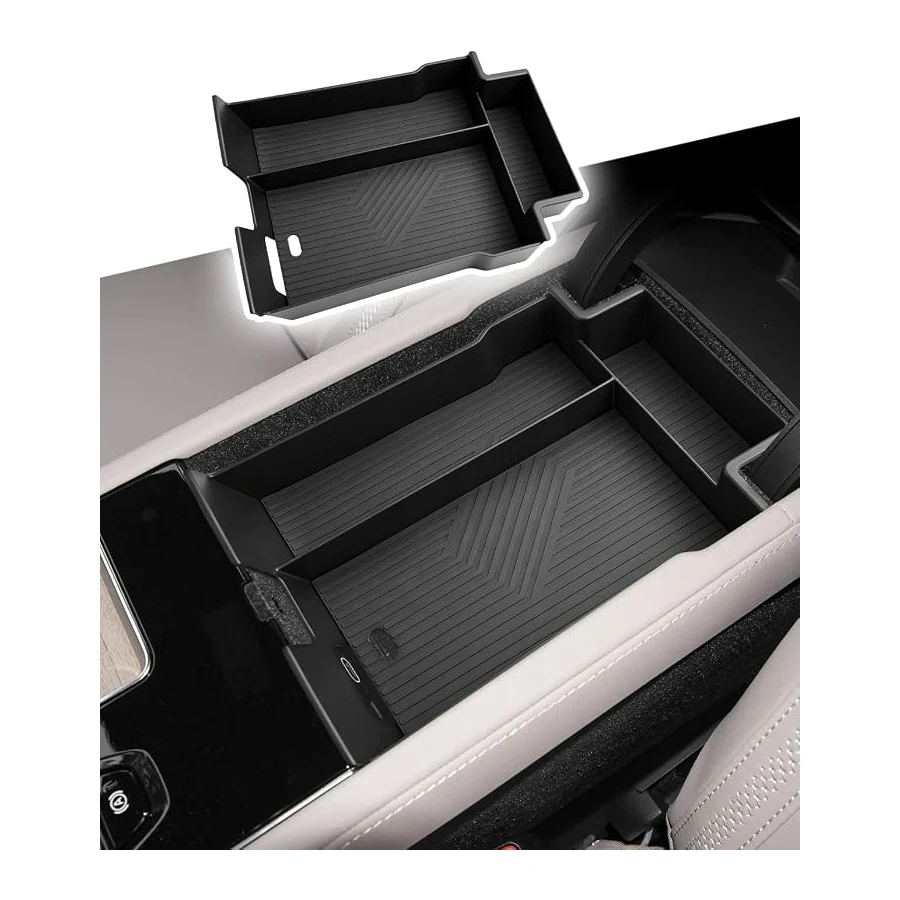 Best Overall
Drop-in center console organizer for 2026+ Volvo XC90, OEM fit for all trims, anti-slip mats.
A vehicle-fit accessory to compare for compatibility, daily usefulness, and value.
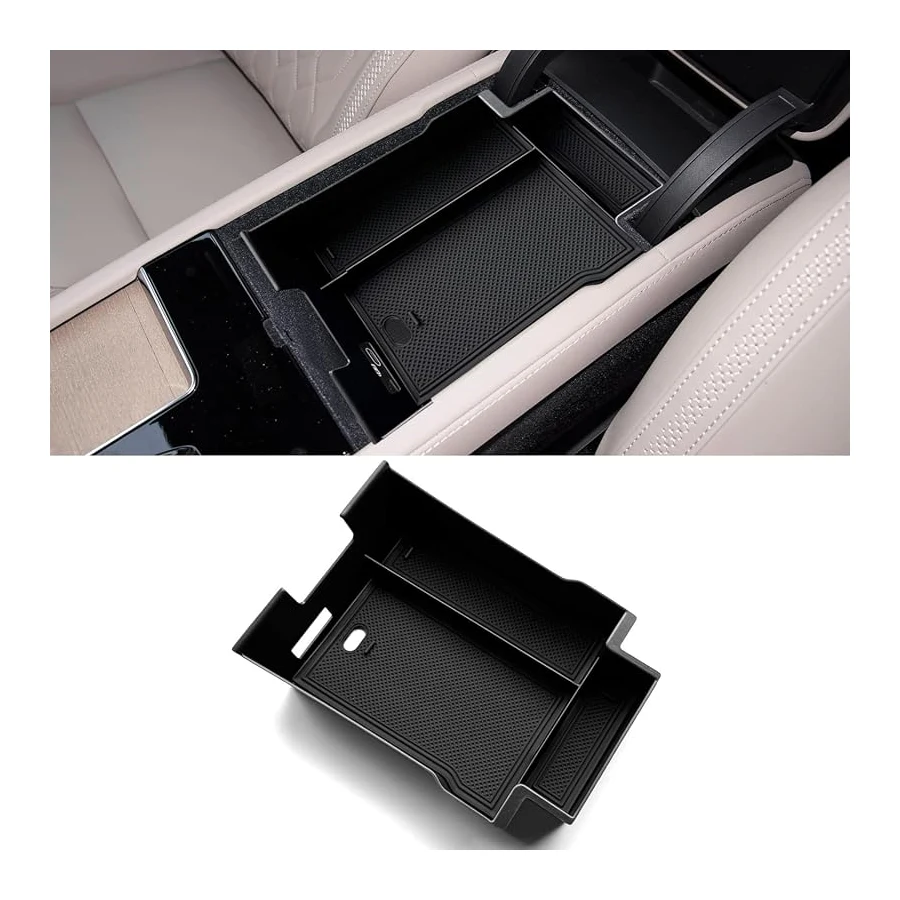 Best Value
Center console tray organizer for 2026 Volvo XC90, ABS insert, anti-slip lining, easy to clean.
A vehicle-fit accessory to compare for compatibility, daily usefulness, and value.
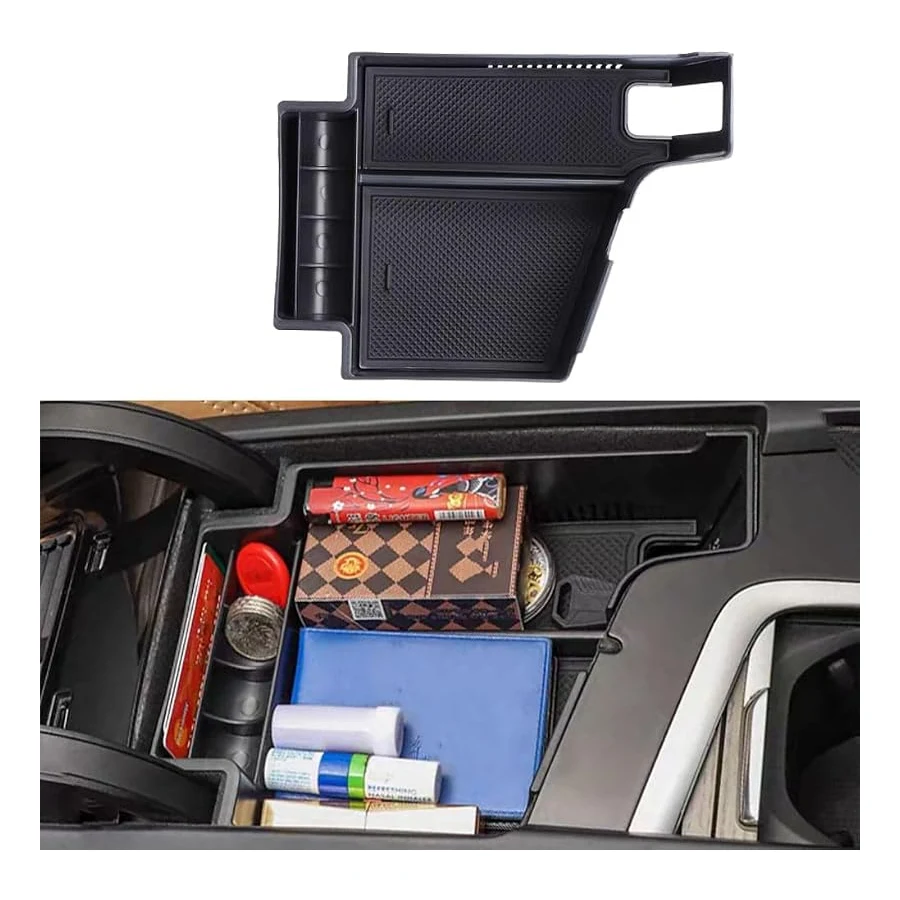 Best Premium Option
Center console organizer tray for Volvo XC60/XC90/S60/S90/V60/V90, armrest insert, anti-slip, easy-clean durable ABS construction.
A vehicle-fit accessory to compare for compatibility, daily usefulness, and value.
Sources and Methodology
U.S.-market analysis focusing on 2019–2026 models, matching comparable segments and common powertrains. Annual and 10-year cost outlooks reference reputable third-party maintenance databases and industry studies; safety notes reference IIHS/NHTSA; reliability context references broad dependability studies plus documented owner-report patterns. Exact costs vary by VIN, region, labor rate and parts choice. Data verified August 2026.
Author

Author

Evans Torres
I’m Evans Torres, an automotive engineer who loves Volvo cars. I graduated in Automotive Engineering from USC. I have worked in the car industry for years and now share my knowledge on The Volvo Life. I started this blog to connect with other Volvo fans. I offer tips, news, and advice to help you care for your car. My goal is to help you keep your Volvo in great shape and find all the best things about it. Join me as we discover everything Volvo has to offer!