


In used car volvo.60 vs ford escape comparisons, the trade-off is premium sedan comfort and safety cachet (Volvo S60) versus SUV room, visibility, and standout hybrid mpg (Ford Escape). Shoppers choose between a quieter, more refined drive or bigger cargo and lower fuel costs.
Cross-shopping a used Volvo S60 and a Ford Escape makes sense when your budget is fixed and you’re choosing between upscale ride quality and SUV practicality. They’re not the same shape or class, but in the U.S. used market their prices often overlap, especially from 2019 onward.
This guide focuses on value, reliability, fuel economy, safety, and comfort to help you decide. We match common trims and engines, highlight recalls and ownership costs, and explain where each vehicle shines day to day. All data reflects U.S. models and authoritative sources verified through August 2026.
If you’re comparing a non-hybrid Escape, the S60’s refinement can be surprisingly attainable. If you want the lowest running costs, an Escape Hybrid or PHEV can undercut almost any S60 on fuel spend. Let’s break down the differences that matter.
- Main difference: Volvo S60 = premium sedan comfort and safety image; Ford Escape = SUV space, visibility, and excellent hybrid mpg.
- Best for A: Volvo S60 suits commuters and road-trippers who value a quiet cabin, plush seats, and confident highway manners.
- Best for B: Ford Escape suits families needing flexible cargo, easier child-seat loading, and the option for 40+ mpg Hybrid or a PHEV.
- Cost/value: Feature-adjusted, a used S60 can rival non-hybrid Escape prices; Escape Hybrid/PHEV typically wins long-term fuel savings.
- Important caveat: Escape had several high-profile recalls (certain 2020–2023 engines); S60 repairs can be pricier—verify history either way.
Are Volvo S60 and Ford Escape direct competitors?
No—Volvo S60 is a compact luxury sedan; Ford Escape is a compact SUV. They differ in ride height, cargo flexibility, and brand positioning.
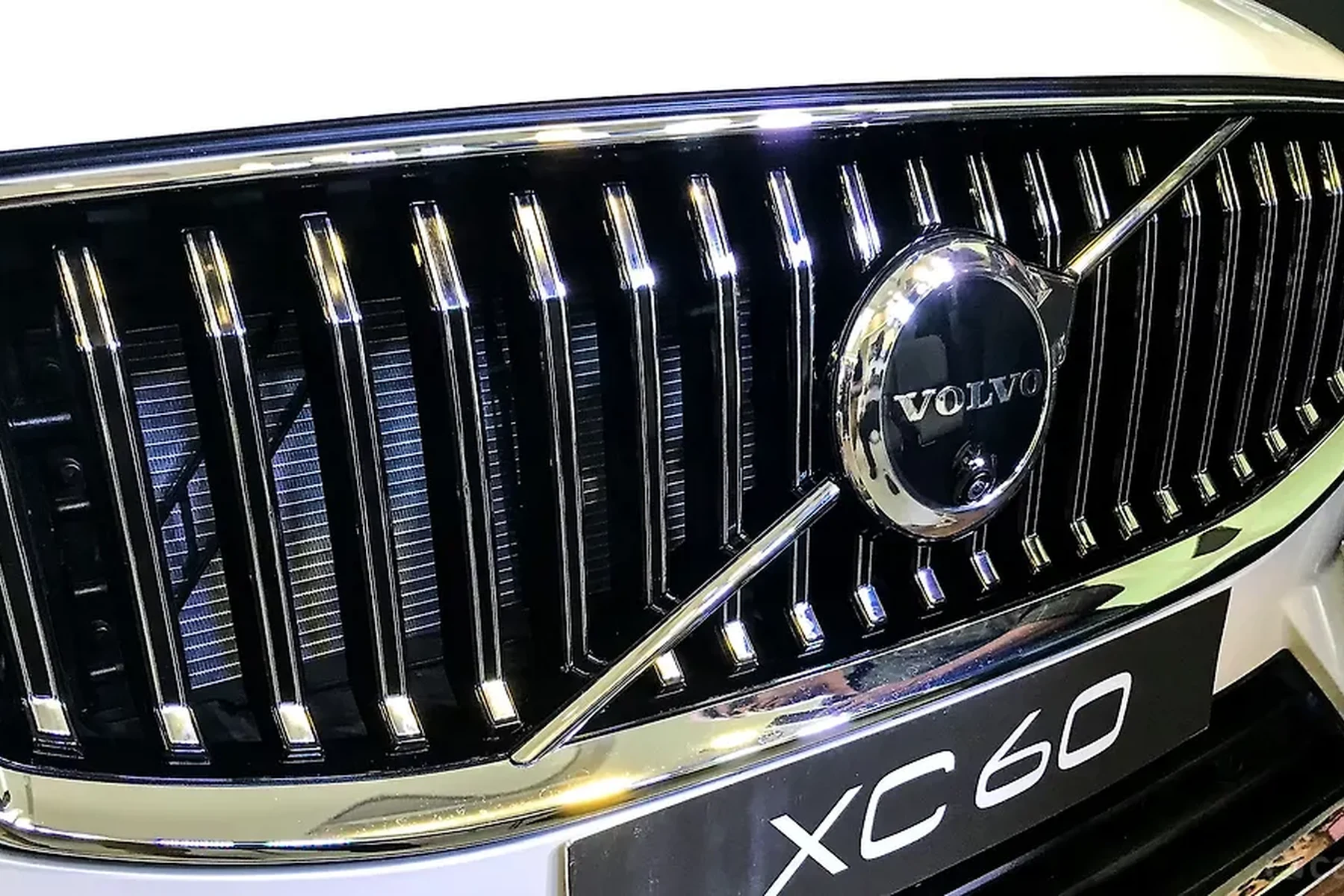
Used buyers still compare them because pricing overlaps, and the Escape Hybrid/PHEV competes on running costs while the S60 counters with refinement and safety prestige.
Sedans like the S60 often depreciate faster than hot-selling small SUVs. That puts a well-equipped S60 next to a similarly priced Escape—especially if the Ford is hybrid or lower trim.
At-a-glance comparison: Volvo S60 vs Ford Escape
Here’s a quick side-by-side of attributes shoppers weigh most when the same budget could buy either vehicle. Numbers vary by model year and trim; see notes for exact powertrains.
| Key point | Volvo S60 | Ford Escape |
|---|---|---|
| Segment/body | Compact luxury sedan (5 seats) | Compact SUV/crossover (5 seats) |
| Powertrains | 2.0T mild-hybrid (B5/B6), earlier T5/T6; plug-in hybrid (Recharge/T8) | 1.5L turbo 3-cyl, 2.0L turbo 4-cyl; Hybrid (HEV) and Plug-in Hybrid (PHEV) |
| Output range | ~247–455 hp depending on year/trim | ~181–250 hp; HEV/PHEV emphasize efficiency |
| Drivetrain | FWD/AWD (varies by trim/year) | FWD/AWD; PHEV is FWD in most years |
| EPA economy highlights | B5/T5 ~28 mpg combined; T8/Recharge PHEV up to ~69 MPGe (vary by year) | Hybrid ~40–41 mpg combined; PHEV ~37 EV miles + ~40 mpg (EPA) |
| Cargo/trunk | Sedan trunk; less vertical space; split-fold rear | Flexible SUV cargo; larger hatch opening and load height |
| Ride/quiet | Quieter, more composed; premium seat ergonomics | Softer around town; more wind/road noise than S60 |
| Safety tech | City Safety AEB; optional Pilot Assist; strong crash scores | Ford Co-Pilot360; strong crash scores; broad availability |
| Used-price positioning | Often similar to non-hybrid Escapes; can underprice Escape Hybrid | Hybrid/PHEV command a premium; non-hybrid closer to S60 pricing |
Main differences between Volvo S60 and Ford Escape
The Volvo S60 emphasizes cabin serenity, seat comfort, and a luxury-brand safety image, with available high-output engines and a refined highway ride. The Ford Escape focuses on utility: upright seating, easier ingress/egress, and class-leading hybrid fuel economy and cargo flexibility.
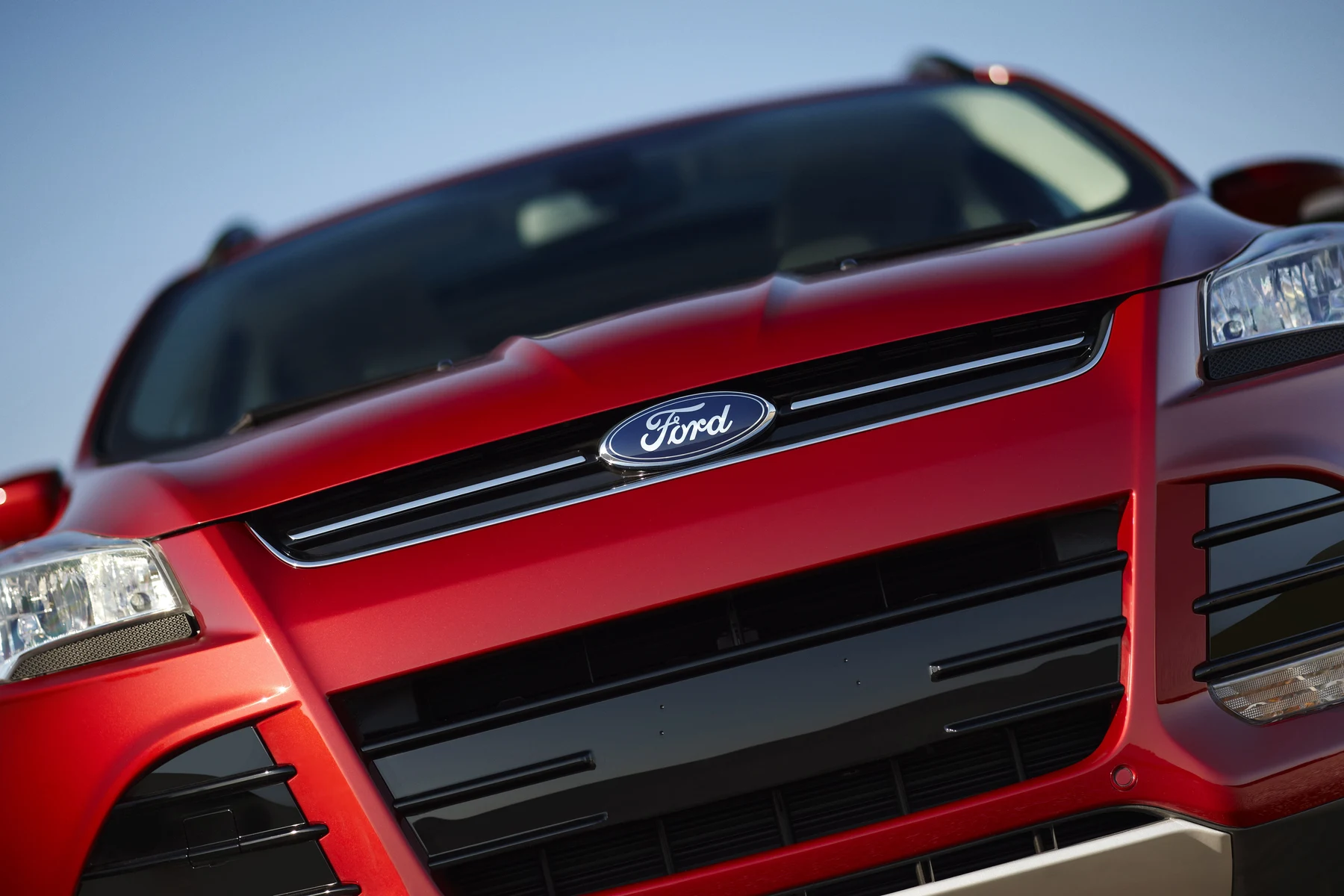
If you drive long freeway miles, the S60’s steering stability and noise isolation stand out. If your lifestyle includes strollers, sports gear, or taller passengers, the Escape’s hatch and headroom make life easier.
Similarities and common ground
Both offer modern driver-assistance suites, available AWD (except many PHEV Escapes), and Apple CarPlay/Android Auto. Each can be a comfortable commuter with good crash-test results when properly equipped and maintained.
Match apples to apples: compare 2019–2022 S60 T5/T6 to 2020–2022 Escape 1.5T/2.0T/Hybrid, and 2023–2024 S60 B5/B6/Recharge to the 2023–2024 Escape (post-refresh). Verify drivetrain (FWD/AWD) and active-safety options on the exact VIN.
Price, comparable trims and feature‑adjusted value
Feature for feature, a used Volvo S60 often prices competitively against a non-hybrid Escape, thanks to stronger sedan depreciation. That means leather, advanced safety, and a quieter cabin for similar money to a mid-trim Escape.
Escape Hybrids and PHEVs typically carry higher used prices but return significant fuel savings. If you drive 12,000–15,000 miles a year, the hybrid’s lower fuel spend can outweigh a higher purchase price over a 3–5 year horizon.
Calculate total cost: purchase price + sales tax/fees + fuel (EPA + your energy rates) + insurance + tires + routine service + a repair buffer. Premium tires and insurance are usually higher on S60; fuel is usually lower on Escape Hybrid/PHEV.
Depreciation favors buyers choosing the S60 used; the Escape’s resale is stronger, especially for HEV/PHEV, which can keep five-year costs close when fuel prices rise.
Size, seating, cargo and everyday practicality
The Ford Escape is easier for families. It offers a tall hatch for bulkier items, higher seating for easier entry, and better rear headroom. Loading child seats is typically simpler thanks to door and seat height.
The Volvo S60 has a sedan trunk and a lower seating position. It’s fine for two adults and occasional back-seat use, but the Escape’s cargo bay and adjustable rear seats make weekly errands and road trips more flexible.
- Bring a stroller or golf bag to verify fit.
- Install your child seat and check LATCH anchor access.
- Measure garage clearance and hatch/trunk opening angle.
- Confirm rear-seat comfort for your tallest passenger.
Interior comfort, visibility and cabin usability
The Volvo S60’s front seats are a standout—supportive on long trips with high-quality materials and low cabin noise at speed. Visibility is good for a sedan, and ergonomics feel premium once you learn the menu structure.
The Ford Escape provides the airy view many buyers want, with a commanding seating position and simpler physical controls. Cabin noise is higher than the S60 on the highway, but around-town ride comfort is relaxed and easygoing.
Infotainment, controls and technology
Volvo S60 models up to 2022 use a portrait touchscreen running Sensus with CarPlay/Android Auto; 2023+ transitions to Google built-in with native Maps/Assistant and OTA updates. Some owners report occasional Sensus lag in earlier years.
Ford Escape uses SYNC 3 on early 2020–2022 models and the updated SYNC 4A-style interface on the 2023 refresh, with wireless smartphone mirroring available on higher trims. Physical climate controls remain straightforward across years.
On 2023–2024 S60, Google built-in enables native Maps route planning that factors traffic and charging for Recharge models—handy for PHEV users who plug in frequently.
Safety and driver assistance: scores and equipment
Both perform well in U.S. crash tests when comparably equipped. The Volvo S60 has earned strong IIHS results (Top Safety Pick/TSP+ in several years) and high NHTSA scores, and it includes City Safety automatic emergency braking.
The Ford Escape also posts solid IIHS and NHTSA results, with Ford Co-Pilot360 (AEB, blind-spot, lane-keep) widely available. Headlight and options can affect IIHS awards—confirm your exact VIN’s equipment.
- Confirm IIHS headlight rating and AEB availability for your VIN.
- Check NHTSA recalls and completion status for the exact model year and engine.
- Test adaptive cruise/Pilot Assist on a safe highway stretch to confirm function.
For deeper Volvo safety context, see our explainer on how Volvo benchmarks safety against rivals in Volvo safety vs. other cars.
Performance, ride, handling and drivetrain
The Volvo S60 feels more planted at speed, with tauter body control and optional higher-output engines (B6/T6 and Recharge) that out-accelerate most Escapes. Steering is calmer on the highway, which reduces fatigue.
The Ford Escape prioritizes ease and efficiency. The Hybrid is smooth in city use, and the 2.0T adds pep while remaining comfort-biased. AWD is common on non-PHEV models, helpful in snow-belt regions.
Fuel economy and range: gas, hybrid and PHEV
EPA data gives the Ford Escape Hybrid a decisive efficiency lead: around 40–41 mpg combined, with the PHEV adding roughly 37 miles of EV range before running as a hybrid at ~40 mpg. That slashes fuel bills for urban and mixed driving.
The Volvo S60 B5/T5 sits near the high-20s combined, with B6/T6 lower. The S60 Recharge/T8 PHEV delivers strong electric range for the class and excellent MPGe when charged regularly, though most U.S. S60s on the used market are non-PHEV.
- Escape Hybrid drivers see the biggest gains in stop‑and‑go use.
- S60 Recharge owners benefit most if they can charge at home nightly.
- Winter tires and roof racks can cut mpg on both vehicles—factor this in.
Reliability, known issues and evidence level
Overall reliability is mixed for both, varying by engine and year. The Ford Escape (2020–2023) has several notable NHTSA recalls, including issues on certain 1.5L and 2.5L hybrid/PHEV builds; confirm recall completion on any candidate.
The Volvo S60 reports fewer high-profile recalls but can have costlier out-of-warranty repairs, particularly for electronics and suspension on larger wheels. Early Sensus infotainment glitches and occasional sensor-related warning lights are the most common owner complaints.
Use large datasets and official records where possible; model-specific scores differ from brand averages. If you’re new to Volvo ownership, our best used Volvo to buy guide explains which powertrains age most gracefully.
Maintenance, insurance, depreciation and total ownership cost
Routine service on the S60 follows annual/10k-mile intervals and uses premium fluids and filters; dealer labor rates and 18–19 inch tires can add cost. Insurance may be higher for a luxury badge, too.
The Escape’s parts and labor are generally more affordable. However, Hybrid/PHEV owners should budget for specialized maintenance and ensure software updates are current. Depreciation favors buying the S60 used; resale favors owning the Escape longer.
Read the maintenance book before you buy and price the next two services in your ZIP code. Our overview of the Volvo maintenance schedule helps you anticipate factory intervals and typical wear items.
Resale outlook and daily livability
The Escape—especially Hybrid/PHEV—holds value well thanks to demand for efficient small SUVs. That benefits long-term owners and those planning to trade in sooner.
The S60’s sharper depreciation is a used-buyer advantage. You can capture a higher-spec, quieter car for the money—just budget appropriately for premium tires and potential electronics fixes as the vehicle ages.
Volvo S60 Pros and Cons
- Refined, quiet ride; excellent long‑trip seats
- Luxury safety image and strong crash results
- Powerful optional engines; available PHEV
- Attractive used pricing relative to original MSRP
- Less cargo flexibility; lower seating position
- Premium tires/repairs can be pricey
- Early Sensus infotainment can feel laggy
- Fuel economy trails Escape Hybrid in most use
Ford Escape Pros and Cons
- Big utility in a small footprint; easy access
- Excellent HEV/PHEV efficiency; low fuel costs
- Straightforward controls and family-friendly ergonomics
- Strong resale on Hybrid/PHEV
- More cabin noise than S60 on the highway
- Several high-profile recalls (certain years/engines)
- PHEV commonly FWD only; AWD availability varies
- Interior materials less premium than S60
Which vehicle is better for different buyers?
Alternatives worth considering
If the Volvo S60 appeals but you want more space, consider Volvo V60, Acura TLX, BMW 3 Series, or Audi A4 (with folding seats). If the Escape fits but you want a more refined drive, look at Toyota RAV4 Hybrid, Honda CR‑V Hybrid, or Mazda CX‑5/ CX‑50.
Curious how modern safety compares across eras and brands? Our primer on old Volvo vs. new-car crash outcomes explains why recent crash standards change the equation.
How to Decide Between Volvo S60 and Ford Escape
- Set your fuel budget. If gas spend is critical, price an Escape Hybrid/PHEV against your annual miles and local energy rates.
- Measure your stuff. Bring the stroller, golf bag, or crates to the lot and confirm fit in both vehicles.
- Drive your route. Test both on your regular commute and a short highway stint to compare noise and seat comfort.
- Run the VINs. Check IIHS headlight ratings, NHTSA recalls, and options like adaptive cruise or blind‑spot monitors.
- Total the math. Add insurance quotes, tires, and the next two services to your price; pick the lower 3–5 year TCO.
Before moving to FAQs, one targeted shopping tactic can save time and money.
💡 Evans Torres Tip: When comparing an S60 with an Escape Hybrid, ask sellers for a 15-minute cold start and a 15-minute highway cruise. Listen for infotainment glitches or warning lights on the S60, and verify EV/hybrid system operation on the Escape, including battery state-of-charge retention after the highway leg.
Frequently Asked Questions
This FAQ addresses the most common used-buyer concerns: safety, reliability, ownership costs, fuel economy, winter performance, and practicality. Answers reflect U.S. models from 2019–2024 (S60) and 2020–2024 (Escape), using official data where available and market research verified through August 2026.
Is a used Volvo S60 or Ford Escape cheaper to own over 5 years?
It depends on powertrain and miles. Escape Hybrid/PHEV typically wins on fuel and often on resale. An S60 can match or beat a non‑hybrid Escape on purchase price but may cost more for insurance, tires, and some repairs. Tally the full TCO for your ZIP.
Which has better fuel economy in real life?
Ford Escape Hybrid delivers about 40–41 mpg combined per EPA, and the PHEV adds roughly 37 miles of EV range. Most S60 gasoline models land in the high‑20s combined. The S60 Recharge PHEV is efficient when charged, but such trims are rarer used.
Which is safer: Volvo S60 or Ford Escape?
Both post strong IIHS/NHTSA results when comparably equipped. The S60 enjoys a long-standing safety reputation and has earned TSP/TSP+ in several years; Escape also scores well with Co‑Pilot360 widely available. Verify headlights and AEB on the exact VIN.
Are there notable recalls I should know about?
Yes. Certain 2020–2023 Escape engines (including some 1.5L and 2.5L hybrid/PHEV builds) have multiple NHTSA recalls—confirm completion. The S60 has fewer headline recalls but still check any VIN. Always review NHTSA records before purchase.
Which is more comfortable for long trips?
The Volvo S60, thanks to quieter cabins and excellent seats, tends to reduce fatigue on long highway drives. The Escape rides comfortably around town and offers more space to spread out, but it’s generally noisier at freeway speeds.
How do they handle winter and snow?
AWD versions of both handle winter well with proper tires. The Escape’s ground clearance and seating height help in light snow. The S60’s stability at speed is excellent, but sedan ride height means you’ll rely more on winter tires than clearance.
Can either tow meaningfully?
Some Escapes (especially 2.0T with the tow package) tow up to competitive small‑SUV ratings. S60 towing is modest and less common in the U.S. If towing matters, verify the specific tow rating and required equipment for the exact trim and year.
Which one holds value better?
Generally the Escape Hybrid/PHEV holds value better due to fuel economy demand. Luxury sedans like the S60 depreciate faster new-to-used, which benefits used buyers seeking more features for the money but reduces resale later.
Final Verdict
If you want a serene commute, premium-feeling cabin, and strong highway manners, the Volvo S60 is the smarter used buy—especially when its pricing matches a non‑hybrid Escape. It trades cargo flexibility for refinement and the safety prestige many buyers seek.
If you value space, easy loading, and the lowest fuel bills, the Ford Escape Hybrid or PHEV is the efficient choice. It sacrifices some quietness and material richness but delivers everyday usability and strong resale.
Pick the S60 for comfort-first driving and upscale features; pick the Escape for family practicality and efficiency. If your shortlist includes S60 Recharge vs Escape PHEV, let charging access, AWD needs, and your daily route decide.
My Top Picks at a Glance
These three ESCAPE accessories are practical options to compare after choosing the right Volvo configuration.
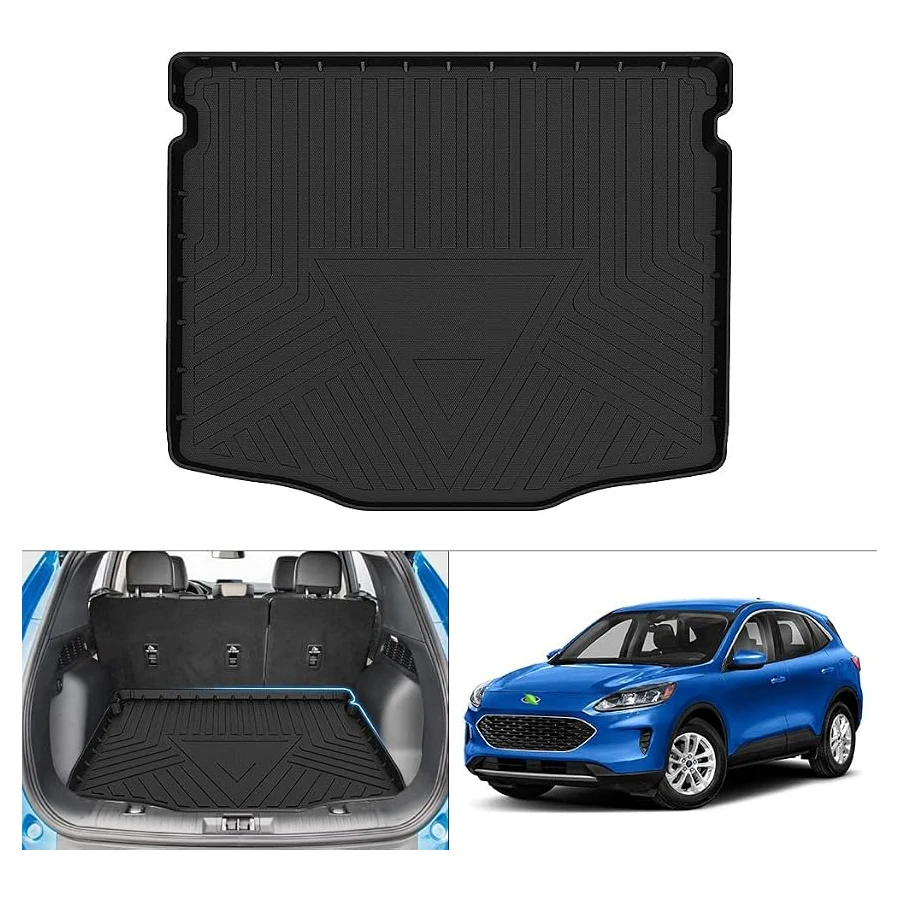 Best Overall
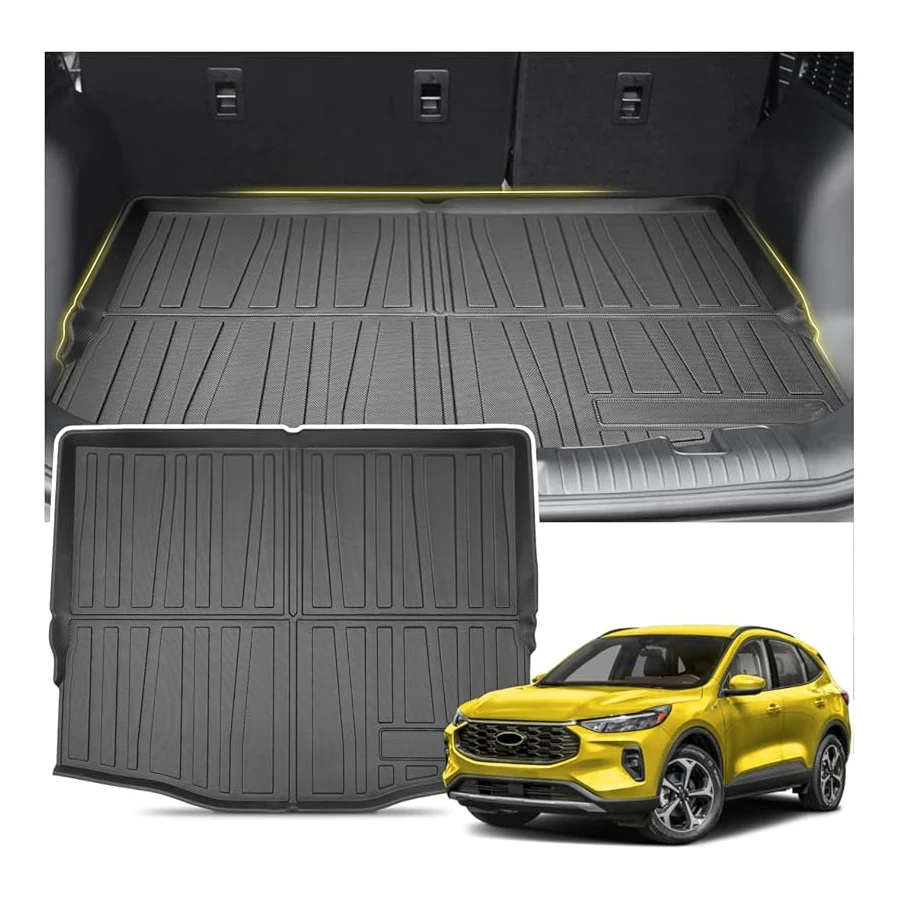
All-weather trunk cargo liner for Ford Escape 2020–2026, heavy-duty custom mat protects carpet
A vehicle-fit accessory to compare for compatibility, daily usefulness, and value.
 Best Value
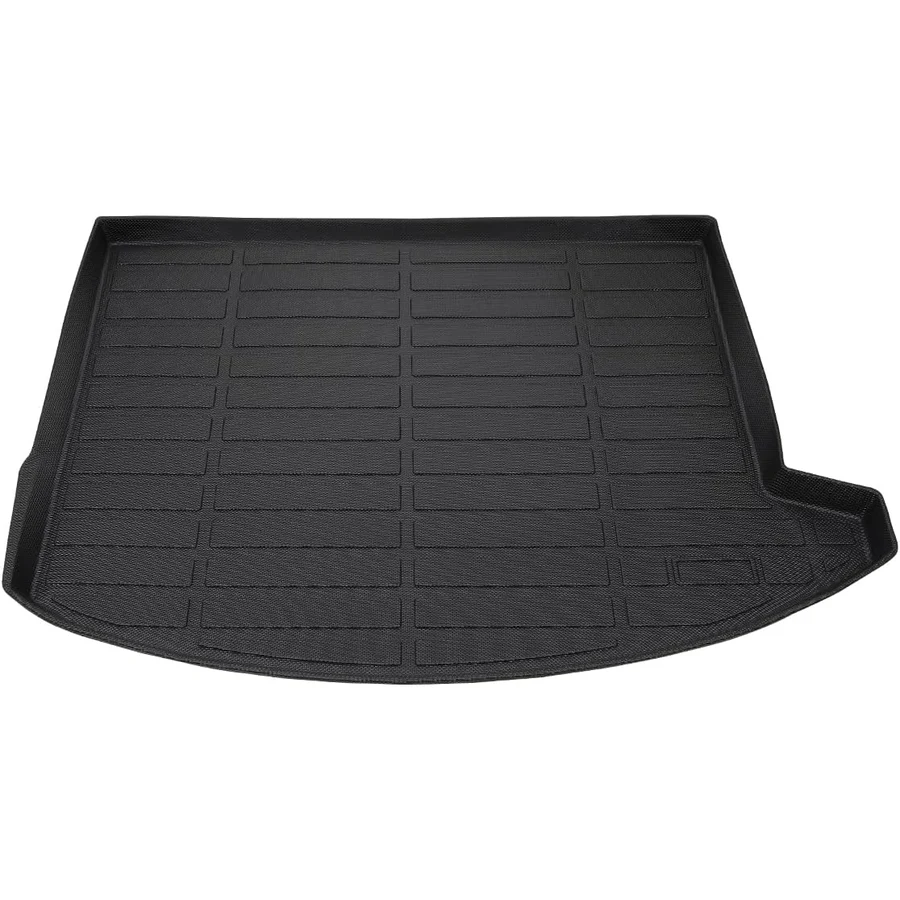
KUST all-weather TPE cargo liner for 2020–2026 Ford Escape, raised edges, custom fit
A vehicle-fit accessory to compare for compatibility, daily usefulness, and value.
 Best Premium Option
Cartist custom-fit cargo liner for Ford Escape 2013–2019, all-weather, odorless TPE protection
A vehicle-fit accessory to compare for compatibility, daily usefulness, and value.
Sources and Methodology
We analyzed U.S.-spec Volvo S60 (2019–2024) and Ford Escape (2020–2024, 2023 refresh) with comparable trims and drivelines. Data sources included official manufacturer specs, EPA fuel-economy ratings, IIHS crash/testing notes, NHTSA recalls/complaints, and major U.S. used-valuation research. Because used pricing varies by region, mileage, and options, value insights focus on relative positioning and total-cost-of-ownership factors. Verification date: August 2026.
Author

Author

Evans Torres
I’m Evans Torres, an automotive engineer who loves Volvo cars. I graduated in Automotive Engineering from USC. I have worked in the car industry for years and now share my knowledge on The Volvo Life. I started this blog to connect with other Volvo fans. I offer tips, news, and advice to help you care for your car. My goal is to help you keep your Volvo in great shape and find all the best things about it. Join me as we discover everything Volvo has to offer!