


Jump starter for volvo electric truck — choose a 24V commercial-grade booster rated 1,500–3,000 peak amps with reverse-polarity protection. On VNR/FH/FM Electric you are only boosting the 24V auxiliary system to wake the truck, never the high-voltage traction battery. NOCO GB251+, Truck PAC ES1224, and pro 24V packs fit the brief.
Fleet teams and owner-operators running Volvo VNR Electric or FH/FM Electric still need a reliable way to “wake” the truck when the 24V system is flat. A proper 24V jump pack can bring the low‑voltage network online so the DC‑DC converter and systems initialize. This connects closely with is scanner for Volvo XC90 if you want to compare the topic in more detail.
This guide covers the right size, safe connection points, winter storage tips, and heavy‑duty picks that work in real depot conditions — plus how this differs from cars, SUVs, diesel Volvos, and hybrids. You can also use do scanner for Volvo exist as a helpful next guide on the same ownership topic.
- Main point: Electric Volvos use a 24V auxiliary system — boost 24V only; never touch the high‑voltage pack.
- Best first step: Use a 24V smart jump starter with 1,500–3,000A peak and verified reverse‑polarity protection.
- Cost or value: Quality 24V packs run ~$350–$1,100; cheaper 12V car boosters won’t work on heavy trucks.
- Who it suits: Depot managers, roadside maintenance, mixed fleets with diesel and electric Volvos.
- When to get help: If the truck won’t “Ready” after a correct 24V boost, call Volvo Trucks support — a HV interlock or software lockout may be present.
Needs a 24V booster that can revive parked trucks quickly and safely without waiting for roadside service. For another practical angle, see do scanner for Volvo work with all models.
Faces winter parasitic drains and low-voltage wake-up issues — wants a booster that still delivers in sub‑freezing temps.
Runs diesel Volvos plus EV trucks and needs one unit (or two-tier setup) that reliably covers both 12V and 24V tasks.
What a Jump Starter Does on a Volvo Electric Truck vs a Charger
A portable jump starter delivers a high current burst to the low‑voltage system so control modules can power up. On Volvo electric trucks, that means the 24V battery network only — not the high‑voltage traction pack.
A battery charger (AC mains or DC bench) replenishes energy slowly. It’s ideal for maintenance or storage but cannot deliver the instant current a dead truck needs to initialize.
Volvo VNR/FH/FM Electric trucks rely on a DC‑DC converter to keep the 24V system charged during normal operation. When the 24V system falls below a threshold, the truck may not “Ready” until you provide a safe 24V assist at the designated jump points.
Why Carry a Jump Starter for Volvo Electric Truck Operations
Low‑voltage batteries in depot trucks can discharge during long sits, cold snaps, or telematics use. Without 24V power, the HV contactors won’t close and the truck stays offline.
A 24V booster shortens downtime, avoids tow bills, and lets drivers or yard techs recover a truck to a charger. Smart clamps and reverse‑polarity protection reduce risk during quick assists.
Here is a summary of how a portable booster helps during common scenarios your team may face.
Choose equipment based on your most frequent scenario — depot wake‑ups usually need less current than roadside cold‑weather recoveries. If you are comparing similar topics, did scanner for Volvo need calibration is also worth checking.
| Scenario | What a booster solves | Voltage needed | Recommended peak amps |
|---|---|---|---|
| Depot wake-up after long sit | Restores 24V control power to close HV contactors | 24V | 1,500–2,000A |
| Cold-weather low-voltage | Overcomes winter capacity loss to initialize systems | 24V | 2,000–3,000A |
| Roadside assist | Quick 24V boost to reach the nearest charger | 24V | 2,000A+ |
| Mixed fleet (diesel truck) | Cranks ICE engines or powers modules | 12V/24V | 2,000A (12V) / 1,500A (24V) |
| Passenger Volvo (cars/SUVs) | Starts 12V ICE or wakes PHEV/EV 12V system | 12V | 1,000–2,000A |
| Shop maintenance | Stable assist during software or service tasks | 24V | High reserve capacity vs peak |
Best Jump Starter Type for Volvo Electric Trucks (and Cars/SUVs)
Lithium 24V boosters are compact and powerful, making them ideal for yard carts and service trucks. Lead-acid “wheel” boosters offer big reserves but are heavy and less portable.
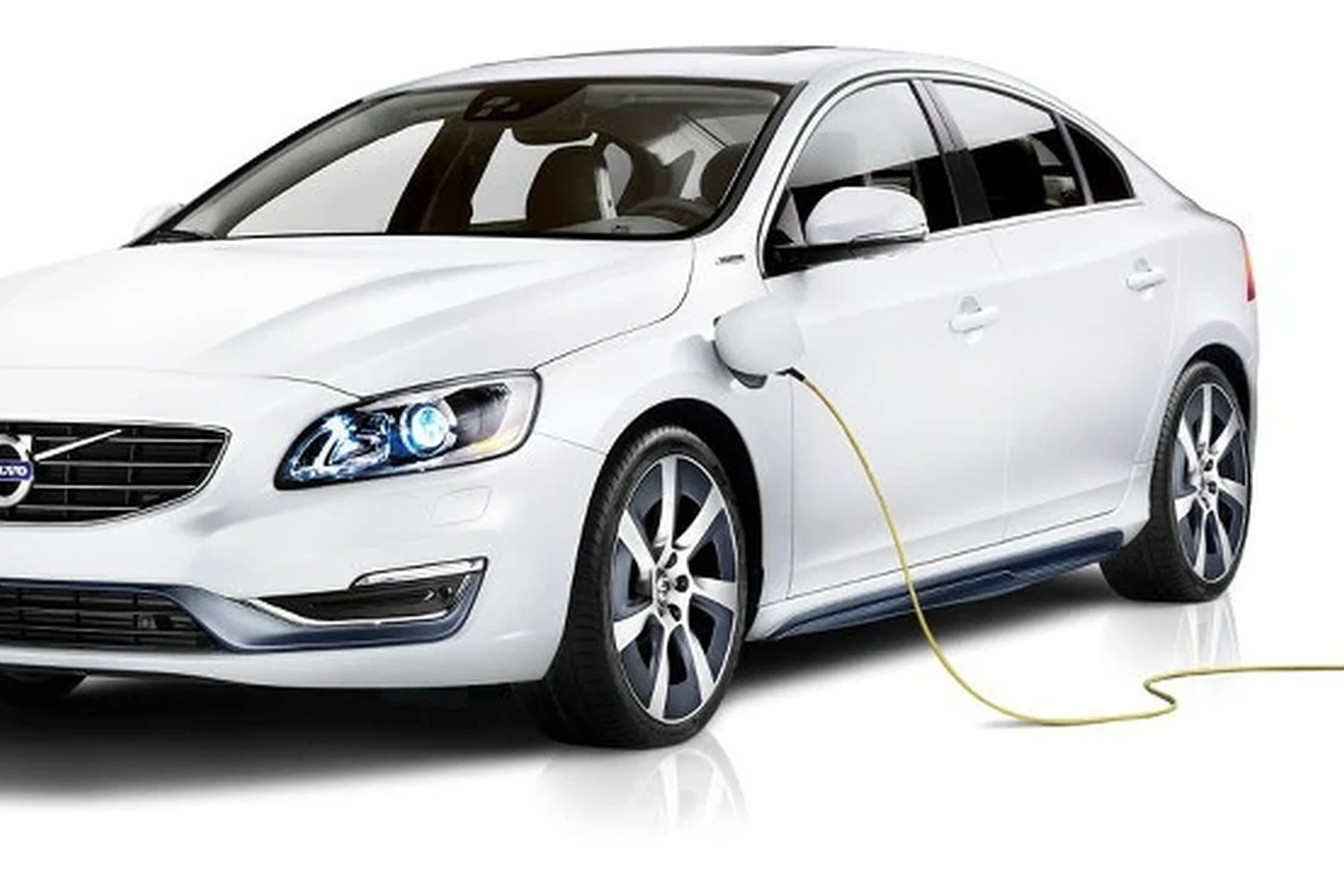
For cars and SUVs, a 12V lithium pack with 1,500–2,000A peak is sufficient. Electric trucks demand a purpose-built 24V unit with smart protections.
Below is a quick comparison by type so you can match a unit to your use case and budget.
| Type | Peak amps | Best for | Approx price | Verdict |
|---|---|---|---|---|
| Lithium 24V (pro) | 1,500–3,000A | Volvo VNR/FH/FM Electric 24V wake-up; roadside kits | $450–$1,100 | Top pick for portability + power |
| Lead-acid cart 24V | High cranking, big reserve | Shops/depot with AC charging and frequent assists | $600–$1,500 | Excellent for fixed locations |
| 12/24V combo pack | 1,000–2,500A (mode‑dependent) | Mixed fleets (diesel + EV truck) | $350–$900 | Flexible, verify 24V rating |
| 12V lithium (car/SUV) | 1,000–2,000A | Volvo cars/SUVs; PHEV 12V wake-up | $90–$250 | Not for electric trucks |
| Power bank jump pack | 600–1,200A | Small 12V gas cars only | $60–$120 | Avoid for Volvo trucks |
On many EV trucks, you’re not “cranking” anything. A correct 24V assist simply wakes modules so the DC‑DC converter can take over. That’s why a smart 24V pack with solid clamps and proper grounding often revives a truck in under two minutes.
Volvo Model‑Based Jump Starter Guide (Electric Trucks, Plus Cars/SUVs)
VNR Electric and FH/FM Electric use a 24V low‑voltage network. Use the designated chassis jump posts described in the operator manual, never HV service points.
Passenger Volvos (XC90/XC60/S60/V60, etc.) use 12V systems. A 1,500–2,000A lithium pack works well for gas engines and to wake PHEV/EV 12V systems. For related context, you may also want to read is scanner for Volvo XC60.
- VNR Electric (North America): 24V smart booster, 2,000A+ peak for cold climates. Keep clamps on clean posts; use chassis ground per manual.
- FH/FM Electric (Global): 24V booster with robust cables; reserve capacity matters for repeated assists.
- XC90/XC60/V60 (ICE): 12V, 1,500–2,000A. For PHEV Recharge models, boost 12V only to wake systems.
For a deep dive on EV range behavior that influences winter operations, see our analysis in Volvo Electric Car vs Tesla Range.
Jump Starter Guidance for Volvo Diesel, Hybrid, and Fully Electric Models
Diesel Volvos (D11/D13/D16) need higher cranking current than gas engines; many are 12V or 24V depending on platform. Match the booster to the vehicle’s system voltage.
Volvo Recharge PHEVs (cars) use a 12V battery to power control modules. Boost 12V only; the high‑voltage battery is never jump‑started.
- Diesel truck (ICE): 12V/24V combo booster is handy for mixed fleets. Confirm voltage before connecting.
- PHEV cars (T8): 12V, 1,000–1,500A is usually enough to “Ready” the vehicle.
- BEV cars (EX30/EX40/EC40/EX90): Rarely need a jump; if they do, it’s a 12V wake‑up only.
Never attempt to jump or probe the high‑voltage battery or orange‑coded HV cables on any Volvo EV. Only connect a booster to the designated 12V or 24V low‑voltage jump points shown in the official operator manual.
Jump Starter for Volvo Trucks and Heavy Equipment
Volvo construction equipment (A‑series haulers, L‑series loaders, EC excavators) and diesel highway trucks often require 24V or a robust 12/24V combo booster. Some machines support slave‑start using dedicated connectors.
For depot use, cart‑style lead‑acid 24V units with long cable reach are practical. For field service, a lithium 24V pro pack offers safer portability and faster deployment.
If your fleet still runs diesel Volvos alongside EV trucks, our guide to the best oil for Volvo truck engines will help standardize service fluids across platforms.
What Size Jump Starter Do You Need
Pick size by system voltage, ambient temperature, reserve capacity, and duty cycle. For Volvo electric trucks, 24V with 1,500–3,000A peak covers most yard and roadside wake‑ups.
Cold weather can cut effective output 30–40%. Favor units with larger internal packs, short heavy cables, and true 24V mode (not two 12V clamps daisy‑chained).
| Vehicle | System | Recommended peak amps | Notes |
|---|---|---|---|
| VNR/FH/FM Electric | 24V | 2,000–3,000A (cold) / 1,500–2,000A (mild) | Focus on smart protections and heavy clamps |
| Volvo diesel highway truck | 12V/24V | 2,000A (12V) / 1,500–2,000A (24V) | Combo unit adds flexibility |
| Volvo car/SUV (gas) | 12V | 1,500–2,000A | Good for 2.0–3.0L engines |
| Volvo PHEV/BEV (cars) | 12V | 1,000–1,500A | Used to wake systems only |
- Verify 24V mode is native — avoid makeshift series adapters on two 12V packs.
- Keep clamps and posts clean; a poor ground is the #1 cause of failed boosts.
- Size up for winter; plan for 30–40% output loss below 20°F (-7°C).
- Train drivers to use the exact chassis jump points in the Volvo operator manual.
How To Use a Jump Starter on a Volvo Safely
Correct connection order and grounding make the difference between a clean wake‑up and a no‑start. Always confirm the truck’s system voltage and the designated jump points in the operator manual before you begin.
- Identify system voltage: Confirm 24V on Volvo electric trucks; select 24V mode on the booster.
- Power down loads: Ensure lights, HVAC, and accessories are off. Set park brake.
- Locate jump points: Use the marked 24V positive post and chassis ground. Do not touch HV components.
- Connect positive clamp: Attach red clamp firmly to the 24V positive post.
- Connect ground: Attach black clamp to the approved chassis ground point, not battery negative unless specified.
- Arm the booster: Turn on the jump pack; wait for “ready” or voltage-OK indicator.
- Wake the truck: Follow the Volvo start/Ready procedure. Allow a few seconds for modules to initialize.
- Disconnect safely: Remove black (ground) first, then red (positive). Avoid clamp contact.
- Recharge booster: Top the jump pack back to 100% before stowing.
Wear eye protection and insulated gloves. If a battery is cracked, smoking, or leaking, do not boost — isolate the area and contact a qualified technician. Hydrogen gas can ignite from a spark near damaged batteries.
For passenger-car procedures (alarm-safe), see our quick walkthrough here: how to jump‑start a Volvo S60 without triggering the alarm.
How To Charge and Store a Jump Starter in Winter
Recharge to 100% after every assist and at least monthly during idle periods. Lithium packs prefer 32–86°F (0–30°C) storage and should be warmed above freezing before heavy output.
Store off the floor in a dry cabinet, check status LEDs weekly, and cycle the pack every 60–90 days to keep cells balanced.
Where to Buy a Jump Starter for Volvo
Amazon and tool distributors carry genuine 24V pro packs (NOCO, Schumacher, Truck PAC). Check return policies and avoid “no‑name” listings with inflated amp claims.
Dealers and fleet suppliers can bundle approved boosters with service contracts, helpful for standardized training and warranty support.
Jump Starter Troubleshooting
No “Ready” after a correct boost usually traces to a poor ground or an undercharged jump pack. Re-seat clamps and try a second ground point.
Reverse‑polarity alerts, HV interlock faults, or repeated failures warrant a scan and support call — do not persist blindly on EVs.
- Booster not charged: Recharge fully; cold packs sag quickly.
- Poor ground: Move the black clamp to a clean, bare-metal chassis point.
- Packs too small: Upgrade to 2,000–3,000A for winter work.
- Truck still dead: Possible LV battery failure or software lockout — escalate to Volvo Trucks support.
Common Mistakes to Avoid / When to Replace the Battery Instead
Wrong clamp order, boosting on corroded posts, and using a 12V pack on a 24V truck top the list of mistakes. Train on the exact truck model; don’t guess.
Needing 2–3 boosts in a week points to a failing low‑voltage battery or parasitic draw. Replace the 24V batteries and test the DC‑DC system instead of relying on the jump pack.
Before we wrap up, a quick personal note that might save you a roadside callout.
💡 Evans Torres Tip: I keep a 24V lithium booster in the yard cart during winter. The first time our VNR Electric sat five days in 10°F weather, the truck wouldn’t “Ready.” A clean 24V assist at the chassis post brought it online in under a minute. Since then I added a monthly 24V battery check to our rotation — far fewer wake-up surprises.
Frequently Asked Questions
These answers focus on Volvo electric trucks and the practical differences from diesel and passenger models — especially sizing, safety, and winter use cases that fleets ask about most.
Do I need a 12V or 24V jump starter for a Volvo electric truck?
Use 24V only. Volvo VNR/FH/FM Electric trucks run a 24V auxiliary system for control modules and contactors. A 12V car booster will not work. Select a 24V unit with reverse‑polarity protection and at least 1,500–2,000A peak (2,000–3,000A in cold regions).
Can I jump the high‑voltage battery on an electric Volvo truck?
No. Never connect a booster to the traction (high‑voltage) system or orange‑coded cables. You only boost the 24V low‑voltage network at the designated posts. If the truck still won’t “Ready,” contact Volvo Trucks support for guided diagnostics.
What are reliable 24V jump starters for Volvo electric trucks?
Pro‑grade options include NOCO Boost Max GB251+ (24V), Truck PAC ES1224 (12/24V), and Schumacher DSR ProSeries 24V units. Prioritize true 24V mode, heavy clamps, short thick cables, and clear safety indicators over inflated peak‑amp marketing numbers.
How often should I charge a 24V jump starter in a depot?
Top it to 100% after every use and at least once per month if idle. In cold climates, check weekly during winter. Lithium cells prefer being stored near room temperature; warm a cold pack above freezing before a heavy assist to prevent voltage sag.
Is it safe for drivers to use a booster, or should a tech do it?
With basic training, drivers can safely perform a 24V wake‑up using smart packs. Train on clamp order, correct jump points, and to stop if they see damage or smell sulfur. For persistent no‑Ready faults, escalate to a technician rather than repeating attempts.
When should I replace the 24V batteries instead of jump‑starting?
If the truck needs multiple boosts in a short period, or voltage drops rapidly after charging, plan a battery replacement and parasitic‑draw check. Repeated jump‑starts mask an underlying issue and increase downtime risk at the worst moments.
Can one unit cover diesel trucks and electric trucks in my fleet?
Yes — choose a quality 12/24V combo pack with verified 24V capability. Confirm the 24V peak rating and protections match your EV trucks, and that 12V cranking output is sufficient for your diesel engines. Many fleets keep a dedicated 24V unit for EVs and a second for 12V work.
Where can I find the correct jump points for my Volvo model?
Use the official Volvo Trucks operator manual or service documentation for your exact model year. Jump points are clearly identified there. You can also consult Volvo Trucks’ support resources online for model‑specific diagrams and updates.
Final Verdict
Volvo electric trucks need a true 24V assist — not a car booster — to wake low‑voltage systems. A smart 24V pack with 1,500–3,000A peak, stout clamps, and reverse‑polarity protection is the dependable choice for depots and roadside use.
Train staff on the exact jump points, clamp order, and to stop if damage is present. If a correct 24V boost won’t “Ready” the truck, escalate to Volvo support — that’s a system fault, not a bigger jump pack problem.
Author

Author

Evans Torres
I’m Evans Torres, an automotive engineer who loves Volvo cars. I graduated in Automotive Engineering from USC. I have worked in the car industry for years and now share my knowledge on The Volvo Life. I started this blog to connect with other Volvo fans. I offer tips, news, and advice to help you care for your car. My goal is to help you keep your Volvo in great shape and find all the best things about it. Join me as we discover everything Volvo has to offer!