



The Volvo XC90, a luxury SUV, boasts various engine options across its model years, including turbocharged four-cylinder and six-cylinder engines. The specific fuel requirements for each engine variant can differ significantly, affecting performance and efficiency.
When considering whether the Volvo XC90 requires premium gas, it’s essential to understand the various engine options and their fuel needs. This guide will clarify the fuel requirements for different XC90 models and what you can expect in terms of performance. You can also use best car battery for volvo xc90 as the next practical guide.
- Understanding the Volvo XC90: Fuel: The Volvo XC90, a luxury SUV, boasts various engine options across its model years.
- Does the Volvo XC90 Need: Whether the Volvo XC90 needs premium gas largely depends on the engine variant..
- Impact of Fuel Quality on: Using high-quality fuel can influence not just performance but also fuel efficiency..
- Market-Specific Fuel Requirements for the: Fuel requirements can vary by market due to regional regulations and fuel availability..
- Volvo’s Official Recommendations on Fuel: Volvo provides clear guidelines in the owner’s manual regarding fuel types for each engine.
Understanding the Volvo XC90: Fuel Requirements and Engine Options
The Volvo XC90, a luxury SUV, boasts various engine options across its model years, including turbocharged four-cylinder and six-cylinder engines. The specific fuel requirements for each engine variant can differ significantly, affecting performance and efficiency. For related context, read how to fix reduced engine performance volvo xc90.

Families requiring a spacious and safe SUV.
Models from 2003 to present, including B5 and T8 engines.
You seek high performance and are willing to pay for premium fuel.
Does the Volvo XC90 Need Premium Gas for Maximum Performance?
Whether the Volvo XC90 needs premium gas largely depends on the engine variant. While not all models strictly require premium fuel, some engine options, particularly those tuned for performance, can benefit from its use.
Exploring Engine Variants and Their Fuel Needs
The XC90 has seen multiple engine configurations since its launch in 2003. The latest models typically feature a B5 mild-hybrid 2.0L four-cylinder engine and a T8 Recharge plug-in hybrid variant. These engines have different fuel requirements:
- B5 Engine: Typically requires 87 octane gasoline but may perform better with 91 octane.
- T8 Recharge: This plug-in hybrid can run on regular gasoline but is optimized with premium fuel for peak performance.
It’s always advisable to check the owner’s manual for specific fuel recommendations for your XC90 model year. You can also use which engine oil for volvo xc90 as the next practical guide.
Confirm your XC90’s engine variant and model year in the owner’s manual to understand fuel requirements specific to your vehicle.
Impact of Fuel Quality on Performance and Efficiency
Using high-quality fuel can influence not just performance but also fuel efficiency. Premium gasoline generally has a higher octane rating, which can help prevent knocking, allowing for better engine performance and longevity.
Comparing Regular vs. Premium Gasoline
Regular gasoline typically has an octane rating of 87, while premium gasoline has ratings of 91 or higher. Higher octane fuel can offer benefits such as: For official guidance on this, see EPA fuel economy guide.
Improved acceleration and responsiveness. Better fuel economy in performance-oriented engines. Reduced engine knocking.
However, for many XC90 models, using regular fuel is adequate, and premium may only be necessary for specific performance enhancements. For another location comparison, read does 2025 volvo xc90 have iihs top safety pick.
Market-Specific Fuel Requirements for the Volvo XC90
Fuel requirements can vary by market due to regional regulations and fuel availability. For example, some markets may offer different formulations of gasoline, affecting octane ratings. Always verify local fuel options and requirements based on your location. You can also use what type of engine oil for xc90 volvo 2004 as the next practical guide.
Check for any recall notices that may affect your XC90’s fuel system by entering your VIN on the Volvo recall database.
Volvo’s Official Recommendations on Fuel Types
Volvo provides clear guidelines in the owner’s manual regarding fuel types for each engine variant. While many XC90 models can operate on regular gasoline, using premium fuel is often recommended for enhanced performance, particularly in turbocharged versions. For related context, read what engine oil to use for volvo xc90.
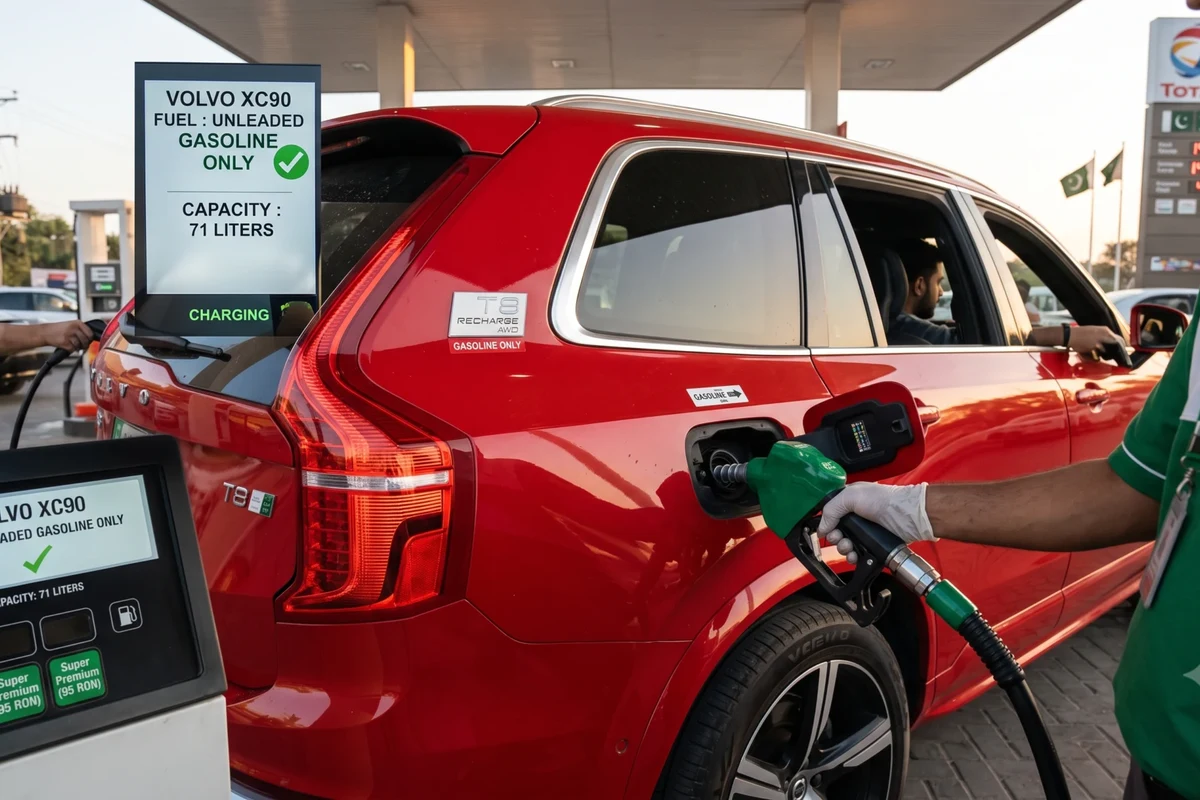
Consider fuel costs and the potential benefits of using premium gas versus regular fuel when calculating the overall cost of ownership.
Performance Metrics Across Model Years
The performance metrics of the XC90 can significantly differ based on the engine and fuel used. For example, models equipped with the T8 Recharge engine may experience a notable increase in performance when using premium fuel compared to regular gasoline.
How the XC90 Compares to Other SUVs
When compared to other luxury SUVs, the XC90 holds its own in terms of performance with varying fuel requirements. Many competitors also offer similar engine configurations, with performance benefits when using higher octane fuels. This area decision also connects with what engine oil for volvo xc90.
- Listen for engine knocking during acceleration.
- Note any performance differences when using regular versus premium fuel.
- Check the responsiveness of the engine when switching fuel types.
Does Volvo XC90 Require Premium Gas for Optimal Performance
The Volvo XC90 does not universally require premium gas; however, certain engine variants, particularly turbocharged models like the T8 Recharge, can achieve better performance with premium fuel. For official guidance on this, see Volvo Cars official website.
Regular gasoline is sufficient for many models, but premium fuel may enhance acceleration, engine responsiveness, and overall efficiency. For related context, read car accessories for volvo 2023 xc90.
- Check your owner’s manual for specific fuel recommendations based on your XC90’s engine variant.
- Consider using premium fuel if you prioritize optimal performance and have a turbocharged engine.
- Monitor performance differences and engine behavior when switching between regular and premium gasoline.
This guide on does volvo xc90 require premium gas is general information. Rules, fees, rents, salaries, service coverage, product details, and procedures can change, so confirm important points with the manufacturer, retailer, or official app documentation before acting.
Questions Worth Asking
No, the Volvo XC90 does not require premium gas for all engine variants. While many models can operate on regular gasoline, certain performance-tuned engines can benefit from premium fuel for optimal performance.
The B5 engine typically requires 87 octane gasoline but may perform better with 91 octane. This flexibility allows owners to choose between regular and premium fuel based on their performance preferences.
The T8 Recharge plug-in hybrid can run on regular gasoline but is optimized for peak performance with premium fuel. Using premium gas may lead to a notable increase in performance compared to using regular gasoline.
Using high-quality fuel can enhance performance and fuel efficiency in the Volvo XC90. Premium gasoline’s higher octane rating helps prevent engine knocking, leading to better acceleration and engine longevity.
Yes, Volvo provides clear guidelines in the owner’s manual regarding fuel types for each engine variant. It’s advisable for owners to consult their manual for specific fuel recommendations based on their XC90 model year.
When calculating ownership costs for the XC90, consider the potential benefits of using premium gas versus regular fuel. While premium fuel may enhance performance, the overall cost of ownership will vary depending on your driving habits and engine variant.
Final Words
While the Volvo XC90 does not strictly require premium gas across all models, certain engine variants can benefit from it for optimal performance.
Checking your owner’s manual and considering your driving style will help you make the best choice for fuel.
Author

💡 Evans Torres Tip: On every Volvo I have owned, I always keep a full digital service record from day one. When something goes wrong — and eventually something always does — having that history makes diagnosis faster and often saves money at the mechanic. Start your records today, even if the car is not new.