


To fix reduced engine performance in a Volvo XC90, first diagnose the issue by checking for error codes, inspecting the air intake system, and examining the fuel system. Depending on the cause, repairs can range from simple DIY fixes to requiring a mechanic, with costs varying widely.
The Volvo XC90 is a luxurious SUV known for its performance and safety features. However, when you encounter reduced engine performance, it can be concerning. This issue often presents itself through warning lights or a noticeable drop in power.
For related context, you may also want to read how to turn off start stop in Volvo XC90.
Understanding the meaning behind this message, the urgency of addressing it, and the potential fixes is crucial for maintaining your vehicle’s health.
- Reduced engine performance in the Volvo XC90 can signify various issues, including sensor malfunctions or fuel system problems.
- Addressing reduced performance promptly can prevent further damage and costly repairs.
- Many diagnostics and repairs can be DIY, but some issues may require a professional mechanic.
- Regular maintenance plays a key role in preventing engine performance issues.
- Understanding warning indicators helps in early detection and timely response.
Understanding Reduced Engine Performance in the Volvo XC90
When your Volvo XC90 displays a reduced engine performance warning, it indicates that the engine’s output is being limited. This can be due to various factors, including diagnostic trouble codes (DTCs) triggered by the engine control unit (ECU) to protect the engine from damage.

Common symptoms include sluggish acceleration, decreased fuel efficiency, and unusual noises. Recognizing these can help you decide on the urgency of addressing the issue.
The Urgency of Fixing Reduced Engine Performance
Addressing reduced engine performance urgently is essential. Continuing to drive with this condition can lead to more severe engine damage and expensive repairs. If you notice the warning light or any accompanying symptoms, it’s crucial to act quickly.
In many cases, the issue may not be immediately dangerous, but ignoring it can lead to complications that could compromise safety and reliability. If you experience a sudden loss of power while driving, it’s advisable to pull over safely and assess the situation.
Common Causes of Reduced Engine Performance
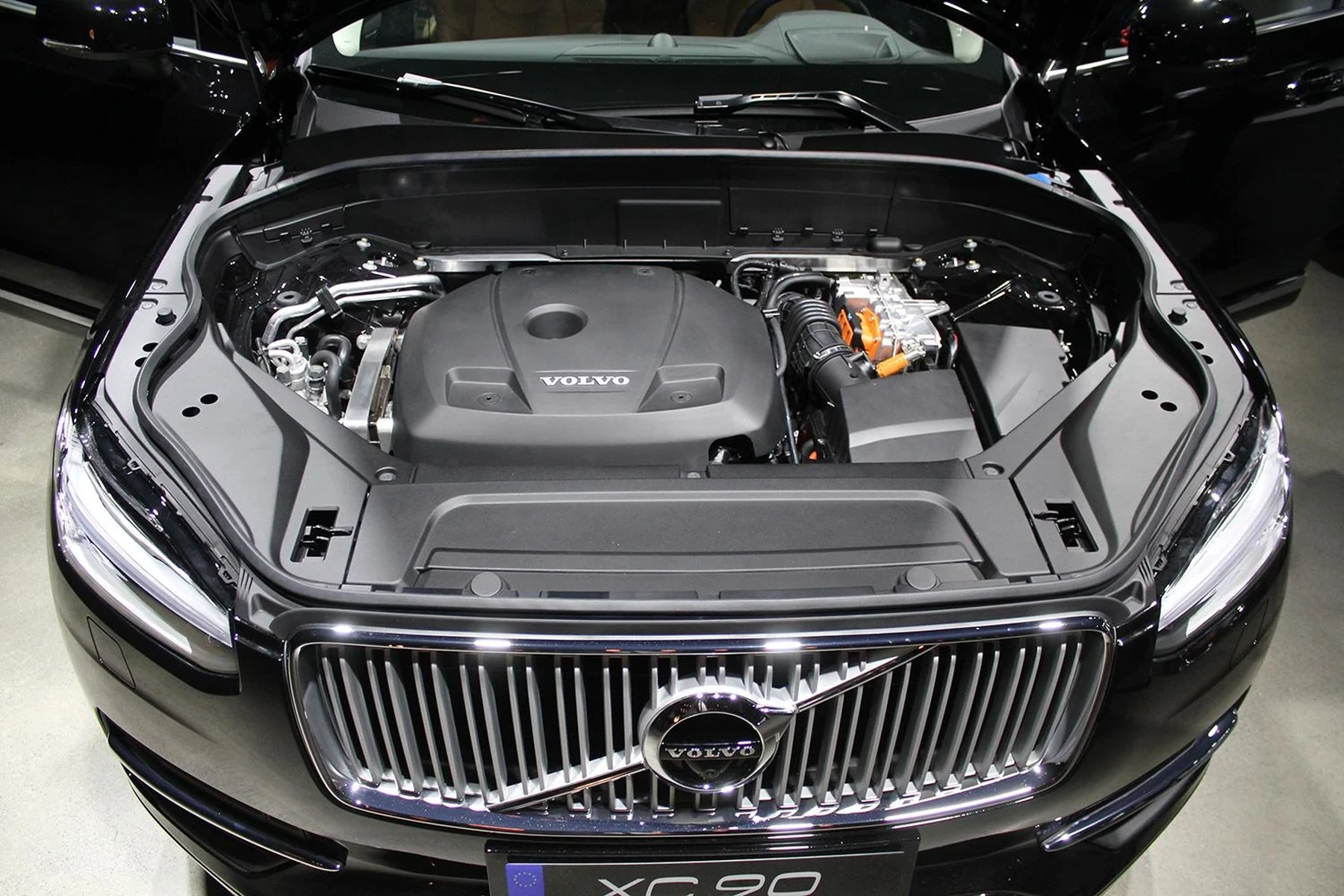
Several factors can contribute to reduced engine performance in the Volvo XC90. Here’s a breakdown of some common causes: This connects closely with how to start Volvo XC90 with dead key fob if you want to compare the topic in more detail.
1. Faulty Sensors
Modern vehicles rely heavily on sensors to manage engine performance. A malfunctioning mass airflow sensor (MAF) or oxygen sensor (O2) can lead to incorrect fuel-air mixtures and reduced power.
2. Fuel System Issues
Problems in the fuel system, such as a clogged fuel filter or failing fuel pump, can restrict fuel delivery. This can result in sluggish performance and engine hesitation.
3. Exhaust System Blockages
Blocked catalytic converters or exhaust systems can cause back pressure, reducing engine efficiency and performance. This often results in a noticeable decrease in power.
4. Air Intake Blockages
A dirty air filter or malfunctioning intake system can restrict airflow, leading to reduced performance. Regular checks and maintenance can help prevent this.
5. Software Issues
Sometimes, reduced engine performance can stem from software glitches in the ECU. Regular updates and diagnostics can help prevent these issues.
Diagnosing Reduced Engine Performance
Diagnosing the reduced engine performance in your Volvo XC90 involves several steps: You can also use how to remote start 2025 Volvo XC90 with key fob as a helpful next guide on the same ownership topic.
- Check for Warning Lights: Start by checking if the Check Engine light or any other warning indicators are illuminated on your dashboard.
- Run a Diagnostic Scan: Use an OBD-II scanner to read any diagnostic trouble codes. This can give insights into potential issues.
- Inspect the Air Filter: A clogged air filter can restrict airflow, so inspect and replace it if necessary.
- Examine Fuel System: Check the fuel filter and pump for blockages or failures.
- Inspect Exhaust System: Look for any signs of blockage or damage in the exhaust system.
💡 Evans Torres Tip: Regularly check your Volvo XC90’s air and fuel filters as part of your maintenance routine to help prevent reduced engine performance.
How to Fix Reduced Engine Performance
Fixing the reduced engine performance in your Volvo XC90 can vary based on the identified issues. Here are some potential solutions:
1. Replace Faulty Sensors
If diagnostic codes indicate faulty sensors, replacing them is often a straightforward fix. This task can usually be done DIY with basic tools, and costs may range from $50 to $200 depending on the sensor type.
2. Address Fuel System Issues
For fuel-related issues, replacing a clogged fuel filter is an easy fix. Fuel pump replacement, however, may require professional help. Costs can range from $100 for a filter to $500 or more for a pump replacement.
3. Clear Exhaust Blockages
If you suspect a blockage in the exhaust system, it may require professional inspection. Cleaning or replacing components like the catalytic converter can be costly, ranging from $300 to $2,500.
4. Clean or Replace Air Filters
Cleaning or replacing a dirty air filter is a simple DIY task that typically costs under $50. Regular replacements are recommended to maintain optimal airflow.
5. Update ECU Software
If software issues are suspected, a visit to the dealership or a qualified mechanic is necessary for updates. This could cost anywhere from $100 to $300.
When to Seek Professional Help
While many minor repairs can be DIY, there are times when professional assistance is imperative. If you notice severe drops in power, strange noises, or if your diagnostic scan reveals complex issues, seek a mechanic’s expertise.
Additionally, if you are uncomfortable performing any of the checks or repairs, it’s always safer to consult a professional to avoid potential further damage.
⚠️ Warning: If you experience significant power loss while driving, pull over safely and refrain from driving until the issue is diagnosed and resolved.
Frequently Asked Questions
What Is the First Thing I Should Do If My XC90 Shows Reduced Engine Performance?
Start by checking for any warning lights and running a diagnostic scan to identify potential issues.
Can I Drive My Volvo XC90 with Reduced Engine Performance?
It’s not advisable to drive your vehicle in this condition as it could lead to further damage or safety issues.
How Often Should I Check My Air and Fuel Filters?
It’s recommended to check your air and fuel filters every 15,000 to 30,000 miles, or as specified in your owner’s manual.
What Are the Costs Associated with Fixing Reduced Engine Performance?
Costs can vary significantly based on the underlying issue, ranging from $50 for a simple air filter change to over $2,500 for catalytic converter replacement.
Can I Reset the Engine Performance Warning Light Myself?
Yes, you can reset the warning light using an OBD-II scanner, but it’s essential to resolve the underlying issue first.
What to Do Next
After diagnosing the issue and taking the necessary steps, monitor your Volvo XC90 for any changes. Regular maintenance and timely repairs are key to preventing reduced engine performance in the future. If issues persist, consulting a qualified mechanic is essential for a thorough check.
Author

Author

Evans Torres
I’m Evans Torres, an automotive engineer who loves Volvo cars. I graduated in Automotive Engineering from USC. I have worked in the car industry for years and now share my knowledge on The Volvo Life. I started this blog to connect with other Volvo fans. I offer tips, news, and advice to help you care for your car. My goal is to help you keep your Volvo in great shape and find all the best things about it. Join me as we discover everything Volvo has to offer!