

Understanding the difference between Volvo models is essential for identifying which vehicle aligns best with your needs. Consider factors like size, powertrain, safety features, and cost of ownership to make an informed decision.
The difference between Volvo models often comes down to size, performance, and features. Understanding these variations can help you find the model that best fits your lifestyle and needs.
- Understanding the Differences Between Volvo: Volvo offers a range of models, each designed to cater to specific preferences and.
- Comparing Volvo Models: XC40, XC60,: When comparing popular SUVs like the XC40, XC60, and XC90, key differences emerge in.
- Safety and Driver-Assist Technologies Across: Volvo is renowned for its commitment to safety, and various models are equipped with.
- Powertrain Options: T5 vs. T6: Performance varies significantly between T5 and T6 engines..
- Cost of Ownership: Running Costs: When considering the cost of ownership, factors like fuel economy, maintenance, and reliability ratings.
Understanding the Differences Between Volvo Models
Volvo offers a range of models, each designed to cater to specific preferences and requirements. From compact SUVs to spacious sedans, knowing the unique features and intended audiences for each model is crucial for potential buyers.
Key Considerations for Choosing Between Volvo Models
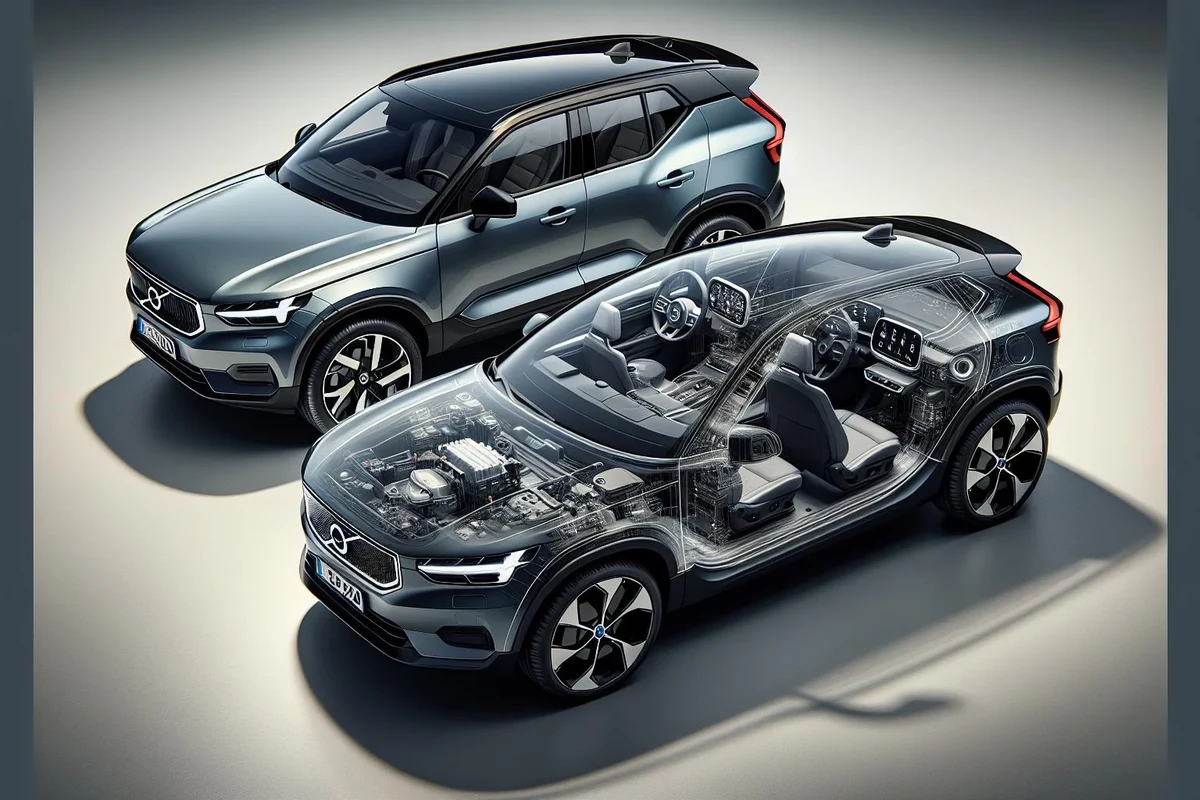
When evaluating which Volvo model suits your needs, consider the following critical factors: For official guidance on this, see Volvo Cars official website.
- Size and Space: Determine if you need a compact option like the XC40 for urban maneuverability or a spacious SUV like the XC90 for family comfort.
- Performance Variants: Assess whether you prefer the efficiency of the T5 engine in the XC40 or the power of the T6 in the XC90 or XC60.
- Target Audience: Identify your lifestyle—are you a professional seeking elegance in the S60, or do you need active lifestyle features in the V60?
- Safety Ratings: All models have high safety ratings (5-star NHTSA) but verify specific safety features that may be crucial for your situation.
| Volvo Model | Type | Target Audience |
|---|---|---|
| Volvo XC40 | Compact SUV | Urban dwellers seeking versatility |
| Volvo XC90 | Spacious SUV | Families needing ample space |
| Volvo S60 | Luxury Sedan | Professionals looking for elegance |
| Volvo V60 | Wagon | Active lifestyles requiring cargo space |
Key Features That Set Each Model Apart
Volvo’s lineup includes models like the XC40, XC60, XC90, S60, and S90, each with distinct characteristics. The XC40 is a compact SUV ideal for urban driving, while the XC90 offers more space, making it suitable for families.
The S60 and S90 sedans provide a blend of luxury and performance, appealing to drivers looking for comfort and style. For related context, read best replacement speakers for 2005 volvo v50.
Comparing Volvo Models: XC40, XC60, and XC90
When comparing popular SUVs like the XC40, XC60, and XC90, key differences emerge in size, powertrain options, and target demographics. Understanding these distinctions can guide you in choosing the right model. You can also use best battery replacement for 2014 volvo xc90 as the next practical guide.
| Model | Engine Options | Safety Ratings | Starting Price |
|---|---|---|---|
| XC40 | T4, T5 | 5-star NHTSA | $$$ |
| XC60 | T5, T6, Hybrid | 5-star NHTSA | $$$ |
| XC90 | T6, Plug-in Hybrid | 5-star NHTSA | $$$ |
💡 Evans Torres Tip: Write down the three things you cannot live without before you compare, then drop any option that misses one, whatever its spec-sheet score.
Safety and Driver-Assist Technologies Across Volvo Models
Volvo is renowned for its commitment to safety, and various models are equipped with advanced driver-assist technologies. Standard features include adaptive cruise control, lane-keeping assist, and collision avoidance systems, enhancing driver confidence and passenger safety. For related risk checks, compare this with what is the difference between volvo group and volvo cars.
- Drive both cars on the same road within the same hour.
- Compare cargo space with your own gear, not just the brochure number.
- Check the warranty length and what each maker excludes.
Powertrain Options: T5 vs. T6 and Beyond
Performance varies significantly between T5 and T6 engines. The T5 is known for its efficiency, while the T6 offers a boost in power, making it suitable for those who prioritize performance. This area decision also connects with difference between 2025 and 2025 5 volvo xc90.
Understanding these differences can help you align your choice with your driving style.
Cost of Ownership: Running Costs and Reliability
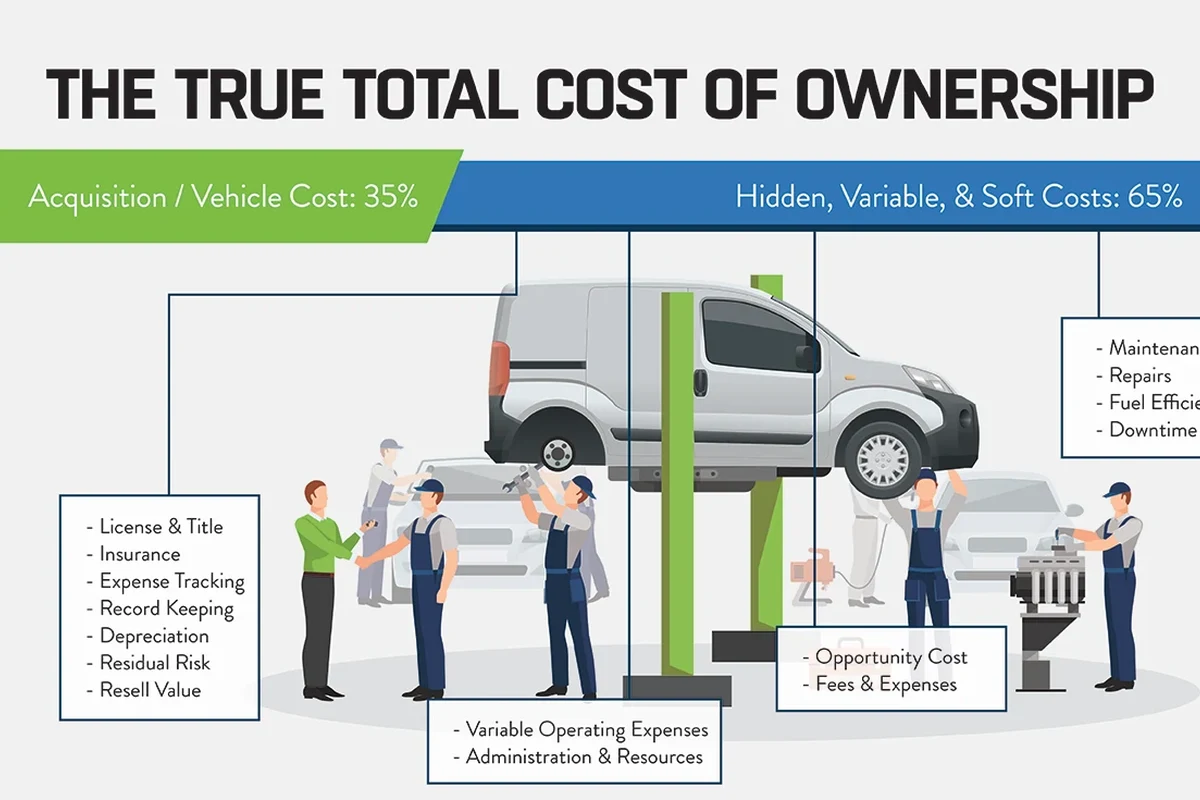
When considering the cost of ownership, factors like fuel economy, maintenance, and reliability ratings play a crucial role.
Generally, models like the XC40 offer lower running costs, while larger models like the XC90 may incur higher expenses due to their size and features. For related context, read volvo difference between t5 and t6.
Families needing space and safety.
XC90, XC60, XC40 (2020-2025).
You’re looking for a performance-oriented sedan.
Best-Fit Scenarios for Different Volvo Models
Different Volvo models cater to various buyer profiles. For families, the XC90 provides ample space and safety features. For city dwellers, the compact XC40 is ideal due to its maneuverability. Professionals might prefer the S60 for its blend of style and performance. You can also use best replacement battery for volvos as the next practical guide.
This comparison of difference between volvo models only holds for the model years, engines, and trims discussed, so line the specs up against the exact cars you are considering.
Resale Value and Market Trends for Volvo Vehicles
Volvo models typically retain their value well, thanks to their reputation for safety and reliability. Market trends indicate that SUVs like the XC60 and XC90 tend to have higher resale values compared to sedans, which can affect your buying decision. For related context, read how to open the hood of a volvo xc60.
Understanding the Difference Between Volvo Models
The key to selecting the right Volvo model lies in recognizing the differences in size, performance, and features tailored to various lifestyles. For official guidance on this, see EPA fuel economy guide.
Whether you need a compact SUV for city driving, a spacious family vehicle, or a luxury sedan, each model offers unique advantages that align with your personal preferences and needs.
- Determine your space requirements—compact vs. spacious options.
- Evaluate engine performance preferences between T5 and T6.
- Identify your lifestyle needs—urban versatility or family-oriented features.
This guide on difference between volvo models is general information. Rules, fees, rents, salaries, service coverage, product details, and procedures can change, so confirm important points with the manufacturer, retailer, or official app documentation before acting.
Questions Worth Asking
The XC40 offers T4 and T5 engine options, while the XC60 is available with T5, T6, and hybrid powertrains. The XC90 features a T6 engine and plug-in hybrid options, catering to different performance needs.
All three models—XC40, XC60, and XC90—have received a 5-star NHTSA safety rating. This highlights Volvo’s consistent commitment to safety across its lineup.
The XC90 is ideal for families due to its spacious interior and extensive safety features. The XC60 also provides ample space, making it a suitable option for those who prioritize family comfort.
The XC40 generally offers lower running costs, benefiting from its compact size and efficiency. In contrast, the larger XC90 may incur higher expenses related to fuel and maintenance due to its size and features.
The XC40 is particularly recommended for urban driving due to its compact size, making it easy to maneuver in city settings. Its design and features cater well to the needs of city dwellers.
SUVs like the XC60 and XC90 typically retain higher resale values compared to sedans in the Volvo lineup. This trend is influenced by their reputation for safety and reliability, which appeals to many buyers.
Putting It All Together
Understanding the difference between Volvo models is essential for identifying which vehicle aligns best with your needs. Consider factors like size, powertrain, safety features, and cost of ownership to make an informed decision.
