

difference between ford 2300 and volvo b230 blocks: The Ford 2300 and Volvo B230 engines are both 2.3-liter inline-four engines, but they originate from different automotive traditions and serve distinct purposes. The Ford 2300, introduced in the 1970s, is known for its simplicity and reliability in various Ford models, while the Volvo B230, developed in the mid-1980s, is recognized for its robustness and turbocharging capabilities, making it a favorite in Volvo cars.
The difference between Ford 2300 and Volvo B230 blocks primarily lies in their power output, design features, and applications. Understanding these differences will help you choose the right engine for your vehicle needs, whether it’s for daily driving or performance modifications.
- Understanding the Ford 2300 and: The Ford 2300 and Volvo B230 engines are both 2.3-liter inline-four engines, but they.
- Key Specifications: Ford 2300 vs.: Both engines share a similar displacement, but their specifications differ significantly..
- Performance Metrics: Acceleration and Efficiency: When comparing the performance metrics of the Ford 2300 and Volvo B230, the differences.
- Reliability and Common Issues: Reliability is crucial when choosing an engine block..
- Running Costs and Maintenance: Understanding the running costs associated with each engine can inform your decision..
Understanding the Ford 2300 and Volvo B230 Engine Blocks
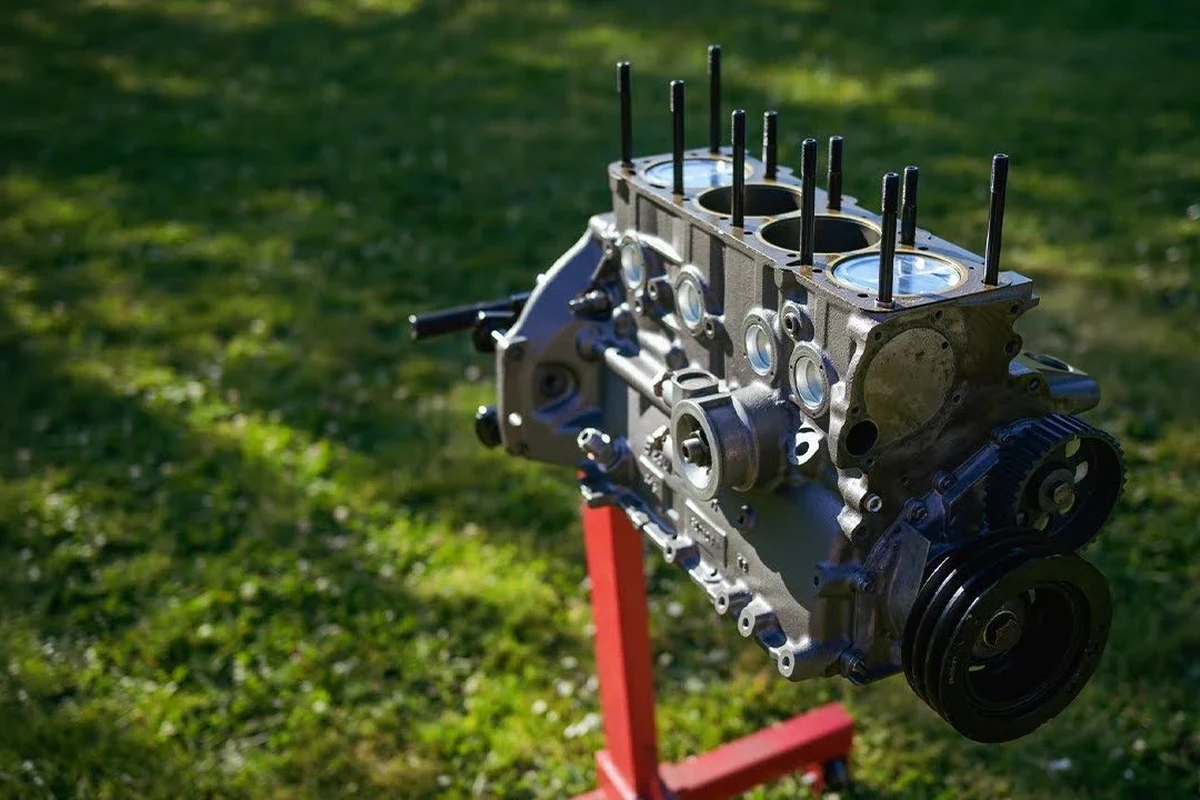
The Ford 2300 and Volvo B230 engines are both 2.3-liter inline-four engines, but they originate from different automotive traditions and serve distinct purposes.
The Ford 2300, introduced in the 1970s, is known for its simplicity and reliability in various Ford models, while the Volvo B230, developed in the mid-1980s, is recognized for its robustness and turbocharging capabilities, making it a favorite in Volvo cars. For related context, read what is the difference between volvo group and volvo cars.
| Engine | Origin | Key Features |
|---|---|---|
| Ford 2300 | 1970s | Simplicity, Reliability |
| Volvo B230 | Mid-1980s | Robustness, Turbocharging |
Daily drivers, classic car restorers, and performance enthusiasts.
Various Ford models from the 1970s to the 1990s and Volvo models from the 1980s onward.
You need a high-performance engine for racing or heavy towing.
Key Specifications: Ford 2300 vs. Volvo B230
Both engines share a similar displacement, but their specifications differ significantly. Below is a comparison of their technical features, highlighting the distinct characteristics of each engine. This area decision also connects with difference between 2025 and 2025 5 volvo xc90.
| Feature | Ford 2300 | Volvo B230 |
|---|---|---|
| Displacement | 2.3L | 2.3L |
| Configuration | Inline-4 | Inline-4 |
| Power Output | 100-115 hp | 130-220 hp (Turbo) |
| Torque | 140 lb-ft | 190-250 lb-ft (Turbo) |
| Fuel System | Carbureted/Fuel Injected | Fuel Injected |
Performance Metrics: Acceleration and Efficiency
When comparing the performance metrics of the Ford 2300 and Volvo B230, the differences become even clearer.
The Ford 2300 typically delivers decent acceleration suitable for everyday driving, while the Volvo B230, especially in its turbocharged variants, offers a more dynamic driving experience with higher power outputs.
Acceleration Comparisons
The Ford 2300 generally provides adequate acceleration for commuting, achieving 0-60 mph in approximately 10-12 seconds. In contrast, the Volvo B230, particularly the turbocharged versions, can achieve similar speeds in just 6-8 seconds, making it a more spirited option for performance enthusiasts. For official guidance on this, see Volvo Cars official website.
Fuel Efficiency
Fuel efficiency varies between the two engines; the Ford 2300 tends to offer around 20-25 miles per gallon, while the Volvo B230 can achieve 18-30 miles per gallon, depending on the model year and whether it’s turbocharged. For related context, read volvo difference between t5 and t6.
Before making a decision, consider the long-term ownership costs associated with each engine. Evaluate service histories, parts availability, and expected maintenance requirements.
Reliability and Common Issues
Reliability is crucial when choosing an engine block. The Ford 2300 is known for its durability and ease of maintenance, often requiring less frequent repairs. However, it may experience issues like oil leaks or carburetor problems over time.
The Volvo B230, while generally reliable, has some commonly reported issues, particularly with the turbocharging system. Owners should be aware of potential turbo lag and the need for regular maintenance to ensure optimal performance. You can also use what is volvo link hardware and what is its purpose as the next practical guide.
Make sure to verify any recall information related to your engine choice. Use a VIN-based lookup to check for outstanding safety recalls or service campaigns.
Running Costs and Maintenance
Understanding the running costs associated with each engine can inform your decision. The Ford 2300 is typically less expensive to maintain due to its simpler design and wide availability of parts.
Conversely, the Volvo B230, while offering superior performance, may have higher maintenance costs, particularly for turbocharged versions. Parts can be more expensive, and regular servicing is essential to maintain reliability. For related service checks, see volvo ex60 snow and ice performance.
- Listen for unusual engine noises during the test drive.
- Check for smooth acceleration and any turbo lag.
- Inspect for any visible leaks or issues under the hood.
Best-Fit Scenarios for Buyers
Identifying the ideal buyer profile for each engine is essential. The Ford 2300 is well-suited for budget-conscious buyers looking for a reliable daily driver or a classic restoration project.
The Volvo B230 appeals to performance enthusiasts or those needing a solid engine for towing and hauling. Its turbocharged variants are ideal for buyers seeking more power and advanced features. You can also use volvo and safety as the next practical guide.
Resale Value and Market Trends
Resale values can significantly influence your choice between these engines. Generally, vehicles equipped with the Ford 2300 tend to have lower resale values due to their age and market perception. For official guidance on this, see EPA fuel economy guide.
In contrast, Volvo cars with the B230 engine, particularly turbocharged models, often retain higher resale values thanks to their reputation for durability and performance. Market trends show a growing interest in classic Volvos, which can positively impact resale values. For related context, read volvo advanced technology and research.
Confirm the specific model year and engine type when purchasing. Each engine has unique characteristics and performance metrics that vary by year.
Conclusion: Which Engine Block is Right for You?
Choosing between the Ford 2300 and Volvo B230 engine blocks ultimately depends on your specific needs and preferences. The Ford 2300 offers simplicity and reliability at a lower cost, making it ideal for daily driving and budget-conscious buyers.
Meanwhile, the Volvo B230, with its advanced features and performance capabilities, caters to those seeking a more powerful and dynamic driving experience. You can also use brake pads and rotors replacement cost volvo xc90 as the next practical guide.
Key Differences Between Ford 2300 and Volvo B230 Blocks
The Ford 2300 and Volvo B230 engine blocks differ significantly in power output, design features, and intended applications.
The Ford 2300, known for its simplicity and reliability, is ideal for budget-conscious daily drivers, while the more solid Volvo B230 excels in performance and turbocharging capabilities, appealing to enthusiasts and those needing extra power.
- Assess your primary use: daily driving vs. performance enhancements.
- Evaluate maintenance costs and parts availability for each engine.
- Consider resale value trends based on engine reputation and market demand.
This guide on difference between ford 2300 and volvo b230 blocks is general information. Rules, fees, rents, salaries, service coverage, product details, and procedures can change, so confirm important points with the manufacturer, retailer, or official app documentation before acting.
A Few More Questions
The Ford 2300 engine produces between 100-115 horsepower, while the Volvo B230 can output between 130-220 horsepower, particularly in its turbocharged variants. This significant difference makes the Volvo B230 a more powerful option for performance enthusiasts.
The Ford 2300 is known for its durability and ease of maintenance, often requiring less frequent repairs. In contrast, while the Volvo B230 is generally reliable, it may encounter more issues, especially with its turbocharging system requiring regular maintenance.
The Ford 2300 offers fuel efficiency around 20-25 miles per gallon, while the Volvo B230 can achieve 18-30 miles per gallon, depending on the model year and whether it features turbocharging. This variation in fuel efficiency reflects their different performance capabilities.
The Ford 2300 is well-suited for budget-conscious buyers looking for a reliable daily driver or a classic restoration project due to its simplicity and lower maintenance costs. On the other hand, the Volvo B230, though offering superior performance, may entail higher maintenance costs, especially for turbocharged models.
Vehicles equipped with the Ford 2300 typically have lower resale values due to their age and market perception. In contrast, Volvo cars with the B230 engine, particularly turbocharged models, often retain higher resale values due to their reputation for durability and performance.
Maintenance costs for the Ford 2300 are generally lower due to its simpler design and the wide availability of parts. Conversely, the Volvo B230 may incur higher costs, particularly for turbocharged versions, as parts can be more expensive and regular servicing is essential for optimal performance.
Putting It All Together
Understanding the differences between the Ford 2300 and Volvo B230 blocks is essential for making an informed decision. Whether you’re considering a restoration, a performance upgrade, or simply maintaining your vehicle, knowing these details can significantly impact your ownership experience.
Author

💡 Evans Torres Tip: On every Volvo I have owned, I always keep a full digital service record from day one. When something goes wrong — and eventually something always does — having that history makes diagnosis faster and often saves money at the mechanic. Start your records today, even if the car is not new.