
The S-1, S-2, and S-3 couplers are designed for various applications within the Volvo lineup. The S-1 coupler is generally the base model, offering standard performance, while the S-2 provides enhanced features, and the S-3 is the top-tier option with advanced capabilities.
Understanding the difference between S-1, S-2, and S-3 Volvo couplers is crucial for Volvo owners looking to optimize their vehicle’s performance. Each coupler offers unique specifications and capabilities tailored for different driving needs.
- Understanding the Volvo Coupler System: Volvo’s coupler system plays a significant role in the powertrain, enabling efficient torque distribution.
- Key Differences Between the S-1,: To help you understand the differences more clearly, here’s a comparative overview of the.
- Powertrain Options and Capabilities: Understanding the powertrain options available with each coupler can help you choose the right.
- Safety Features and Driver-Assistance Technologies: Safety is critical in Volvo vehicles..
- Running Costs and Reliability Records: Understanding the financial implications of each coupler type is essential for potential buyers..
Understanding the Volvo Coupler System
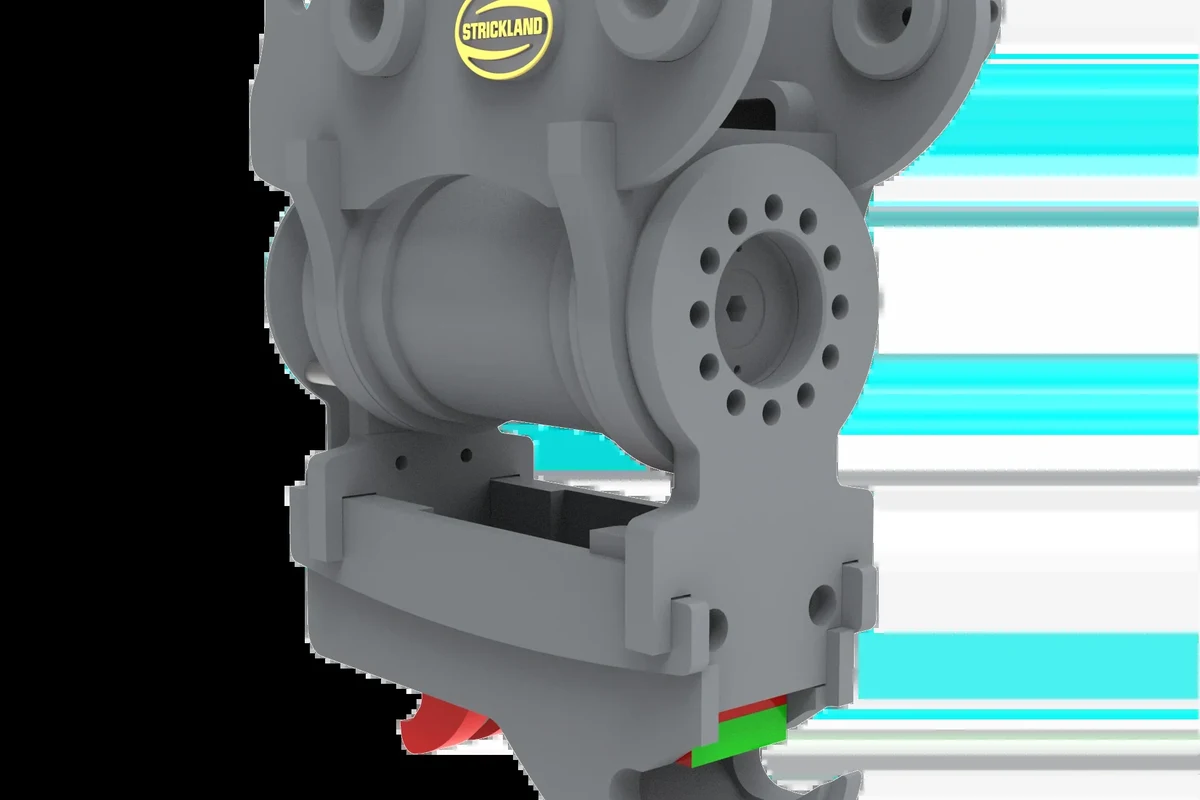
Volvo’s coupler system plays a significant role in the powertrain, enabling efficient torque distribution and performance. The S-1, S-2, and S-3 couplers differ in specifications and capabilities, making it essential for owners to grasp these distinctions.
| Coupler Type | Torque Distribution | Performance Capability |
|---|---|---|
| S-1 | Standard | Basic |
| S-2 | Enhanced | Intermediate |
| S-3 | Advanced | High Performance |
Overview of S-1, S-2, and S-3 Couplers
The S-1, S-2, and S-3 couplers are designed for various applications within the Volvo lineup. The S-1 coupler is generally the base model, offering standard performance, while the S-2 provides enhanced features, and the S-3 is the top-tier option with advanced capabilities. For related context, read what is the difference between volvo group and volvo cars.
Key Differences Between the S-1, S-2, and S-3 Volvo Couplers
To help you understand the differences more clearly, here’s a comparative overview of the specifications and performance metrics of each coupler.
Specifications and Performance Metrics
The specifications of the S-1, S-2, and S-3 couplers vary significantly, influencing their performance. Here’s a summary of each: You can also use difference between 2025 and 2025 5 volvo xc90 as the next practical guide.
| Coupler Type | Torque Rating | Weight | Power Output |
|---|---|---|---|
| S-1 | 300 Nm | 5 kg | 150 hp |
| S-2 | 400 Nm | 6 kg | 200 hp |
| S-3 | 500 Nm | 7 kg | 250 hp |
Compare like for like: the same model year range, comparable engine, and the equipment level you would really buy in your market.
Powertrain Options and Capabilities
Understanding the powertrain options available with each coupler can help you choose the right one for your driving needs. For official guidance on this, see Volvo Cars official website.
Torque and Horsepower Comparisons
The torque and horsepower ratings differ significantly between the S-1, S-2, and S-3 couplers. The S-1 offers a modest 150 hp, making it suitable for everyday driving.
In contrast, the S-2 increases the output to 200 hp, while the S-3 peaks at 250 hp, ideal for performance enthusiasts. For another location comparison, read volvo difference between t5 and t6.
Consider the long-term costs associated with each coupler type, including fuel efficiency and maintenance needs.
Safety Features and Driver-Assistance Technologies
Safety is critical in Volvo vehicles. Each coupler type may support different safety features and technologies.
Crash-Test Ratings and Safety Innovations
While crash-test ratings are generally consistent across models, the integration of driver-assistance technologies can vary. The S-3, for instance, often comes equipped with the latest safety innovations, including advanced collision avoidance systems, which may not be available in the S-1 or S-2. This also connects with what type of engine does a volvo penta have explained before you pay, sign, or book.
Daily commuters and performance enthusiasts.
Various Volvo models using S-1, S-2, and S-3 couplers.
You need a balance of features and cost.
Running Costs and Reliability Records
Understanding the financial implications of each coupler type is essential for potential buyers. For official guidance on this, see IIHS vehicle safety ratings.
Cost of Ownership Analysis
Typically, the S-1 coupler has lower running costs compared to the S-3, which, while offering superior performance, may lead to higher maintenance costs and fuel consumption. Owners should consider these factors when making a decision. For related context, read volvo maintenance schedule explained.
Best Fit Scenarios for Each Coupler Type
Choosing the right coupler depends heavily on your driving style and needs.
Who Should Choose S-1, S-2, or S-3?
- The S-1 is ideal for daily commuters seeking a reliable and efficient ride.
- The S-2 suits drivers who desire a balance of performance and comfort.
- The S-3 is best for those who prioritize high performance and advanced features.
Volvo specifications, features, and equipment can differ by model year, market, and trim, so a detail that is true for one car may not apply to another.
Pros and Cons of Each Coupler Type
Each coupler type has its strengths and weaknesses that potential buyers should consider.
Strengths and Weaknesses in Practical Use
S-1: Cost-effective for daily driving. S-2: Good balance of performance and efficiency. S-3: High performance with advanced features.
- S-1: Limited power for performance driving.
- S-2: Higher maintenance costs than S-1.
- S-3: Higher initial investment and running costs.
Final Verdict: Which Coupler is Right for You?
Choosing between the S-1, S-2, and S-3 couplers ultimately depends on your driving needs and budget. Each offers unique benefits suited to different lifestyles, from basic commuting to high-performance driving. You can also use what oil for a 3 2 volvo engine as the next practical guide.
Verify which coupler type is compatible with your specific Volvo model and year before making a purchase.
Understanding the Difference Between S-1, S-2, and S-3 Volvo Couplers
Choosing the right Volvo coupler is essential for optimizing vehicle performance. The S-1 is ideal for daily commuting with its standard capabilities, while the S-2 offers enhanced performance for those seeking a balance.
The S-3 caters to performance enthusiasts with advanced features and higher power output. Understanding these distinctions helps owners select the best fit for their driving needs.
Assess your driving style to determine if you need basic, enhanced, or high-performance capabilities. Review the torque and horsepower ratings to match your performance requirements. Consider long-term costs, including maintenance and fuel efficiency, before making a decision. For related context, read volvo xc90 3 2 reliability.
This guide on difference between s-1 s-2 s-3 volvo coupler is general information. Rules, fees, rents, salaries, service coverage, product details, and procedures can change, so confirm important points with the manufacturer, retailer, or official app documentation before acting.
Quick Questions, Answered
The S-1 coupler has a torque rating of 300 Nm, while the S-2 offers a higher rating of 400 Nm. The S-3 leads with a torque rating of 500 Nm, making it the most powerful option among the three.
The S-1 coupler provides a modest power output of 150 hp, suitable for everyday driving. In comparison, the S-2 increases this to 200 hp, and the S-3 peaks at 250 hp, catering to performance enthusiasts.
The S-1 coupler is cost-effective for daily driving, making it an appealing choice for commuters. However, its limited power output may not satisfy those seeking performance-driven capabilities.
While the S-3 coupler offers superior performance, it typically incurs higher maintenance costs and fuel consumption compared to the S-1. Buyers should weigh these long-term financial implications against their performance needs.
The S-1 coupler is ideal for daily commuters, as it provides reliable and efficient performance at a lower cost. It meets the basic driving needs without the additional expenses associated with higher-performance options.
The S-3 coupler often comes equipped with the latest safety innovations, including advanced collision avoidance systems. These features are typically not available in the S-1 or S-2 couplers, highlighting the S-3’s focus on high performance and safety.
The Bottom Line
Understanding the difference between S-1, S-2, and S-3 Volvo couplers is crucial for Volvo owners looking to optimize their vehicle’s performance. Each coupler offers unique specifications and capabilities tailored for different driving needs. You can also use volvo trucks autonomous driving technology 2 as the next practical guide.
Author

💡 Evans Torres Tip: On every Volvo I have owned, I always keep a full digital service record from day one. When something goes wrong — and eventually something always does — having that history makes diagnosis faster and often saves money at the mechanic. Start your records today, even if the car is not new.