

Leasing a Volvo can be an appealing option for many drivers, offering flexibility and a lower upfront cost compared to purchasing. However, lease agreements can vary significantly from year to year, so it’s vital to grasp the key differences between the 2018 and 2019 models.
When considering a new vehicle, understanding the differential aspects of the 2018 and 2019 Volvo lease agreement contract is crucial.
This article explores the specific differences in lease terms, costs, and options between these two model years, helping potential lessees make informed decisions.
- Understanding Volvo Lease Agreements: Leasing a Volvo can be an appealing option for many drivers, offering flexibility and.
- Key Differences in 2018 vs.: When comparing the lease agreements for 2018 and 2019 Volvos, several factors come into.
- Monthly Payments: 2018 vs. 2019: Monthly payments for leasing can differ between the two model years, influenced by factors.
- Mileage Allowances and Terms: Understanding the mileage limits is crucial as exceeding these can lead to costly penalties.
- Additional Fees and Costs: When entering a lease, upfront and hidden costs are significant..
Understanding Volvo Lease Agreements
Leasing a Volvo can be an appealing option for many drivers, offering flexibility and a lower upfront cost compared to purchasing.
However, lease agreements can vary significantly from year to year, so it’s vital to grasp the key differences between the 2018 and 2019 models.
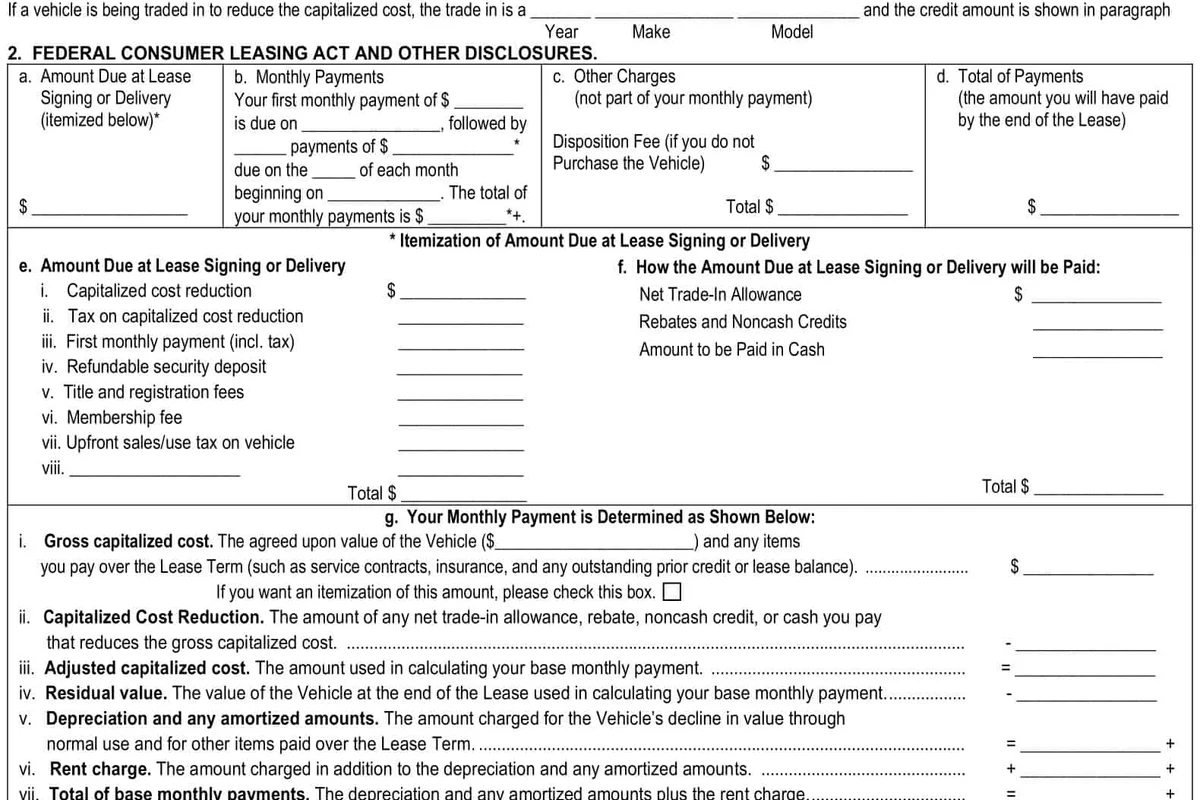
Key Considerations for 2018 vs. 2019 Volvo Lease Agreements
When evaluating the differences between the 2018 and 2019 Volvo lease agreement contracts, keep these crucial factors in mind to make an informed decision. For another location comparison, read what is the difference between volvo group and volvo cars.
- Lease Duration: Both model years typically offer a lease duration of 36 months, which is standard for many drivers.
- Monthly Payments: Be aware that monthly payments may vary based on model, with potential differences influenced by vehicle depreciation and incentives between the 2018 and 2019 agreements.
- Mileage Allowance: The standard mileage allowance starts at 10,000 miles per year for both years, but check for specific terms that may apply to your lease.
- Residual Values: Understand how residual values differ between the 2018 and 2019 models, as they can affect your monthly payments and lease-end buyout options.
- Lease-End Options: Review the lease-end options available for both years, as promotional deals for 2019 models might provide additional benefits.
| Lease Term | Monthly Payment | Mileage Allowance |
|---|---|---|
| 24 months (2018) | Lower | 10,000 miles/year |
| 36 months (2019) | Higher | 12,000 miles/year |
Key Differences in 2018 vs. 2019 Volvo Lease Agreement Contracts
When comparing the lease agreements for 2018 and 2019 Volvos, several factors come into play including terms, monthly payments, and mileage limits. Understanding these differences can help you choose the right model for your needs.
A Side-by-Side Comparison of Lease Terms
The following table outlines the primary differences in lease terms between the 2018 and 2019 Volvo models, focusing on duration, monthly payments, and mileage allowances. This area decision also connects with difference between 2025 and 2025 5 volvo xc90.
| Model Year | Lease Duration | Monthly Payment | Mileage Limit |
|---|---|---|---|
| 2018 | 36 months | Varies by model | 10,000 miles/year |
| 2019 | 36 months | Varies by model | 10,000 miles/year |
💡 Evans Torres Tip: Write down the three things you cannot live without before you compare, then drop any option that misses one, whatever its spec-sheet score.
Monthly Payments: 2018 vs. 2019 Volvo Models
Monthly payments for leasing can differ between the two model years, influenced by factors such as vehicle depreciation and incentives. Understanding these financial nuances can provide clarity on budgeting for your lease.
Analyzing Cost Differences
While both model years may offer similar lease durations, the actual monthly payments can differ based on the residual values and incentives available at the time of leasing. For related context, read volvo difference between t5 and t6.
Mileage Allowances and Terms
Understanding the mileage limits is crucial as exceeding these can lead to costly penalties at the end of the lease. Both 2018 and 2019 models typically offer similar mileage terms but it’s worth checking for specific details. For official guidance on this, see Volvo Cars official website.
How the Two Years Compare
Most leases for both years start at 10,000 miles per year, although options for higher mileage allowances may be available. Understanding your driving habits will help you determine the best choice. This area decision also connects with common problems with 2019 volvo xc40.
To get the most accurate monthly payment information, visit your local dealership or check lease offers online.
Additional Fees and Costs
When entering a lease, upfront and hidden costs are significant. These can vary between the 2018 and 2019 models, impacting your overall cost of ownership.
Understanding Upfront and Hidden Costs
Both model years may include similar fees such as acquisition fees and documentation fees, but the specifics can vary. Be sure to read the fine print on any lease agreement. For related context, read volvo xc40 floor mats 2019 2026.
Look at crash-test results and driver-assist behavior for the exact model year and market rather than the brand’s general reputation.
Lease-End Options: What Changes?
At the end of your lease, you may have different options regarding purchasing the vehicle or returning it. Understanding these options can help you plan for the future.

Evaluating Lease-End Decisions
Both years typically offer similar lease-end options, but check for any promotional deals that might be available with the 2019 models that could influence your decision. You can also use volvo xc60 2019 engine as the next practical guide.
Technology and Feature Updates
Technological advancements can impact lease agreements, particularly concerning features and options available in each model year. Understanding these updates can be crucial for tech-savvy drivers.
Impact on Lease Agreements
The 2019 models may come equipped with updated technology and features that could affect their lease terms, such as enhanced safety features or infotainment systems. Confirm which features are included in your lease.
Weigh running costs together, including insurance, scheduled service, tires, and depreciation, because the cheaper car to buy is not always the cheaper car to keep.
Residual Values: 2018 vs. 2019 Models
Residual values play a significant role in lease agreements, influencing monthly payments and lease-end buyout options. Understanding these values between the two model years is essential.
Understanding Long-Term Costs
Residual values can vary based on market trends and vehicle condition, impacting your lease agreement. Generally, newer models may have higher residual values. For official guidance on this, see Consumer Reports car guidance.
Conclusion and Recommendations
In deciding between leasing a 2018 or 2019 Volvo, consider your driving habits, budget, and the importance of newer technologies. Each model year has its strengths and weaknesses.
Who Should Lease Which Model Year?
For those looking for the latest technology and features, the 2019 model may be more appealing. However, if budget constraints are a priority, the 2018 model could be a more economical choice.
Difference Between 2018 and 2019 Volvo Lease Agreement Contract
When comparing the 2018 and 2019 Volvo lease agreement contracts, key differences include lease duration, monthly payments, and mileage allowances. Both model years typically offer a 36-month lease, but monthly payments may vary due to factors like depreciation and incentives.
Also, while both start with a standard mileage allowance of 10,000 miles per year, specific terms may differ, impacting overall leasing costs.
- Review monthly payment variations based on model and incentives.
- Check for specific mileage terms and any higher allowance options.
- Evaluate lease-end options and potential promotional deals for the 2019 models.
This guide on difference between 2018 and 2019 volvo lease agreement contract is general information. Rules, fees, rents, salaries, service coverage, product details, and procedures can change, so confirm important points with the manufacturer, retailer, or official app documentation before acting.
Quick Questions, Answered
Both the 2018 and 2019 Volvo lease agreements typically have a lease duration of 36 months with a standard mileage limit of 10,000 miles per year. However, the specifics of monthly payments can vary based on factors such as vehicle depreciation and available incentives.
Monthly payments may differ between the two model years due to factors like residual values and dealership incentives at the time of leasing. Understanding these financial nuances is essential for budgeting your lease effectively.
While both lease agreements may include similar fees such as acquisition and documentation fees, the specifics can vary between the 2018 and 2019 models. It’s important to read the fine print on each lease agreement to identify any potential hidden costs.
Both the 2018 and 2019 models generally offer similar lease-end options, including the choice to purchase or return the vehicle. However, the 2019 models may have promotional deals that could influence your decision at the end of the lease.
The 2019 models may feature updated technology and safety enhancements that could affect the lease terms. Tech-savvy drivers should confirm which features are included in their lease to assess their overall value.
Residual values are crucial in determining monthly payments and lease-end buyout options, and they can vary significantly between the two model years. Generally, newer models like the 2019 may have higher residual values, impacting the overall cost of leasing.
Wrapping Up
Understanding the difference between 2018 and 2019 Volvo lease agreement contracts will lets you make a more informed decision. Always read the fine print and consult with your dealer for the most accurate information.
