


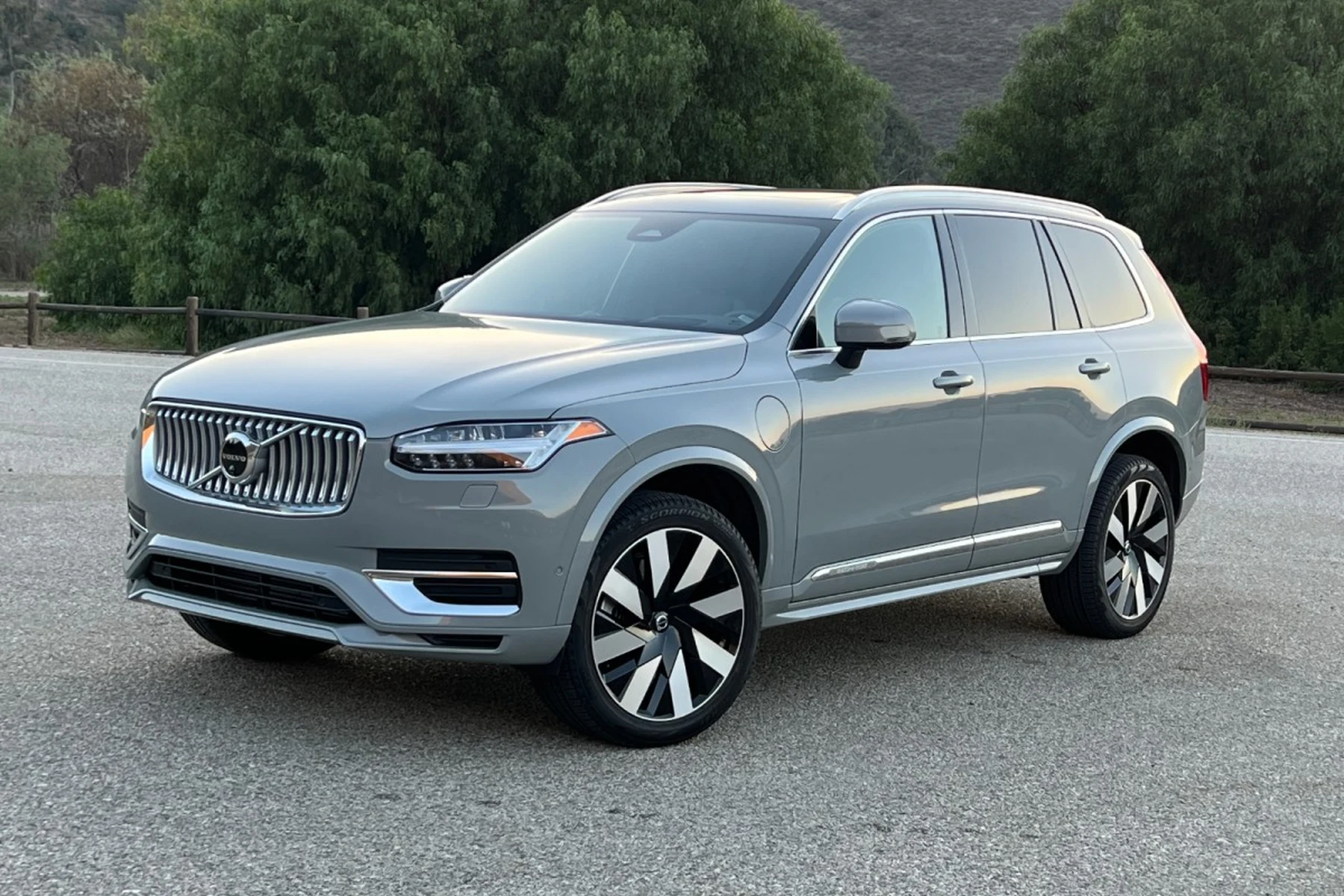
In the audi q7 vs volvo xc90 car and driver matchup, the XC90 prioritizes efficiency, safety tech and family space, while the Q7 leans sportier with stronger towing and rich cabin polish. Choose the XC90 for value and plug-in range; choose the Q7 for dynamics and tow capacity.
The Audi Q7 and Volvo XC90 are direct rivals in the U.S. three-row luxury SUV class, each offering AWD, seven seats and premium tech. Shoppers compare them for family practicality, safety, driving feel and total cost.
This guide focuses on 2024–2026 U.S. models as available in August 2026, using official specs, EPA data and comparable safety ratings. Where relevant, we reference reputable instrumented tests and real buyer implications.
If you want a broader brand lens before diving deep, our take on Volvo vs Audi distills long-term priorities that also surface here.
- Main difference: XC90 emphasizes efficiency, safety tech and cargo space; Q7 emphasizes sportier handling, richer cabin finish and higher towing.
- Best for A: Volvo XC90 suits families wanting usable three-row space, strong standard safety and a plug-in hybrid option.
- Best for B: Audi Q7 suits drivers who value sharper handling, plush ride and up to 7,700 lb towing (properly equipped).
- Cost/value: XC90 typically undercuts a comparable Q7 on MSRP and can save fuel with the Recharge PHEV; Q7 can add cost with options but returns top towing and V6 punch.
- Important caveat: Safety ratings, features and EPA figures vary by model year, engine and options—verify like-for-like builds before deciding.
Are the Audi Q7 and Volvo XC90 direct competitors?
Yes. Both are three-row, unibody, midsize luxury SUVs with standard or widely available AWD and family-first packaging. They target the same buyers and price bands.
The Volvo XC90 skews toward efficiency and minimalist Scandinavian design. The Audi Q7 skews toward a sportier drive, opulent materials and high tow ratings.
At-a-glance: Audi Q7 vs Volvo XC90
This table highlights the specs most shoppers weigh first. Figures reflect typical 2025 U.S. configurations; verify details for your exact build and year.
| Spec | Volvo XC90 | Audi Q7 |
|---|---|---|
| Powertrains | B5 2.0T mild-hybrid; B6 2.0T+SC mild-hybrid; T8 Recharge PHEV | 45 TFSI 2.0T MHEV; 55 TFSI 3.0 V6 MHEV (SQ7 V8 is a separate performance model) |
| Horsepower (approx.) | 247 (B5); 295 (B6); ~455 (Recharge) | 261 (45); 335 (55) |
| Drivetrain | AWD widely available/standard by trim | quattro AWD standard |
| Seating | 7 (2nd-row bench standard; 6 with captain’s chairs where available) | 7 (2nd-row bench standard; 6 with captain’s chairs where available) |
| Cargo (cu ft, approx.) | 15.8 behind 3rd; 41.8 behind 2nd; 85.7 max | 14.2 behind 3rd; 35.7 behind 2nd; 69.6 max |
| Towing capacity | Up to 5,000 lb (properly equipped) | Up to 7,700 lb (properly equipped) |
| EPA efficiency (combined) | ~22–23 mpg (B5/B6); ~55–58 MPGe and ~32 mi EV (Recharge PHEV; year/trim dependent) | ~20–21 mpg (45/55 TFSI; year/trim dependent) |
| Infotainment | Google built-in, 9″ portrait touchscreen | MMI with 10.1″ upper + 8.6″ lower touchscreens |
| Active safety | City Safety AEB, BLIS, lane-keeping; Pilot Assist available | Pre Sense Front AEB, lane-keeping; adaptive cruise packages available |
| Typical new-MSRP window | ~$56k–$80k+ (B5 to Recharge) | ~$60k–$76k (45/55; SQ7 higher) |
Main differences between Audi Q7 and Volvo XC90
The Volvo XC90 offers a plug-in hybrid with meaningful EV range, more cargo capacity, and a safety-first feature set that’s broadly standard. The cabin design is clean and airy, with excellent outward visibility.
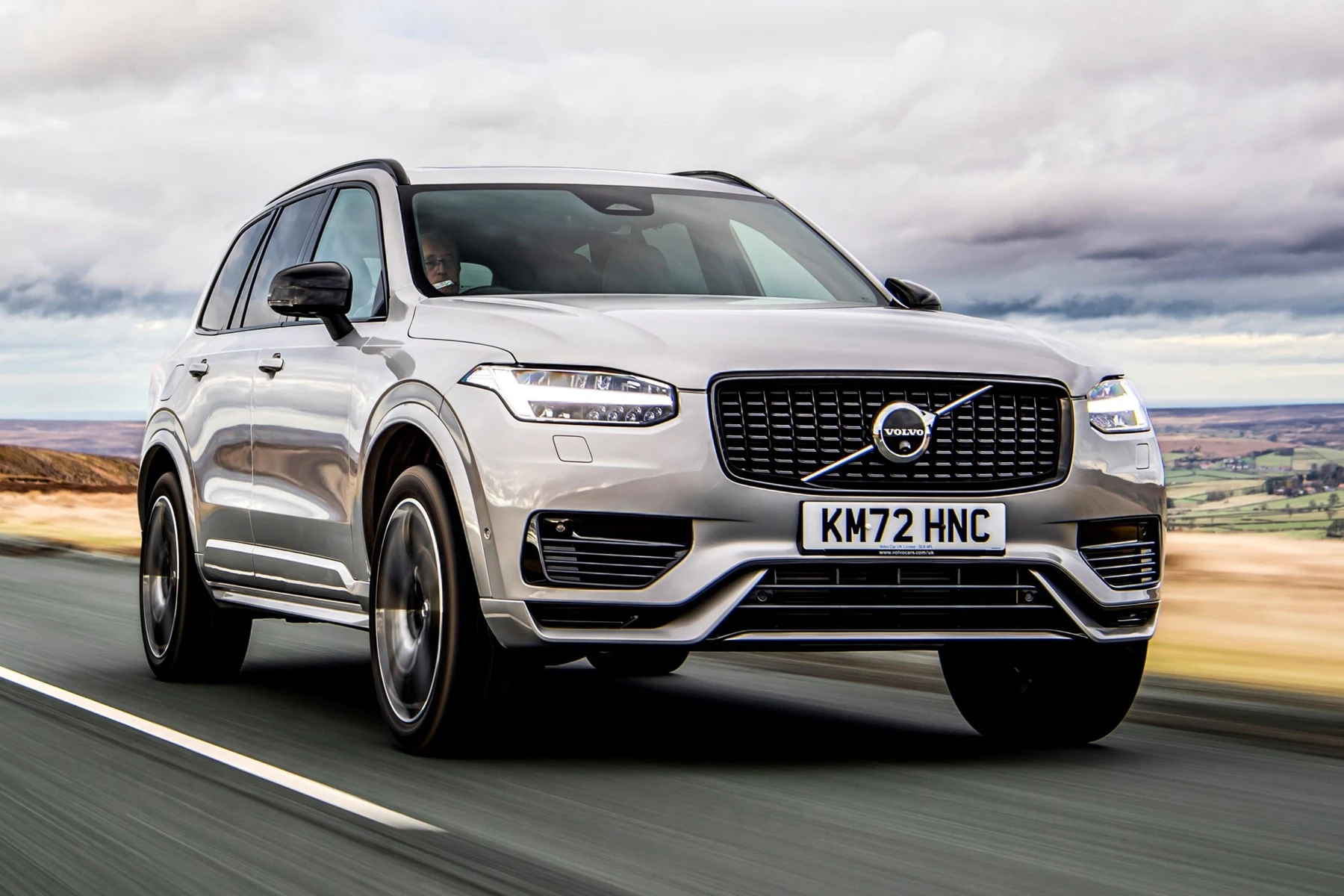
The Audi Q7 counters with more athletic steering and chassis tuning, an available V6 with strong midrange pull, and the class’s stout towing rating when properly equipped. Its ride isolation and interior materials skew plusher.
Similarities and common ground
Both seat six or seven, include robust crash-avoidance tech, and provide polished infotainment with native navigation, premium audio options and over-the-air updates. Each can be configured for family comfort with captain’s chairs, surround-view cameras and adaptive lighting.
In many independent tests, the XC90 Recharge is the quicker straight-liner, while the Q7 55 feels more composed in rapid transitions. How you drive matters more than any single 0–60 time.
Price, comparable trims and feature-adjusted value
Like for like, an XC90 B5 or B6 often undercuts an equivalently equipped Q7 45 or 55 on MSRP. Incentives, lease programs and option packaging swing totals more than brand differences.
If you plan short commutes or can charge at home, the XC90 Recharge can offset a higher sticker with fuel and tax-credit advantages where applicable. The Q7’s V6 adds cost but brings effortless passing and higher tow capacity.
Confirm model year, engine, AWD, seating layout, tow packages, driver aids and audio/suspension options on both vehicles. Price the entire build, not the base trim, then compare total out-the-door numbers.
For a concise head-to-head verdict, see our focused guide on which car is better, Volvo XC90 or Audi Q7 once you’ve narrowed to two final builds.
Size, seating, cargo and everyday practicality
The Volvo XC90 provides more cargo space in every configuration, especially with rows folded. That matters for strollers, sports gear or bulk runs.
Third-row comfort is kid-first in both, but the XC90’s flatter floor and airy glass make it feel less claustrophobic. Both support two child seats easily in Row 2; a third may require narrow models and careful belt checks.
- Install your actual child seats and check LATCH/belt access in every row.
- Fold/raise third row with one hand; verify cargo floor height vs your gear.
- Confirm spare tire or repair kit, and the location of 12V/USB-C ports.
Interior comfort, visibility and cabin usability
The XC90’s minimalist layout, large glass area and supportive seats reduce fatigue on long days. Physical controls for climate remain intuitive.
The Q7’s materials feel a notch more sumptuous, and the optional air suspension can add a pillowy ride. Some drivers prefer Audi’s dual-screen control logic; others find Volvo’s simpler setup less distracting.
Infotainment, controls and technology
Volvo XC90 uses Google built-in with native Google Maps, Assistant and app support, plus Apple CarPlay. Voice commands are strong and updates are over the air.
Audi’s MMI blends a crisp upper infotainment screen with a haptic lower panel for climate/shortcuts, plus wireless CarPlay/Android Auto. Audi’s Virtual Cockpit remains one of the best driver displays.
Safety and driver assistance
Both models post strong results with U.S. agencies in recent years. XC90 and Q7 commonly earn high IIHS and 5-star NHTSA scores when comparably equipped, though ratings can vary by year and headlight or crash-protocol updates.
Standard AEB, lane-keeping and blind-spot monitoring are widely included. Highway assists (Pilot Assist on Volvo; Traffic Jam/Adaptive packages on Audi) may require higher trims or packages.
Match model year and headlights for IIHS, and verify NHTSA star ratings by VIN. Confirm which safety features are standard vs optional on your exact trim before assuming parity.
IIHS updated several crash tests recently. A Top Safety Pick/+ in one year may not directly translate to the next under stricter criteria.
Performance, ride, handling and drivetrain
The Audi Q7 55 TFSI V6 delivers smooth, confident thrust and a tied-down feel in fast corners. Its available adaptive and air suspensions can sharpen responses or float over rough patches.
The Volvo XC90 Recharge is often the quickest in a straight line thanks to electric torque, while B5/B6 trims prioritize calm, predictable responses. Steering is lighter than the Q7 but consistent and easy in town.
- Drive the same loop with both: broken pavement, highway on-ramp, and a tight turn.
- Toggle drive modes; note throttle lag, brake feel and body control.
- If towing, test with a loaded trailer or simulate with added cargo weight.
Fuel economy and EV range
EPA combined ratings for the Q7 typically land around 20–21 mpg depending on 2.0T or 3.0 V6. Real-world numbers track driving style and options like air suspension and wheels.
The XC90 B5/B6 usually sits in the low-20s combined, while the Recharge PHEV offers roughly low-50s MPGe and around 30+ miles of EV range when charged, per typical recent EPA listings.
If you can plug in nightly, the XC90 Recharge can cover most weekday miles electrically. If you cannot charge reliably, favor the B5/B6 or an Audi Q7 configuration that balances power with highway mpg.
Reliability, known issues and evidence level
Comprehensive 2025–2026 reliability data is still developing. Historically, both nameplates trend mid-pack among luxury SUVs, with outcomes driven by maintenance behavior and powertrain complexity.
PHEV systems add components but can reduce brake wear via regeneration. Air suspensions ride beautifully yet add cost and complexity over time. Use a pre-purchase inspection for any used or CPO example.
Maintenance, insurance and total ownership cost
Routine upkeep is similar for both: synthetic oil, filters, coolant and brake service. Tires and alignment can be cost drivers on heavy, AWD luxury SUVs with large wheels.
Insurance is broadly comparable at the segment level. Depreciation curves vary by trim and options; family-friendly seven-seaters often retain interest in the used market.
- Price tires in OEM sizes and a touring alternative.
- Quote insurance on your exact VIN and ZIP.
- Compare 36/10k and 36/12k leases with and without maintenance plans.
Planning long-term service? Our overview of the Volvo XC90 maintenance schedule helps map upcoming intervals and costs.
Towing and hauling: which does more?
If maximum towing matters, the Audi Q7 is the segment standout at up to 7,700 lb when properly equipped. Its chassis and powertrains make towing feel easy at highway speeds.
The Volvo XC90 caps at 5,000 lb when properly equipped, which suffices for many small boats, pop-ups and utility trailers. Verify hitch ratings and tongue weights for your exact build.
Volvo XC90 Pros and Cons
- Available Recharge PHEV with meaningful EV range
- More cargo space and airy cabin with great visibility
- Strong standard safety tech and driver assists
- Often better feature-adjusted value vs rivals
- Max towing lower than Q7
- Driving feel skews comfort over sport
- PHEV adds complexity and cost if you cannot charge
Audi Q7 Pros and Cons
- Sportier handling and refined ride, especially with adaptive/air suspension
- Strong V6 performance and high towing capacity
- Sumptuous interior materials and displays
- Less cargo room and tighter third row than XC90
- Lower fuel economy vs XC90, no PHEV option
- Option costs add up quickly
Which vehicle is better for different buyers?
Alternatives worth considering
Acura MDX blends value and handling with a usable third row. Lexus TX prioritizes space and efficiency with hybrid choices.
BMW X5 offers an optional third row and an excellent plug-in variant (xDrive50e). Lincoln Aviator combines strong turbo power with a PHEV option for more towing than the XC90 Recharge.
How to Decide Between Audi Q7 and Volvo XC90
- Define your top two: heavy towing or plug-in efficiency. One will likely point you to Q7 or XC90 Recharge.
- Price complete builds with your must-haves (captain’s chairs, tow package, 360° camera, premium audio).
- Drive identical routes and swap immediately. Note noise, ride, steering and parking visibility.
- Run a 12-month cost model: insurance quotes, fuel/charging, tires, scheduled service and projected resale.
- Verify safety equivalence by year, headlights and options; pick the one that meets your must-have features standard.
Before we jump into FAQs, one practical reminder can save time at the dealership and in ownership.
💡 Evans Torres Tip: Bring your garage measurements, a stroller or golf bag and your car seats to the test drive. Load everything with the third row both up and down, then reverse into a tight spot. If daily-life items fit cleanly and you can park stress-free, you’ve already picked the right SUV.
Frequently Asked Questions
Shoppers researching Audi Q7 vs Volvo XC90 usually have a handful of specific questions about safety, space, efficiency and long-term costs. The answers below focus on recent U.S. model years and comparable trims, and they flag where results vary by exact equipment. Always verify final details by VIN before buying.
Which is safer, the Audi Q7 or Volvo XC90?
Both routinely score highly with IIHS and NHTSA in recent years when comparably equipped. Ratings can differ by headlights and protocol year, so match model year and options. Choose the one that delivers your must-have assists standard in your budget.
Which has more cargo and third-row space?
The Volvo XC90 offers more cargo volume behind every row and feels airier. The Audi Q7’s third row is fine for kids and short trips. If luggage or strollers are frequent, the XC90’s extra cubic feet matter week to week.
Which gets better fuel economy?
For gas-only trims, the XC90 generally edges the Q7 by a small margin. The big gap appears with the XC90 Recharge PHEV, which adds meaningful EV range and higher MPGe when charged regularly. The Q7 has no factory PHEV option in this period.
Which tows more?
The Audi Q7 leads, rated up to 7,700 lb when properly equipped. The Volvo XC90 tops out at 5,000 lb. If your trailer approaches 6,000–7,000 lb loaded, the Q7 is the safer, less stressed choice.
Which is more reliable long-term?
It depends on powertrain and upkeep. Mild-hybrid gas trims in both models are straightforward; PHEV systems add complexity but can reduce brake wear. Follow maintenance schedules, use quality tires and get a pre-purchase inspection for used or CPO.
Is the XC90 Recharge plug-in worth it?
Yes if you can charge at home and most trips are under its EV range. You’ll save fuel and enjoy quiet electric driving. If you cannot plug in reliably, consider XC90 B5/B6 or an Audi Q7 that best balances power and mpg.
Which has the nicer interior?
Subjective, but many find the Audi Q7 a touch richer in materials and ride isolation. The Volvo XC90’s design is cleaner and brighter with excellent visibility. Sit in both at night and on rough roads to decide which atmosphere you prefer.
Where can I find a quick verdict on Q7 vs XC90?
After you’ve scoped features and pricing, our short-form head-to-head on which car is better, Volvo XC90 or Audi Q7 condenses the decision into everyday priorities.
Final Verdict
If you prioritize family space, standard safety and the option to drive primarily on electricity, the Volvo XC90—especially the Recharge—delivers standout day-to-day value. It’s easy to see out of, easy to live with and efficient when you can charge.
If you tow heavy, drive long highway stretches or want a more athletic feel with plush isolation, the Audi Q7 55 TFSI is the better fit. It tows significantly more and feels composed at speed with the right suspension options.
Price complete builds, verify safety by year and test both over the same route. Then pick the one that matches your top two priorities without expensive compromises.
My Top Picks at a Glance
These three XC90 Q7 accessories are practical options to compare after choosing the right Volvo configuration.
 Best Overall
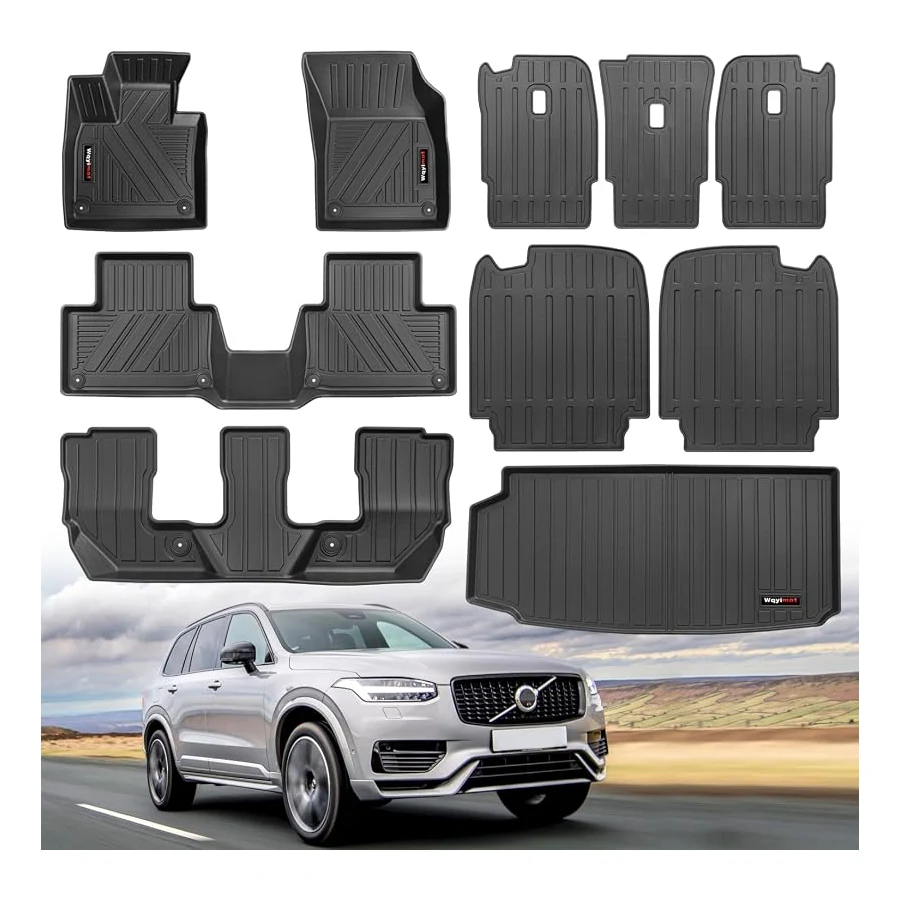
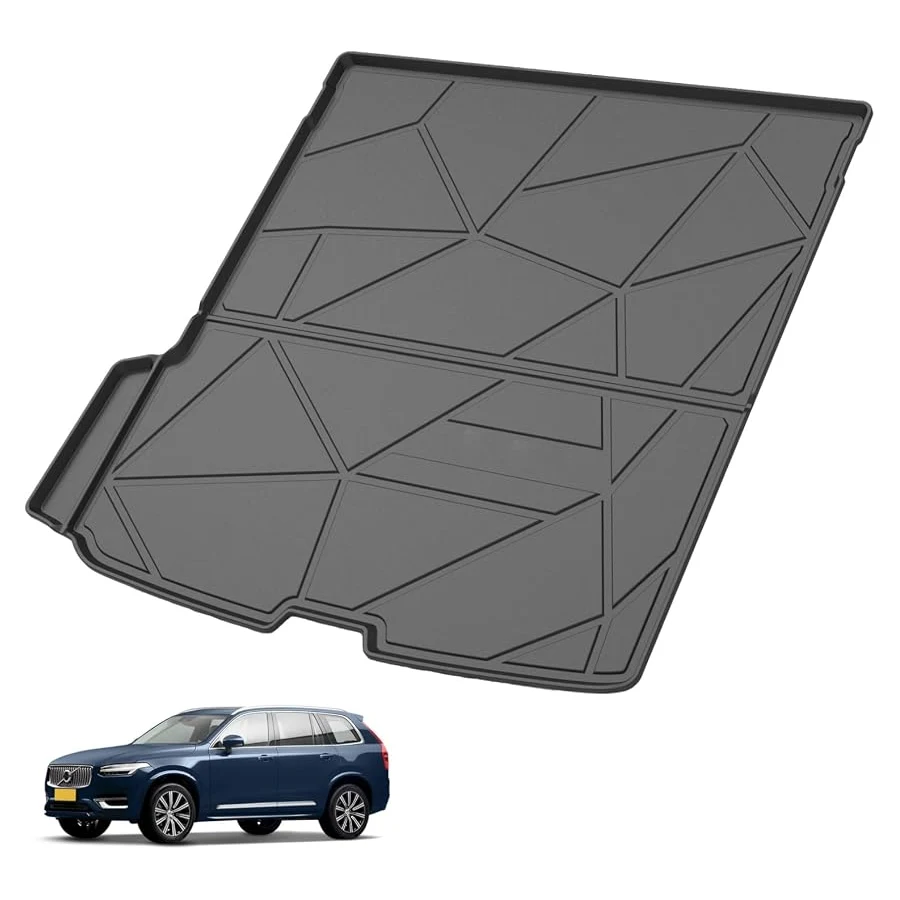
2016-2026 Volvo XC90 PHEV 7-Seat All-Weather TPE 3-Row Floor Mats, Cargo Liner, Backrests, 10-Piece
A vehicle-fit accessory to compare for compatibility, daily usefulness, and value.
 Best Value
Elsetyler Cargo Liner for 2016-2026 Volvo XC90, Black TPE All-Weather Waterproof Heavy-Duty Trunk Floor Protector
A vehicle-fit accessory to compare for compatibility, daily usefulness, and value.
 Best Premium Option
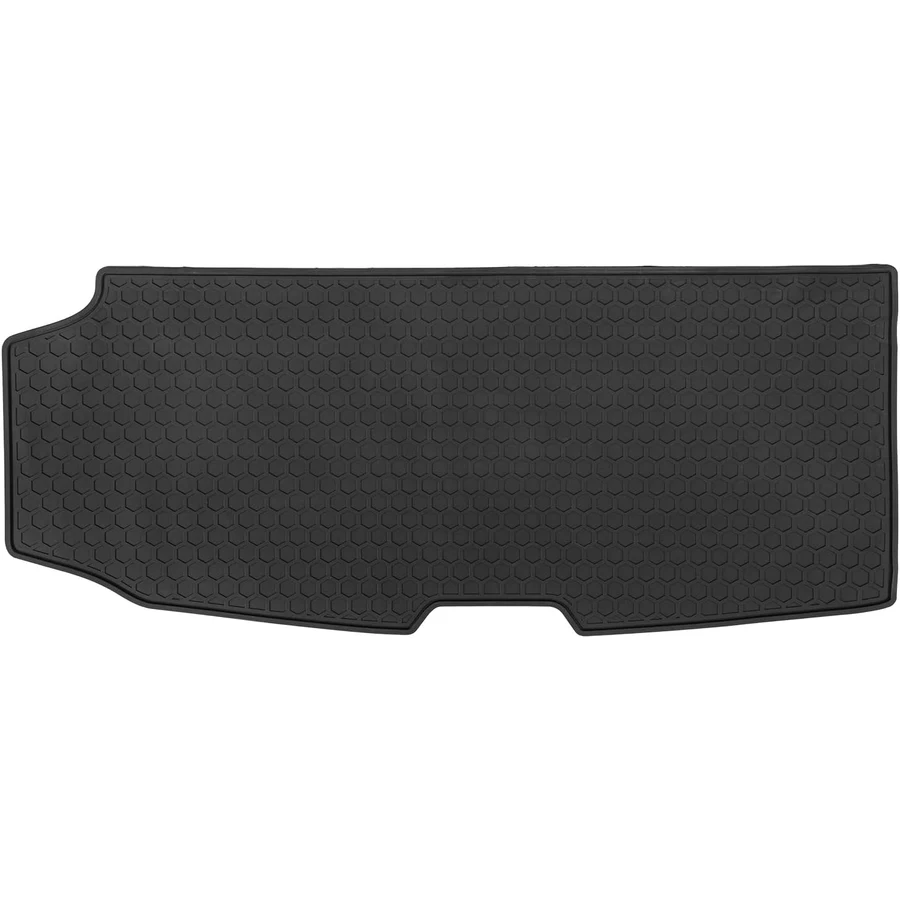
Cargo Mat for 2016-2026 Volvo XC90, Custom-Fit All-Black Rubber All-Weather Trunk Cargo Liner Protector
A vehicle-fit accessory to compare for compatibility, daily usefulness, and value.
Sources and Methodology
This U.S.-market comparison focuses on 2024–2026 model years as available in August 2026. We aligned trims by powertrain and equipment, prioritized manufacturer specifications, and referenced EPA fuel-economy listings and IIHS/NHTSA safety data where protocols are comparable. Performance characterizations reflect a synthesis of official data and reputable instrumented tests; exact numbers vary by wheel/tire, options and conditions.
Author

Author

Evans Torres
I’m Evans Torres, an automotive engineer who loves Volvo cars. I graduated in Automotive Engineering from USC. I have worked in the car industry for years and now share my knowledge on The Volvo Life. I started this blog to connect with other Volvo fans. I offer tips, news, and advice to help you care for your car. My goal is to help you keep your Volvo in great shape and find all the best things about it. Join me as we discover everything Volvo has to offer!